I originally posted this story on 20 December, 2013. It gives you some real background on how Congress fumbled the quest for a camouflage pattern by stripping the deadline out of the legislation in conference committee. Since several articles discussing camouflage have made the rounds recently, I felt it was important to arm SSD readers with some facts.
I keep getting emails from readers with links to stories from other websites with these silly headlines about new legislation blocking the Army’s ability to field new camo. I thought that the best way to put this to bed is to share the actual language in the National Defense Authorization Act for Fiscal Year 2014 with you so I asked the folks at Rising Tide if they could provide a copy and they were more than happy to oblige. Read the section in question for yourself and then we’ll discuss.
SEC. 352. REVISED POLICY ON GROUND COMBAT AND CAMOUFLAGE UTILITY UNIFORMS.
(a) ESTABLISHMENT OF POLICY.—It is the policy of the United States that the Secretary of Defense shall eliminate the development and fielding of Armed Force specific combat and camouflage utility uniforms and families of uniforms in order to adopt and field a common combat and camouflage utility uniform or family of uniforms for specific combat environments to be used by all members of the Armed Forces.
(b) PROHIBITION.—Except as provided in subsection
(c), after the date of the enactment of this Act, the Secretary of a military department may not adopt any new camouflage pattern design or uniform fabric for any combat or camouflage utility uniform or family of uniforms for use by an Armed Force, unless—
(1) the new design or fabric is a combat or camouflage utility uniform or family of uniforms that will be adopted by all Armed Forces;
(2) the Secretary adopts a uniform already in use by another Armed Force; or
(3) the Secretary of Defense grants an exception based on unique circumstances or operational requirements.
(c) EXCEPTIONS.—Nothing in subsection (b) shall be construed as—
(1) prohibiting the development of combat and camouflage utility uniforms and families of uniforms for use by personnel assigned to or operating in support of the unified combatant command for special operations forces described in section 167 of title 10, United States Code;
(2) prohibiting engineering modifications to existing uniforms that improve the performance of combat and camouflage utility uniforms, including power harnessing or generating textiles, fire resistant fabrics, and anti-vector, anti-microbial, and anti-bacterial treatments;
(3) prohibiting the Secretary of a military department from fielding ancillary uniform items, including headwear, footwear, body armor, and any other such items as determined by the Secretary;
(4) prohibiting the Secretary of a military department from issuing vehicle crew uniforms;
(5) prohibiting cosmetic service-specific uniform modifications to include insignia, pocket orientation, closure devices, inserts, and undergarments; or
(6) prohibiting the continued fielding or use of pre-existing service-specific or operation-specific combat uniforms as long as the uniforms continue to meet operational requirements.
(d) REGISTRATION REQUIRED.—The Secretary of a military department shall formally register with the Joint Clothing and Textiles Governance Board all uniforms in use by an Armed Force under the jurisdiction of the Secretary and all such uniforms planned for use by such an Armed Force.
(e) LIMITATION ON RESTRICTION.—The Secretary of a military department may not prevent the Secretary of another military department from authorizing the use of any combat or camouflage utility uniform or family of uniforms.
(f) GUIDANCE REQUIRED.—
(1) IN GENERAL.—Not later than 60 days after the date of the enactment of this Act, the Secretary of Defense shall issue guidance to implement this section.
(2) CONTENT.—At a minimum, the guidance required by paragraph (1) shall require the Secretary of each of the military departments—
(A) in cooperation with the commanders of the combatant commands, including the unified combatant command for special operations forces, to establish, by not later than 180 days after the date of the enactment of this Act, joint criteria for combat and camouflage utility uniforms and families of uniforms, which shall be included in all new requirements documents for such uniforms;
(B) to continually work together to assess and develop new technologies that could be incorporated into future combat and camouflage utility uniforms and families of uniforms to improve war fighter survivability;
(C) to ensure that new combat and camouflage utility uniforms and families of uniforms meet the geographic and operational requirements of the commanders of the combatant commands; and
(D) to ensure that all new combat and camouflage utility uniforms and families of uniforms achieve interoperability with all components of individual war fighter systems, including body armor, organizational clothing and individual equipment, and other individual protective systems.
(g) REPEAL OF POLICY.—Section 352 of the National Defense Authorization Act for Fiscal Year 2010 (Public Law 111–84, 123 Stat. 2262; 10 U.S.C. 771 note) is repealed.
Now my comments–
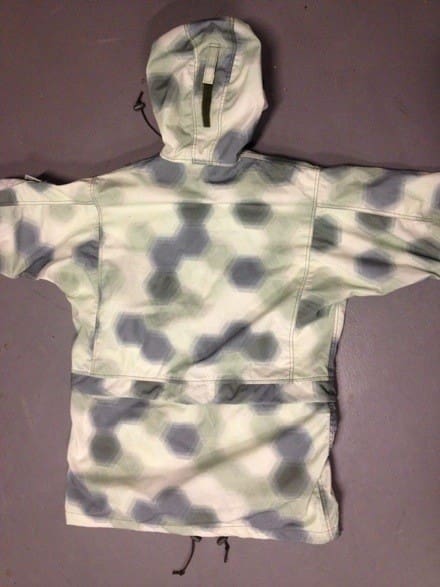
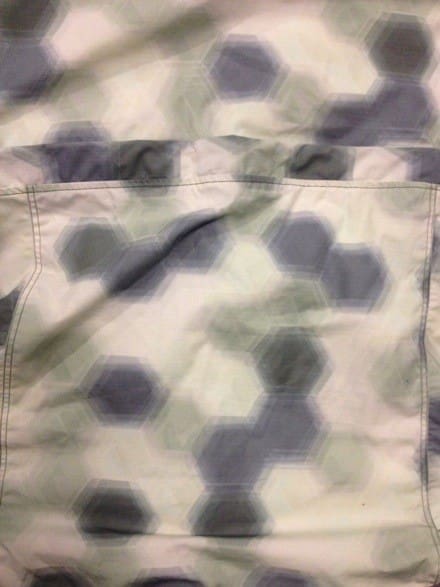
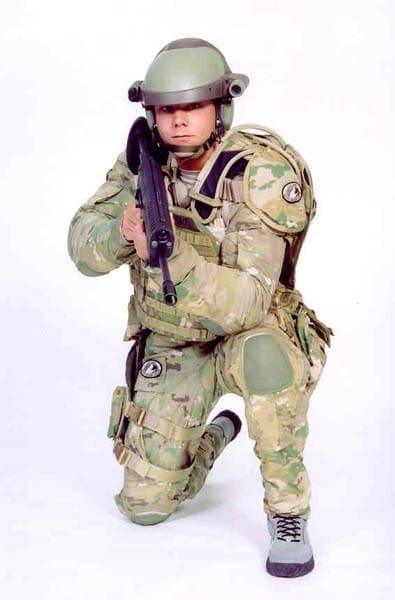
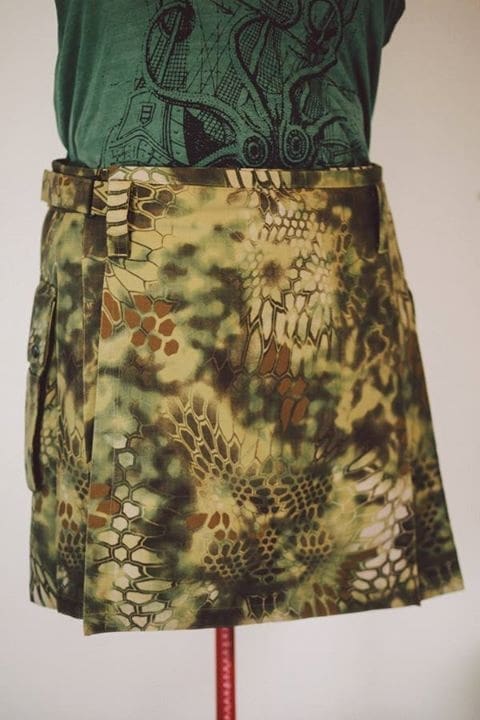
The hope has been that Congress would step in to curb the US military’s number of camouflage patterns from what averages out to about two per service, to a more manageable total of three or less for everybody. I hope you aren’t as underwhelmed as I am with the legislation. Any teeth that the original Enyart Amendment had to bring about any real change, seem to have been yanked from this document.
Having said that, there are a couple of interesting bits. Such as…This section, which halts the Marine Corps’ restriction on sharing MARPAT:
(e) LIMITATION ON RESTRICTION.—The Secretary of a military department may not prevent the Secretary of another military department from authorizing the use of any combat or camouflage utility uniform or family of uniforms.
But this section is the free pass that the USMC has been looking for to continue to use MARPAT as long as they want:
Nothing in subsection (b) shall be construed as—
(6) prohibiting the continued fielding or use of pre-existing service-specific or operation-specific combat uniforms as long as the uniforms continue to meet operational requirements.
My take is that this proposed law really does nothing to control the problem. It’s just another watered down version of the language from 2010 that it replaces. There are no deadlines to move to a common uniform or pattern as specified in Rep William Enyart’s (D-IL) (MG, USA NG, Ret) original amendment to the House version of the NDAA; no consequences to continuing on the current path. It’s status quo. Services can continue to use the patterns they already have and can utilize different pocket configurations and even different body armor. It’s the development of new patterns that is at issue and even this can be accomplished so long as it is done so under the banner of jointness. In fact, the language even encourages development of new patterns and technologies.
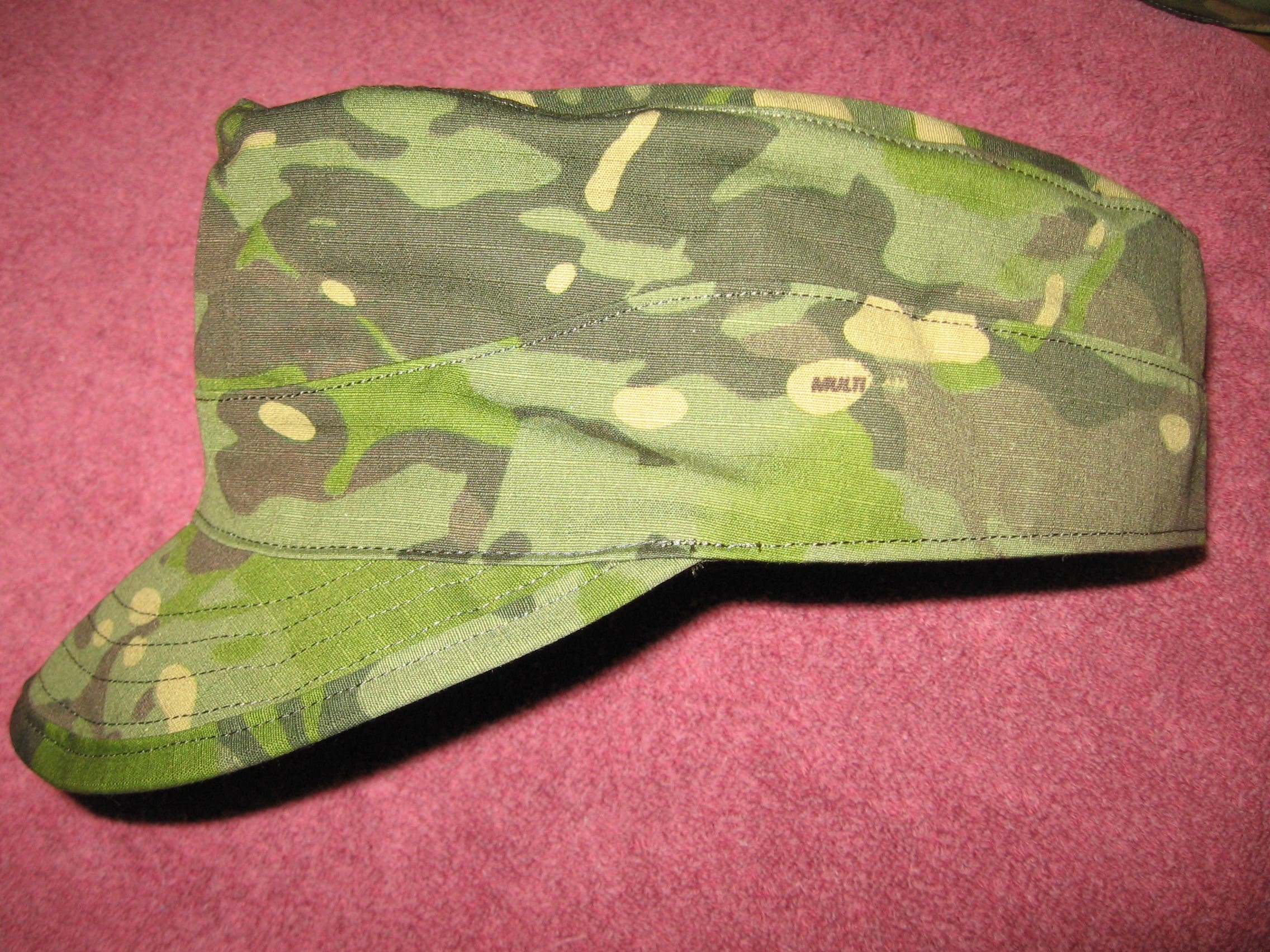
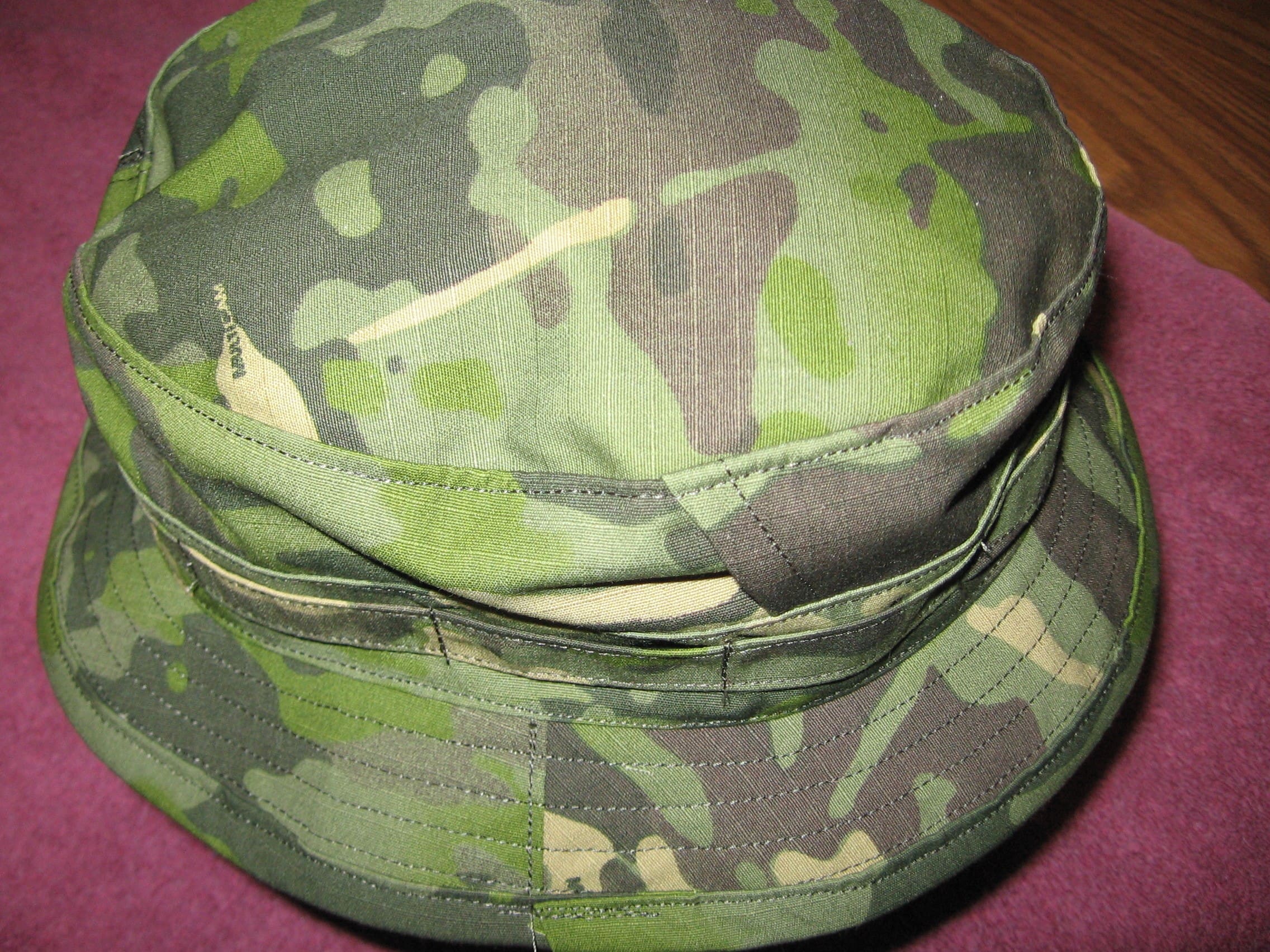
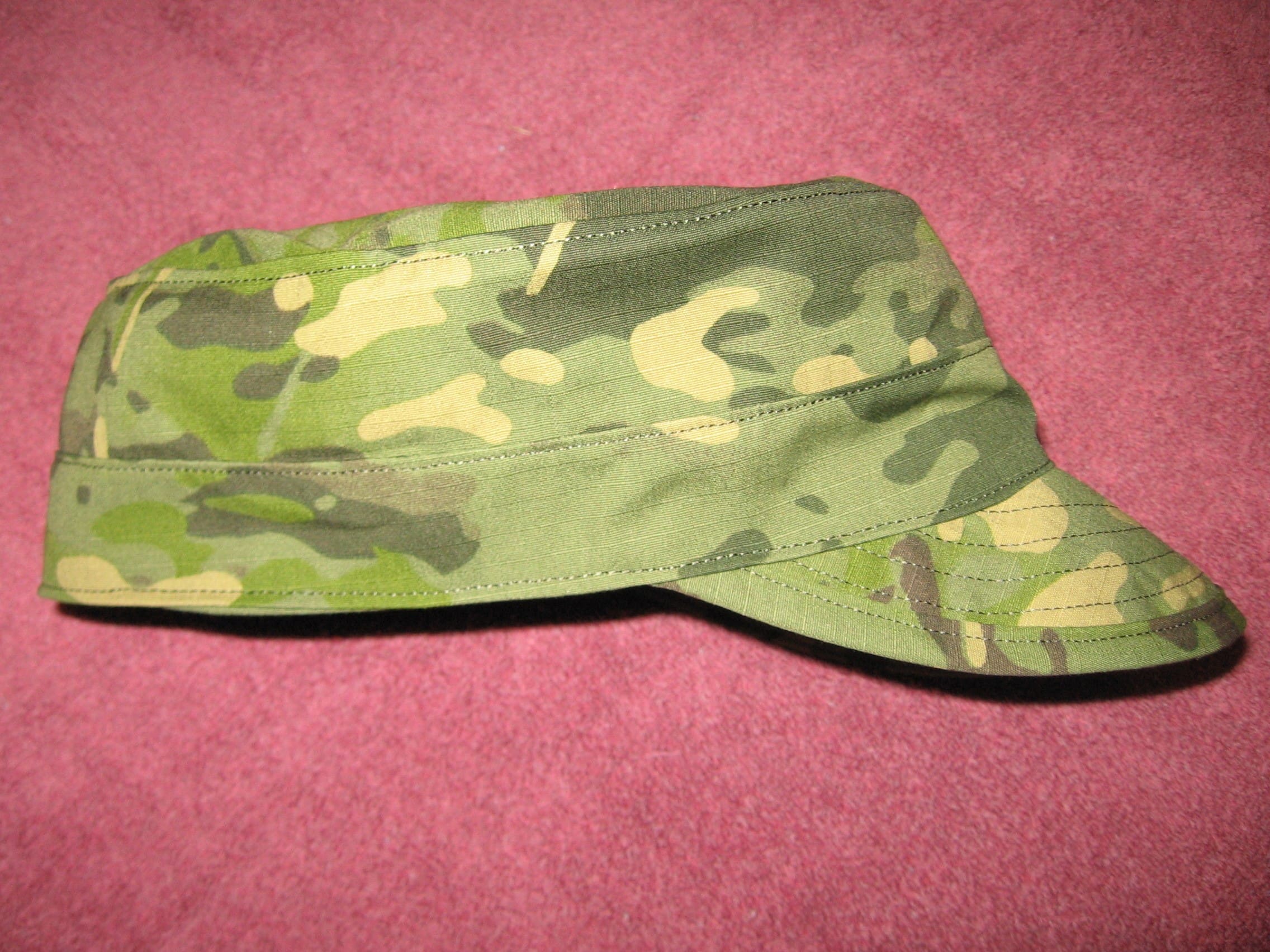
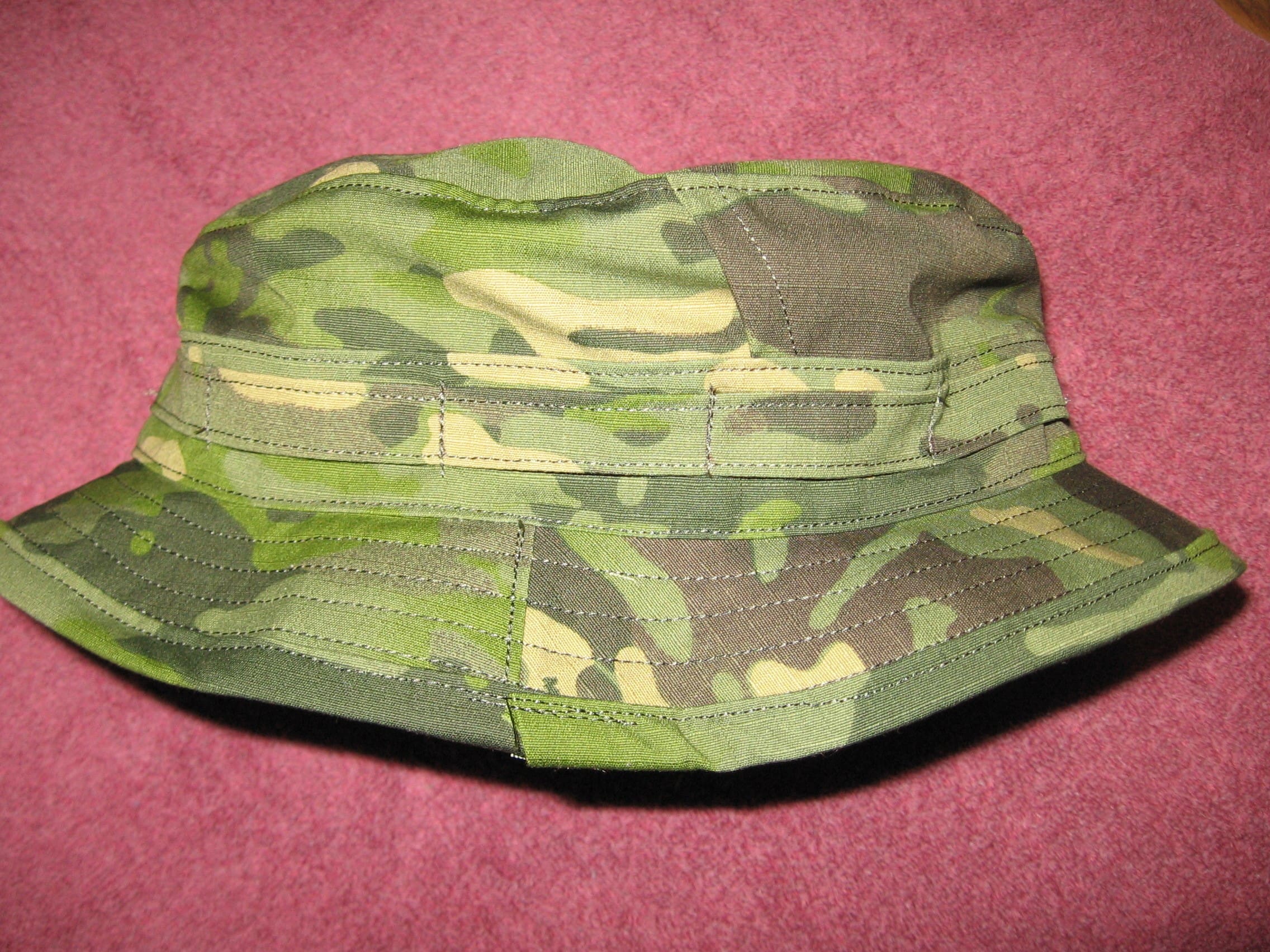
The real question is how this will affect the Army’s Camouflage Improvement Effort and the USMC’s developmental Transitional MARPAT (yes, you read that right). Not that it really matters. The Army has zero interest in announcing the results of the so-called Phase IV Camo Tests and instead is in the midst of a soft-transition to the Operational Camouflage Pattern (aka Crye Precision’s MultiCam), a currently issued pattern. And so far, no one knows what will come of work being accomplished by NRL on behalf of the Marine Corps.
If you want to know about all of the other defense programs, below is the entire 1105 page NDAA bill. It was recently passed by the House of Representatives and should clear the Senate today. The President is expected to sign it into law before Christmas.
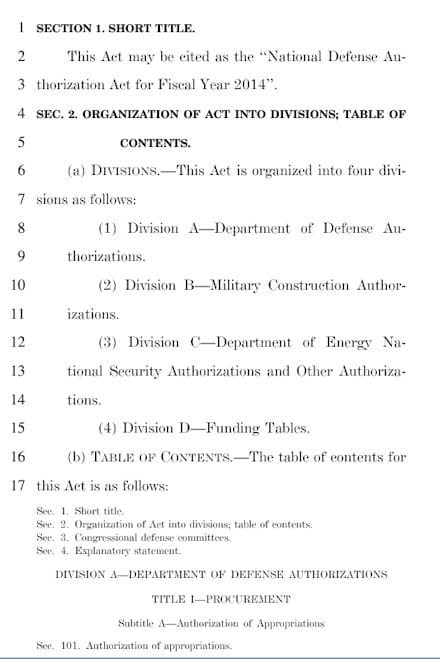
There’s also some guidance on protective equipment early on in the bill. It’s worth looking at.