GORE-TEX Professional

Archive for the ‘Clothing’ Category

Roggenwolf Warg Update

Monday, February 14th, 2011

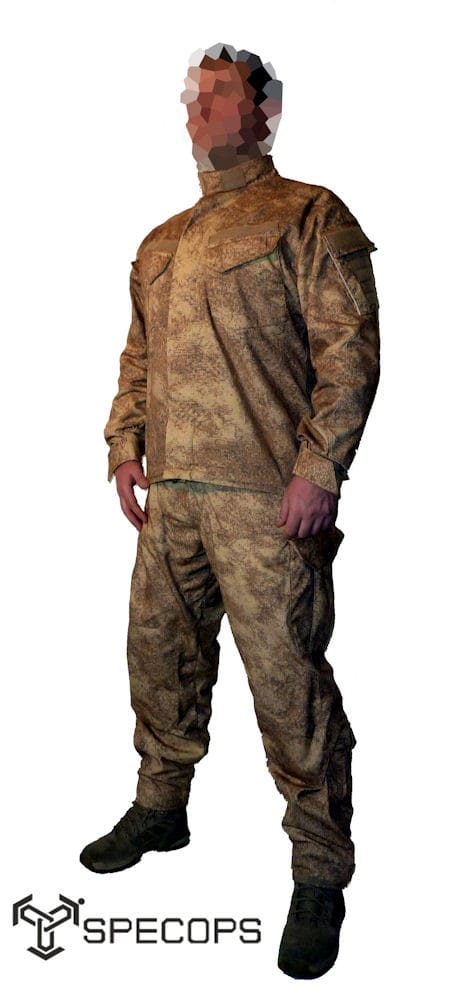
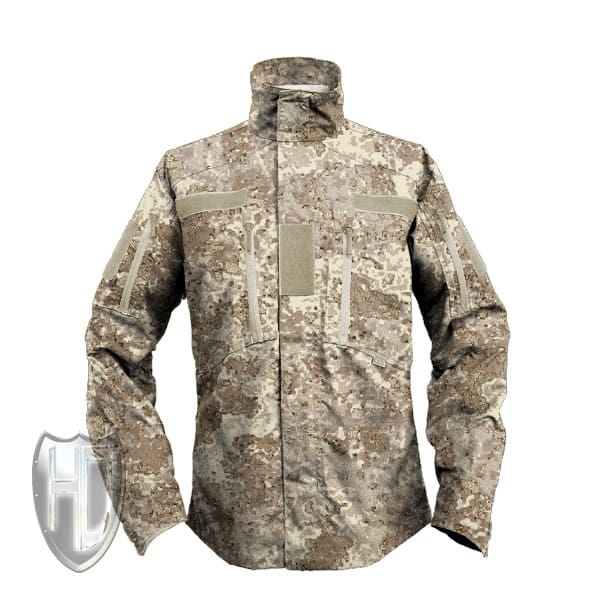
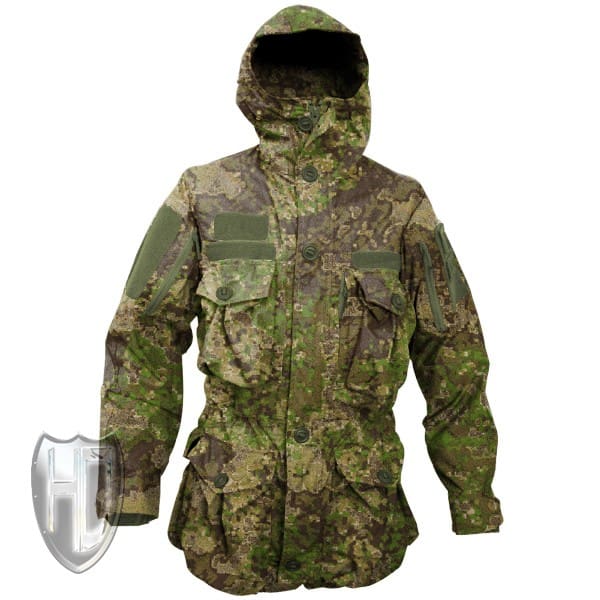
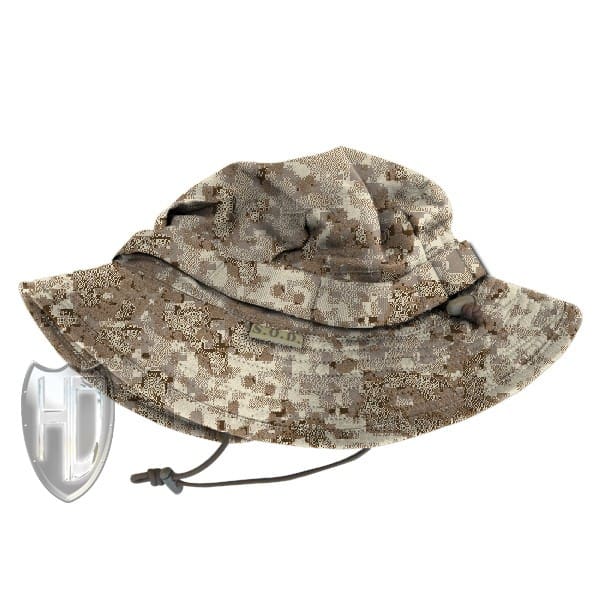
Last month we mentioned that the Polish company SpecOps would be incorporating Roggenwolf’s Warg camo patterns into their line. At the time we showed you the forest version. Newly produced, we can now unveil the desert pattern. This pre-production MBS-1 uniform features the 5-color desert variant of Roggenwolf’s Warg. Additional trial uniforms are now being shipped to Polish SF units and to Australia for field trials.

www.specops.pl

The Arc’teryx Wraith

Monday, February 14th, 2011

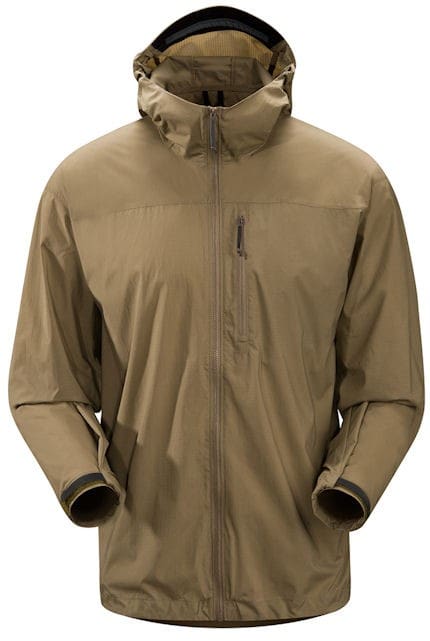
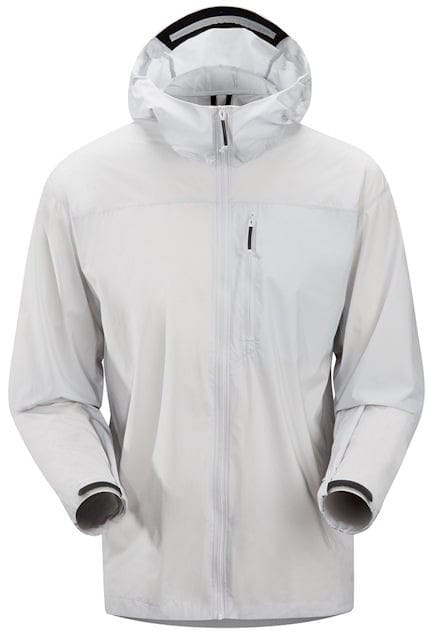
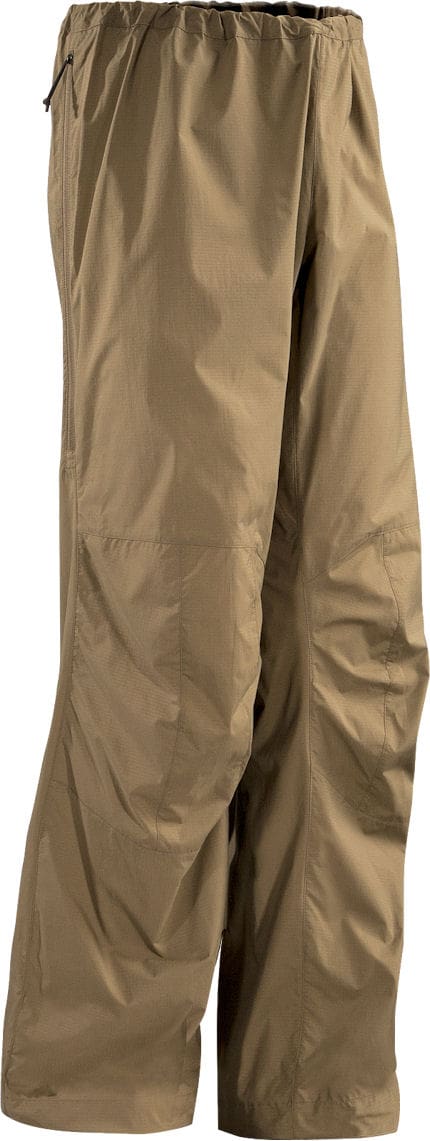
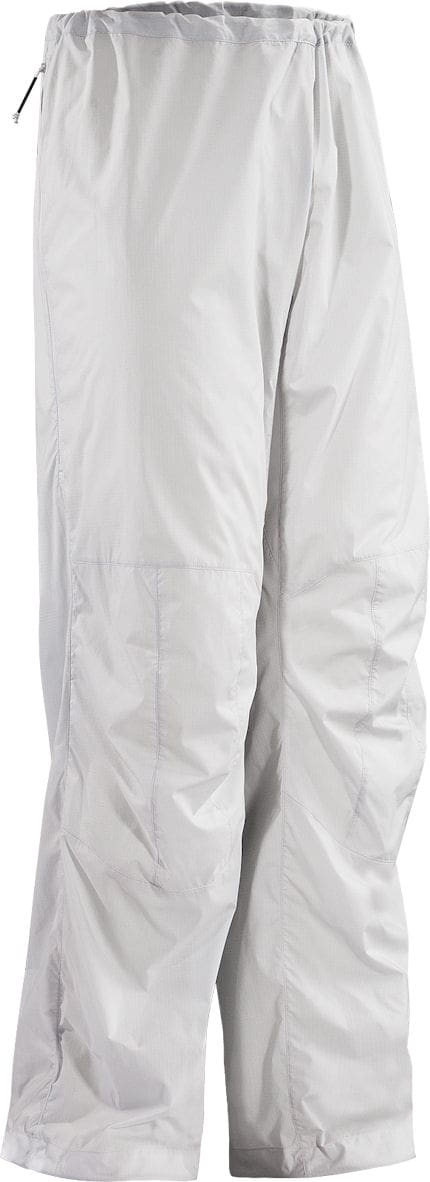
At SHOT Show, along with the Rigger’s Belt, Arc’teryx also debuted the new Wraith. The Wraith is a lightweight clothing solution that can be called upon to accomplish a variety of missions. Using the Twight layering system adopted for PCU, it would be a level 4 (windproof) garment, except with a couple of key differences. Previously, other clothing systems have only offered a top for level 4, whereas Arc’teryx also offers a bottom. Due to the low porosity of the ripstop 40 denier fabric, it is an excellent windproof and offers an enhanced capability to protect not only the torso but also the lower extremities. The bottom design integrates partial side zips to facilitate rapid donning and doffing as well adjustable cuffs and a full front zip for the top. Combined with a low profile hood with stiffened brim, the Wraith is not only well suited for patrols but also for lying up as well as during long, cold, helo, boat, and vehicle transits to an objective.

Additionally, the Wraith is designed for use as an overwhite. Currently offered in two colors; White and Crocodile, the Wraith’s tops and bottoms can be combined based on the environment. For example, a Crocodile top can be combined with a White bottom in the Alpine zone where Evergreens are present in order to further blend in. An interesting feature of the fabric is that it is slightly translucent meaning the colors of the layers beneath are barely visible. This is particularly effective with the white version and means that the Wraith takes on the camo pattern on the clothing worn beneath.

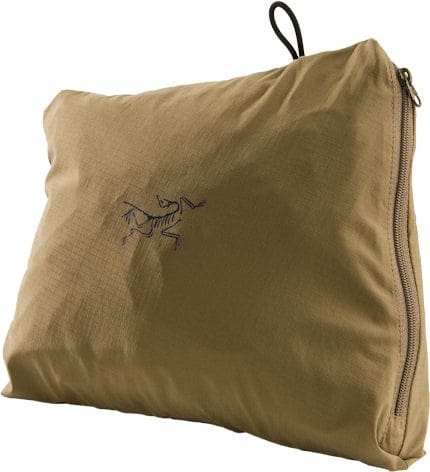
Finally, the Wraith stores in a compact package meaning you can carry it with you if you are wearing civilian clothing and need to apply some quick camouflage. Obviously, the photo below of the Wraith in its integral pouch is not to scale with the other photos above. Aside from being enclosed in the pouch it can be further compressed to smaller than a softball.

The function of overwhites is normally singular in nature and that is to provide very specialized camouflage. But as you can see, the Wraith accomplishes this better by providing more capability than the standard overwhite and also serves as a windproof garment.

Also, Arc’teryx just found out that they will be able to print this fabric and are considering offering the Wraith in MultiCam. This means hasty camouflage will be all the more effective as well as blending seamlessly with issue clothing for troops from any of the numerous countries who have adopted MultiCam.

Available in the standard size range later this year from leaf.arcteryx.com.

Air Force Seeking MultiCam Flight Suits – NOT

Saturday, February 12th, 2011

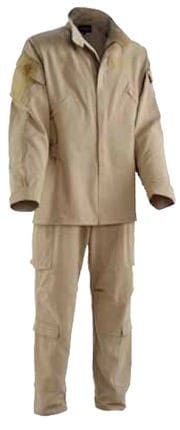
CANCELLED! Looks like Airmen will NOT be getting MultiCam flightsuits anytime soon. Quite specifically, a recent RFQ from the 45th Space Wing’s Contracting Squadron calls for some 200 DRIFIRE brand two piece flight suits, t-shirts, and combat shirts. In MultiCam no less. We’ve written about Drifire’s two piece flight suit. To summarize, the benefits of Drifire are myriad:
-Permanent Flame Resistance
-Moisture Wicking
-Fast Drying
-Superior Comfort
-Anti-Microbial
-Anti-Odor

Based on these stats, it’s now wonder that they asked for Drifire.

It is important to note that the procurement originates at Patrick AFB on Florida’s Space Coast (hence the 45th Space Wing). Patrick is home to the USAF Reserve’s 920th Rescue Wing. Think PJs and Rescue Helos. So this isn’t the start of some big Air Force procurement for MultiCam flight suits. However, it is a great opportunity for Dri Fire.

All of this may sound confusing. But you have to understand how the Air Force conducts business. The 45th Space Wing is the host base and the 920th is a tenant. Consequently, they will rely on the host Wing for things like contracting. While the 45 Wing might be buying these garments, they are probably not the folks paying for them, or using them.

While the Air Force recently announced that it will be fielding Army OCP clothing and equipment to deploying Airmen, flyer’s clothing was not discussed. The Army does in fact have a certified two piece flight suit in MultiCam in the form of the OCP A2CU. What’s more, they just equipped the first unit a few weeks ago. But, the Air Force often wants to go its own way when it comes to flight suits. In fact, two piece flight suits have been a bit of a touchy subject in the Air Force for quite some time, whether they have been certified by another service or not. However, the two piece ensembles are much better for helo crews including PJs and flight medics. It’s good to see the troops getting the kit they need.

DRIFIRE Phenix II Flight Suit

www.drifire.com

TAD Gear Releases Ranger LT

Friday, February 11th, 2011

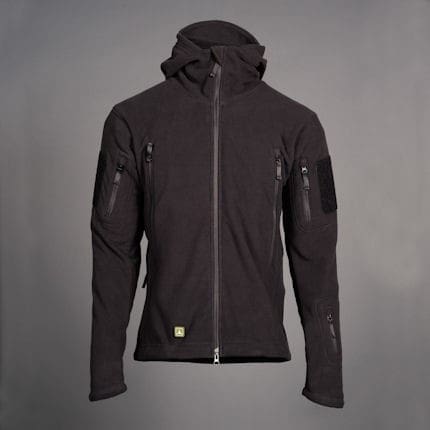
SSD readers should be no stranger to Triple Aught Designs. Today, they release the new Ranger LT which is based on the popular Ranger Hoodie. Consider it more of a year-round design. For example, when it’s cooler out, it acts an outerlayer to keep you warm without overheating. When it gets cold, it’s a great mid-layer underneath a hardshell.

Despite its lightweight rating, the Ranger LT is feature laden:
• An active fit streamlined enough to wear under another outer layer when needed
• Manufactured from Polartec Wind Pro (288 weight or 8.5 oz) with a DWR finish (Black SPEAR Fleece was 300 weight)
• Highly breathable and constructed to support a full range of motion
• Aero hood that provides head protection and warmth
• Eight pockets including two chest pockets with media port and D-rings, two upper arm pockets with Velcro patches, media port and d-rings, a left forearm pocket and rear hunters pocket
• The thumbhole cuffs have been sewn into the seam to reduce excess wind from getting in
• Pit vents provide extra breathability
• Chin guard
• Guide wires allow headphones to be neatly threaded down the hoodie and through the media port(s)
• Available in Black, ME Green and UE Gray

www.tripleaughtdesign.com

Great Pre-Order Deal on A-TACS ACUs

Friday, February 11th, 2011

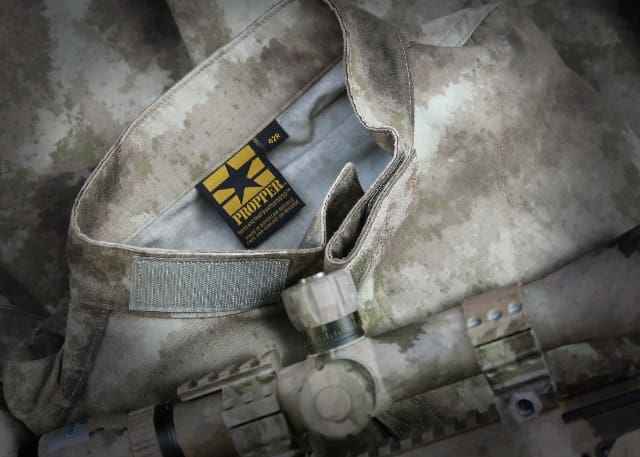
Predator BDU contacted us to let us know that they are offering a special pre-order deal on the A-TACS ACU from Propper – $129.97 for the uniform and boonie hat with free shipping.

www.predatorbdu.com

SOD to Offer PenCott Camo

Friday, February 11th, 2011

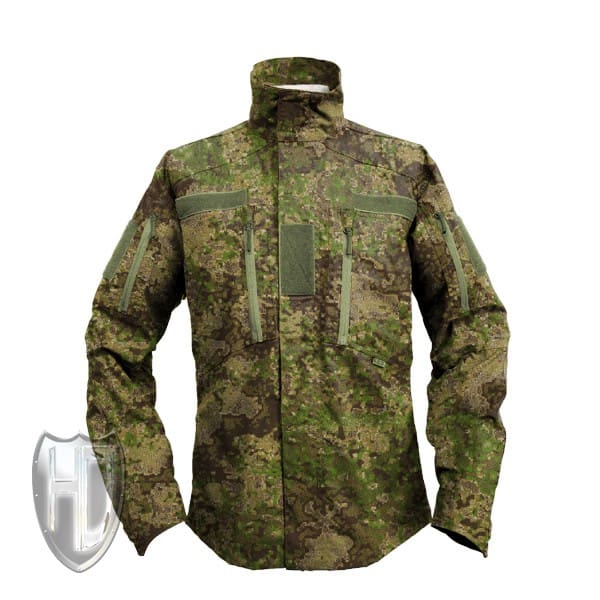
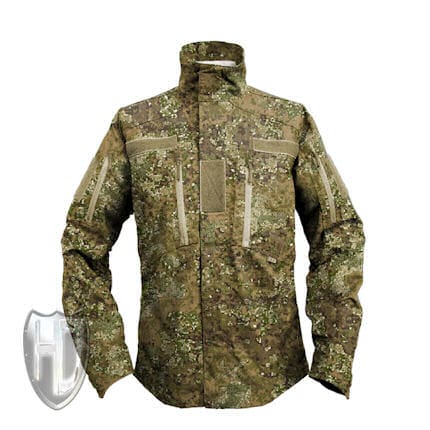
Italy-based Special Operation Division (SOD) has announced that they will be offering Hyde Definition’s PenCott family of camouflage patterns. PenCott will be added first to the European market and then to SOD USA once it gets under way. Eventually, SOD plans to offer the entire line in the family of patterns. Below you can see SOD’s Spectre Shirt in three different versions of the PenCott pattern; GreenZone, Badlands, and SandStorm respectively.

It is important to note that these are not actual garments in the PenCott patterns but rather photographs of SOD clothing modified to give you an idea of what they will look like once they enter production. You can click on any of the photos to enlarge them. We have included a couple of interesting items to give you an idea of what various gear will look like.

www.SODgear.com

www.HydeDefinition.com

Level Peaks MultiCam Technical Windproof Smock In Stock

Thursday, February 10th, 2011

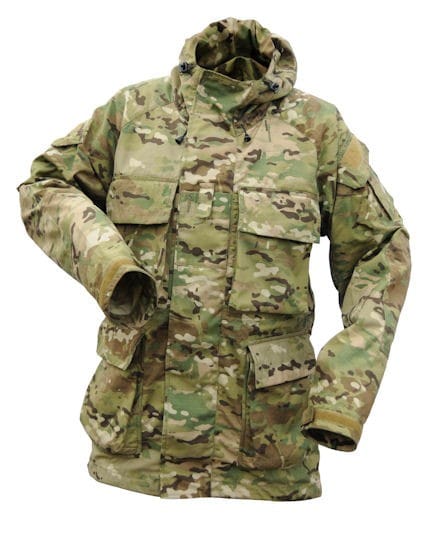
Despite high demand, Level Peaks has finally gotten the Technical Windproof Smock back in stock. They go quick, and demand will be even higher with the MoD just announcing the new Personal Clothing System. Many troops will not receive PCS for some time and will be looking for a high quality alternative. As you may recall, the new Multi Terrain pattern adopted last year by her Majesty’s forces was developed in conjunction with Crye Precision. While MTP is uniquely British, you can see the similarities with MultiCam. Wearing the two patterns together is almost seamless. It’s nothing at all like pairing the old Woodland DPM with the US Woodland. In fact, MultiCam and MTP blend in splendidly. Since, MTP is tightly controlled by the MoD commercial products are nonexistent further complicating matters for those who want to upgrade their kit now rather than waiting for the QM Stores to catch up. On the flip side, the design of the Smock is excellent and is a great product for those outside of the UK who use MultiCam.

A Quick Review of the MultiCam Technical Windproof Smock
-Made from the finest materials
–Nanosphere with built in mosquito repellent.
–Wind, sand, & water resistant. This aids the resistance to stain from blood, oils, and other liquids.
–Anti-bacterial to enhance the anti-odor properties.
–Coldblack – the sun reflector technology reduces the products heat by 40%.
-Lightweight, low bulk & extremely comfortable.
-Not to mention sleeve pockets, chest pockets, Napoleon pockets, and fleece lined ‘Slack Time’ hand pockets.

In addition to MultiCam, the Smock is also offered in DPM 95. Level Peaks will also produce the Smock in MTP, Digi Cam (MARPAT), Black, Foliage Green, and Sand under contract.

www.levelpeaks.com

Introduction of Personal Clothing System

Tuesday, February 8th, 2011

This article was published by the MoD yesterday but for some reason taken down early today. Here is the article in its entirety. More details to follow as they become available.

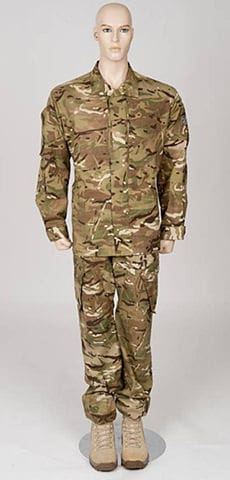
UK Armed Forces will be issued with the new Personal Clothing System (PCS) to replace Combat Soldier 95 (CS95) uniform it has been announced today, Monday 7 February 2011.
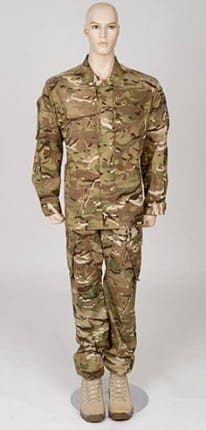

The new Personal Clothing System, pictured, will begin to replace the existing Combat Soldier 95 uniform from early 2011
[Picture: Crown Copyright/MOD 2011]

The new clothing system will start to be issued to units from early 2011 in accordance with Front Line Command (FLC) fielding plans and will start to be issued to new recruits from October 2011. The roll-out will be complete to most personnel by April 2013.

The PCS consists of combat uniform (CU), ancillary items (AI) and waterproof clothing. Combat uniform replaces the camouflage lightweight jacket, trousers and windproof smock while ancillary items and waterproofs replace the t-shirt, Norwegian shirt, fleece and waterproofs of the current CS95 system.

All camouflage items will be in Multi-Terrain Pattern (MTP). Other items will be in Khaki.

Since the introduction of CS95 in 1995, combat body armour has now become mandatory wear for personnel both training for and deploying on operations. As a result, while the principles of CS95 still apply, the design of the clothing items needs refreshing to reflect the changes and lessons learnt from operations.

This also allows changes resulting from developments in material technology to be incorporated. All camouflage clothing items will also change to MTP camouflage. Combat footwear is not part of the PCS but a separate competition to replace the combat assault boot is underway, allowing delivery in 2012.

MTP camouflage, introduced for operations in April 2010, incorporates elements of Disruptive Pattern Material (DPM) shapes to create a unique British camouflage that will replace both Woodland and Desert DPM for use in training and on operations. While the Woodland and Desert camouflages are very good in their very specific environments, MTP is the best-performing across the widest range of environments, while only being marginally less effective than Woodland and Desert DPM in those areas.

MTP will be controlled to ensure it is only available for military issue; it will not be released for the manufacture of items for commercial sale.

The design principles of CS95 as a layered system of clothing allowing flexibility for temperature regulation remain extant. This has been retained in the PCS; however, it recognises the increased requirements for protection, both in the integration with body armour and incorporation of extremity protection and fittings for potential combat identification systems.

The PCS consists of three distinct elements that will be delivered separately.

The MTP camouflage outer layers consist of:

• Lightweight Jacket. A shirt that can be worn over a thermal or sweat-wicking layer. It can be worn either tucked into trousers or loose depending on environmental conditions.

In order to allow body armour to be worn over the top (in temperate conditions) buttons have been removed and replaced with Velcro and a zip. Chest bellows pockets have been replaced with map pockets with pen and notebook/compass stowage.

Bicep bellows pockets have been added to arms to allow stowage of ready access items when body armour is worn. In addition, pockets have been added to the outside forearms and elbows to allow for additional fragmentation/bump protection to be fitted if required.

The collar can be secured up when wearing body armour to reduce chafing. The bicep pockets have ‘touch and close’ panels to allow combat ID badges to be fitted if required.


A blanking plate protects the touch and close fastening while also allowing non-tactical badges (eg tactical recognition flashes) to be fitted while being removable in the field.

• Combat trousers. Thigh map pockets have been angled to allow easier access. A secure pocket has been added to waist pockets to allow stowage of small items. The draw cord has been removed. A seat panel has been added to reduce wear in the crotch. Map-pocket buttons have been shrouded to reduce snag hazards.

• Windproof smock. The design of the existing windproof smock has been retained as an outer garment principally for when body armour is not being worn. A mesh drop liner and armpit vents have been added to help with thermal regulation.

Buttons have been shrouded to reduce snag hazards. Behind the waist pockets, fleece-lined handwarmer pockets have been added. The windproof smock incorporates the same bicep pockets as the lightweight jacket.

• Rank slides. No change to the current design. Only low-contrast, all-arms rank slides are to be worn on MTP. Regimental/high contrast rank slides for wear in camp are to be on plain/regimental backgrounds.

• Helmet covers. No change to the existing range of helmet cover design, although an update is in development.

Ancillary items will include insulation and sweat-wicking layers, consisting of:

• T-shirt. Base layer, providing both thermal insulation and sweat-wicking. Based upon the current operational hot-weather t-shirt.

• Underwear. Sweat-wicking, anti-microbial unisex undershorts based upon the existing operational underwear.

• Thermal shirt. A micro-fleece base layer shirt with zippered collar (replacing the CS95 Norwegian shirt).

• Thermal smock. A micro-fleece-lined mid-layer, with windproof and showerproof outer, to provide increased insulation under the windproof smock (replaces the CS95 fleece).

• Under Body Armour Combat Shirt (UBACS). A sweat-wicking torso with lightweight jacket sleeves and a zippered neck for wear under body armour in hot weather environments.

Various different designs of waterproof garments are currently being assessed as part of the ongoing development of the PCS with an expected fielding date of 2012. All items will be in MTP.

A review of the need for specific female designs is underway and results will be trialled accordingly. These will be rolled out separately once designs have been finalised.

Units will change to the new CU over three years from Spring 2011 in accordance with FLC fielding plans. In order to control expenditure, task issues to units will be spread over three financial years before units will be allowed to demand items direct. Issuing to recruits will begin in the second half of 2011. Unit CS95 stocks will be withdrawn and reissued to units later in the fielding plan to minimise waste.

Ancillary items will be available for issue from mid-2011. They will be issued in bulk to recruits along with issues of CU. Personnel previously issued with CS95 will only receive the new ancillary items for operations or to replace CS95 equivalent items that have worn out. Current CS95 ancillary items are fully compatibe with the PCS CU and will remain in use as long as stocks are available.

Hot weather CU and ancillary items will be issued to personnel deploying on Op HERRICK 15 and to other operations or overseas training exercises from mid-2011. Hot weather clothing will be of the same design as the temperate combat uniform but in a lightweight, breathable cloth. The permanent treatment of hot weather clothing with insecticide is being developed.