TYR Tactical

Archive for the ‘Guest Post’ Category

FirstSpear Friday Focus: NEW Fleece-Lined Stratton Flannel

Friday, October 29th, 2021

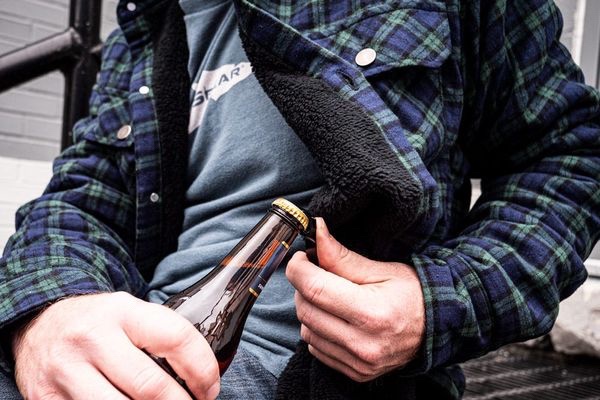
New this year just as temperatures begin to plummet and mother nature paints the leaves  — we’re offering an exclusive fleece-lined Stratton Flannel. Similar in cut and feel to the four ounce and nine ounce flannel weights, this flannel features two oversized chest pockets with button closures to secure your important items, such as your phone. However, a new addition to the flannel is an integral bottle opener. It’s the perfect addition to your EDC line up, weather it’s a walk in the crisp Fall woods or popping open a frosty refreshing beverage, you’ll be covered.

Stratton flannels lovers will still find throughout this stunning shirt smooth metal buttons that will stand up to the test of time.


The Stratton Flannel is machine washable, and slightly oversized to accommodate for a 3% shrinkage after the first wash. Made in the USA with imported cotton.

To check out the newest flannel, go to www.first-spear.com/stratton_flannel_fleeced_lined.

Hurlburt’s Multi-Domain Warfare Students Learn More about Peer Threats and JADC2 Emerging Technologies at Nellis

Friday, October 29th, 2021

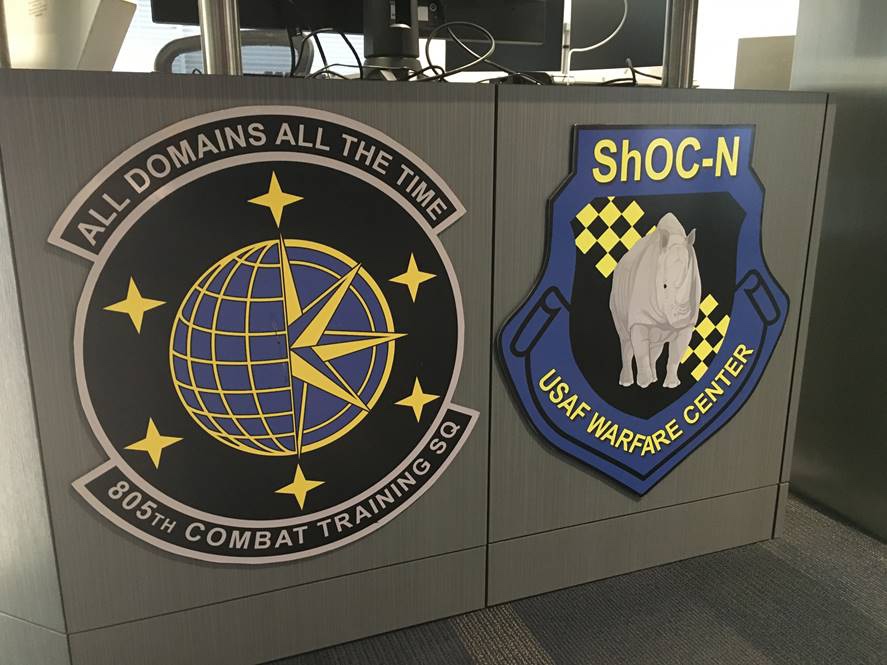
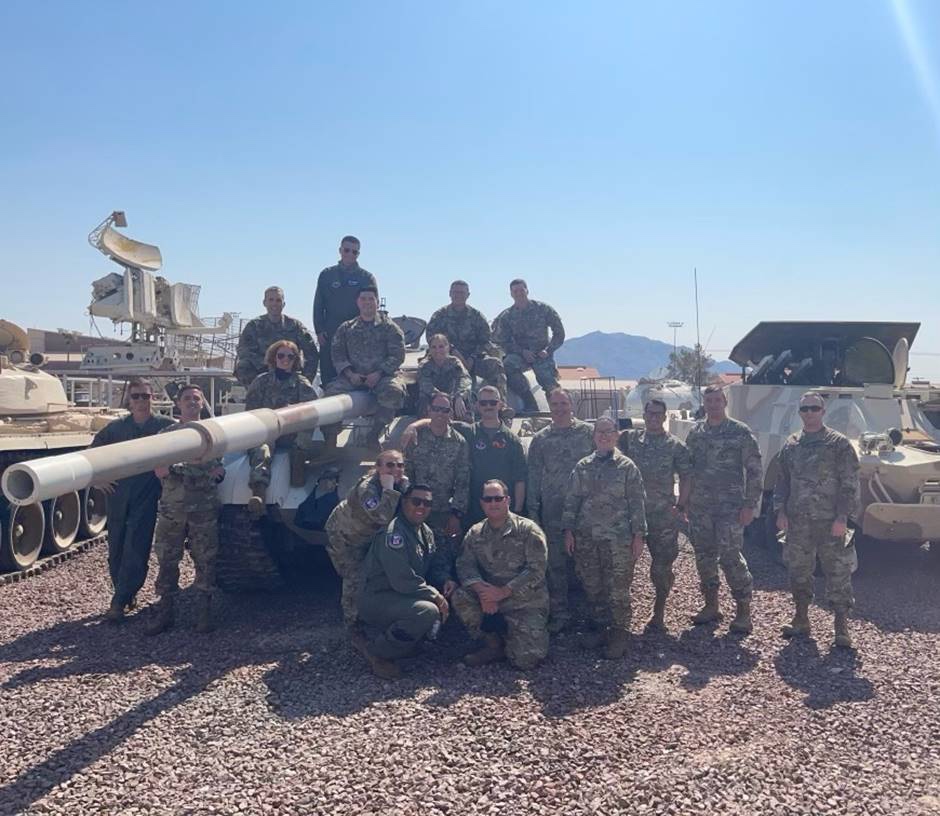
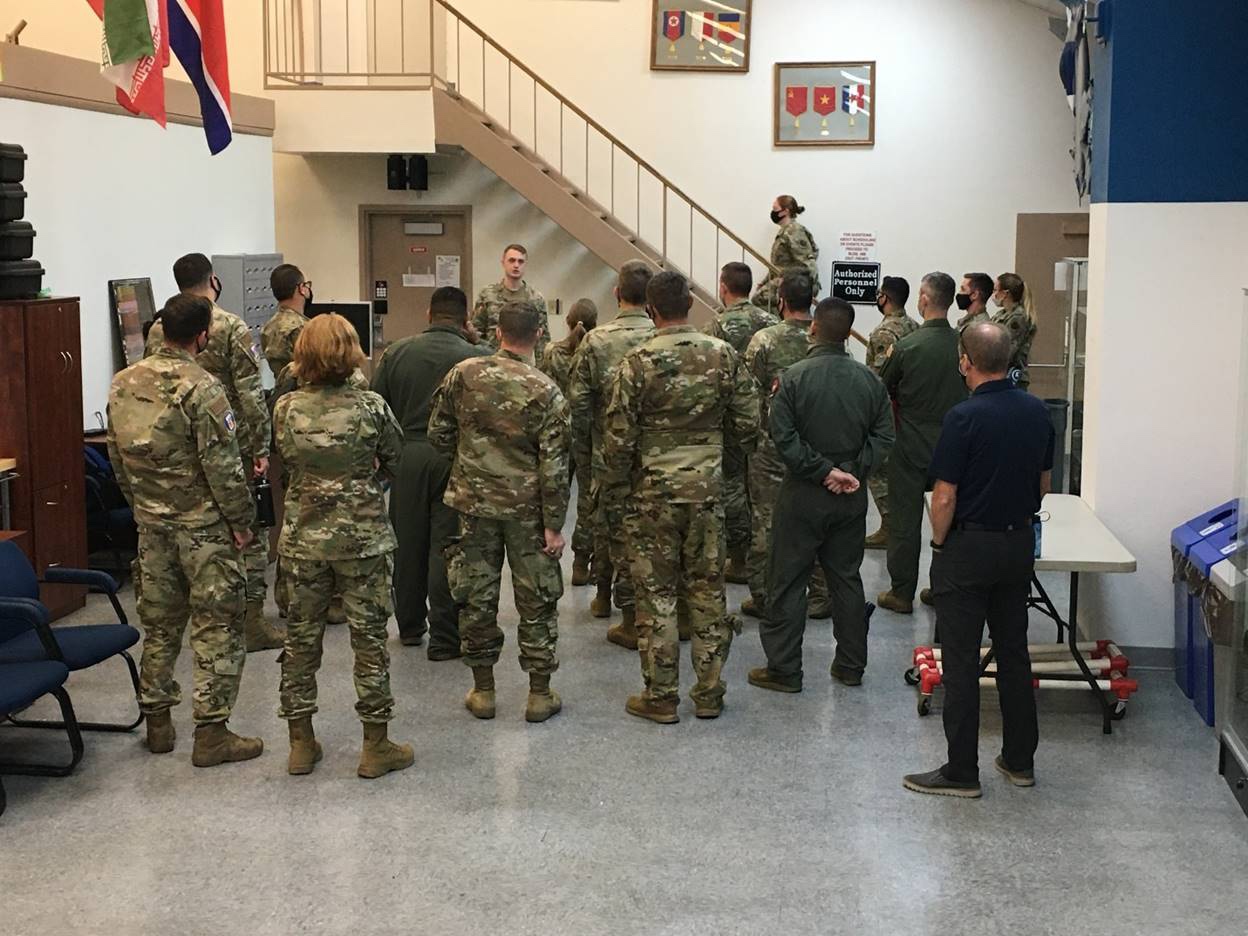
The Multi-Domain Warfare Officer Initial Skills Training class 21B visited the 805th Combat Training Squadron’s Shadow Operations Center at Nellis Air Force Base, Nevada, also known as the ShOC-N, to observe the experimentation and incubation of new command and control technologies and development of C2 tactics, techniques, and procedures, Sept. 23-24.

Nellis AFB, Nevada, was the second of a four-leg trip for the Multi-Domain Warfare Officer, or 13O, students traveling to geographic and functional operations centers.  The class’ destinations included the Combined Space Operations Center, or CSpOC; Space Delta 5, at Vandenberg Space Force Base, California, the 612th Air Operations Center, Davis-Monthan AFB, Arizona, and the 616th Operations Center at Joint Base San Antonio, Texas.

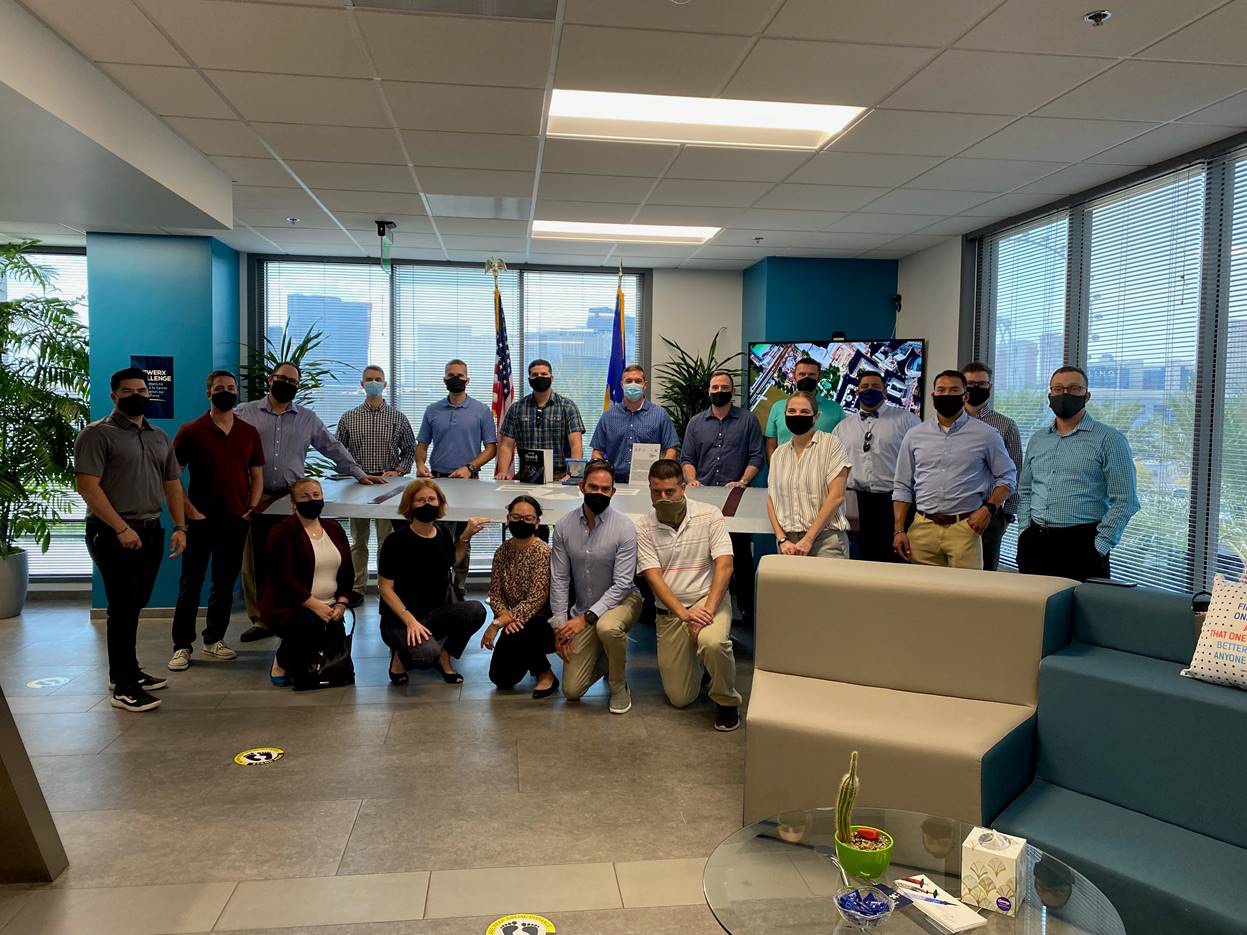
The 19 students of class 21B also toured ShOC-N’s downtown Las Vegas site, the Howard Hughes Operations, or H2O, facility. AFWERX briefed the 13Os about their latest efforts to discover innovative opportunities within industry and Department of Defense partners for delivering tangible capabilities to warfighters.

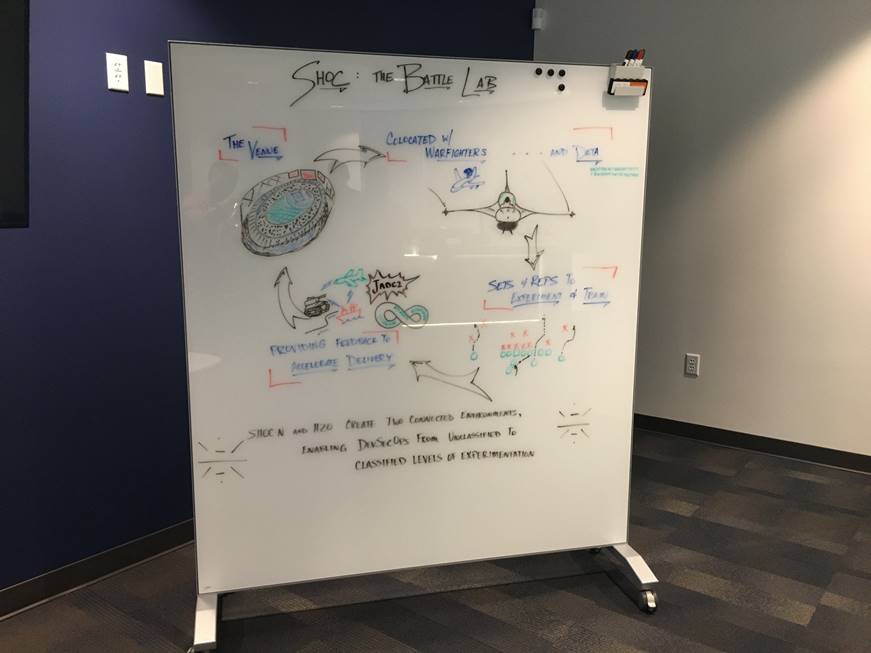
In 2019, the Joint Chiefs of Staff tasked the ShOC-N to become the U.S. Air Force’s Joint All-Domain Command and Control, or JADC2, Battlelab. Part of this task as recently evolved to make the ShOC-N the primary location for data gathering and sharing to further enable the U.S. Air Force’s Advanced Battle Management System Battlelab ecosystem.

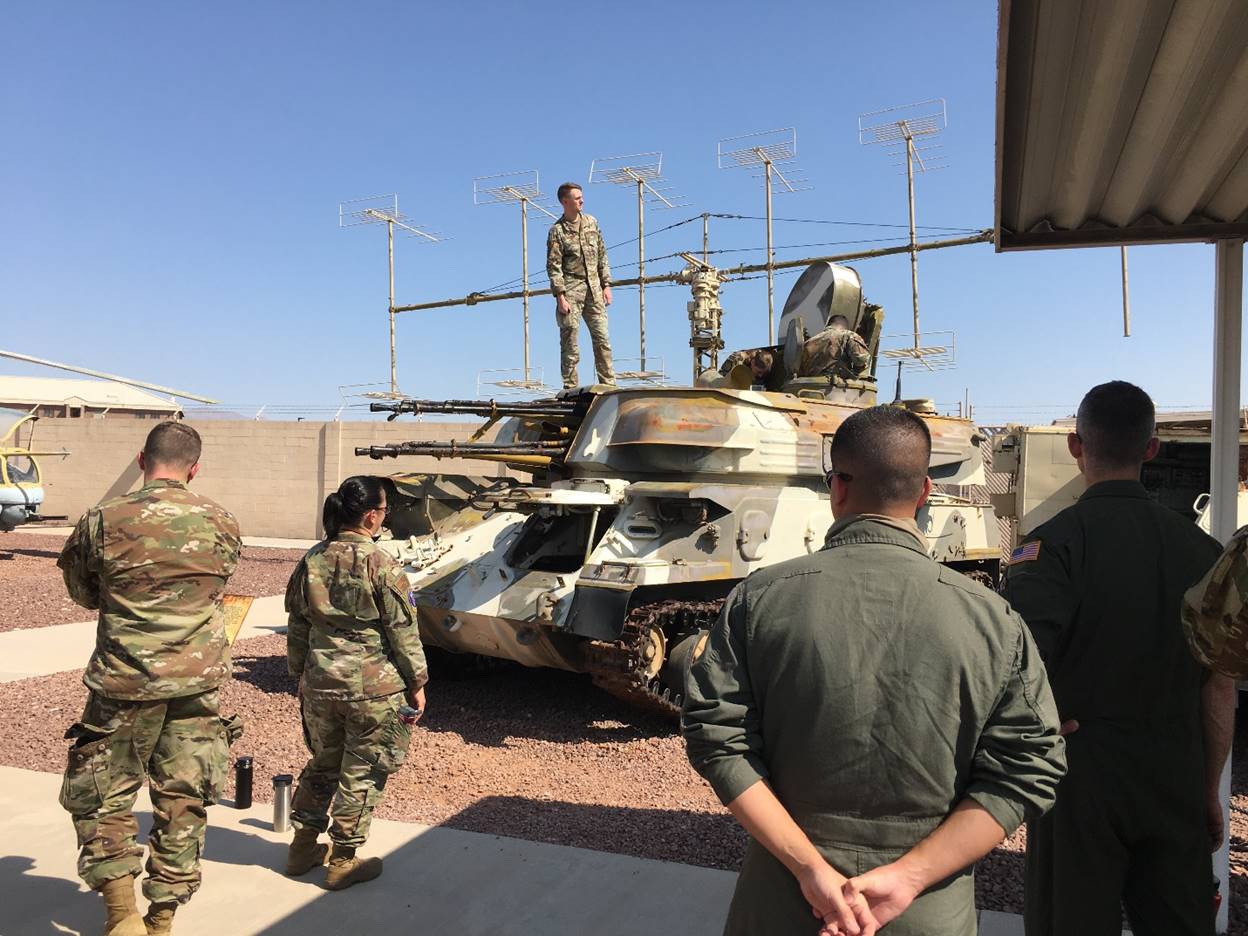
The 13O students’ Nellis training concluded with peer adversary Integrated Air Defense Systems and threat emulation briefings from the 547th Intelligence and 57th Information Aggressor Squadrons, respectively.

“Our adversaries’ threats and capabilities are real; within months, these 13Os are going to be the multi-domain operational planning experts that senior leaders look to for COAs [courses of action] on what to do, how to do it, the risks involved, and how to effectively mitigate those risks,” according to Lt. Col. Joe “DACO” Thompson, 705th Training Squadron operational warfare training flight director.

Thompson continued, “13Os can’t provide COAs without knowing who is doing what and where. A lot of ‘what and where’ is on the ground at Nellis, but there’s also a lot of ‘what and where’ within our sister services’ components and non-air domains. We teach them that, and this TDY [temporary duty] reinforces that critical 13O mindset.”

The 705th Training Squadron’s Multi-Domain Warfare Officer Initial Skills Training course is taught at Hurlburt Field, Florida. The 13O course deliberately develops a multidisciplinary force skilled in operational art and design across all domains.  13O graduates will be operational planners versed in the joint planning process, representing the U.S. Air Force’s equity in the joint planning environment, affecting Joint All-Domain Command and Control, or JADC2, and Joint All-Domain Operations in a high-end, near-peer conflict.

To learn more about 13O training and the Multi-Domain Warfare Officer career field, visit the following websites: intelshare.intelink.gov/sites/C2/13O/SitePages/Home and www.milsuite.mil/book/groups/13O.

The 705th TRS reports to the 505th Test and Training Group and 505th Command and Control Wing, both are headquartered at Hurlburt Field, Florida.

Deb Henley

505th Command and Control Wing Public Affairs


Lightning Challenge 2021 Showcases TACP Capabilities for the Future Fight

Thursday, October 28th, 2021

MOODY AIR FORCE BASE, Ga. —

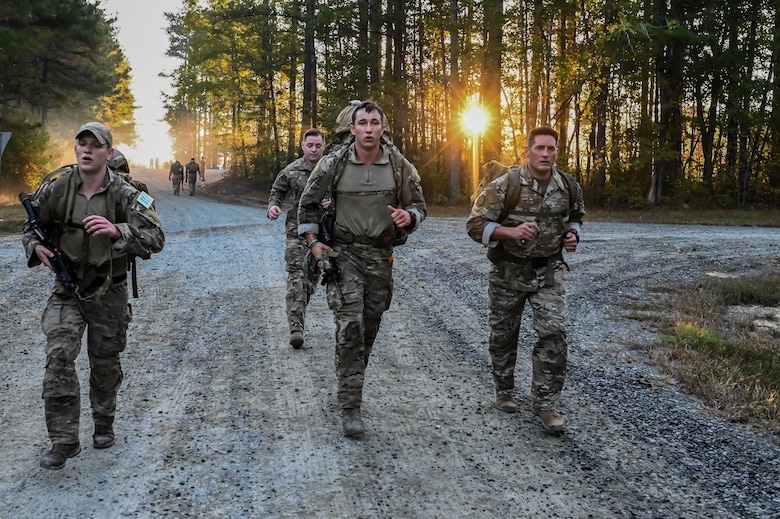
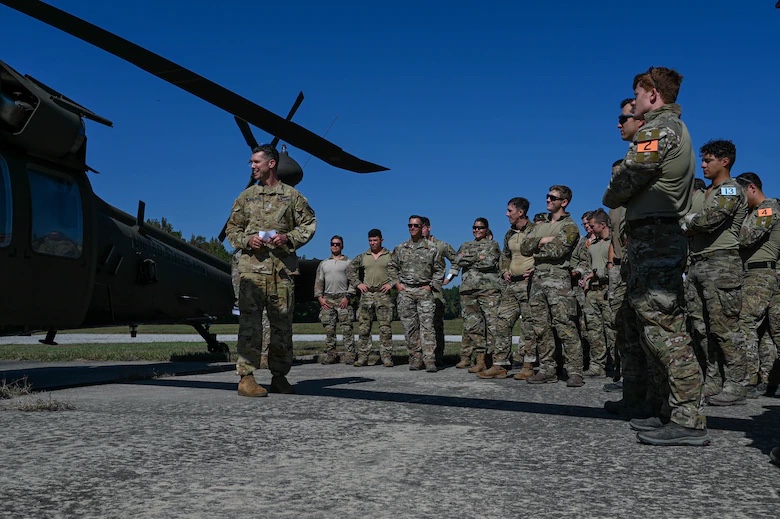
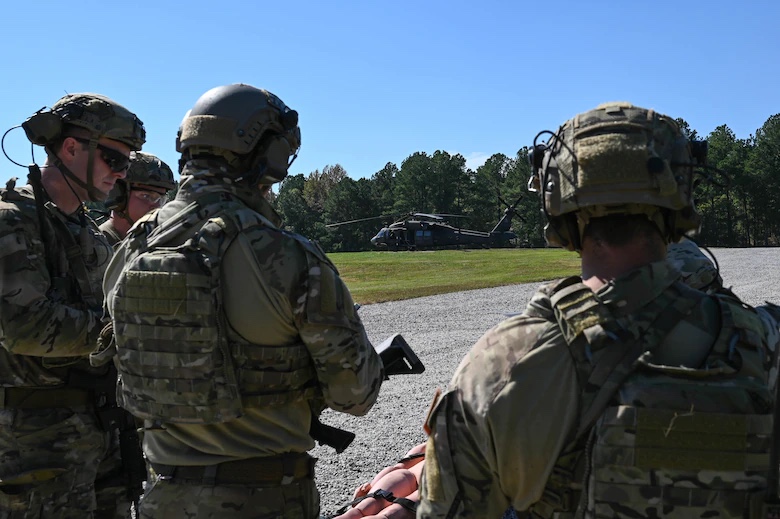
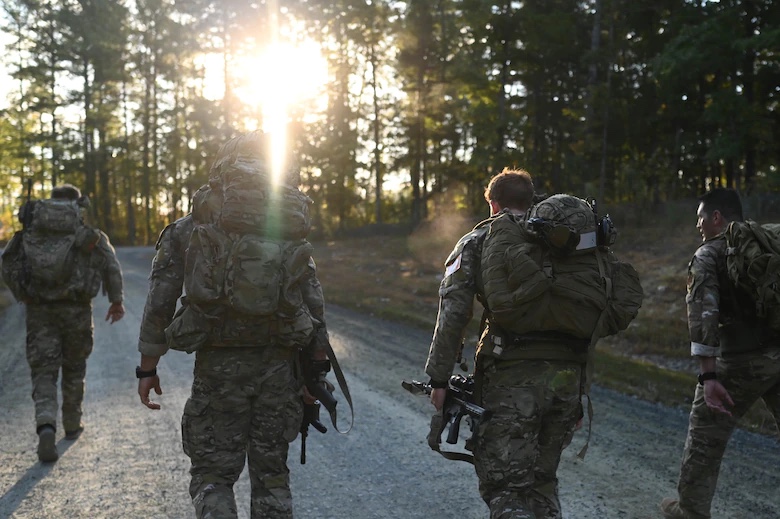
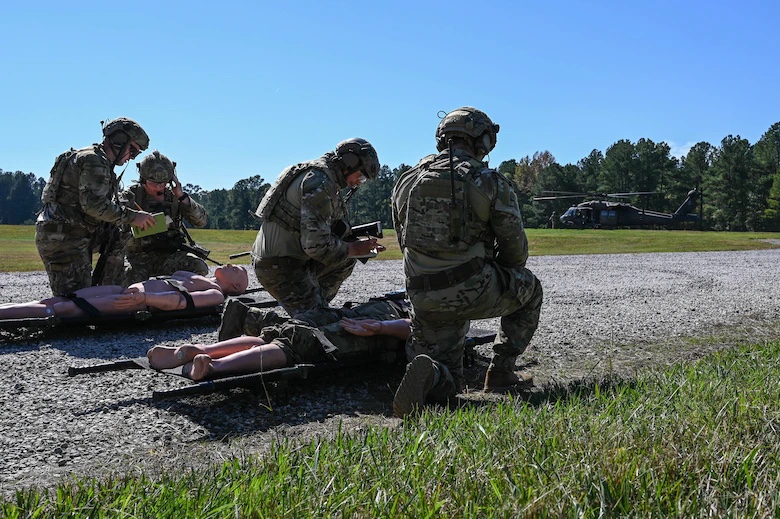
The 93d Air Ground Operations Wing hosted Lightning Challenge 2021, a world-wide Tactical Air Control Party (TACP) competition, at Camp Butner, North Carolina, Oct. 18-22, 2021.

Most people think TACP Airmen are solely responsible for communicating with pilots through a handheld radio, however Lightning Challenge demonstrated otherwise.

Teams of two TACP specialists from Air Support Operations Squadrons (ASOS) across the globe assembled at Camp Butner, North Carolina, to put their vast range of expertise to the test. They were tested through challenges of agile combat employment, physical strength, and marksmanship skill, in order to identify the most outstanding multi-capable Airmen in the world.

“The last four days have been not just grueling physical and mental tests, but it is a glimpse of what we are going to be doing in the future,” said Col Danielle Willis, 93d Air Ground Operations Wing Commander. “We know that our focus is pivoting to great power competition and what we need in the force is to have Airmen who can go out and execute.”

The TACP Weapon System does not just de-conflict, but integrates Airpower with ground force maneuver elements to achieve multi-domain superiority in combat. TACP Airmen are the critical node in the tactical implementation of Joint All-Domain Command and Control, which is necessary to prevail in future contested and congested environments.

“There is some expectation here for every single one of you [competitors], and that is what is going to happen in the near-future,” said SEAC Ramón Colón-López, Senior Enlisted Advisor to the Chairman of the Joint Chiefs of Staff. “The reputation of America really is in your hands because your actions are going to have strategic effects…at the end of the day, you are going to be the lethal arm of everything that we do for the nation.”

Sharpening lethality was a key theme in this year’s competition, along with highlighting TACP skills, joint competencies, and geographically integrated capabilities through events fully focused on hastening adaptability, applying Dynamic Force Employment, accelerating threat-based execution from combatant command requirements and facilitating contested degraded environment operations.

“The tests this week were not just designed to challenge your physical prowess and physical strength, but your mental ability to figure out problems,” said Willis. “To think critically and to get stuff done when it needs to happen is the absolute value and heart of the TACP weapon system.”

On a larger scale, Lightning Challenge exemplified four of the five key requirements of a modern near-pear fight according to Air Force Chief of Staff Gen. Charles Q. Brown’s “Accelerate Change or Lose” action orders: warrior culture, credibility, capacity and capability. The capabilities displayed at Lightning Challenge prove the value of the TACP weapon system to not only the Air Force, but the joint force as a whole.

SEAC Colón-López expanded on the role of TACP in the modern near-peer fight and the advantage that TACP brings to future conflicts. “You had a great time conducting this exercise, you had a great time showing your peers on how far you are willing to go to be the best of the best, but every single one of you will get that opportunity to show the enemy exactly who they are messing with,” said Colón-López. “It will be you going forward to carry on this fight.”

This year’s champions are Staff Sgt. Benjamin Conaway and Senior Airman Seth Gaines from the 15th Air Support Operations Squadron, located at Fort Stewart, Georgia. They embody the capabilities and expertise that TACP brings to the Air Force and joint force overall. As the battlefield evolves, TACP is ready to adapt alongside it. “We know that this capability in the TACP weapon system is absolutely vital to how we are going to fight our wars in the future,” said Willis.

For more information and visuals about Lightning Challenge visit: www.dvidshub.net/feature/lightningchallenge2021

And follow us on social media at:

Instagram= @93d_agow

Facebook= @93d Air Ground Operations Wing

For information about previous year’s Lightning Challenge visit:

www.dvidshub.net/feature/LC2020

www.mcchord.af.mil/News/Article-Display/Article/1920753/1-asog-hosts-tacp-lightning-challenge

www.eielson.af.mil/News/Article-Display/Article/1926391/2019-lightning-challenge-tacps-finish-strong

Story by 1st Lt Katie DuBois Tamesis, 93d Air Ground Operations Wing

Photos by SSgt Charlye Alonso

CRO Medical Presents – Working Off Your Body: How to Tier Your Kit

Wednesday, October 27th, 2021

The need to be light and fast, working off your body in confined spaces applies to many medical disciplines and scopes of medicine.

It’s super interesting to see all the load carriage methods from across the services. Obviously we have a lot of crossover with SOF, both US and NATO because of our focus on austere and remote medicine in low resource areas.

Most of our tech projects and critical care resuscitation tools are primarily designed for field treatment in remote clinical medicine environments, whereas our soft goods are tailored towards operational medics who need to be light and fast, provide as many life saving treatments as possible in the shortest amount of time, while still executing mission-critical tasks.

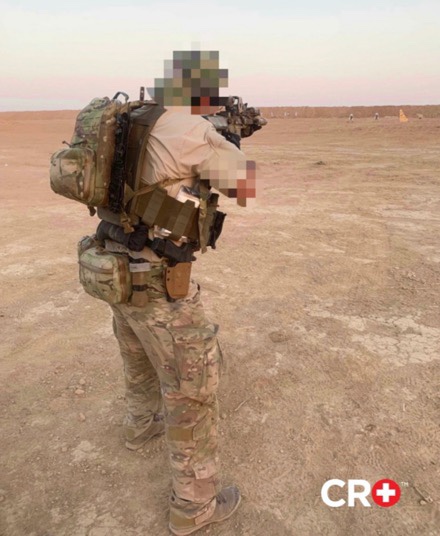
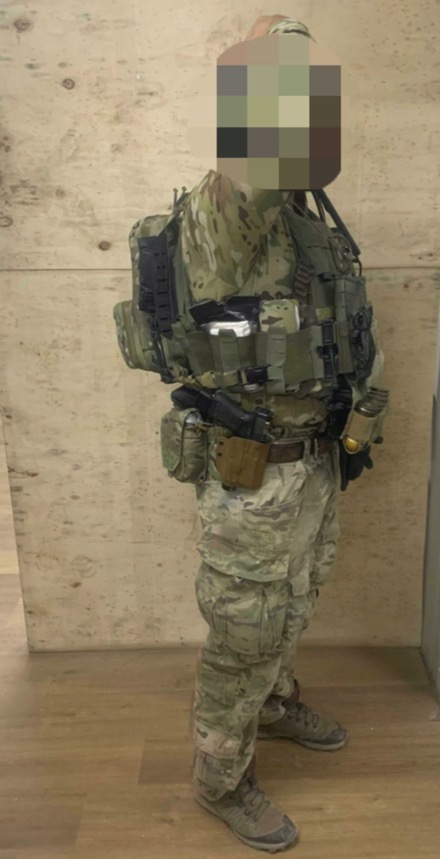
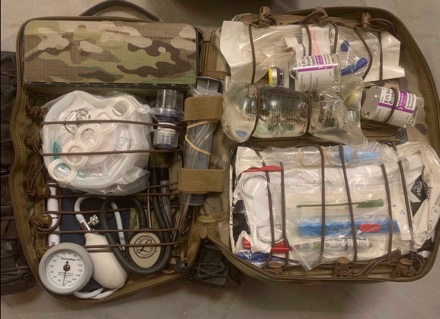
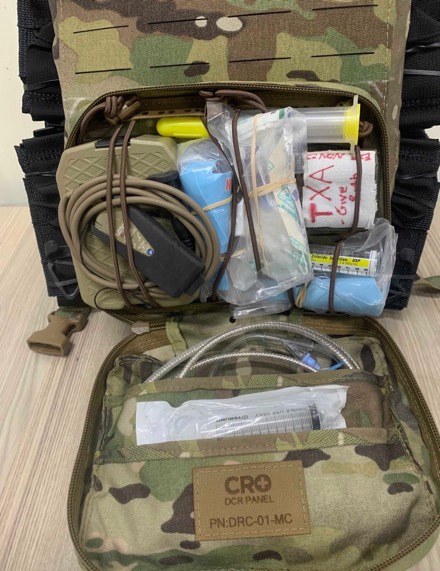
The following describes a general framework of working off your body using our DCR Panel and Hybrid IFAK + a few tips and tricks for utilizing your pockets. The result of our expanding load carriage system is endless ways to customize and optimize your setup. Every provider is different, so what is optimal for one won’t apply to another.

At CRO, we provide a base set of tools needed to accomplish the job, across a range of different mission sets, for the operational and austere prehospital medical provider.

Hope you enjoy this post and please feel free to leave feedback in the comments.

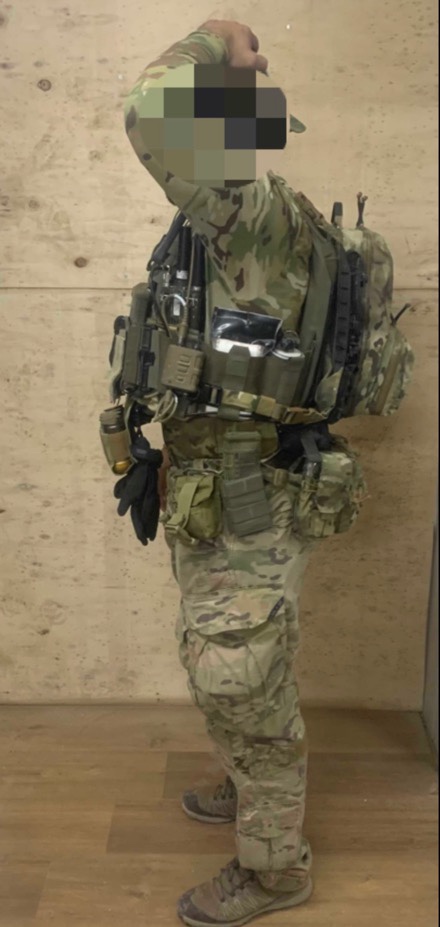
In order of MARCH:

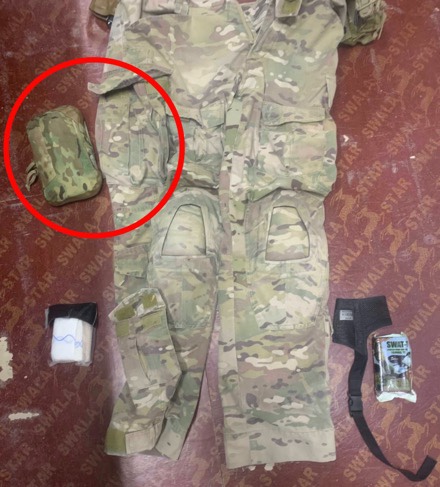
• TQ x1 in front of the mags, behind 40mm dangler.

Right cummerbund:

• X1 Improvised junctional (rolled SAM Splint)

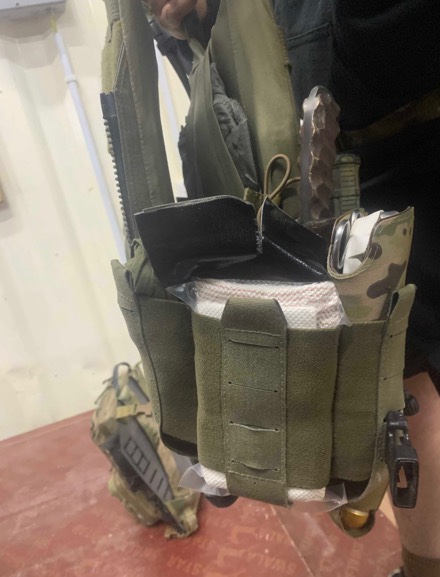
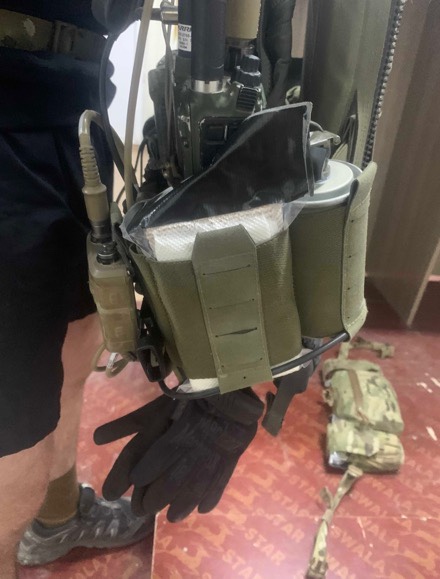
• X1 Vacuum-sealed 6” ace wrap with combat gauze and compressed gauze.

• X1 Cric in CRO M4 Double Mag Insert Pouch.

Left cummerbund:

• X1 Vacuum sealed 6” ACE wrap with Combat Gauze and compressed gauze

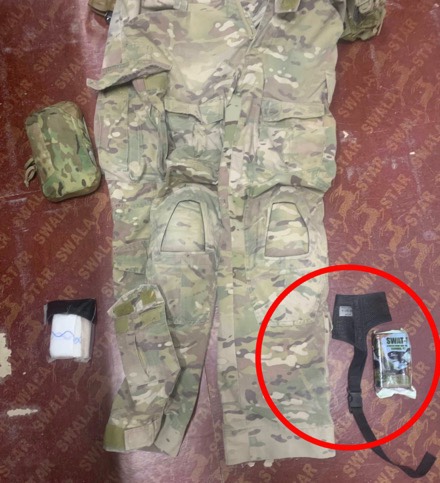
Right ankle pocket:

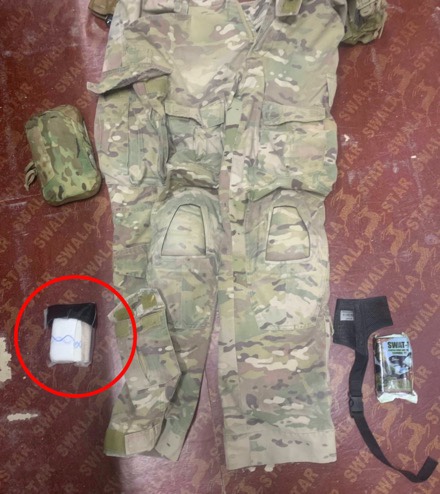
• X1 vacuum sealed 4” inch ACE wrap with Combat Gauze and compressed gauze.

Left ankle pocket:

• X1 muzzle for MPC and x1 SWAT-T

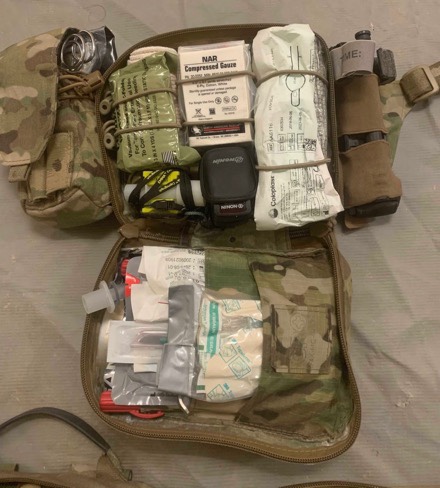
Hybrid IFAK:

• X1 6” pressure dressing

• X1 4” ACE wrap

• X2 compressed gauze

• X1 Combat Gauze

• X1 Foley

• X1 boujie-aided cric

• X2 NPA

• X2 chest seal

• X2 10g needle D

• X1 EMMA Capnograph

• X1 pulse ox

• X1 eye shield

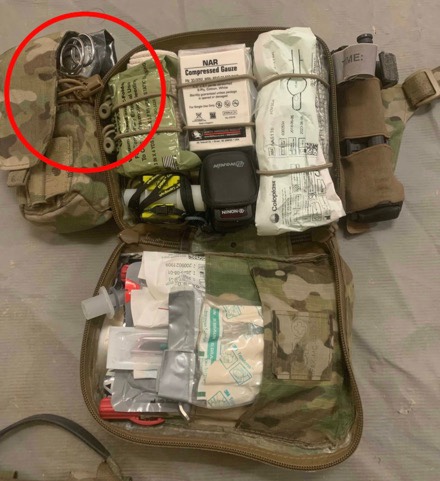
Mag pouch attached to left side of Hybrid IFAK:

• Hemostats and finger thor kit (vacuum sealed).

Mag pouch attached to right side of Hybrid IFAK:

• X1 FAST 1 IO

• X2 IV starter kit

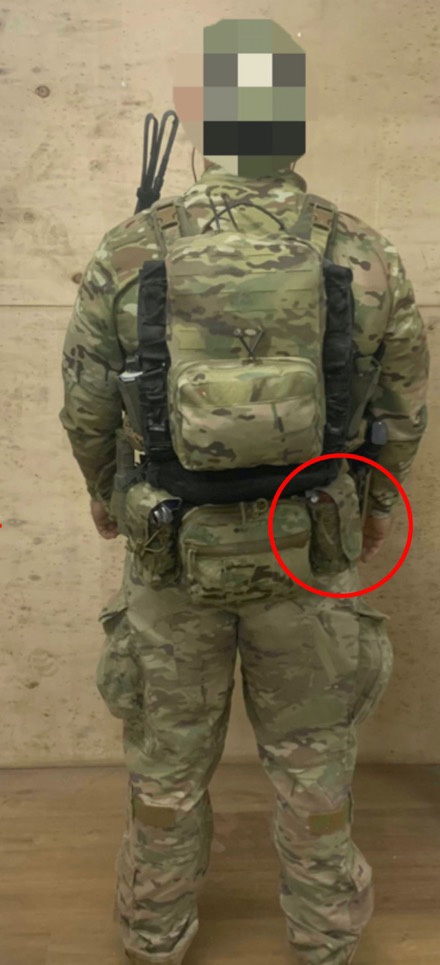
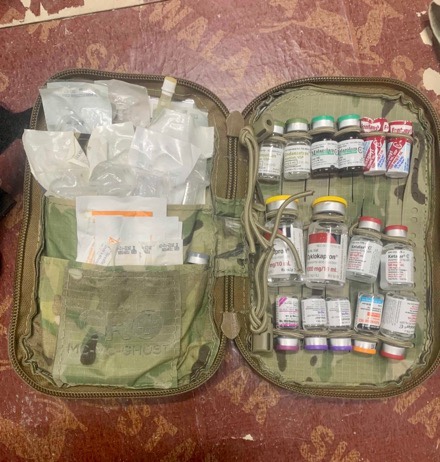
Right cargo pocket:

• CRO Medic Case with NARC Configuration

Left cargo pocket:

(Not Pictured)

• X2 chest seal

• X1 IOBAN

Role 1 pouch (Ferro Concepts):

• Sam Junctional so you don’t have to take off your medbag. Apply manual pressure and pull out the junctional with free hand.

DCR Panel:

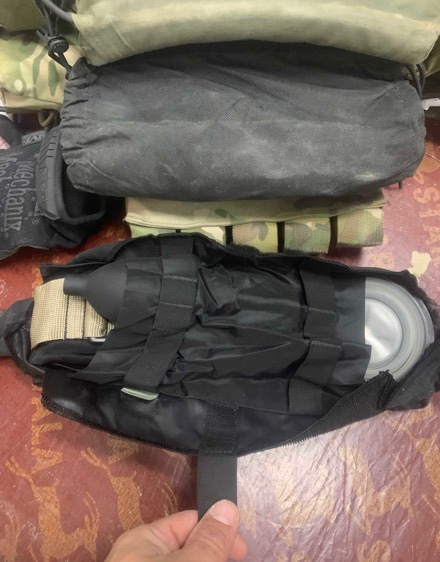
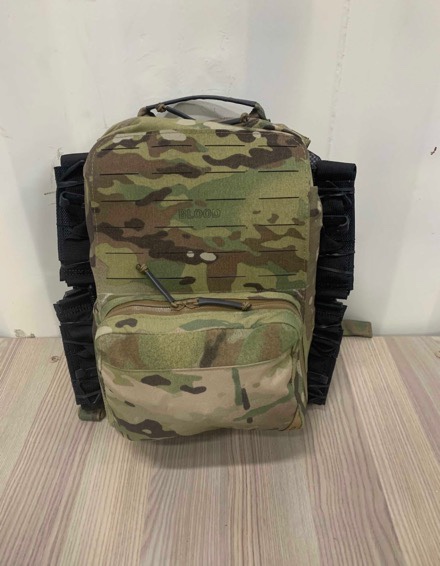
The DCR Panel is primarily used for resuscitation with blood. The purpose of working off your body and “tiering” your system up and down is to minimize the use of your bag. Ideally, you won’t need to drop your aid bag, and if you do, this means you are administering LTOWB at the POI. The aid bag is reserved for the equipment needed to resuscitate with whole blood, as well as advanced interventions, both airway and chest.

The benefit of the DCR Panel is that it is primarily clipped in, preserving shoulder mobility while being easily accessible by unclipping from the shoulders. If you are stressed for time or unable to re-clip, the hidden, low profile, “flat-straps” are available to sling the bag like a traditional aid bag.

Again, this is a general framework for optimizing your off-the-body treatment. Hopefully there are some tips that apply to your style of treatment and please let us know if you have any ways to improve.

DCR Med Bag

Hybrid IFAK

www.cromedicalgear.com

The Air Force Partners with Twelve, Proves it’s Possible to Make Jet Fuel Out of Thin Air

Wednesday, October 27th, 2021

ARLINGTON, Va. (AFNS) —  

What if you could access fuel from anywhere on the planet, at any time, no tanker required? The Air Force thinks it’s possible with ground-breaking carbon transformation technology.

Separate from carbon capture and storage or carbon utilization, carbon transformation can turn carbon dioxide from the air into nearly any chemical, material, or fuel, including jet fuel.

In 2020, Air Force Operational Energy endorsed the carbon transformation company, Twelve, to launch a pilot program to demonstrate that their proprietary technology could convert CO2 into operationally viable aviation fuel called E-Jet.

The project hit a major milestone in August of this year when Twelve successfully produced jet fuel from CO2, proving the process worked and setting up the conditions to create the synthetic carbon-neutral fuel in larger quantities. The first phase of the project is scheduled to conclude in December with a report detailing the process and findings.

For the Air Force, the implications of this innovation could be profound. Initial testing shows that the system is highly deployable and scalable, enabling the warfighter to access synthetic fuel from anywhere in the world. Reliable access to energy and fuel is paramount to military operations. Recent joint wargaming and operational exercises have underlined the significant risk that transporting, storing, and delivering fuel poses to troops – both at home and abroad.

At the height of the war in Afghanistan, attacks on fuel and water convoys accounted for more than 30% of casualties. Yet, fuel demand is only expected to increase as advanced weapon systems and operations require increasing levels of power.

“History has taught us that our logistics supply chains are one of the first things the enemy attacks. As peer-adversaries pose more and more of a threat, what we do to reduce our fuel and logistics demand will be critical to avoid risk and win any potential war,” said Roberto Guerrero, deputy assistant secretary of the Air Force for operational energy.

Currently, the Department of the Air Force relies on commercial fuel to operate, both domestically and abroad. The Air Force must use a combination of trucks, aircraft, and ships to ensure fuel is delivered to meet warfighter demand. However, many areas of operation cannot always easily reach traditional access points of the supply chain, particularly during conflict.

Twelve’s carbon transformation platform could allow deployed units to create fuel on demand, without the need for highly skilled fuel experts on site. The Air Force sees the opportunity for the technology to provide a supplemental source to petroleum-based fuels to decrease demand in areas that are typically difficult to deliver fuel to.

“With carbon transformation, we are untethering aviation from petroleum supply chains. The Air Force has been a strong partner in our work to advance innovative new sources of aviation fuel,” said Nicholas Flanders, Twelve co-founder and CEO.

Most synthetic fuels, which are created by a mix of carbon monoxide and hydrogen known as syngas, are produced through burning biomass, coal, or natural gas. Twelve’s technology eliminates the need for fossil fuels, producing syngas by recycling CO2 captured from the air and – using only water and renewable power as inputs – transforming the CO2.

The process of converting syngas into liquid hydrocarbon fuels is not new. Known as Fischer-Tropsch synthesis, the multistep method was created in the 1920s by German scientists and aided the German war effort during World War II.

Today, it is widely used to produce liquid fuels for transportation. Fischer-Tropsch certified synthetic fuels are approved as a ‘drop-in’ fuel for each specific aircraft, first commercially, and then by the U.S. military and the aircraft’s associated system program office. The highest blend currently certified is a 50/50 blend of FT synthetic fuel and petroleum fuel. Twelve’s system produced FT-Synthetic Paraffinic Kerosene, which can be blended with petroleum – up to a maximum blend of 50%.

Once the first phase of the program concludes at the end of 2021, the Air Force Operational Energy office will look to the next phase of scaling the technology to produce synthetic fuel in larger quantities. If brought to scale, the platform would enable more agile operations and decrease dependence on foreign oil, while having the added benefit of mitigating carbon emissions – a Department of Defense key priority under Secretary of Defense Lloyd Austin III.

While there remain a number of unanswered questions to make this technology operational, such as how to power the production of the syngas in remote areas and where water sources for the necessary hydrogen will come from (Twelve notes that water for the process can also be captured from the air), the team sees this is a positive first step in a truly innovative program.

“My office is looking at a number of initiatives to not only optimize aviation fuel use for improved combat capability, but to reduce the logistics burden as well,” Guerrero said. “We’re excited about the potential of carbon transformation to support this effort and Twelve’s technology – as one of the tools in our toolbox – could help us get there.”

By Corrie Poland, Air Force Operational Energy

TacMed Tuesday – New Trauma Simulator Rental Program

Tuesday, October 26th, 2021

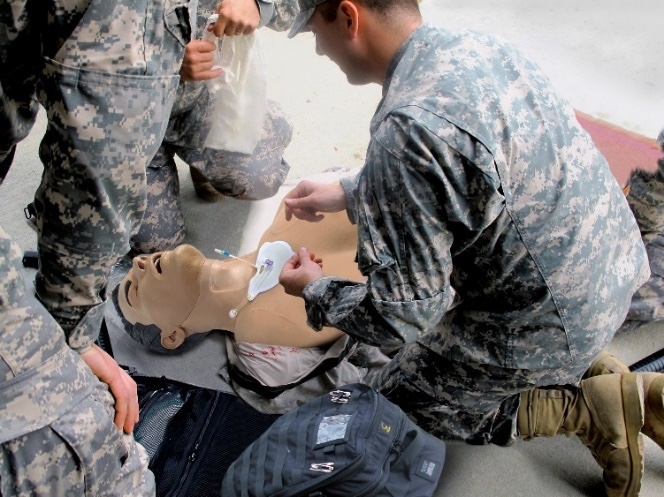
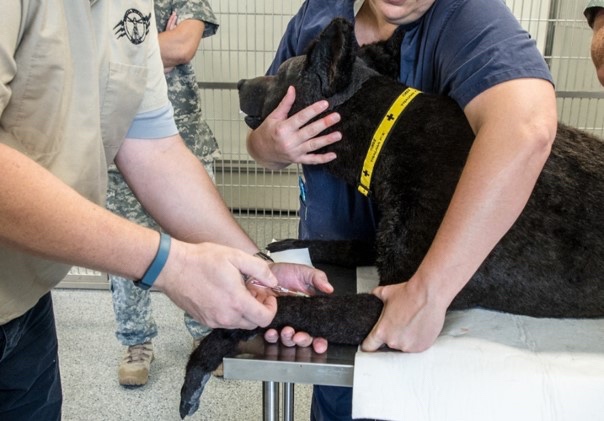
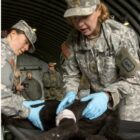
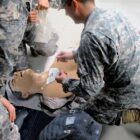
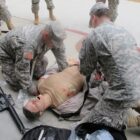
TacMed Solutions is excited to announce its new Trauma Simulator Rental Program! It is designed to offer any agency – large or small – with the opportunity to use high fidelity trauma simulators in classes, providing their students and trainees with the ability to learn on manikins that simulate a real-world experience.

The TacMed Simulation Rental Program consists of both human and K9 simulators, customers can choose the package and simulator that will best meet their specific training needs, as well as have access to discounts on medical  supplies to help supplement their courses.  

Jo-Anne Brenner, executive director and founder of K9 Medic™, has recently utilized the program to rent K9 Diesel. “Our use of renting K9 Diesel was so successful that we’ve since purchased K9 Hero and still continue to rent K9 Diesel when needed,” Brenner said. “The rental program itself is equally commendable. From shipping to packaging to user support, our course coordinators can rely on the professionalism of TMS to ensure we deliver excellence to our students.”  

If you are interested in becoming a part of our rental program and gaining access to these high-fidelity simulators, check out the available packages and submit a rental request at:  TacMed™ Simulation Rental Program – TacMed Solutions™

Air Force Installation Contracting Center Acquisitions Bolster EOD Readiness for FY21, Beyond

Tuesday, October 26th, 2021

TYNDALL AIR FORCE BASE, Fla. (AFNS) —
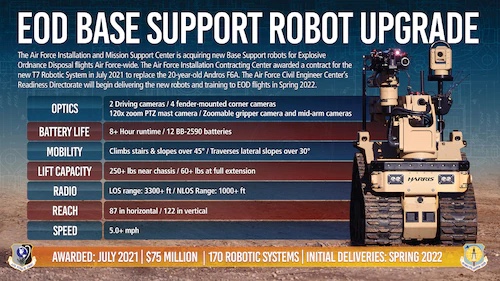

EOD robot upgrade The Air Force Installation and Mission Support Center is acquiring new base support robots for Explosive Ordnance Disposal flights Department of the Air Force-wide. The new T7 Robotic system replaces the 20-year-old Andros F6A. (U.S. Air Force graphic by Greg Hand)

The success of implementing new explosive ordnance disposal technology in fiscal year 2021 has the Air Force Civil Engineer Center looking forward to FY22.

“Our Airmen conduct high-risk operations in support of the mission, and we ensure they have the tools and resources they need to perform their jobs safely, efficiently and effectively,” said Col. John Tryon, AFCEC Detachment 1 commander. “It’s our duty to identify civil engineering needs and advance Air Force capabilities through research, development, test and evaluation, and we take that very seriously.”

AFCEC’s Readiness Directorate partnered with the Air Force Installation Contracting Center to use more than $41 million for new EOD equipment, such as a new base support robot to clear unexploded ordnance from airfields, during the past year.

In July, the AFICC awarded an $85 million, 10-year, indefinite-delivery, indefinite-quantity contract for the T7 Robot System to replace the Andros F6A robot, which has been used by the Air Force for two decades. The T7 offers a suite of new and enhanced capabilities, including a more modular design that allows users to repair it by swapping subassemblies rather than individual parts — an issue that plagued the previous robot.

“This system will move robotics forward 20 years,” said Dennis Carson, EOD robot product manager. “It enhances warfighter readiness with its ability to resolve hazardous threats and missions remotely, allowing Airmen freedom of movement at any location.”

AFCEC will begin distributing the first of the T7s in May 2022 — 56 of the 170 inventory objective of T7s were funded at contract award. The remaining requirement will be purchased this fiscal year.

The T7 is the second of two new robotic systems AFCEC is upgrading for the EOD career field. A year ago, the directorate delivered the first of the Man Transportable Robot System Increment II to the 325th Civil Engineer and the 823rd Rapid Engineer Deployable Heavy Operational Repair Squadrons.

To date, the readiness directorate has distributed 129 MTRS IIs and provided system training to 49 EOD flights. The directorate expects to distribute the remaining 202 systems by January 2023.

The second wave of new technology deliveries took place in July when the AFCEC team debuted the Vidisco Guardian 12 Digital Radiographic X-ray system, a $27 million procurement package, at Eglin AFB, Florida, and Hill AFB, Utah.

“This new system is essentially everything old wrapped into a new package with the addition of digital technology enhancements,” said Dave Hodgson, EOD logistics lead for AFCEC. “Compared to the previous analog models, this new system gives Airmen clear and concise images, which reduces the amount of time they have to spend analyzing the images.” 

To date, the AFCEC team has distributed 36 X-ray systems, with the remaining 15 base support systems to be distributed in 2022 and mobility configurations through 2026.

Just as FY21 came to a close, AFICC awarded a $24 million contract for the Large Clearance Blade Assembly, or L-CBA. Attached to armored front-end loaders, the equipment is used for rapid clearance of unexploded ordnance from airfield surfaces after an attack.

Because it’s mounted to an armored front-end loader, the paired capability will dramatically reduce clearance times, Hodgson said.

AFCEC plans to begin blade deliveries to bases in the European and Pacific theaters and some training sites in mid-October. Full fielding will run through 2026. The contract enables the Air Force to obtain more than 70 large blades needed to support the Rapid Mass Mechanical Clearance program over the next several years.

The directorate also executed a Life Cycle Sustainment order for bomb suits. The suits are designed to protect EOD personnel responding to scenarios with potential explosives. The $2.2 million annual acquisition provides 76 suits to replace one-seventh of the current inventory.

“When EOD technicians have to make that long walk down range to manually perform procedures, this suit — the EOD 10E — provides the best possible protection if an explosion occurs,” Hodgson said.

Rounding out FY21 EOD funding executions, AFCEC’s EOD modernization program is seeing its work pay off as the Air Force prepares to take the next steps in bringing the Recovery of Airbases Denied By Ordnance, or RADBO, system to the Air Force EOD suite of tools.
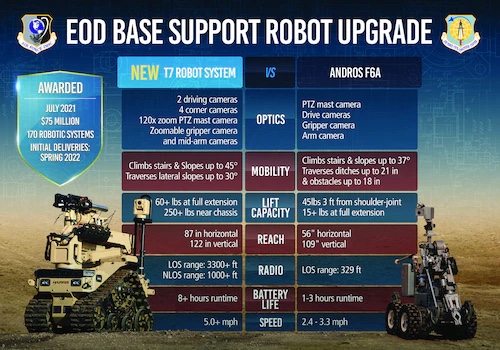

EOD robot upgrade The Air Force Installation and Mission Support Center recently contracted for the delivery of new explosive ordnance disposal base support robots for the Department of the Air Force enterprise. This chart shows a comparison of the 20-year-old Andros F6A to the new T7 Robot System. (U.S. Air Force graphic by Greg Hand)

AFCEC funded a $3.9 million effort in FY21 to convert the state-of-the-art ground-based laser prototypes to the final production configuration. The system will be delivered to Nellis AFB, Nevada, in December to support career field training as well as tactics, techniques and procedures incorporating the RADBO system, L-CBA, the prototype design completion on the Small Clearance Blade Assembly and an unmanned system application for Rapid Explosive Hazard Mitigation and Rapid Airfield Damage Repair vehicles.

By David Ford, Air Force Installation and Mission Support Center Public Affairs

CAP NRAT Reduces Arizona Plane Crash Search Area from Hundreds of Square Miles to 100 feet, One Survivor

Sunday, October 24th, 2021

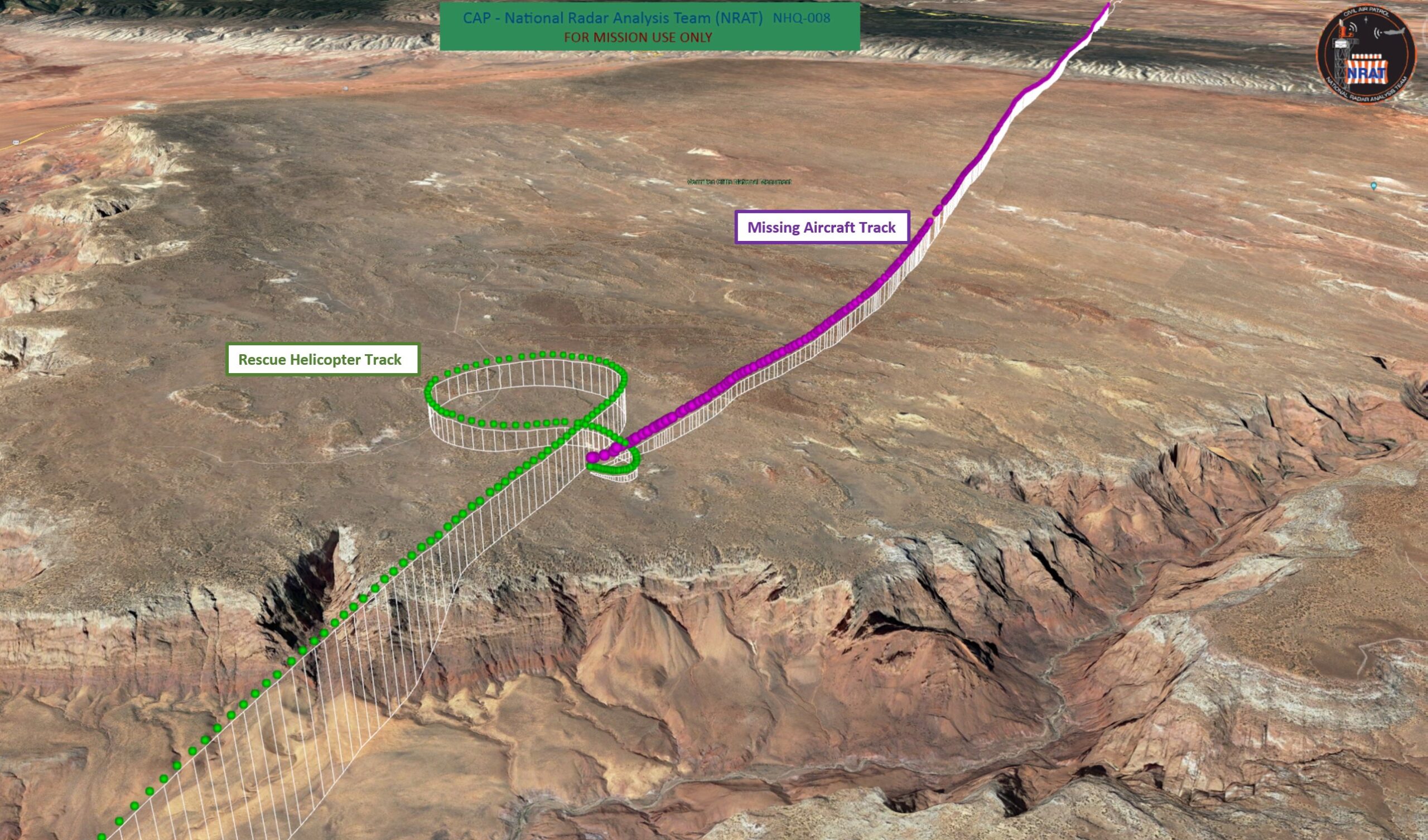
Arizona emergency responders were able to quickly locate a small plane crash site in northern Arizona, thanks to the work of Civil Air Patrol’s volunteer National Radar Analysis Team, Sept. 23.
The plane, a Piper PA-28R-200 Arrow II, single-engine aircraft departed from San Martin, California with two people onboard. The plane crashed on approach to Page Municipal Airport, Page, Arizona. 

After the crash, the passenger was only able to send text to family member but she did not know her location.  The family member contacted authorities who contacted the Federal Aviation Administration about the crash.  The FAA put out an Alert Notification, or ALNOT, to Air Force Rescue Coordination Center who then requested NRAT’s assistance in the crash site search.  

The NRAT team analyzed and processed millions of raw radar targets, reduced down to hundreds for this track in seven minutes to determine the end of the aircraft’s radar track, and probable crash location.  This reduced the search area from hundreds of square miles to less than a 100 feet.

“They were looking in the wrong location based on a text received from the passenger; but we [NRAT] were able to put them in the right place for the rescue,” said Lt. Col. John Henderson, CAP vice commander of NRAT and 84th Radar Evaluation Squadron member. 

When emergency services arrived at the crash site, they confirmed the death of the pilot.  The wife of the pilot, was flown to a hospital in St. George, Utah for treatment.

“With these types of missions, where you know that someone has survived the crash, time is of the essence.  We lost the track 125 feet above the terrain in a decent, so we knew right where they had crashed,” said Henderson.  “Based on our precise location, less than 100 feet from our prediction, a rescue helicopter was able to fly to the crash site an hour after dark and rescue the lone survivor.  This was on top of a plateau in a very remote, desolate area.”

The NRAT is now up to 13 saves this year which sets their record for number of annual saves over the past 13 years.  In 2021, the entire NRAT has volunteered more than 420 hours to support search and rescue missions.

“Five of the six NRAT team are either past or present members of the 84th RADES,” said Lt. Col. Jesse Scott, 84th RADES commander, Hill Air Force Base, Utah. “I am so proud of how our NRAT members use their radar skills not only for the 84th RADES national defense mission, but also to reduce search areas for plane crash locations enabling emergency responders to get there faster.”

The 84th RADES at Hill Air Force Base, Utah, reports to the 505th Test and Training Group, which is assigned to the 505th Command and Control Wing; both are headquartered at Hurlburt Field, Florida.