SIG SAUER - Never Settle

Archive for the ‘Guest Post’ Category

SureFire Field Notes Ep 53: How to Control a .308 AR with Barry Dueck

Tuesday, January 14th, 2020

SureFire Field Notes is a multi-segment informational video series with tips and techniques from subject matter experts of all backgrounds. In this episode, Barry Dueck discusses how to control large caliber semi-auto carbines.

Barry Dueck is a former Marine, owner of Dueck Defense Inc, champion competitive shooter and VP of Suppressors and Weapons at SureFire LLC. Barry is also the architect of SureFire’s SOCOM suppressors, winner of the most rigorous and extensive suppressor evaluation in history. Barry’s knowledge comes from his military experience, expertise in the firearms industry as a designer, and also from being a 3-Gun Champion, IPSC Grandmaster and USA Team World Shoot gold medalist.

dueckdefense.com

www.surefire.com


SCUBAPRO Sunday – Extra Masks

Sunday, January 12th, 2020

When you first learn how to dive, whether it is a military school or civilian. They will talk about, extra items you should carry with you. One of the most important is an extra mask/ mask strap. When I was going through training, we were doing our final FTX dive. It was a ship attack in San Diego harbor on a ship that was used for paintball training for the fleet. I was not the driver, so my job was to hang out and make sure my dive buddy didn’t hit his head on the pier, ship, or anything else. About 10 minutes in my mask started to flood. No matter what I did, I couldn’t get it to stop. I checked my hood, the strap, the seal, took it off and put it back on. I had no hair at that point, so that wasn’t it. Nothing that I did fixed it. As we were in training, we were not allowed to have two masks. So, I spent 3 hours with my mask filling up and me draining it. As I was doing this, my swim buddy hit his head twice. After the dive, I blamed it on him saying he was swimming too fast, and that was why he kept hitting his head. He knew I was lying, and I ended up buying him a steak dinner. When I got to a team and went through STT diving, the first thing I did was get an extra mask. I have never dove without two masks ever since.  

As you can probably tell, I didn’t go through training last year, it has been a while, and there have been a lot of advancements in gear that is used on the land and in the water. So here are just a few things to think about before you dive.

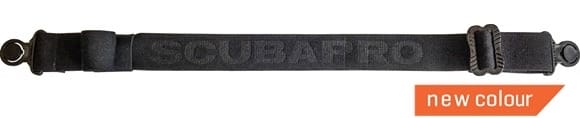
Let start at the beginning of the dive. You are about to jump in the water you put your mask on and the strap breaks. At some point, almost all straps will break. Rubber can dry rot over time. It will most likely happen when you are putting it on, as this is the time you stretch it the most. This is why all dive supervisor kits should have extra mask and fin straps. If they have one, use theirs before you use the one on you. There are new mask straps called Comfort straps from SCUBAPRO. They are made from a similar material to ski goggles, and they will not break. At some point, they will lose their elasticity, but again this should only happen at the start of a dive, and they are straightforward to change out.  

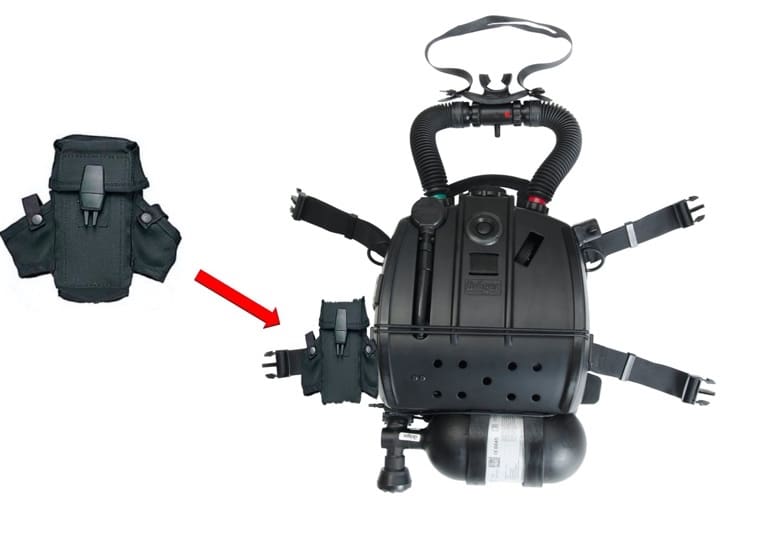
Now you are in the water, and you are turtle-backing to the point you are going to start your dive; it is cold; the seas are crap, and you are getting pushed around. You and your swim-buddy get to your start point as you are putting you mask on a penguin pops up out of the water. Your swim-buddy screams and throws his mask and it sinks to the bottom. He goes by the theory of (travel light and mooch) so he doesn’t have an extra mask. But you were taught to have an extra mask, so you give him yours. An excellent place to keep an extra mask is in an old M16 pouch on the belt that holds your rebreather to your waist. It is right at hand and easy to find in the dark. These are one of the best pouches ever made if it unbuckled anything inside won’t dump out. It was designed to hold three fully loaded 30round magazine upside down and not lose anything, even when unbuckled. I usually put a extra mask and fin strap in it.  

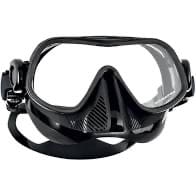
You can carry an extra mask or just the strap. If you are doing a longer dive and you have to cut back on the size of additional items, some people like to carry a smaller mask as their extra one. There are some excellent smaller masks out there. The Scubapro’s Steel Pro is a great mask if you need to carry something smaller. It uses the same comfort strap and can be tucked away in a small pocket without doing any harm to the skirts.  

Now let’s say you are on a dive. You are sent in to cut the steel net that will keep your submarines from getting into shore, and you come upon some other combat swimmers. They were sent out to stop you. While you are fighting underwater, you know with knives. In the heat of the battle, you lose your mask. So, once you win the fight (let’s hope you have been to underwater knife fight school) (if there is one, I am not saying there is) (I signed paperwork saying I wouldn’t talk about it). Now since you have an extra mask, you can pull it out and slap it on and go back to cutting the net. 


All kidding aside, having an extra mask and/or mask strap will make your life a lot better, something else you can put in there is some defog, that you can put on your mask if it keeps fogging or if you are putting your extra one on that hasn’t been treated. Again, this will make your life underwater a lot better. 


Jaws Spit is nice and thick and can be applied underwater, so it is ideal for use on a mask underwater, and it is small and can be kept in the same mag pouch as the extra mask. It is also good for use before the dive.


If you never have to use any of this stuff when you are underwater, you are a lucky person, but I hope you won’t take that chance, and you keep this stuff on you or make your swim buddy carry it. (travel light and mooch)

Air Force to Solicit 75th Birthday Theme Ideas

Saturday, January 11th, 2020

ARLINGTON, Va. (AFNS) —

In preparation for its 75th anniversary, Sept. 18, 2022, the Air Force is soliciting birthday theme ideas from Total Force Airmen and civilians. Every year in September, the Department of the Air Force dedicates a theme to celebrate the Air Force’s birthday.

Some of the past themes include, “Frontiers of Blue… This is 72!”, ”Focusing on heritage, warfighting capability and innovation,” “American Airman… Wingman, Leader, Warrior,” and “Breaking Barriers!”

Concepts for the 75th birthday theme should consider inclusiveness of multi-domain operations, capture Airmen’s innovation and reflect the Air Force’s heritage over the last 75 years. Considered themes should be short, concise, catchy and memorable (e.g. the 70th anniversary theme was “Breaking Barriers”). Submissions must also be in good taste.

All submissions and voting will take place through the IdeaScale website.

The submission and voting timeline is as follows:

– The competition submission period will be from Jan. 6-31, 2020.

– The voting window will be from Feb. 24 – March 6, 2020.

The best qualified submissions will be considered and sent to the chief of staff of the Air Force, the vice chief of staff of the Air Force, the Air Force director of staff and the chief master sergeant of the Air Force for the final decision.

The winner will be announced around April 1, 2020.

The winner will receive an all-expense paid trip to the Air Force Association’s Air, Space & Cyber Conference in September 2022, to attend the 75th Air Force birthday celebration and meet the CSAF and CMSAF.

Airmen and civilians with ideas should submit them online at usaf.ideascalegov.com/a/ideas/recent/campaigns/101, when the submission window opens.

Keen – The Ultimate Guide to Choosing the Right Hiking Boots

Saturday, January 11th, 2020

The Ultimate Guide to Choosing the Right Hiking Boots

Keen has a blog post on their site detailing how to choose the right hiking boots for your needs. The post goes into the various styles of boots, how to fit your boots, materials and composition, and even care. You can check out the full post at the link below.

www.keenfootwear.com/guidesreviews/blog-article-20039

FirstSpear Friday Focus – ACM MID 400 – Squadron Smock

Friday, January 10th, 2020

Today is another edition of the FirstSpear American Wool Series where we take a look at an item that FS builds with their USA Merino packages.

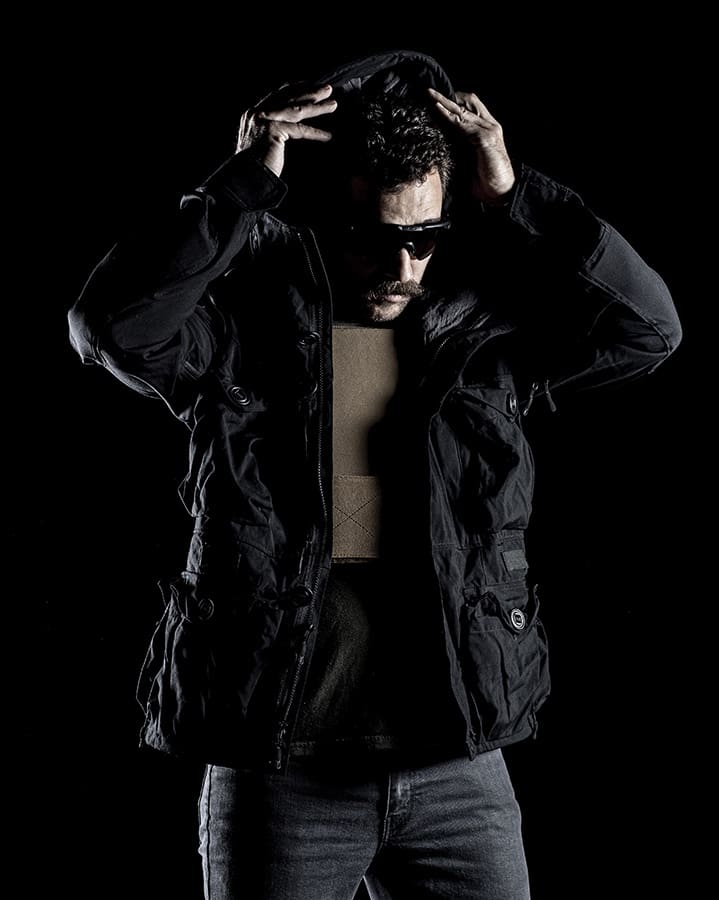
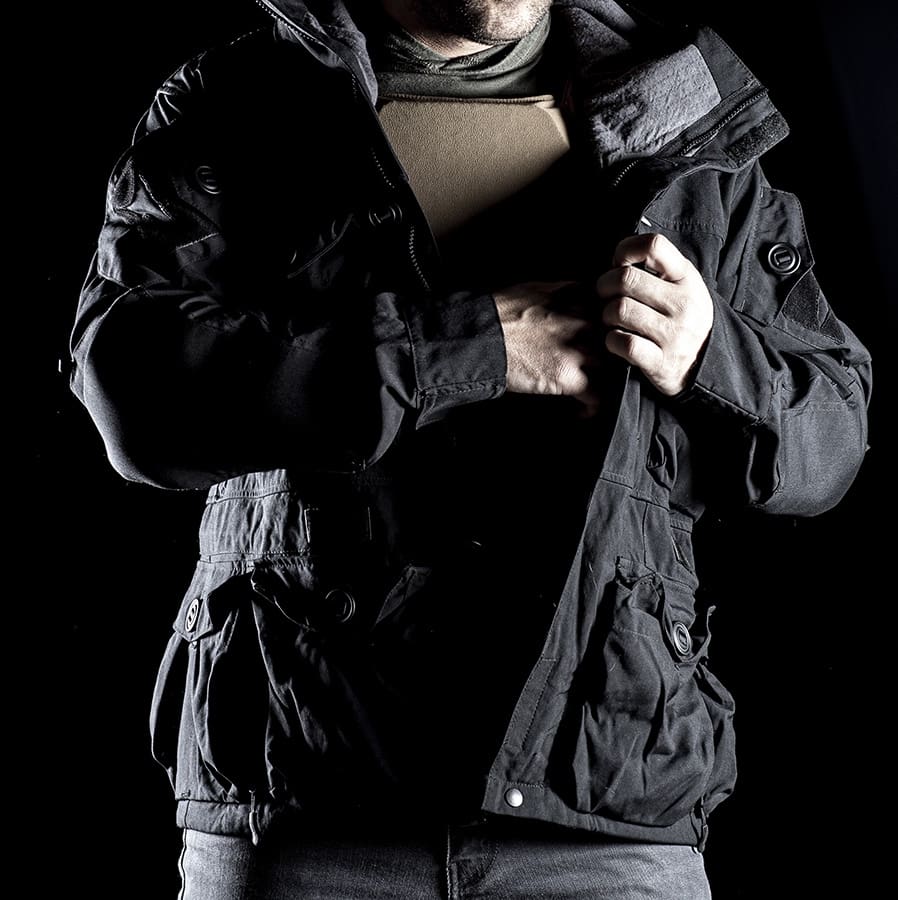
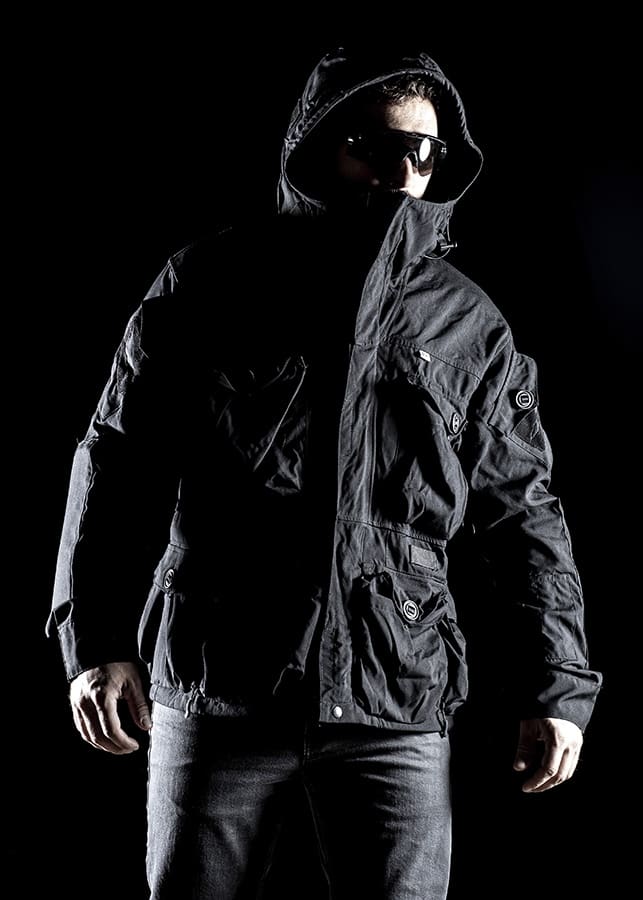
Check out the Squadron Smock, an exceptionally popular garment from FS which has maintained its classic design matched with modern high performance materials. The dual layer MID 400 merino package is used throughout the hood, back and shoulders as well as two zippered hand pockets. With over 18 total pockets this smock serves a load bearing vest style capability many outer garments could not support. An oversized hood works great over the top of a bump lid or helmet.

FirstSpear has also used a low profile padding through the elbow and forearm finished with extra large adjustable cuffs. Webbing attachment points on the back and hood can be used to secure a pack like the ECP or even add foliage for concealment. Like most FirstSpear products the Squadron Smock is 100% American made and Berry Compliant.

In Stock and shipping now in Black, Ranger Green, Coyote, Multicam, and Manatee Grey.

www.first-spear.com/squadron-smock

The Making of a Drill Sergeant: Transforming Civilians into Soldiers

Wednesday, January 8th, 2020

FORT JACKSON, S.C. — Watching the Army recruits run to their designated location, the drill sergeant could feel the tension, the excitement, the anticipation. The only question now was, who was more excited–her or the trainees?
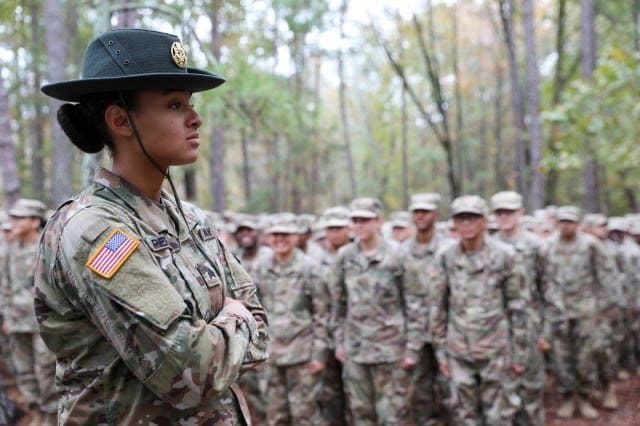
Drill Sergeant Alycia Perkins is a new drill sergeant. In fact, she has only been ‘on the trail’ for a few weeks and everything is new and exhilarating to this U.S. Army Reserve drill sergeant. Fresh out of the U.S. Army Drill Sergeant Academy, this young noncommissioned officer is full of the latest knowledge and knows all the regulations, training goals and safety protocols. She had worked extremely hard on earning her Drill Sergeant Hat and Badge, and now, here she stood before a group of civilians she had helped transform into Soldiers. They were just days away from graduating from U.S. Army Basic Combat Training, and Perkins could not be more proud.

“During this Blue Phase (the third and final part of Basic Combat Training), I have gotten a lot of hands-on mentoring. It is not so much of the yelling and the teaching them anymore, it’s more about helping them understand who they are and what kind of Soldier they CAN be, and then helping them realize their goals,” said the all-wheeled vehicle mechanic from Bravo Company, 2nd Battalion, 485th Infantry Regiment, 2nd Brigade, 98th Training Division (Initial Entry Training).

As a U.S. Army Reserve Drill Sergeant, Perkins had not been with the trainees through their entire cycle of three phases: Red, White and Blue. Reserve drill sergeants typically assist Active Duty drill sergeants for a phase rather than a complete cycle. However, they can stay longer based on needs and availability. Perkins entered this particular cycle at Fort Jackson, South Carolina cycle in the Blue Phase, which allowed her to do more mentoring and less yelling.
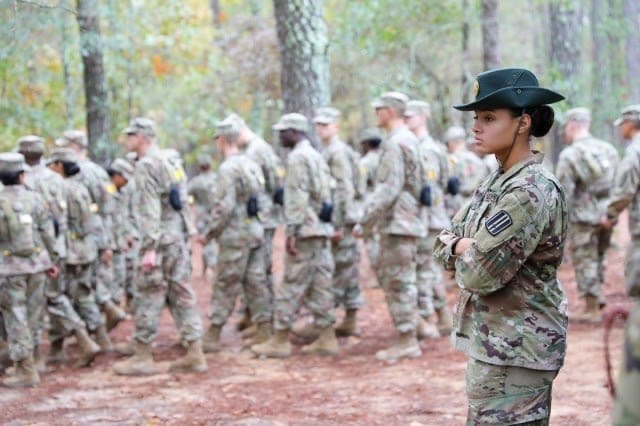
“The screaming and yelling [in Red phase] is more of a shock. It is to put the trainees into a stressful environment so they can learn to think on their feet, because that is the environment you would have when deployed,” said the Columbia, South Carolina resident.

“As you move on through the different phases, you kind of step back from being ‘the Hat and the Badge,’ and what people typically think a drill sergeant is, and you go more towards a mentoring phase and mentoring position,” said Perkins.

In her short time on the trail so far, Perkins said she finds this part of the job the most rewarding, and the main reason for her own transformation into becoming a drill sergeant.
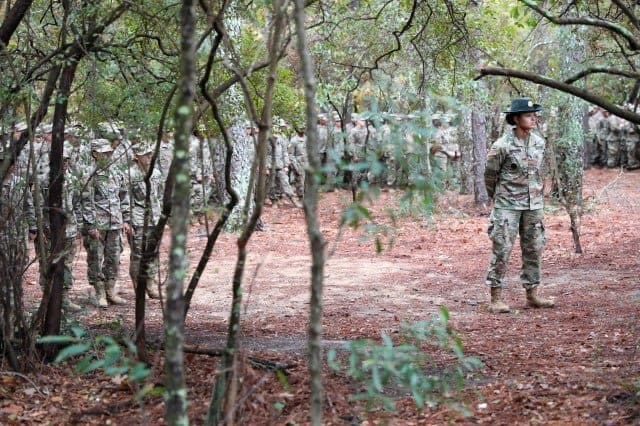
“I don’t know if [the Drill Sergeant Academy] changed me necessarily, as much as built what was already there. I have always been a pretty motivated Soldier and wanted to help people.”

In the teacher and mentor phase, Perkins discovered people from across the Nation and with varying reasons for joining the Army. And some of the motivation she witnessed surprised the young drill sergeant.

“You expect a base level of motivation, but some of the trainees who come through here really have some personal stories and personal attachments that help drive them to be a Soldier, and help get them through Basic. So hearing these stories, and where people are coming from, and how diverse it is, surprised me a little bit.”

Of course, motivation alone will not get a trainee through Basic Combat Training. They have to meet all the standards and pass all the physical and mental requirements. The drill sergeant is only there to guide the recruits and give them all the tools to succeed. But in the end, the trainee must do it on their own, just like Perkins did when she completed the Drill Sergeant Academy.

After spending time with the trainees and getting to know them a little, it can be hard for a drill sergeant to see motivated trainees fail out for various reasons, said Perkins.
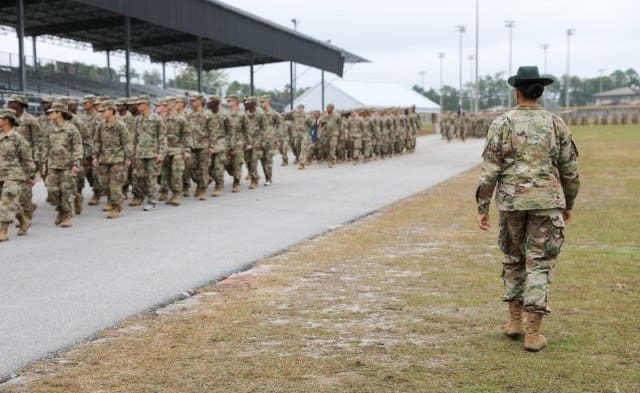
“On the flip side, it is very rewarding to see a trainee who has struggled, overcome those struggles and make it to graduation,” said Perkins looking out over her Soldiers practicing for graduation.

Of course, being new to the responsibilities of a drill sergeant, Perkins admits that she still has a lot to learn.

“Just because you graduate the Academy does not mean the learning is over. Things are always changing. Even since I graduated, things have already changed. A drill sergeant has to keep themselves up-to-date and be as knowledgeable as they can be.”

With the eyes of every recruit looking to drill sergeants as role models, Perkins said there is no choice but to strive to be the epitome of perfection. It’s not an easy goal to achieve but it is just a responsibility of the role.
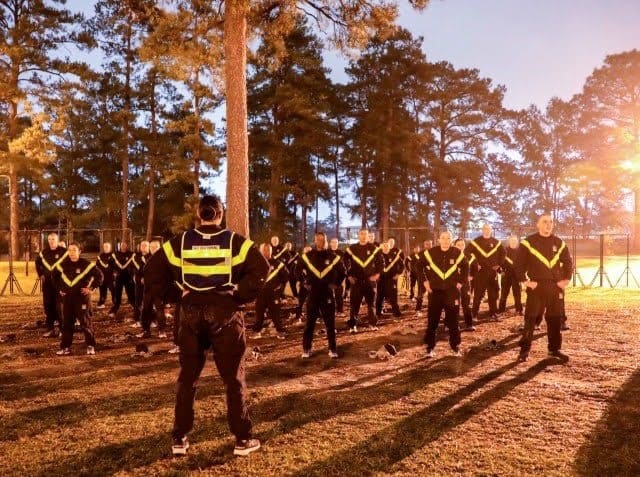
Another responsibility for drill sergeants is making sure all the training requirements are accomplished. The simple logistics of moving a group of trainees around in an efficient manner to complete the fast-paced schedule of Basic Combat Training is an education that Perkins found invaluable, and a bit taxing.

“What I found to be the most challenging was all the paperwork and the behind the scenes stuff you do as a drill sergeant: setting up training, getting with everyone else to make sure the schedules are online…This is my duty week this week, so I am really learning everything that goes into planning just one training exercise. That has been the most difficult, for me at least.”
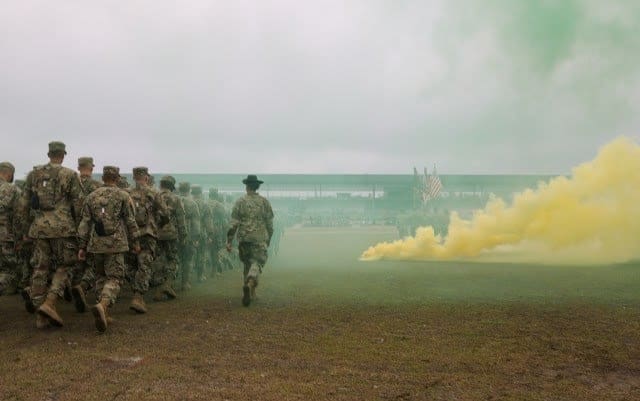
So while Perkins has been leading trainees, she has been learning herself. The Training and Doctrine Command environment is a very supportive place full of people willing to help, which has allowed me to become more confident, said Perkins.

“I have realized, I can handle more than I think I can.”

This type of confidence is critical for a leader required to be a role model, an example of Army perfection. However, it is something that any noncommissioned officer could achieve, said Perkins.

“Anybody can be a drill sergeant. If you have the time, the motivation, and the patience to do it…and the drive. It does take a lot. These are very long days–4:30 a.m. to 7:30 or 8:30 p.m. on a normal day. So it’s not for the faint of heart,” explained the new drill sergeant.

The responsibilities of the job are not for unmotivated people who don’t care about the quality of their work. It requires a disciplined effort and a generous amount of pride and ownership in the end goal, said Perkins.
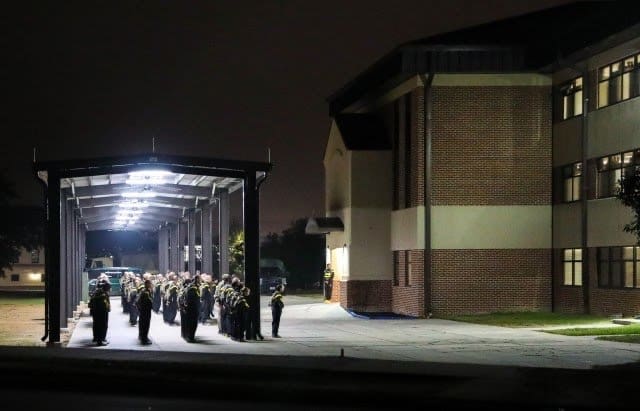
“You have to really care for the trainees and care about the product you are putting out to do this kind of job.”

No one at the U.S. Army Drill Sergeant Academy said the role of U.S. Army drill sergeant was going to be easy. In fact, they clearly explained the challenges. Yet, among the long, and somewhat grueling days, they said there would be rewards. In just a few cycles on the trail, Perkins has seen those rewards and that is a product she has found pride in.

“There have been moments when I am teaching a class on why a regulation is the way it is, and it is very rewarding to see that light just click on for them. Helping them understand takes away any obstinacy. When you can get into why things are important, it really helps them connect with the Army in general and the material you are putting out.”

Finding a way to connect the trainees with the Army is a way to ensure our Nation’s future, said Perkins.

“That is what we are defending–that heritage going into the future. We are building a stronger Army. A more competent Amy. A more intelligent Army. All those compiling factors are what you, as a drill sergeant, are working to instill in those trainees who will defend our Nation eventually. So the product you put out, that time you put into that trainee, really reflects, and will define our future Army.”

Knowing she is playing a part, making a difference in not only the lives of future Soldiers but the Nation itself, makes Perkins immensely happy and proud to be a drill sergeant.

“It is always said, ‘the trainees are a direct reflection of their leadership.’ That really makes me feel that what I put into them, is exactly what they are going to put out into the rest of the Army. So, that is a really good feeling.”

By MAJ Michelle Lunato

Brigantes and Outdoor Research Tactical Cold Weather Project

Wednesday, January 8th, 2020

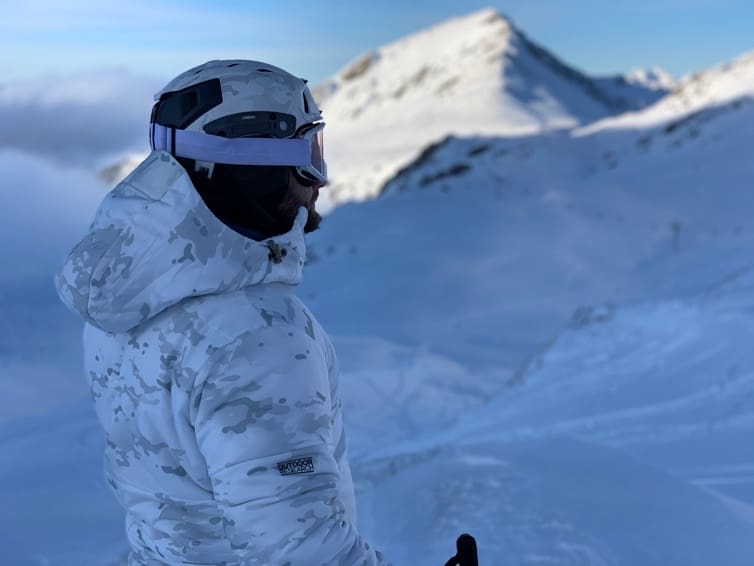
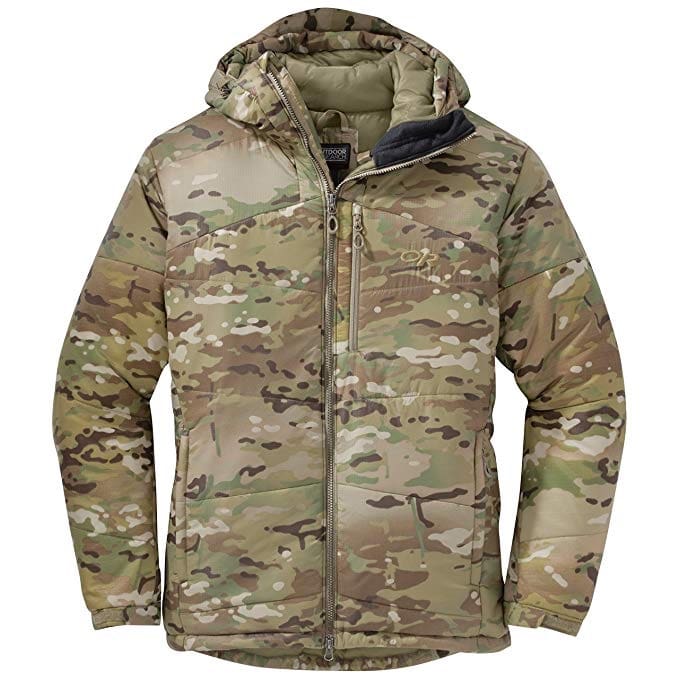
Outdoor Research has long been a top tier outdoor brand with strong credentials in the military world. Starting in 2020, Brigantes and Outdoor Research will join forces and begin development of a new cold weather clothing system, to be introduced throughout the UK and EU.

 

Building on the core elements of the existing clothing range and using key technical fabrics such as GORE-TEX and Primaloft®, the range of products is designed to target the needs of the European militaries within Norway and Northern Europe.

The Colossus Parka and Tradecraft products have already seen use in the very far north of Norway where the exceptional insulation provided by Primaloft®, enabled operating at much lower temperatures with a far lower pack volume.  This far exceeded the performance experienced with alternative items and with the evolution of Primaloft® insulation, products in the Tactical Cold Weather Project are expected to get lighter and warmer.

 

The cold weather system will cover all layers including mid, insulation and shell. This clothing system will be a significant addition to the excellent gloves and mitts already used by many units and will enable a complete solution built from the combined expertise of both North American and European operators.

For more information contact warrior@brigantes.com

For international enquiries: international@brigantes.com

SCUBAPRO Sunday – Dry Suits

Sunday, January 5th, 2020

Now that is cold, I thought it would be good to share some information about Dry suits and Semi- Dry suit. David Rhea is a SCUBAPRO ambassador and one of the best explorer divers in the world. The videos are made to advertise SCUBAPRO gear but there is also some good information in them about how to properly wear and maintain your suits.

www.youtube.com