GORE-TEX Professional

Archive for the ‘Guest Post’ Category

SCUBAPRO Sunday – Low Visibility Diving

Sunday, June 23rd, 2019

Diving in low visibility is one of the worst-case scenarios you can find yourself in whether it is in the day time or night time. Sometimes it is a lot worse in the day then at night. I say that because at night you can turn on the backlights on your gauges/ computers to help you see them. In the day, it doesn’t help as much as you would hope/ want. Many things can cause low visibility, bad weather, the type of water you are in diving in a bay, a harbor, swamp, river or third world polluted. It can also be caused by stirred something up. When you stir silt up, it is often called a silt out. This term is used more in the cave/ tech world. Silt-outs happen when you kick up the fine sediment that is found by piers or in enclosed underwater areas, like wrecks, caves, and on the bottom of open water as well, and in particular in lakes.
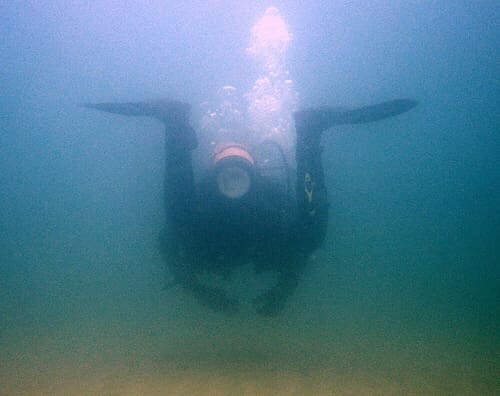
Silt is a type of granular material that is finer than sand and is often light, much like the type of flour. As it is very light, it is easily disturbed by movement, either from waves, current, or a diver’s body or equipment. It is carried by water currents and accumulates inside areas that are protected like in bays, harbors, and caves. In a combat environment, it is a bad thing for a couple of reasons, and it tells people on the surface that someone or something is disturbing the bottom of the water. If you are lost, it will throw you off your timeline.  

Because the visibility decreases to next to nothing, it can cause buddy separation, free ascents or descents. Inside enclosed spaces, it can be near fatal. We were doing a training exercise in a local military area.

One of the swim pairs got lost inside a Conex box that was in about 20’ of water. It took them two hours to find their way out. With no visibility, it is hard to find your way out of something like that, which can cause panic, which in turn leads to more frantic movement patterns. They did not panic, they kept following seems and found their way out, but it wasn’t easy.  

Avoiding silt-outs

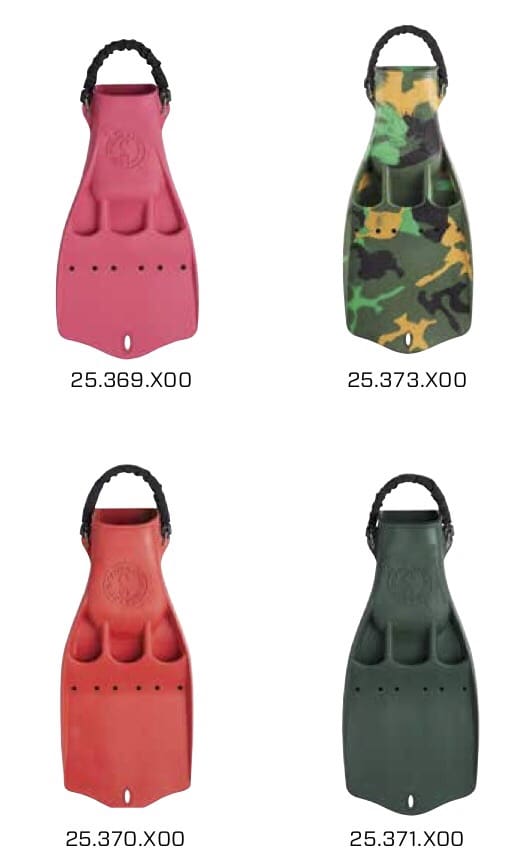
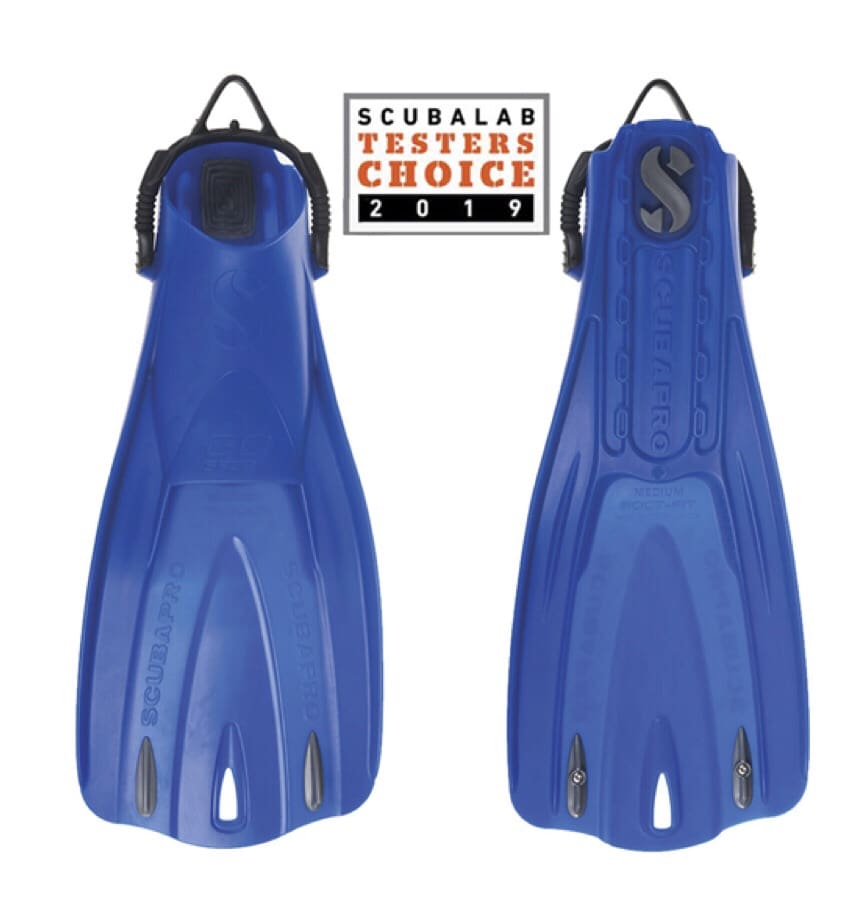
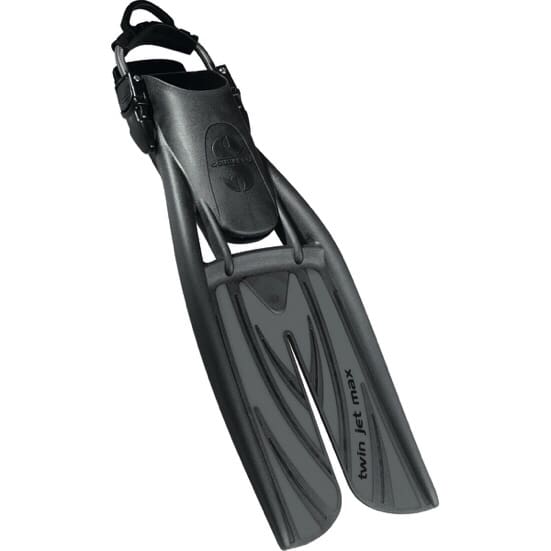
The best thing to do about silt-outs is to avoid them. Buoyancy and trim control is the best way to avoid stirring up silt. Buoyancy will help you stay at a certain depth, and Trim is the ability to stay level in the water, and it will help keep your legs and fins off the bottom. Next is a proper finning technique that goes with the right fin. Try and use a good bent knee cave kick. Make sure you have a fin that can be used for a good cave and frog kick (jet fins and Go Sports) this will help  

keep you from accidentally hitting bottom. Proper training and confidence in yourself and gear will help you if you find yourself in a low visibility situation.
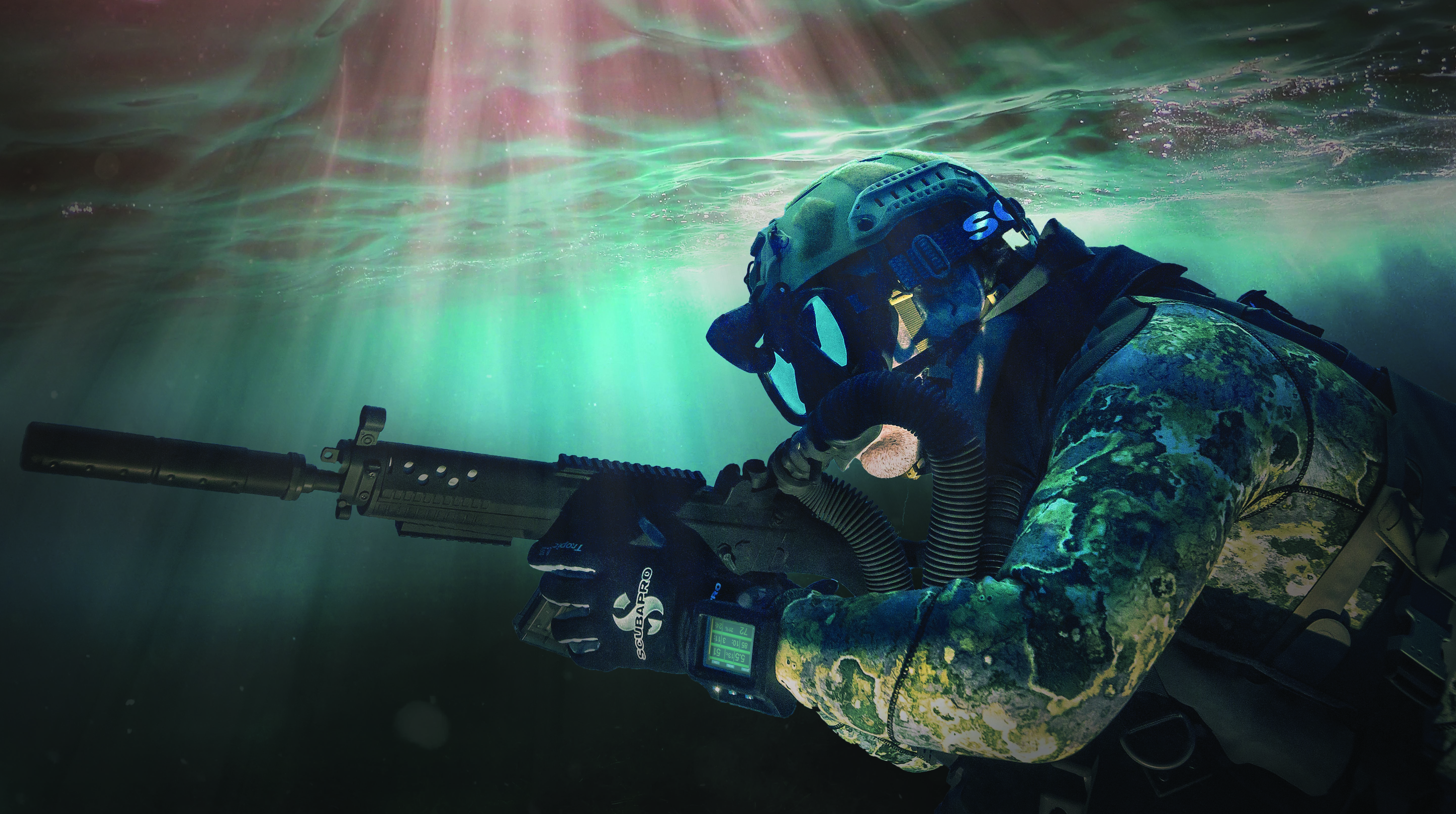
Should you find yourself in a low visibility situation.

1. Trust your gear and your training.

2. Maintain your depth. Notice any pressure changes in your ears from increasing or decreasing pressure and try to bring your dive computer or depth gauge close enough to your eyes to read it.
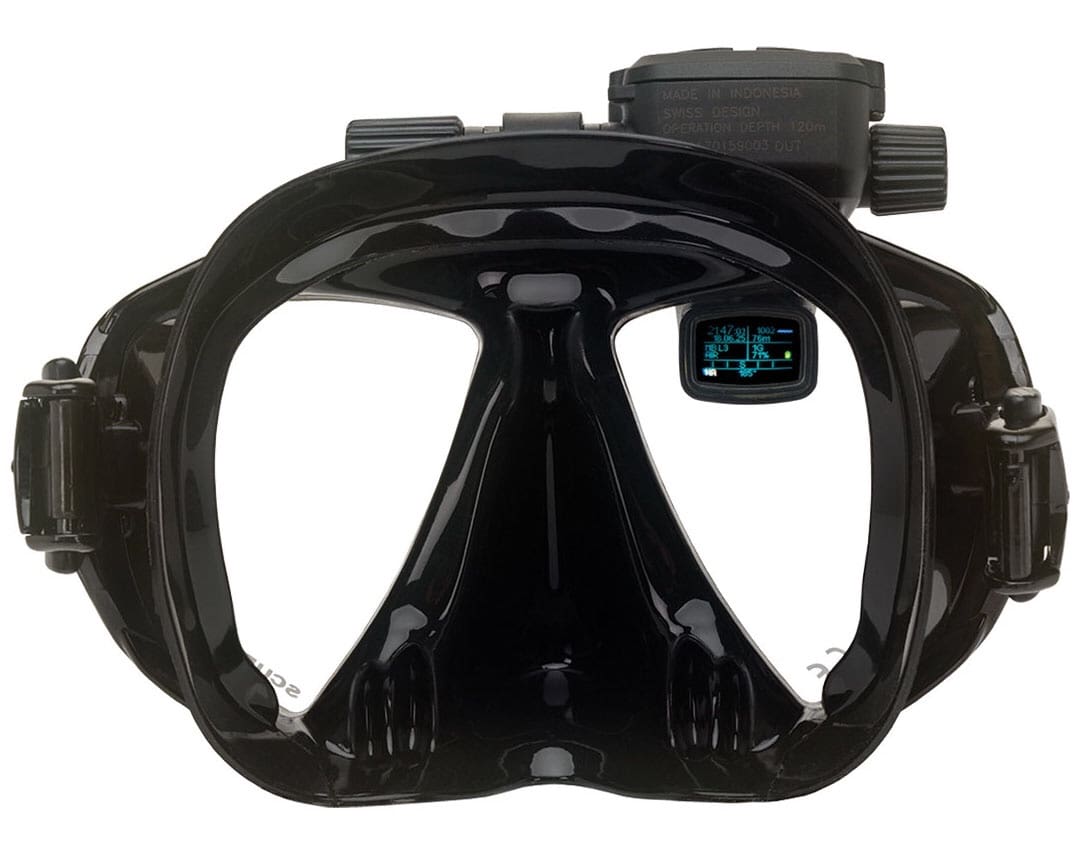
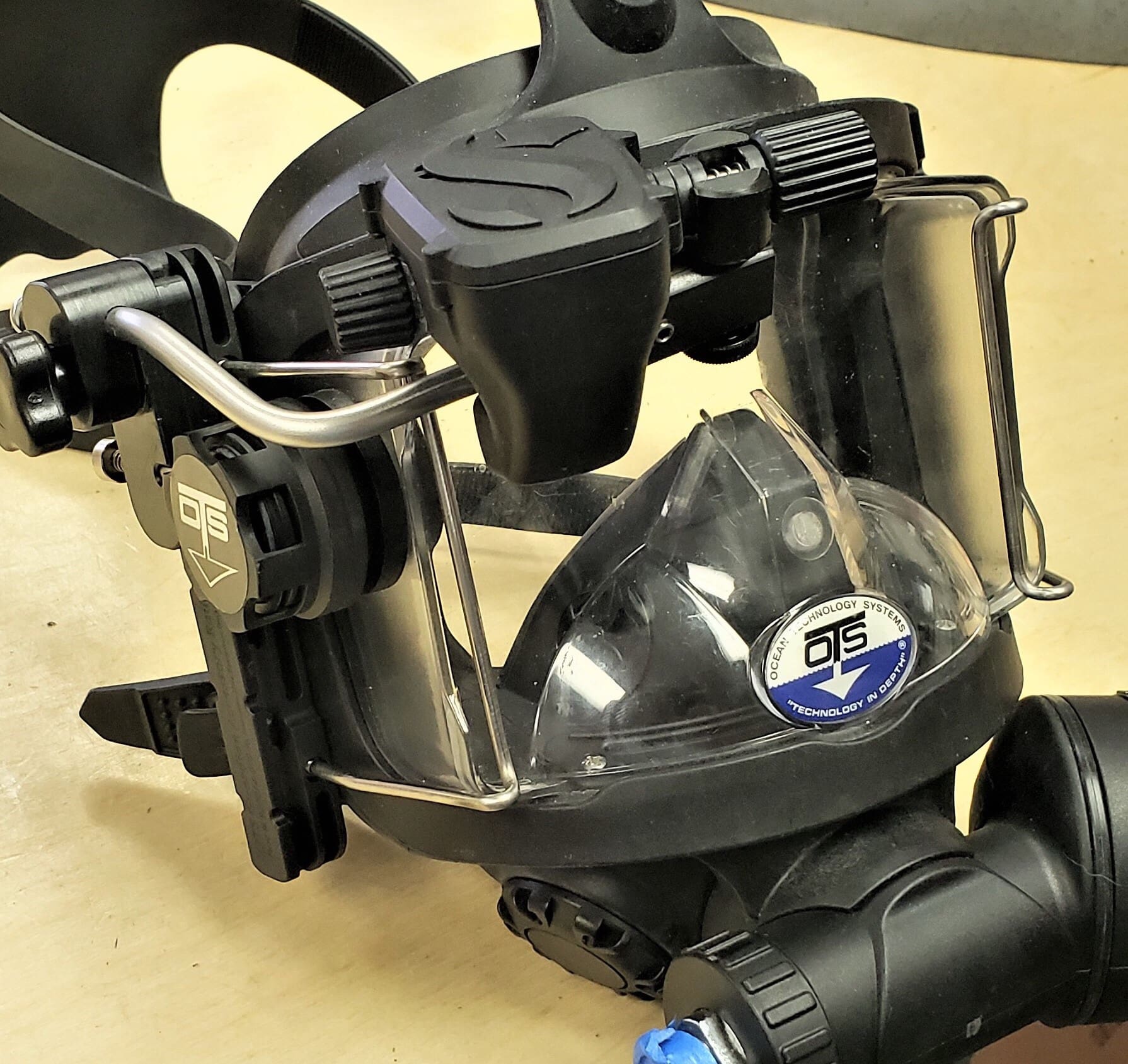
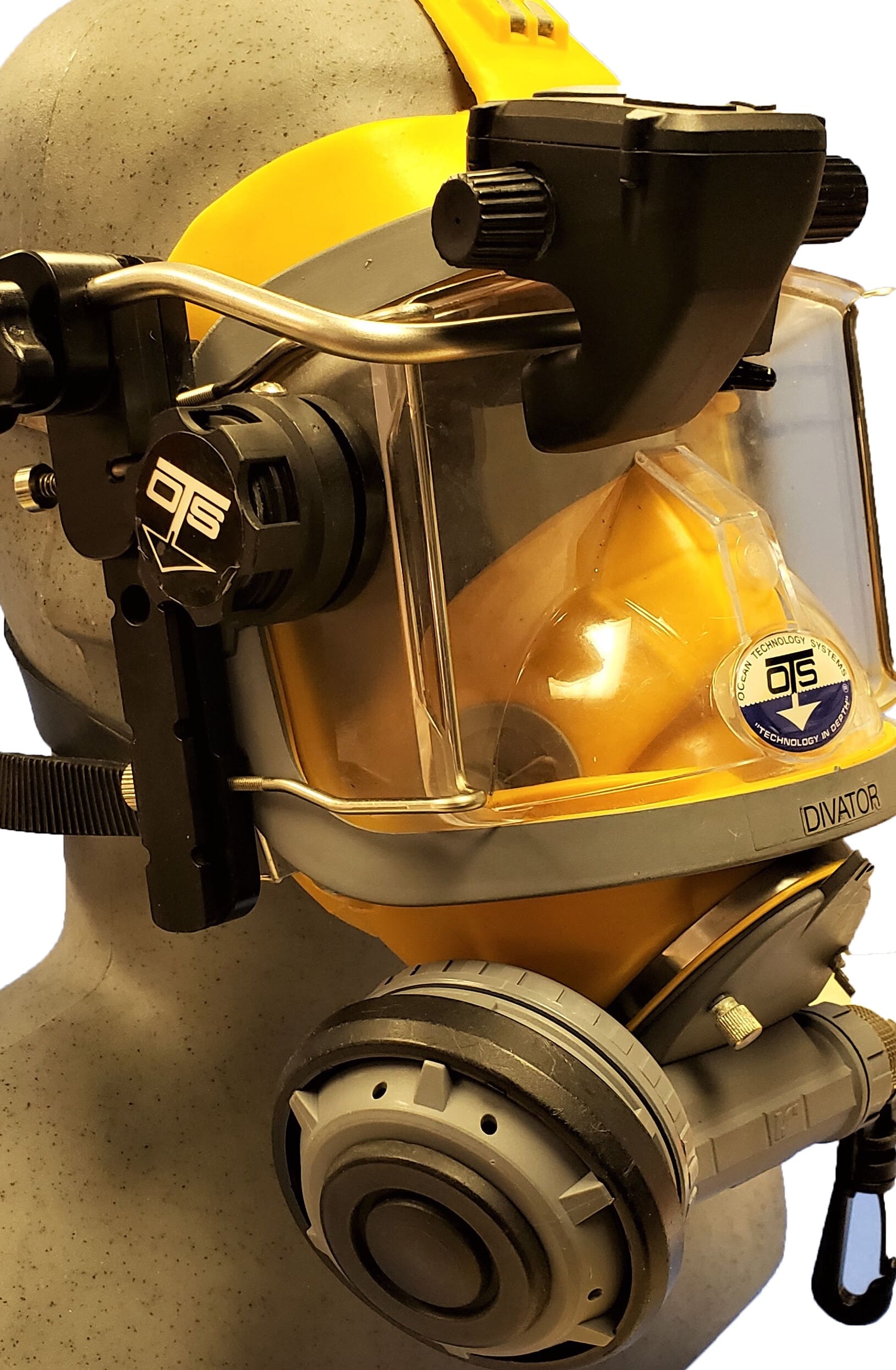
Sometimes you have to dive in a low vis situation. Like if you are part of a dive team and you are looking for something or someone. Again day time is worst then the night time because it is hard to look at your gauges. However, there is new technology that is out there that can help. A Heads-Up Dive Computer (HUD) can make it a lot easier to read you’re your gauges. A good HUD can tell you your air pressure, depth, Total time of dive, and a lot more. SCUBAPRO’s new Galileo HUD is a full dive computer with a build in GPS. Galileo Heads-Up Dive Computer (HUD). Most HUDs mount to your mask or somewhere you can see it without having to look down at your arm. They help tremendously with low visibility situations. They help you maintain your depth and also help you monitor your air pressure. SCUBAPRO’s can be mounted to different types of masks, it is was designed to be mount to a dual lens mask mainly, but it can also be mounted to the Frameless mask and full face masks, used by most search and rescue teams. I have been diving the SCUBAPRO Galileo HUD for a while now, and nothing beats it when it comes to having to dive in low visibility. It can be used for Search and Rescue, military operations, tech/cave, and recreation.
For more information contact ecrazz@clannfive.com
Special Tactics Training Squadron Dedicates Building To Selfless Hero

Sunday, June 23rd, 2019

HURLBURT FIELD, Fla. – Those who have walked the grounds of Hurlburt Field know that the entire base is engulfed with Air Force history. The street names, buildings, airpark, and training complexes all tell a story and keep memories alive of perhaps a father, husband, son, daughter, or in many cases – a hero.

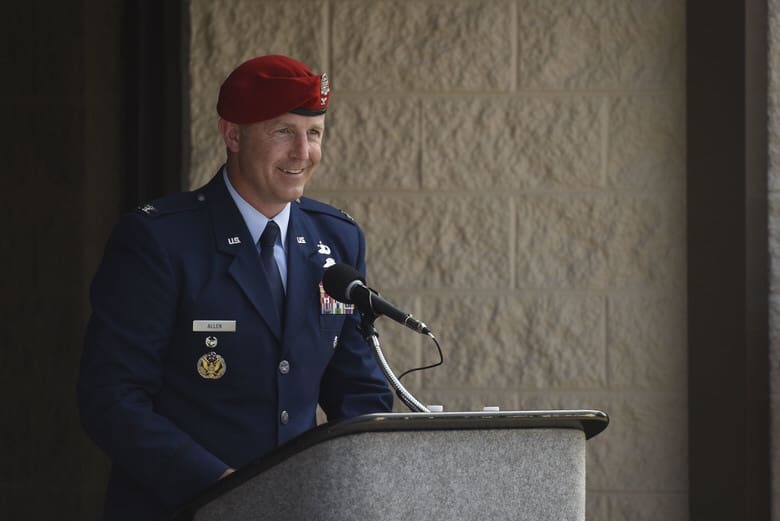
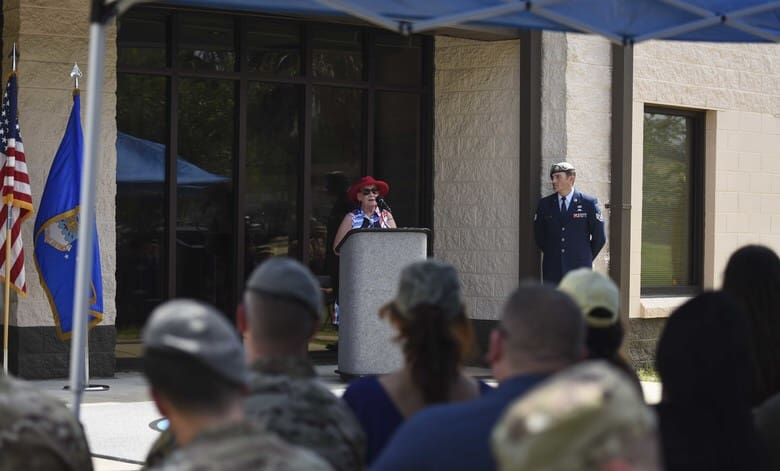
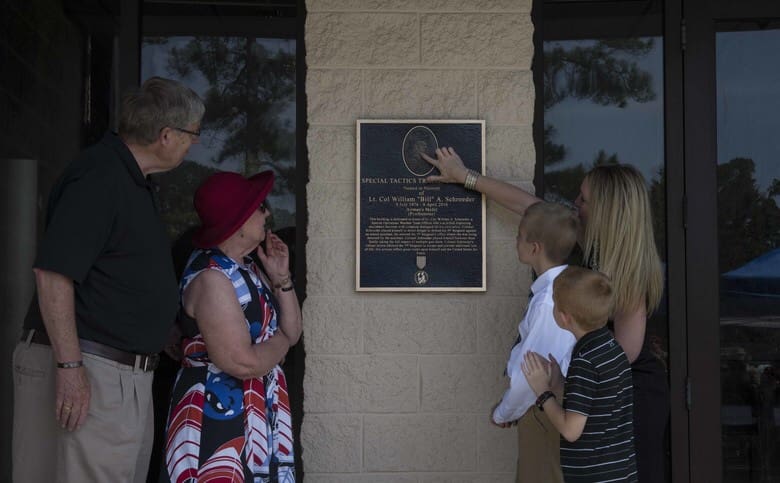
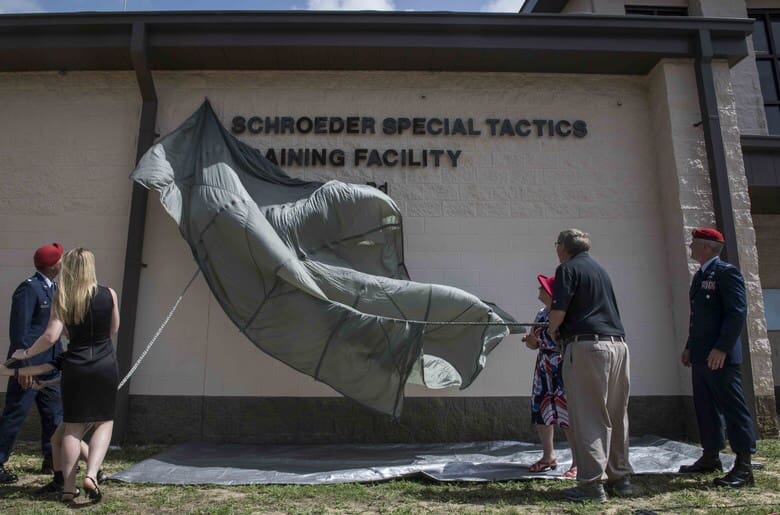
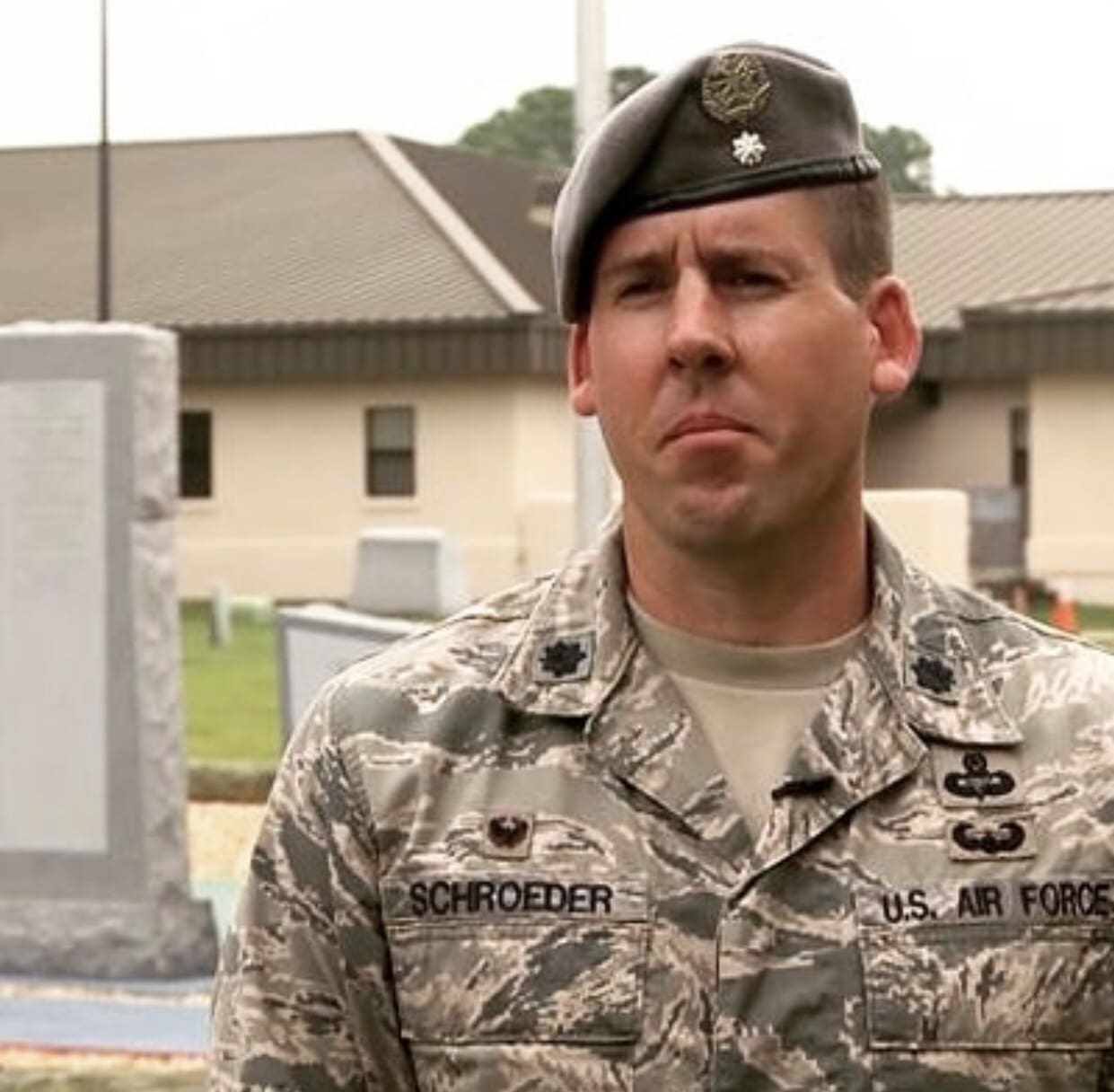
Today, U.S. Air Force Lt. Col William “Bill” Schroeder’s name was bound forever to Special Tactics and Hurlburt Field history when the Special Tactics Training Squadron annex building, which formerly housed the 10th Combat Weather Squadron, was dedicated in his namesake.

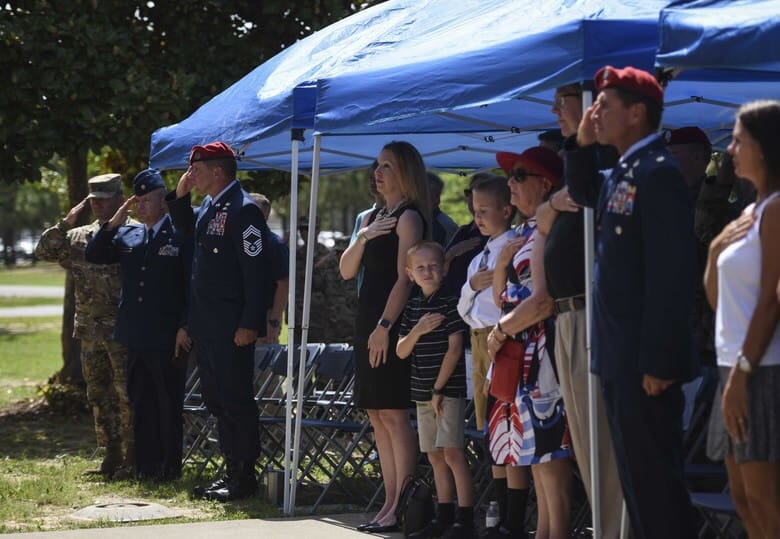
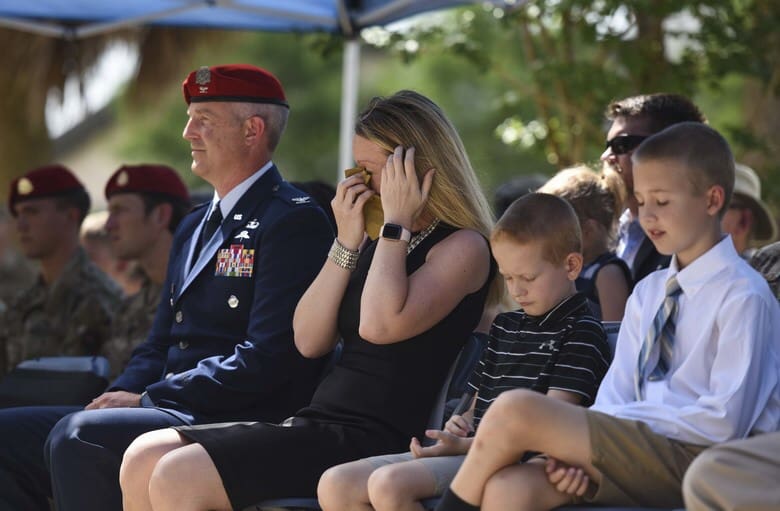
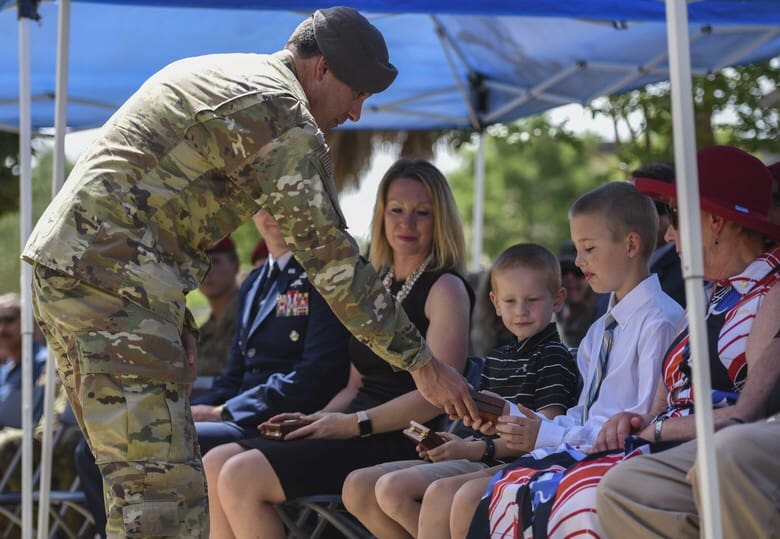
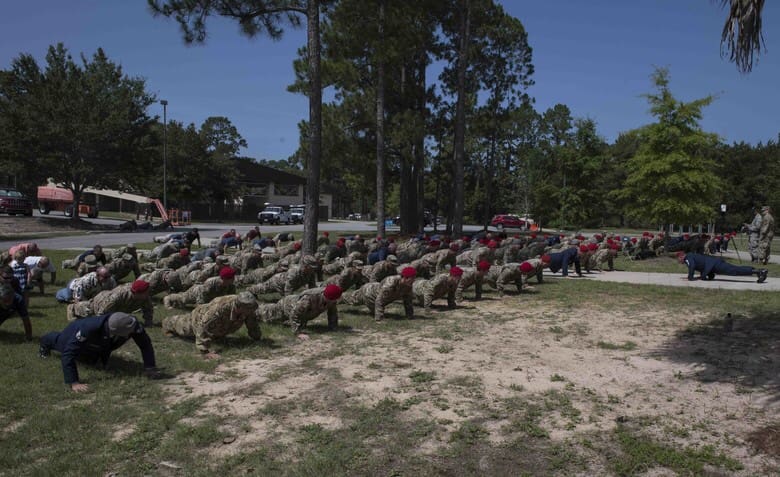
A crowd of family and friends amidst a sea of berets gathered as key leadership within the 24th Special Operations Wing, alongside members of Schroeder’s family, unveiled the new name of the STTS annex building which now reflects “Schroeder Special Tactics Training Facility.”

“The STTS forges and refines the next generation of America’s Special Operations Warriors,” said U.S. Air Force Col. Matt Allen, presiding officer of the ceremony and incoming commander of the 24th SOW. “The men and women who walk these halls are preparing to take their place in the front lines of the most powerful Air Force and Special Operations Command in our nation’s history.”

Schroeder’s name, now prominently displayed on the front-side of the building, next to the doors of the entryway, will stand as a reminder to future generations of Special Tactics Airmen of Schroeder’s gallant devotion to country and duty.

As a career Special Operations Weather Officer, Schroeder commanded the 10th CWS from June 2013 to May 2014, when it was inactivated.

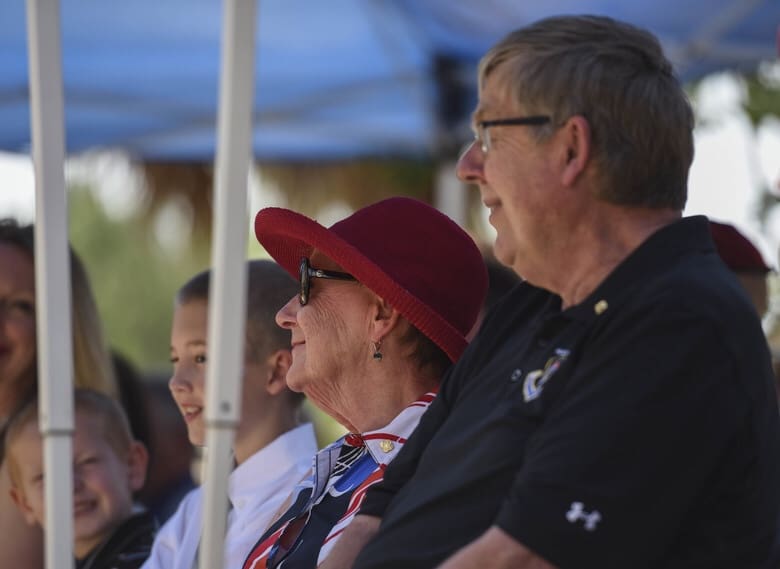
Susan Schroeder, mother of Bill, described Bill as being dedicated to the Air Force since he was only 12 years old, but Bill’s family has fond memories of his time served as the commander of Thor’s Legion, taking care of Airmen.

“And in this building, in particular, when he took us through it when we first came to visit, he was so proud of everything that was in there,” said Susan.

When the squadron inactivated, special operations weathermen integrated into the 720th Special Tactics Group, adding special reconnaissance capabilities to Special Tactics teams.

Following the 10th CWS, Schroeder commanded the 342nd Training Squadron, Lackland Air Force Base, Texas, until April 2016 when he was fatally wounded.

Schroeder, with complete disregard for his own safety, placed himself in direct danger to defend his first sergeant against an armed assailant. Schroeder’s gallant actions allowed the first sergeant to escape and to notify security forces, preventing additional loss of life.

Schroeder was posthumously awarded the Airman’s Medal, which is given to those who distinguish themselves by heroic acts outside of combat.


“Bill gave his life defending his teammates in San Antonio on 8 April 2016, but he lived every day of his life reminding us of the importance of service to others, love of country, and love of his fellow man,” said Allen. “And it’s in this legacy that the ST community proudly dedicates this building to Bill.”


Alongside the building dedication, Schroeder is also memorialized through a recent career change within Special Tactics.

On April 1, the Special Operations Weather Team career field transitioned into Special Reconnaissance, or SR, shifting their primary focus to reconnaissance capabilities brought to a Special Tactics team. “SR” is the operator-initials of Schroeder, an intentional renaming to memorialize a former leader.


Special Reconnaissance Airmen have been an integral piece of Special Tactics with unique training to conduct multi-domain reconnaissance and surveillance across the spectrum of conflict and crisis. As SR, they will continue to maintain their application of lethal and non-lethal air-to-ground integration of airpower.


Susan spoke about what the building dedication means to their family.


“We want you all to know how much gratitude we feel towards all of you who are recognizing our son, our husband, our father, at this very time, with this very, very unique dedication,” said Susan.


24th Special Operations Wing Public Affairs

US Army Combined Arms Center Releases First Doctrine Audiobook

Saturday, June 22nd, 2019

(Fort Leavenworth, Kan.) The U.S. Army Combined Arms Center (CAC), in a collaborative effort led by the Combined Arms Doctrine Directorate (CADD) and supported by the Army Training Support Center (ATSC) – Mobile Learning Division (MLD) and Enterprise Multimedia Center (EMC), released its first doctrine audiobook as part of a pilot program today. The first publication produced as an audiobook is Field Manual (FM) 3-0, Operations, a manual that marked the shift in the Army’s focus towards large-scale combat operations when published in October 2017.

Audiobooks are not new to the publishing industry; however, this marks the first time the Army has ventured into this medium as a way of delivering Army doctrine.

“Doctrine audiobooks give Soldiers another way to receive information and learn by letting them increase their professional knowledge while doing other things, like working out or commuting,” said Col. Rich Creed, director, CADD. “We are pleased by the flexibility the audio format provides to the majority of people in the Army, who don’t usually carry doctrinal manuals around with them every day.”

Army doctrine audiobooks are produced from published and authenticated doctrine, but abridged for the audio format. Like print publications, online presentation of audiobooks follows a standardized format that includes the publication’s introduction, each of the chapters, and the appendices. Army doctrine audiobooks use industry standard .mp3 files that can be accessed by users across multiple platforms, including laptops, e-Readers, tablets, smartphones, and other mobile devices.

The Combined Arms Center is currently working on audiobook versions of FM 2-0, Intelligence, and ADPs 3-90, Offense and Defense, and 7-0, Training, that will be available later this summer. The viability and use of the audiobook format, as well as future production of additional doctrinal publications, will be evaluated as part of this pilot program.

Audiobooks join the CADD lineup of digital interactive publications available to Soldiers via the U.S. Army Central Army Registry. To access the FM 3-0 audiobook, visit rdl.train.army.mil/catalog-ws/view/FM3-0Audiobook/index

By Ted Crisco and Maj. Christopher Parker, Combined Arms Doctrine Directorate

FirstSpear Friday Focus – Non Stocking Non Standard Vest

Friday, June 21st, 2019

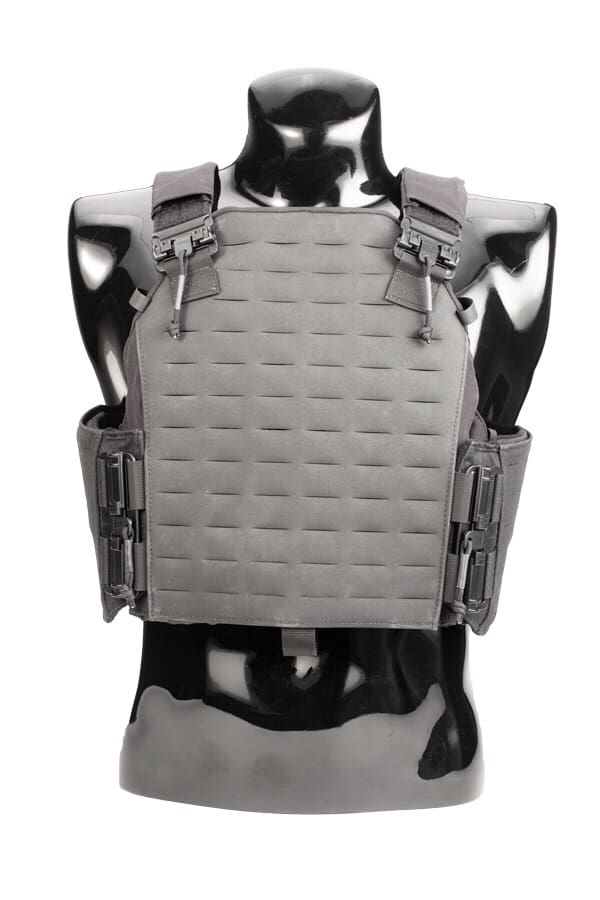
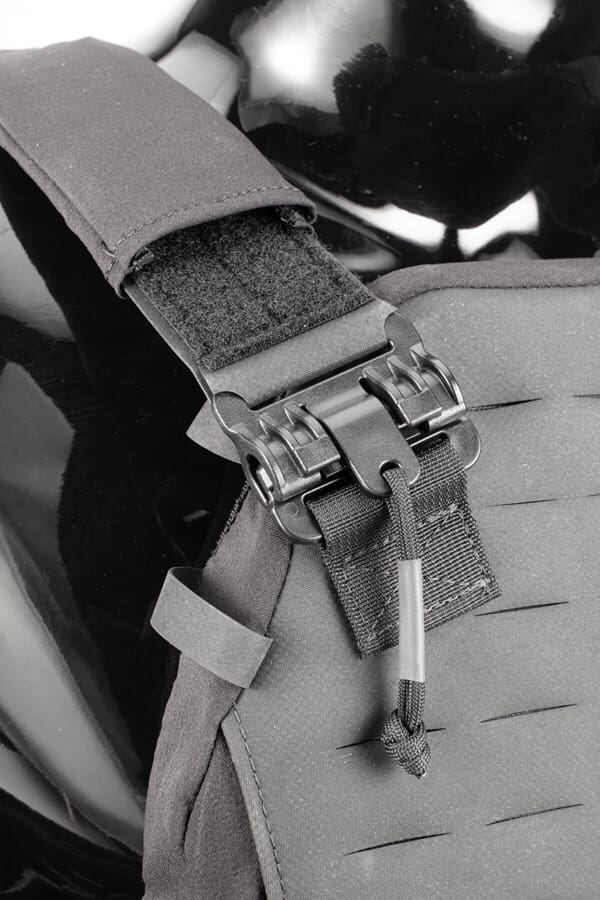
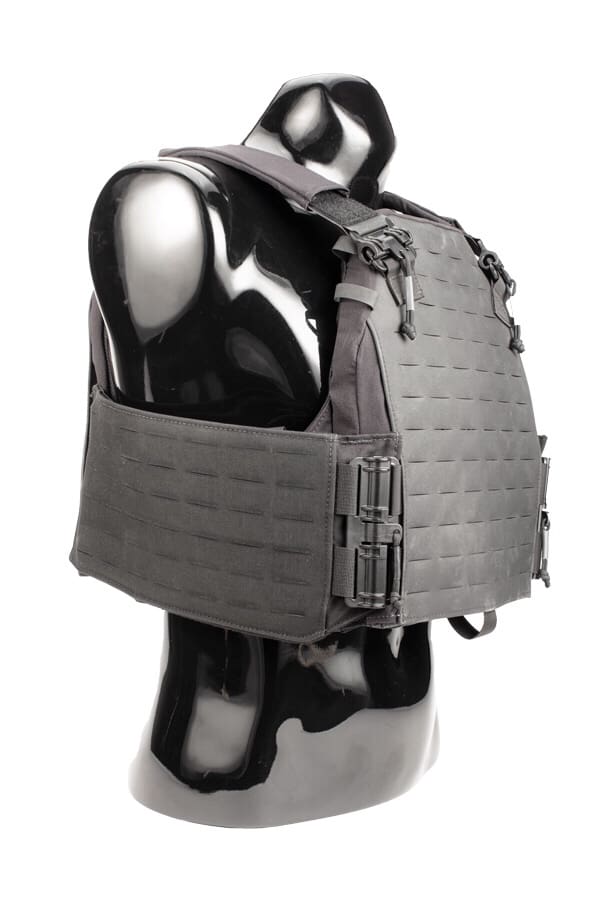
Today we are getting the first look at a small government overrun of unique plate carriers FirstSpear has added to their Non-Standard Non-Stocking section. Developed around specific end user requirements this is a full featured plate carrier with FirstSpear Tubes quick release buckles and FirstSpear 6/12 laser cut platform with low profile shoulder straps. The front and back body are built with a hydrophobic 6/12 laser cut hypalon matched up with a 500D overlap cummerbund. Swimmer cut plate bag has been gusseted to fit thicker cut plates like the 3TSA. Made in the USA.

Non-Stocking Non-Standard items were built at the request of FirstSpear professional users and contract overruns. 100% 1st quality goods. Colors, sizes, and quantities are limited. When they are gone they are gone, No back-orders will be filled. No Returns No Exchanges.

www.first-spear.com/non-stocking-non-standard/3tsa-maritime-swimmer

Brigantes Presents – High Angled Solutions – The Silva Expedition 4 Militaire VS the Expedition 5

Wednesday, June 19th, 2019

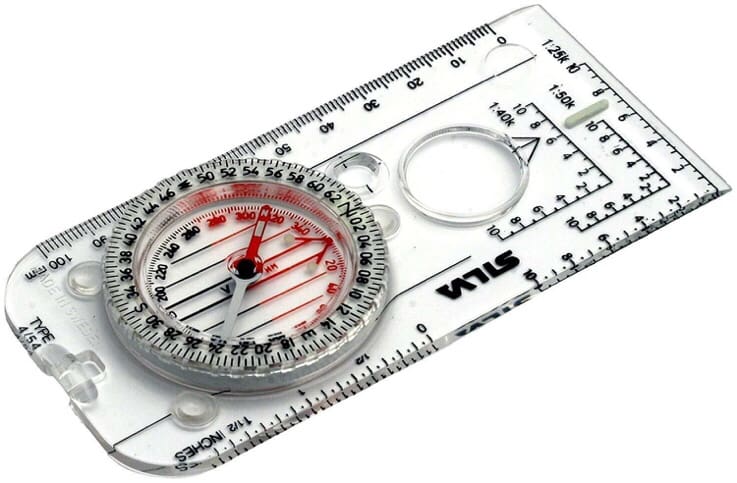
With the award-winning Expedition 4 Militaire, Silva have ensured that many of the necessary features needed for a military compass have been met, hence its popularity and use by various armed forces across the globe, it is a compass designed for those in the defence forces who use Mils for navigation and triangulation.
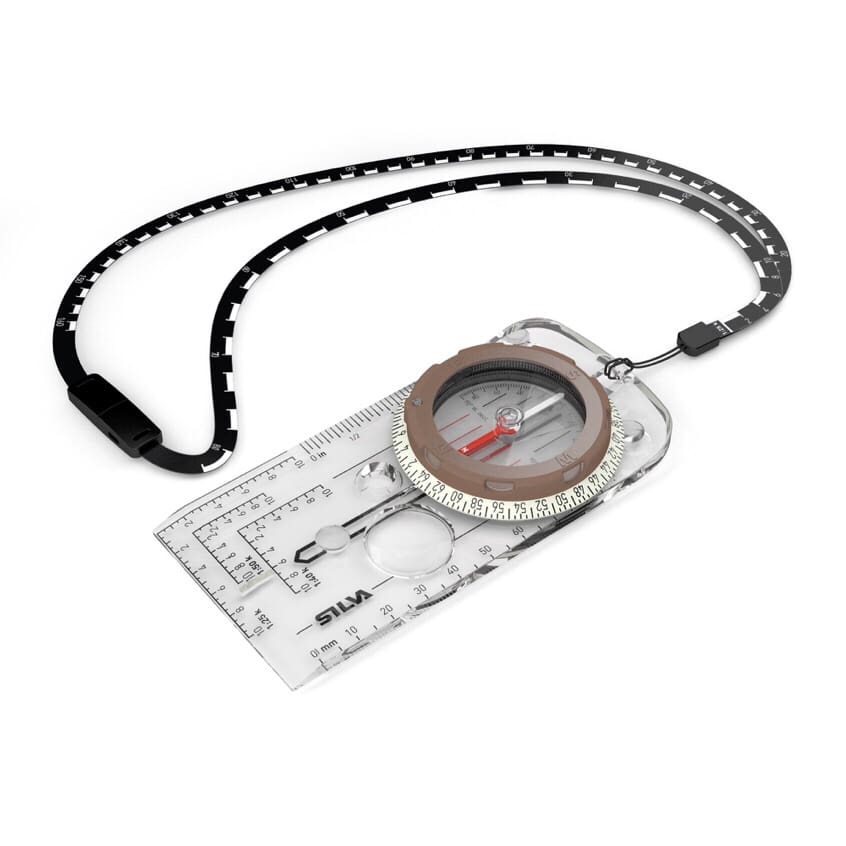
With a magnifier the Expedition ensures you understand every detail of topographic terrain displayed on a map. Glow in the dark markings on the North display and on the direction of travel allow the compass to be used in low light conditions. The Expedition 4 Militaire additionally features a hole for marking positions on a map with improved precision.

With its luminous point for night navigation, magnifying lens and weight of only 36g, the compass is an ideal solution for quick an accurate compass work.

However, Silva have a successor to the range, the Expedition 5 (6400/360). Following feedback, from the Royal Marines, the Expedition 5 has increased robustness, functionality and low light visibility. Robustness is increased by a thicker base plate and a sealed capsule, so it is now far less likely that you will get bubbles. Functionality has improved with the introduction of both mils and degrees, a better bezel provides easier use with gloves, all of the numbering on the bezel illuminates, following exposure to light, and it has variable declination as well as an inclinometer. In addition it comes with a lanyard that doubles up as a measuring scale.
The Militaire has been around for several decades and has now been replaced by a more capable and robust compass which is focused on the needs on the modern user.

For more information contact international@brigantes.com

For UK sales contact warrior@brigantes.com

Max Talk 26: Advanced Patrolling 2: Multiple Enemy Firing Points

Monday, June 17th, 2019

This is the twenty sixth installment of ‘Max Talk Monday’ which shares select episodes from a series of instructional videos. Max Velocity Tactical (MVT) has established a reputation on the leading edge of tactical live fire and force on force training. MVT is dedicated to developing and training tactical excellence at the individual and team level.

A follow up video to the previous ‘Advanced Patrol Techniques: Satellite Patrolling.’ This time, examining and running a sand table scenario for multiple enemy firing points. Utilizing a sand table model with figurines, as a method of introduction to explain these advanced patrolling techniques.

Detailed explanations can be found in the MVT Tactical Manual: Small Unit Tactics.

Max is a tactical trainer and author, a lifelong professional soldier with extensive military experience. He served with British Special Operations Forces, both enlisted and as a commissioned officer; a graduate of the Royal Military Academy Sandhurst. Max served on numerous operational deployments, and also served as a recruit instructor. Max spent five years serving as a paramilitary contractor in both Iraq and Afghanistan; the latter two years working for the British Government in Helmand Province, Afghanistan.

Website: Max Velocity Tactical

YouTube: Max Velocity Tactical

Excellence in Tactical Training.

SCUBAPRO Sunday – Self Adjusting Fin Straps

Sunday, June 16th, 2019

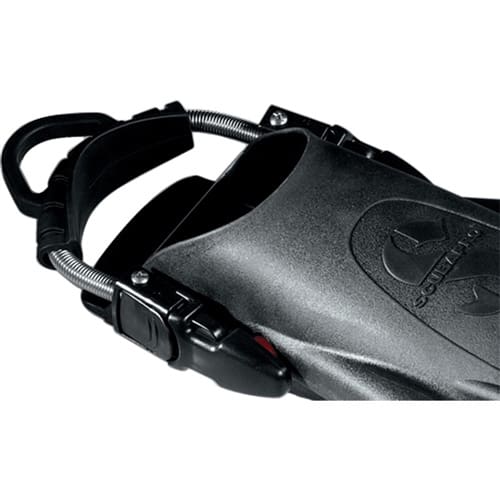
Self-adjusting fin straps are one of the best ways to don and doff your fins. It also makes it easier to use different size booties. Steel spring straps are a relatively new product for fins. It was invented by cave divers that didn’t want their rubber straps breaking on them in the middle of a cave. So, they took screen door springs and made fin straps out of them. Typical rubber straps have a good chance of breaking at some point. If you are lucky, it will happen as you are putting them on before a dive, not in the middle of one. While you should always try and carry a spare strap on you, replacing a strap can be a pain in the middle of a dive. 

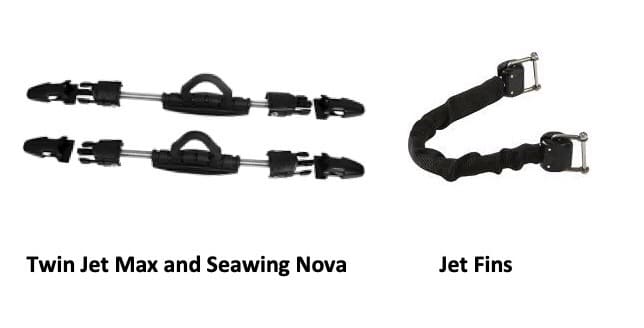
The spring strap helps avoid most of these problems. Available for many open heel fins, spring straps permanently mount to the fin. Furthermore, spring straps typically attach using rust-resistant metal hardware. SCUBAPRO Steel Spring Straps are available for SCUBAPRO Jet fins, Twin Jet Max, Veloce fins, and the Seawing Nova fins. They are made with High-grade marine steel. These straps can replace the traditional fin strap with the added benefits of being easier to don and doff, and they will compensate at depth for the pressure underwater.  The flexible nature of the spring strap tightens as you descend to compensate for the crush on your boots, meaning your fins stay on at the exact tension you set them to at the surface.


Spring straps are strong springs with a rubber or nylon heel cover for comfort. Instead of having to adjust the tension every time you put them on like with traditional straps, you simply stretch the spring over your heel.  


This decreases your time and energy spent putting on and taking off your fins before and after a dive. Several models of fins now come with spring straps pre-installed, but they can also be added to many fin models.

The other type of self-adjusting straps is made from quality marine-grade bungee designed for years of reliable use. Marine grade bungee is design and construction, making it ideal for prolonged exposure to moisture, sunlight/UV radiation, and the general wear and tear that fins regularly go through. A denier Dacron polyester cover is thick and long-lasting, repelling water and resisting abrasion better than nylon. Made from a top-quality first extruded latex rubber, this bungee has a consistent 100% stretch and high modulus that won’t lose its elasticity as many others do. Bungee straps are depth compensating as they compress when your neoprene boots get thinner due to increased water pressure. Like the steel spring, the bungee is self-adjusting at depth. Upon ascent, they decompress keeping fin straps comfortable throughout the dive. Straps have a large rubber finger loop to aid in donning and doffing. Marine bungee is highly reliable and has a very low percentage of breaking. All this being said, I know you can break it if you “test it” to try and prove me wrong.


1st SFAB Soldiers Hone Close Combat Skills on Army’s Newest Virtual Trainer

Sunday, June 16th, 2019

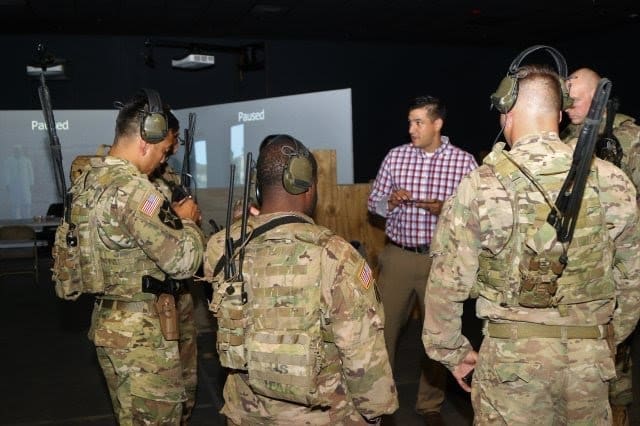
ORLANDO, Fla. — A combat advisor team from the 1st Security Force Assistance Brigade was the first unit of its type to train for an upcoming deployment using one of the Army’s recently-fielded virtual trainers at Fort Benning, Georgia.

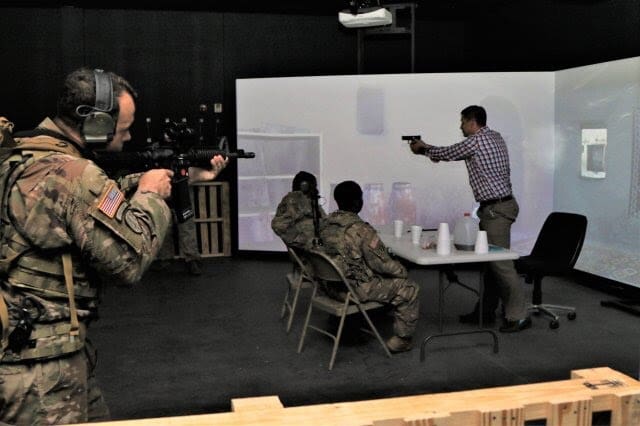
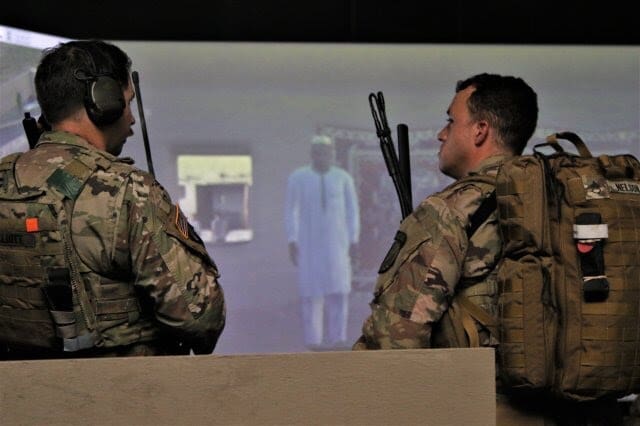
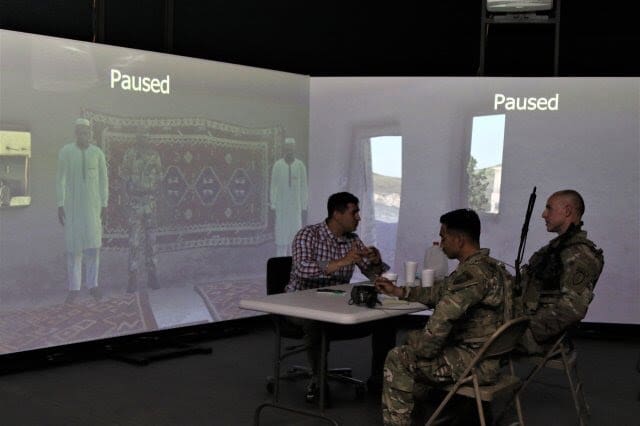
The Soldiers of Combat Advisor Team 1133 conducted key-leader engagement and insider-threat training in early June using the Squad Advanced Marksmanship Training system to help them prepare for their overseas combat advisory role.

The SAMT provides a realistic training environment for Soldiers, fire teams and squads to hone their skills on close combat tasks, enabling them to conduct critical tasks repetitively to improve target identification, decision-making, and shooting skills.

“With SAMT, you can get as many reps as you want with minimal cost to your logistics,” said Sgt. 1st Class Silvestre Marrufo, team non-commissioned officer in charge, Combat Advisor Team 1133, 1st Battalion, 1st SFAB. “Day or night, rain or snow, you can come in here and do any kind of training. It’s whatever you and the technician can think of, so it’s pretty beneficial.”

A combination of new and improved technologies increases the realism of the training, said Tim Sayers, a capability developer for the Army’s Synthetic Training Environment. The replica M4 rifles and M9 and Glock 19 pistols are designed to approximate the form, fit and function of the weapons Soldiers use every day, he said. Magazines filled with compressed air actions the bolts and produces a recoil effect without requiring external cables.

Soldiers say they like the improved realism.

“This system allows us to do a lot more. I could have my whole team in here instead of having half of them serve as actors,” said Capt. Karis Farrrar, team leader for Combat Advisor Team 1133, 1st Battalion, 1st SFAB. “All the weapons are bluetooth, so it allows the Soldiers to actually work with their equipment. They’re not tethered to anything — it feels like you’re in a room.”



The system offers a myriad of drills that allow Soldiers to practice advanced marksmanship skills such as firing with non-dominant hand and firing on the move as they transition between rifle and sidearm, Sayers said. This type of training is critical because marksmanship is a perishable skill.

“The SAMT really trains Soldiers in decision-making,” Sayers said. “They have to quickly identify targets and decide whether to engage while being consistently aware of their surroundings.”

Fort Benning is one of nine Army sites that now boast the SAMT. The capability was installed first in March at Fort Drum, New York, with additional fieldings completed at other major installations including Fort Polk, Louisiana; Fort Riley, Kansas; Fort Hood, Texas; and Fort Campbell, Kentucky.

By fall, the trainer will be operational at more than 20 locations in the United States, Sayers said.

The SAMT was developed by the Synthetic Training Environment Cross Functional Team (located in Orlando, Florida) and the Close Combat Lethality Task Force, in an effort to address the erosion of close-combat capability skills identified in the fiscal year 2018 National Defense Strategy.

Insights gained from SAMT usage will inform development of a future immersive marksmanship capability known as the Soldier/Squad Virtual Trainer, Sayers added.

For now, the SAMT is helping 1st SFAB Soldiers at Fort Benning better prepare for potential deployment later this year.

“We’ve talked to the operators and they’ve started working on a couple of different scenarios…all things that will add to the stress a little bit while you’re still picking up on the triggers while having a conversation with the principle,” said Staff Sgt. James Elliott, Senior Support Advisor, Combat Advisor Team 1133.

By Patti Bielling, Synthetic Training Environment CFT