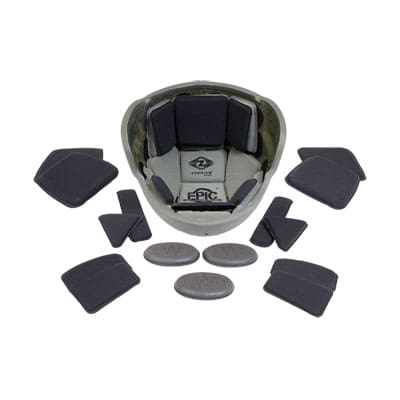
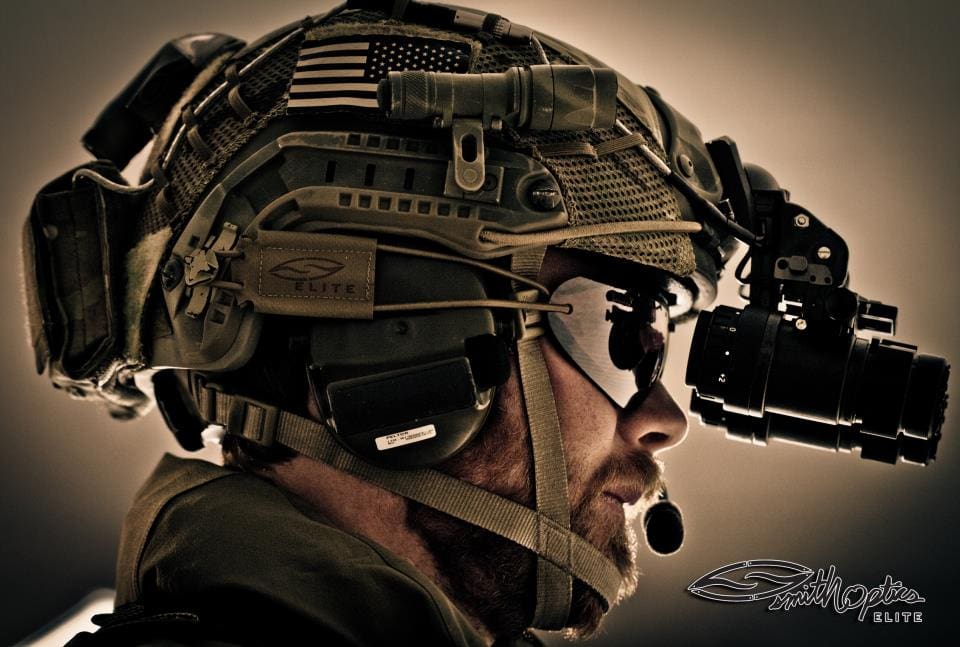
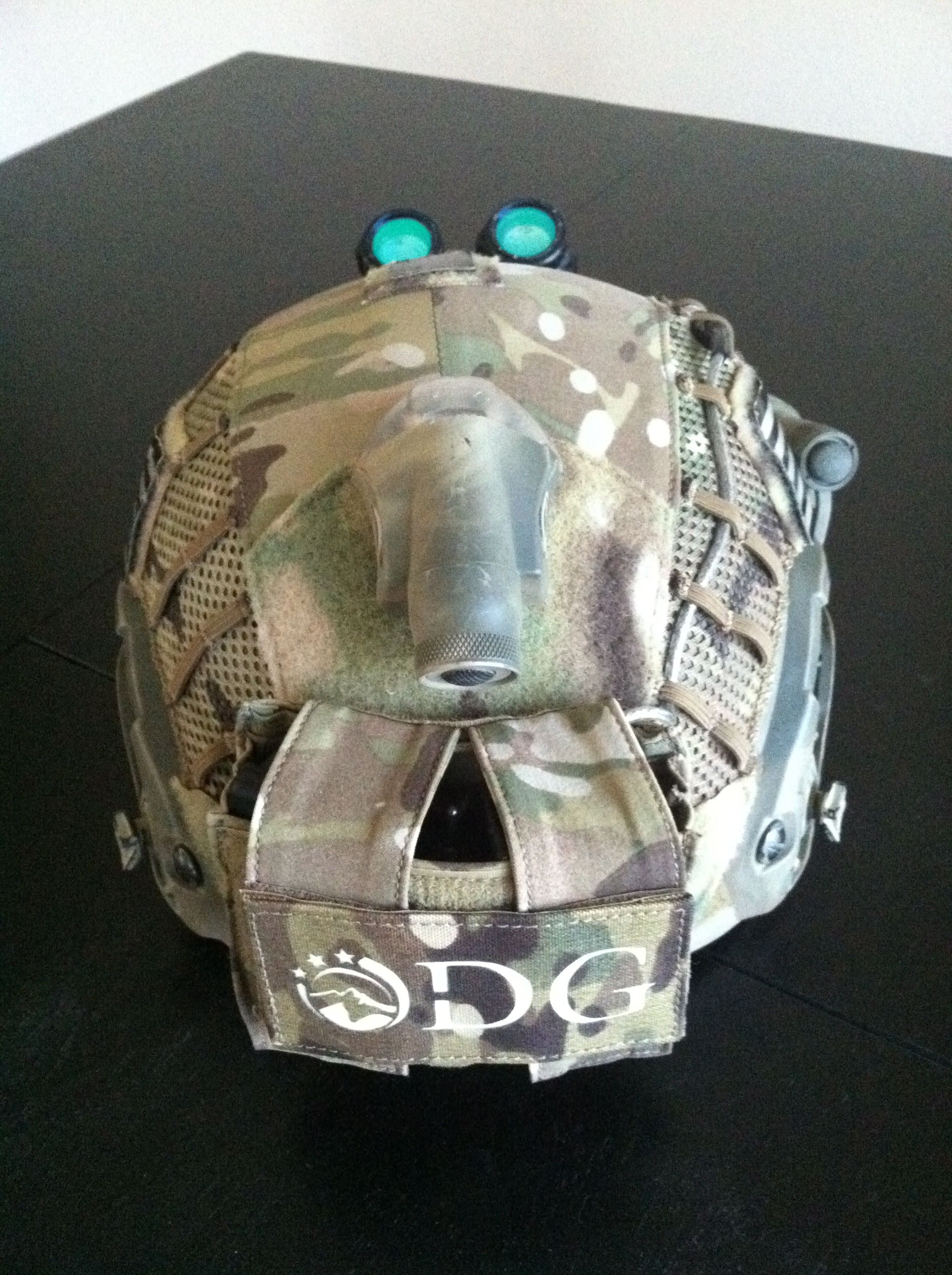
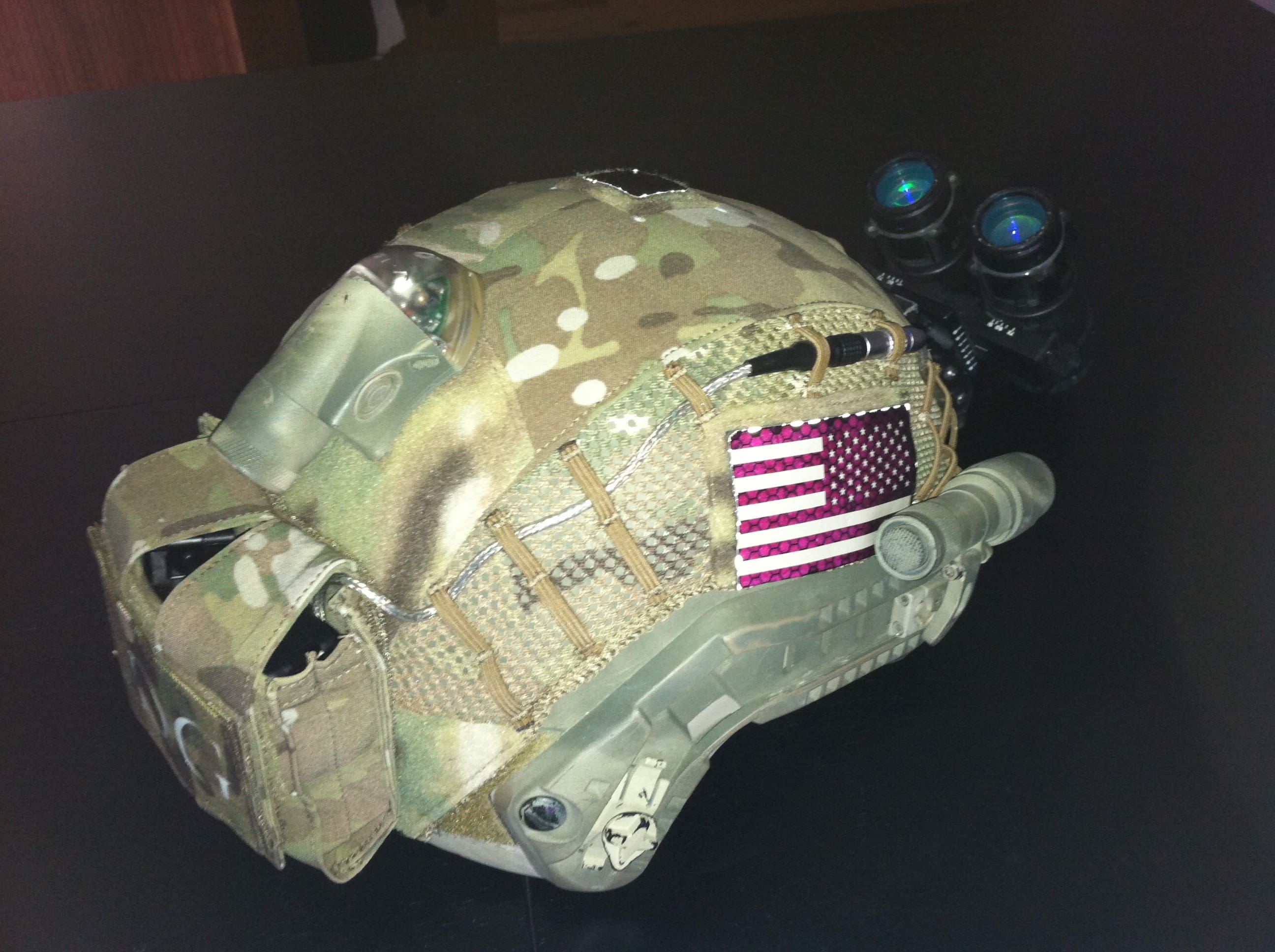
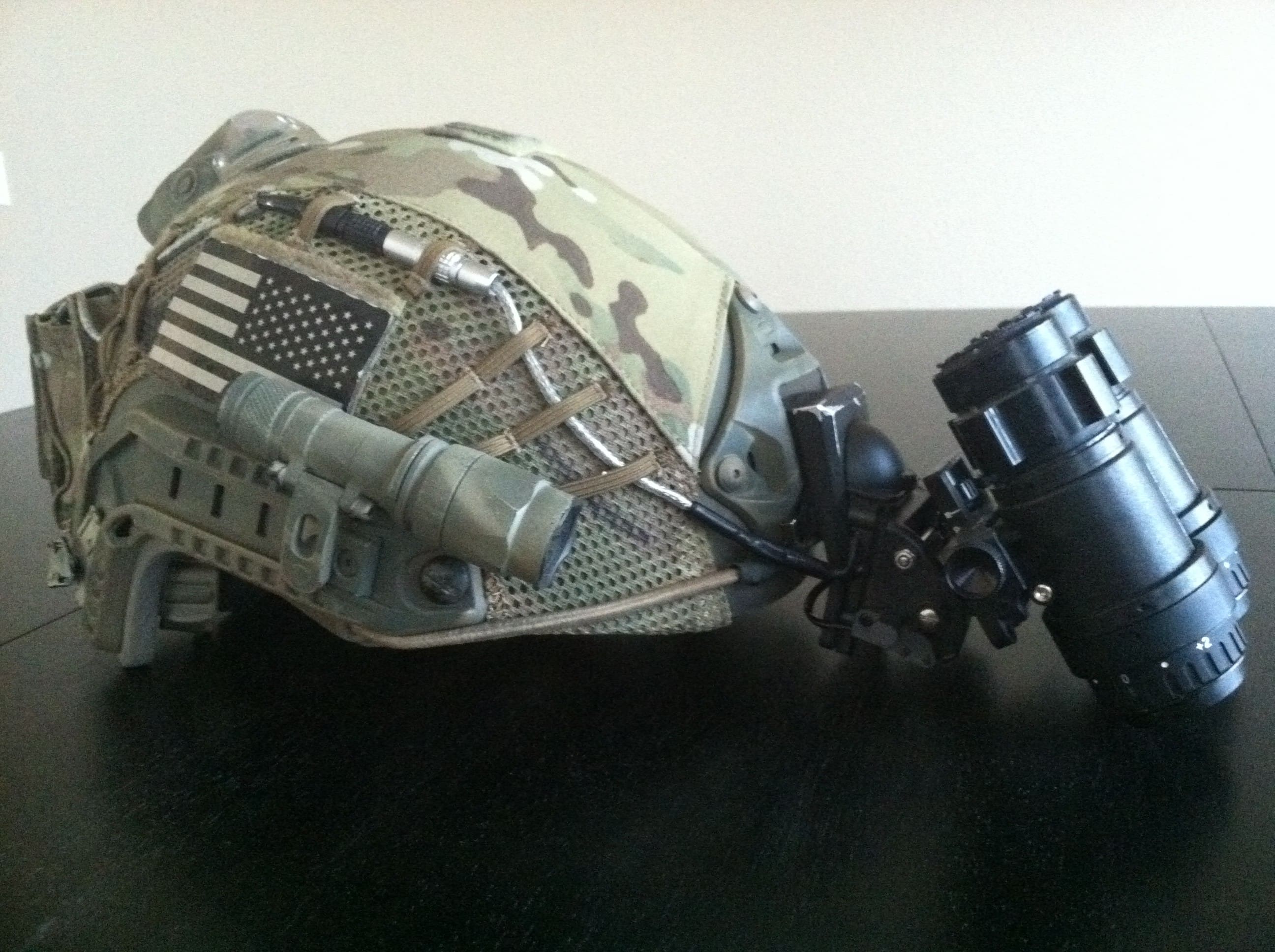
Ceradyne, makers of the Enhanced Combat Helmet (ECH) has received the first (~$3 million) of possibly two low rate initial production orders. Ceradyne expects full rate production to commence during second quarter of calendar year 2012 with totals to exceed $170 million. It’s good to see this program moving forward after it was plagued with curing issues after showing initial success. According to Ceradyne and the Marine Corps, slight changes in the manufacturing process to accommodate the transition of tech development to production had to be dealt with to ensure consistent performance.
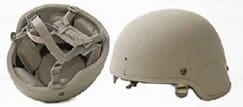 Called the Ceradyne Diaphorm Ballistic Helmet, the winning ECH design is twice the price of current Army and Marine Corps helmets, but provides up to 70% improvement in ballistic protection. In addition to delays, the program has received criticism over its arbitrary protection level (an undisclosed .30 threat) since there has been no move to dissipate the energy of such a round. Additionally, the size, weight and shape of the Army’s ACH was chosen for the ECH. Rather than decreasing weight and maintaining current ballistic protection to make troops more agile and to help offset the added weight of applique sensors and lights, the choice was made to maintain the current burden on the wearers neck and increase ballistic protection. Instead of telling industry that they wanted to defeat a threat, the Marine Corps wrote a requirement that boxed everyone into a narrow set of solutions.
On the other hand, both Soldiers and Marines will be receiving a new, more protective helmet. What’s more, the legacy Army’s ACH and USMC LWH both rely on Aramid fabric (Kevlar) while the ECH uses an advanced thermoplastic (PE) product. Reliance on Aramids for ballistic armor such as the IOTV and IMTV result in heavier armor systems. Hopefully, this paradigm shift in headborne systems will open up new materials options for body armor.