TYR Tactical

Archive for the ‘International’ Category

SOD Gear – Spectre Beer Shirt & Street Rider Pant

Saturday, July 17th, 2021

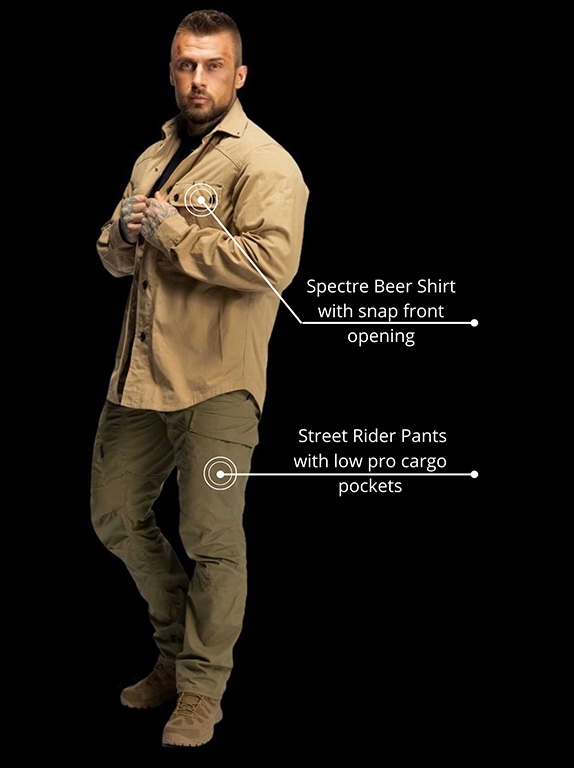
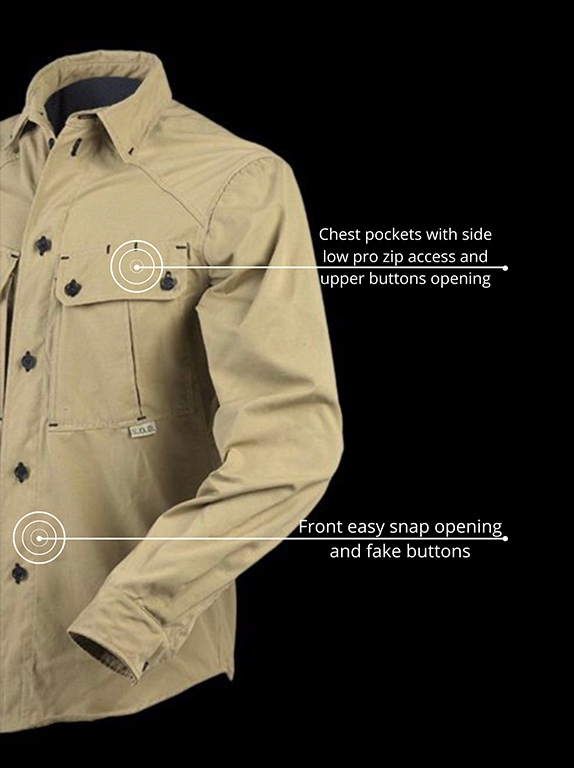
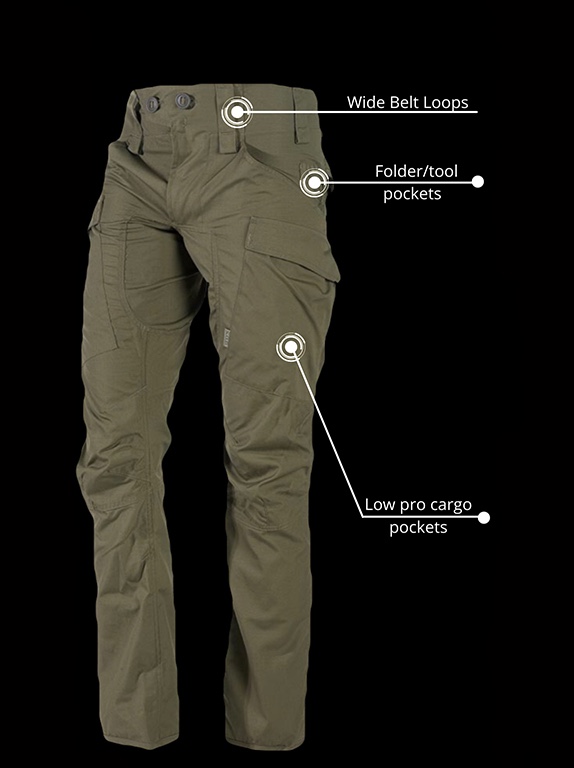
SOD Gear’s frontman Max sent us these photos of their Spectre Beer Shirt and Street Rider Pant.

Sizing for both garments runs the gamut and they can be had in several different fabrics. Based on my experience with SOD Gear expect high quality and an ergonomic fit.

Spectre Beer Shirt

Street Rider Pant

The Special Relationship Between the Israeli Special Forces & Barrett Firearms

Monday, July 12th, 2021

Over the past decade the Israeli Special Forces (SF) and Barrett Firearms have developed a special relationship leading to early adoption of Barrett models as well as the introduction of unique variants.

Barrett weapons first entered service in Israel in the early 1990’s when the Israeli Defence Forces (IDF) SF procured few M82A1 samples for remote EOD work. Few years later in the mid-1990’s the weapon was mass issued to both regular and special units as an anti-material weapon. A decade later in 2008, the IDF adopted the H-S Precision Pro Series 2000 0.338LM as its first standard large caliber sniping platform, and most M82A1 was taken out of service.


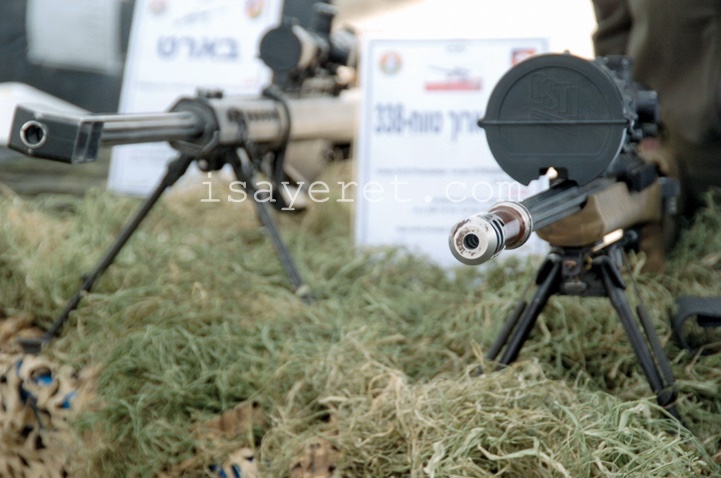
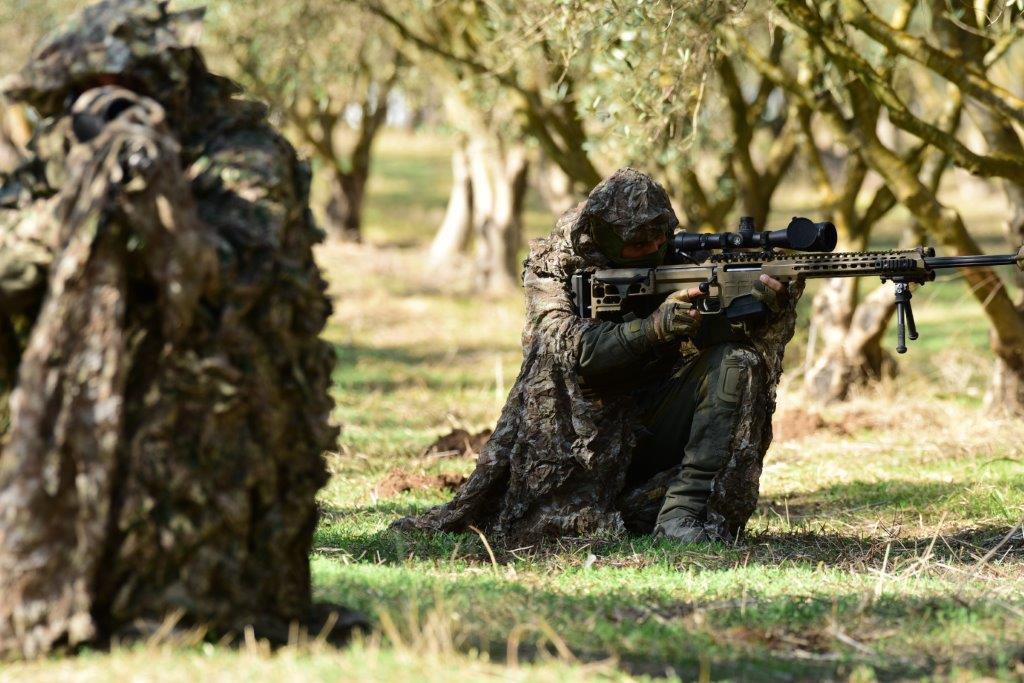
IDF sniping platforms on display. Left – a Barrett M82A1, right – an H-S Precision Pro Series 2000 HTR (photo: IDF).

In the early 2010’s, YAMAM, Israel’s Tier 1 domestic counter terrorism and hostage rescue unit, was seeking a standard multi-caliber platform to replace a wide variety of sniping rifles used at the time, including PGM 7.62mm and 0.338LM rifles. With European manufactures’ continuous reluctance to provide small arms and subsequent parts support to Israel due to political reasons, the preference was to procure a U.S. made weapon. Eventually, in 2013 YAMAM selected the MRAD, making YAMAM one of the first units in the world to adopt it, alongside the Norwegian Special Forces, and years before its adoption by the U.S. military as the MK22.


YAMAM sniper armed with a Barrett MRAD during training (photo: IDF)

Few years later, the IDF SF were looking to replace both the H-S Precision Pro Series 2000 0.338LM, which was found to be less than ideal for hard military usage as well as the aging M24, which entered service in 1996 as the IDF standard issue 7.62mm sniper platform and was worn out after 20 years of intense service. Informed by the YAMAM successful experience MRAD, the IDF selected it, with the first rifles entering service in 2017.


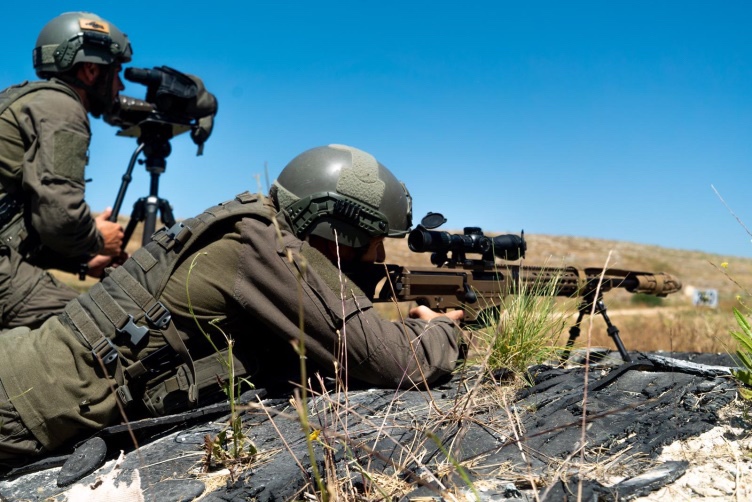
IDF SF sniper armed with a Barrett MRAD during training (photo: IDF)

At the same time, the IDF SF had a unique need for a new integrally suppressed sniping platform. The platforms used at the time such as the PGM, were aging and lacking in parts support due to their European origin. The IDF SF approached Barrett with the problem, and within a short period of time Barrett provided a unique integrally suppressed variant.


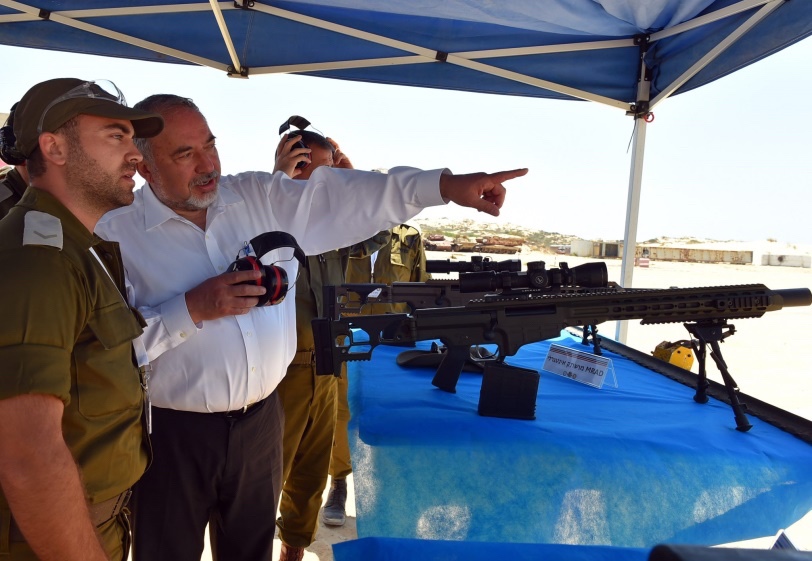
IDF integrally suppressed Barrett MRAD on display (photo: Israeli MOD).

Finally, in recent years the IDF SF were looking to replace the KAC SR25 that entered service in the early 2000’s as a short-medium sniping / DMR type rifle, and were worn out after 20 years of intense service. Again Barrett proved to be a responsive partner and fast tracked its yet to be released REC10 7.62mm platform for trials. The IDF indeed ending up selecting the REC10 with the first SF units being issued the platform in 2020.  


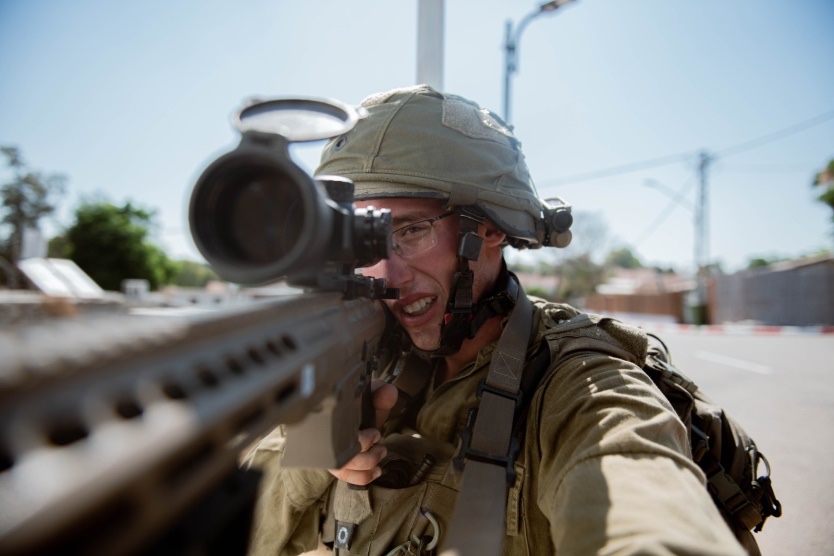
IDF Counter Terror School Instructor armed with a Barrett REC10 during training (photo: IDF).

With the adoption of the MRAD and the REC10, which are currently gradually replacing the H-S Precision Pro Series 2000, the M24 and the SR25 in service with the IDF SF, Barrett-made rifles are well positioned be the primary sniping platforms used by the IDF SF for years to come. It is still to be seen if either platform will be adopted and issued to regular IDF units, but as common with many militaries, weapons and gear initially used exclusively by SF units are sometimes cascaded to regular units few years later.

Daniel is the editor of www.isayeret.com, a website dedicated to the Israeli Special Forces community, including units, weapons and gear.

Australian Army Direct Fire Support Weapon NCO Course Students Put New M4 Carl Gustaf to the Test

Sunday, July 11th, 2021

Army Headquarters staff had to shout over the burst of 7.62mm rounds coming from the adjacent range as they briefed the group of junior NCOs gathered to evaluate and qualify on the new 84mm M4 Carl Gustaf multi-role weapon system.

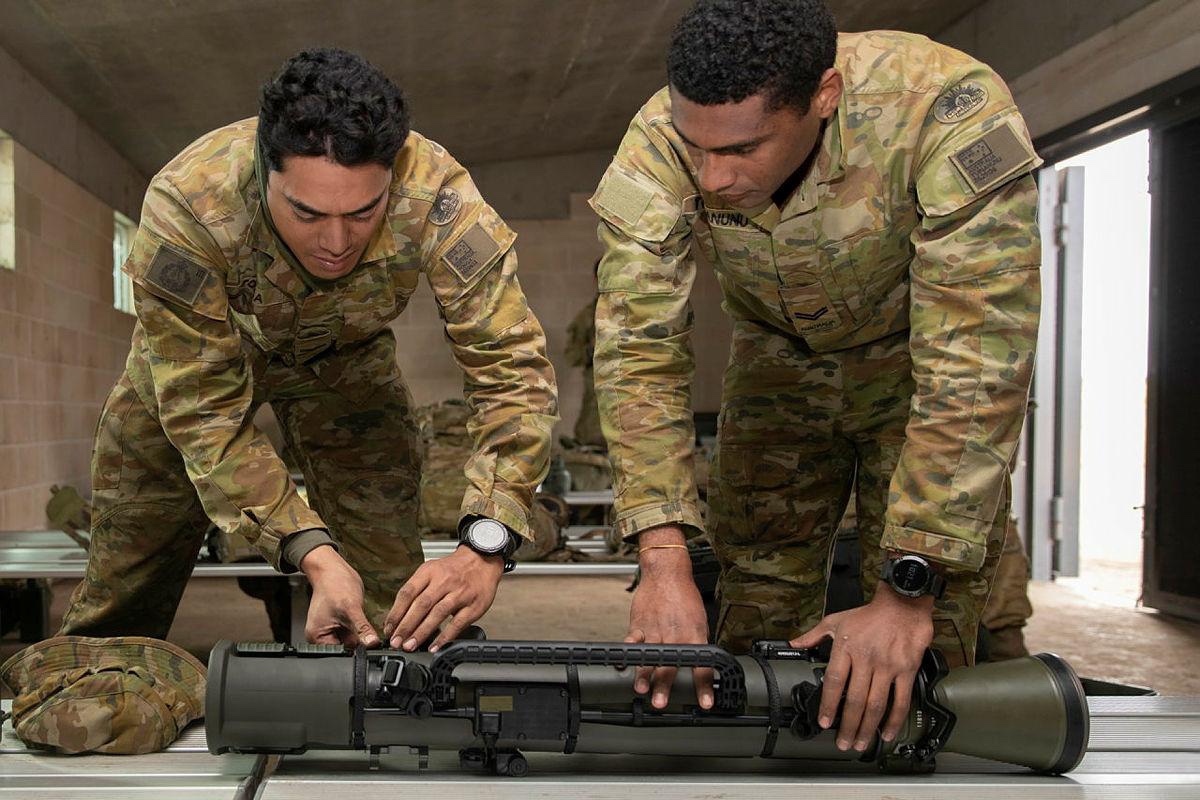
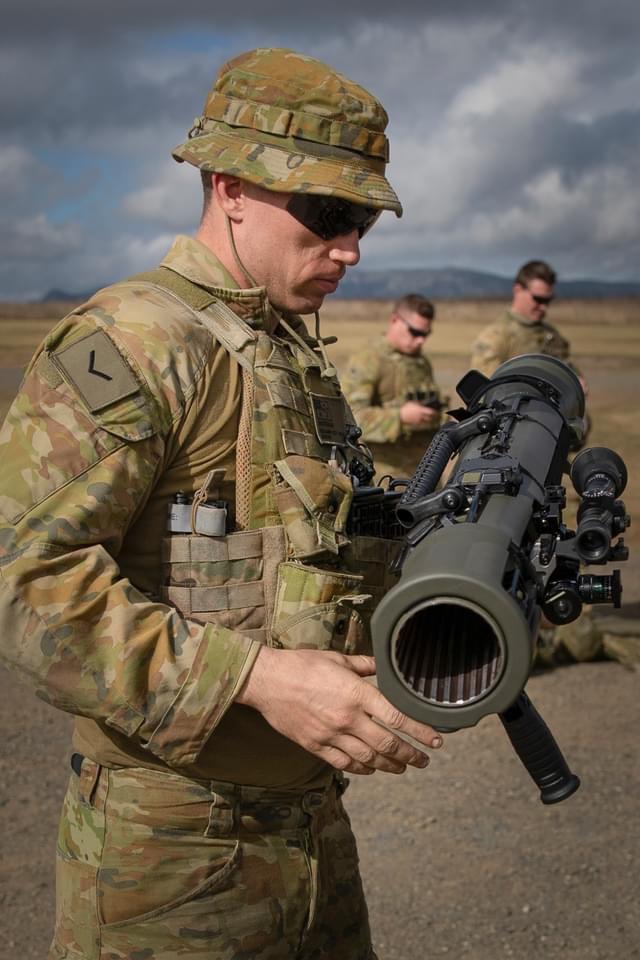
The students in the Direct Fire Support Weapon (DFSW) NCO course, held at the School of Infantry, were among the first to fire the shorter and lighter revamped recoilless rifle, the fourth iteration of a design that dates back to the 1940s.

The cadre of acquisition staff from Canberra visited Singleton to collect feedback after the course of 18 students had fired sub-calibre and high-explosive rounds, with the evaluations to be used to inform the rollout of 600 M4 units over the next five years.

Initial impressions of the weapon were positive, according to Lance Corporal Benjamin Wright, a 2IC in the 8th/9th Battalion, Royal Australian Regiment’s, DFSW Platoon.

“The safety catch has changed; it’s now a push-through instead of a slide,” he said.

“It’s a bit easier to get at with your thumb, easier to hit with gloves and when you’re under a bit of stress.”

Another new addition is the make-safe capability.

This locks the cocking lever from moving forward, allowing soldiers to move with the weapon at the action condition.

The make-safe condition will be added to unit standard operating procedures, according to Lance Corporal Wright.

“It will give us the ability for quicker engagements,” he said. 

“If we’re doing a tank stalk, we can load one round into the 84mm, and the number two can still have his three rounds on his back.”

Other differences include the weight and length of the weapon.

The M4 is 2.6kg lighter and 6.6cm shorter than the current M3. There is also the option to fit a fire-control system to improve accuracy.

By Private Jacob Joseph, Australian Army

UVision Showcases Advanced Anti-Armor Capabilities of its Hero-120 and Hero-400EC Loitering Munition Systems

Friday, July 9th, 2021

DEFEA 2021, Athens, Greece. July 13-15. Hall 3, booth G13

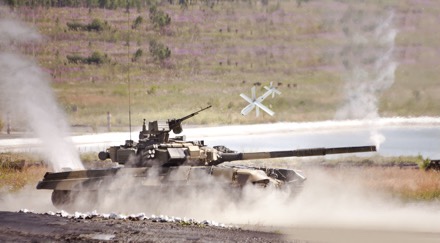
Tel Aviv, July 8, 2021. Uvision Air Ltd. – a global leader in Loitering Munitions Systems of all sizes for a variety of missions – will present its Hero-120 and Hero-400EC Loitering Munition systems with anti-tank capability, providing an all-inclusive solution for countering MBTs (main battle tanks). Hero Loitering Munition systems provide an accurate, effective, and highly lethal response to hard targets, and are able to locate hidden targets, track them and attack at significantly longer ranges than commonly available anti-tank guided missiles (ATGM).
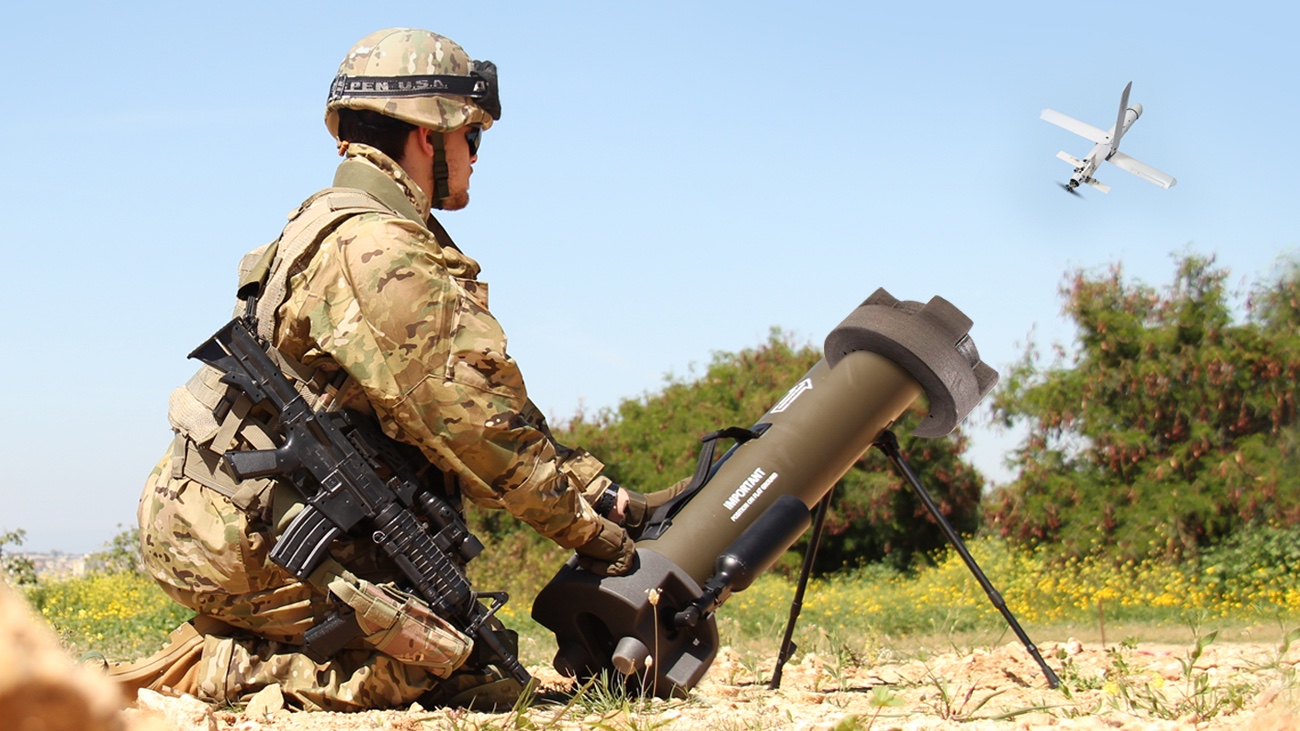
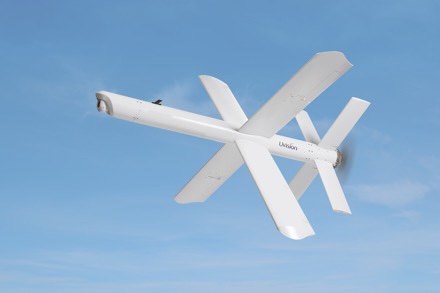
As members of the HERO series of loitering munition systems, both the Hero-120 and Hero-400EC can carry multi-purpose warheads for extended lethality against a wide range of targets, as well as having unique attack capabilities from any direction and angle, including top attack. With long-endurance and low acoustic, visual and thermal signature, the systems can locate, track and strike static and moving targets with pinpoint accuracy. The ability to launch Loitering Munitions from a remote-controlled multi-canister launcher provides effective deployment of the Hero systems from a variety of platforms – air, land and sea – away from enemy lines.  
“Uvision develops and delivers the most advanced & innovative Loitering Munition systems today,” says Major General (Ret.) Avi Mizrachi, CEO of Uvision.  We are happy to participate in DEFEA for the first time, as part of our mission to strengthen our presence within the clients in the region. We anticipate that this exhibition will pave the way for new collaborations in the area.”
At DEFEA, Uvision will feature the following systems (Hall 3 booth G13):

Hero-30 Loitering Munition System- developed and manufactured by Uvision, the Hero-30 incorporates a high level of precision attack and abort capabilities. This simple-to-operate system enable front-line forces to initiate operations, as well as to respond to any enemy target or threat that arises, and eliminate it with extreme accuracy.  The Hero-30’s advanced capabilities include striking targets with high tracking precision and lock-on, a last-second-mission-abort, and re-engagement for a second attack attempt or change of target. Its versatile installment configurations (man-packed, vehicle mounted or stationary) make it ideally suited to a diverse range of operational scenarios. 

Hero-120 Loitering Munition System – a mid-range, anti-armor loitering munition system which meets the complex requirements of the modern battlefield.  Hero-120 is a high-precision smart loitering munition system with a unique aerodynamic structure that carries out pinpoint strikes against anti-armor, anti-material and anti-personnel targets, including tanks, vehicles, concrete fortifications, and other soft targets in populated urban areas. The Hero-120’s high-precision capability ensures minimal collateral damage. Its wide range of multi-purpose warheads enables the operational user to  effectively engage all targets.

Hero-400EC Loitering Munition System – a long-range, high-precision loitering munition system with a low acoustic, visual and thermal signature that can locate, track and strike static and moving targets with high accuracy, and minimal collateral damage. Precision strike capabilities, extended endurance of up to two hours, and a multi-purpose warhead ? including concrete piercing, anti-tank, and anti-personnel that handle different types of targets with exceptional accuracy ? enable long-range and versatile missions. Due to its exceptional maneuverability, the Hero-400EC provides an advanced mid-air abort capability that enables automatic re-entry into loitering mode, re-engagement, or return to the recovery area using a parachute.
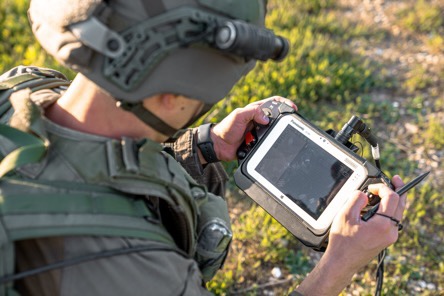
Hero Training and Simulation System – realistic virtual training for the Hero series of Loitering Munitions. With three configurations – classroom, portable and embedded in the operational control unit – presents a comprehensive solution for Hero operators, enabling a higher level of training flexibility. The classroom configuration provides a robust simulation solution with a rich and versatile scenario generator for multiple trainees. The portable and embedded field simulator configurations give Hero operators continuous hands-on training, at various levels, during deployments, maintaining the highest level of operational proficiency and readiness – anytime, anywhere.

www.uvisionuav.com

High-Performance Electronic Devices Straight from the 3D Printer

Tuesday, July 6th, 2021

HENSOLDT and Nano Dimension establish joint venture for 3D printing platform

Taufkirchen/Germany, 01 July 2021 – Sensor solutions provider HENSOLDT is strengthening its commitment to the future technology of 3D printing: together with 3D printer manufacturer Nano Dimension, HENSOLDT is founding a joint venture under the name J.A.M.E.S (Jetted Additively Manufactured Electronics Sources), based in Taufkirchen/Germany, which will combine the strengths of both companies and further advance the development of 3D-printed electronic components.

The joint venture is led by HENSOLDT Ventures, an independent division within HENSOLDT that implements new technologies and business models for the HENSOLDT Group and brings them to market. Most recently, HENSOLDT expanded its Ventures portfolio earlier this year with the acquisition of data analytics company SAIL LABS.

“Increasing competition and accelerated customer procurement timelines will be one of the biggest challenges for established providers in the future,” says Marian Rachow, Head of HENSOLDT Ventures. “Our joint venture not only guarantees the rapid development of technology as a real alternative to conventional electronics manufacturing, but also offers small and medium-sized companies the opportunity to efficiently design new products.”

And Yoav Stern, CEO of Nano Dimension, adds: “We will be the largest and most effective high-end electronics design club for data exchange, as well as a marketplace. We could not find a better collaboration partner than HENSOLDT, who contributes the application know-how and market knowledge, while Nano Dimension contributes the 3D electronics-printing technology and innovation. J.A.M.E.S’s target market is the global electronics engineering and circuit design community.”

HENSOLDT, as a market leader in the field of sensor technology and optronics, expects the closer cooperation with Nano Dimension to accelerate development cycles as well as spare parts production in order to be able to respond to customer needs more quickly and cost-effectively. With the help of special dielectric and conductive nanoparticle inks, it is possible to design electrical components directly via the printer and bring them into a three-dimensional form.

Nano Dimension is a leading manufacturer of intelligent machines for the production of Additively Manufactured Electronics, or AME, and is already producing the first 3D-printed electronics in its Multi-Jet process. AME is a very agile and customized method for developing electronic circuits. This leads to a significant reduction of time and costs in the development process. In addition, AME delivers a verified design before production begins, resulting in higher quality of the final product.

The newly formed 3D printing joint venture focuses on building a cloud-based platform. In the future, other companies and customers will be able to upload a wide variety of electronic components in their usual CAD software and convert them into a new type of AME file on the platform. They will also be able to obtain further designs via the platform described, modify them, add their own form factor and have them printed on-demand.

HENSOLDT has been investing in basic research into digital 3D printing of electronic components for several years in order to make the advantages of this technology available for its own development and production. For example, in collaboration with Nano Dimension, HENSOLDT has already printed the world’s first 10-layer printed circuit board (PCB), which carries soldered high-performance electronic structures on both outer sides, using a specially developed polymer ink from Nano Dimension.

Tulmar Awarded Canadian Forces Life Preserver Contract

Monday, July 5th, 2021

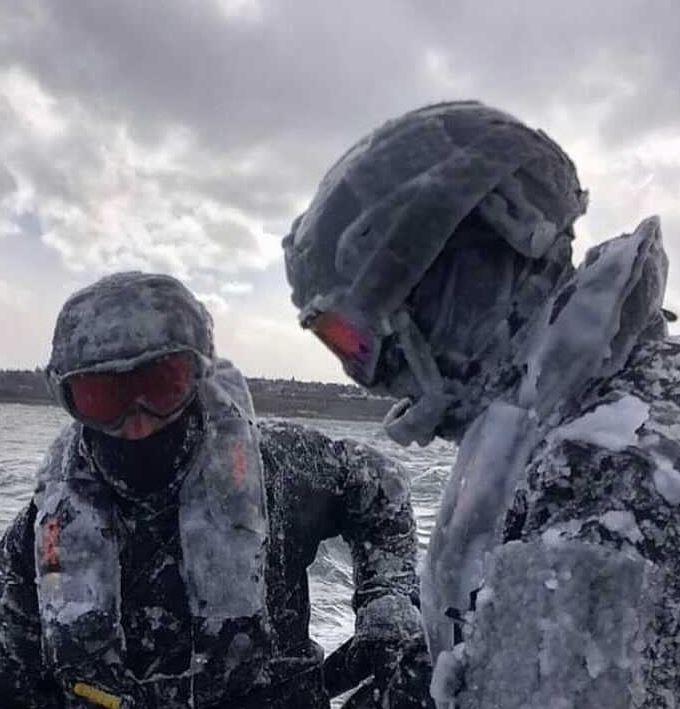
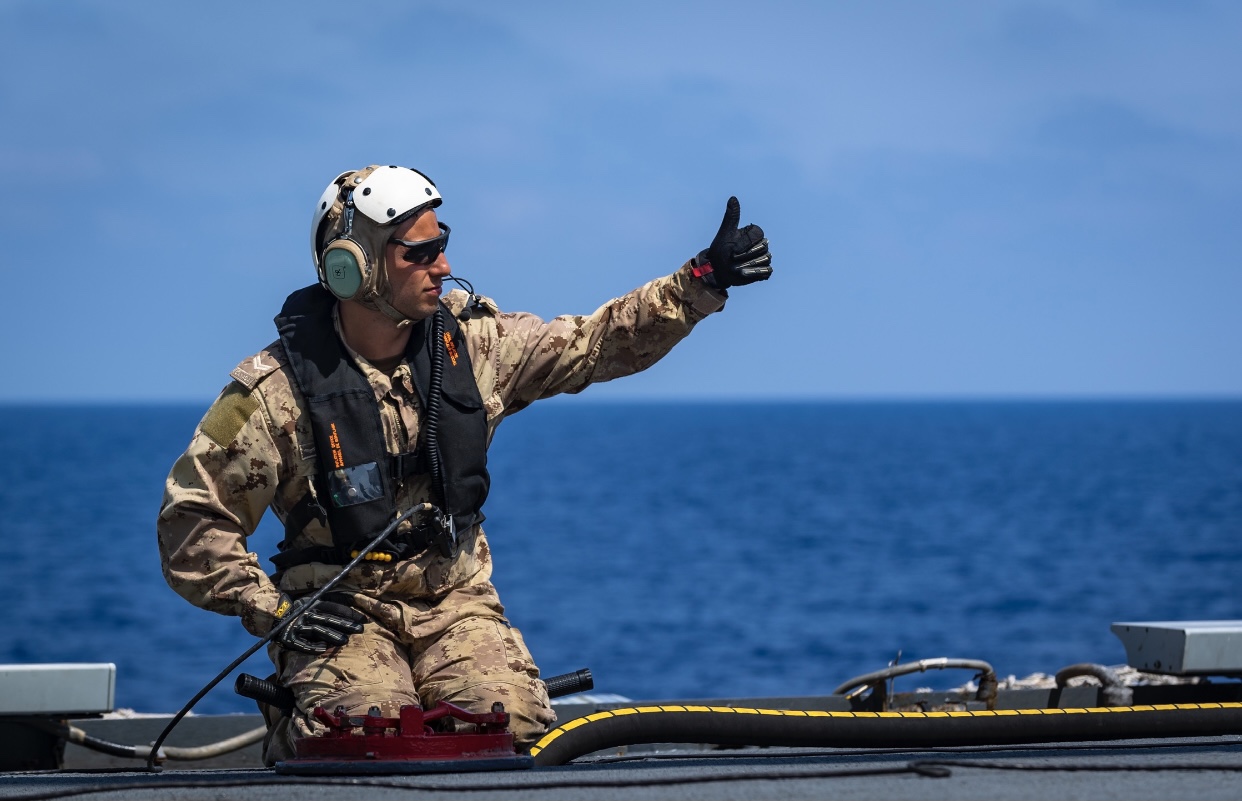
[Hawkesbury, ON – July 5th, 2021] Tulmar Safety Systems is pleased to announce contract award W8482-218815/001/DMARP4 from the Canadian Department of National Defence to supply the Royal Canadian Navy with Hazardous Duty and Maritime Pouch Life Preservers. Under this contract, Tulmar will provide a firm quantity of 4,000 units with an option to supply up to an additional 14,400 units.

This multi-year contract is familiar work for Tulmar, having delivered more than 32,000 of these life preservers to the Royal Canadian Navy over the past five (5) years under a similar contract for the Department of National Defence.

“We are proud to work as a partner with the Canadian Armed Forces with this opportunity to provide world class, lifesaving equipment to the men and women of the Royal Canadian Navy.” Matt Fisher, Defence Solutions Manager for Tulmar and responsible for the relationship with the Canadian Department of National Defence went on to say, “The quality of the product we supply is a testament to the processes of our company and the skill of our staff.”

www.tulmar.com

OCCAR Awards Consortium of HENSOLDT and THEON SENSORS with the Delivery of Binocular Night Vision Goggles for Belgian Defence and German Army

Friday, July 2nd, 2021

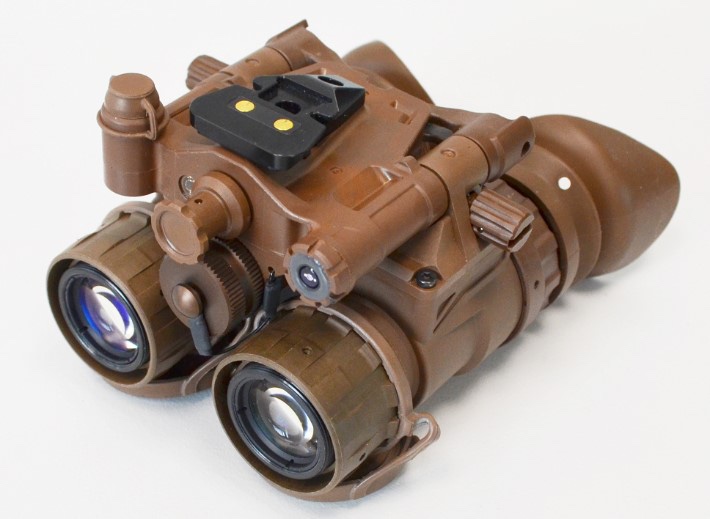
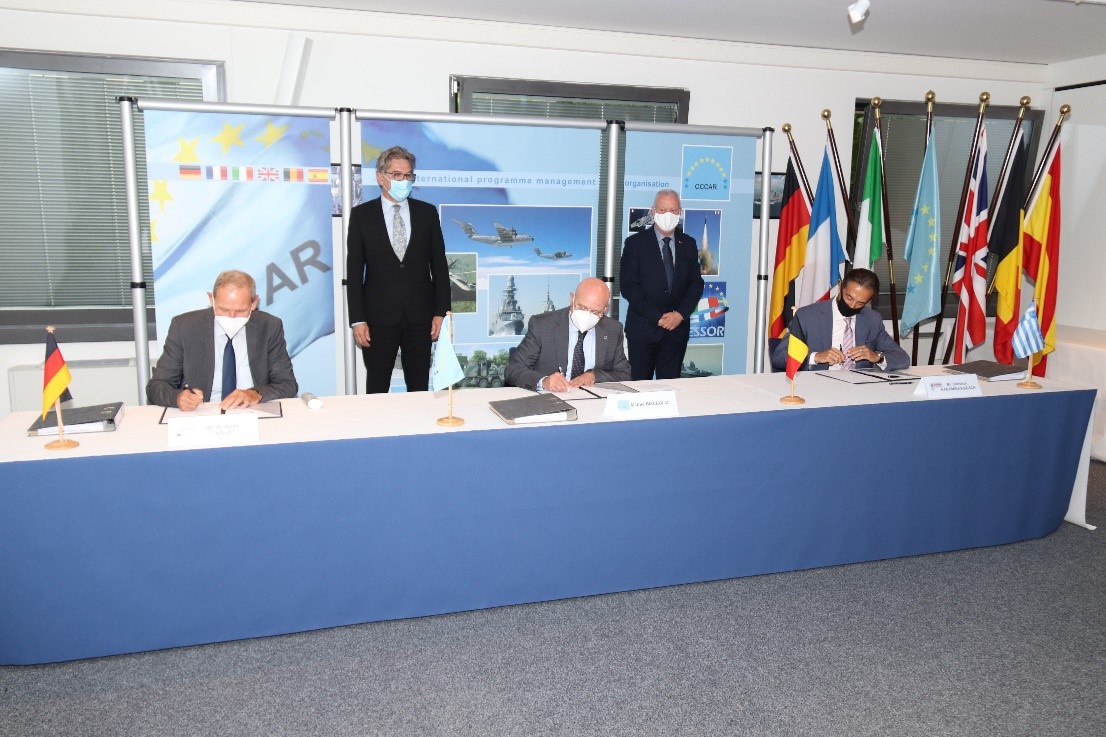
Wetzlar and Athens, 01 July 2021 – The multinational procurement organisation Organisation Conjointe de Cooperation en matière d’Armement (OCCAR) has contracted a consortium of HENSOLDT and THEON SENSORS for the production and delivery of Binocular Night Vision Goggles (BNVG) under the Night Vision Capability Programme. The first phase alone will amount to a high two-digit million euro value.

The contract includes 4,550 for Belgian Defence and 5,000 for the German Bundeswehr, as well as an option for another 20,000 BNVG for Germany. A full maintenance and repair service for up to 15 years is also included, as well as a series of accessories that will be delivered to the users. Deliveries will start in 2021.

Offering THEON SENSORS’ Mikron 16 mm BNVG, the consortium prevailed in an international open tender process.

Mikron is a spin-off from the well-known NYX family of THEON SENSORS. Using 16 mm tubes, the size and most importantly the weight of this binocular are reduced by up to 20 per cent without any major reduction in performance. Mikron is already in operation with various European end users. This is the first major contract that THEON SENSORS receives, through the consortium with HENSOLDT, for this new state-of-the-art system.


The consortium of HENSOLDT and THEON SENSORS is an ideal solution for the two states currently participating in the Night Vision Capability Programme, as both companies have proven track records in the field of image intensifier technology. With the combined production capacities in Wetzlar, Germany, and Athens, Greece, very large lot sizes can be produced in short time and on short notice. A transfer of technology from Athens to Wetzlar will enable HENSOLDT to not only assemble the BNVG locally but also to fulfil the contractual ILS obligations from a local site to Belgian Defence and the Bundeswehr, ensuring short ways and quick reaction times.


Andreas Hülle, Managing Director HENSOLDT Optronics GmbH, stated “The successful cooperation between HENSOLDT and THEON SENSORS is a win-win situation for Belgium, Germany and our two companies. This is undoubtedly a great success in an extremely important and great competition. This also opens the doors for synergies and co-operation in other areas within Europe. As a proud supplier to the German Bundeswehr with our sights and scopes for the Future Soldier Programme IdZ, we are happy to extend our portfolio with Binocular Night Vision Goggles and to continue to supply the Belgian Defence.”

Christian Hadjminas, CEO of THEON SENSORS and President of EFA GROUP, added: “THEON SENSORS’ consortium with HENSOLDT is in line with the vision of a strong and joint European defence industry and we will continue to work towards its development and implementation. This large contract is the culmination of THEON SENSORS’ hard work and effort in the field of Night Vision. Given that it is the largest contract ever signed for night vision equipment in the European market and, in general, the largest direct order to a Greek defence industry, we believe that this contract is a turning point for the Greek defence industry and its potential, but also for the country itself. At the same time, this contract is not only an important turning point for us in our history, but also a starting point for evolving THEON SENSORS from being a leading company in man portable night vision systems and thermal products, to a company also for integrated systems and platforms that enable interoperability and real-time information exchange with speed and security. Systems that drastically improve flexibility in decision-making in conducting military operations. This will be achieved through THEON SENSORS’ consistent policy of building strategic alliances especially in Europe.”

OCCAR’s Night Vision Capability Programme offers the possibility for other EU and non-EU countries to join via an established process.

Canadian Special Operations Forces Command Statement on the Summary Investigation into a Small Arms Weapons Incident that occurred on November 5, 2020

Thursday, July 1st, 2021

After an investigation into the incident, CANSOFCOM just released their statement on the November 5, 2020 unintentional discharge of a holstered SIG P320. The statement concludes that debris in the holster caused the incident and verifies that the holster was not the proper holster for the weapon. However, they go on to say that a properly fit holster would not have prevented the incident. I’m sure holster manufacturers will have something to say about that. Investigation into the incident will apparently continue.

As a reminder, here is our article containing SIG’s statement on the incident after it was disclosed by CBC on February 5, 2021.

June 30, 2021 – Ottawa – National Defence / Canadian Armed Forces

The Summary Investigation into the unintended discharge of a holstered pistol during a Canadian Special Operations Forces Command (CANSOFCOM) training event on November 5, 2020 is complete.

The investigation found that the procurement process and execution of the training event were not contributing factors to the incident, and that no technical failure occurred within the pistol. The pistol functioned as per the requirements as demonstrated by the weapons technical experts who trialed thousands of rounds without a reoccurrence. The probability of this same incident reoccurring is assessed to be extremely low.

The investigation concluded the primary probable cause of the incident was due to a partial depression of the trigger by a foreign object combined with simultaneous movement of the slide against the pistol frame that then allowed a round to be fired whilst the pistol was still holstered. The investigation also determined that the previously issued holster employed at the time had not been modified for the new pistol. While the investigation concluded the use of a holster not specifically designed for the new weapon was found to be a contributing factor, it determined the use of any other holster would not necessarily have prevented the incident.

The investigation made several recommendations in the areas of further improvements to the process when procuring leading-edge equipment, fielding improvements and weapon system modification.

Central to the decision on the way forward is ensuring our members’ utmost confidence in the effectiveness and safety of their equipment and weapons. As such, the Command assembled a working group consisting of operators, weapons experts and procurement specialists to develop and assess a number of options.

CANSOFCOM leadership has directed a safety/risk assessment be conducted by a third party before taking a final decision on a way forward. This safety/risk assessment will take a number of months to complete.