TYR Tactical

Archive for the ‘International’ Category

Rheinmetall Receives First Order for a Modular Camp Under the German Armed Forces Contractor Augmentation Program II – Static Accommodation in Lithuania

Thursday, August 27th, 2026

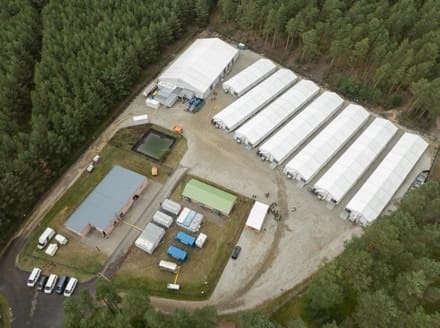
Rheinmetall has received an initial call-off from the Federal Office of Bundeswehr Infrastructure, Environmental Protection and Services (BAIUDBw) under the German Armed Forces Contractor Augmentation Program II – Static Accommodation (G-CAP II SU). In Lithuania, the group will now, as the main contractor, build a modular camp for up to 2,000 soldiers, which is due to become operational from mid-August 2027. Following commissioning, Rheinmetall will be responsible for facility management, including laundry, as well as catering. The order value for the construction of the modular facility amounts to €250 million, while the subsequent operation is valued at €40 million annually. The order was booked in Q3/2026.

The G-CAP II SU programme provides static accommodation for soldiers during deployment and standby commitments in the context of international crisis management and national and collective defence, irrespective of the climatic, geographical and geological conditions in the country of deployment. Pre-planned modular infrastructure covered by the framework agreement, from manufacture through transport, construction and operation to dismantling, forms the core of G-CAP II SU. Since these steps are standardised and can be called off from a single contractor, the entire process is accelerated. In this case, the contract was used to support the Bundeswehr in fulfilling its mission in Lithuania.

The G-CAP II SU project, initiated by BAIUDBw, aims to enable private-sector service providers to provide static accommodation during deployment. By enabling the private sector to establish such infrastructure, the Bundeswehr can conserve its own resources and keep them available for high-threat situations.

Rheinmetall is responsible for the planning, manufacturing and delivery of camps worldwide – by sea, land or air as required – as well as their construction, multi-year autonomous operation and subsequent dismantling. 

Saab Signs Long-Term Agreement for Camouflage Systems with the Netherlands

Thursday, August 27th, 2026

Saab has signed a long-term agreement with the Netherlands Ministry of Defence for the Barracuda Mobile Camouflage System. Saab has also received a first order within the agreement, with deliveries in the coming years.

The agreement, which runs over multiple years, enables the Netherlands to place orders and equip their vehicles with Saab’s Barracuda Mobile Camouflage System. 

“We are proud to support the Royal Netherlands Army with our advanced multispectral camouflage solutions, helping to protect its vehicle fleet from detection across the modern sensor spectrum, strengthening survivability and mobility on the battlefield,” says Henning Robach, head of Saab’s business unit Barracuda.

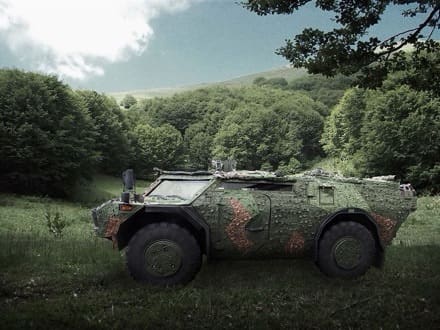
The initial order is for the Royal Netherlands Army’s existing Fennek and Panzerhaubitz vehicles. The agreement also includes options to equip additional vehicle types in the future. 

Saab’s Barracuda Mobile Camouflage System is tailor-made for a perfect fit for any vehicle, with woodland, urban or arctic camouflage patterns and can be deployed in any environment. 

Kongsberg to Deliver Remote Weapon Systems to Canada

Monday, August 24th, 2026

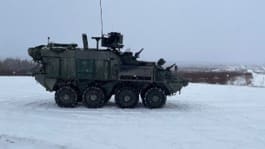
KONGSBERG, NORWAY – Aug. 20, 2026 – Kongsberg has signed a contract with General Dynamics Land Systems–Canada (‘GDLS-Canada’) valued at NOK 1.1 billion for the delivery of Protector RS4 Remote Weapon Systems. These systems will be integrated onto the Canadian Army’s Armoured Combat Support Vehicle (ACSV). 

The contract represents a continuation of the established partnership between Kongsberg and GDLS-Canada. This order is a follow-on procurement of RS4 systems for the ACSV program, building on previous deliveries to the same platform.

“This contract confirms our customer’s confidence in the Protector systems and further strengthens our long-term partnership with GDLS-Canada. We are proud that the RS4 continues to be selected as a key capability for the Canadian Armed Forces’ modern vehicle fleet,” said Kjetil Reiten Myhra, Executive Vice President, Kongsberg and President of the Defence Systems division.

Kongsberg has previously delivered RS4 systems to GDLS-Canada for integration on ACSV vehicles. The new deliveries will further enhance and expand the operational capabilities of the Canadian Army.

The RS4 is part of Kongsberg’s Protector family of Remote Weapon Systems, providing high levels of protection, flexibility, and situational awareness for vehicle crews.

The Protector RS4 is an advanced Remote Weapon System designed to enhance survivability, precision, and operational flexibility for modern military vehicles. The system is in service with defence customers worldwide and can be integrated onto a wide range of vehicle platforms.

Tiberius Aerospace Announces Invictus Has Moved into Formal Engineering Testing and Evaluation, Bringing Scalable Long-Range Precision Strike Across Multiple Domains

Friday, August 21st, 2026

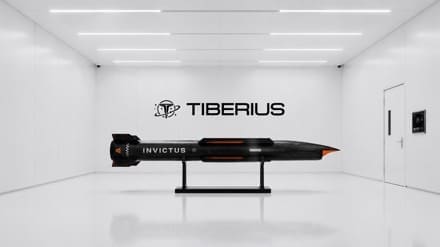
Tiberius Aerospace, the modern defense technology company building next-generation weapon systems and AI-powered defense solutions for the United States, United Kingdom and allied nations, today announced that Invictus is moving from early laboratory investigation to prove the concept into formal engineering Test & Evaluation (T&E) development, marking a major step towards fielding its next-generation long-range precision strike system.

Invictus is a tube-launched, multi-mission system designed for integration across multiple platforms and domains. Its architecture is intended to support launch from vertical launch systems and autonomous vehicles operating across land and sea, giving warfighters greater flexibility in how long-range precision effects are delivered.

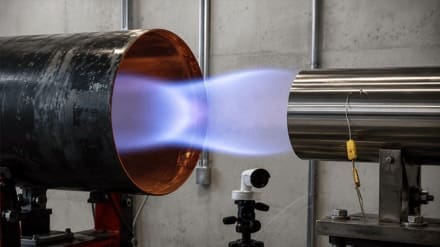
Tiberius Aerospace launched its first ramjet munition, Sceptre, in May 2025 and recently announced successful ramjet ignition during live firing in the US. This rapid development and learning has facilitated the accelerated transition of the Invictus programme from exploratory laboratory development into a proven engineering program focused on validating propulsion, flight performance, guidance, platform integration and manufacturability through formal testing. Direct- connect testing of the Invictus ramjet engine is already underway at Purdue’s Zucrow Laboratories, where the engine has demonstrated excellent operability using Jet-A across all conditions tested to date.

The program is advancing against an increasingly urgent strategic challenge: the need for the United States and its allies to rebuild long-range precision strike capacity faster than traditional defense production can replenish it. The U.S. Army used virtually all of its stockpile of ATACMS and Precision Strike Missiles during the five-month conflict with Iran, intensifying concerns about readiness for future contingencies. Across Europe, Western missile inventories have also come under growing pressure, driving NATO governments and manufacturers to accelerate production and rebuild stockpiles.

Invictus is being designed to address both capability and capacity, combining long-range precision with an architecture built for adaptability and scale. The Invictus-200 will pair a ramjet with an integral booster to deliver speeds up to Mach 3 and precision strike at ranges of up to 200 kilometres, with targeting precision of 5.5-meter CEP depending on guidance configuration. Its 10– 15 kilogram payload capacity and modular, open architecture will allow the system to be configured for different missions and evolve as operational requirements change.

“The move into formal engineering, testing and evaluation is a major step toward turning Invictus from a promising technology into a deployable capability,” said Chad Steelberg, Founder and CEO of Tiberius Aerospace. “Invictus and Sceptre have been designed from first principles to deliver cost-effective lethality from the outset, using our AI powered platform GRAIL to maximize the combat effect delivered for every dollar spent by simplifying the weapon, engineering it for high-volume production and building in an open architecture that can evolve without replacing the entire system. We have used GRAIL to enable a Silicon Valley approach to product development, connecting program requirements with domestic and allied suppliers capable of producing components and systems and therefore supporting a broader and more resilient industrial base. Invictus will bring together long-range precision, multi-domain flexibility, cost-effective lethality and scalable production in a weapon designed not only for today’s operational requirements, but for continuous adaptation throughout its service life.”

Mehler Protection and UF PRO to Showcase Protection and Tactical Clothing Solutions at The Emergency Services Show 2026

Thursday, August 20th, 2026

FULDA, GERMANY, KOMENDA, SLOVENIA (19 August 2026)

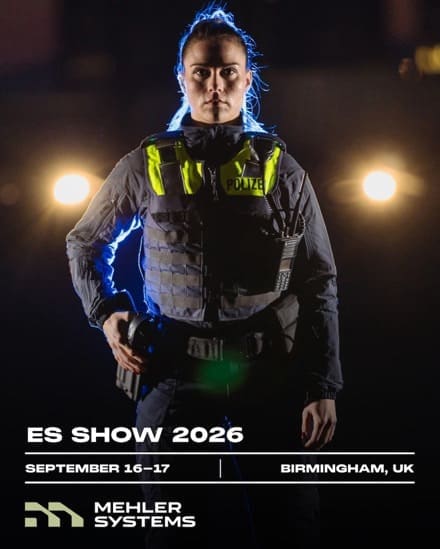
Mehler Protection and UF PRO, brands of the Mehler Systems Group, will exhibit at The Emergency Services Show 2026, taking place on 16–17 September at the NEC Birmingham, United Kingdom. Visitors can meet the teams in Hall 5 at Stand G42.

The Emergency Services Show brings together professionals from across police, fire and rescue, ambulance, search and rescue, and other frontline services to explore the equipment, technologies and solutions shaping emergency response, resilience and public safety.

Mehler Protection and UF PRO will present ballistic protection and tactical clothing for a range of applications, from everyday police duties to specialist tactical operations and challenging environmental conditions.

Mehler Protection will present a selection of modular and configurable personal protection solutions, including the HYVE modular vest system and the M.U.S.T. modular protection system. The display will also feature the overt vests, hard and soft ballistic protection, and ballistic helmets, providing an overview of the company’s capabilities across different law enforcement applications.

UF PRO will showcase tactical clothing designed to support mobility, durability and comfort during extended operational use. The selection will include products from the P-40 range for everyday police and response duties, as well as combat clothing from the Striker family for more demanding tactical operations.

Flame-retardant clothing will form an important part of the presentation. The Striker X FR Combat Shirt and Combat Pants are designed for operations where protection against heat and flame must be combined with mobility, comfort and compatibility with tactical equipment.

Visitors will also be able to explore UF PRO outerwear for changing weather and temperature conditions, including softshell, winter and wet-weather solutions from the Hunter, Delta, AcE and Monsoon ranges. Selected garments will be available for try-on, allowing visitors to experience their fit, mobility and functionality first-hand.

By exhibiting together at The Emergency Services Show, Mehler Protection and UF PRO will provide police and emergency-service professionals with an opportunity to explore both individual products and complete equipment configurations developed around different operational needs.

Visit Mehler Protection and UF PRO in Hall 5, Stand G42, at The Emergency Services Show, taking place on 16–17 September 2026 at the NEC Birmingham, United Kingdom.

Denmark Selects Terma to Deliver Nationwide Counter-Drone Defense System

Thursday, August 20th, 2026

Terma will deliver a sovereign, integrated counter-drone defense system that connects existing and future sensors into one shared drone situational picture. With AI-supported processing of sensor data, the system will give the Danish Armed Forces and other authorities a stronger foundation to detect, understand and act on drone threats in real time.
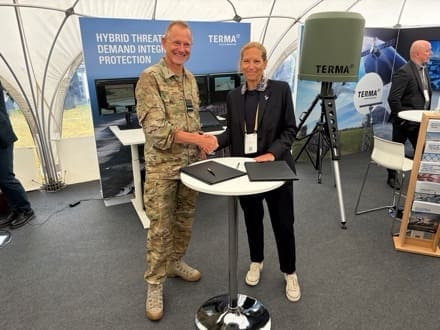

Per Pugholm Olsen, Head of DALO (Left) and Terma CEO Henriette Hallberg (Right)

Lystrup, Denmark – 19 August 2026 – The Danish Ministry of Defence Acquisition and Logistics Organisation (DALO) has entered into an agreement with Terma for the delivery of a new, integrated command-and-control system for counter-drone defense. The system will create a shared drone situational picture for the Danish Armed Forces and other authorities.

“I am pleased to sign this agreement, which will strengthen Denmark’s ability to maintain an up-to date drone situational picture. This new agreement with Terma is an important cornerstone in the ongoing effort to build a strong counter-drone capability, both within the Danish Armed Forces and Danish industry,” says Lieutenant General Per Pugholm Olsen, Chief of DALO.

From individual sensors to a shared drone situational picture

Denmark already operates sensors across the Armed Forces, civilian authorities and critical infrastructure, but today the information remains in separate systems and at different locations. The solution is built on Terma Helion, Terma’s sovereign multi-domain data backbone. Helion connects existing and future sensors and brings their data together into one shared drone situational picture. The platform integrates distributed systems and transforms large volumes of data into information that supports tactical decision-making at both local and central levels.

“In a security environment where drones represent a persistent and growing threat, the ability to detect, classify and act on threats across domains is fundamental to national security,” says Henriette H. Thygesen, CEO of Terma. “The ability to connect sensors, process data and turn information into timely decision support is essential to effective counter-drone defense. By creating a shared drone situational picture, we give the Danish Armed Forces and other authorities a strong foundation to act faster and with greater confidence. We are proud of the trust Denmark has placed in Terma. It confirms our ability to deliver mission-critical defense solutions that strengthen security in Denmark and across Europe.”

The solution also integrates OSL Technology’s FACE® platform for command and control and data fusion. OSL Technology became part of Terma in 2025. FACE brings together and processes data from Terma’s radar and surveillance technologies as well as third-party sensors and countermeasures. AI supports the processing, classification and prioritization of sensor data, enabling operators to rapidly identify and act on relevant incidents.

The solution builds on OSL Technology’s operational experience from complex civilian and military environments. Since 2019, OSL has been the prime contractor and system integrator for Heathrow Airport’s counter-drone system and also delivers counter-drone systems to the Ørland and Evenes air bases under a multi-year framework agreement with the Norwegian Defence Materiel Agency (FMA). Combined with Terma’s radar, surveillance and multi-domain capabilities, this creates a market-leading, open and modular counter-drone solution.

National control and flexibility for future threats

The solution will ensure national control over operational sensor data while enabling technologies from multiple suppliers to be integrated. It will be delivered in cooperation with other Danish industry partners and draw on expertise from across the Danish defense industry.

The scalable architecture allows sensors, sites, countermeasures and other capabilities to be continuously added over time. The solution can therefore support the management of drone incidents at military installations, airports, ports, energy facilities, government buildings and other critical infrastructure.

Facts

Together, the technologies enable authorities to:

  • Detect, classify and track drone activity
  • Fuse and prioritize sensor data using AI
  • Maintain a shared drone situational picture
  • Coordinate decisions and actions at Danish Armed Forces locations
  • Integrate new sensors and countermeasures as threats evolve

Rheinmetall and Hensoldt Demonstrate Successful Integration of Passive Sensor Technology into a Modern Air Defence System

Thursday, August 20th, 2026

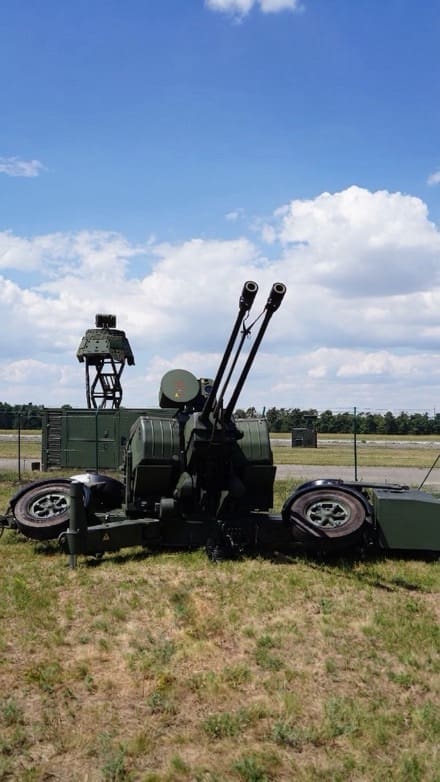
During the German Air Force exercise Timber Express 2026 in Manching, Rheinmetall Air Defence and Hensoldt achieved a milestone for future networked air defence. During a German Air Force exercise, the air picture generated by Hensoldt’s Twinvis passive radar was successfully integrated into Rheinmetall’s Skymaster command and weapon engagement system, which was directing the Skynex Air Defence battery deployed in the scenario.


The integration took place under realistic NATO networking conditions and demonstrated the high flexibility and open architecture of the Skymaster system. A common air picture could be generated by fusing and correlating sensor data within NATO’s Link 16 network. The Hensoldt passive radar demonstrated excellent performance in detecting and tracking air targets. This confirms the high operational value of modern passive sensor technology for air defence. Twinvis is a passive radar based on the latest digital technology that can be used for wide-area military airspace surveillance or civil air traffic control.

Particularly noteworthy is Skymaster’s ability to combine active and passive radar sensors with electro-optical sensors into a comprehensive air picture within the air defence network. This creates new opportunities for resilient, low-emission air surveillance in line with a modern emissions control strategy (EMCON), while at the same time improving situational awareness for the protection of high-value infrastructure, critical facilities and mobile military units.

The demonstration highlights the future viability of distributed and interconnected sensor networks and illustrates how passive sensor technologies can usefully extend and complement existing air defence systems. Furthermore, passive systems increase network survivability due to the absence of a distinctive identification. The findings provide an excellent foundation for the integration into stationary Skynex systems, mobile Skyranger solutions and modern counter-UAS systems such as the Skyspotter. 

The success of this trial was possible through the close and constructive cooperation between the participating German Air Force organisations, the exercise management team and the expert teams from Rheinmetall Air Defence and Hensoldt. Together, they achieved a NATO-compatible integration of the highest quality in a challenging technical environment, making an important contribution to the continued development of modern integrated air defence capabilities.

KATUSA: 76 Years of “We Go Together”

Thursday, August 20th, 2026

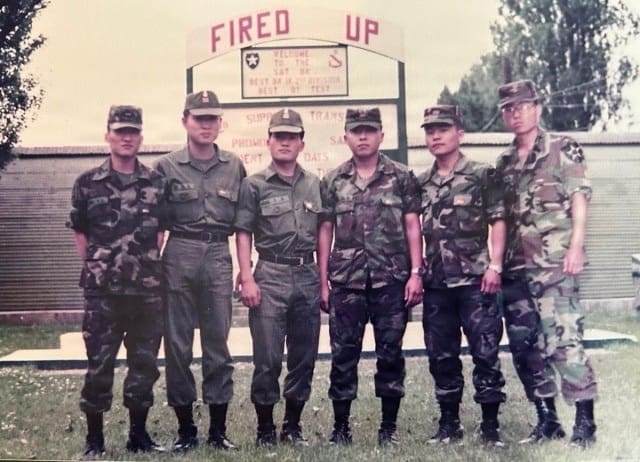
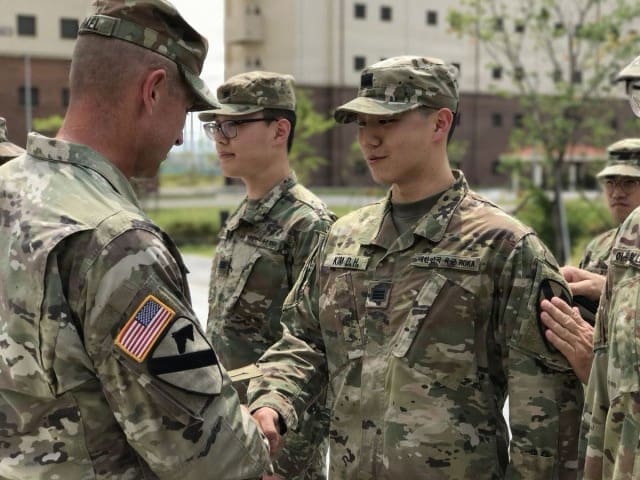
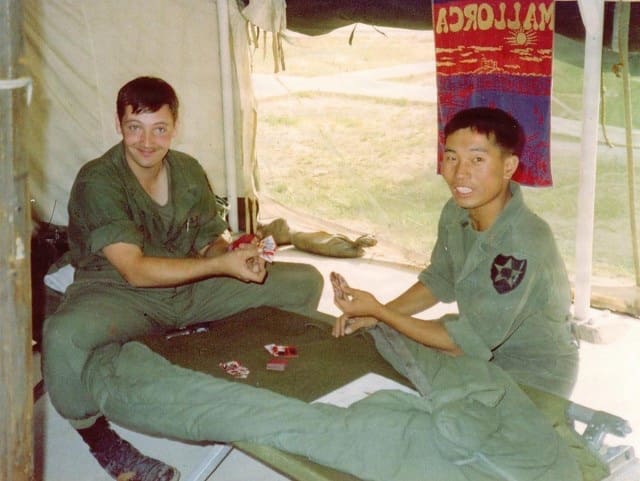
August 15 is recognized as the birthday of the Korean Augmentation to the United States Army Soldier program, or KATUSA. The program was created only weeks after the Korean War ignited, and to this day KATUSAs continue to serve side-by-side with Eighth Army Soldiers providing priceless support and friendship.

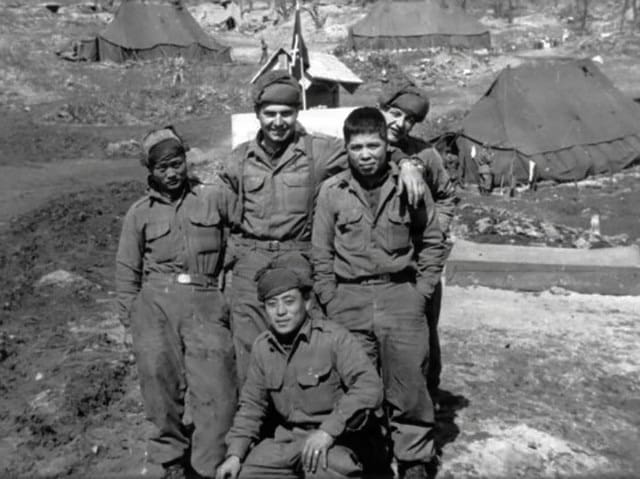
The Korean War began June 25, 1950. Roughly three weeks later the KATUSA program was initiated July 15 by an informal agreement between the Honorable Syngman Rhee, president of the Republic of Korea, and General of the Army Douglas MacArthur, commander in chief, United Nations Command.

During the first two months of the war, the Republic of Korea Army had been destroyed as a fighting force and the U.S. Army was significantly understrength and had been “compressed” into the Pusan perimeter by North Korean forces, as described in an official Army report. Replacements and fighting men were in desperate need.

The concept of the KATUSA program was to augment the U.S. forces. In the beginning most KATUSAs were recruited directly off the streets of Pusan, now spelled Busan. After a basic training period, KATUSA Soldiers were sent to combat units serving as infantrymen. The first KATUSAs reached U.S. Army units by mid-August 1950.

They were issued U.S. supplies, but were paid by and remained administered under the Republic of Korea Army. Throughout the Korean War, up to a maximum of 23,000 KATUSAs served at any one time, according to the Army.

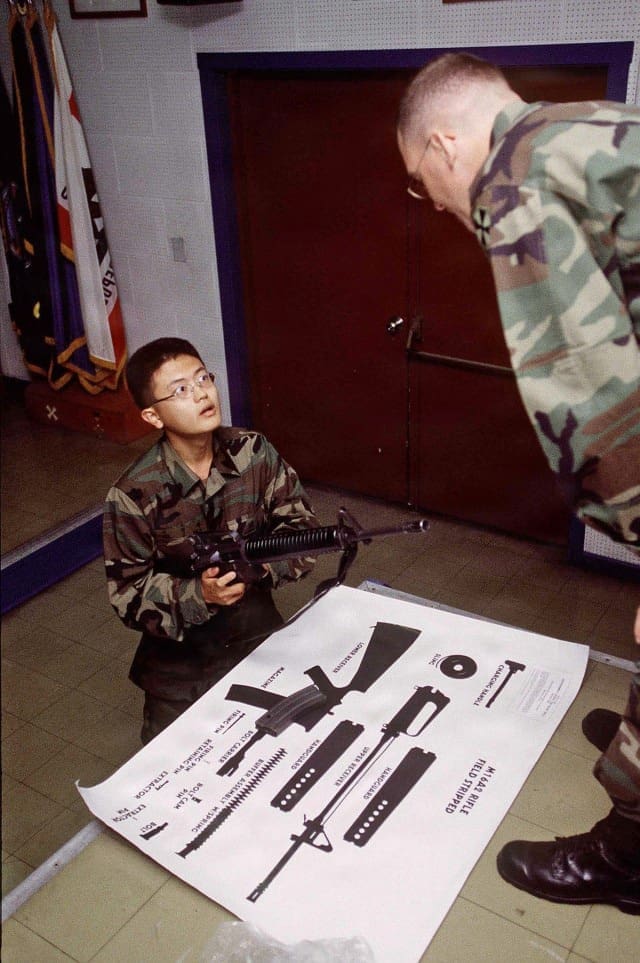
After the 1953 armistice, KATUSA Soldiers remained with U.S. Army units to receive training not readily available in the ROKA and to enhance U.S. Army in Korea’s mission capability.

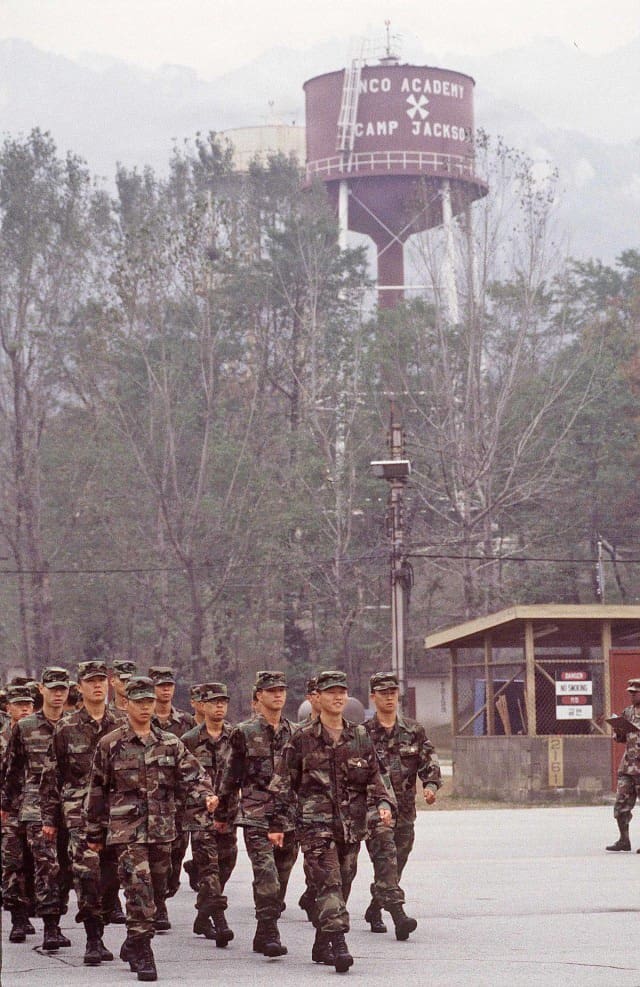
Since 1950, the KATUSA Soldier Program has been ongoing with only periodic strength adjustments dictated by requirements. Originally, KATUSA Soldiers were returned to the ROKA after serving with the U.S. Army. Since 1968, however, KATUSA Soldiers remain with Eighth Army until their service commitments are completed. The ROKA Support Group was established May 11, 1965 at the request of the Eighth Army commander to administer the KATUSA Soldier program.

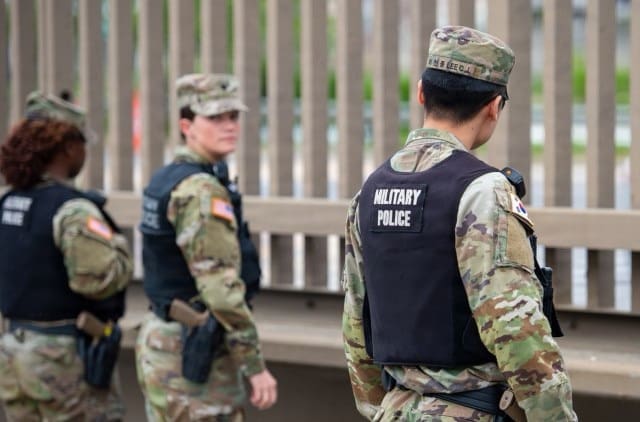
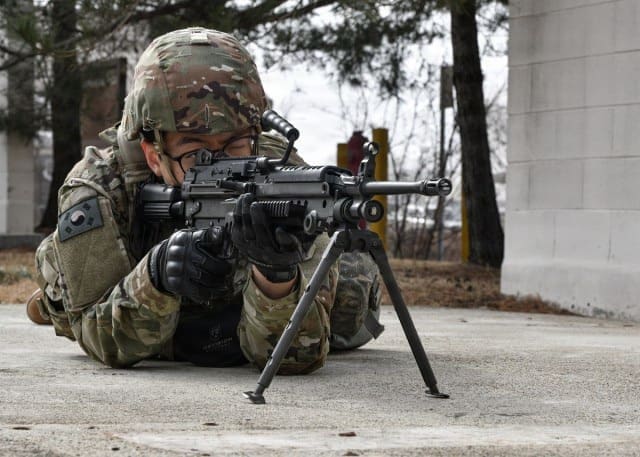
Today, young South Korean men planning to conduct their mandatory military service obligation can apply to become a KATUSA if they have a command of the English language and if positions are available.

Eighth Army has stated the KATUSA program increases the ROK-U.S. combined defense capability on the Korean peninsula. The program is also significant not only because of the military manpower and monetary savings that it provides to the U.S. Army, but also because it puts a face on the ROK-U.S. alliance and the combined commitment to deter war.

The KATUSA program is the very essence of one of Eighth Army’s favorite phrases, “katchi kapshida,” — “we go together.”

Information for this article provided by Eighth Army and these sources:

“Integration of ROK Soldiers into US Army Units (KATUSA)” (U.S. Army)

“The KATUSA Experiment” by David Curtis Skaggs (excerpt)

By Kenji Thuloweit