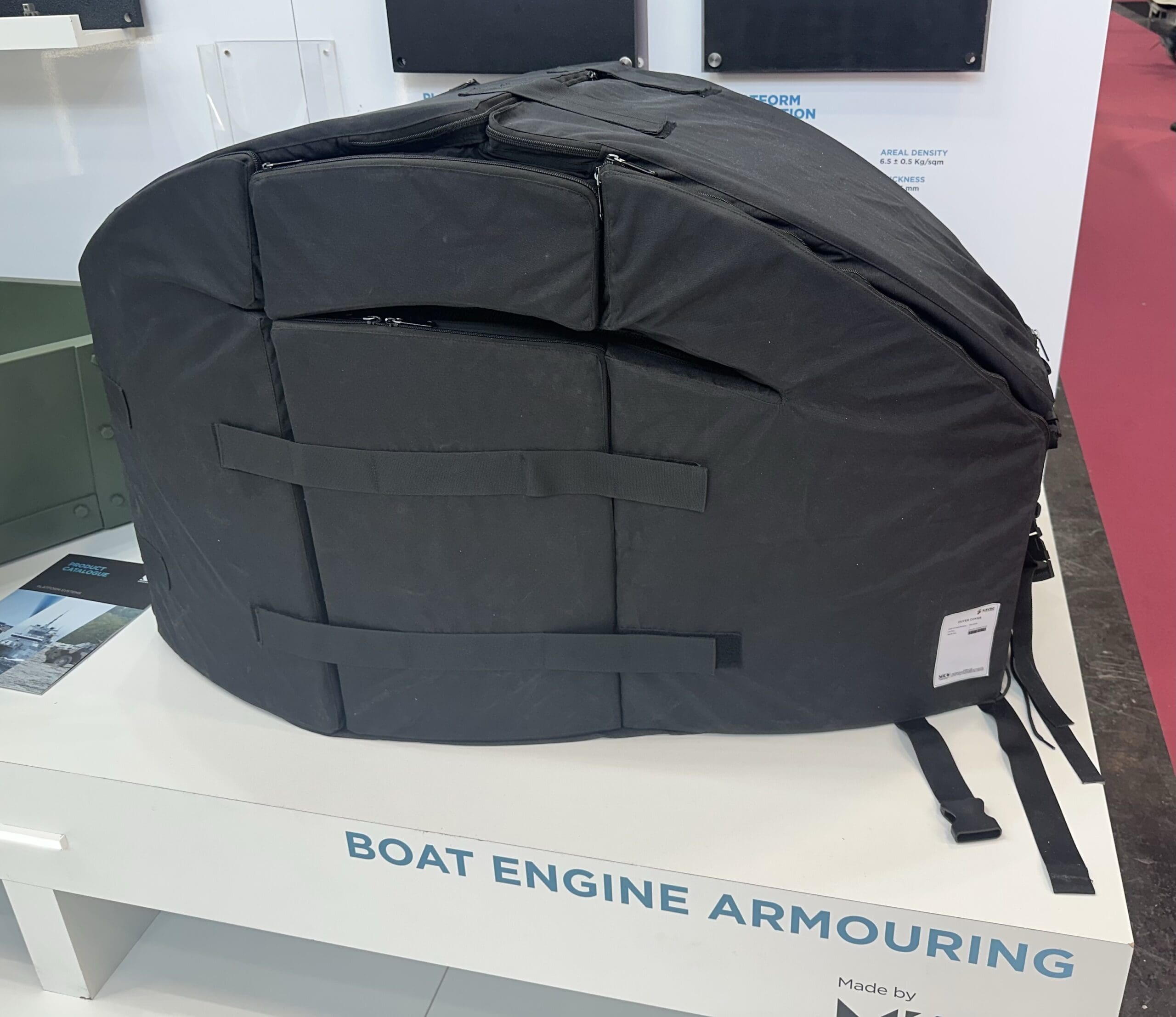
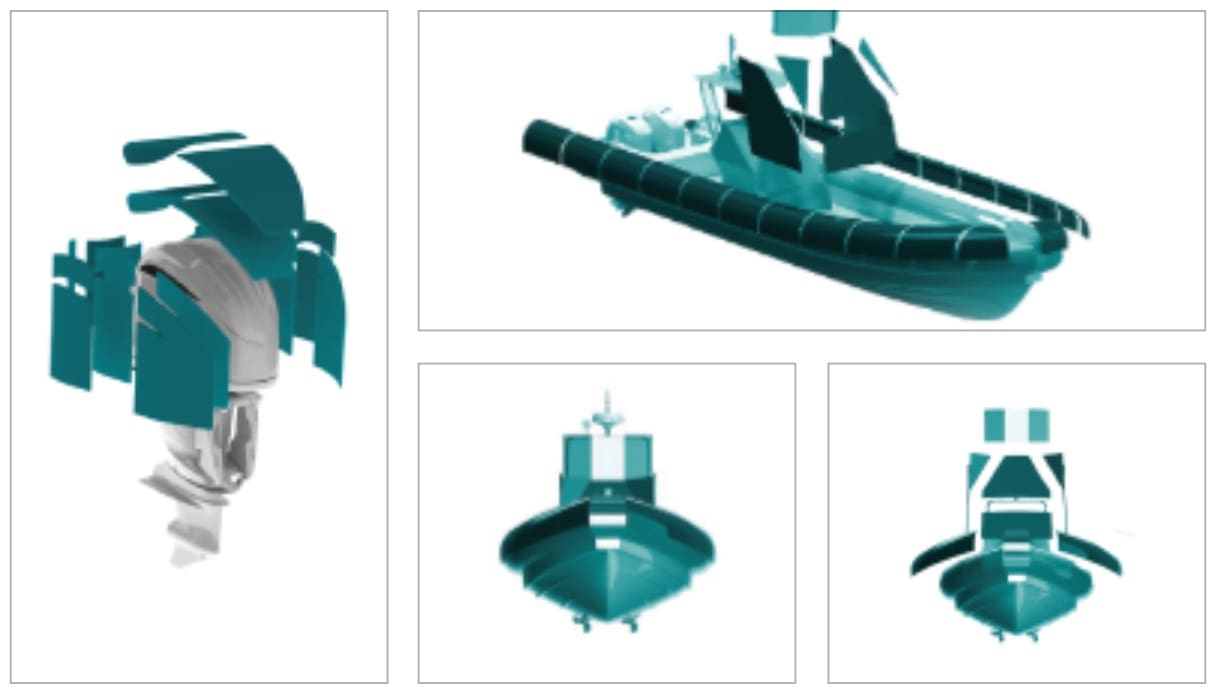
India’s MKU Limited exhibited their Armored Outboard Motor Cover for small boats.


Advanced Software Enables Coordinated, Autonomous Execution of Complex Maritime Operations During Real-World Ocean Trial
BURLINGTON, Mass., Nov. 18, 2025 — Scientific Systems, a defense software prime with expertise in maritime and multi-domain operations, announced today that its distributed AI-powered OPTIMUS autonomy software successfully executed a recent on-water test of multiple unmanned surface vessels (USVs) performing end-to-end cooperative mission activities. The weeklong maritime test demonstrates that Scientific Systems’ scalable autonomy software is ready now to support “intelligent affordable mass” — the deployment of swarms of autonomous low-cost platforms that use edge-based AI to dynamically coordinate, rapidly adapt, and dramatically increase survivability & lethality, to achieve mission intent in relevant scenarios.
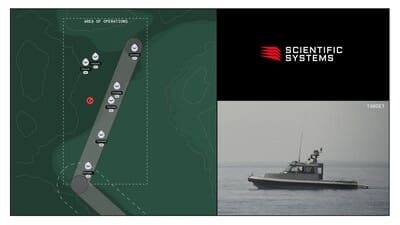
The August demonstration featured a fleet of nine boats equipped with Scientific Systems’ AI-powered collaborative autonomy software. The software enabled the vessels to operate as an intelligent swarm, searching, monitoring, and engaging targets while avoiding obstacles with dynamic rerouting. This activity was a result of seamless integration of real-time sensing, sense-making, and AI decision-making in the decentralized system. Scientific Systems’ unique, decentralized autonomy software enables the formation of “smart swarms” — collaborative, adaptive teams of platforms that can execute complex missions in degraded communications environments. A single remote operator defines only the mission rules, intent, and key authorities, while the intelligent coordination and execution occur autonomously among the platforms within the contested network. This decentralizedapproach delivers major advantages over communications-dependent, centrally controlled systems, enabling mission plans to continue even with intermittent or lost communications and eliminating vulnerability to the loss of any single “leader” vessel—all while providing superior resilience, scalability, and security.
“This test underscores the critical role software plays in enabling affordable mass and autonomy at sea,” said Scientific Systems Chief Executive Officer Kunal Mehra. “We’re proud to support the mission of maritime operators and to advance the readiness of scalable, autonomous USV squadrons.”
Today’s announcement follows July’s unveiling of the VENOM small Unmanned Surface Vehicle (sUSV), developed to meet the Navy’s operational need for high-performance sUSV interceptors.
Scientific Systems’ software, integrated with the VENOM sUSV family—offered in 6-, 9-, and 13-meter models and extendable to other USVs—provides a flexible, mission-ready solution built around a modular, scalable autonomy stack tailored to customer-defined objectives.
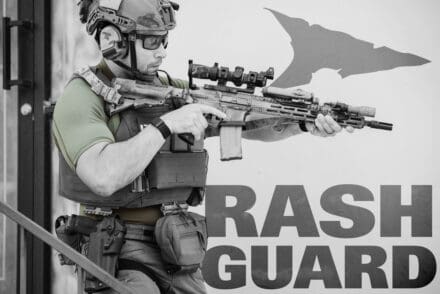
FirstSpear’s RASH GUARDS are engineered for high-performance use in maritime, watersport, or tactical environments. Constructed from a proprietary USA-made blend of 83 % polyester and 17 % spandex, it offers an ultralight compression fit that clings close to the body without excess bulk.
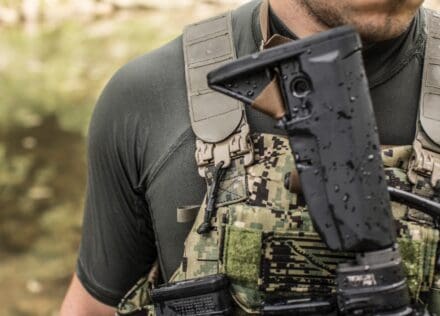
The fabric is quick-drying, allowing moisture to dissipate rapidly and preventing the garment from remaining saturated during activity. Smooth flat seams minimize rubbing or abrasion, even when the Rash Guard is worn under gear, harnesses, or in high-friction settings.
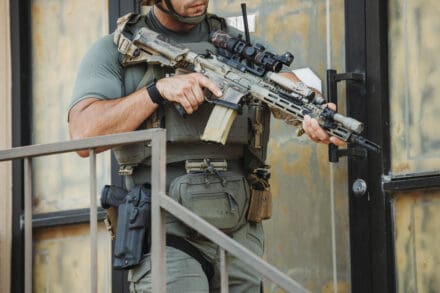
In addition to mechanical protection, the material provides natural UV defense, helping shield skin from sun exposure during extended operations or sessions on the water. Low-profile integrated thumbholes help anchor the sleeves in place, especially when donning additional equipment or layering over gear. FirstSpear advises ordering your normal t-shirt size for a snug, compression-style fit, while stepping up one or two sizes yields a slightly more relaxed feel without sacrificing performance.
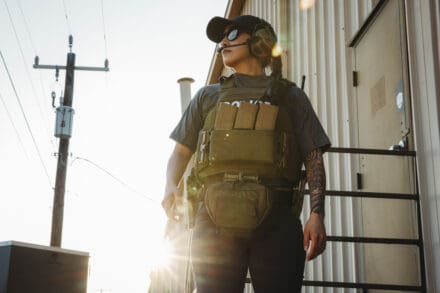
The Rash Guard is available in both short- and long-sleeve versions, offering versatility for different climates or mission profiles. It is entirely manufactured in the USA, aligning with FirstSpear’s commitment to domestic production and quality control. Its blend of stretch, durability, and rapid drying behavior makes it well-suited for repeated use in harsh environments. Whether worn as a standalone base layer, under armor, or for training, it balances protection, comfort, and function. With mission-oriented design and materials, it stands as a dependable piece for those operating in aquatic, coastal, or gear-intensive settings.
To request an estimate click image above or visit First-Spear.com/Request-For-Estimate. FirstSpear is the premier source for cutting edge-tactical gear for military, law enforcement and those who train. For more information visit First-Spear.
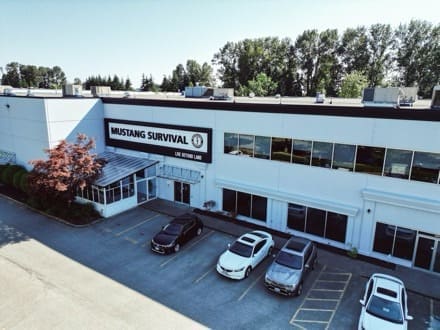
Burnaby, BC — Mustang Survival, part of Wing Group, is expanding its research and development capabilities through a newly formed R&D and Advanced Concepts teamwith investments in state-of-the-art testing, AI-driven analytics, and global collaborations. Built on decades of problem-solving in the harshest conditions, the company is accelerating the entire cycle — from early-stage research and user engagement, through identifying needs and defining problems, to concept development and commercialization — reinforcing its role as a pioneer in marine safety innovation.
From military operations and public-safety agencies to industrial sectors and recreational communities such as sailing, paddling, and fishing—Mustang Survival’s heritage includes category-defining solutions like the original Floater® Coat, the RATIS™ system and the award-winning Atlas Life Jacket and Elite PFD.
As part of this effort, the company has expanded their on-site laboratory to simulate extreme environments more effectively, enhancing fire-resistance and cold-immersion testing—accelerating learning cycles from concept to commercialization within the WaterlifeStudio.

Jill Davidson, Director R&D and Advanced Concepts
“A big unknown piece is how materials behave at different temperatures. Being able to understand these shifts allows us to best address solutions around mobility, insulation, and inflation,” said Jill Davidson, Director R&D and Advanced Concepts, Mustang Survival.
Additionally, as part of Wing Group’s broader initiative, the team is applying AI and advanced analytics to accelerate insights from testing and improve material evaluation—supporting faster iteration and more reliable outcomes across programs.
To deepen its research pipeline, Mustang Survival has expanded collaborations with universities across Canada and strengthened relationships with third-party laboratories locally and globally. The team has also secured government funding to advance research and intellectual property development, creating further opportunities for patents.
“By increasing our commitment to R&D and Advanced Concepts, we are dedicated to a long-term, sustainable solution to the problems that our core users face, ensuring Mustang Survival stays on the leading edge of defining innovation within our market and categories,” said Kenny Ballard, President, Mustang Survival.
By investing in people, processes, and partnerships—and by testing directly in real-world conditions—Mustang Survival is extending their solutions-driven heritage while building a stronger foundation for future advancements in marine safety.
BALTIMORE, MD — September 22, 2025 BlackSea Technologies (“BlackSea”), a leader in autonomous maritime systems, today announced the development of its new family of Modular Attack Surface Craft (MASC) unmanned surface vessels (USVs) designed to meet the U.S. Navy’s call for modular, multi-mission combatants. Submitted under Solicitation N00024-25-R-6314, BlackSea’s MASC solution delivers a mission-driven, production-ready platform to accelerate the Navy’s transition to a distributed and survivable future fleet.
In July 2025, the U.S. Navy issued a solicitation inviting industry to propose modular surface vessels capable of executing a broad range of missions including; anti-surface warfare, strike operations, electronic warfare, mine countermeasures, and logistics—through containerized, rapidly reconfigurable payloads. BlackSea’s proposed 66-foot aluminum catamaran was purpose-built to exceed these requirements.
Mission-Driven Design
Unlike retrofitted commercial hulls, BlackSea’s MASC USV was designed from the keel up to maximize payload access, capacity, and operational flexibility.
The BlackSea MASC vessel offers:

With twice the payload area and electrical power of similar-sized vessels, the platform supports seven mission profiles out of the box: Anti-Submarine Warfare (ASW), Anti-Surface Warfare (ASuW), Electronic Warfare/ISR, Logistics, Infrastructure Monitoring, Strike, and Mine Warfare (MCM/MIW).
“Our approach starts with the mission, not the platform,” said Todd Greene, Deputy Director of Advanced Technology at BlackSea. “We designed a flexible, modular combatant that can evolve with the Fleet and be built at scale today, not years from now.”
Production-Ready and Rapidly Scalable
Leveraging its proven Global Autonomous Reconnaissance Craft (GARC) production line, currently producing one craft per day at BlackSea’s Baltimore facility, the company is prepared to build and deliver the first fully integrated MASC prototype within six months.
The design shares 75% commonality with BlackSea’s fielded GARC systems, ensuring supply chain resilience and rapid integration of existing autonomy, command-and-control, and perception subsystems.
The hull form, derived from BlackSea’s operational GARC platform, uses slender twin aluminum hulls for low drag and high stability—enabling safe launch and recovery of containerized payloads. Marine-grade aluminum construction aligns with existing shipyard skillsets.
Powering the craft are dual Volvo Penta D8-IPS600 integrated propulsion units, eliminating shaft alignment during assembly and supported by a global logistics network. The open architecture is built natively on the Navy’s Unmanned Maritime Autonomy Architecture (UMAA), enabling plug-and-play autonomy integration and preventing vendor lock-in.
Enabling the Navy’s Future Fleet
The Navy’s MASC program consolidates the goals of its earlier Large and Medium USV initiatives, seeking modular, containerized surface combatants to distribute lethality across the Fleet. By combining proven autonomy systems, fielded production methods, and a design tailored to naval missions, BlackSea’s MASC USV offers the Navy a decisive advantage in speed to fleet, operational flexibility, and long-term scalability.
“Fleet modernization demands bold steps,” said Chris Devine, CEO of BlackSea. “With our MASC solution, the Navy can field a family of unmanned combatants that are mission-driven, production-ready, and built to scale.”
About BlackSea Technologies
BlackSea Technologies is a premier naval technology firm enabling new asymmetric strategies so U.S. Naval and military forces can prevail over the next several decades in multi-dimensional conflicts. We deliver innovative maritime systems and mission solutions to our nation’s warfighters from the ocean surface to the seabed.
For more information about BlackSea, please visit our web site and follow us on LinkedIn.
New mission-ready gear delivers reliable IP64-rated protection for operators, professionals, and outdoor enthusiasts.
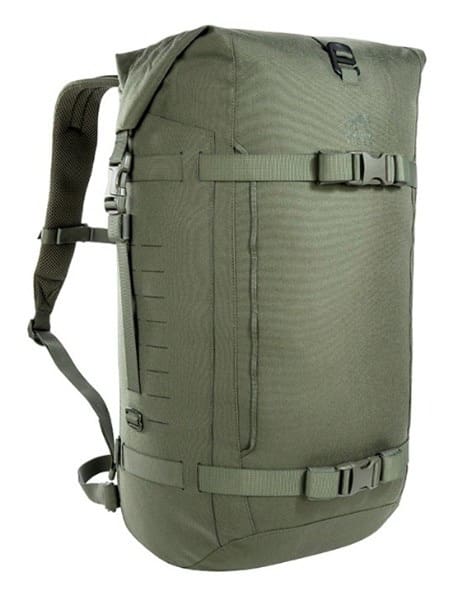
Knoxville, Tenn. (September 2025) – Tasmanian Tiger®, a tactical nylon line of products distributed exclusively for the US market by Proforce Equipment, Inc., is proud to announce the release of two new waterproof solutions designed to keep mission-essential gear dry and protected: the TT Sentinel 35 WP backpack and the TT Tac Pouch 1 WP. Both products are engineered with IP64-rated waterproofing, rugged CORDURA® 500 denier nylon, and roll-top closures to deliver uncompromising durability and weather protection in the field.
The TT Sentinel 35 WP is a waterproof mission backpack offering 35 liters of volume in a streamlined design built for light yet bulky equipment. Featuring a roll-top closure, padded back carrying system, and two full perimeter compression straps, the TT Sentinel 35 WP ensures comfort and stability while maintaining a watertight seal. Additional customization comes from laser-cut MOLLE side panels and a webbing system on the front for attaching extra gear. Constructed with sealed seams, the pack remains waterproof up to 10,000 mm, keeping equipment safe in unpredictable conditions.
The TT Sentinel 35 WP weighs 54 oz. / 3.4 lbs. and measures 23 x 10.75 x 7 in. / 58.5 x 27.3 x 17.8 cm. It is available in Black and Olive for an MSRP of $219.00.
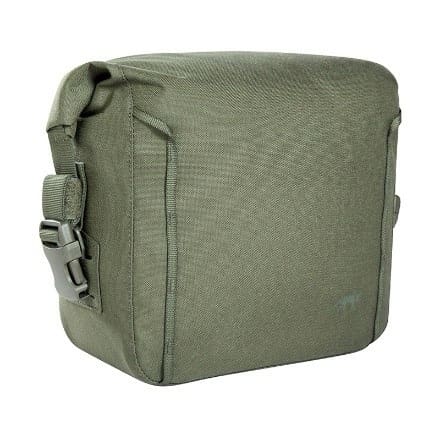
The TT Tac Pouch 1 WP is a compact, waterproof pouch designed for electronics, cameras, and other sensitive gear. With a roll closure featuring a side release buckle and a removable padded main compartment, it provides a secure storage option that attaches easily to belts or backpacks via the reverse MOLLE system. Like the TT Sentinel 35 WP, it’s crafted from waterproof CORDURA with sealed seams and IP64-tested protection against dust and splashing up to 10,000 mm.
The TT Tac Pouch 1 WP weighs 11 oz. / 312 g. and measures 7.9 x 8.25 x 4.2 in. / 20 x 21 x 10.5 cm. It is available in Black and Olive for an MSRP of $89.95.
Operators and professionals can’t afford to worry about their gear failing in wet or rugged environments. The TT Sentinel 35 WP and TT Tac Pouch 1 WP deliver waterproof load carriage solutions that balance protection, functionality, and mission-ready performance.
?Click to see the Tasmanian Tiger Product Vol. 5 digital catalog here. Find a local dealer here for any of the exciting Tasmanian Tiger products. Stay in the conversation by following us on Facebook, Twitter, and Instagram. All sales inquiries can be directed to tt@tasmaniantigerusa.com.
DSEI UK, Spetember 9-12 2025, Booth N11-100
September 01, 2025 – Skana Robotics, a defense-tech company founded by veterans of naval special operations and robotics experts, is introducing the first two platforms of its new class of autonomous maritime systems: the Bull Shark (Autonomous Surface Vessel) and the Stingray (Autonomous Underwater Vessel). These platforms represent a shift toward software-defined, scalable, and operationally flexible naval assets, engineered for teaming with both manned and unmanned systems across distributed maritime operations. With initial orders already secured, Skana is entering the next phase of scaling deployment with operational partners worldwide.
Developed with a focus on mass production, flexibility, and NATO-standard integration, the new platforms are designed to extend naval presence while minimizing logistical footprint and cost. All Skana systems are designed to evolve through code and enable seamless interoperability with existing legacy fleets and allied systems.
Skana’s production methodology removes traditional barriers to naval expansion, enabling allied nations to deploy thousands of autonomous vessels without relying on shipyards or cumbersome manufacturing processes that compromise mission effectiveness. This approach redefines how maritime resilience can be achieved at scale and what a truly self-sustained force structure looks like.
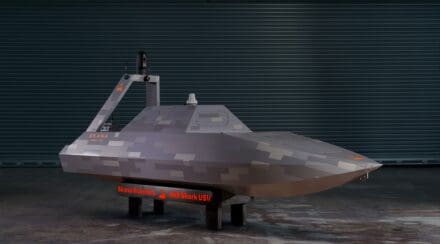
The Bull Shark is a tactical ASV designed for multiple missions including ISR and interdiction. It features a scalable design, a payload capacity of up to 150 kg, and functions as a communications hub to coordinate multiple surface and sub-surface assets.
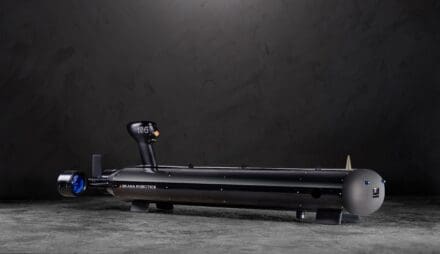
The Stingray is a loitering AUV designed for ISR, ASW, and infrastructure protection in complex underwater terrains. It supports autonomous underwater navigation, seabed anchoring, silent standby and reactivation mode. It offers a standard 24-hour battery life, extendable through battery module, and can belaunched from a designated underwater docking station, submarines, patrol boats, or other Skana or Naval vessels.
At the heart of Skana’s unmanned fleet is SeaSphere™, Skana’sresource allocation and mission planning engine, and Vera™, a proprietary ROS2-based mission execution and supervision layer. Vera translates fleet-wide directives into localized autonomous actions, adapting to environmental changes in real time. This architecture enables distributed command, unmanned-unmanned collaboration, and real-time teaming with manned platforms.
“The maritime domain demands autonomy that can survive complexity, adapt instantly, and operate without compromise,” said Idan Levy, Co-Founder and CEO of Skana Robotics. “We are making advanced autonomous capabilities accessible and scalable, enabling wide deployment and synergy between systems. Our ecosystem of vessels and technologies supports real-time data sharing, modular reconfiguration, and both fully autonomous and remotely operated missions, offering navies unmatched operational resilience, adaptability, and flexibility.”
For more information, visit: www.skanarobotics.com.
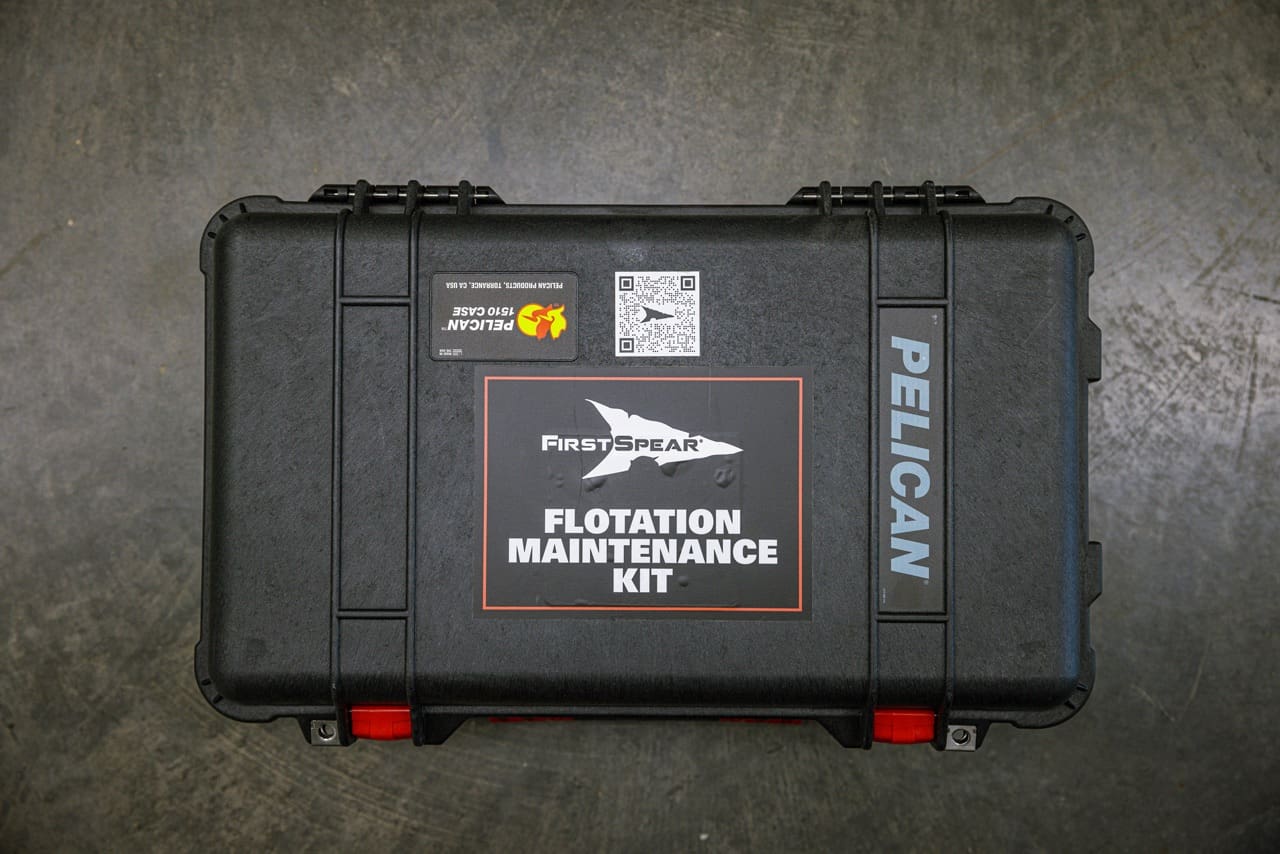
The FLOTATION MAINTENANCE KIT is a purpose-built solution for the upkeep and testing of Tactical Flotation Support Systems (TFSS).
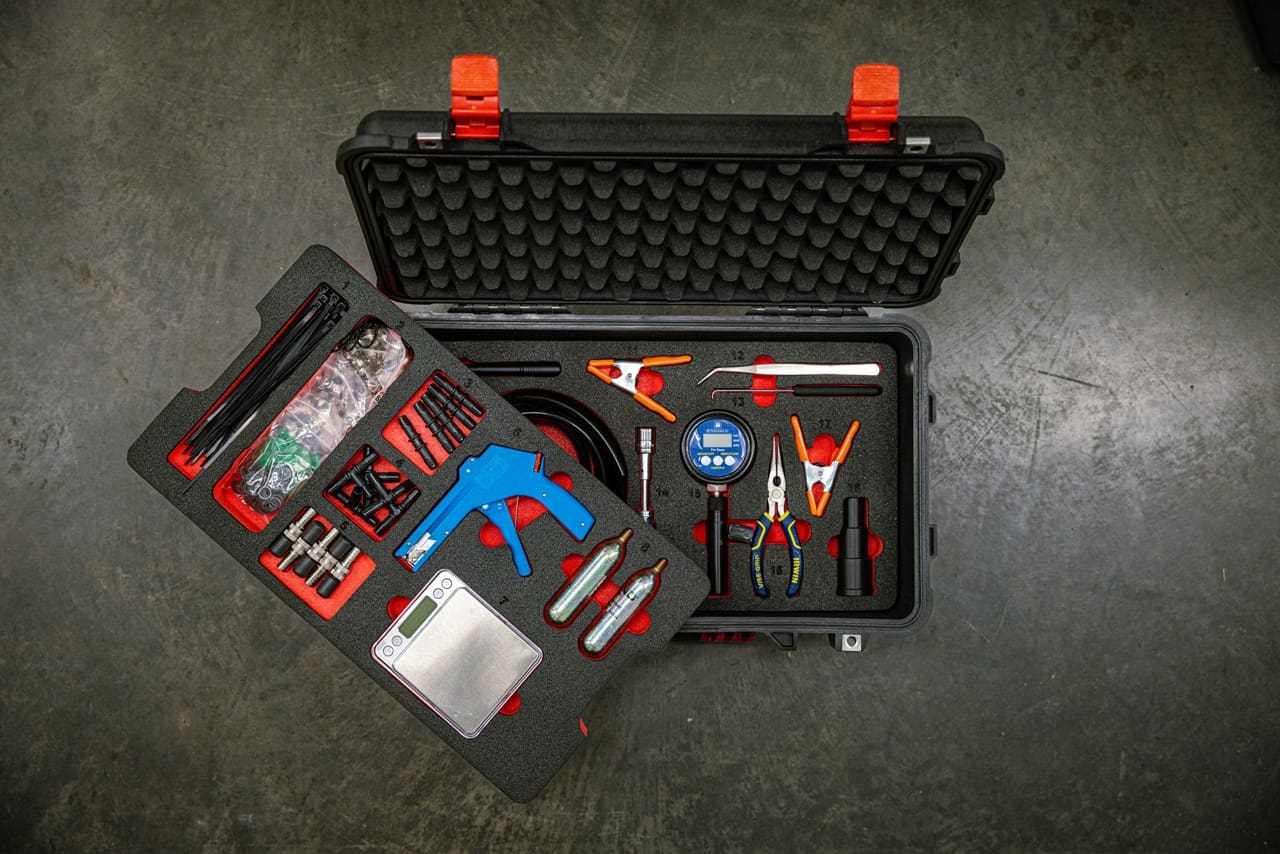
Designed with efficiency and organization in mind, the kit includes both inserts to provide a clear and functional layout. Each of the 18 components has its own dedicated compartment, ensuring quick access and easy storage during use. This thoughtful design minimizes time spent searching for tools and maximizes readiness in the field.
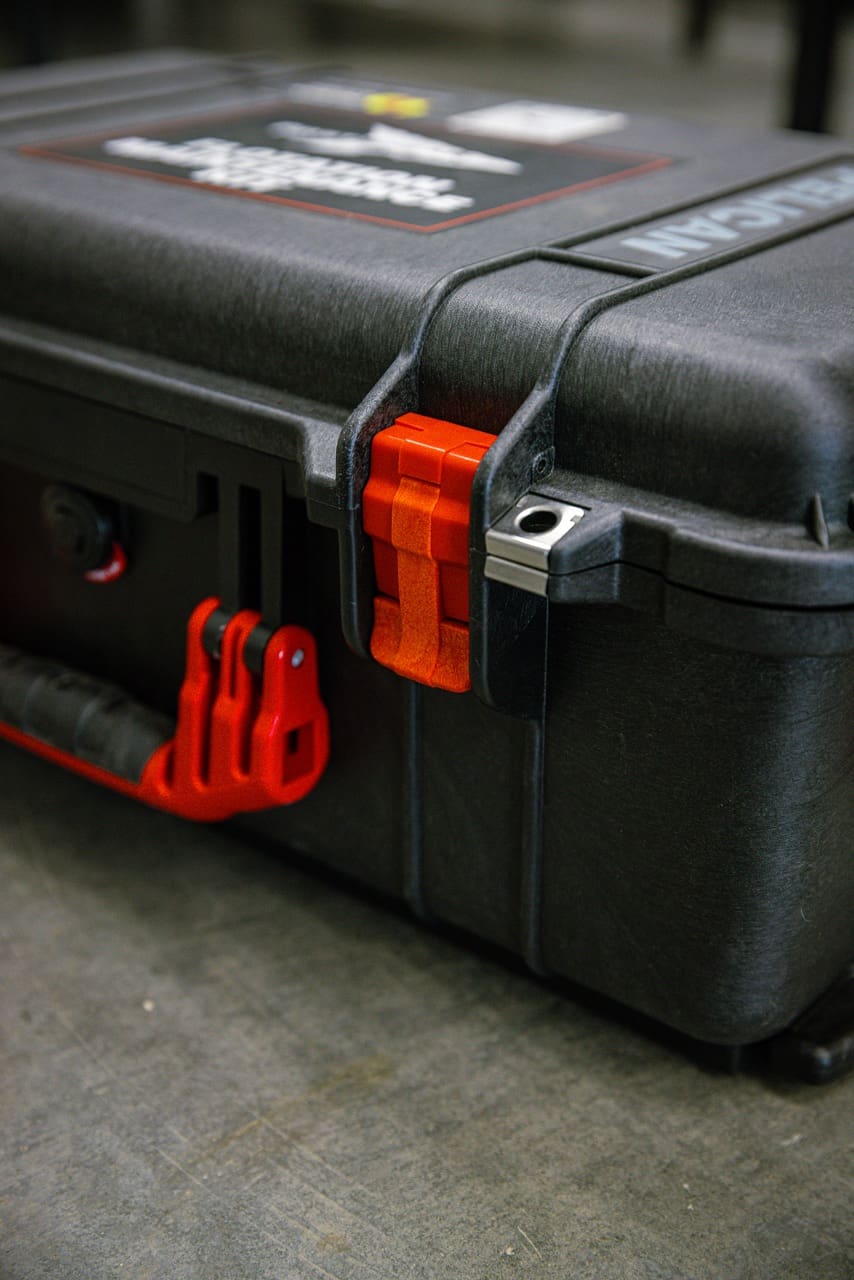
The durable Pelican Case serves as the backbone of the kit, offering rugged protection for all items while also enabling easy transportation and secure storage. Its portability makes it ideal for both operational and training environments where mobility and reliability are essential.
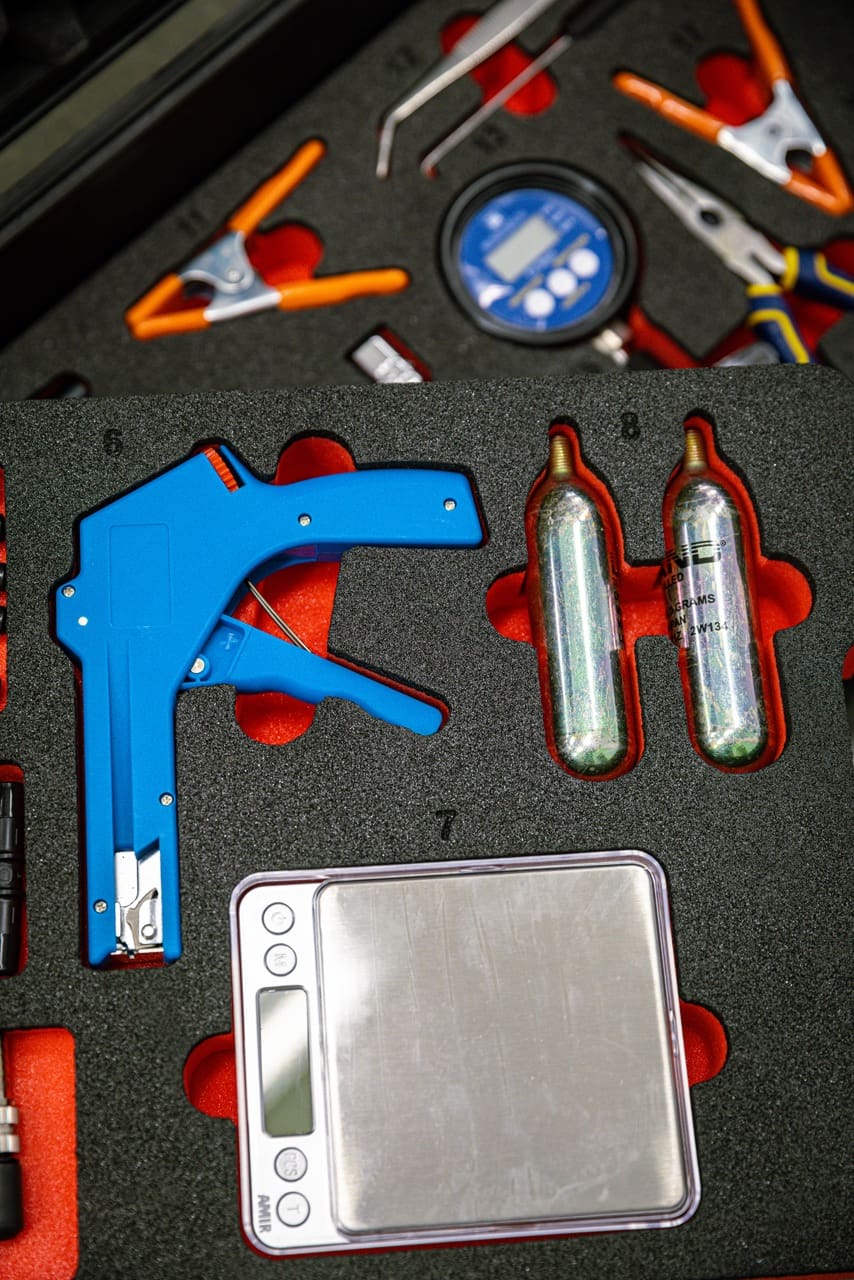
Supporting between 10 to 15 end users, the kit is scalable and capable of servicing team-sized elements. Each tool and accessory is included to streamline maintenance tasks and ensure proper TFSS performance. This not only prolongs the life of flotation equipment but also enhances operator safety and confidence in maritime or amphibious operations.
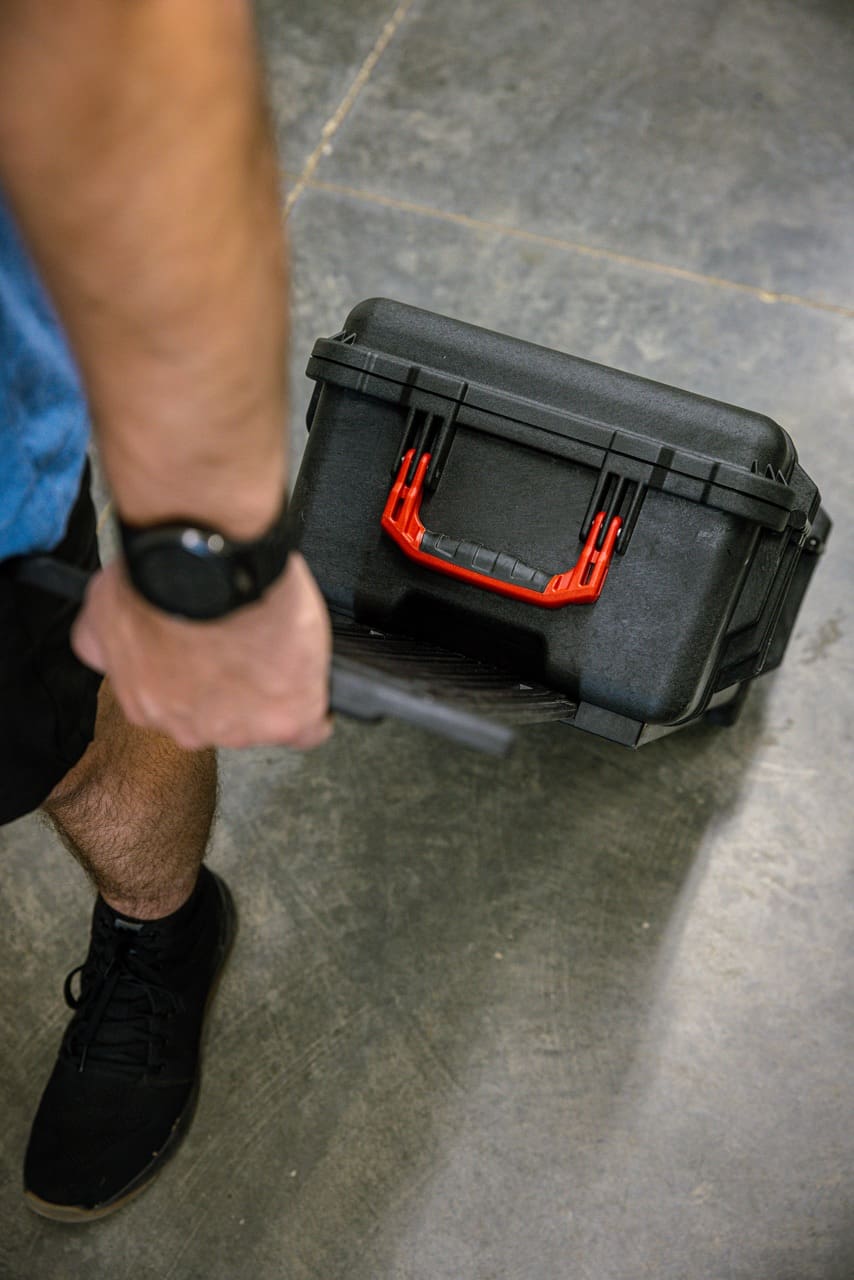
The compartmentalized system promotes accountability of parts, reducing the risk of lost or misplaced items. With all necessary maintenance and testing tools consolidated in one case, the kit ensures operators are always prepared. The Flotation Maintenance Kit is a critical asset for maintaining operational readiness of flotation systems.
To request an estimate click image above or visit First-Spear.com/Request-For-Estimate. FirstSpear is the premier source for cutting-edge tactical gear for military, law enforcement and those who train. For more information visit First-Spear.com.