GORE-TEX Professional

Archive for the ‘Medical’ Category

Project Black – Tactical Respirator

Thursday, September 26th, 2019

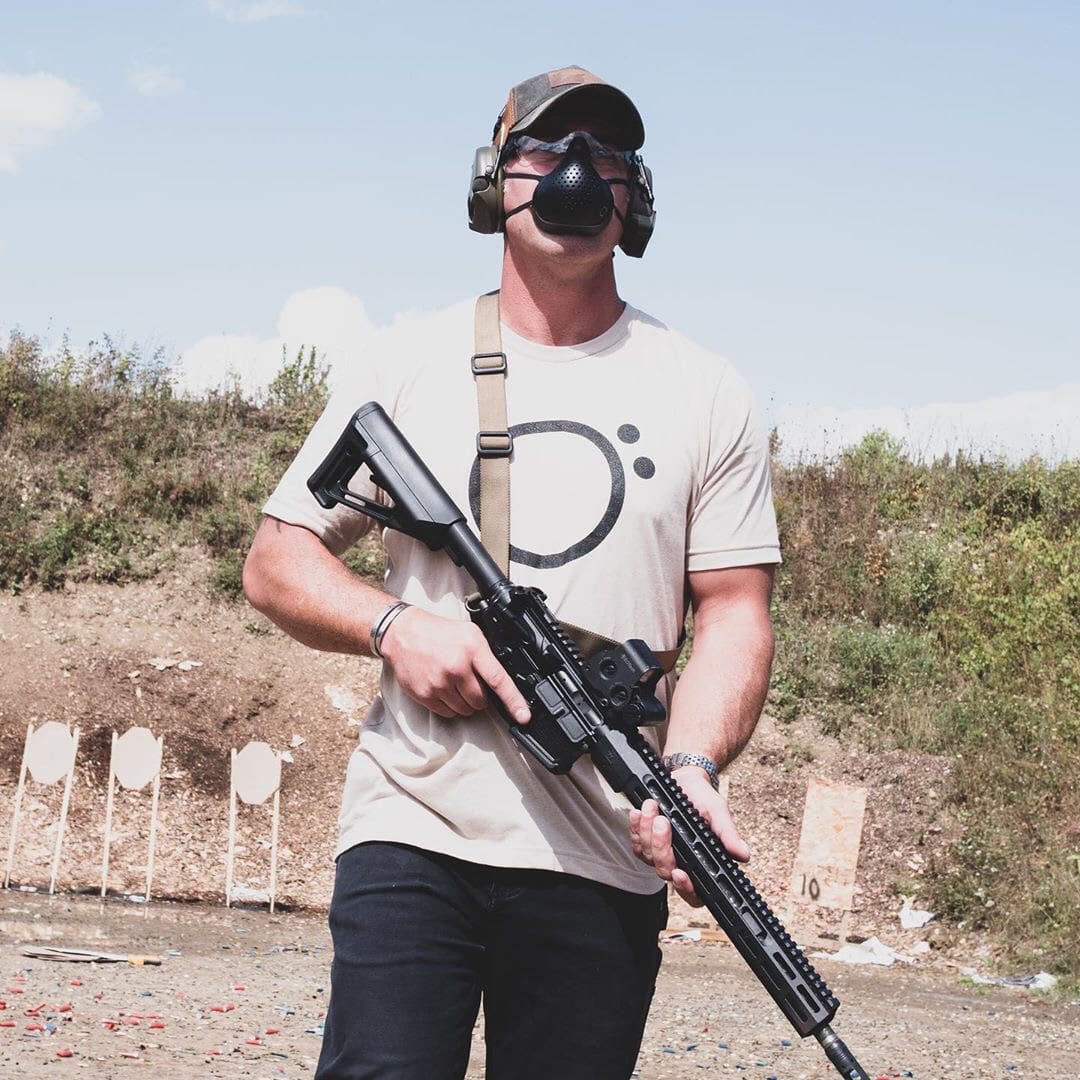
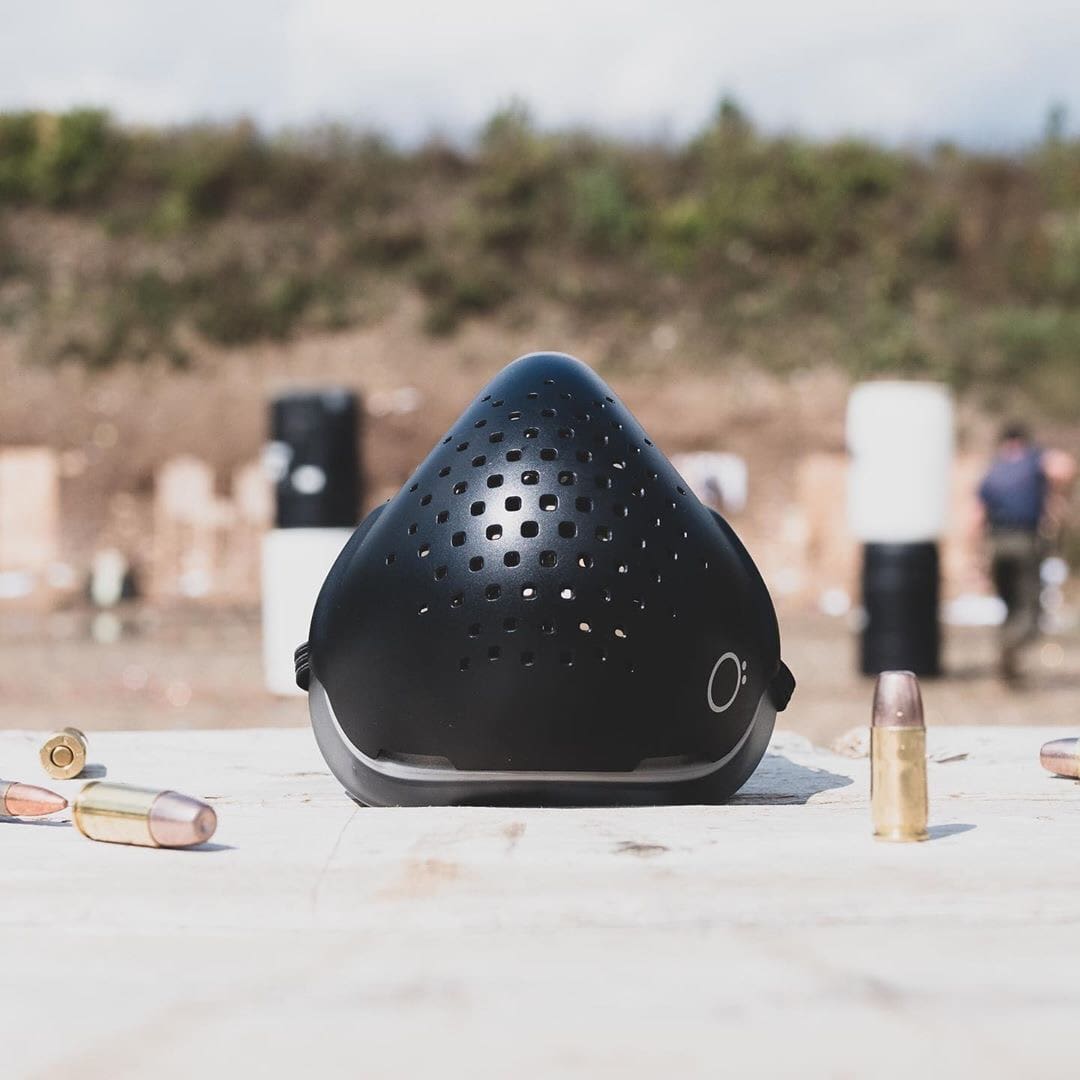
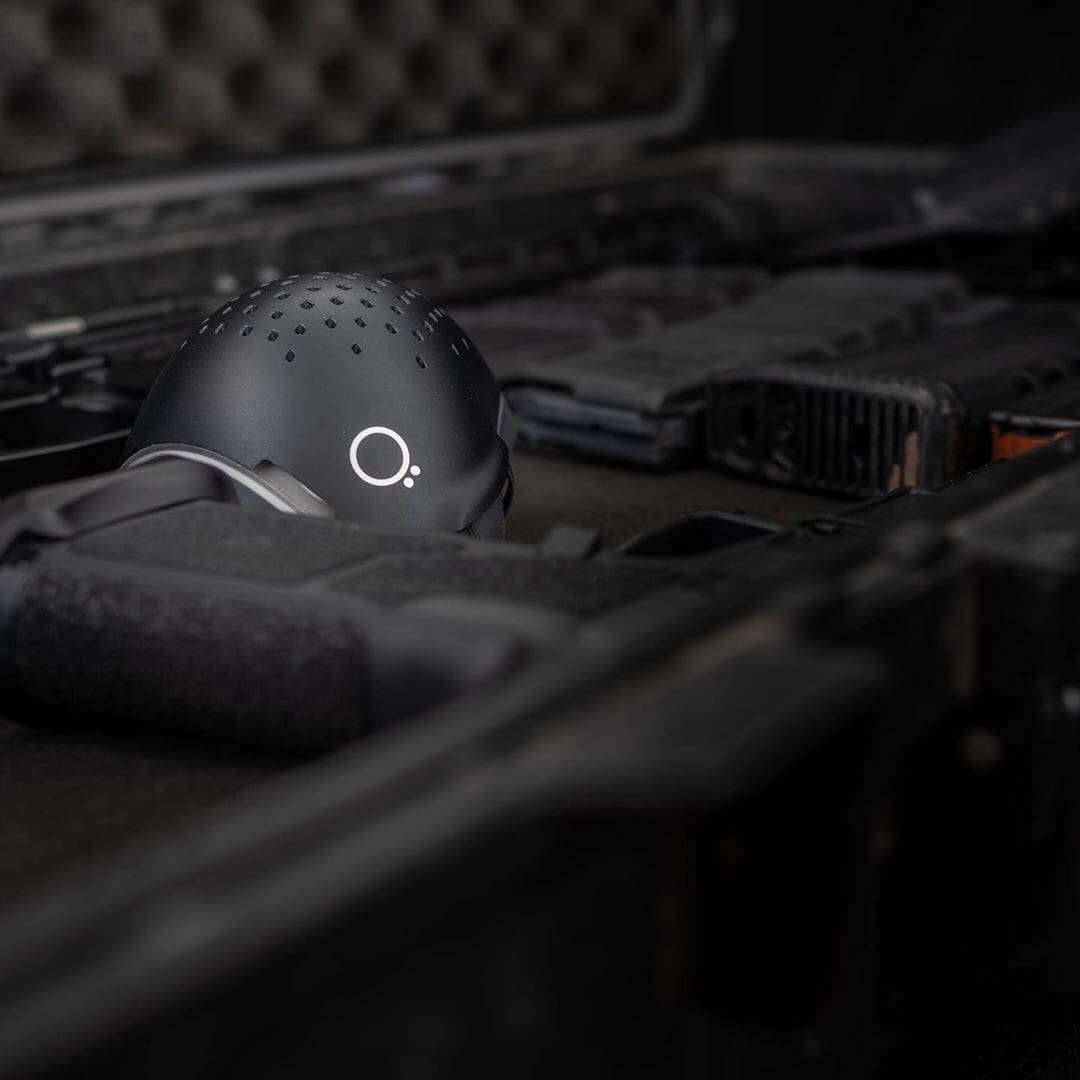
The Tactical Respirator is designed to protect from respiratory lead exposure in training environments. It will also protect from dust and particulates while breaching or in other dusty environments.

It uses replaceable electrostatic filters which are 98.6% effective and block airborne contaminates down to 0.1 microns. The seal is medical grade silicone.


It can be worn with eyepro and NVGs thanks to downward facing exhaust valves to prevent fogging.

The Tactical Respirator is available from Millbrook Tactical.

DSEI 19 – Electronically Enabled Textiles With Integrated Sensor Systems by Propel, LLC

Friday, September 13th, 2019

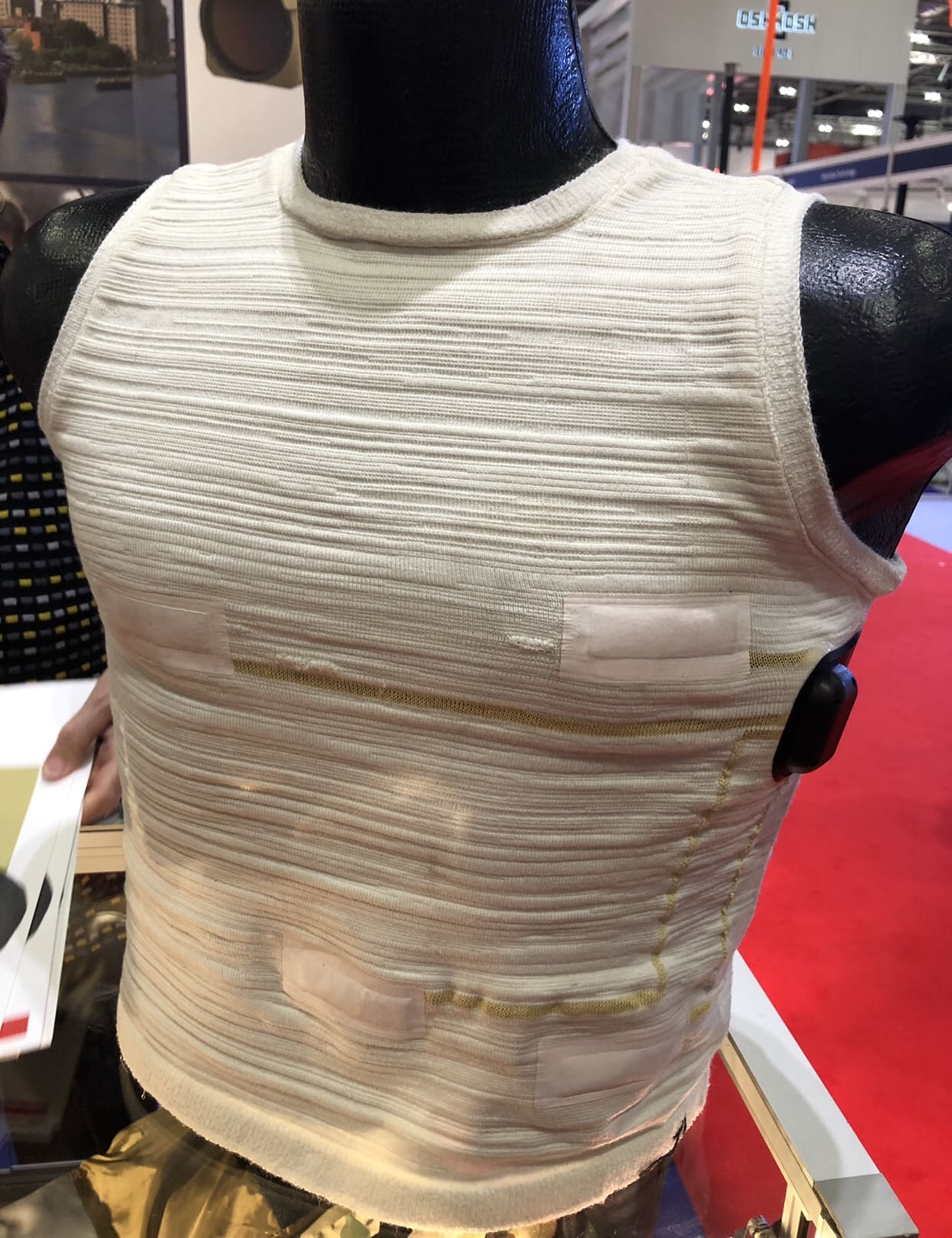
Propel developed Electronically Enabled Textiles with Integrated Sensor Systems for a US Navy Small Business Innovative Research Project to create wearable garments with embedded to monitor life signs of Navy SEALs while using submersibles.

What makes their technology different from others on the market is that they actually knit the sensors and cabling into the garment, unlike others who sew the sensors and cabling into the garments. Propel’s solution is more comfortable, durable and washable.

propel-llc.com

See REVIVE by Promoteq at DSEI

Monday, September 9th, 2019

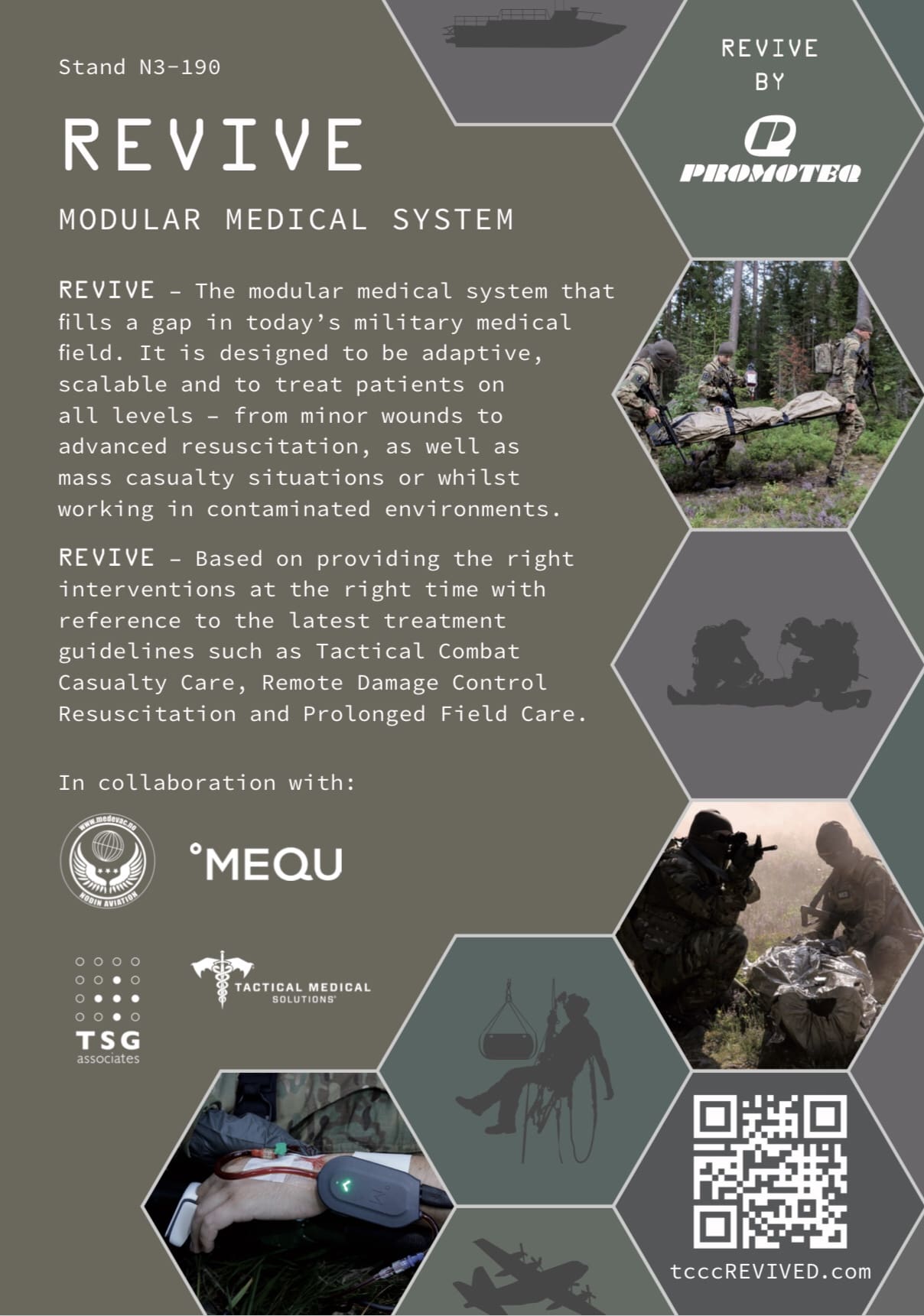
Today’s battlefield requires military forces to work within the full spectrum of operations. From low visibility to brigade size expeditionary engagements. This presents a new set of challenges for medical personnel when planning their operations. Working in denied areas often lead to long evacuation times to surgery and equipment restraints.

We offer a medical system that fills the gap in today’s military medical field. It is designed to be adaptive, scalable and to treat patients on all levels, from minor wounds to advanced resuscitation in the field, as well as mass casualty situations or whilst working in contaminated environments.

The medical modules can be used in the full spectrum of military operations with different levels of care integrated. All based on providing the right interventions at the right time with reference to the latest treatment guidelines such as Tactical Combat Casualty Care, Remote Damage Control Resuscitation and Prolonged Field Care.

See Promoteq at DSEI in stand N3-190.

Medical Assault Combat Belt System awarded NSNs

Wednesday, August 14th, 2019

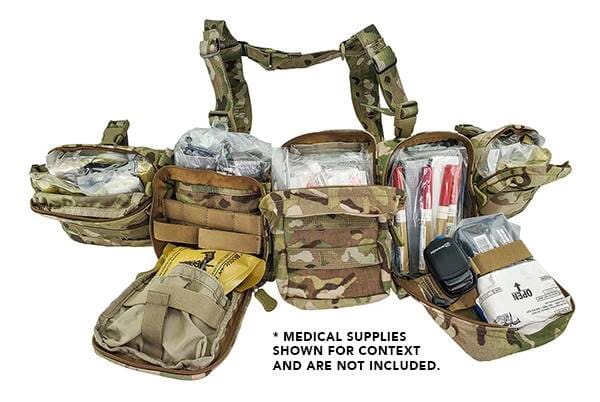
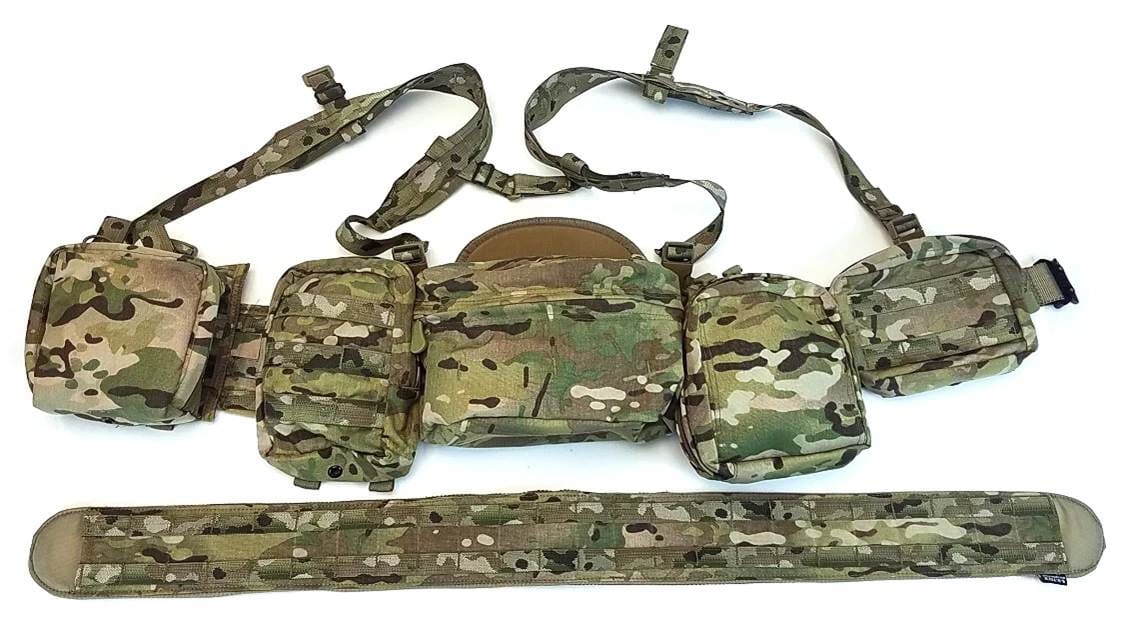
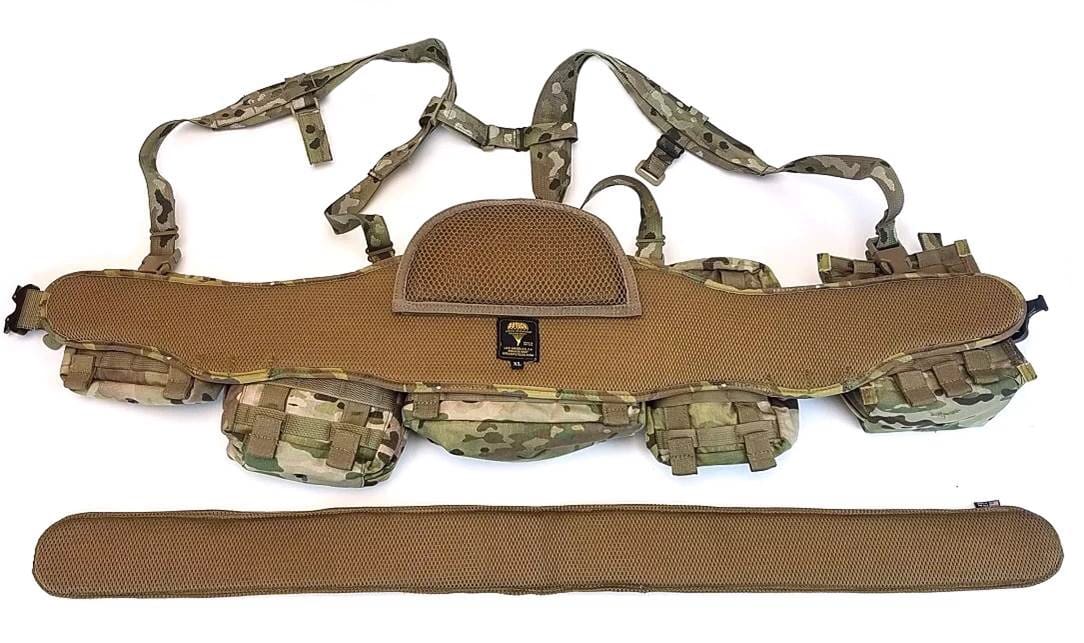
Medical Belt with Choices of Belt Pads, Pouches and Harness – designed to replace the 18D’s Medical Assault Chest Harness.

NSN: 8465-01-675-2118
NSN: 8465-01-675-2107

Previously with too much medical gear in an inaccessible pack, half of the medic’s load needs to be moved to an easy to access belt pouch system. The S.O.TECH Medical Belt System provides the medic with a choice of pouches mounted to a load bearing belt which can be suspended optionally from a shoulder harness (included). The load bearing belt is comprised of three elements, a strength rated safety belt, a contoured padded MOLLE over belt, and a slim padded MOLLE over belt (note that there is one safety (riggers cobra belt) and two sleeves per kit). This provides options for long duration use and for short term low profile use. The belts have optional anchor points for the harnesses’ quick disconnect buckles (some medics will want a harness, others will prefer it without a shoulder harness). The belts are designed so the medic can spin the belt around the waist placing the needed pouches to the front. * Belts are sized small/medium or large/X-large.

Full TMMCS Description: sotechtactical.com/collections/tmmcssystem

SOTECH’s Newest Mission Go Bag Receives NSN

Wednesday, August 7th, 2019

SOTech is proud to announce that its newest generation of the Mission Go Bag, designated the Modular Medical Pack, Small, OCP, MMPS-OCP has been awarded  NSN 8465-01-679-0365.  This bag is also a part of the Tactical Medical Modular Carriage System TMMCS.

Designed as a satchel go bag that is contoured to hug the body and can be worn as a shoulder bag, waist pack, fanny pack, briefcase, ruck lid, vest pouch or vehicle bag. The S.O.TECH Mission Go Bag fulfills multiple mission requirements, and has been in use by SOCOM as part of the BALCs Pack Suite for over a decade.

In honor of the DLA making TMMCS available to the troops, we are offering the Modular Medical Pack – Small (also known as the Mission Go Bag) in OCP for 15% off on a limited run of the first 50 bags. Get them while supplies last on the SOTechTactical.com website!

Mission Spec Issues The TQ Challenge

Wednesday, August 7th, 2019

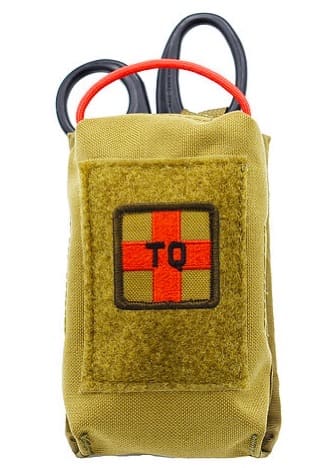
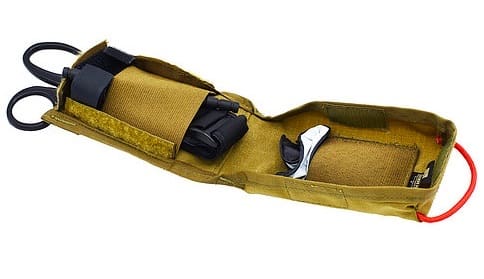
Mission Spec wants more people to carry tourniquets on their person everyday.  Do you carry at tourniquet?  Make a video with #HowITQ explaining how you carry your TQ.  Keep it short. Keep it simple. Maybe we can make a difference and get more people to carry a TQ.

563d RQG Airmen Rescue Injured Mexican Fishermen

Saturday, July 20th, 2019

DAVIS-MONTHAN AIR FORCE BASE, Ariz. —

Airmen from Davis-Monthan Air Force Base’s 563d Rescue Group traveled more than 1700 miles, to save two critically injured Mexican fishermen onboard the Mazatun fishing vessel, July 10, 2019.

 The fishermen were injured when their vessel’s crane collapsed more than 1300 miles southwest of San Diego in international waters at approximately 8 p.m., July 9. Fishing nets obstructed Mazatun’s propellers during the incident making the boat unable to transit under its own power. The two severely injured fishermen were transferred to Mazatun’s sister ship, Tamara, who began making the three day journey to the nearest land, a Mexican naval outpost on Socorro Island located more than approximately 840 miles away.

 Due to the severity of the injuries and the ship’s isolated location, an urgent request was made for the specialized skills of U.S. Air Force Rescue. In response, the 563d RQG deployed multiple HC-130J Combat King II aircraft from the 79th Rescue Squadron to Tamara as it sailed to Socorro Island, July 10. Pararescuemen from the 48th Rescue Squadron parachuted from the HC-130J into the ocean. They intercepted and boarded the Tamara, and provided trauma care for the injured fishermen. They quickly stabilized the patients and offered continued care for the rest of the voyage to Socorro Island.

 “The relationship that was built with the captain of the ship allowed a seamless integration of our PJs medical capabilities to be able to provide the best treatment for the two injured fishermen,” said Capt John Conner, 48th RQS flight commander of flight 3. “It also allowed us the opportunity to work how we were going to transfer the patient on the ship to Socorro Island. That relationship was key.”

 Tamara reached Socorro harbor Friday evening, July 12. The pararescuemen transferred the fishermen to the Mexican naval medical clinic on the island where they would stay overnight. The next day an air ambulance transported them to Mazatlan, Mexico for further treatment.

 “The unsaid skill Air Force Rescue offers is the ability to solve difficult problems in a timely fashion. This mission highlights rescue professionals’ ability to network within the 563d RQG, 355th Wing and a greater Tucson medical community to solve an incredibly difficult problem, and continue solving problems throughout the mission’s execution which can be seen by the infil methods, follow-on aerial resupply, and transfer of care/exfil conditions,” said Captain Michael Erickson, 48th RQS director of operations. “Air Force Rescue’s successful execution of the mission demonstrates one of the ways Davis-Monthan’s culture of readiness and problem solving skills can support the greater joint force and our mission partners.”

 “This is the longest domestic rescue the 563d RQG has accomplished,” said Lt. Col. Scott Williams, 79th RQS commander. “The unique nature and location of the accident required specialized care, and I’m proud of the job our entire team did to ensure these men returned home to their families.”

By A1C Kristine Legate, 355th Wing Public Affairs

SCUBAPRO Sunday – Blisters

Sunday, July 14th, 2019

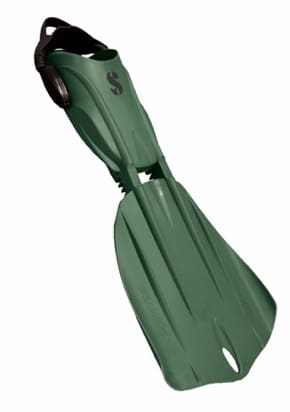
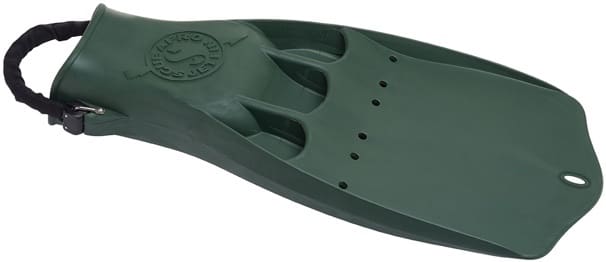
When you are doing a lot of diving, or you dive for the first time in new fin or a new dive shoe/ boots, you might tend to rub raw spot on the tops of your ankles, the backs of your heels or even on your toes. If you don’t have the option and you have to dive for whatever reason, say you are in the middle of your work up, or you are overseas and as part of your job you have to dive.  

Prevent Blisters

There are different types of socks for diving, neoprene, lycra, and the good old fashion wool dive socks, to help keep your feet warm and also protect from blisters. You can also try and wear everyday athletic socks. Wearing socks under your dive boots stop the booties from rubbing against your skin. Instead of rubbing against your ankles and heels, the boots rub against the socks. Socks also make donning and doffing your wetsuit easier. This is a good bonus for wearing socks. Even if your dive boots fit you perfectly, they still may rub your foot raw, if you dive enough or you get sand in your booties when you go thru the surf to get sand in your bootie. Wearing socks can help prevent some of these problems.

First, I am not a doctor, so take all of this as you will. I know there are 100s of ways to do this. This is what I have done in the past, and it worked for me

Treating Blisters

The key to preventing blisters is to eliminate friction. Shoes and boots should be well broken in, and you should make an effort to keep your socks as dry as possible by changing them when your feet get hot and sweaty or by taking your shoes or boots off periodically to let your feet and socks dry out when you take a snack break. That is how it is done on land, but in the water, you will be wet. So you will need to try and keep sand out of your booties as much as possible. If you are diving something new. Start with a short duration dive so you can break it in.

So there are basically two ways to treat a blister. First is to leave it alone and not pop it and treat by keeping it intact and basically leave it alone, time will heal it.  Drain it if needed. Second is to pop the blister. Once it is popped the best thing to do is treat it with Tincture of Benzoin. This will hurt, but it will help dry it out faster. Cover it with something the same way you usually would. Most people say to cut the center out of a bandage, so it looks like a donut and put it around it. Then put another one on top of the first one. This is to help stop the bandage from sticking to it. This can also be done with duck/riggers tape. Once a blister has been broken, it should be cleaned, disinfected, and then bandaged. Before bandaging the wound, an antibiotic ointment should be applied. Research has shown that the application of Neosporin or triple antibiotic gel will help kill off infecting bacteria after two applications and accelerate the healing process.

Unbroken blisters that are painful should be drained. This is caused by the build-up of fluid in the blister, so removing it will help relieve the pain. First, disinfect the area. Prick with a clean sterilized needle. Leave the skin overlying the blister in place to prevent infection. Apply antibiotic gel to the site of the needle pricks and cover with a bandage. After your dive replace the dressing at some point. You can let it dry out overnight if you want.

Tincture of Benzoin on a q-tip is a bonding agent that can also be used to seal the roof of the blister to the exposed skin underneath. It already contains alcohol, so a separate application is unnecessary. It will hurt, but it will help dry it out, and it should heel faster.