The US Army has two Mountain Schools. One is run by the Vermont National Guard, located in Jericho, and has been around for decades. The other is a more recent creation. The Special Forces Advanced Mountain Operations School is located at Fort Carson, Colorado and operated by A Company, 2nd Battalion, 1st Special Warfare Training Group (Airborne). although initially founded out of necessity by the 10th Special Forces Group (Airborne).
Master Mountaineering Course students at the Special Forces Advanced Mountain Operations School conduct a one-day operation in the Colorado Rockies, bringing an ODA-sized element up Longs Peak.
The French 27e bataillon de chasseurs alpins (27e BCA) or 27th Mountain Infantry Battalion recently conducted high altitude mountaineering training in Chamonix. This unit has seen extensive action in Afghanistan. Take a few minutes to check out their equipment. The Overwhites are an Arktis design.
The recent Military Mountaineering Work Shop coverage sparked some real debate which I was quite happy to see. One of our readers, David Leaning of Magnetic North Travel put this article together which I hope will both inform and spark further discussion on the top of military skiing.
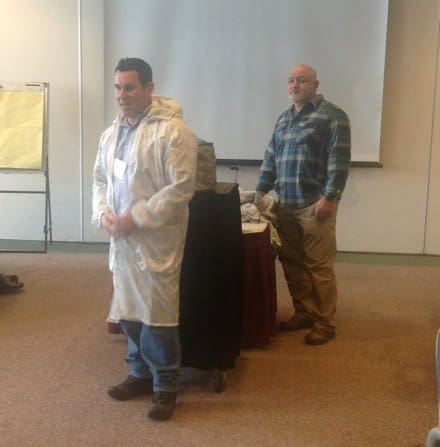
The initial discussion at the Workshop focused on Overwhites. Initially, the group discussed the old cotton Overwhites that date back to WWII. Then, it turned toward the USMC’s newer nylon Overwhites. Unfortunately, few have access to this system outside of the Marine Corps due to the proprietary pattern. Consequently, some units have identified requirements and Velocity Systems developed a 3-piece Overwhites system consisting of gaiter, over pant and parka. Both over garments feature pass through zippers and pockets with slotted buttons.
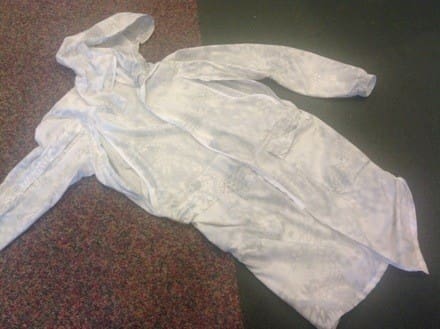
The focus tends to be concealment rather than performance. Velocity chose Kryptek’s Yeti pattern and a treated nylon fabric that won’t absorb water. Below, you can see the parka on the ground. As you can see, it is a very lightweight material that is also highly compactable.
Both Velocity Systems and Mayflower also offer armor carriers in the Kryptek Yeti pattern for use in mountain and arctic environments.
SSD is at the 2nd Annual Military Mountain and Cold Weather Work Shop. We’ll offer as much coverage as possible, all the while protecting sensitive TTPs, capability gaps and the identities of attendees.
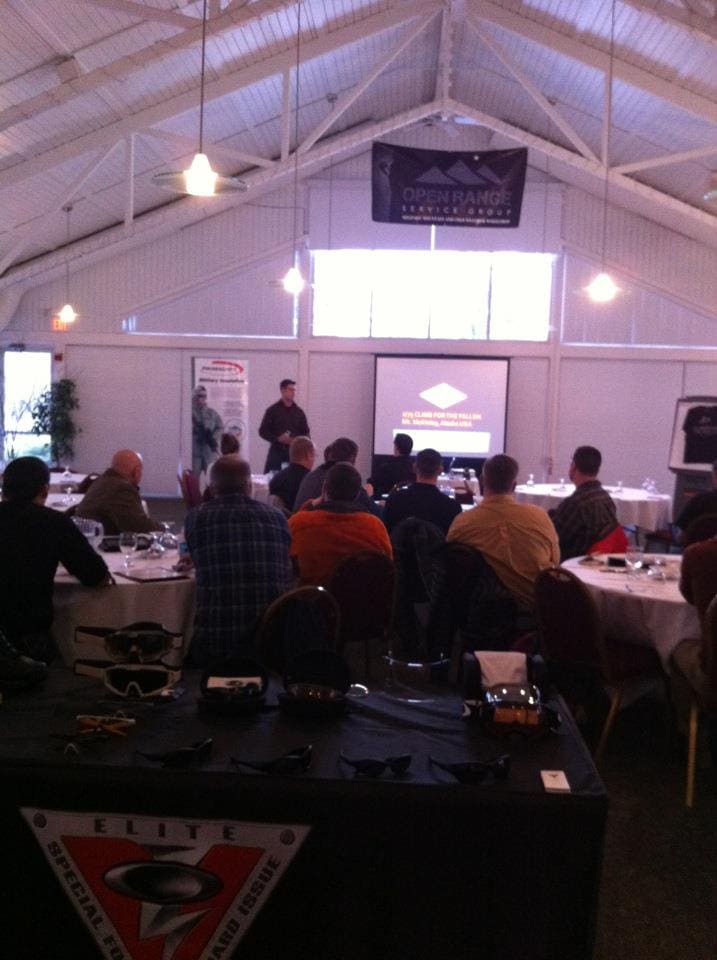
I attended last year’s conference and I can tell you that it was a great mix of military mountaineering user representatives and industry. This year’s Military Mountain and Cold Weather Work Shop takes place next week in Stowe, VT 20-22 February.
Coordinated by Open Range Service Group, the Military Mountain and Cold Weather Work Shop is centered around practical exercise and use of the feature products of the attending vendors in a fantastic outdoor setting. Attendees will not only get to try gear out, but also cross pollinate experiences and TTPs.
As many of you know, travel and budget restrictions are hitting DoD hard. Consequently, they are introducing the Military Mountaineers Endless Knot Foundation. ORSG is teaming with past and present Mountain Soldiers to create this new opportunity. The Endless Knot Foundation will provide a venue where Military Mountaineers can unite and give back to the disciplines that they all have in common: the Military and the Mountains.
What’s more, any profits from this year’s work shop will be going to the Military Adaptive sports program. Retired Sergent Major Pat Viljanen is working with the program and will be on hand at the event, running clinics and giving a presentation on this truly amazing program.


A couple of weeks ago we wrote about the TRACE Systems Green Kit from Canada’s CTOMS. We were impressed that someone had produced a great rack setup for military mountaineers but some readers complained about the tactical color of the gear.

On CTOMS’ Private Bloggins site, they addressed some of the issues raised on SSD in a post entitled, “What Color is Your Rack?” What we love about their piece is that they went out and demonstrated the reason they developed the green kit in the first place by sharing photos of climbers with commercial climbing gear. It’s definitely worth a read whether you are a military mountaineer or just interested in camouflage.
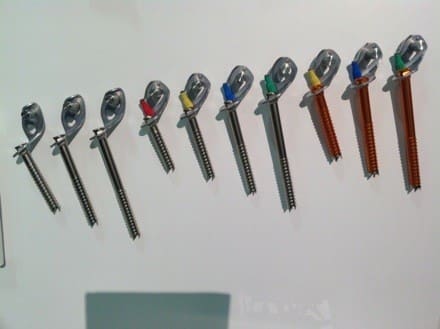
New for 2013 are the Laser, Laser Speed and Laser Speed Light. The common denominator to all of these is the new tooth. Rather than 6-7 mm tooth, they’ve cut it back to 4mm which offers quicker purchase in the ice making for a faster application of the ice screw. The orange colored shanks denote the Laser Speed Light screws which combine an aluminum shank with steel teeth press fit into the aluminum tube. This sheds about 30% weight.

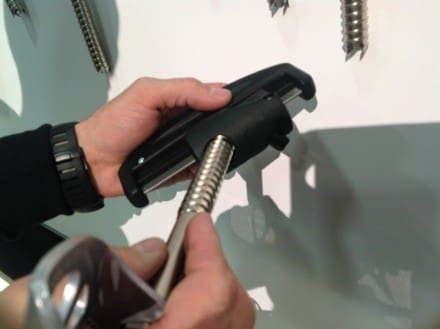
Petzl has also introduced the Lim’ice, a $69 ice screw sharpening tool. No longer do you have to take a trip to Ouray Colorado to sharpen your ice screws. Now, you can do it right in the backcountry. This hand operated device allows you to file both sides of the tooth.
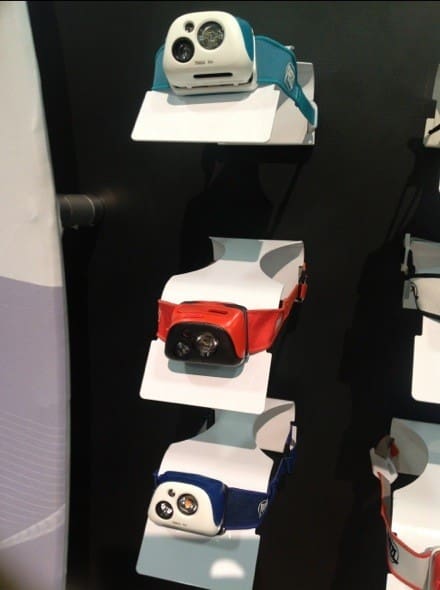
The new Tikka R+ and Tikka RXP have combined the reactive lighting of the Nao with the Tikka form factor. Reactive lighting optimizes the internal rechargeable battery and adapts to the amount of ambient light.