Celebrate 20 years of the TLR-1

Archive for the ‘Sensors’ Category

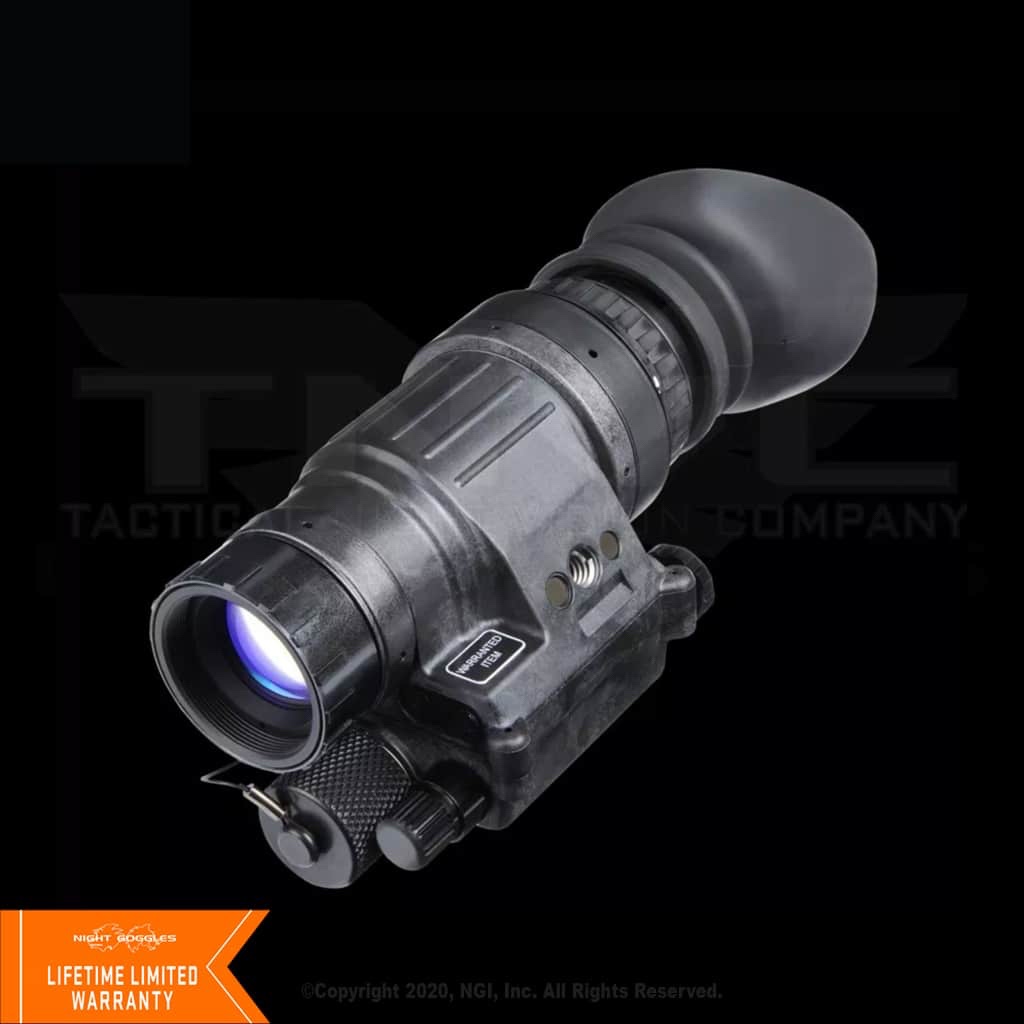
Night Goggles NGI/PVS-14 XLS Available Again at TNVC!

Thursday, February 10th, 2022

February 10th, 2022

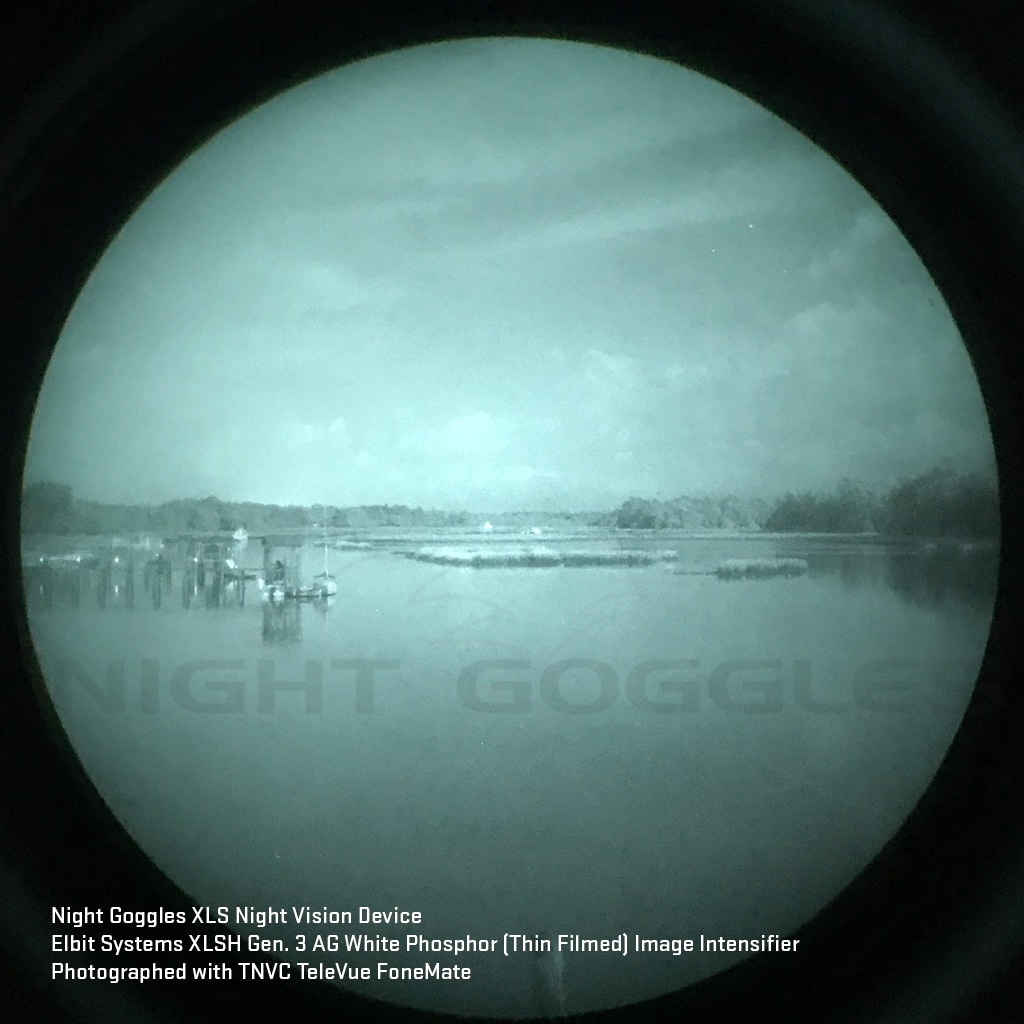
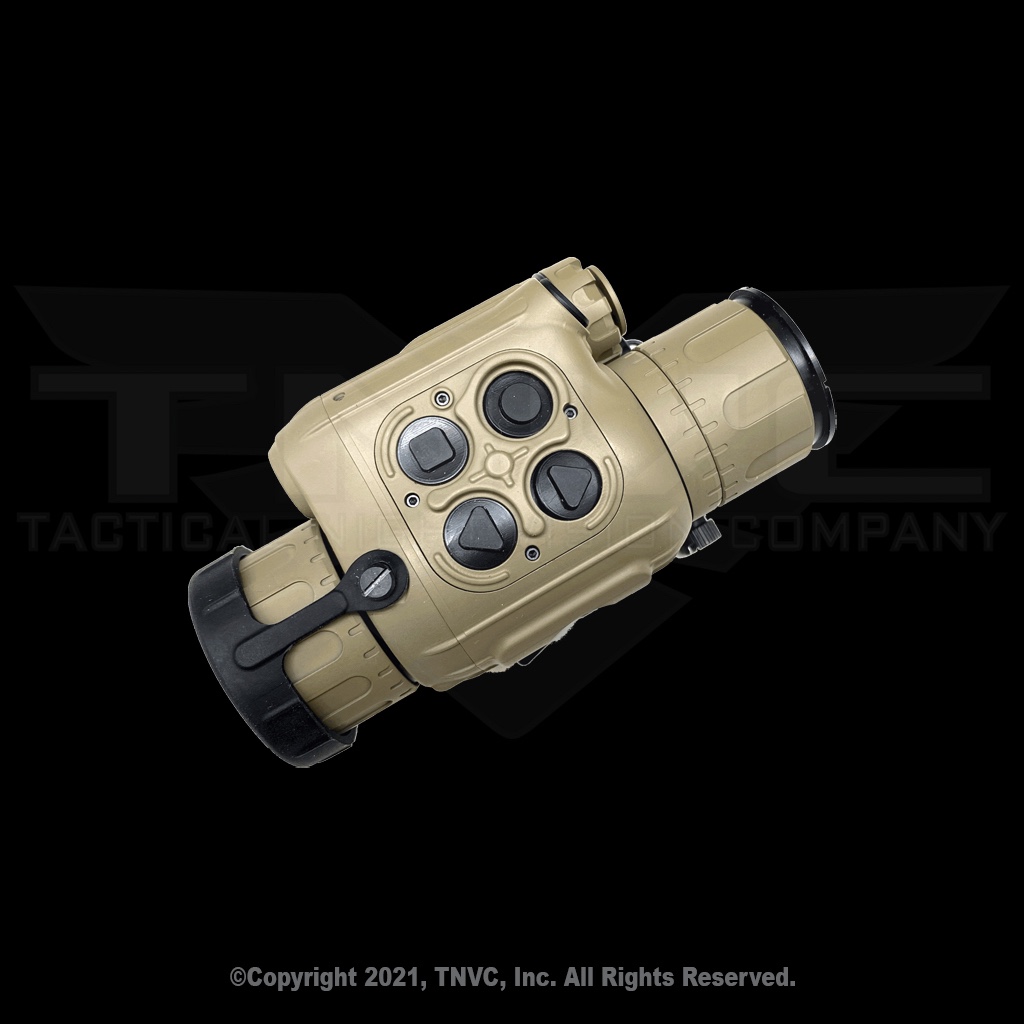
TNVC is excited to announce, for a limited time, the re-release of the best-in-value Night Goggles NGI/PVS-14-XLS Monocular Night Vision Device (MNVD) with Elbit Systems of America Night Vision (ESA-NV) Thin-Filmed F9415XLSH Thin-Filmed White Phosphor Autogated Gen. 3 Image Intensifier Tubes.

The NGI/PVS-14-XLS MNVD is the perfect entry-level night vision device, using the latest Gen. 3 image intensifier tube technology, and come off the same production lines as the image intensifiers used in the DoD’s AN/PVS-31D Binocular Night Vision Device, AN/AVS-6/9 Aviator’s Night Vision Imaging System (ANVIS), and AN/PSQ-42 ENVG-B (Enhanced Night Vision Goggle – Binocular). The NGI/PVS-14-XLS also comes with TNVC and NGI’s industry-best Lifetime Limited Warranty, including 10 years on the image intensifier tube and a lifetime on the housing/system.

The NGI/PVS-14-XLS is available now at TNVC to vSHOTT registrants for $2,595.00, and will be available to the public starting Friday, February 11th 2022:

tnvc.com/shop/category/night-vision/night-vision-monoculars

Originally introduced in 2020, the NGI/PVS-14-XLS has been one of the most popular TNVC and NGI products in history with such overwhelming demand on that we can only offer a limited number of units at any one time.

An extremely limited number of units remain in stock, with more units being assembled as we speak that will be available for Pre-Order.

Don’t miss one of the best values in the Night Vision market, the Night Goggles NGI/PVS-14-XLS – $2,595 at TNVC, available now to registered vSHOTT participants, and available to all customers starting Friday, February 11th, 2022.

TNVC and Night Goggle’s vSHOTT Presentation concludes tonight at 8PM Eastern / 5PM Pacific from the Lightforce USA Headquarters in Pooler, Georgia with more featurettes, videos, live panel discussions, and live giveaways, including a Grand Prize drawing for an L3Harris PVS-14 (M914A) Unfilmed White Phosphor Monocular Night Vision Device Prize Package!*

Registered participants will receive e-mailed promotional pricing, discount codes, and other vSHOTT Specials not available anywhere else, As well as many other great giveaways from our sponsors! You must be registered below to win and receive promotional pricing and discounts:

tnvc.com/vshott

You can register for vSHOTT at any time (including during the stream), YOU MUST BE REGISTERED to be entered for that evening’s drawing (only one registration is necessary to be eligible for all giveaways and promotions for the week) and receive that day’s promotional materials (via e-mail, so check your “junk” folders if you don’t receive them).

Register and watch: TNVC.com/vSHOTT

*open to U.S. citizens residing in the U.S. only subject to verification and ITAR

Pixels on Target VooDoo-S Multi-Mission Thermal Thermal Sight, Available Now at TNVC

Wednesday, February 9th, 2022

February 9th, 2022

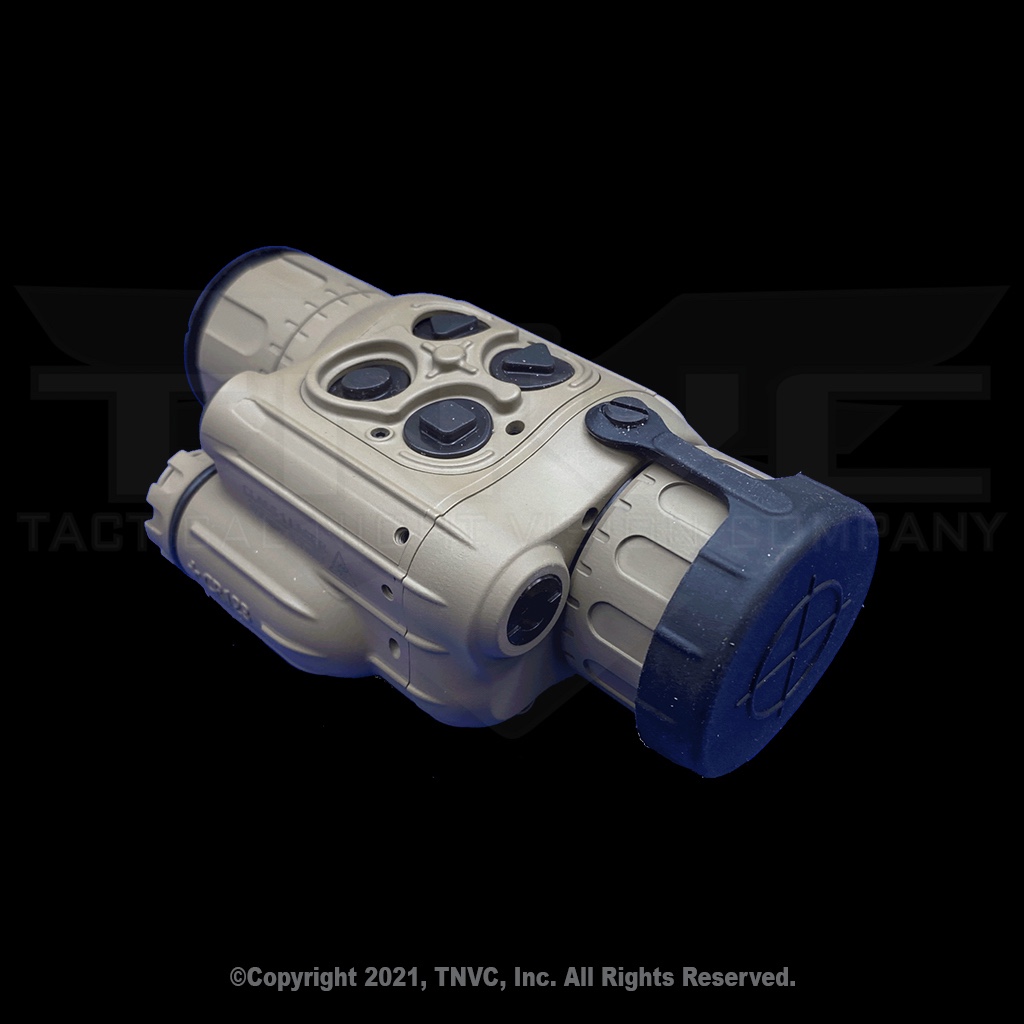
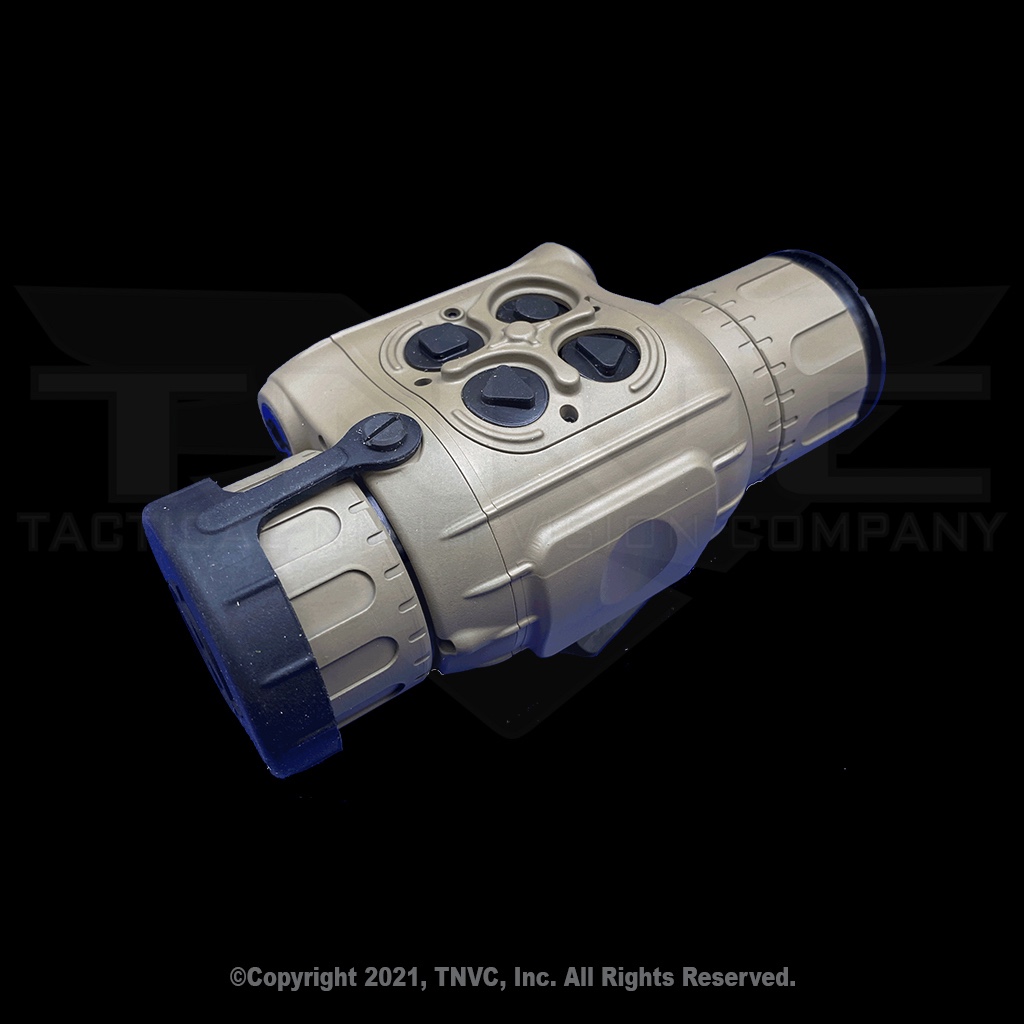
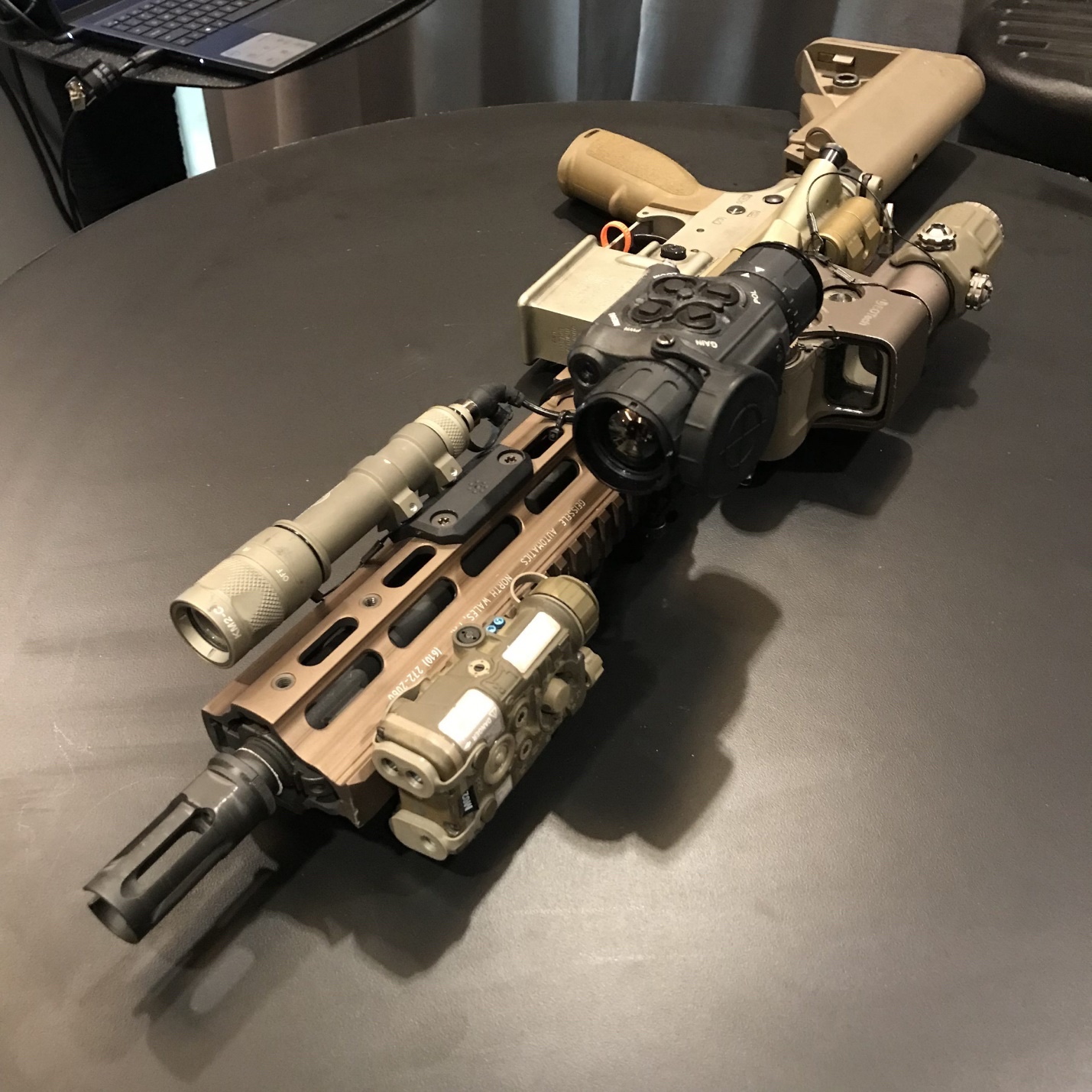
TNVC is proud to be partnering with Pixels on Target for the full, commercial release of the Pixels on Target VooDoo-S is a short/medium range multi-mission thermal sight.

Publicly debuted by TNVC at the 2020 NSSF Shooting, Hunting, and Outdoors Trade Show and featured during TNVC’s First Annual vSHOTT 2022, the VooDoo-S is the next generation of tactical thermal imaging. VooDoo-S is feature rich, yet easy to use. All in one hand, all under 10-ounces, and at long last, is available and in-stock now:

tnvc.com/shop/pixels-on-target-voodoo-s

The VooDoo-S is the latest thermal weapon sight, and is currently fielded and in-use by some of the most elite forces within the DoD as well as other government entities. Since the first time we handled the early Pixels on Target VooDoo-Family of Thermal Weapon Sights, we’ve been extremely impressed by these units and have been extremely eager to be able to offer these as the VooDoo has undergone multiple trials and continuous refinement to provide one of the best thermal weapon sights and clip-ons available.

Unlike many other products in its class, is available to both government AND Commercial markets. Not as gray market or contract-overruns or with reduced capabilities, the VooDoo-S is available as a COTS “Commercial Off The Shelf” product with the full range and capabilities and performance to all users (subject to ITAR compliance).

The Pixels on Target VooDoo-S is a multi-mission uncooled thermal imaging sight designed and optimized for small and medium caliber weapons as a true Clip-On. It also serves as a stand-alone sight, hand-held viewer, or helmet-mounted system. The VooDoo-S also features a Class 1 Eye-Safe IR laser which is extremely useful for marking targets for other users equipped only with image intensified night vision.

VooDoo-S provides one of the sharpest thermal images on the market, utilizing a shutterless 12-micron, 640 x 480 PIXELS core powered by an advanced focal plane array and thermal image processor. VooDoo-S is mission-ready and can be purchases as an “Optic-Only” Kit or a “Standard Kit” with a Wilcox Industries Flip-to-Side (FTS) mount, which allows seamless transition from day optics to thermal sight while maintaining zero. VooDoo-S features advanced ergonomic design for one-handed operation, tactile-positive feedback, and silent buttons that are easily manipulated while wearing gloves.

tnvc.com/shop/pixels-on-target-voodoo-s

Pixels on Target VooDoo-S Optic-Only Kit: $16,599

Pixels on Target VooDoo-S Standard Kit (includes Wilcox Industries FTS Dovetail Mount): $16,999

Initial units are finished in FDE Cerakote, both Black and FDE versions will be available.

VooDoo-S provides accuracy to <0.5 MOA at 100 yards, and features a patent pending dual-lateral Matrix adjustment mechanism to achieve zero POA/POI shift, and is “CAR Hardened,” and rated for use on the MK 17 MOD 0 and MK 20 7.62 “SCAR Heavy” weapon systems. The VooDoo-S will also be joined by the VooDoo-M Medium Range Thermal Weapon Sight, as well as the VooDoo-B Thermal Binocular.

TNVC and Night Goggle’s vSHOTT Presentation continues tonight at 8PM Eastern / 5PM Pacific from the Lightforce USA Headquarters in Pooler, Georgia with Night Goggles Takeover – led by Tom Austin, the Director of Night Goggles, focusing on hunting, outdoors, and other recreational uses of Night Vision, thermal, and Visual Augmentation Systems technology, as well as a very special announcement!

Registered participants will receive e-mailed promotional pricing, discount codes, and other vSHOTT Specials not available anywhere else, including a Grand Prize on Thursday of an L3Harris PVS-14 (M914A) Unfilmed White Phosphor Monocular Night Vision Device Prize Package!* As well as many other great giveaways from our sponsors! You must be registered below to win and receive promotional pricing and discounts:

tnvc.com/vshott

You can register for vSHOTT at any time (including during the stream), however YOU MUST BE REGISTERED BY 5:00PM ET, 2:00PM PT each day to be entered for that evening’s drawing (only one registration is necessary to be eligible for all giveaways and promotions for the week) and receive that day’s promotional materials (via e-mail, so check your “junk” folders if you don’t receive them).

Register and watch: TNVC.com/vSHOTT

*open to U.S. citizens residing in the U.S. only subject to verification and ITAR

Robot Dogs Take Another Step Towards Deployment at the Border

Tuesday, February 8th, 2022

The American Southwest is a region that blends a harsh landscape, temperature extremes and various other non-environmental threats that can create dangerous obstacles for those who patrol the border. The territory is vast and monitoring it is critical to our nation’s security. That’s why the Science and Technology Directorate (S&T) is offering U.S. Customs and Border Protection (CBP) a helping hand (or “paw”) with new technology that can assist with enhancing the capabilities of CBP personnel, while simultaneously increasing their safety downrange.

S&T has a deep understanding of CBP’s technology needs in the field. In its role as the research and development arm of the Department of Homeland Security (DHS), S&T is always identifying solutions to support the complex CBP mission. For instance, S&T is currently supplementing CBP’s bipedal human personnel with quadruped mechanical reinforcements to help the agency better allocate resources. In this case, Man’s best friend comes with a very futuristic twist.

“The southern border can be an inhospitable place for man and beast, and that is exactly why a machine may excel there,” said S&T program manager, Brenda Long. “This S&T-led initiative focuses on Automated Ground Surveillance Vehicles, or what we call ‘AGSVs.’ Essentially, the AGSV program is all about…robot dogs.” 
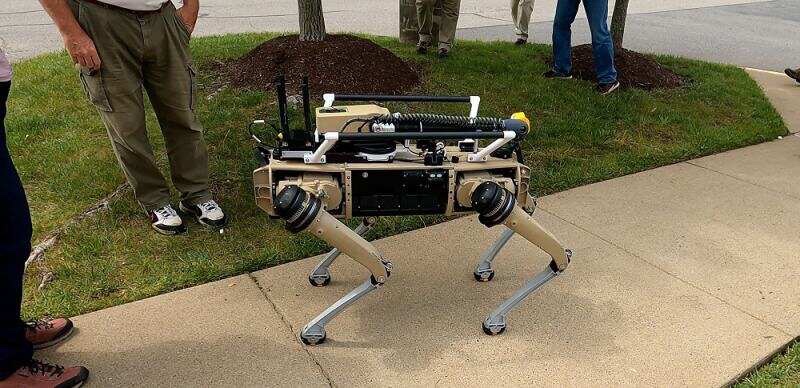

A robot dog showing off capabilities during testing in Lorton, Virginia.

The goal of the program is to leverage technology to force-multiply the CBP presence, as well as reduce human exposure to life-threatening hazards.

Early on, CBP voiced interest in a four-legged ground drone solution, and Long was more than happy to get to work on it. S&T’s AGSV Program collaborated with Ghost Robotics, an industry partner that develops advanced AGSV systems, to achieve the objective. When Ghost Robotics was brought into the fold, they saw an opportunity to re-engineer a version of their pre-existing robot dog for the multifaceted CBP mission.  

According to Gavin Kenneally, the chief product officer at Ghost Robotics, their 100-pound robot dog was bred for exactly the type of work that CBP needs done, “It is a rugged, quadruped robot. It traverses all types of natural terrain including sand, rocks, and hills, as well as human-built environments, like stairs. That’s why you want legs, and not tracks.”

Downrange, the Danger to CBP Agents and Officers Is Very Real

Due to the demands of the region, adding quadruped mechanical reinforcements is a smart use of resources. Despite the dangers, and maybe even using them as cover, there are many types of illegal activity that happen in the harsh border zones.

“Just like anywhere else, you have your standard criminal behavior, but along the border you can also have human smuggling, drug smuggling, as well as smuggling of other contraband—including firearms or even potentially, WMD,” explained Agent Brett Becker of the CBP Innovation Team (INVNT). “These activities can be conducted by anyone from just a lone individual, all the way up to transnational criminal organizations, terrorists or hostile governments—and everything in between.”
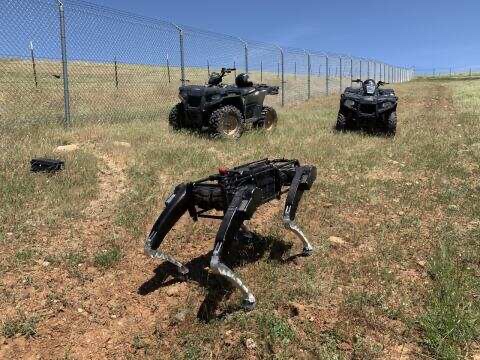

A robot dog operating alongside ATVs in the southwest U.S. Photo: Courtesy Ghost Robotics.

Becker elaborated on the perils by adding, “Operating out in the desert or mountains, agents and officers have to contend with the rugged terrain, high heat and humidity, and then, of course, they can come across those who wish to do harm. But there are plenty of risks closer to home, too. For instance, when missions take Border Patrol Tactical Operators into towns, cities, or ports, they can encounter hazardous environmental conditions, volatile individuals, or hostile threats. These situations can all be inherently dangerous.”

The challenges that CBP faces are not lost on Long, “A big part of our job here at S&T is to understand the current operational needs of our DHS components and find innovative technologies to support them. We are keenly aware that the CBP mission is broad and the risks to personnel are many, and that’s why S&T’s work to fill capability gaps is so critical. And that’s specifically why we think that the robot dog solution is such a great fit.”

S&T Knows That Teamwork Makes the Machine Work

S&T has been working with CBP, Ghost Robotics, and the team for about two and a half years on specifications, development, and capability testing. This collaboration has yielded important CBP mission-focused advancements to the AGSV platform.

For S&T, building and managing partnerships (both interagency and public/private) is an integral part of executing its mission. S&T also understands that good communication is essential in any relationship, and that’s especially true when it comes to its valued partners.

“After talking with our partners at CBP INVNT, we built a team, and together, we identified the capability gaps, defined the challenges, and developed criteria and testing simulations called ‘use-case exercises.’ Then, having set the bar of expectation for the technology, we communicated all of that to our performer,” said Long.


A video camera or sensor package (known as a “payload”) can be attached to a robot dog. Photo: Courtesy Ghost Robotics.

Before moving into the use-case exercise phase, the robot dogs first went to a facility in Lorton, Virginia, for the “initial payload integration” phase. The so-called “payloads” are video and other sensor packages that, after being mounted onto the robot dog, can transmit real-time video and other data back to the human operating or monitoring the AGSV. The team assessed the ease and integration of loading different payload cameras, sensors, and radios onto the AGSVs, and then tested their ability to be controlled from a laptop or a handheld remote. Movement on asphalt, grass, and hills was also evaluated.
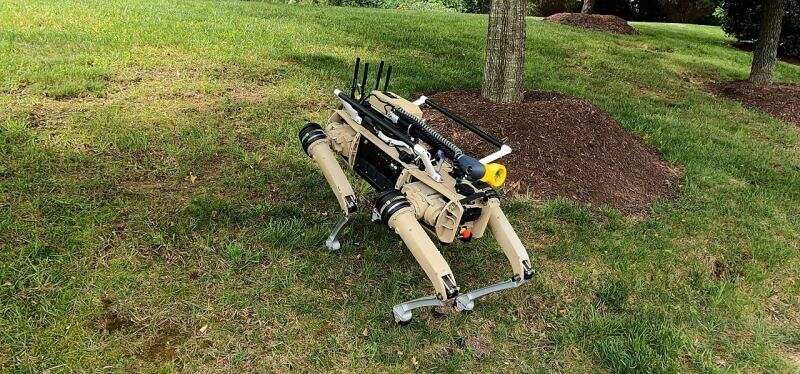

A robot dog practices climbing up and down grassy hills.

Having successfully passed the milestones in Lorton, things moved to El Paso, Texas, for advanced testing and evaluation.

S&T Capability Assessments Determine if the Programmable Pooches Are Up to the Task
A robot dog on maneuvers, traversing a rugged landscape in the desert southwest.
Along the border, the challenges ramped up as the use-case exercises began. This phase assessed the capabilities of the robot dogs in realistic scenarios.

Long’s team worked with the U.S. Army’s Night Vision and Electronic Sensors Directorate (NVESD) and Ghost Robotics to ensure the robot dogs were prepared to engage in a diverse set of evaluation tasks. The El Paso use-case exercises would require the ability to maneuver in harsh environments, operate in tight spaces and be unphased by high heat, as well as low oxygen conditions—situations that are especially dangerous for CBP agents and officers.

“In a nutshell, the robot dogs would need to (figuratively) jump through a lot of hoops and show a significant amount of mission adaptability,” noted Long.

In an example of the platform’s desired flexibility, Ghost Robotics designed their payload capabilities as an open system. The benefit there is that it makes it easier to integrate different types of cameras (360-degree, thermal, night vision, zoom, etc.) and sensors (chemical, biological, radiological, nuclear, etc.) onto the robots. Once mounted, the payload is plugged into the high-performance CPU that runs the AGSV. During use, the AGSV maintains a connection to the operator via standard frequencies, such as radio, Wi-Fi, GPS, or other means. 

To ensure that the AGSVs could deliver as promised, they were tested by walking up hills, down ravines, and over rocks, all while carrying 20-pounds worth of payload.
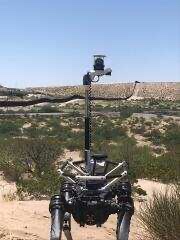
A robot dog scans a desert landscape with its camera and sensor while on sentry duty.
Then, the testing transitioned to an indoor training facility that was built to replicate a residential building. There, the robot dogs would encounter a scenario that simulated being met by potentially hostile individuals. Set to the operator driven mode and using the wireless connection, the operator would maneuver the AGSVs to enter the structure, move through hallways, and peer around corners, as well as navigate stairs.

Later, in a desert area, the dogs were programed to go on simulated sentry duty. Under this autonomous mode setting, the AGSVs headed out and made turns when they reached pre-determined GPS waypoints. After completing their circuit, they returned to base. This was done in the daylight, as well as at night.

Additional testing included putting the dogs through the paces of simulated inspections outside, inside, and under train cars at railyards.

Endurance testing was also an important part of the overall exercises. Data was collected on battery life and impact of terrain on that endurance.  Fortunately, when the Ghost Robotics team was working on its robot dog for CBP, the team focused a lot of energy on motor efficiency. Their objective was to ensure the battery-powered pooch could complete longer missions with the maximum payload onboard. They also designed their AGSV to be extremely nimble.
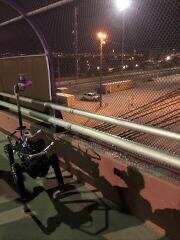
A robot dog inspects a railyard at night.
Kenneally says that their robot dog’s legs are so advanced and sensitive that, “It has the ability to feel through its motors and can estimate friction forces and automatically correct for uneven or slippery ground.” This self-correcting ability makes it an ideal platform for off-road operations across multiple environments.

Some of the other mechanisms the team evaluated were basic field maintenance and repair, such as the ease of swapping out worn “paw” treads.

Valuable information was compiled from each of the exercises. Long explained the process, “When industry develops a prototype, we (along with our partners in the field) evaluate the new technology and give feedback to the developer. That way, the next iteration of the tech accomplishes what we need it to do—and thus fills the capability gap we are targeting.” The benefit to industry is that the performers can potentially position themselves to be even more useful to CBP in the future, when the prototypes become commercial products available for procurement.

S&T Is Committed to Addressing Capability Gaps

Overseeing programs to develop and test robot dogs in real-world scenarios is a great example of how S&T is dedicated to bringing the most innovative advancements to its DHS components.

Long demystified the AGSV program by saying “Technology such as semi-autonomous drones (air, ground, and even water) are used effectively as force multipliers elsewhere—and robot dogs are no different.”
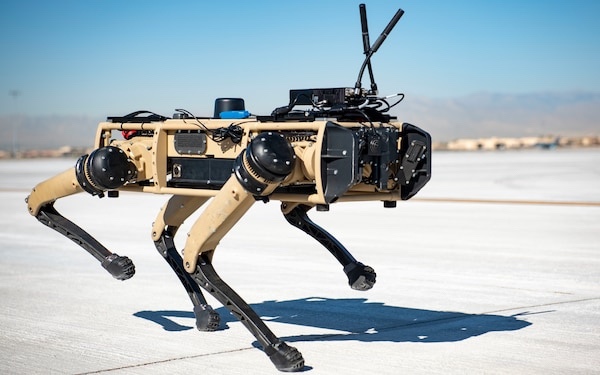

Robot dogs could fill important capability gaps and assist in the DHS mission. Photo: Courtesy Ghost Robotics.

In the future, could metallic beasts of burden shoulder some of the physically taxing and dangerous operational work to become a CBP agent or officer’s best friend?

After the successful completion of the use-case scenarios (that confirmed real-world capabilities) the robot dog work will continue with S&T leading the way. So, don’t be surprised if in the future we see robot “Fido” out in the field, walking side-by-side with CBP personnel.
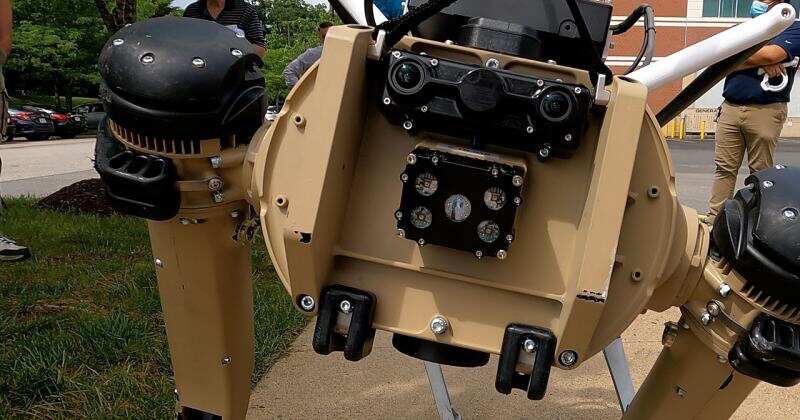

Potentially a new best friend for CBP personnel in the field.

Edgar Brothers to Deliver Fused Target Locator Solution to British Armed Forces

Wednesday, December 22nd, 2021

After a stringent tender process, Edgar Brothers are proud to announce the award of the multi-year contract by the UK Ministry of Defence to provide and support the British Armed Forces with the Fused Target Locator (FTL) solution for light reconnaissance operations.

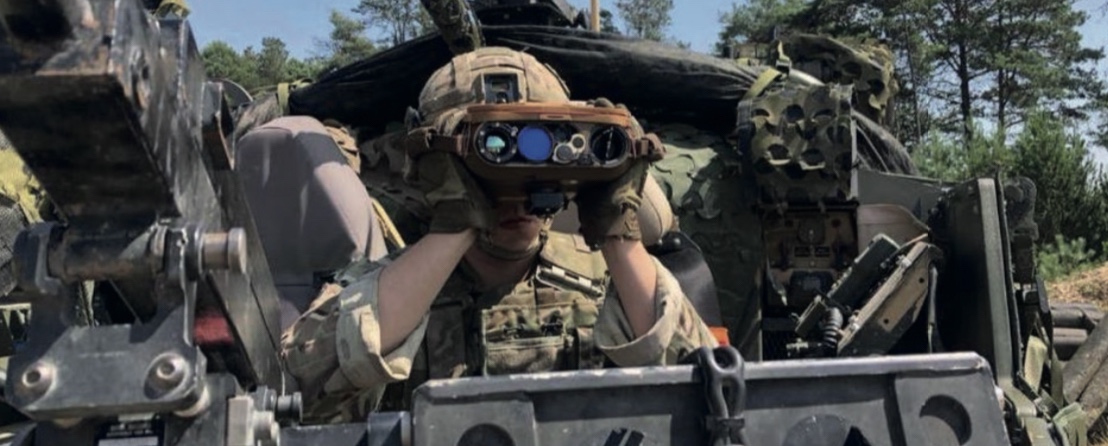
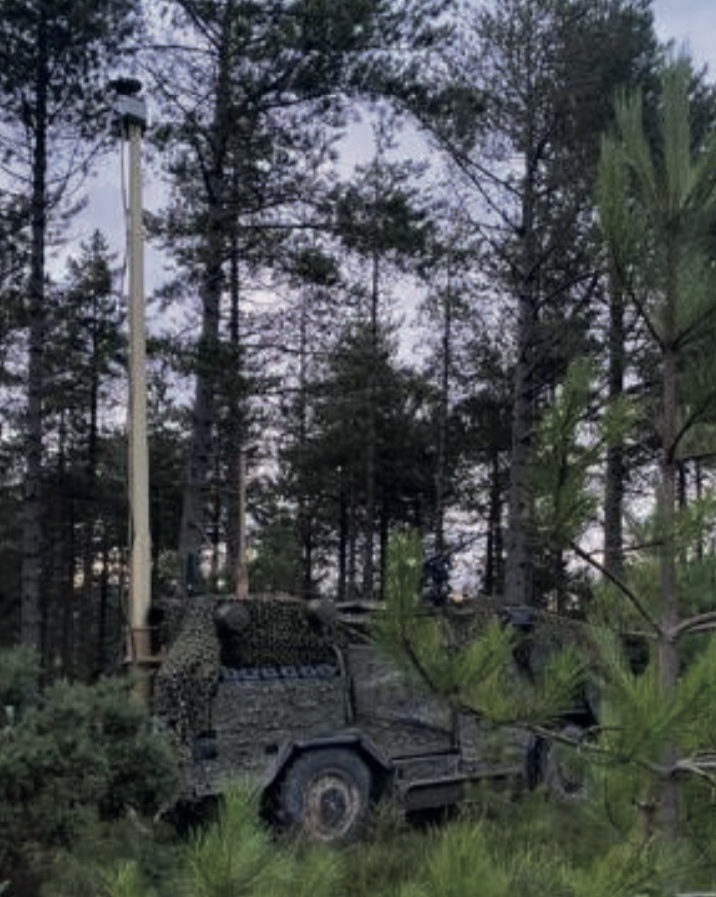
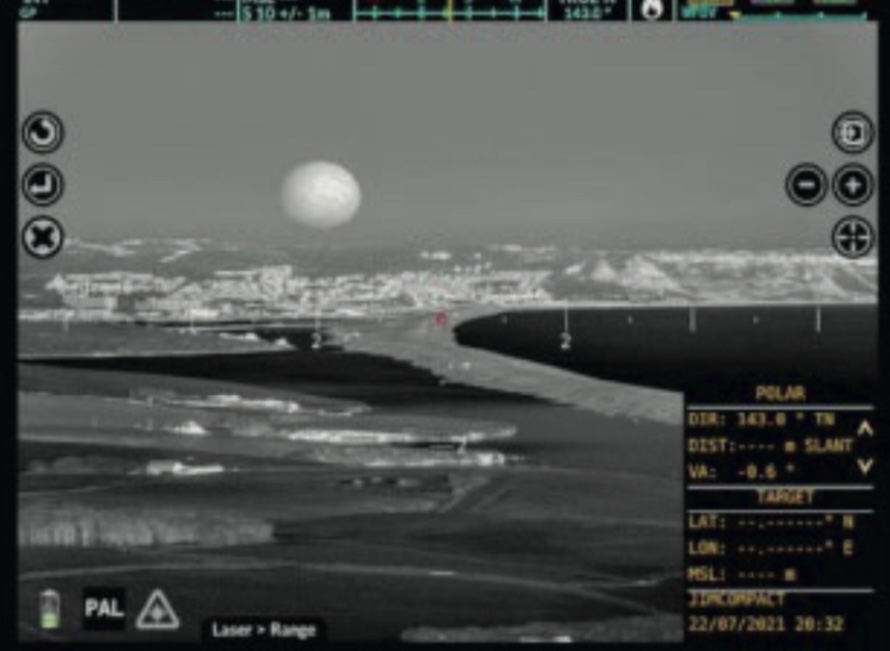
The successful system put forward by the Edgar Brothers team includes a carefully selected collaboration of industry leading partners utilising SAFRANs JIM COMPACT Lightweight, multifunctional, long-range binocular system, supported by Forsberg’s MANTIS® Battle Management System, integrated applying EXSEL Groups extensive expertise.

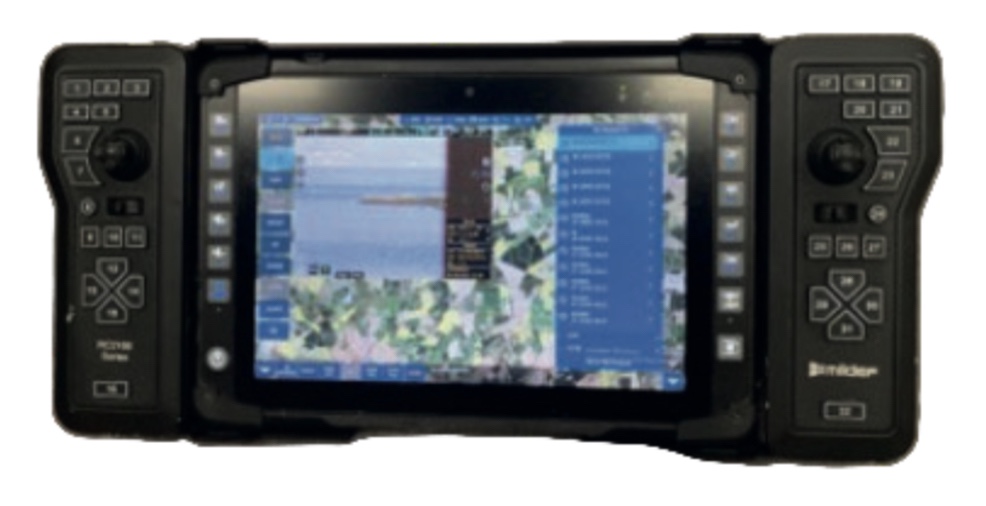
The system integrates to optimise operation of the JIM Compact. This world-leading sensor is remotely controlled on the masthead or tripod from the operator’s MANTIS® software loaded end user device. Providing a lightweight, low signature, multi-sensor surveillance and target acquisition system; that is man portable, vehicle mountable and will detect, recognise and identify likely adversaries at range, which enables timely and effective decision making.

“We are immensely proud to have been selected to supply the FTL system to UK MoD. Along with our industry partners Safran, Forsberg and EXSEL we feel we have created a system that will give our troops the edge in the battlespace for many years to come. The award of this contract enables us to create more jobs “ here in the UK as part of our continued growth strategy.

Mike Newman – Director at Edgar Brothers

For more information, please contact pmd@edgarbrothers.com

HENSOLDT Strengthens Exchange with Science Institutions

Monday, December 13th, 2021

Research projects at the University of Ulm provide insights into the digital “radar of the future”.

Taufkirchen/Germany, December 9th, 2021 – Sensor solution provider HENSOLDT is strengthening its cooperation with institutions from science and research. In a presentation at the HENSOLDT site in Ulm, scientists of the Institute for Microwave Technology at the University of Ulm presented the results of four research projects that HENSOLDT will incorporate into the further development of its product portfolio.

“The pace of technology development in electronics and sensor technology is increasing all the time,” says Dr Jürgen Bestle, Chief Technology Officer at HENSOLDT. “That’s why it’s extremely important for a sensor house like HENSOLDT to stay in close contact with research and absorb new findings.”

The work, supervised by professors Christian Waldschmidt and Christian Damm and commissioned by HENSOLDT, investigated various aspects of so-called next-generation “digital radars”. “Fully digital front-ends and multi-static radar systems that can be realised with them will expand the possibilities for sensing in the same way as the introduction of AESA radars has done in the last 10 to 20 years,” the participating experts from HENSOLDT’s development division are convinced.

The project cooperation with the University of Ulm, which started in 2021, is part of a comprehensive initiative within which HENSOLDT works together with research institutes, universities and colleges, evaluates further cooperation opportunities and supports young scientists in establishing a network in industry.

At HENSOLDT’s Ulm site, around 2,500 employees are involved in the development and production of complex safety electronics, including radars, electronic protection systems and high-frequency electronics. The majority of employees are engineers and technicians, and around 120 young people are currently undergoing training.

www.hensoldt.net

SHOP Show Raeford – Wolfftracker

Friday, October 8th, 2021

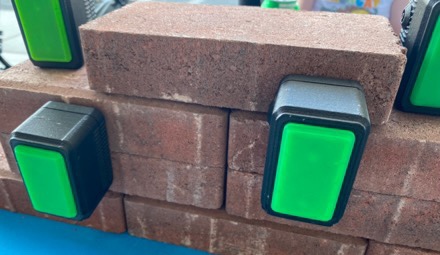
Wolfftracker is a motion detector which is placed on a door or wall and detects movement on the other side via radar with the individual device lighting up with either visible or IR light.

Multiple Wolfftrackers can be used to determine the location of individuals within a building or individual room.

Wolfftracker by Jeral Innovations, LLC is offered by Mistral Group.

OpEx 21 – Scintrex Trace by Autoclear

Tuesday, October 5th, 2021

Scintrex Trace displayed their handheld N2300 Trace Detector in the PSP Corp booth. It detects minute traces of cocaine, opiates, cannabis, hashish, methamphetamine, and other amphetamine-type stimulants.

Place the sample on the reusable sampling screen and insert it into the device. Sampling takes minutes and a results readout is available both onscreen of the device and via a printer accesory.

SOFWERX – Unattended Maritime Systems Optical Subsystems Assessment Event

Monday, September 27th, 2021

SOFWERX, in collaboration with USSOCOM PEO Special Reconnaissance (PEO-SR) Program Management (PM) Office Technical Collection & Communications (TCC), will host an Assessment Event (AE) on 8 November, 2021, to identify technologies and techniques for Unattended Maritime Systems (UMS), in particular the SV-3 Wave Glider. The prototype optical subsystem will be integrated onto the SV-3 in time for a demonstration at a test event in July 2022.

Submit NLT 18 October 11:59 PM ET with details at events.sofwerx.org/ums.