Part I – Monster Garage
CANNON AIR FORCE BASE, N.M. —
Editor’s Note: (This is the first part of a series documenting Cannon’s elite Combat Training Element team who challenge and push our Airmen to adapt and overcome with their cutting edge prototype technology and weaponry)
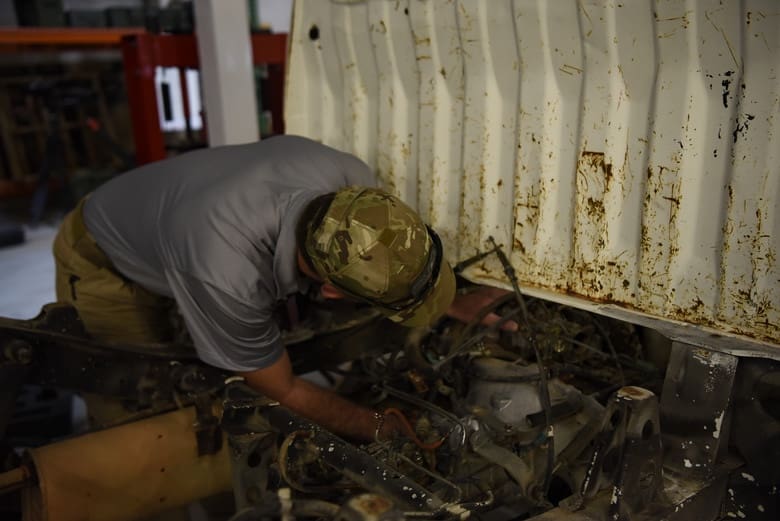
Recently, while sitting around the office looking for a story lead, I was looking around and my eyes found their way to our story idea white board, my wandering eyes landed on the words “Monster Garage,” and I wondered what the heck is a monster garage. Do they have monster trucks, my midwest-grown conscious asked myself gleefully. Surely I would have heard of something like that.
A major issue our operators face while running around simulating scenarios on our range is that all of the weapons are gas-powered therefore they have several tubes connecting from the weapons to a bulky bag on their back (how sneaky) that powers the rifles. The CTE guys wanted to change this and make them more mobile.
Luckily for them, they’ve got Lejay Colborn, a retired Navy explosive ordnance disposal technician, with a background in bombs and wiring. I just had to find him.
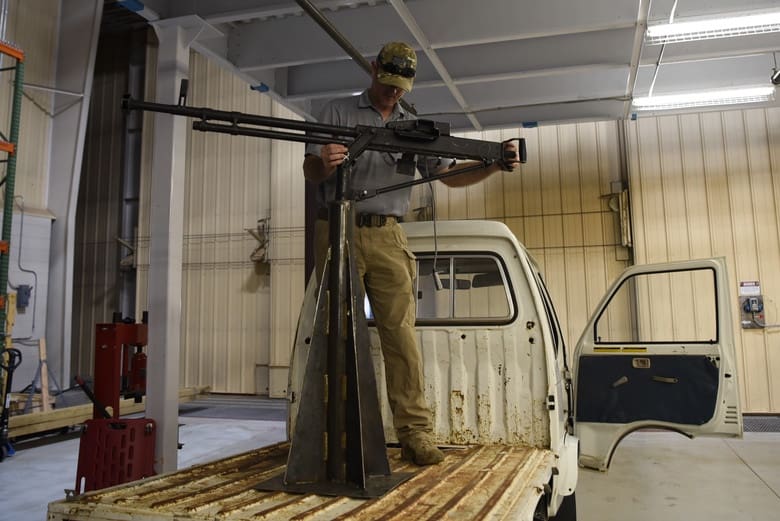
In a corner of base I hardly visit, behind a few hangars lies a quiet little building. The entrance was hidden by a fleet of civilian and military vehicles alike, but I couldn’t help but notice that one of the trucks was outfitted with a turret mount on the back. I thought surely that couldn’t be what I was seeing. I’d been to our training range several times but never had I seen that out there. After regaining my composure from the ensuing excitement of what lay beyond the hangar doors I found my way in.
I was greeted by a large empty room with a few quads, tools, and not much else at the time. Surely this isn’t it, I thought. Where are all the monster trucks!? I looked around a bit more and eventually remembered I was there to talk to someone and get a tour. I made my way to the first door I could find, knocked, and was greeted by wide smiles and friendly faces.
We stood and talked for a bit after we became acquainted but his eagerness to show off all of their toys, new and old alike, and what they had recently conjured up in the lab, kept us moving along rather swiftly.
This would be the first of several visits where I’d become acquainted with more of the guys from the shop, get my hands on a few pieces of equipment, and get an in-depth look at what they are engineering.
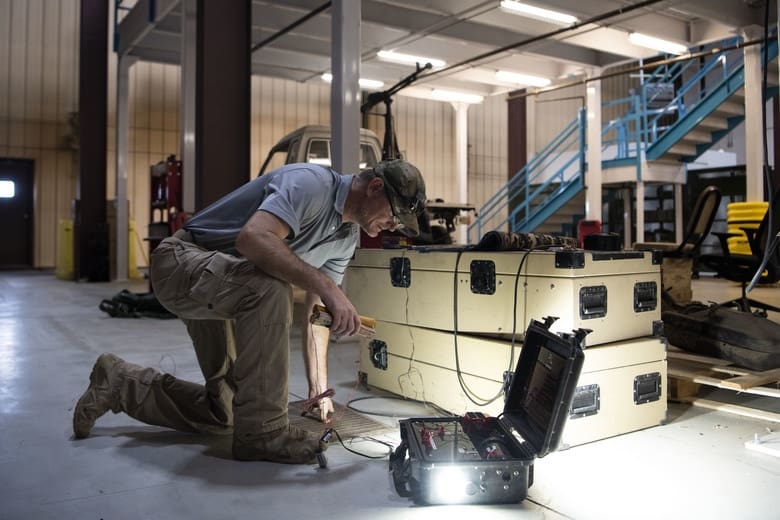
As we walked from room to room for the most part I wasn’t quite sure what I was looking at, except for a few quads, razors, welding tools, makeshift improvised explosive device concepts, some tools, and guns. A lot of guns.
Like a kid in a candy store, I was ecstatic. They had big guns, little guns, guns that go pew, guns that go bang, and some that go pow. From AK-47 assault rifles to light machine guns, a mounted machine gun or two, and even some World War II artillery cannons, they had it.
Through meticulous trial and error, Colborn has been able to route the power into the weapon itself, in places such as the magazine and stock, to increase the mobility and efficiency of our operators so they can get the most realistic training possible.
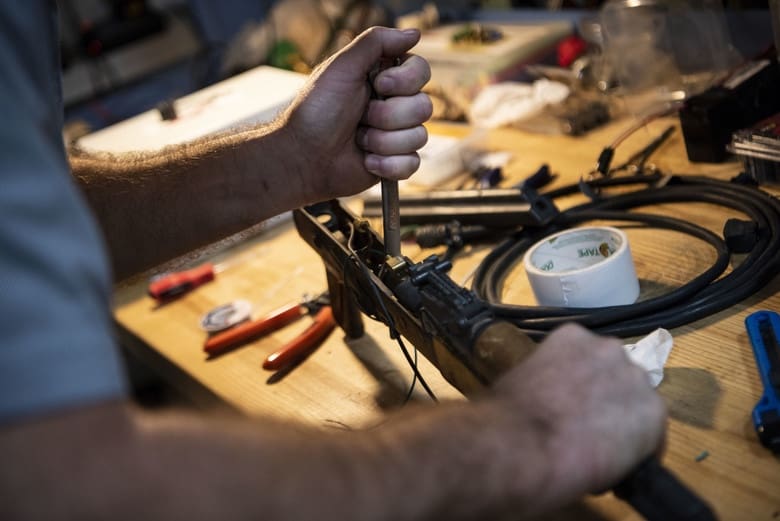
With the help of a 3D printer, currently Civil Engineering’s, with one of their own on the way, they’re able to build the schematics and print the pieces, big and small, they need to fit things together and increase the functionality of other items.
An awesome thing they’re working on now is getting turret mounts set up on the back of pick up trucks, a very real threat faced overseas. They do this by welding and bolting down custom metal gun stands to the back of the trucks. From here they’re using the 3D printed pieces to connect the turrets to their individual mounts. I don’t know about you, but building a turret mounted truck from scratch is not easy work, but sounds pretty rewarding and quite exciting.
Along with mounted turrets, CTE is also working on remote controlled artillery cannons. This allows them to have full control of the field while remaining in only a few locations, allowing for CTE to be playing their role as opposing forces or the occasional good guy, while simultaneously setting off the sounds and flares from turrets and cannons that further adds to the realism factor of shooting at troops and blowing up when targeted by our guships.
But they know more than screwing in a few bolts, these guys know the ins and outs of what they’re working on. They sandblast, clean, take apart, paint, piece back together and ultimately renew their equipment to perform at the top of the line.
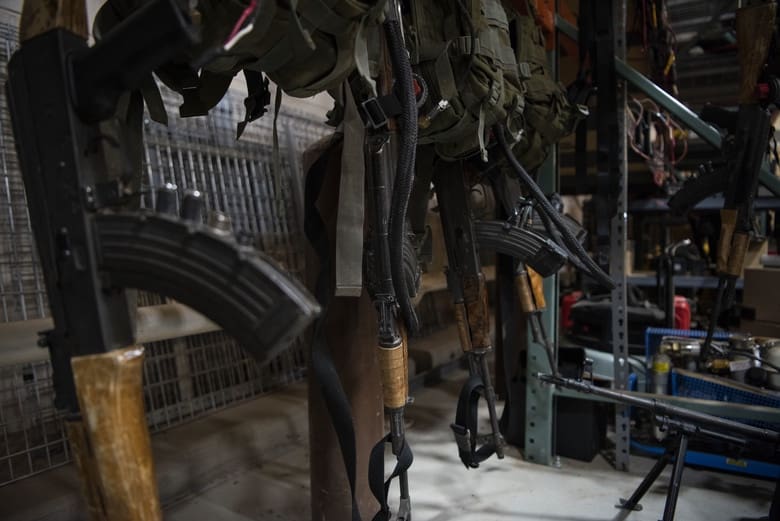
Do they know how to take apart and put back together a vehicle piece by piece? You betcha. Can they wire bombs to have multiple trigger points? Absolutely. Do they have the knowledge to precisely calculate and construct a drone that can drop grenades and carry packages? Of course they do! There is no limit to what they can and have created.
After checking out the guns, which took quite a chunk of my first visit, I was able to get a closer look at some of the more detailed work in the garage. Improvised explosive devices.
Improvised explosive devices are highly unpredictable, devastating, and unfortunately common tool used against troops overseas.
Good thing for the U.S., our monster garage has a ton of them. Simulated and non-exploding, of course.
Ranging from floor mat pressure-activated explosions or something as simple as opening a door, they’ve probably made it. With real IEDs, sometimes there’s really no telling what will or won’t set them off by normal everyday interaction, so the team at the Monster Garage has put together several designs and iterations of IEDs to continue to test our Airmen and expand their knowledge.
Again, these don’t explode, but when you’re at the range training and you swing open a door only to be greeted by a loud bang or blinding flash, you can almost guarantee you’d be down and out if that was a real life combat situation.
There’s a lot of raw ingenuity and first hand experience going into what goes down at the Monster Garage. They’ve hand-crafted countless designs for countless numbers of gadgets.
While we sit in our homes, go on about our days at work or spending time with our families, the enemy is working day and night to get any and every leg up on us, and this is why the Monster Garage is an absolute necessity for our armed forces. The men and women who work there are constantly pushing the envelope on new technology to allow us to get the upper hand in today’s modern warfare.
Part II – Operational Capabilities
CANNON AIR FORCE BASE, N.M. — Editor’s Note: (This is the second part of a series documenting Cannon’s elite Combat Training Element team who challenge and push our Airmen to adapt and overcome with their cutting edge prototype technology and weaponry)
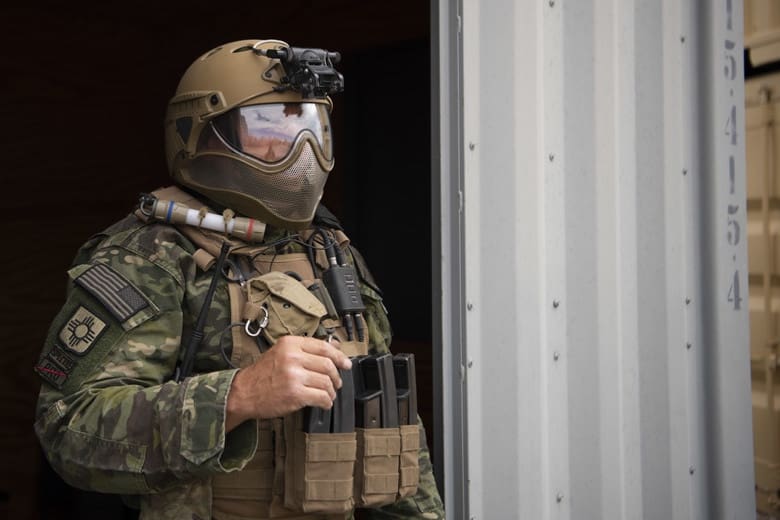
By now, if you read the first installment, you should know what the Combat Training Element men and women can create, but you might not know what they can do. From an outside perspective, you’d think they generally play the bad guys for our good-guy teams, and though you wouldn’t be wrong, you’d be far from the mark.
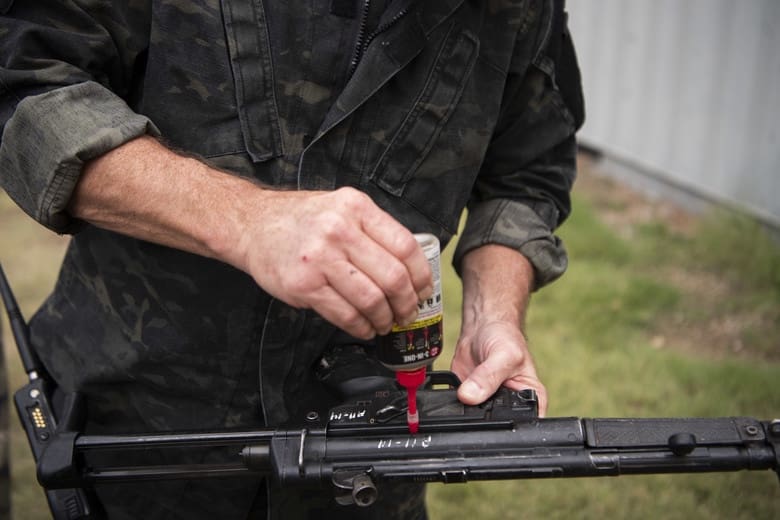
The CTE folks do a lot more than meets the eye. To keep it brief, their role is to provide our tactical Airmen with the most realistic training possible, using realistic simulations, of course. Whether it be them playing the role of the opposing forces using adversarial tactics, dragging aircrew through a lake on the back of a boat to simulate a water landing with a parachute, or even playing the good guys, they do it all.
However, you must keep in mind that they are not training these Airmen, they are a tool used in their training to help them practice in a live environment to meet their commander’s standards, intent and expectations. Though you may not need a hammer to pound a nail, it’s more capable than the next piece of metal. CTE, with their collective knowledge, experience and prior service, is here to make the job done more efficient and sturdy, like the hammer does.
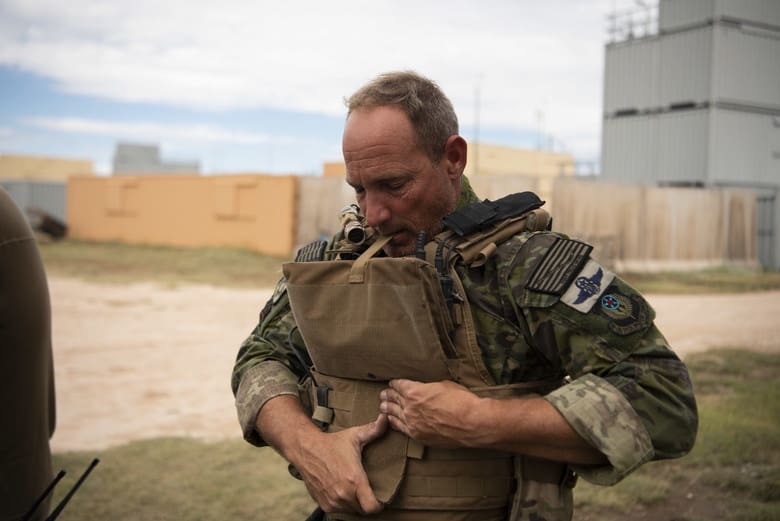
A major role CTE fulfills, as the hammer, is that of the opposing forces. They plan, they gear up, and they get mobile. By the end of an operation they can be almost unrecognizable. They’re dirty. Their skin and uniforms, now a combination of sweat, dirt and paint from simulation rounds, resemble that of a freestyle art canvas more than that of an enemy force.
Let me not forget to add that they’re not only doing this for our Airmen, but for special operations forces of other nations. We are one of the only nations with MQ-9 Reaper and the only with AC-130 Whiskey Gunship capabilities. CTE trains them to know how to use and be comfortable utilizing these aircraft in real-life combat situations.
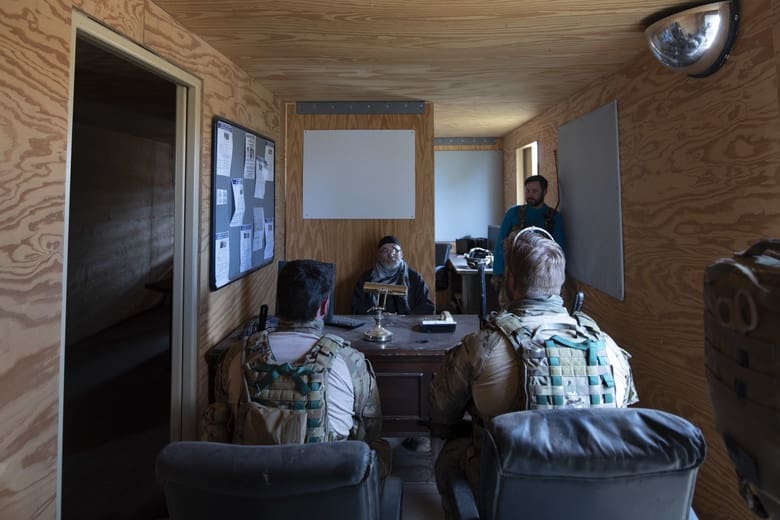
But executing exercises of this magnitude are not done on the fly, it takes weeks of planning for only a few hours of “play time.”
It all begins with preplanning between CTE and the squadron who’s running the operation. From there they move into figuring out what equipment they’ll need, risk assessment, area of effect and overall concept of operations. Once all of this, and most certainly more, is completed, they’re able to move on to gearing up.
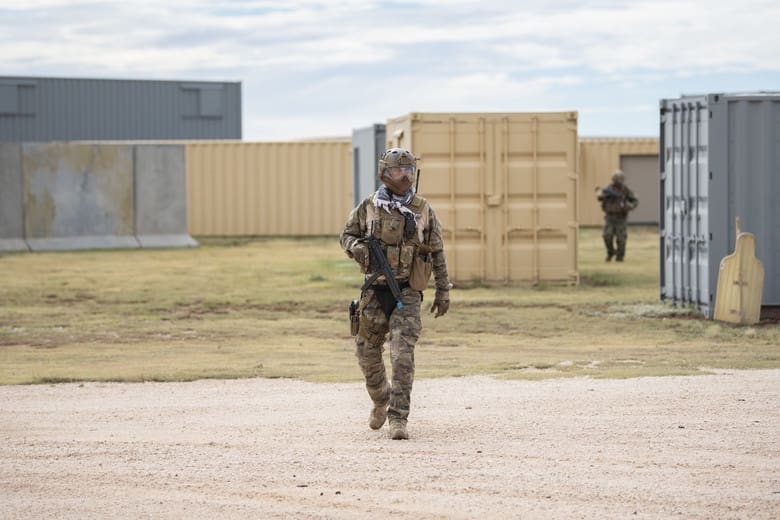
Though missions may follow the same concept from time to time, such as Rubik’s cube, no two scenarios will be exactly alike. The ground team switching out, a different plane doing reconnaissance, a new location being selected, or a different set of decisions being made all make a difference in how each and every scenario will play out. And those with CTE are constantly making adjustments in real-time with each and every scenario, decision made, and position called out.
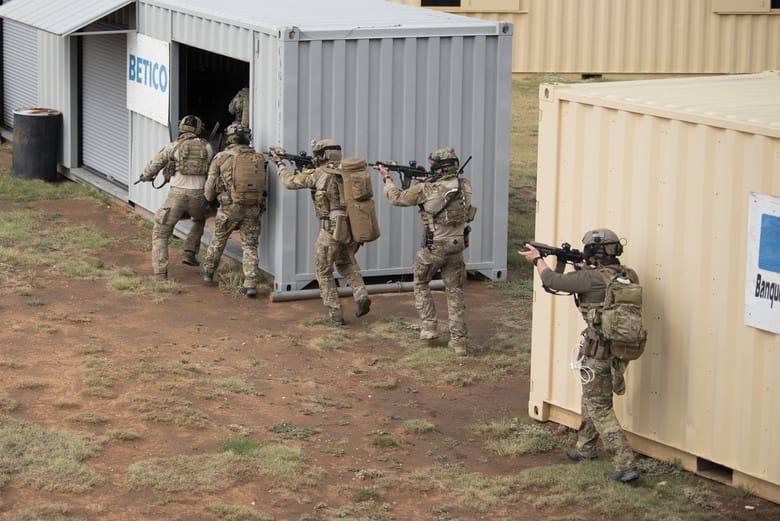
The CTE’s ability to think on the fly added on to their collective knowledge allows them to keep things forever dynamic. They’re able to provide a forever changing environment that shapes how the Airmen think, act and react, while they themselves are doing the same, which only adds to the dynamics of the situation.
Another capability that showcases how well-rounded CTE is, is the augmentation they provide to the Survival Evasion Resistance and Escape community.
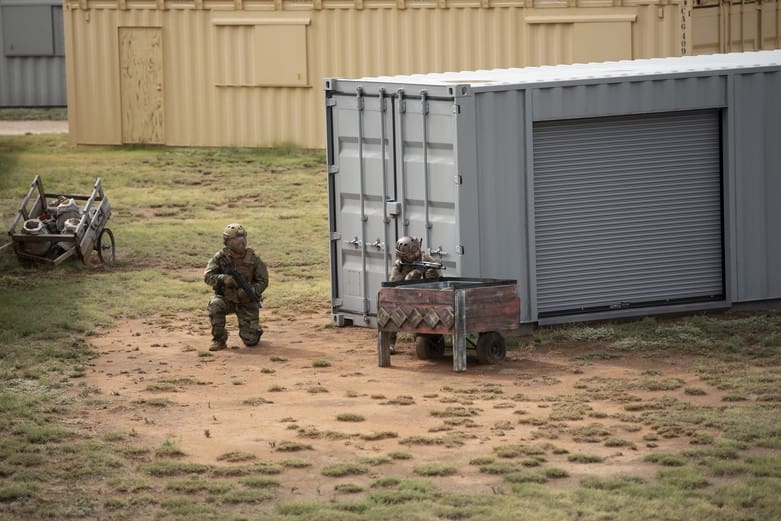
They’re able to double as the aggressor, playing targets in the water on boats for gunships, while simultaneously playing the recovery force where they’re certified in providing care to those being airlifted from the water if something were to go wrong during the exercise. Talk about some talented individuals. They also assist in nabbing those going through land navigation before handing them back over to SERE for the rest of their training.
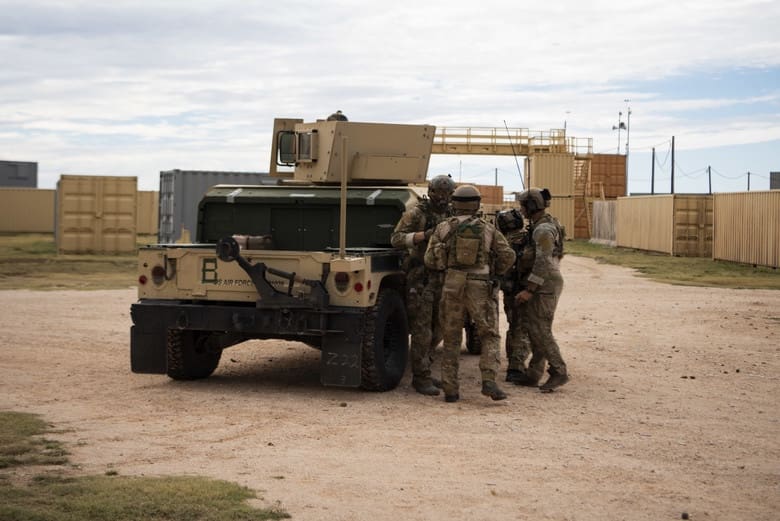
There really is no limit to what they have done, can do, and will do. I could go on and on, like ?, about every little detail for every operation or duty they hold, but words alone can’t describe the tremendous expertise they have or the love they have for what they do. It’s shown in the men and women who go through training with CTE, and are out their using what they’ve learned to fight for our country.
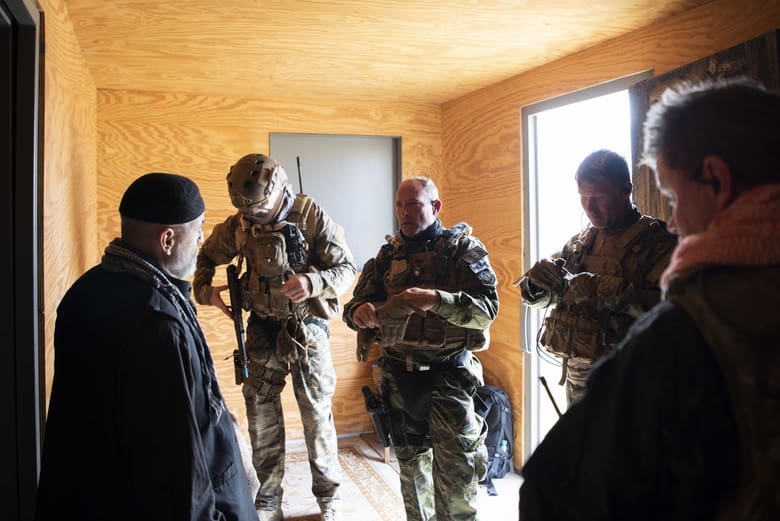
Though CTE receives funding, it’s not the money that keeps them going, it’s their raw passion for what they do that keeps the innovation rolling and their performance at a level that none can match. They’re making a difference in our United States Air Force, and they know it.
Story by By Senior Airman Gage Daniel, 27th Special Operations Wing


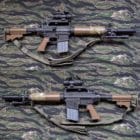
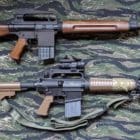
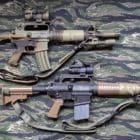
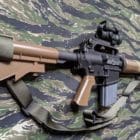

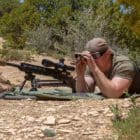

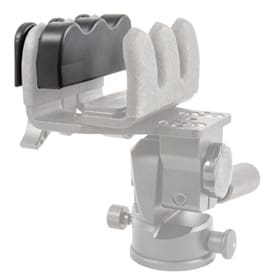 (MANSFIELD, TEXAS) – The creators at Kopfjäger are excited to announce the release of the SDR (small diameter rifle) grip! This durable silicone grip can be attached to Kopfjäger’s classic Reaper Grip to accommodate smaller-sized rifles such as youth rifles, air rifles and pellet guns. When the SDR grip is doubled, it can fit stocks down to .25 inches! Now, youth and other small-rifle shooters can enjoy the confidence and stability of a classic Reaper Grip from Kopfjäger.