Celebrate 20 years of the TLR-1

Team Wendy Exfil Rail 3.0 Is Host For New Tool-Free Accessories

August 29th, 2018

Introducing EXFIL® Ballistic Ear Covers, EXFIL® Ballistic Visor and EXFIL® Face Shield

CLEVELAND, OH (August 29, 2018) – Cleveland-based Team Wendy® announced the launch of three new accessories today, all of which are compatible with the new EXFIL Rail 3.0 system: EXFIL Ballistic Ear Covers, the EXFIL Ballistic Visor and the EXFIL Face Shield. These new products allow the user to quickly and easily interchange mission-essential headborne equipment on one platform.

“We are constantly challenging ourselves to produce products that are not only protective and light-weight, but also scalable for the mission requirement,” said Jose Rizo-Patron, CEO of Team Wendy. “The EXFIL Rail 3.0 allows the operator more efficient use of the accessory rail, while the ear covers, visor and face shield provide additional protection without impeding functionality of the shroud; and they do so all within a single helmet, eliminating the need to carry different helmets for different missions.”

EXFIL Ballistic Ear Covers provide scalable ballistic protection, increasing the total coverage area of a high-cut ballistic helmet by 21.1 in2 (136 cm2). An EXFIL Ballistic helmet with attached ear covers offers comparable or greater ballistic coverage area (size one: 180 in2, size two: 191.8 in2) when compared to the standard issued U.S. Military helmet – the ACH (Advanced Combat Helmet) or MICH 2000 (size large: 178.8 in2). Composed of a proprietary composite mix with a carbon fiber frame, the ear covers meet NIJ Level III-A (according to NIJ STD 0106.01/0108.01) and weigh only 0.38 lbs. (172 g) for the set. The EXFIL Ballistic Ear Covers attach easily and tool-free to both the EXFIL Rail 2.0 and the new EXFIL Rail 3.0. A set retails at $399.95 and is one-size-fits-all.

F1959FEB-5011-4053-9C36-F9737BF84587

The EXFIL Ballistic Visor provides low-profile, lightweight ballistic eye protection that attaches tool-free to the built-in picatinny rail at the front of the EXFIL Rail 3.0 system. It can be easily adjusted into three preset positions (down, up and stowed) and features a polycarbonate lens produced by Eye Safety Systems, a subsidiary of Oakley, Inc. With a generous coverage area of 28.9 in2 (186.1 cm2), the operator can still comfortably and effectively shoulder his/her weapon with proper sight alignment while wearing the visor. The EXFIL Ballistic Visor exceeds the impact, fragmentation and optical requirements of Military Combat Eye Protection (MCEP) in accordance with MIL-PRF-32432(GL), 09 Jan 2013 and retails for $290.


5F81097C-6EA5-4B70-8106-E447C49B878D

The EXFIL Face Shield enables law enforcement officers and military personnel to carry just one helmet, eliminating the need to carry both a standard issue ballistic helmet and a dedicated riot helmet. Like the EXFIL Ballistic Visor, the EXFIL Face Shield is low profile, lightweight and attaches in the same manner to the front section of the EXFIL Rail 3.0. The face shield is similarly adjustable into three positions (down, up and stowed), allowing the wearer to fully utilize the Wilcox W shroud for headlamps, cameras, night vision or thermal imaging devices while also running the face shield. The EXFIL Face Shield meets the requirements of EN166 and retails at $279.95.

63BA2D0A-63A6-4692-ABD3-8B8BF873509D

The EXFIL Ballistic Visor and EXFIL Face Shield both come standard with a flexible upper flange that prevents debris and liquid from seeping into the wearer’s eyes from the brim of the helmet.

The EXFIL Ballistic Visor and EXFIL Face Shield come in two sizes (size one and size two), which should correspond with the operator’s EXFIL Ballistic helmet size. The EXFIL Rail 3.0 Retrofit Kit, EXFIL Ballistic Ear Covers, EXFIL Ballistic Visor and EXFIL Face Shield are each available in three colors: Black, Coyote Brown and Ranger Green.

Customers who already own an EXFIL Ballistic with the Rail 2.0 system can purchase an EXFIL Rail 3.0 Retrofit Kit for $34.95 to make the EXFIL Ballistic Visor or EXFIL Face Shield compatible. New buyers of the EXFIL Ballistic will be able to select their preferred rail at time of purchase.

The EXFIL Rail 3.0 Retrofit Kit, EXFIL Ballistic Ear Covers and EXFIL Ballistic Visor are now available for purchase on TeamWendy.com and through authorized Team Wendy dealers. The EXFIL Face Shield is currently available for pre-sale; orders received will start shipping in October.

Widget Wednesday: PTX SAT-P Android App

August 29th, 2018

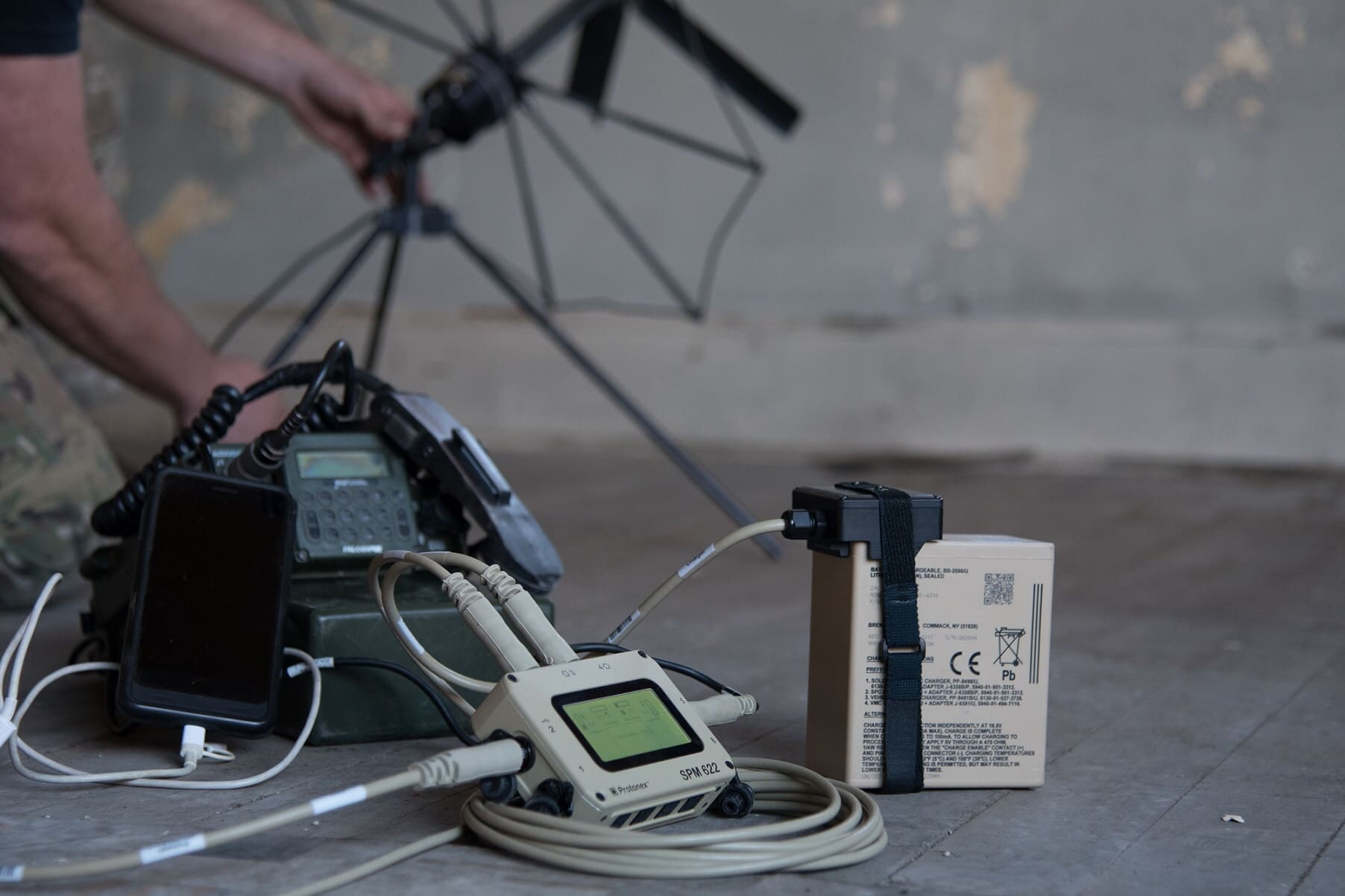
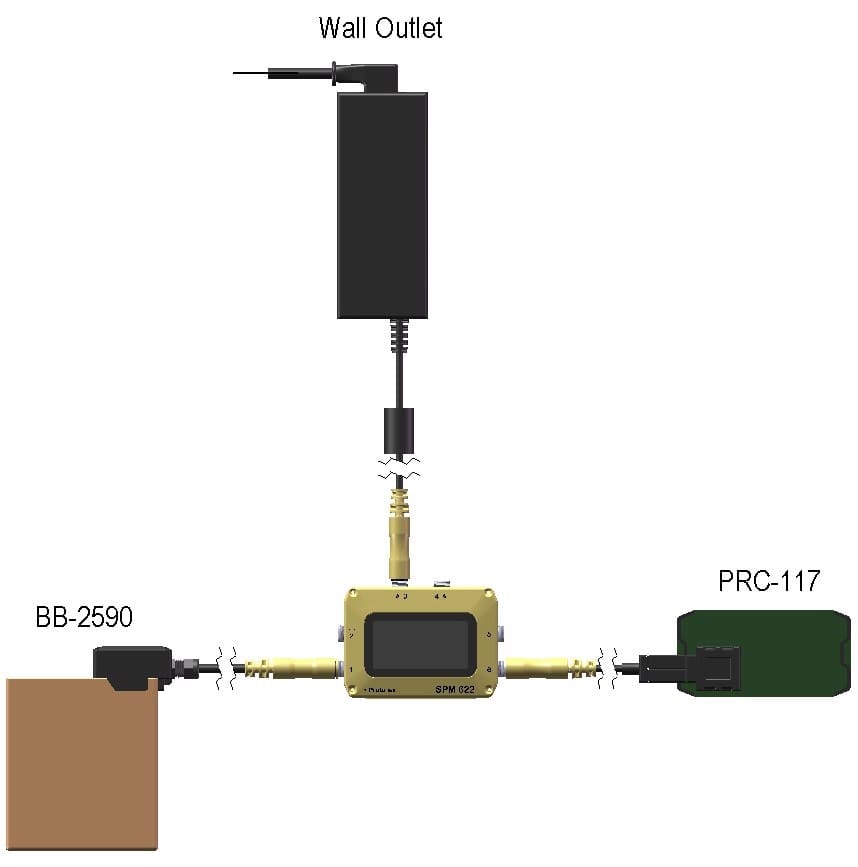
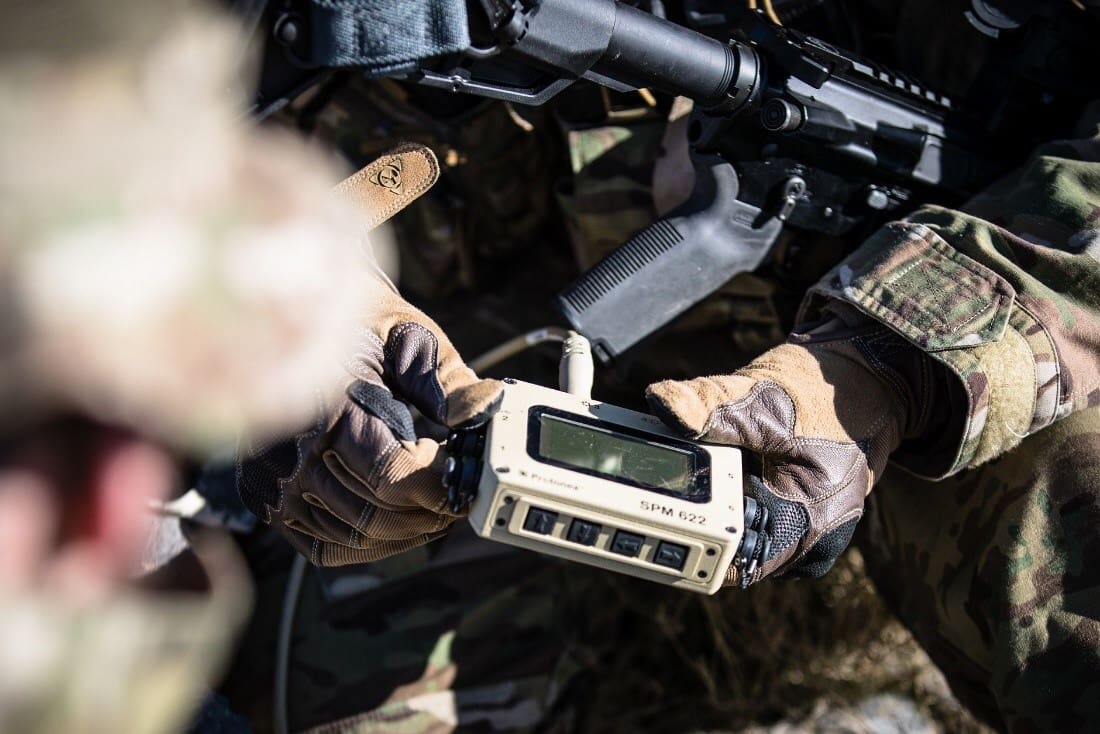
The latest Widget created by the Brainboxes at Protonex is the PTX Situational Awareness Tool for Power (PTX SAT-P). The SAT-P provides an all-in-one solution for managing your PTX SPM-622 Squad Power Manager from your Android phone or tablet.

The app allows users to easily monitor their energy usage in real time and to quickly see key information such as:
• What devices are connected and consuming power?
• What power source is connected and in use?
• How long will the battery last at present rate?

The app also allows users to monitor and update their Power Manager firmware version.

The PTX SAT-P App requires a phone or tablet that will accept an external keypad and is running Android 5.0 or higher, and is available on the Google Play Store at: play.google.com/store/apps/details

For more information about PTX power management systems from Protonex, visit: www.PTXnomad.com

High Angle Solution – Brigantes Presents – Helix R3 Harness

August 29th, 2018

One of the key requirements for specialist troops is the ability to ascend and descend through a vertical aspect.  This could be in mountain terrain, urban environment, maritime or from an airframe.  This often means using several different rigs and harnesses.  Helix have developed the solution to them all, which is a scalable and flexible system specifically focused for the military user.

The Helix R3 is a modular tactical harness system based on a EN358 PPE certified Riggers Belt with the option of adding lightweight leg loops to create a full sit harness. The belt by itself is rated to hold 15kN (1.5 static tonnes) for a minimum of 3 minutes and the combination of the belt and leg loops meets EN12277 Type C which is the normal standard for climbing sit harnesses. The R3 Riggers belt uses a very slim 45mm design that fits through a trousers waist belt loops and can double as a duty belt. The belt uses a fast release buckle that can be undone or adjusted quickly. The harness system is available in Black, Coyote Brown and Khaki Green.

For more information get in touch by email on international@brigantes.com or for UK customers warrior@brigantes.com.

www.brigantes.com

Perseverance Survival – Tigerstripe Hoodie

August 29th, 2018

Originally made from repurposed poncho liners, these hoodies from Perseverance Survival feature a kangaroo pocket at the waist. Over the past year, they’ve introduced new colors including Grey and this Tigerstripe number I couldn’t pass up.

10% of all sales from this produce will be donated to the Recon Sniper Foundation (RSF). If you wish to donate more of get further details about the RSF please visit their website at www.reconsniperfoundation.org

perseverancesurvival.com/bags/tiger-stripe-hoodie

AeroVironment MacCready Works Donates Quantix Systems to West Point Military Academy to Support Its Robotics Research Center

August 28th, 2018

Automated, integrated and easy to use, the highly automated Quantix drone allows West Point cadets to focus on data analytics

Builds on AeroVironment’s ongoing collaboration with universities nationwide to support student development and product enhancement

5B063D66-3785-45CA-AED1-D3ADD449DD12

SIMI VALLEY, Calif. –  AeroVironment, Inc. (NASDAQ: AVAV), a global leader in unmanned aircraft systems for both defense and commercial applications, today announced its MacCready Works lab has donated automated Quantix™ hybrid drones, spare parts and AeroVironment’s Decision Support System (AV DSS™) analytics software to West Point to support the military academy’s Center for Innovation and Engineering and Geography and Environmental Engineering Department.

“MacCready Works is a focal point for AeroVironment’s continuous innovation, focusing on relentless problem solving and doing what has never been done before,” said Kirk Flittie, AeroVironment vice president and general manager of its Unmanned Aircraft Systems business segment.  “We are fortunate to have the opportunity to collaborate with and support the prestigious West Point Military Academy as we work together to advance unique and innovative solutions using the Quantix system.”

West Point cadets will deploy two Quantix systems as part of the collaboration.  The Quantix system is a fully integrated drone, sensor and software information solution for collecting and using aerial imagery that is as easy to use as an app.

The drone’s robust hybrid VTOL technology allows Quantix to operate effectively in a variety of conditions so cadets can collect data and create actionable intelligence when and where they need to.

This donation is part of AeroVironment’s ongoing support for West Point cadets and the company’s commitment to supporting those who defend freedom.  The company also hosts West Point cadets as interns at AeroVironment’s California facilities and hopes to collaborate on future projects with West Point.

Further supporting American troops and first responders, AeroVironment offers a rebate on the purchase of a new Quantix and AVDSS ecosystem bundle to active and veteran United States military personnel and active and retired law enforcement and fire fighters and their immediate families. Visit https://www.avdroneanalytics.com/veterans-rebate/ to learn more.

No Federal endorsement implied.

The SIG P320-M17 – The Chosen One Video Series – The Search Begins

August 28th, 2018

In this first episode of a four part series on the Modular Handgun System, SIG discusses the history of pistols in the US Army and what led to the selection of the M17.

www.sigsauer.com/products/firearms/pistols/p320/

Proliferation of Drones Posing Risk for US Military, Army Expert Says

August 28th, 2018

WASHINGTON — As of January 2018, over 1 million micro drones were registered with the Federal Aviation Administration, with about 878,000 of those registered to hobbyists, said Dr. Juanita Christensen.

These micro drones are proliferating in other nations as well, including areas in every combatant command where U.S. forces are stationed or operating, she added.

Christensen, executive director of the Aviation and Missile, Army Research, Development and Engineering Command, spoke at the Institute for Defense & Government Advancement-sponsored Counter-UAS Summit here, Aug. 23.

The growth of drone ownership poses challenges, she said, such as identifying the unmanned aerial system, determining whether or not the unmanned aerial system is friend or foe, and, if foe, employing the right countermeasures.

32B0FABF-845E-4E7A-BE39-42FDD18C7EB4
The U.S. Army is at the forefront of identifying and mitigating threats from unmanned aerial systems, including identifying the UAS, determining whether or not the unmanned aerial system is friend or foe, and, if foe, employing the right countermeasures. (Photo Credit: U.S. Army photo David Vergun)

UAS IDENTIFICATION CHALLENGE

It’s not just the sheer number of drones that is an issue, but also the the hundreds of UAS variants being produced worldwide, Christensen said.

Each of these variants comes in different weights, shapes, and sizes. Additionally, each has different operating characteristics such as speed, flight duration, maneuverability and payload capacity. These variations make tracking them difficult because it’s hard for radars and other surveillance systems to identify exactly what’s out there, she said.

Another reason why it’s hard to identify UASs, she said, is that many are very small and therefore have a minuscule radar signature. Additionally, some of these UAS fly very low to the ground, away from a radar’s line of sight. They also move relatively slowly, similar to the flight of a bird, and they produce very little acoustic, infrared, radio frequency, or electromagnetic signatures.

Current military radars and surveillance sensors may categorize class 1 and 2 UASs as “clutter,” and not identify them as UAS, she said, explaining that class 1 and 2 consist of micro and mini UAS, respectively. These are the UAS systems commercially available to anyone.

The second challenge is determining whether or not the UAS is being flown by a hobbyist or commercial entity for benign reasons, or by someone bent on causing harm, she said.

Any number of payloads can be placed on a UAS and they can also be used for surveillance, Christensen added, declining to get more specific for security reasons.

This identification problem is especially acute because operators often have to determine friend from foe and what action to take in just a matter of seconds.

UAS COUNTERMEASURES CHALLENGE

RDECOM has recognized the importance of countering UAS for some time now, Christensen said.

In January 2014, RDECOM stood up the Counter-UAS Community of Practice. That community coordinates counter-UAS research with all of the labs across the Army and the other services and looks for solutions from industry and academia, she said.

For example, the Army Research Laboratory, which falls under RDECOM, is working with the community to study how to defeat swarms of enemy UASs, she said. And, the Communications-Electronics Research, Development and Engineering Center, also in RDECOM, is testing electronic countermeasures.

The community also is working with industry and academia to open new lines of effort, such as applying machine learning and artificial intelligence that will enable faster processing of data so that countermeasures can be taken much more quickly and with greater accuracy, she said.

The community is focused on class 1, 2 and 3 UAS threats, she said, explaining that class 3 consists of low-end tactical UAS. The other classes, 4 and 5, are high-end tactical and strategic UASs, respectively, that fly high and for long durations and are in the Air Force’s area of responsibility.

There are many promising lines of effort to deter a threatening UAS, she said, such as kinetic; passive, such as shooting a missile at the UAS that contains a net that deploys to take it down intact; sensitive sensors that can detect the UAS’s signatures emitted; and various types of jamming devices.

Besides going after the UAS itself, there are other efforts underway to defeat the “kill chain aspect,” she said, meaning eliminating the enemy UAS operator and the network behind it.

By David Vergun, Army News Service

Velocity Arms Makes Some Unique Glock Barrels

August 28th, 2018

At TRIGGRCON I was introduced to Velocity Arms. After learning about their Glock barrels, I’d have to say that their website (killer innovations) is aptly named.

Using Single Process Technology where the bore, rifling and chamber are cut on one machine.

Tru-Axis machining uses a single-point rifling system in which one machine comprehensively crafts every part of the barrel from start to finish. The rifling alone is accomplished with over eighty miniscule cuts, offering a deviation of less than one ten thousandth of an inch from groove depth to groove depth because they are cut with the same tool.

During this Tru-Axis machining process, the Glock barrels are machined with an 11° target crown, then magnetic particle tested, and finally, coated with a MDC or TiN plating.

Additionally, each barrel comes with a black nitride coated thread protector which extends just past the tip of the barrel to protect the 11° target crown from damage.

killer-innovations.com/products/barrels