FirstSpear TV

Vickers Guide: AR-15 – Teaser Image

September 4th, 2016

IMG_7750

In anticipation of the upcoming Vickers Guide: AR-15, the team behind the book has release an ‘ultra’ high-res teaser image of an earlier AR-10. The image is around 200 Megapixels, and shows off an amazing level of detail. Thankfully, we were provided with a much lower resolution image (seen above) to spare our bandwidth, so if you want to see the real deal image, check out the link below:

www.vickersguide.com/teaser

Sudanese AR-10s in ‘Spies Like Us’

September 4th, 2016

‘Spies Like Us’ is definitely one of my all-time favorite movies.  Some friends recently pointed out that it featured some Sudanese  Ar-10s. Talk about obscure.

Brownells Catalog #69 Now Available

September 4th, 2016

GRINNELL, Iowa (August 26, 2016) – Brownells has released the 69th edition of its famous “Big Book” catalog that features nearly every item imaginable to repair, customize or build a firearm. Known unofficially as the gun industry’s “Bible,” this year’s catalog spans 608 pages and thousands of products.


Catalog #69 is laid out in Brownells’ signature horizontal format and its color-coded product categories make specific items easy to find.

More than 1,300 new products are featured in the catalog, including the following popular items:

— Brownells AR-15 Armorer’s Wrench, #080-001-208. Versatile wrench works with both peg-style and encapsulated barrel nuts, both M4-style and A2 receiver extensions, flash hiders and other muzzle devices. Carbine buttstock wrench has four teeth that fully engage all notches on the castle nut.

— Brownells Magna-Tip Adjustable Torque Wrench, #080-001-294. Precision torque drivers adjusts from 15 to 70 in-lbs. in 1 lb. increments and accepts any ¼” Brownells Magna-Tip bit.

— Brownells Universal Pistol Armorer’s Block, #080-001-261. Tough PVC block has cuts to accommodate slides from 1911s, S&W M&P® and Glock® pistols. Pin holes ease removal and installation of various parts.

“Getting the next Big Book out is always a really big deal for us,” said Frank Brownell, Chairman of Brownells. “It’s full of the all the best stuff we’ve carried for years, plus a whole whale of a lot of brand new stuff our team has found since the last one. We write the Big Book so it can used as a reference book to what’s available, plus it’s a great way to find the tools, parts and gear folks need.”

The cover features Brownells Senior Gun Tech Steve Ostrem, with the company for 14 years. Steve is an experienced, knowledgeable gunsmith, and appears in several videos hosted on the Brownells YouTube Channel.

Customers can request their own copy by visiting the catalog section of Brownells.com, or by calling 800-741-0015.

LBT INC Partners With Custom Armor Group To Provide Level IIIA Soft Armor Inserts For Their Recently Released Go Pack

September 3rd, 2016

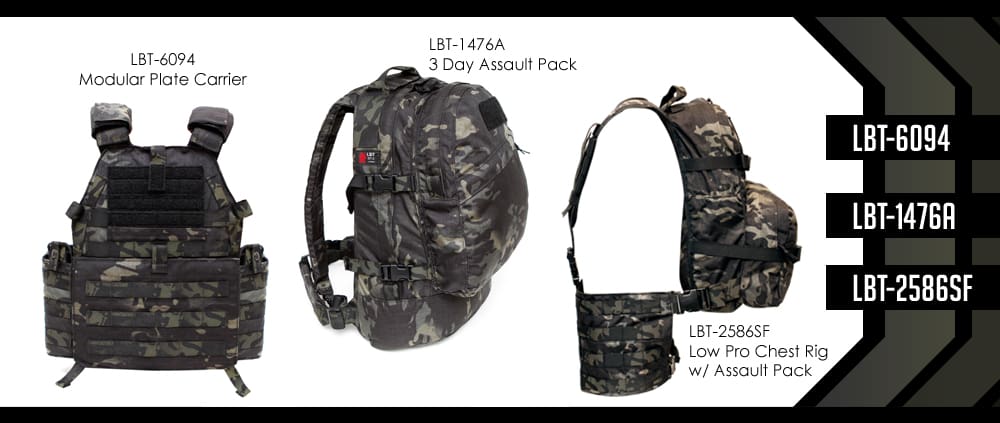
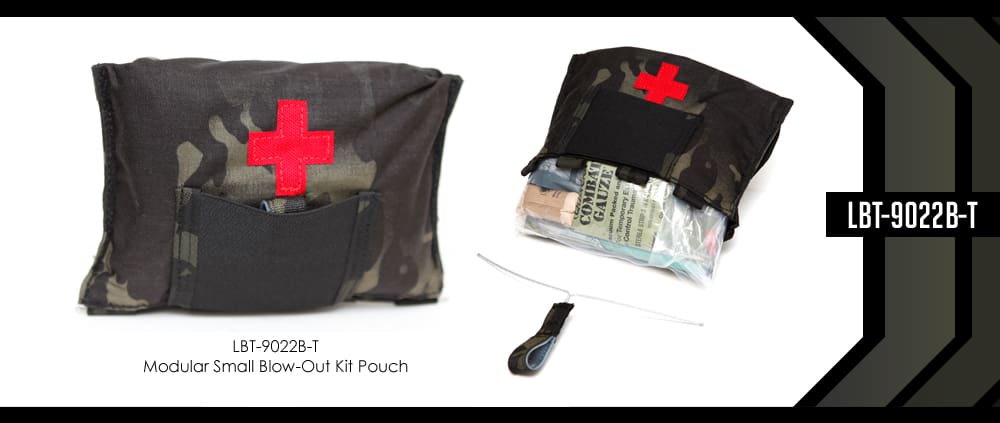
LBT INC partners with Custom Armor Group to provide Level IIIA soft armor inserts with their recently released Go Pack, now offered in solid color variants.

Features:
* Small form “Go Pack”
* Large main compartment with tablet/laptop storage area on the back
* Medium sized exterior compartment
* Mesh storage area on exterior with draw string closure and loop for placement of morale patch
* Compartments secured with two (2) zippers with paracord pull tabs
* Adjustable padded shoulder straps with adjustable sternum strap
* Drain grommet on bottom of bag
* Carry Handle
* Overall dimensions approx: 14L x 8W x 16H
* Weight: 1lb

Soft Armor Backing
* Armor fits into rear sleeve of pack keeping main compartment unobstructed
* NIJ certified level IIIA soft armor
* Certified up to .357 and .44 mag
* Weight: 1.24lbs sq/ft

lbtinc.com/8k3a

Gunfighter Moment – Pat McNamara

September 3rd, 2016

As there are techniques, there are just as many gun related gizmos, gadgets, and gimmicks. Bolt and strap on. Theatrical movements and dance steps. Tales of woe or implausible performance enhancers. Some live long and become center of debate issues while others die off quickly.

One of the things I encourage on the range is discovery or tactile learning. In other words, learn by doing vice taking one’s word for it. One can now make the determination for himself on whether to shit-can or to maintain a technique or piece of gear for he sees that it will or will not offer positive development in a gunfight.

Battlefield multipliers are often the simplest in solutions versus high tech gear or high motor skill movements. My go to Battle Rifle is a 16” BCM KMR and it’s pretty much meat and potatoes. Full length 2-point sling, good optic, good BUIs, good light.

Patrick McNamara
SGM, US Army (Ret)

Pat McNamara

Patrick McNamara spent twenty-two years in the United States Army in a myriad of special operations units. When he worked in the premier Special Missions Unit, he became an impeccable marksman, shooting with accurate, lethal results and tactical effectiveness. McNamara has trained tactical applications of shooting to people of all levels of marksmanship, from varsity level soldiers, and police officers who work the streets to civilians with little to no time behind the trigger.

His military experience quickly taught him that there is more to tactical marksmanship than merely squeezing the trigger. Utilizing his years of experience, McNamara developed a training methodology that is safe, effective and combat relevant and encourages a continuous thought process. This methodology teaches how to maintain safety at all times and choose targets that force accountability, as well as provides courses covering several categories, including individual, collective, on line and standards.

While serving as his Unit’s Marksmanship NCO, he developed his own marksmanship club with NRA, CMP, and USPSA affiliations. Mac ran monthly IPSC matches and ran semi annual military marksmanship championships to encourage marksmanship fundamentals and competitiveness throughout the Army.He retired from the Army’s premier hostage rescue unit as a Sergeant Major and is the author of T.A.P.S. (Tactical Application of Practical Shooting). He also served as the Principle of TMACS Inc.

Gunfighter Moment is a weekly feature brought to you by Bravo Company USA. Bravo Company is home of the Gunfighters, and each week they bring us a different trainer to offer some words of wisdom.
Know Your Audience 

September 3rd, 2016

Bet that reenlistment NCO makes his number.

Rainier Arms Raises $10,000 for the Darby Project

September 2nd, 2016

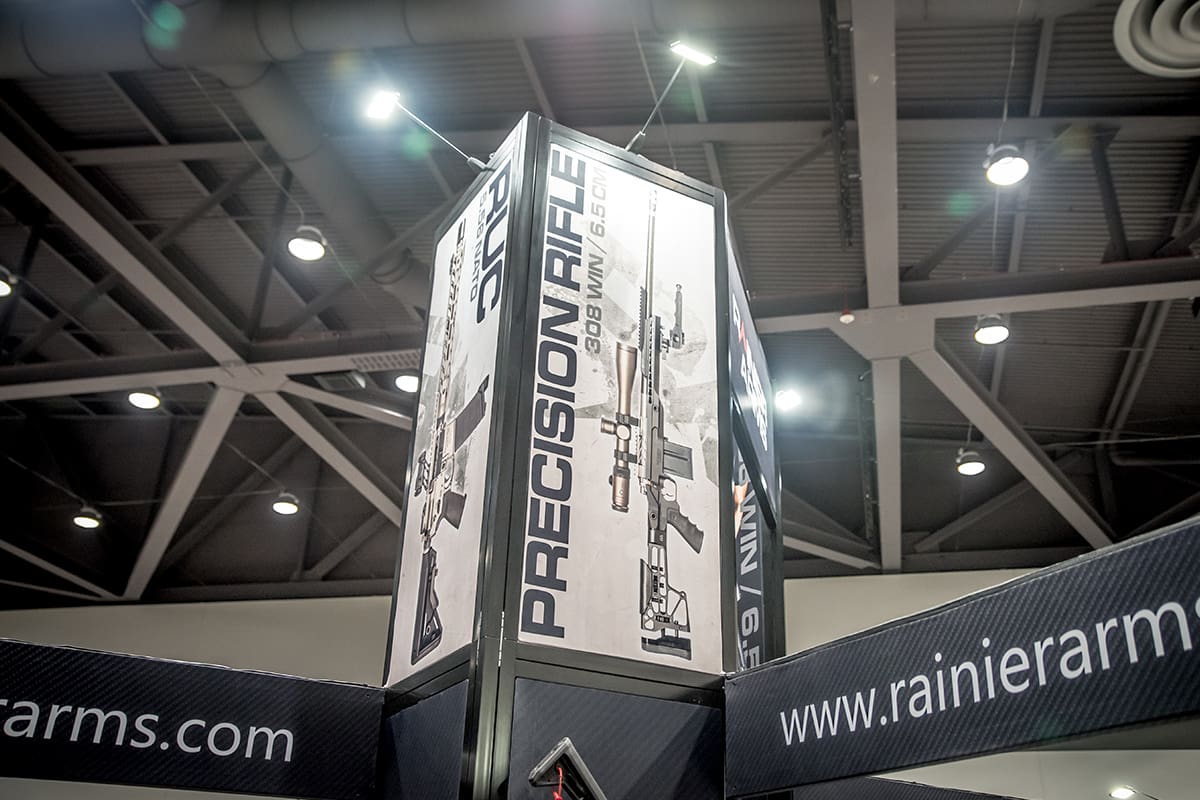
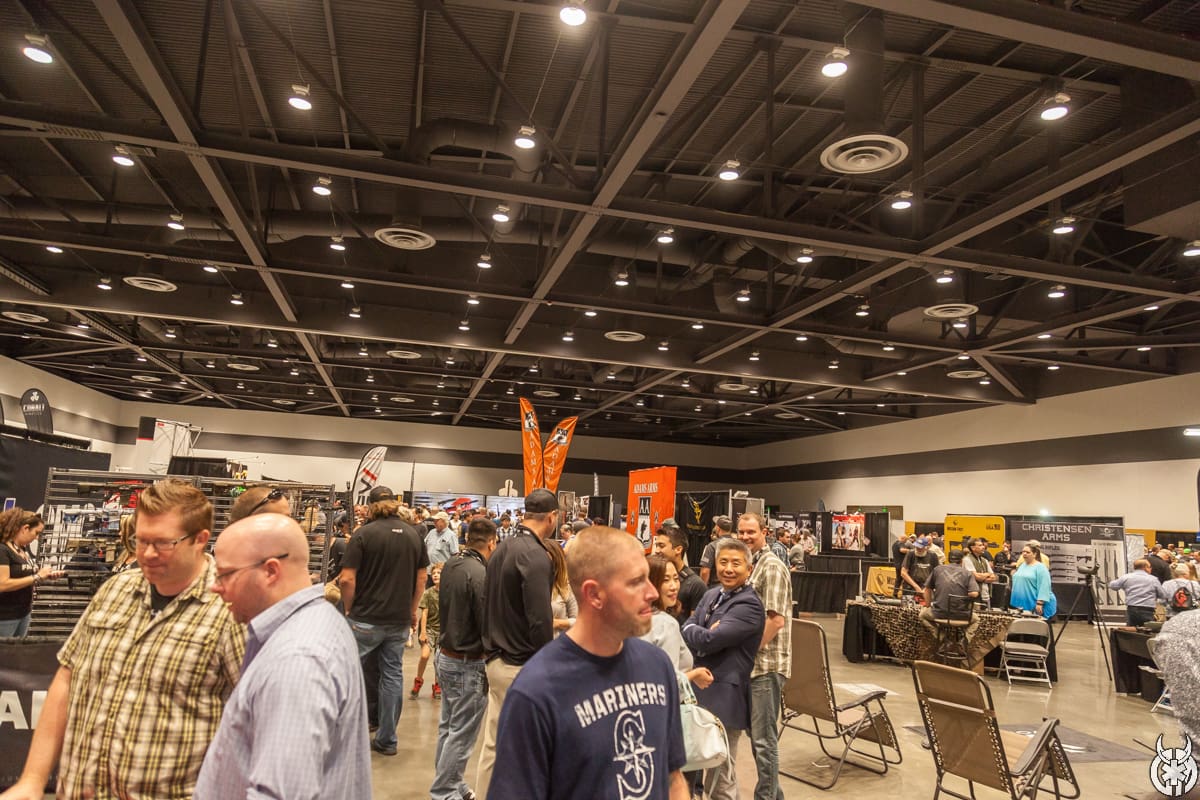
Rainier Arms of Auburn, WA hosted the inaugural Northwest Shooting Sports Expo at the Tacoma Convention Center Aug 27-28 with over 50 defense manufactures on display and estimated 5-7,000 attendees.

Rainier Arms sourced and donated several high end products from Vortex, Sig, Adams Arms, Fortis and many others. The donated items were raffled by the Darby Project to support their mission of providing transition services for Army Ranger from active duty to a civilian life filled with hope and purpose.

MRAP program celebrates 10 years of protecting those who protect us

September 2nd, 2016

By Mathuel Browne, MCSC Office of Public Affairs and Communication

MARINE CORPS BASE QUANTICO, Va. – The Marine Corps is celebrating a decade of keeping Marines safer on the battlefield with the Mine Resistant Ambush Protected family of vehicles.

In 2006, combatant commanders identified the urgent operational need for an increased number of MRAP vehicles in theater to provide better protection against underbody mines, improvised explosive devices, rocket-propelled grenades and small arms fire. MRAP vehicles were already in use by the Army and Marine Corps, but in limited numbers and for specialized missions, such as explosive ordnance disposal and other route clearance work. In response, Marine Corps Systems Command established the MRAP Joint Program Office in 2006, to combine the efforts of Marine Corps, Army, Navy and special operations acquisition expertise. The JPO’s mission was to get the maximum number of vehicles to the operating forces in the shortest period of time.

“The object of the program office was to field vehicles to all the services, U.S. Special Operations Command and coalition partners to ensure the same level of troop protection was provided to the entire joint and combined forces,” said retired Marine Corps Brig. Gen. Michael Brogan, Joint Program Executive Officer for the MRAP vehicle program from 2007 to 2011 and a former commander of Marine Corps Systems Command. “The presence of the MRAP also challenged the enemy, since the insurgents had to increase the size of their explosive devices to have any effect on these more survivable vehicles. The larger devices, and longer time it took to implant them, increased the likelihood that our troops would detect an IED before it detonated.”

The MRAP family of vehicles consists of four vehicle categories that incorporate a “V-shaped” hull, armor plating and a raised chassis designed to provide protection against the three primary kill mechanisms of mines and IEDs: fragmentation, blast overpressure and acceleration.

The Category I MRAP Mine Resistant Utility Vehicle is the smallest version, weighing 7-15 tons, is primarily intended for operations in urban combat environments and can carry up to seven people.

The Category II MRAP Joint Explosive Ordnance Disposal Rapid Response Vehicle, weighing 15-25 tons, is a multi-mission platform used to lead convoys, transport troops, ambulances and utility vehicles. They carry up to 10 people.

The Category III MRAP is designed for mine/IED clearing operations and explosive ordnance disposal. It is the largest of the MRAP family, weighing 22.5 tons and is capable of carrying up to 13 people.

The MRAP-All Terrain Vehicle is the newest variant in the MRAP family. It offers the same level of armored protection as previous MRAPs, but with much better mobility. In Afghanistan, baseline MRAPs struggled with the rocky terrain, creating a need for a more mobile vehicle. The M-ATV is designed to operate in the most extreme conditions which allowed it to maneuver over rubble and rocks. It supports a crew of five, including a gunner and can travel at speeds up to 65 mph with a range of 320 miles.

In 2007, MCSC’s Command Senior Enlisted Leader Sgt. Maj. Gary Smith served as first sergeant for 1st Battalion, 10th Marines in Iraq’s Al Anbar province. He said he remembers his Marines’ excitement when the battalion received their first MRAPs.

“At the time, it was our responsibility to take numerous convoys—up to three to four hours— to various locations to deliver supplies,” Smith said. “Riding in MRAPs gave us the confidence that we did not have in our previous vehicles, that we were safe and able to do our jobs effectively. For our government to jump through so many hoops to get the vehicles to us so quickly improved morale throughout the organization, because the vehicles increased our troop’s survivability.”

The MRAP JPO was able to acquire and field the vehicles at an accelerated rate because then Secretary of Defense Robert Gates established the program as the highest priority Defense Department acquisition program. All options to accelerate the production and fielding of MRAPs were identified, assessed and applied where feasible.


“Originally, we did not know if we could create the vehicles in the numbers we needed,” said Paul Mann, joint program manager for the MRAP JPO from 2006 to 2010. “However, we had permission from Congress to take the risk and at least try.”

In 2006, MCSC was designated as DOD’s lead procuring agency for the MRAP. To fill the urgent need, the command awarded nine separate indefinite delivery, indefinite quantity contracts for 36 initial test vehicles.
“We had confidence that the automotive components were commercially available and functional, but we perceived significant risk in the survivability performance,” said Mann. “So we mitigated the risk by challenging manufacturers to develop and deliver their best MRAP prototype with a sense of urgency and we drove the vehicles and tested their survivability. If they met our requirements, we set out to buy as many as they could produce as fast as possible.”

The contracts required the initial vehicles to be produced within 60 days. In less than the two months given, five vendors produced vehicles that met the joint survivability requirements, production numbers and delivery timelines. Ultimately, seven of the nine companies received low rate initial production orders, and produced a total of 27,774 vehicles under the MRAP JPO.

In 2012, the DOD transitioned the JPO’s responsibilities to the military services and SOCOM. Each service now manages its own fleet of vehicles, with the Marines aligning the MRAP program under Program Executive Office Land Systems in 2013. Today, the DOD continues to use MRAPS for training and with some strategically positioned to meet future contingencies.

“No recent program has had the impact that MRAP had on the survivability of the force,” Brogan said. “Though we’ll never know exactly how many lives the program touched, we know it did. Acquisition programs come and go, but the contribution of the MRAP program will continue into the future.”

2

160620-M-IR546-786
The Marine Corps is celebrating a decade of keeping warfighters safer against explosive devices with the Mine Resistant Ambush Protected family of vehicles. MRAP vehicles are designed to provide protection against underbody mines, improvised explosive devices, rocket-propelled grenades and small arms fire. From 2006 to 2012, the MRAP Joint Program Office fielded a total of 27,774 to operating forces in Iraq and Afghanistan. (U.S. Marine Corps photo by Sgt. Lynn Kinney)

3

The Marine Corps is celebrating a decade of saving countless lives on the battlefield against underbody mines, improvised explosive devices, rocket-propelled grenades and small arms fire with Mine Resistant Ambush Protected family of vehicles. The MRAP Joint Program Office mission was to get the maximum number of vehicles to the operating forces in the shortest period of time. From 2006 to 2012, the JPO fielded a total of 27,774 to operating forces in Iraq and Afghanistan. (U.S. Army courtesy photo)