XC3 Weaponlight

Archive for June, 2020

Liteye Systems Inc Hires Matt Pflieger as Vice President of Finance

Wednesday, June 10th, 2020

Matt Pflieger to help sustain Liteye Systems growth in Defense and Aerospace

Centennial Colorado — Liteye Systems, Inc, is a world leader in Counter Unmanned Aerial Systems (CUAS), ruggedized thermal cameras and helmet mounted displays with over $100M in Government contracts.  With recent success and growth, Liteye is pleased to announce the addition of Matt Pflieger as VP of Finance. 

With over 20 years in finance, Pflieger’s experience includes work with L3, SAIC, CACI.   He holds CPA, CTP, PMP accreditation along with a BBA from Ohio University and an MBA in Finance and International Business from the University of Cincinnati. 

“Matt comes to us with great experience and pedigree having led major companies in the Defense and Aerospace Market,” said Kenneth Geyer, CEO and Co-Founder of Liteye Systems.  “We’re pleased to have him as part of our executive team and know his contributions will assist to elevate Liteye.” 

“Given Liteye’s growth in the Defense sector over the past few years, it was critical to add a Government Finance expert to the executive team,” said Jamie Rhone, Chief Procurement Officer of Liteye Systems. “We are extremely excited to have Matthew in our family.  Not only does he bring strong Defense sector Financial expertise, but he also has the right personality to fit in with our culture and continuous growth.”

Liteye has delivered essential equipment to the US Government for over 20 years and has experienced recent growth with the Anti-UAS Defense System (AUDS) as a Combat Proven product with over 1000 defeats against enemy drones flown by ISIS, Taliban and others. Liteye’s products continue to be a sustaining force to protect airfields, government installations and critical infrastructure across the US Government.  Founded by Kenneth Geyer and Tom Scott in 2000, Liteye is ranked as one of the leading privately held companies in Colorado.

www.Liteye.com

Technique Analyzes Hot Electron Energy to Enable Efficient Technologies

Wednesday, June 10th, 2020

RESEARCH TRIANGLE PARK, N.C. — A new U.S. Army-funded discovery could improve energy efficiency of technologies such as solar panels and fuel cells.

The research, funded by the Army Research Office, an element of the U.S. Army Combat Capabilities Development Command’s Army Research Laboratory, developed a novel technique to directly measure for the first time, energy distributions of hot electrons.

Hot electrons feature much larger energies than normal that can be generated in nanostructures.

Published in the journal Science, the research, conducted by a team of scientists from the University of Michigan and Purdue University, was part of the Department of Defense’s Multidisciplinary University Research Initiatives Program, supported by ARO.

“This multidisciplinary basic research effort sheds light on a unique way to measure the energy of charge carriers,” said Dr. Chakrapani Varanasi, an ARO program manager, who supported this study. “These results are expected to play a crucial role in developing future applications in energy conversion, photocatalysis and photodetectors, for instance, that are of great interest to the Department of Defense.”

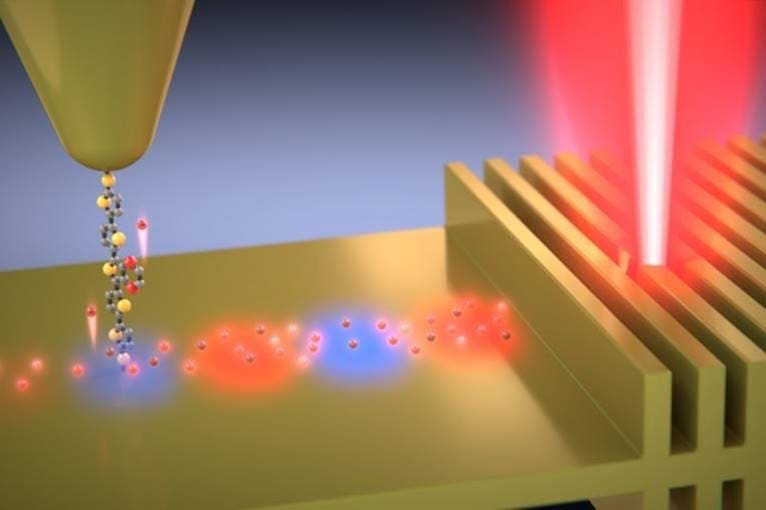
The team demonstrated how a technique using a scanning tunneling microscope integrated with lasers and other optical components reveals the energy distribution of hot electrons.

“For example, if you wanted to employ light to split water into hydrogen and oxygen, you can use hot charge carriers because electrons that are more energetic can more readily participate in the reaction and drive the reaction faster,” said Dr. Edgar Meyhofer, a professor of mechanical engineering at University of Michigan, who co-led the research along with professors Pramod Sangi-Reddy and Vladimir Shalaev.

It’s one possible use for hot carriers in energy conversion and storage applications, Meyhofer said.

Hot electrons are typically generated by shining a certain frequency of light on a carefully engineered nanostructure made of metals such as gold or silver, exciting so-called surface plasmons. These plasmons are believed to eventually lose some of their energy to electrons, making them hot. While hot electrons can have temperatures as high as 2,000 degrees Fahrenheit, it’s their high energy – rather than the material temperature – that makes them useful for energy technologies.

“Measuring energy distribution means quantifying how many electrons are available at a certain amount of energy,” said Harsha Reddy, a doctoral candidate in Purdue’s School of Electrical and Computer Engineering and co-lead author on this paper. “That crucial piece of information was lacking for expanding the use of hot electrons.”

The team created the hot electrons by shining laser light onto a gold film just 13 nanometers thick, or hundred or so gold atoms thick, with tiny ridges spaced so that they would resonate with the incident laser light and generate the surface plasmon waves. Then they measured the energies of the charge carriers by employing carefully chosen molecules.

These molecules, some of which were synthesized by collaborators at the University of Liverpool, allow only charge carriers with certain energies to pass. By filtering the charge carriers siphoned off the nanostructure, the researchers figured out the energy distribution of the charge carriers.

“Electrons can be thought of as cars running at different speeds on a highway,” said Dr. Kun Wang, a postdoctoral fellow at the University of Michigan. “The molecule acts like an operator—it only allows cars travelling at a certain speed to pass through.”

Wang spent more than 18 months working with Harsha Reddy on how to make this idea work. Once they had developed a successful method, Wang and Reddy repeated the experiments with a second gold structure, this one about 6 nanometers thick. The results showed that light generates hot charge carriers more efficiently on a thinner metal film, confirming theoretical predictions.

“These advances were achieved by insightfully combining nanotechnology tools that were developed at the University of Michigan and nanophotonic expertise from our collaborators at Purdue University, which was only possible due to a Multi[disciplinary] University Research Initiative effort supported by ARO,” Sangi-Reddy said.

With the method now demonstrated, the team believes that others can also use it to explore and optimize nanostructures.

The Department of Energy and the Office of Naval Research provided additional funding for the research. Seed funding from the U-M Department of Mechanical Engineering supported complementary calculations.

By U.S. Army CCDC Army Research Laboratory Public Affairs

Comp-Tac Releases New Hybrid AIWB Pouch to Complement Appendix Lineup

Tuesday, June 9th, 2020

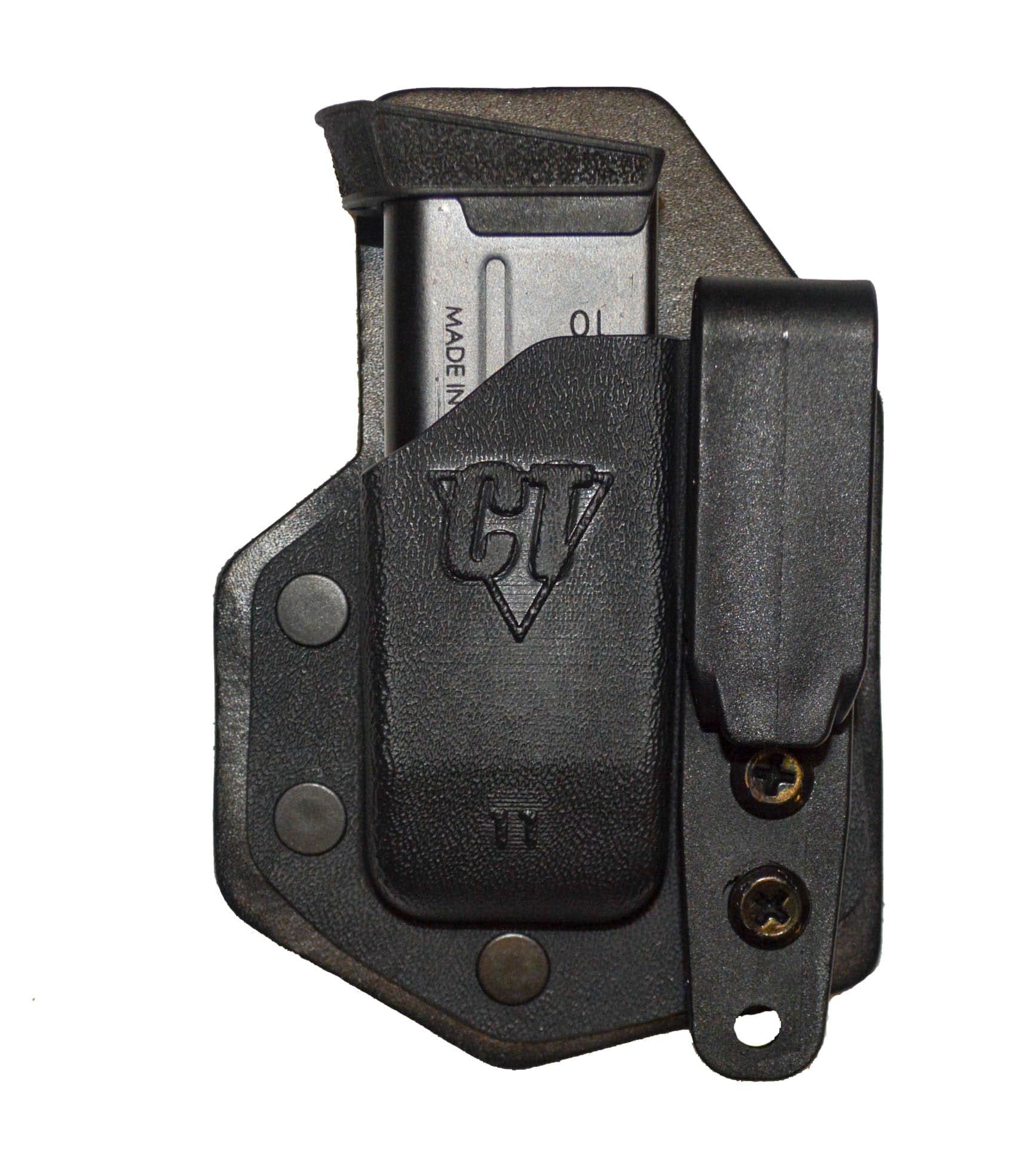
HOUSTON, June 3, 2020 – Comp-Tac® recently released the eV2™ Magazine Pouch, a new inside-the-waistband, hybrid mag pouch, for customers who want to carry a spare mag in the appendix position.

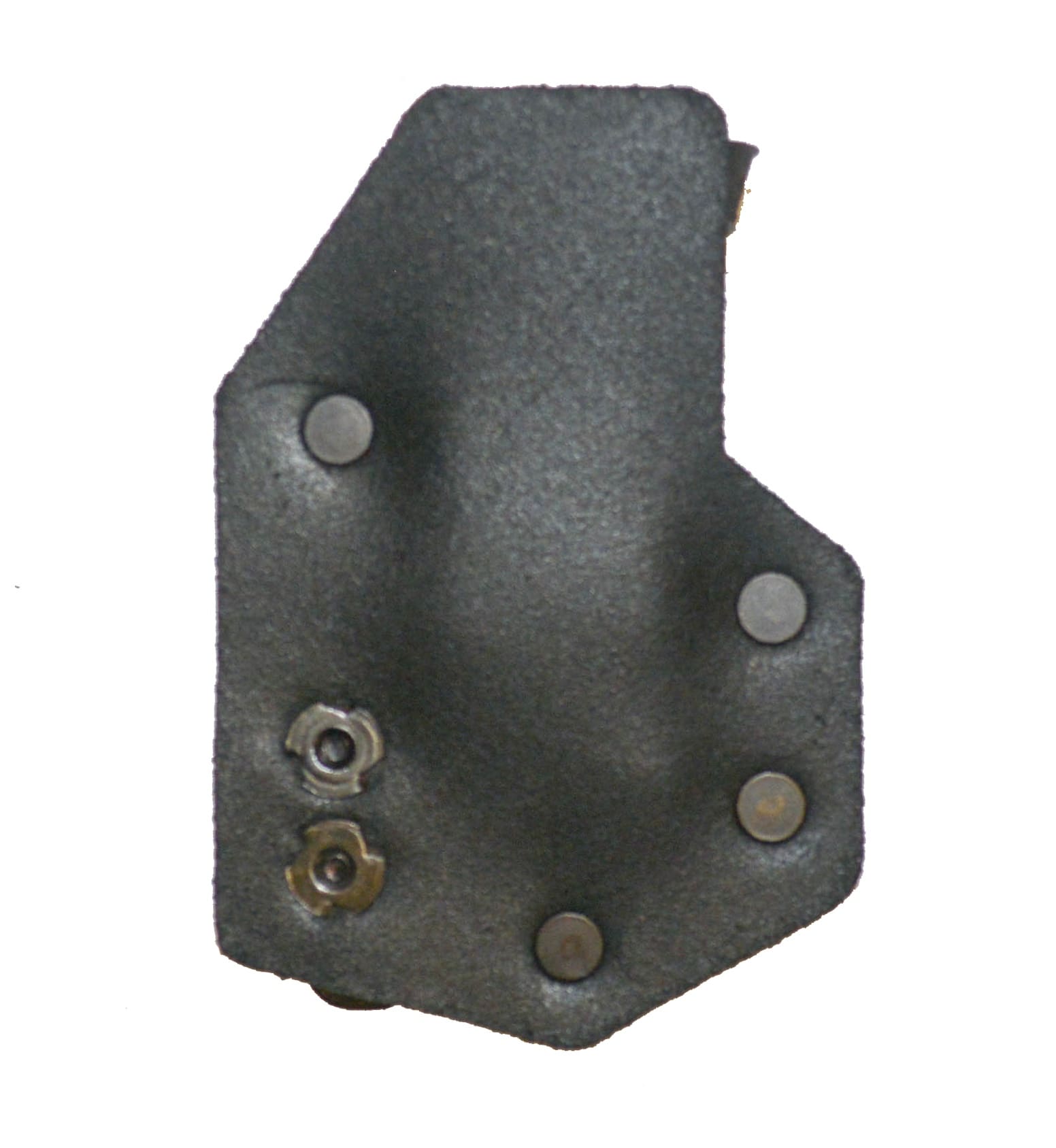
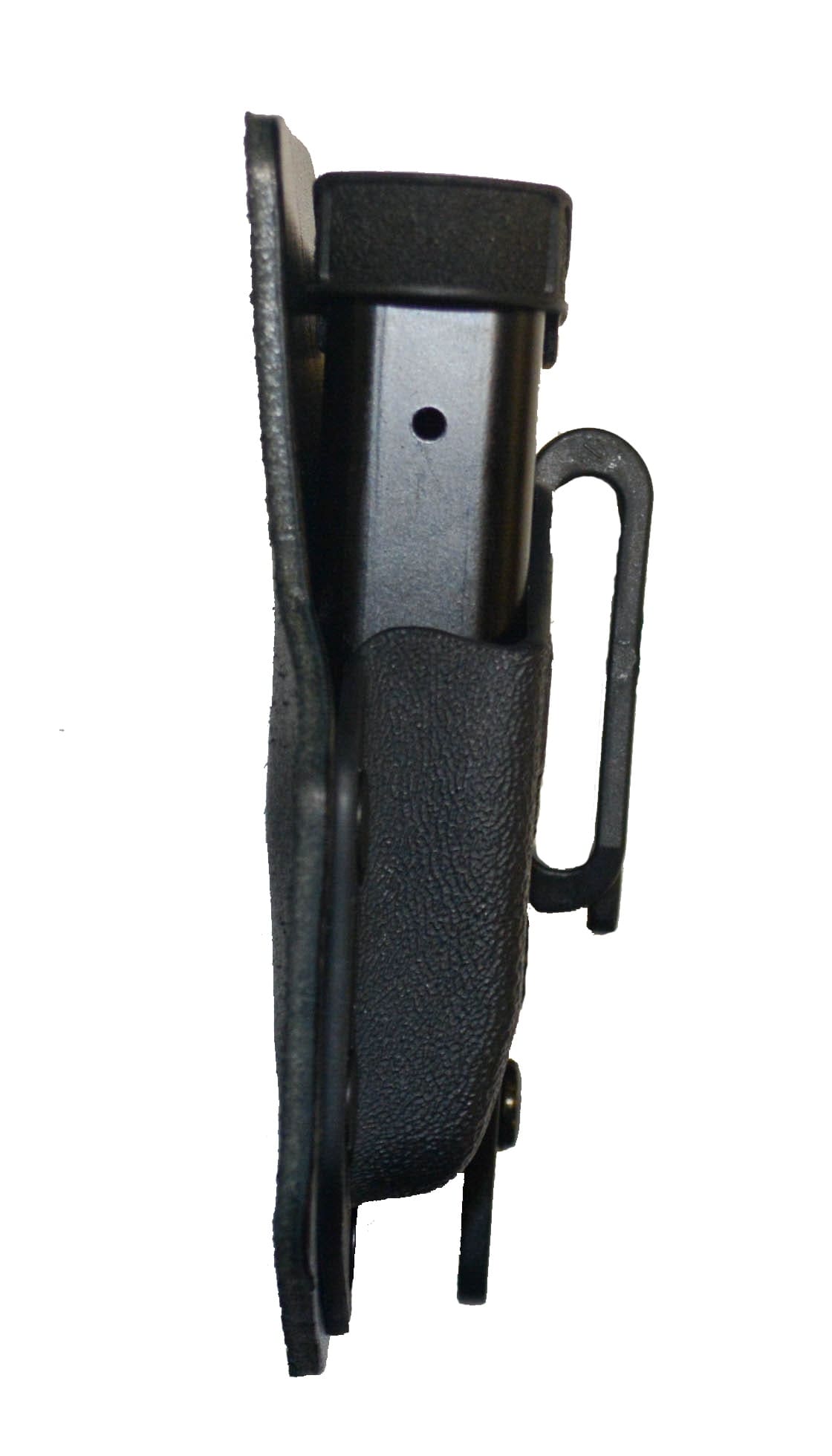
This hybrid pouch is made with a top-grain, cowhide leather backing and a Kydex® shell that holds the magazine. The pouch attaches to the belt with a nylon clip that is ride-height adjustable, allowing the user to set the height of the magazine in relation to their belt. The magazine pouch is also tuckable to allow the shirt to be tucked in over the magazine for deep concealment.

Features of the eV2 Mag include:
– Top-grain cowhide leather
– Kydex body
– Nylon clip is ride-height adjustable and tuckable
– Index cut on leather and Kydex for improved draw capabilities
– Designed specifically for carrying compact magazines
– Created for wear in the appendix region for quick access

“Appendix carry has become more and more popular as the sizes of guns have gotten smaller,” explained Gordon Carrell, Comp-Tac general manager. “Many of our customers who conceal carry also like to carry a spare magazine. While many individuals can drop a spare mag in a pocket, the number of EDC items is on the rise. Having a magazine pouch helps to balance the load of wallet, flashlight, medical kit, keys, personal items, etc. The eV2 Mag compliments our popular eV2 and eV2 Max holsters, giving users the ability to keep all their ‘hardware’ up front for easy access.”


eV2 Mag – comp-tac.com/ev2-mag-pouch

MSRP: $29.00


CarbonX Launches Defender Masks to Address Industrial PPE Shortage

Tuesday, June 9th, 2020

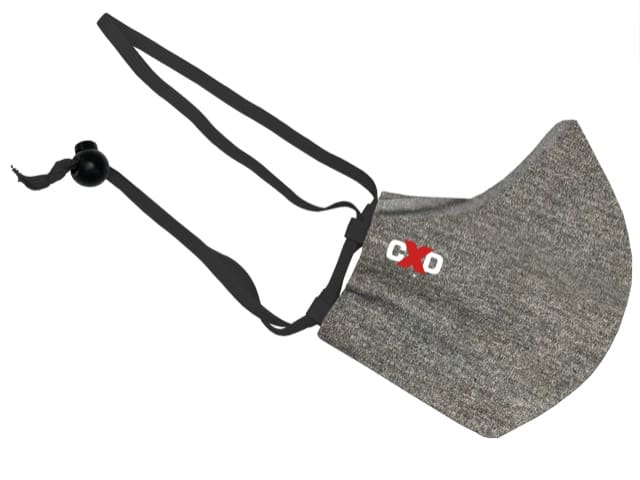
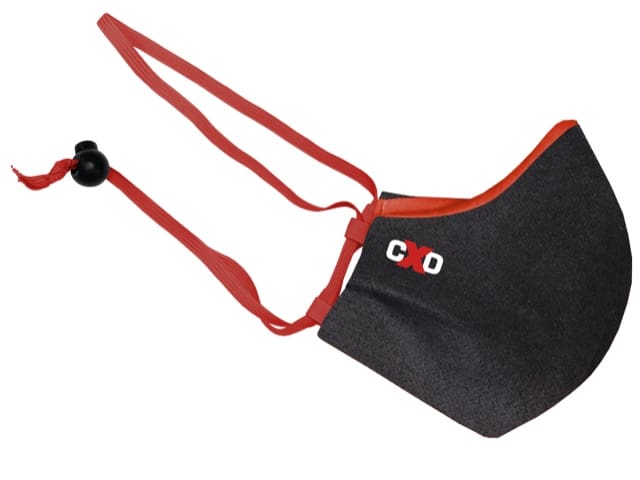
For workers who require protection from COVID-19 while working in dangerous areas with threats of fire or arc flash, the CarbonX® Defender Masks provide a safe solution for both.

At Tex Tech Industries, we’ve added CarbonX® Defender Masks to our line of flame-resistant (FR) PPE to provide the protection industrial workers need. These masks are reusable, comfortable, washable, and offer superior protection against most common industrial hazards.

The CarbonX® Defender Mask

At CarbonX®, we strive to do our part to provide protection in applications where safety is of the utmost importance. Our FR Defender Masks are created from breathable, non-flammable CarbonX® fabric front covering backed with a non-woven filter made from polyester. All masks are customizable with your company logo. We offer two different mask varieties:

CarbonX® Defender Mask 1

The CarbonX® Defender Mask 1 offers the following features:

High breathability at 50 cfm

Captures 65% of particulates larger than 0.3 microns (±10%)

Three-layer construction: Two layers of non-flammable CarbonX® TK-60 knit (front and back covering) and a single layer of 6 oz polyester non-woven filter media (middle layer)

Machine washable, hand washing recommended with 3% hydrogen peroxide solution

Air drying recommended

CarbonX® Defender Mask 2

The CarbonX® Defender Mask 2 provides the following:

Breathability at 37 cfm

Captures 75% of particulates larger than 0.3 microns (±10%)

Three-layer construction: Single layer of non-flammable CarbonX® 6 oz non-woven (front covering), single layer of 6 oz polyester non-woven filter media (middle layer), single layer of 3.5 oz 100% hypoallergenic cotton (back covering)

NAFTA/USMCA compliant

Hand washable with 3% hydrogen peroxide solution

Air drying recommended

For comparison purposes, the N95 mask offers 95% particulate filtration and breathability of 32 cfm. Of note, the Defender masks are designed for industrial and commercial use and are non-medical grade. The above statistics are the result of in-house testing by Tex Tech and have not yet been verified by an independent third-party. 

(more…)

Tactical Distributors Launches 10th Anniversary Tiger Stripe Collection

Tuesday, June 9th, 2020

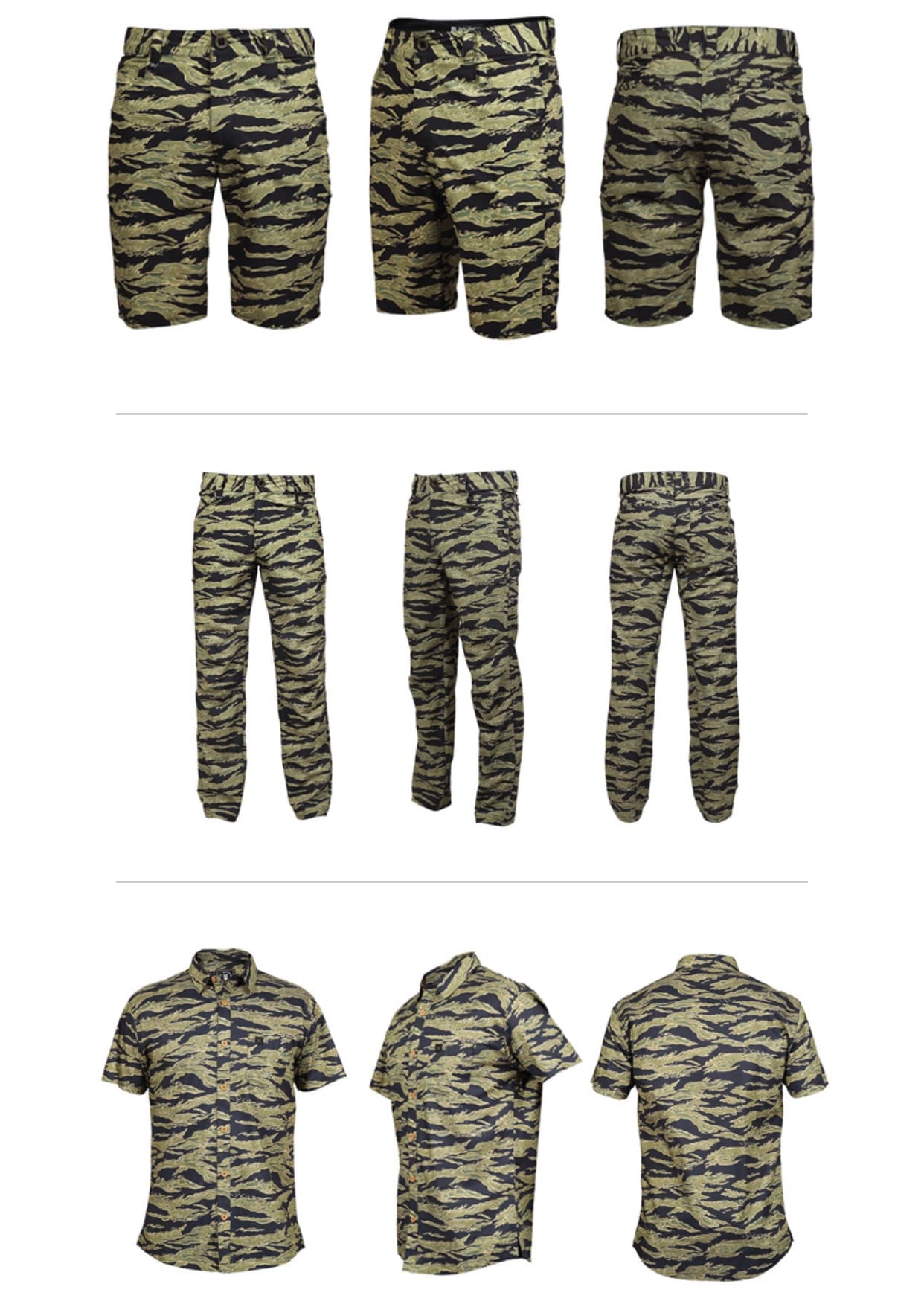
It’s the Year of the Tiger Stripe. TD is celebrating their 10th bday this year and have adopted the Tiger Camo as the signature pattern for our Anniversary Collection. Now available in some of our greatest hits…Neptune pants/shorts, TD Button Up, Dean Pocket Tee & an Altama collabo!  

www.tacticaldistributors.com/collections/tactical-distributors

ActSafe TCXII Powered Rope Ascenders

Tuesday, June 9th, 2020

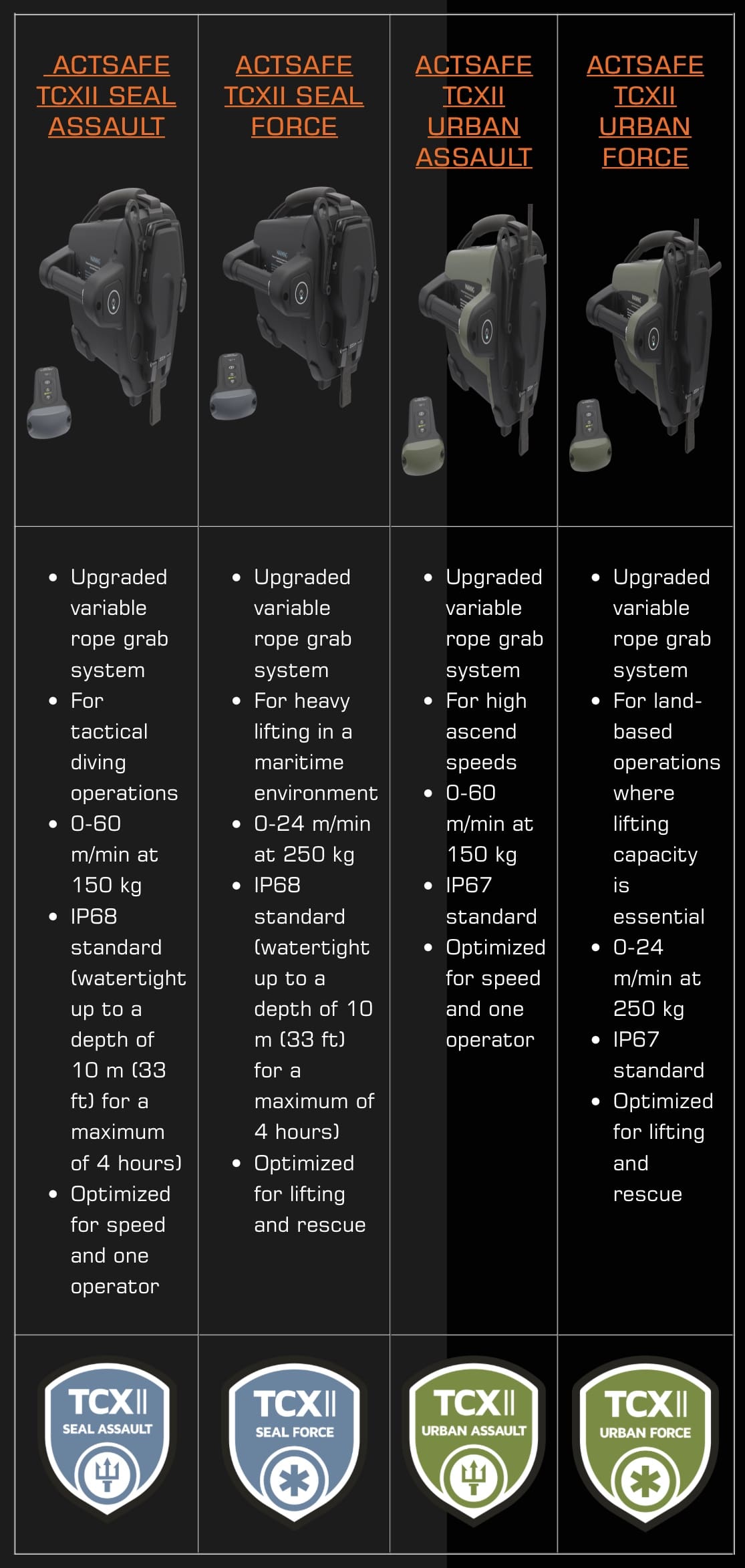
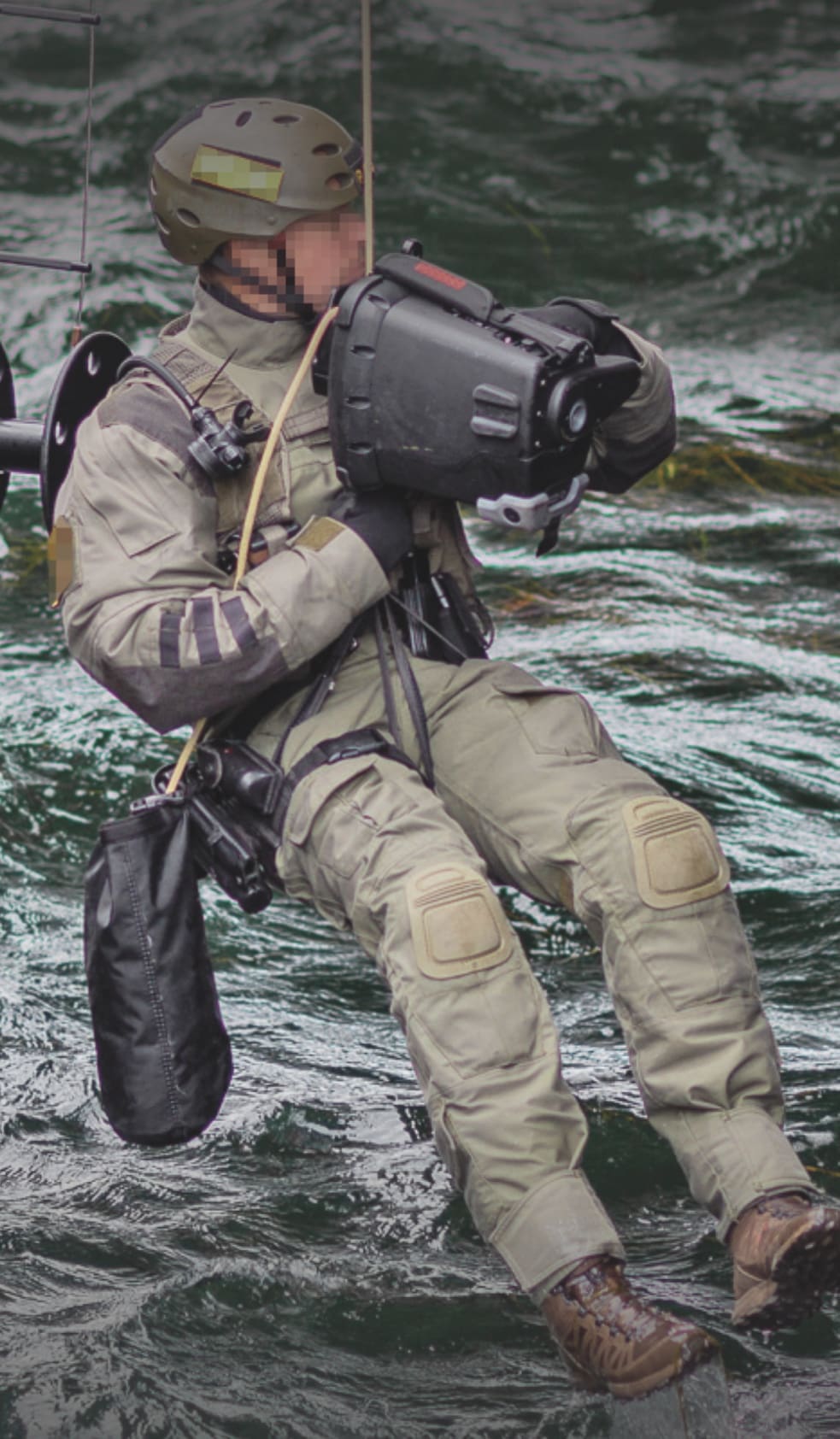
Skylotec acquired ActSafe in January 2020 and one of their most popular products is the TCXII Powered Rope Ascender.

They feature a variable rope grab system suitable for ropes of diameters from 6mm – 11mm. Ascent speeds vary from 0-60m per minute and working load limits from 150-250kg, depending on the model.

Actsafe Ascenders are built in Sweden.

actsafe.se

Bell Teams With Industry Leaders For US Army Future Attack Reconnaissance Aircraft Program

Tuesday, June 9th, 2020

Team Invictus brings together programmatic and operational expertise to deliver a transformational, affordable scout aircraft to soldiers, the Bell 360 Invictus

Fort Worth, Texas (June 4, 2020) – Bell Textron Inc., a Textron Inc. (NYSE: TXT) company, has announced agreements with nine premier aerospace industry leaders to form Team Invictus. The companies are producing the Bell 360 Invictus prototype submission as part of the U.S. Army’s Future Attack Reconnaissance Aircraft (FARA) program. Each industry partner brings unique experience and technological expertise to provide a low-risk path for the Army’s acquisition of a lethal, affordable rotorcraft with advanced mission systems to modernize aviation for multi-domain operations (MDO). 

“Team Invictus is working together to show how cutting-edge technology will give soldiers the ability to confidently operate in the complex and contested battlespace of multi-domain operations,” said Chris Gehler, vice president and program director for FARA at Bell. “Future Vertical Lift is critical for the Army’s ability to win in multi-domain operations with FARA defeating defensive layers and the Future Long-Range Assault Aircraft (FLRAA) exploiting opened areas to achieve operational objectives.”      

Team members are working closely together to deliver the Bell 360 Invictus prototype using a configuration that emphasizes operational availability, sustainability, and maintainability. The members of Team Invictus include:

Astronics Corporation for a modular framework of airframe power generation, conversion, and distribution products

Collins Aerospace for integration of a new generation of avionics hardware and software featuring cyber-hardened and digital backbone solutions to configure and integrate mission systems

GE Aviation for the 3,000-SHP T901 engine and working on the aircraft Health Awareness System (HAS)

ITT-Enidine Inc. for the passive Liquid Inertia Vibration Eliminator (LIVE) units for all modes of operation including high speed

L3Harris Technologies for the WESCAM™ MX-15D, an advanced, stabilized multi-sensor, multi-spectral imaging and targeting system

Parker Lord for rotor dampers, the main rotor CF bearing, the tail rotor tension torsion strap, and the Active Vibration Control (AVC) System

Mecaer Aviation Group, Inc. for a fully retractable, tail dragger landing gear system 

MOOG Inc. for flight control computer (FCC) electronics, software, and flight control actuation, critical components of the Bell fly-by-wire, Flight Control System (FCS)

TRU Simulation + Training for a high-fidelity flight simulator that gives pilots a true sense of the aircraft flight controls

Team Invictus is applying digital design and manufacturing technologies, including maintenance as part of the design process, and use of emerging commercial practices to bring a holistic view of digital models, processing and analysis to reduce lifecycle maintenance and servicing requirements—and thus reducing sustainment costs.

“Each team member brings a capability that is vital to the success of the Bell 360 and we are honored to have proven, capable, and well-respected industry partners on Team Invictus,” stated Gehler. “This is an outstanding industry team, and we are working diligently to produce a FARA weapon system that is operationally effective and affordably sustainable, as well as complementary and in many ways common to the FLRAA program.”

Following the selection of the Bell 360 Invictus for the competitive prototype in March 2020, Team Invictus continues to rapidly move forward. Team Invictus’ collective expertise reduces program risk while preserving the Army’s FARA schedule leading to a first flight targeted for the fourth quarter of fiscal 2022.

To learn more about Bell 360 Invictus and FVL, please visit the Bell 360 Invictus website, and follow us on YouTube, LinkedIn, Twitter, Facebook, and Instagram.

Galvion Signs Contract With Marketing and Communications Agency, Chamois

Tuesday, June 9th, 2020

Galvion, an international designer, manufacturer and supplier of survivability and power management systems to the global defence and security sector, has signed a contract with the UK-based marketing and communications agency, Chamois Consulting Ltd. Under this contract Chamois will provide an integrated marketing and communications service with a particular focus on brand communications and PR to raise the profile and awareness of the newly launched Galvion.

Following the announcement in October 2019 of the sale of its protective eyewear business, along with the Revision Military brand name, the remaining Armor, Soldier Power and Electronics, Vehicle Platform Power and Advanced Concept divisions of the company are moving forward under the new corporate name GALVION. With seven company sites located across Canada, USA and UK, Galvion’s product portfolio includes leading-edge head, face and torso protective solutions, as well as power management systems supplied to military and tactical clients worldwide.

Galvion enjoys an impressive track record of large-scale global contracts for protective head systems as well as soldier power management systems, with customers including defence forces from the US, Canada, UK, France, Germany, Denmark, the Netherlands, the Czech Republic, Poland, UAE, Israel, Australia, Indonesia, Botswana and others.

Of particular note to both Galvion and Chamois is the fact that the contract was put in place during the Covid-19 lockdown period, resulting in the parties on both sides not having met each other face to face prior to contract award. For both companies this has been a clear demonstration of how innovation, determination and adaptability can allow business to continue in these uncertain and challenging times.

Marnie Blanshay, Director of Marketing and Communications at Galvion said: “We are excited to start this new partnership with Chamois. A corporate re-brand is a monumental task no matter the circumstances, but the added constraints due to COVID-19 have pushed us to look for additional partners who can help us find creative ways to engage with our customers and markets. The inability to travel to meet customers in person or engage at trade shows are obstacles that so many are facing at the moment, but business must continue, and we are looking forward to working with Chamois to introduce Galvion and advance our sharpened business portfolio”.

Jamie Clarke, CEO at Chamois said: “I’m so pleased to have signed this contract with Galvion who, for us, are a model client. Following re-branding, companies often need help to establish awareness of the new brand despite there being a clear, credible and proven pedigree reaching back under the former brand. Our aim is to place Galvion firmly and visibly on the global map and we’re really looking forward to starting work”. He added “This contract is one of two new accounts we’ve brought on board during the lockdown period, working through restrictions that made it impossible to meet those involved in person. Life is not easy for any of us at the moment but we’re finding ways to overcome the constraints and continue to grow. I’d like to wish everyone the very best in these difficult times; stay safe”.