TYR Tactical

Archive for the ‘SOF’ Category

Class Reunion: U.S., Philippine Pilots Reconnect at Balikatan 22

Sunday, April 24th, 2022

CLARK AIR BASE, Philippines —  

More than 16 years and 7,000 miles from their first meeting as cadets at the United States Air Force Academy, two pilots reconnect while participating in an academic exchange during Balikatan 22, a bilateral military exercise that strengthens the long-standing alliance between the Philippines and the United States.

U.S. Air Force Maj. Dan Jackson and Philippine Air Force Maj. Dennis Marzo, who both attended the Air Force Academy in Colorado Springs, reconnected on March 29, 2022 at Clark Air Base, Pampanga, in the Philippines. The bond of training and shared experience both officers received at the academy was evident during their meeting and reflects the same bond and experience that the U.S. and Philippine armed forces build while working together during Balikatan.

“It was during the first day of class during Balikatan that I think we both realized we looked familiar, but it wasn’t until the end of academics that Dennis came up to me,” said Jackson, a 6th Special Operations Squadron combat aviation advisor evaluator pilot.

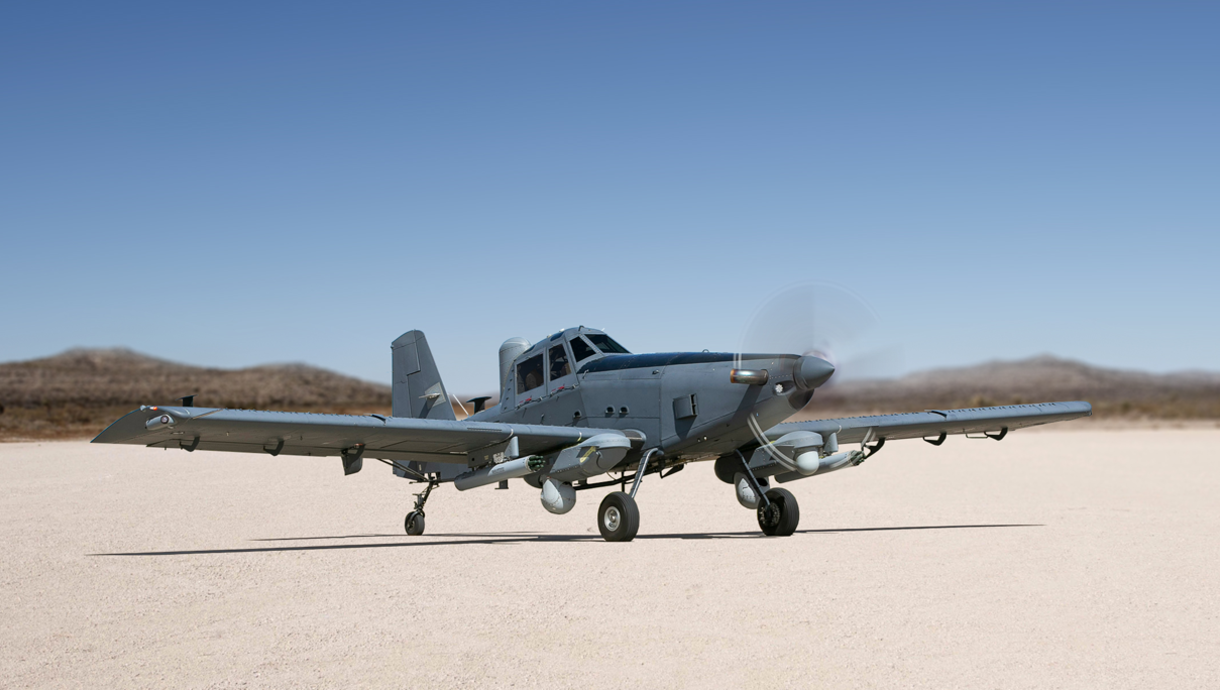
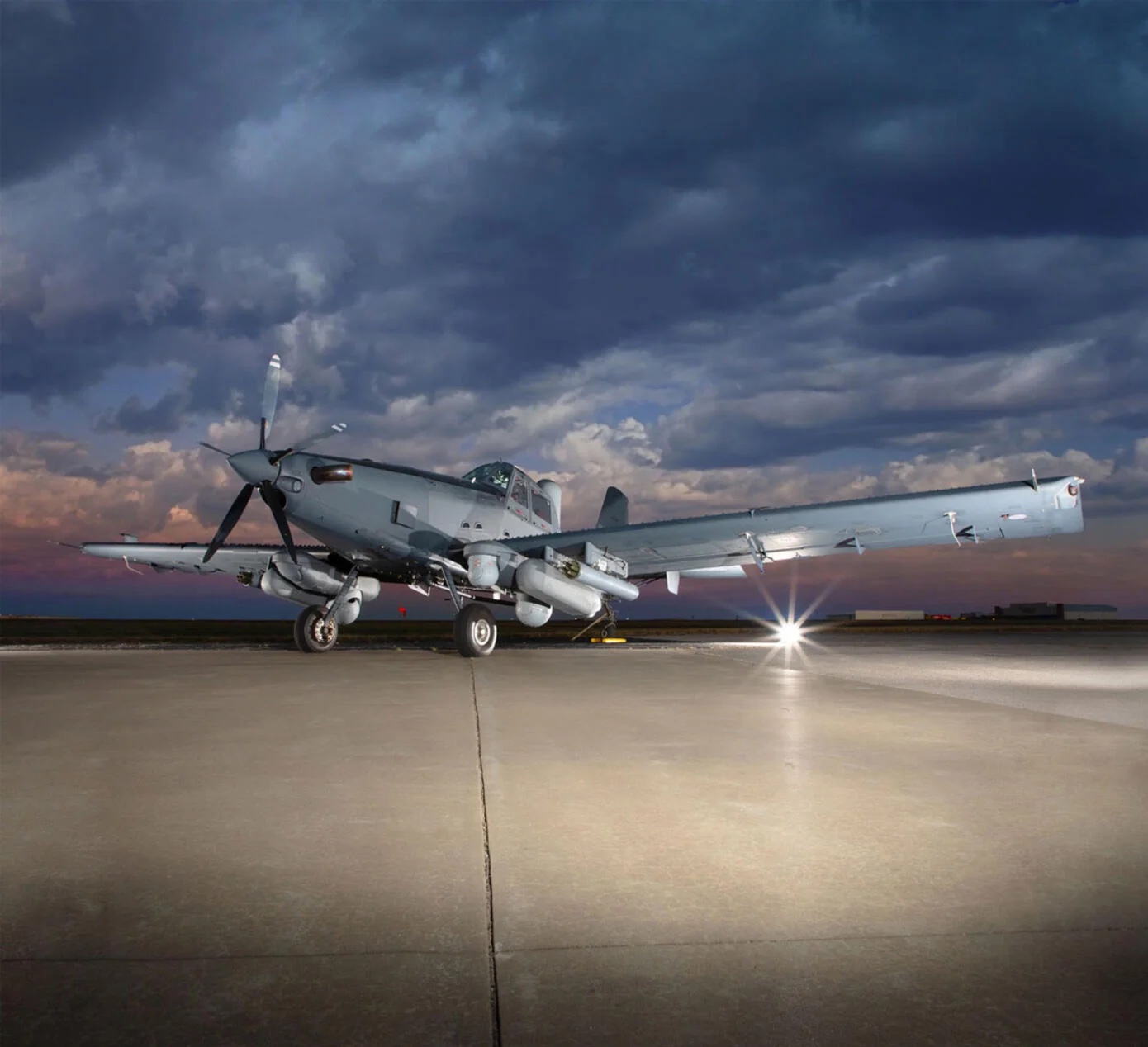
Every time he participates in exercise Balikatan, Marzo, a 15th Strike Wing A-29 pilot, makes it a habit to ask U.S. Air Force pilots if they went to the USAFA, where he attended as an exchange cadet in 2006. Jackson is one of the first pilots he has met who is from the same graduating class.

“We were also in the same Chinese class. It’s very exciting to meet him again,” said Marzo. “Out of more than a thousand cadets at the academy, there is small chance that we’d meet after graduation, especially if you’re working overseas.”

From classmates at the academy to leaders in their own countries’ militaries, both pilots expressed their surprise at meeting again under the circumstances and agreed that having a personal connection helped them collaborate more effectively while participating in exercise Balikatan.

“Even in recent history, we’ve done combat missions together, the United States and the Philippines. It just shows the importance of having these exercises to build that coordination, cooperation and joint tactics,” said Jackson.

Balikatan, meaning “shoulder-to-shoulder” in Tagalog, builds upon the shared history of cooperation and trust between the U.S. and the Philippines while allowing service members from both nations the opportunity to build friendships and broaden their understanding of each other.

“And it doesn’t end here,” added Marzo. “We develop connections and networks, so afterward we can still talk and learn from each other. It doesn’t end at Balikatan.”

By Airman 1st Class Anna Nolte

USSOCOM To Buy Jet Boots Diver Propulsion Systems from Patriot3 Inc

Monday, April 18th, 2022

The Department of Defense made the following announcement:

Patriot3 Inc., Fredericksburg, Virginia (H92240-22-D-0008), was awarded a $10,000,000 maximum ceiling value, single award, firm-fixed-price, indefinite-delivery/indefinite-quantity contract with an ordering period of up to five years for the acquisition of Patriot3 Inc. Jet Boots Dive Propulsion System(s) (JBDPS), JBDPS parts, and JBDPS repair/maintenance and training. Fiscal 2022 operations and maintenance funds in the amount of $110,000 are being obligated at the time of award. The majority of the work will be performed in Fredericksburg, Virginia, and is expected to be completed by fiscal 2027. This is a sole source contract under the authority of Federal Acquisition Regulation 6-302-1. U.S. Special Operations Command, Tampa, Florida, is the contracting activity.

The system uses low noise brushless motors and Lithium-Ion Batteries to achieve powerful propulsion at very low total system weight.

www.patriot3.com/jetboots

Special Operations Assoc Museum Committee Raising Funds for 5th SFG(A) Hall of Heroes Display Project

Saturday, April 16th, 2022

The Special Operations Assoc Museum Committee wants to raise $15,000.00 in the next sixty days. This will allow sufficient time to purchase and assemble items needed.

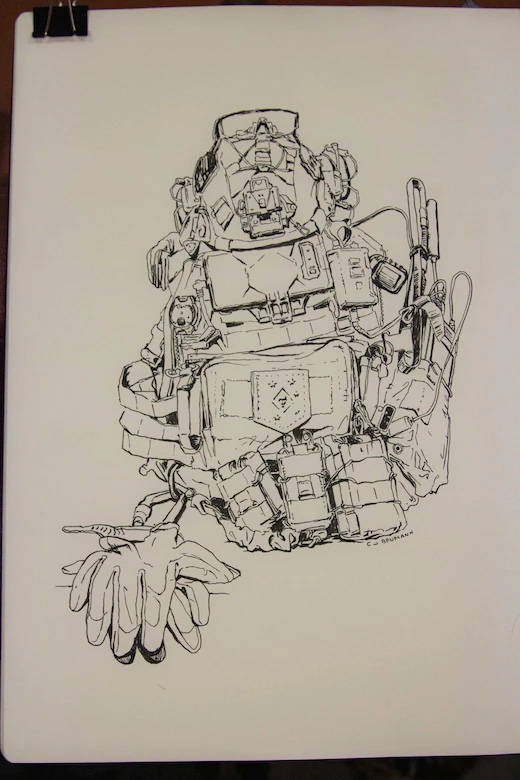
This project will consist of four mannequins of Special Operations men kitted out in mission ready gear, to include weapons. The goal is to have the display ready in time for the 5th Special Forces Group (Airborne) Reunion in September 2022 at Fort Campbell, Kentucky. After a period in the 5th SFG(A) Hall of Heroes the display will be moved to the John F. Kennedy Special Warfare Museum at Fort Bragg, North Carolina. Please donate today.

Read the CONOPS for more more information.

Thank you.

Bruce Christensen – Chair, Special Operations Museum Association (SOAM)

www.specialoperations.org/soa/museum

Thai Cave Rescue Mission – MSgt Ken O’Brien at NMUSAF

Friday, April 15th, 2022

Featured guest speaker, Master Sgt. Ken O’Brien, shared his experience in the Thai Cave Rescue during the Humanitarian Exhibit opening at the National Museum of the USAF. O’Brien played an instrumental role in the Thailand Cave rescue mission. He was essential in creating the rescue plan, which placed himself as the furthest American inside the cave. During the mission, he also led the effort to retrieve and successfully resuscitate a Thai Navy SEAL. His team’s heroic efforts led to the rescue of 13 Thai civilians.

SOFWERX – Security at the Edge Cyber Challenge

Thursday, April 14th, 2022

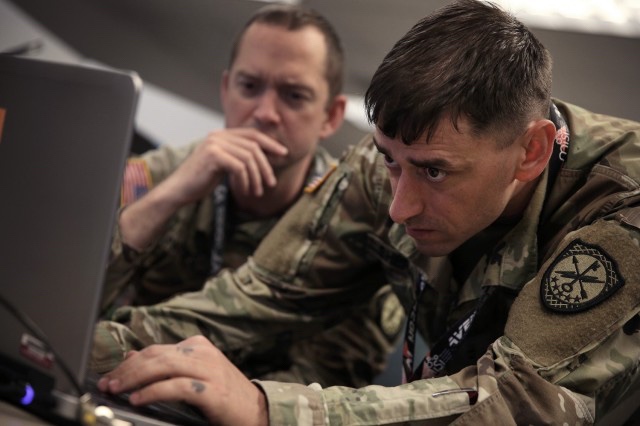
SOFWERX, in collaboration with SOF Acquisition, Technology, and Logistics (SOF AT&L) Science and Technology (S&T) Directorate Network and Data Management Capability Focus Area (NDM CFA), will host a Cyber Challenge on 13 July 2022 to identify technologies with automated capabilities that provide edge device endpoint security, cloud security to protect data at the edge, and network edge security within SOF operational environments.

In austere environments, edge computing devices provide the ability to handle processing on the device or local server and transmit only the relevant data by eliminating latency, which is essential for SOF Operators. Unfortunately, edge computing devices are designed to prioritize functionality and connectivity over security. This makes SOF Operators’ edge computing devices extremely vulnerable to sophisticated nation state threat actors’ cyber attacks. Edge computing devices can take essentially any form and endpoints are everywhere due to the proliferation of Internet of Things (IoT) devices. The SOF Operator needs to ensure they are making decisions based on trusted data and have protections against zero day attacks. The need for protection against advanced persistent threats (APTs), nation state sponsored cyber attacks, data integrity capabilities, and overall zero trust solutions for the main three components of edge computing devices are critical for the current and future SOF operational environments.

Submit NLT 06 May 2022 11:59 PM ET.

U.S. Citizens Only

More info here.

10th SFG(A) Tests Timbersled

Thursday, April 7th, 2022

The Originals recently tested out some “new tech” for cold weather/mountain mobility.

This is a Timbersled, which is a converted motorcycle that provides an unmatched level of maneuverability but comes with a bit of a steeper learning curve than snowmobiles.

U.S. Army Special Operations Command Troops Test RA-1 Ram Air Parachute Automatic Activation Device

Wednesday, April 6th, 2022

FORT BRAGG, North Carolina – Airborne equipment testers here are busy with Special Operations Soldiers testing the Army’s newest Enhanced Electronic Automatic Activation Device (EEAAD).

The Airborne and Special Operations Test Directorate (ABNSOTD) is gathering data from the operational user to support an Army-wide fielding decision to replace the aging reserve automatic activation device currently fielded to military free-fall (MFF) units.

“The EEAAD provides the capability of the rigger shop to download the data instantly, which is not provided by the currently fielded automated activation device,” said a Parachute Rigger with the U.S. Army Special Operations Command.

The ABNSOTD first completed risk reduction efforts for the EEAAD using only ABNSOTD test jumpers to ensure that the intended test item did not impose additional and unforeseen risks or hazards to the jumper before operational test jumps.

Operational testing started in the vertical wind tunnel.

“This allowed the test team to observe the approach load system under simulated free-fall conditions being employed by a MFF qualified test jumper,” said James Cochran (JC), a seasoned Military Test Plans Analyst with the ABNSOTD.

“The ABNSOTD employed a host of risk reduction measures to ensure the potential test item was safe and effective from the intended user’s standpoint,” he said.

Operational Soldiers from USASOC finished testing with the RA-1 main parachute and reserve with the EEAAD installed by conducting MFF test jumps into the Laurinburg, North Carolina drop zone.

“The EEAAD will not only provide MFF operators with a next-generation reserve parachute activation device but will also facilitate after action reviews,” said Lt. Col Derek Johnson, Chief of ABNSOTD’s test division.

“The EEAAD will also support jump incident investigations by providing the ability to download and analyze flight data at the unit level,” he added.

The operational testing consisted of new user training and military free fall jumps followed by data collection of jump data, downloaded from the EEAAD.

“The simplicity of the menus and setting provides more confidence to the jumper that the device will work as expected,” said one USASOC Operator.

By Mr. Richard Hedgecock, Military Test Plans Analyst, Airborne and Special Operations Test Directorate, U.S. Army Operational Test Command

AFSOC Civilian Development Program Revamp

Monday, April 4th, 2022

HURLBURT FIELD, Fla. —  

In alignment with Air Force Special Operations Command Strategic Guidance, the AFSOC Civilian Development (CivDev) Program was launched to deliberately develop our civilian workforce in order to meet the ever-increasing challenges and develop the Airmen we need. 

The AFSOC Civilian Development Program, includes a foundational plan, a variety of civilian development opportunities, career broadening initiatives, and annual civilian developmental education programs.  

“As our organization evolves, so must our civilian workforce,” said Jodie James,  deputy strategic advisor of civilian development for AFSOC. “It is our intent to develop our civilians through world-class programs that help our civilians reach their full potential. In order to do this, we must first start with a developmental foundation.” 

On Apr. 1, 2021, the AFSOC Civilian Human Capital Foundational Plan was signed identifying three elements for implementation. The first is to create and maintain an Individual Development Plan (IDP) for all AFSOC civilians within 45 days of arrival and to be reviewed annually. The second is to complete the MyVector Air Force Competencies Assessment within 30 days of arrival and every year thereafter. Lastly, all civilians need to be assigned a mentor they can go to for advice and guidance. 

This policy identifies the cardinal plan to provide the strong foundation we need to build on for future deliberate development initiatives.  

“We’re not going to get to the ‘AFSOC We Need’ without developing our civilians who provide AFSOC with an adaptive and expert workforce,” said Donald Plater, executive director of AFSOC. “They are vital to our culture and must have the same attention our enlisted and officer Air Commandos get.”  

In addition to the AFSOC Civilian Development foundational plan, AFSOC has invested in a variety of development opportunities for civilians looking to enhance their careers, hone their leadership skills, or just continue the journey of life-long learning. 

For the most up-to-date information regarding civilian development opportunities, please visit the CAC-enabled AFSOC CivDev Sharepoint at usaf.dps.mil/sites/AFSOC-A1/A1D/CivilianDevelopment/SitePages/Home

By Capt Savannah Stephens, Air Force Special Operations Command Public Affairs