XC3 Weaponlight

Archive for the ‘Advertiser’ Category

SIG SAUER to Host SIG Freedom Days: A First of Its Kind SIG Shooting Experience

Wednesday, March 16th, 2022

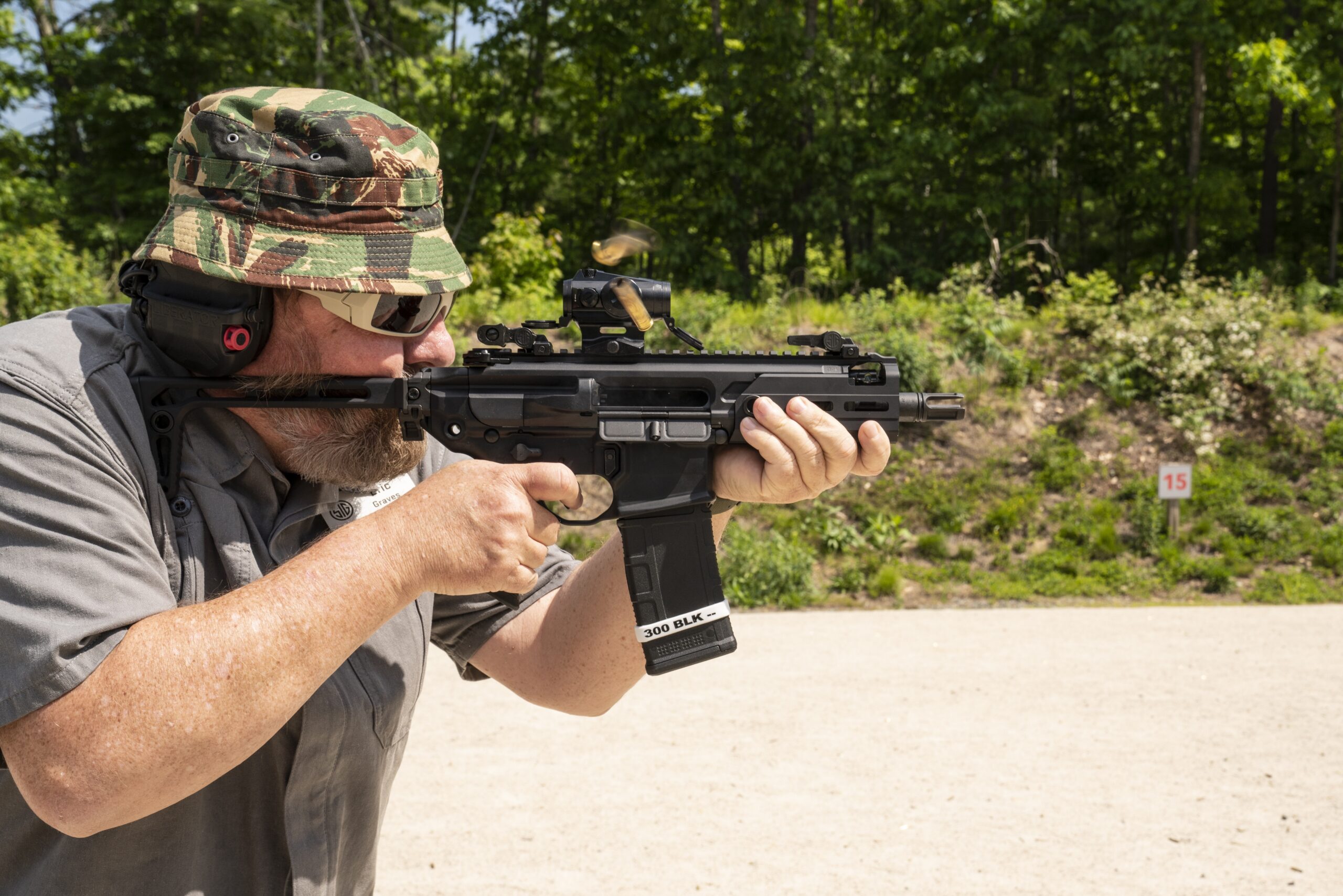
NEWINGTON, N.H., (March 16, 2022) – SIG SAUER is pleased to announce SIG Freedom Days – the first ever total consumer SIG range and shooting experience hosted by SIG SAUER. The SIG Freedom Days experience will take place May 6 – 8, 2022, at Ben Avery Shooting Facility in Phoenix, Arizona and costs $79.95 for a daily pass.

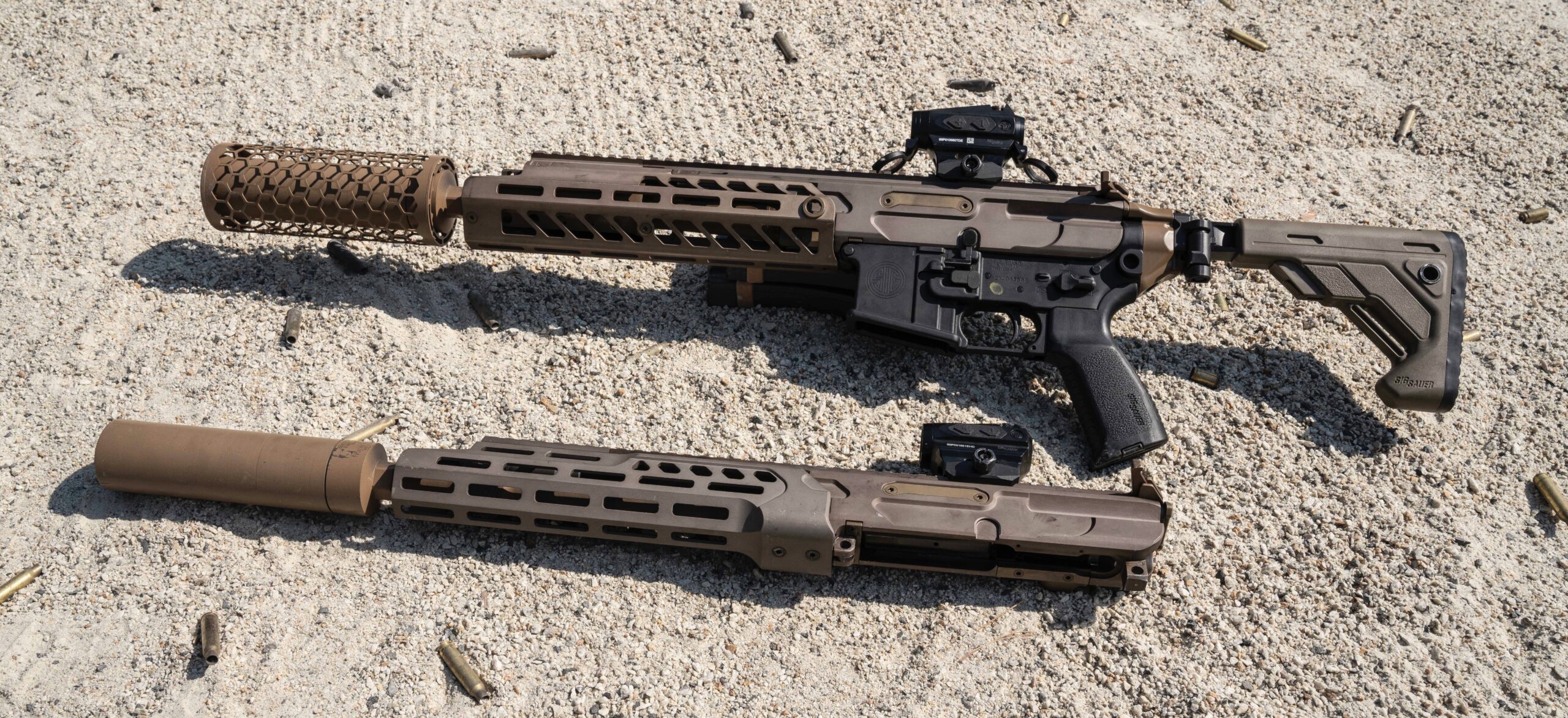
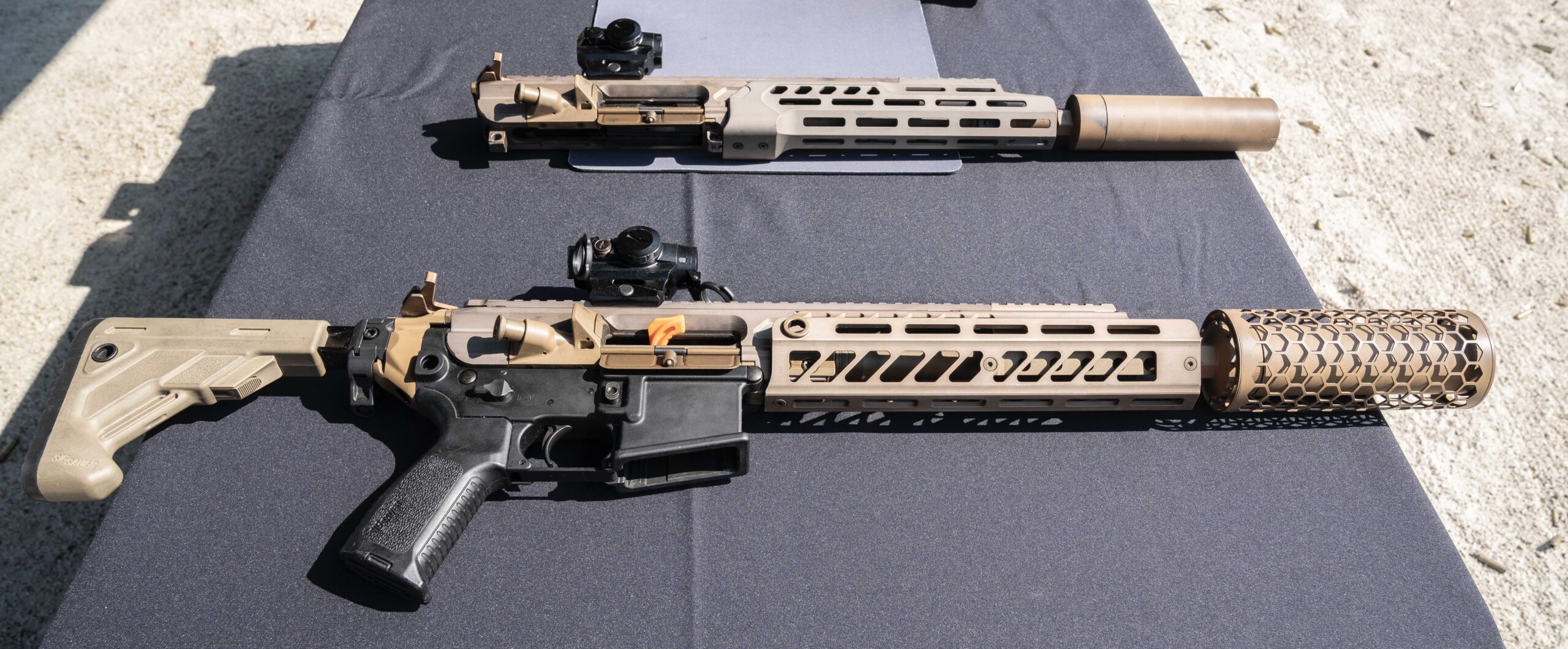
Guests at SIG Freedom Days will have the opportunity to shoot nearly 50 different SIG SAUER firearms including the entire newly released SPECTRE Comp Series of guns, the most popular EDC P365 series, the P320 to include the U.S. Army’s P320-M17 and the U.S. Marine’s P320-M18, the MCX rifle in multiple configurations including the MCX-SPEAR, yet to be released SIG pistols and rifles, and much more.  Additionally, attendees will also get to shoot some of Mossberg’s most popular shotguns and Crossbows from Xpedition Archery.

This event also includes live demonstrations from Team SIG’s professional shooters as well as Jerry Miculek, the greatest competitive shooter of all-time. Learn tips and drills about carry optics from Team SIG Captain and Carry Optics World Champion Max Michel, modern EDC carry tips for women from Lena Miculek, and precision shooting from World Sniper Champion and former Army Marksmanship Unit (AMU) Captain Daniel Horner.  Team SIG and Jerry Miculek will also host a daily speed shooting demonstration and interactive contest with SIG prizes. See additional demonstrations from other professionals such as SGM Kyle Lamb (ret.), owner of Viking Tactics and SGM Mike Glover (ret.), owner of Fieldcraft Survival.

Connect with sponsors at SIG Freedom Days including USCCA (United States Concealed Carry Association), Black Rifle Coffee Company, XPEDITION Archery, Mossberg, 5.11 Tactical, Fieldcraft Survival, Guns. com and more.

You can also connect with notable people including New York Times best selling author Jack Carr (get autographs in his Terminal List Series books), Justin Melnick with his dog Dita from the popular series “SEAL Team,” and meet MSG Scotty Neal (ret.), from the notable “12 Strong” initiative in Afghanistan.

A SIG Freedom Days daily pass includes the opportunity to shoot 10 stages featuring SIG pistols and rifles (ammunition included), and access to all activities and demonstrations. Additional 5-stage purchase opportunity will be available on-site for $29.95.

To purchase a SIG Freedom Days pass, or learn more about the event, visit the SIG FREEDOM DAYS registration site.

March Mannequin Madness – Day 3

Tuesday, March 15th, 2022

During IWA Helikon-Tex displayed their new products on mannequins arrayed around their stand. Each day we will showcase a different one and detail the gear.

Helikon-tex is working to expand their clothing designed specifically for women and an day 3, we’ve got a sampling.

This the new Squall Women’s Hardshell paired with Hoyden Range Leggings and the Shooting Time Trucker cap. The shirt is the women’s UTL Polo Shirt.

TMS Tuesday – The M.A.R.C.H Algorithm – Respiration

Tuesday, March 15th, 2022


The MARCH algorithm is laid out differently from Advanced Trauma Life Support (ATLS) which used Airway, Breathing, and Circulation (ABC’s) as the order of treatment. MARCH stands for Massive Hemorrhage, Airway, Respiration, Circulation, Hypothermia/Head injury. Respiration consists of penetrating thoracic trauma.

When it comes to penetrating thoracic trauma, it is important to systematically check the entire torso for wounds, from the umbilicus to the clavicle, including the axillae and any folds of skin. Medics often use a raking motion in opposite or off angle directions to assist in identifying difficult to see or smaller wounds.

An open chest wound, sometimes referred to as a “sucking chest wound”, will trap air in the chest, creating a pneumothorax. If too much air builds up, it will create enough pressure to become a tension pneumothorax, which can lead to decreased function in the non-injured lung and heart and could lead to death.

According to the Committee on Tactical Combat Casualty Care, assessing and treating tension pneumothorax should progress as follows:

Suspect a tension pneumothorax and treat when a casualty has significant torso trauma or primary blast injury and one or more of the following:

• Severe or progressive respiratory distress

• Severe or progressive tachypnea

• Absent or markedly decreased breath sounds on one side of the chest

• Hemoglobin oxygen saturation < 90% on pulse oximetry

• Shock

• Traumatic cardiac arrest without obviously fatal wounds

If not treated promptly, tension pneumothorax may progress from respiratory distress to shock and traumatic cardiac arrest.

All open and/or sucking chest wounds should be treated by immediately applying a vented chest seal to cover the defect. If a vented chest seal is not available, use a non-vented chest seal. If you must use a non-vented chest seal, then you must be vigilant in continued patient assessment, as air from the damaged lung may continue to build up inside the chest. For the layperson, this means “burping” the dressing to release air. For providers, this means needle decompression, finger thoracotomy, or tube thoracostomy.



Initial treatment of suspected tension pneumothorax:

• If the casualty has a chest seal in place, burp or remove the chest seal.

• Establish pulse oximetry monitoring.

o All individuals with moderate/severe TBI should be monitored with pulse oximetry. Readings may be misleading in the settings of shock or marked hypothermia.

• Place the casualty in the supine or recovery position unless he or she is conscious and needs to sit up to help keep the airway clear as a result of maxillofacial trauma.

• Decompress the chest on the side of the injury with a 14-gauge or a 10-gauge, 3.25-inch needle/catheter unit.

• If a casualty has significant torso trauma or primary blast injury and is in traumatic cardiac arrest (no pulse, no respirations, no response to painful stimuli, no other signs of life), decompress both sides of the chest before discontinuing treatment.

o Either the 5th intercostal space (ICS) in the anterior axillary line (AAL) or the 2nd ICS in the mid-clavicular line (MCL) may be used for needle decompression (NDC.)  If the anterior (MCL) site is used, do not insert the needle medial to the nipple line.

o The needle/catheter unit should be inserted at an angle perpendicular to the chest wall and just over the top of the lower rib at the insertion site. Insert the needle/catheter unit all the way to the hub and hold it in place for 5-10 seconds to allow decompression to occur.

o After the NDC has been performed, remove the needle and leave the catheter in place.

The NDC should be considered successful if:

• Respiratory distress improves, OR

• There is an obvious hissing sound as air escapes from the chest when NDC is performed (this may be difficult to appreciate in high-noise environments), OR

• Hemoglobin oxygen saturation increases to 90% or greater (note that this may take several minutes and may not happen at altitude), OR

• A casualty with no vital signs has return of consciousness and/or ` radial pulse.

If the initial NDC fails to improve the casualty’s signs/symptoms from the suspected tension pneumothorax:

• Perform a second NDC on the same side of the chest at whichever of the two recommended sites was not previously used. Use a new needle/catheter unit for the second attempt.

• Consider, based on the mechanism of injury and physical findings, whether decompression of the opposite side of the chest may be needed.

• Continue to re-assess!

If the initial NDC was successful, but symptoms later recur:

Perform another NDC at the same site that was used previously. Use a new needle/catheter unit for the repeat NDC.

• Continue to re-assess!

If the second NDC is also not successful:

• Continue on to the Circulation section of the TCCC Guidelines.

These recommendations are from the TCCC Guidelines which can be found at: www.deployedmedicine.com/content/40

Tools to Aid in Respiration

TacMed™ Solutions offers a variety of products built to help with this respiratory emergencies including HALO™ Chest Seals, TPAKS for Needle Decompression, a Standard and Complete Chest Tube Kit, a Basic Chest Wound Kit and more. To stock your kit with essential tools, check out TacMed™ Solutions at tacmedsolutions.com/collections/m-a-r-c-h-tccc/respiratory.

March Mannequin Madness – Day 2

Monday, March 14th, 2022

During IWA Helikon-Tex displayed their new products on mannequins arrayed around their stand. Each day we will showcase a different one and detail the gear.

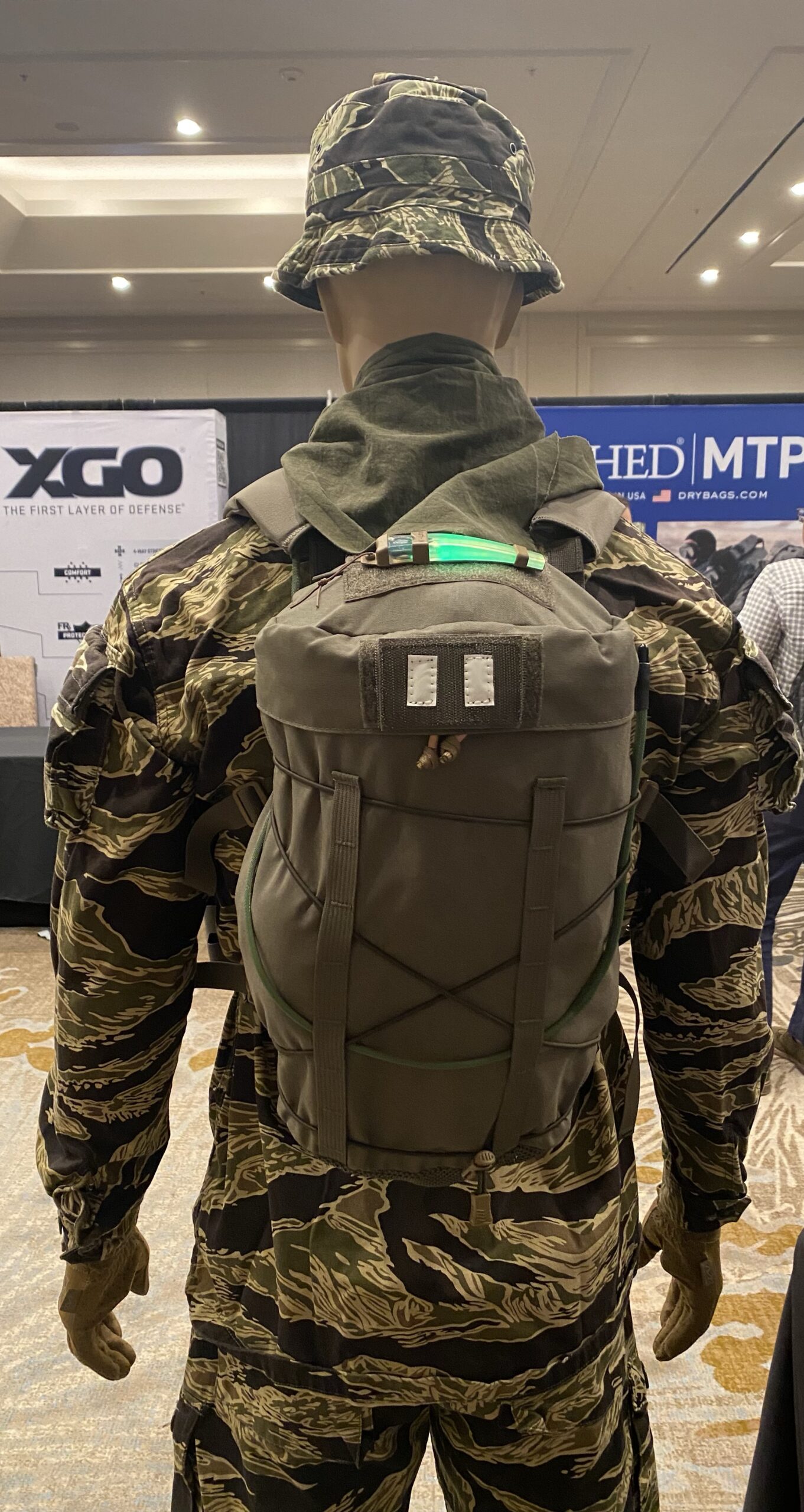
For Day 2 we have some Tigerstripe. It’s the Wolfhound Jacket paired with Hybrid Outback Pants in Duracanvas.

The mannequin is also wearing a groomed fleece range beenie and the Raccoon Mk2 Pack.

Here’s a closeup of the Wolfhound Jacket.

March Mannequin Madness – Day 1

Sunday, March 13th, 2022

During IWA Helikon-Tex displayed their new products on mannequins arrayed around their stand. Each day we will showcase a different one and detail the gear.

First up is this mannequin featuring the Bushcraft line.

From top to bottom you’ll find:

Bushcraft Baseball Cap

Woodsman Anorak Jacket

Woodsman’s Pants

Bergman Backpack

Woodcrafter Gloves

Forester Belt

SERE Pouch

Compass/Survival Pouch

The Forester Belt is new. Here’s a closer shot.

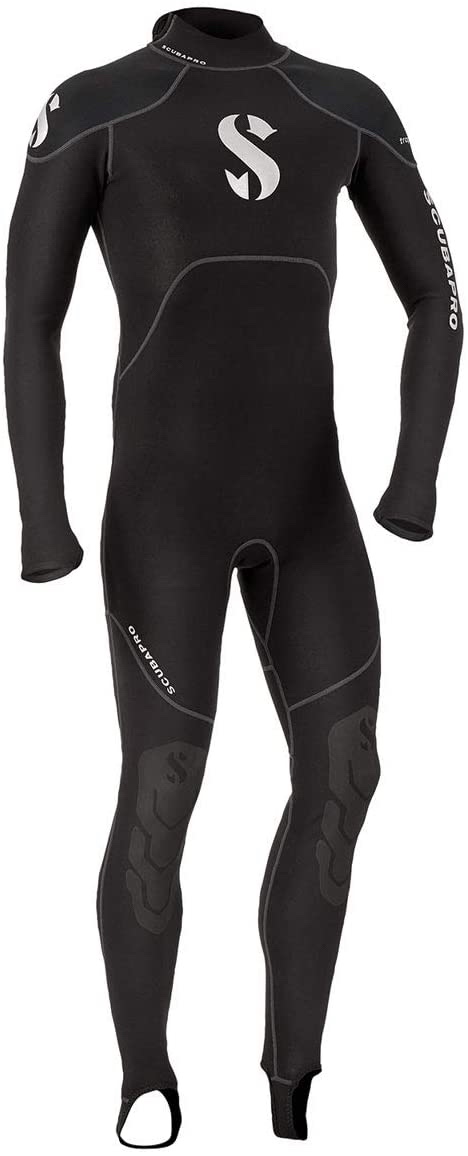
SCUBAPRO Sunday – Operation Forager the Invasion of Saipan

Sunday, March 13th, 2022

A small detachment of Underwater Demolition Teams(UDT) had participated in the Battle of Kwajalein in January 1944. Still, during the attack on the Mariana Islands and the Battle of Saipan in June 1944, UDT would make its first significant appearance on a large scale. Using a swimmer slate and a sounding line, the men would determine the water depth within the reef that encircled the island, look for potential landing obstacles, and mark paths for the tanks to safely make it ashore without being swept away by deep water. The landing forces used fishing lines and buoys to map out a grid that they would use to get ashore once they reached the shore. This duty would be carried out in broad daylight to make matters even more dangerous, right in front of the Japanese defenders’ eyes.

Draper Kauffman and his two Underwater Demolition Teams (5 and 7) left their cramped crew quarters on the APDs Gilmer and Brooks as the sun rose on June 14, D Day minus one, and began their part in the action, piling into four landing craft that arrived alongside the ships. Swimmers were assigned to survey the approach to a specific beach on each of the 36-foot-long LCPRs, which had sixteen swimmers on each vessel. The Japanese had not anticipated the sheer volume of preparation fires that would reach such a crescendo. They were also not expecting to see swimmers side stroking toward them as the sun rose, led by officers in vessels no more impressive than a motorized black mattress, puttering in via an electric motor toward the well-defended shore as the day broke.

As is customary for Kauffman and his teams, they were only minimally outfitted, sporting trunks, swim shoes, a face mask, and a sheath knife. They didn’t have any fins or snorkeling equipment. Besides the buoy and reel, each pair was also equipped with an acrylic slate and a grease pencil for drawing on the water. Even though they had been trained how to use oxygen–beryllium chloride rebreathers, they did not have any on them at the time. The equipment was heavy and inconvenient. Most of Kauffman’s team leaders decided to ditch their bulky radios as well, in favor of a more rapid swim. To do this, they used a basic sidestroke known as the “invasion crawl,” which allowed them to swim across the reef and into the lagoon. Compared to an overhand crawl, it was less exhausting and produced less splash.

In Kauffman’s mind, they had resigned themselves to the fact that their chances of escaping with their lives were slim. Under Kauffman’s command, Team Five would reconnoiter the Red and Green beaches, while UDT 7 would investigate the Blue and Yellow beaches under Lieutenant Richard F. Burke’s command. He kept his third team, UDT 6, in reserve, anticipating that his casualties would be as high as fifty percent, and he was prepared for the worst. As the LCPRs neared the reef, Japanese artillery shelled the area around the ships. The frogmen began rolling over the gunwales into the water, one pair every twenty-five yards until they reached the water’s surface. A red buoy was dropped by each duo, which was attached to the point marking the seaward beginning of their route to aid them in orienting themselves for the return. When enemy shell splashes began walking in the direction of the buoys, Team 7 executive Sidney Robbins ordered the crews to stop putting them in place immediately. He also made the decision right there and then to discontinue the string reconnaissance technique that Kauffman had instructed them in. He knew it would not be easy, and he was right. The less they had to carry, the better their chances of surviving the harrowing experience that lay ahead. Kauffman and his companion, a frogman named Page, started their puttering daylight run toward the beach shortly after 8:30 a.m. by turning on their small outboard electric motor.

Kauffman wanted his team leaders to maintain some semblance of awareness and potential control over their eight dispersed swimming pairs, so he provided them with motorized mattresses as their starting point. According to Kauffman, he would later call them “the dumbest idea I’d had in a long time,” according to Kauffman. “They were the most magnificent targets,” says the author. He’d been told about the large sharks and man-eating giant clams that were rumored to be in the area during briefings. However, he had advised his men not to take any precautions against them because he believed that more significant threats lay ahead, including Japanese coastal guns, beach pillboxes, and mortars, to name a few examples. Kauffman was forced to abandon his floating mattress experiment due to the sheer volume of incoming fire. As soon as he realized that the morning naval bombardment had done little to aid him in his endeavor, the writing was on the wall for that bizarre scheme. Kelly Turner would be disappointed to discover that his orders to his fire-support ships—target the beachfront first, then slowly move fire inland—had gone largely unheeded by the boats. The first salvos were fired too far inland to neutralize the coastal defenses effectively. Because they could not maintain direct radio contact with the bombardment ships, the frogmen were unprepared to deal with unexpected events. Upon arriving at Blue Beach One, Sid Robbins of Team Seven was taken aback by discovering that mortar teams had set up a firing position out of a cluster of a dozen Japanese barges moored to the pier. Because of the intensity of the barrage that was rained down upon them, Robbins’ swimmers could not recognize Yellow Beach One in the first place.

After several failed attempts, this detachment returned to the Brooks with only two men seriously injured, which seemed to be a small number considering the circumstances. When all of his swimmers returned to the reef, Kauffman informed them that their landing craft would be waiting for them. It turned out to be an unpopular order, as two of his men went missing due to the demand. But, with mortars dropping around his boats, he didn’t want to risk losing any of the critical information he had gathered about the reef and the lagoon. It was also discovered that the route the Marines had envisioned for their waterproofed tanks, which were to be paddled ashore in the wake of the assault waves, would lead them straight into disaster. The road was potholed, and the water was too deep for these improvised amtracks, which were never intended to swim and drowned quickly due to their lack of design. A smooth path that crossed the lagoon in front of Red Beach Three and led diagonally onto Green Two, Kauffman believed he had discovered a better way to get there. After work that night, Kauffman had his most skilled draftsmen create charts based on the lagoon soundings. Commanders of amtrac and tank battalions and transport groups would have hand-drawn maps delivered to them when the invasion force arrived before the next sunrise, allowing them to plan their maneuvers.

Admiral Hill summoned Kauffman to General Watson’s quarters at some point in the evening. “What in the hell is this I’m hearing about your changing the route for my tanks?” the Second Marine Division’s commanding officer inquired. He had wanted them to swim across Red Two to get to the other side.

“General, they’re never going to get through there,” Kauffman assured him, pointing to his maps.

“All right, that’s fine. But you’re going to be the one who leads that first tank in, and you’d better make damn sure that every single one of them gets in safely and doesn’t drown.”

After reading Kauffman’s report and taking into consideration his calm, unwavering confidence, Kelly Turner began to believe that the idea of sending twenty thousand Marines ashore in these newfangled swamp buggies might work out after all.

S.O.Tech In The Movies: No Time To Die

Saturday, March 12th, 2022

S.O.Tech has a 25 year history of supplying custom sewn tactical gear for some of Hollywood’s biggest movies. But there is something about a James Bond film that sets it apart and makes you feel like you are part of a dynasty. Just imagine watching the latest and possibly the best Bond film of the series and realizing that your bag is slung on both Daniel Craig’s (James Bond) and Lashana Lynch’s (Nomi) characters bodies in the climax battle scene of the movie! And not only do the pair of black S.O.Tech Go Bags look Bond-sexy, but the characters are using them exactly as they are designed. They are cross slung and Bond rotates the bag one handed to expose the single pull open zipper to draw his explosive charges, reverse slinging it as he goes. And then when he and 007 expend their last charges, one pinch to the release buckle and the SGBs slide off their shoulders to the floor. We thought that Josh Duhamel did our go bag right in the first Transformers movie, but nothing beats Bond destroying the lair of the Arch Villain of Chaos drawing from your go-bag.

We originally designed the S.O.Tech Go Bag with a group of superstars of the Tier 1 community. As always, we keep their identities close-hold, but the idea man’s initials are encapsulated in the product code. The wanted a survival bag for ammo, chow, radio batteries and SERE items, but they needed something that would fit in confined spaces like the Hi Lux, up-armoreds, and Little Birds and Black Hawks. The tubular design slid between the seats and when it came time to bail, one arm through the sling and it was out the door with you. And with inward facing zippers, it protected the contents while making them easily accessible pulled to the front so you could access while on the move. We have modified the bag into half a dozen different configurations including clandestine weapon carriers, camera and commo carriers, and surveillance technical packs. So ending up in a Bond move is an appropriate capital achievement for this workhorse design.

When James Bond and Nomi are both wearing my S.O.Tech Go Bag and they deploy their demolitions from the sling the way I designed it — I think we have finally achieved cinematic perfection in the world.

For decades we have custom sewn prop gear for film productions through ISS and HPR prop houses, but “No Time to Die” came to us through our friends and representatives in England and Denmark, Ian from Tactical Kit UK and Kim Starke from Gear Up Tactical. Needless to say we are truly appreciative of their choices and referrals.

To commemorate S.O.Tech’s Original Go Bag in No Time To Die we are producing a limited run of the original model as seen in the film. Bags are currently in production and scheduled to ship by March 31st. You can order yours here.

www.sotechtactical.com

“Built to survive the world’s worst!”

Platatac x Luminae – UN Peacekeeper Boonie

Friday, March 11th, 2022

Platatac and Luminae have teamed up to offer a UN Peacekeeper version of the popular GBH.

Features:

• Noseeum mesh and side vents for maximum ventilation

• Extremely breathable and lightweight

• Polartec Power Dry sweatband for moisture management and comfort

• Elastic shock cord with barrel loc adjustment at the rear

• Paracord chin strap

• 2” wide brim to reduce droop when wet

• Self-fabric foliage loops

• Compact and very lightweight

www.luminae.co.uk/Shop/PLATATAC-x-LUMINAE-GBH-UN-Boonie-Hat-LIMITED-EDITION