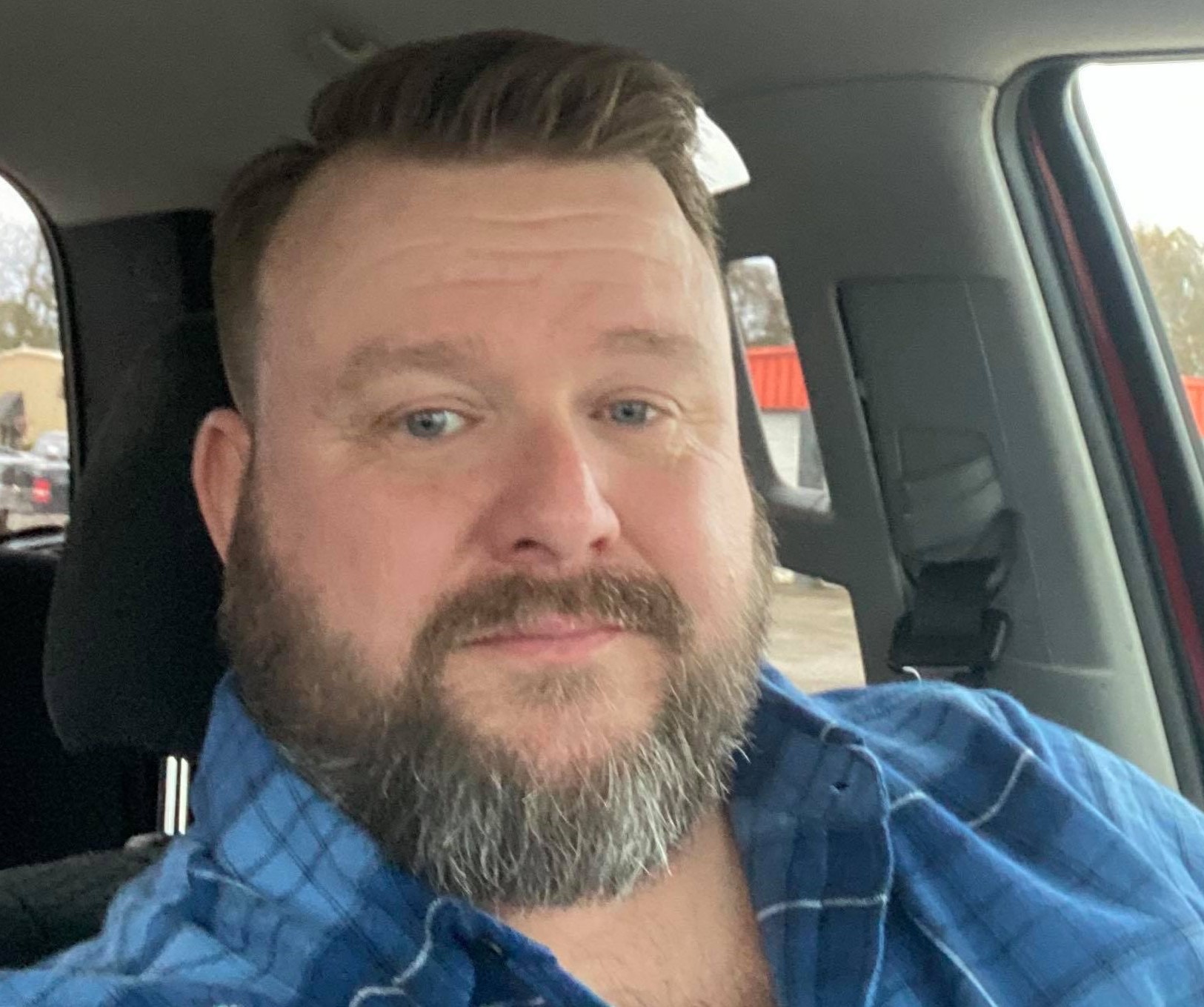
Unity Tactical is pleased to announce that Mike Roth has joined our team and will serve as Unity’s Strategic Business Development point man.
Mike is a retired Naval Aviation/Naval Special Warfare veteran who has served within the defense industry for nearly 15 years. Mike formerly served as Director of Military and Aviation Operations at Wilcox Industries Corp from 2006-2020.

“Mike’s years of operational experience, leadership and diverse knowledge of industry are well established, says Trent Zimmer, CEO of Unity Tactical. He will provide strategic direction, business development, and product innovation experience to our team which will be an important role in growth domestically and internationally for Unity Tactical.”

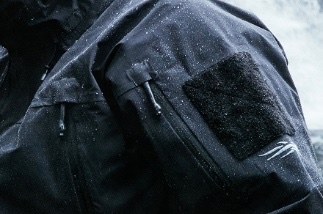
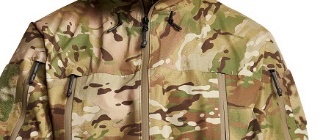
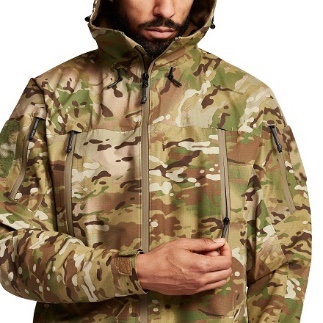
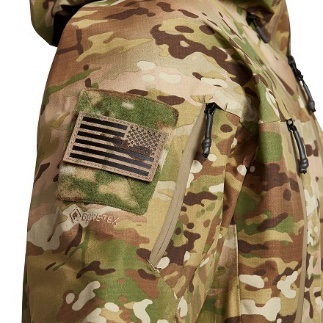
After years of requests from the field for military equipment based on their innovative hunting clothing, Sitka has launched Sitka Arrowhead Equipment, a line of clothing and equipment designed for the SOF end user.



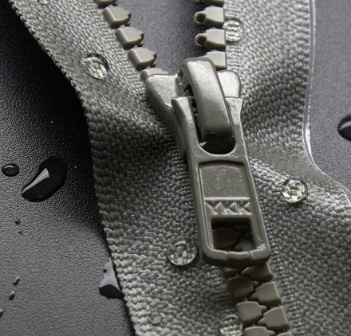
First and foremost, Sitka responded to these calls by leveraging the the materials science expertise of Gore fabric products to provide purpose built, Berry Compliant, Wet Weather Protective (WWP) solutions.
But it’s not just Gore technology. From a fabrics, insulation and trims perspective, Arrowhead Equipment is focused on sourcing and developing best-in-class materials within the USA, partnering with proven brands like Milliken & Company, Polartec and Brookwood. Sitka tells us are also committed to investing in and supporting US manufacturers as they develop new levels of competency, capability, and competitiveness in the domestic manufacturing of technical apparel.
Focused on global Special Operations Forces personnel, the initial product offering consists of WWP solutions, performance fleece and active insulation midlayers, baselayers and accessories. Future product offerings will include WWP category additions and a Cold Weather Protective (CWP) category introduction in 2022.
We’ve shared a couple of Q&A sessions from Sitka in the past (Founder Jonathon Hart Big Game Manager John Barklow) which discuss the journey to where they are today.
On their site, US Elite has added some background on the brand as well. Additionally, to further discuss items in the launch, and conduct some giveaways, US Elite will be conducting concurrent Facebook and Instagram Live events each day this week at 1430 EDT. For instance, today they’re giving away a Sitka logo tee and hat.
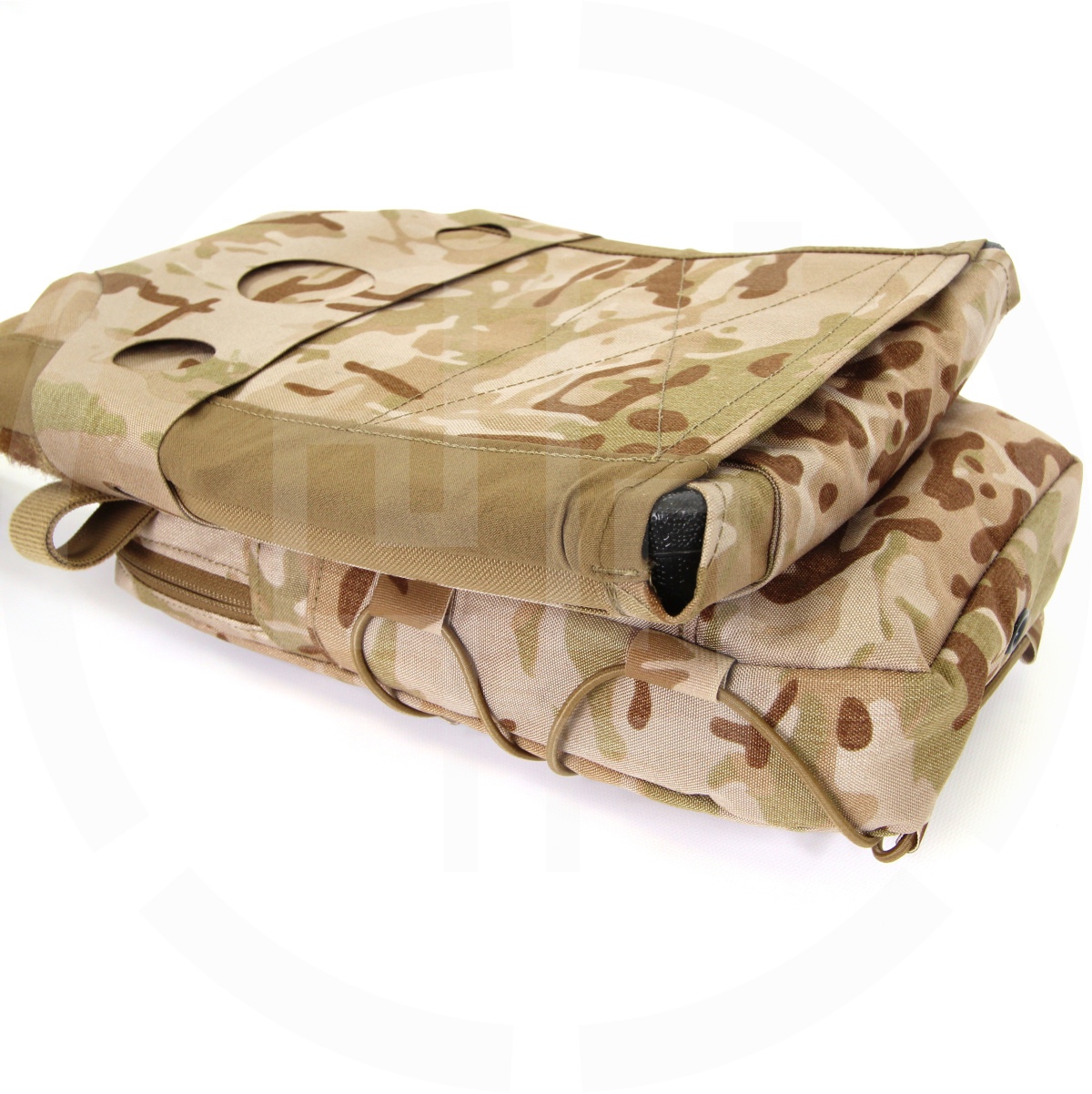
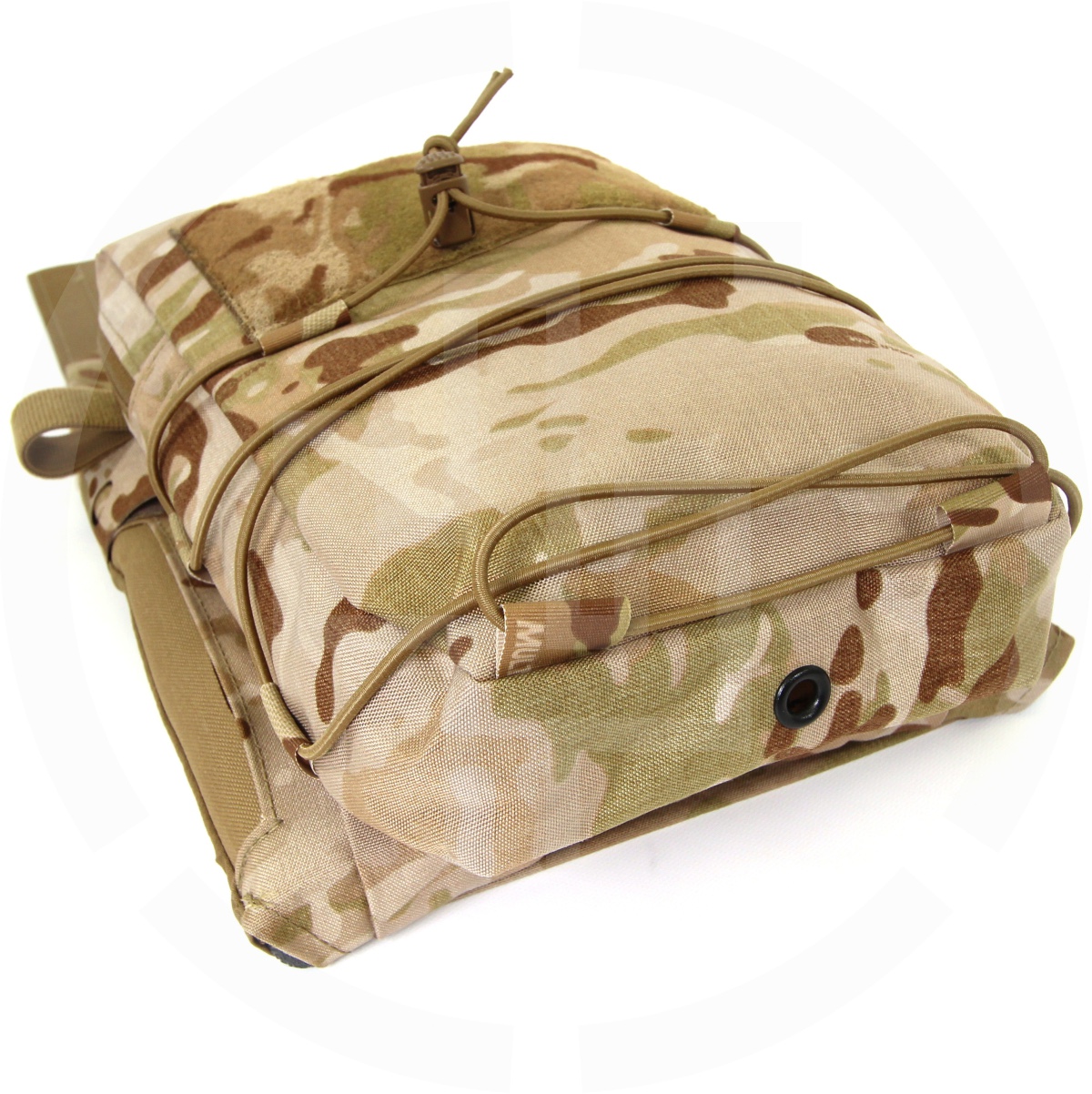
The Chase Tactical Elastic Tourniquet Holder was designed as a simplistic universal tourniquet holder, that allows it to easily attach to almost any plate carrier on the market. The ETH uses 4″ elastic for retention and has a hook and loop panel built in so it can be secured to almost any piece of gear that uses hook and loop.
The ETH was designed around the most commonly used tourniquets (CAT, SOFT-T, and TAC-T).
The ETH attaches to a platform using Chase Tactical’s dual hook/loop flap. You can mount it under your shoulder pad, cummerbund flap, admin pocket, etc.
ETH Features:
• Made in USA / Berry Compliant
• Mil-Spec elastic retention sleeve capable of retaining CAT, SOFT-T, and TAC-T Tourniquets
• Simplistic ergonomically functional design
• Hook/Loop Velcro for any surface attachment
• Universal Fit
The Battle of the Coral Sea is known for being the first Naval battle where the two opposing forces never met. It was the birth of the aircraft carrier. No surface ships sank another ship in this battle. It was also one of the Allies’ first victories in the war in the Pacific. It did come at a hefty price for the Allies, at a loss of 1 aircraft carrier, the USS Lexington CV-2, 1 Destroyer USS Sims DD-409, 1 oiler USS Neosho AO-23, 69 aircraft and 656 people killed; the USS Yorktown was also significantly damaged. The Lexington was so severely damaged that the U.S. sank it with torpedoes the day after the battle. The Japanese lost 1 Light strike carrier (Jeep Carrier), 1 destroyer, 3 small warships, 97 aircraft, and 966 people killed.
The Allies learned of the intended plan of the Japanese to seize Port Moresby in New Guinea. The Japanese wanted to take control of the Coral Sea and use it as a staging base to invade Australia. When the Japanese landed at Tulagi on May 3, carrier-based U.S. planes from a Task Force 17 struck the landing group, sinking one destroyer and some minesweepers and landing barges. Most of the naval units covering the main Japanese invasion force that left Rabaul, New Britain, for Port Moresby on May 4 took a route to the east, where they clashed with TF17.
On May 5 and 6, 1942, opposing carrier groups sought each other and, on the morning of May 7, Japanese carrier-based planes sank a U.S. destroyer and an oiler. Allied planes sank the light carrier Shoho and a cruiser. The next day Japanese aircraft crippled the U.S. carrier Lexington and damaged the carrier Yorktown. U.S. planes crippled the sizeable Japanese carrier Shokaku so bad that it had to retreat away from the battle. So many Japanese planes were lost that the Port Moresby invasion force, without adequate air cover and harassed by Allied land-based bombers, turned back to Rabaul.
The four-day engagement was a strategic victory for the Allies. The battle, which U.S. Adm. Ernest J. King described as “the first major engagement in naval history in which surface ships did not exchange a single shot,” foreshadowed the kind of carrier warfare that marked later fighting in the Pacific War.
My Stepfather was on the Lexington during this battle. He was a Water Tender (today’s Machinist’s Mates) in a boiler room when a Japanese torpedo slammed into it. After they abandoned the Lady Lex, he spent the next month and a half making his way back to San Diego before he could get any new clothes and a new sea bag. Like every good sailor, he went out and got drunk, lost his seabag and was arrested by shore patrol. He ended up in the brig and had to rent a seabag so he could get out because without a full seabag he would have had to stay in jail. He was one of the most significant people in my life and one of the biggest reasons I joined the Navy. He joined in 1939 and had great pride in being in the Navy. He had left Pearl Harbor on December 6, 1941, so they could bring planes to Midway. He was supposed to get out in early 1942, but stayed in for the duration of the war.
A little over two years ago, the USS Lexington was found at the bottom of the Coral Sea, and she was seen for the first time since she was lost so long ago. God bless all the sailors and airmen who are still interned in her and never had a chance to be someone’s Stepfather or live their lives.
With a unique pattern designed by Andrew Bawidamann that is more art than clothing, this year’s Aloha shirt is based on World War Two’s Pacific Theater’s island hopping campaign.
There will be three color options. The first two are just like the iconic reversible Marine Corps pattern from World War Two: Greenside Out or Brownside Out and are called respectively Honu Jungle and Honu Beach. A limited third, Blue variant is also available.
The pre-order period for the OTTE Gear x Bawidamann Aloha Pua Honu 2021 Shirt remains open til end of May, looking to ship early June.