XC3 Weaponlight

Archive for the ‘Advertiser’ Category

SCUBAPRO Sunday – Kokoda Track Campaign WW2

Sunday, November 1st, 2020

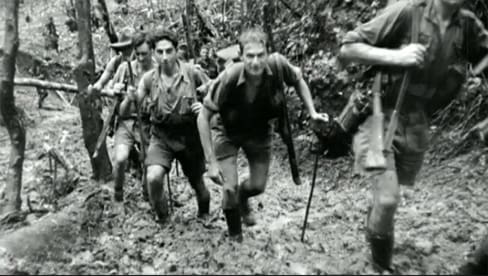
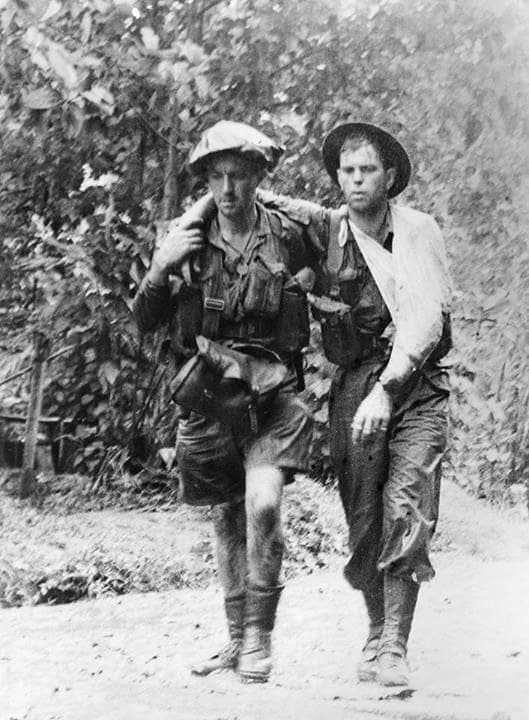
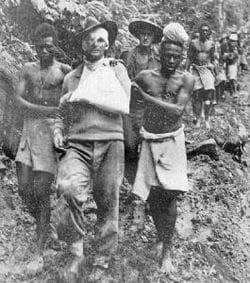
The 3rd of November is Kokoda day or Kokoda Track day in Australia. The Kokoda Track Campaign was mainly fought between the Australians, and the Japanese, with the Americans helping at first with supplies and then with troops. The Australian troops had to save Port Moresby from being captured by the Japanese because Papua New Guinea would have been a great staging point for Australia’s invasion.

The Australian forces fought exceptionally well in the harsh and unforgiving jungle of the Kokoda Track. More than 600 Allies were killed, and about 75% of the allied troops got sick, with diseases like malaria, dengue fever, and dysentery. The campaign consisted of a series of battles fought between July and November 1942 in what was then Australian Papua New Guinea. The Australian Army halted the furthermost southward advance by Japanese forces in Papua New Guinea and then pushed the enemy back across the mountains. Kokoda was one the most significant battles fought by Australians in the Second World War, first because it was fought so close to home, second because it was kind of Australia’s birth as a prominent player on the world stage. The Kokoda campaign saved Australia from possible invasion from the Japanese. Port Moresby held a tactical position, and preventing the Japanese from reaching it was vital. The battle was fought over five months, and the odds were stacked heavily in favor of the Japanese. They outnumbered the Aussies 5-1, had much better equipment, and a lot more of it, and at the time, they were considered by many the best jungle fighters in the world. The astounding feats performed by the diggers soldiers to hold off the Japanese and turn them back lead to the growth of Australia as a nation.

The Kokoda Track started as many small trails used as mail routes and to supply settlements around Kokoda. The military modified it. It became the main route that linked Ower’s Corner, 40 kilometers north-east of Port Moresby, and the small village of Wairopi, on the northern side of the Owen Stanley mountain range. But it was a lot more than 40 kilometers within walking distance because you had to take the jungle into account. The soldiers were challenged by steep, treacherous inclines, deep valleys, dense jungle, a debilitating climate, and drenching rain that frequently turned the ground into that jungle mud that sticks to everything just by looking at it.  

The Australians fought against all odds and without the help of Great Britain. It was fought mainly by Militia (reserve) troops or “chocolate soldiers” as the Australian Imperial Forces (AIF) called them because they were poorly trained, and it was said, “they would melt in the heat of battle.” At the start of the war, Australia sent its best troops, the AIF, to the middle east to help the brits. So, Australia stood up a Militia Battalions to serve in Australia, to help protect the homeland.

The 39th was only to be used on mainland Australia, but the government used a loophole saying that Papua New Guinea was a territory. Hence, they sent the 39th Militia there to help protect the island. This was one of the hardest fought battles in WW2 by anyone. I have attached a couple of links so you can read about this. As many military units are getting back into the jungle, this is full of instrumental lessons learned and is an excellent piece of history that should not be forgotten by any side. So, this week stop for a minute or raise a beer to the diggers and all the people that have made the ultimate sacrifice for freedom everywhere and have gone before us.

Long Live the Brotherhood.

kokodacampaignww2.weebly.com

This Is Happening

Saturday, October 31st, 2020

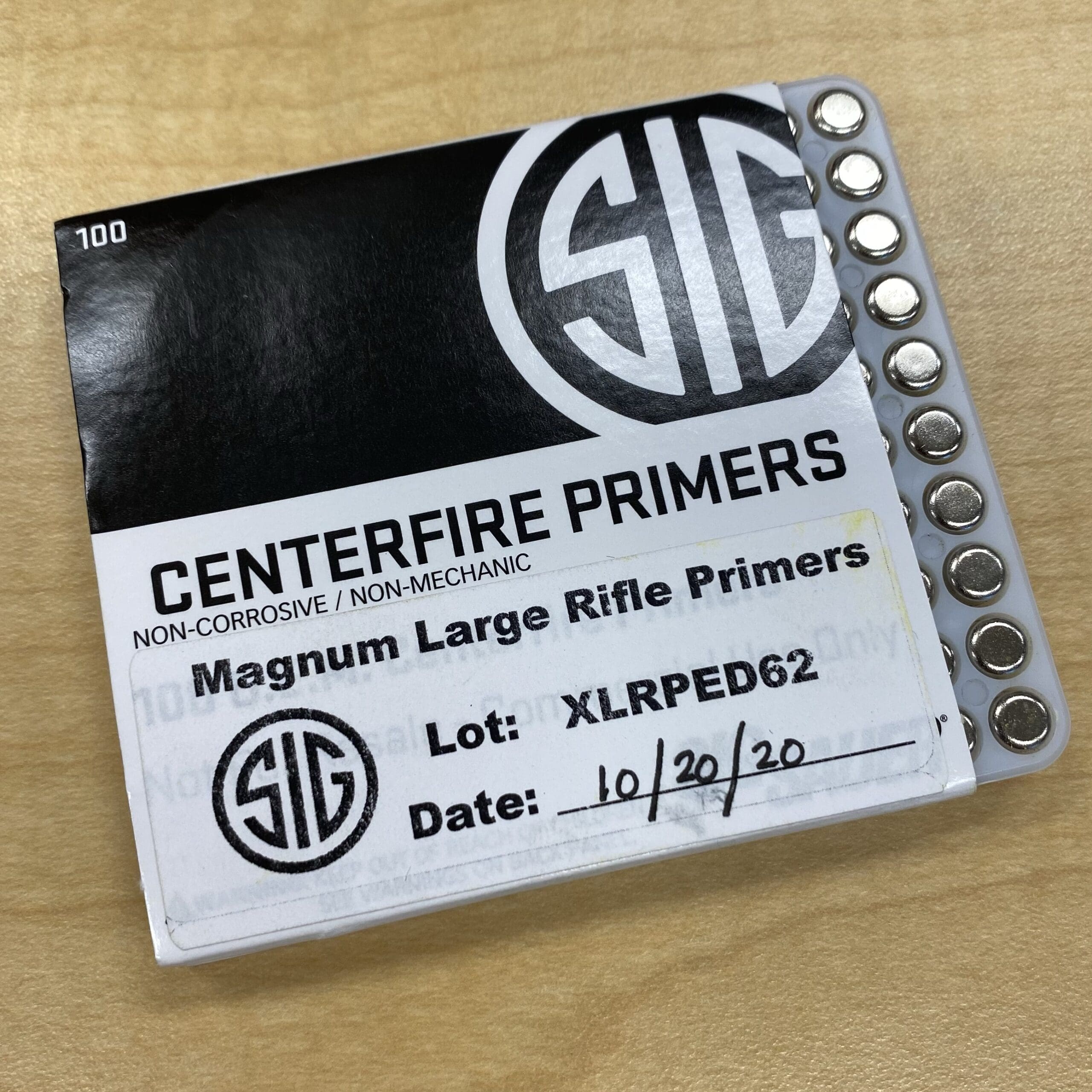
During a recent visit to SIG Ammunition in Arkansas, I saw the beginnings of their introduction of centerfire primers.

As many of you know, production of primers in the United States is very limited, so SIG is working to become even more vertically integrated. It will still be quite some time before they are able to make enough primers to keep up with the amount of rounds they are making per day, but they’ve taken the first steps.

SIG SAUER to Donate $500,000 to NSSF for Industry Support

Friday, October 30th, 2020

NEWINGTON, N.H., (October 30, 2020) – Today SIG SAUER, Inc. announced the donation of $500,000 to the National Shooting Sports Foundation (NSSF) to support the important work the NSSF is doing on behalf of the entire shooting, hunting, and outdoor industry. During the onset of the COVID-19 pandemic, the NSSF was instrumental in defending the industry and insuring retailers and manufacturers alike were declared essential to personal safety and the defense of America and kept our respective businesses open.

“It’s disappointing that we will not be able to gather as an industry in 2021 at SHOT Show. However, given the recent rise in COVID-19 cases throughout the world we fully support the difficult decision of the National Shooting Sports Foundation to cancel SHOT Show,” said Tom Taylor, Chief Marketing Officer and Executive Vice President, Commercial Sales.  “The NSSF, and its staff, are truly remarkable and all of us at SIG SAUER are thankful for their continued efforts. In the absence of SHOT Show, SIG is pleased to announce a $500,000 donation to support the NSSF’s ongoing work in education, safety initiatives, compliance and security resources, import/export guidance, consumer activation initiatives, government relations, and operational needs for 2021.”

To learn more about the National Shooting Sports Foundation visit nssf.org.

FirstSpear Friday Focus—Centurion Pants

Friday, October 30th, 2020

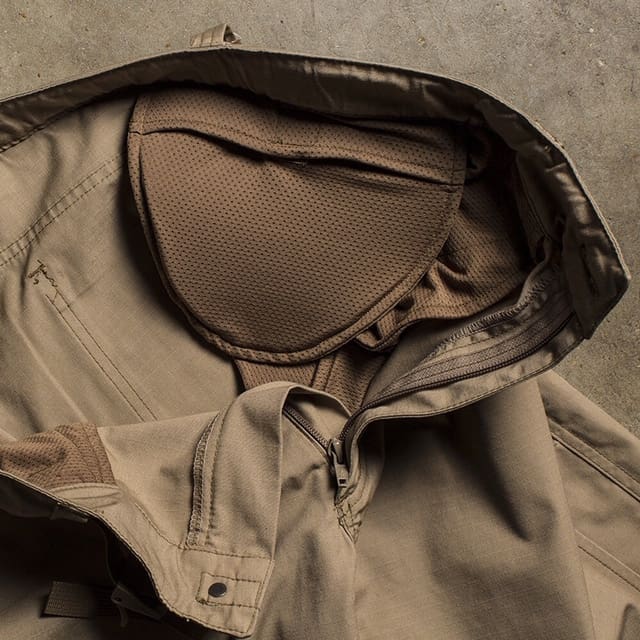
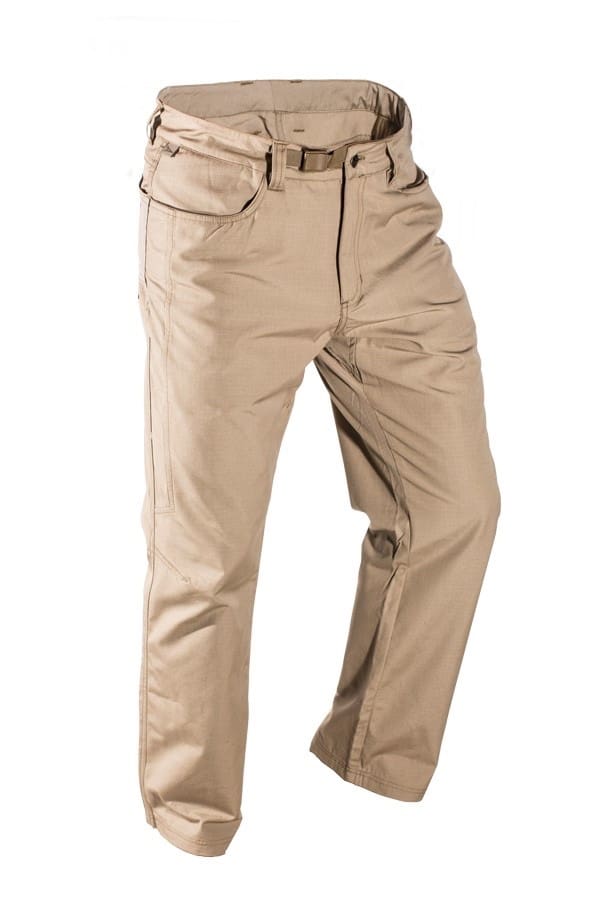
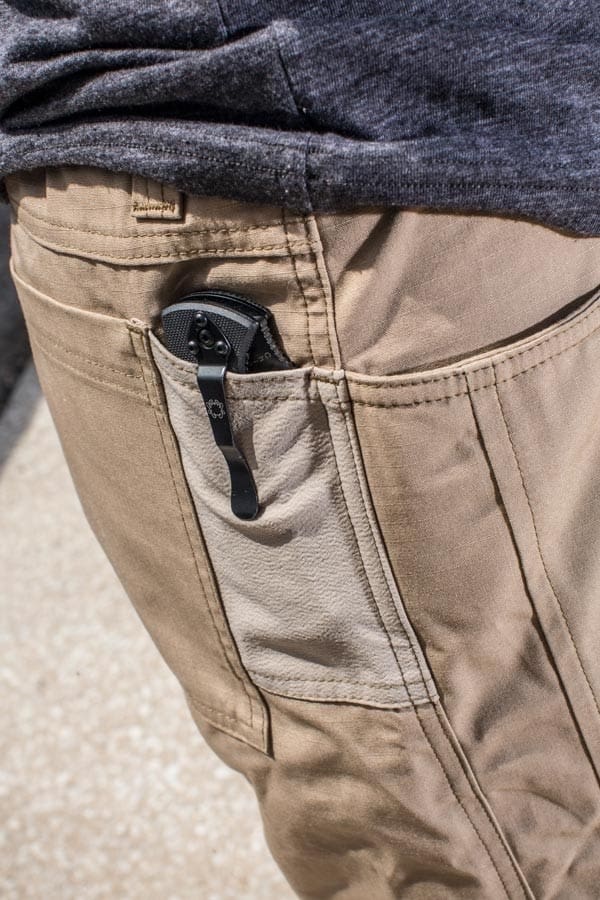
Completely made in America with U.S. sourced materials, the FirstSpear Centurion pants are made to be a workhorse. The Centurion pants are made from nylon ripstop comb cotton material, these pants will withstand long hours on the range, but are casual enough to wear out on the town. Additionally, they feature nano-glide stretch mesh pockets with breathable materials, these pockets are extra deep, the mesh material is smooth and comfortable against your leg.

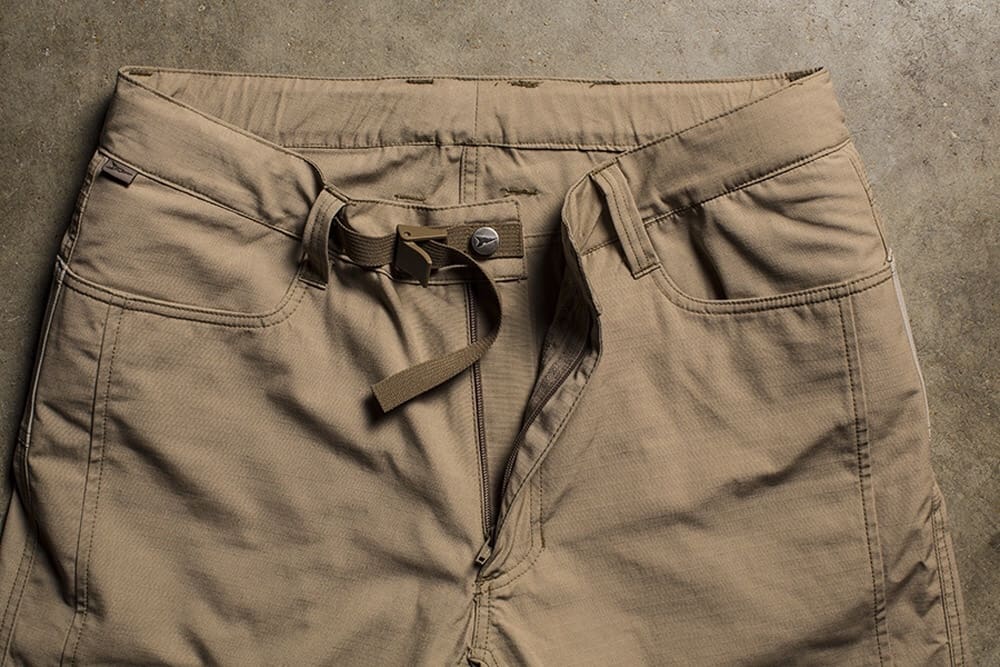
The integrated low-profile belt system uses a customized BioThane webbing and jam lock buckle, for a secure fit. Diamond pattern crotch for extreme mobility and all day long comfort with enhanced patterning through the thighs and calves. Standard with every Centurion pant is a removable padded insert for each hip to provide comfort when wearing a gun belt and molded holster. These inserts are held in place with the same low volume Nano-Glide stretch mesh as the front pockets.

“No complaints about these whatsoever. Fit is spot on, the relaxed cut allows for freedom of movement. Although other reviewers felt there is too much material around the ankle, I actually appreciate that these pants do not taper, which seems to be the fad currently. If you wear a 14 like I do, you’ll appreciate that the cuff can fit over a good-sized boot. Material feels quality, stitching is perfect–I’d put it up against anything the other top manufacturers are putting out.”
— CMB online review

The belt loops have been spaced to accommodate outside-the-waistband holsters. The side bridge pockets are constructed of 520 stretch fabric that will easily fit folding knives, common pistol magazines and other small tools or a flashlight.

For more information, check out First-Spear.com. To discover more about FirstSpear’s technology, check out First-Spear.tech.

SureFire Presents – Training VS Practice

Thursday, October 29th, 2020

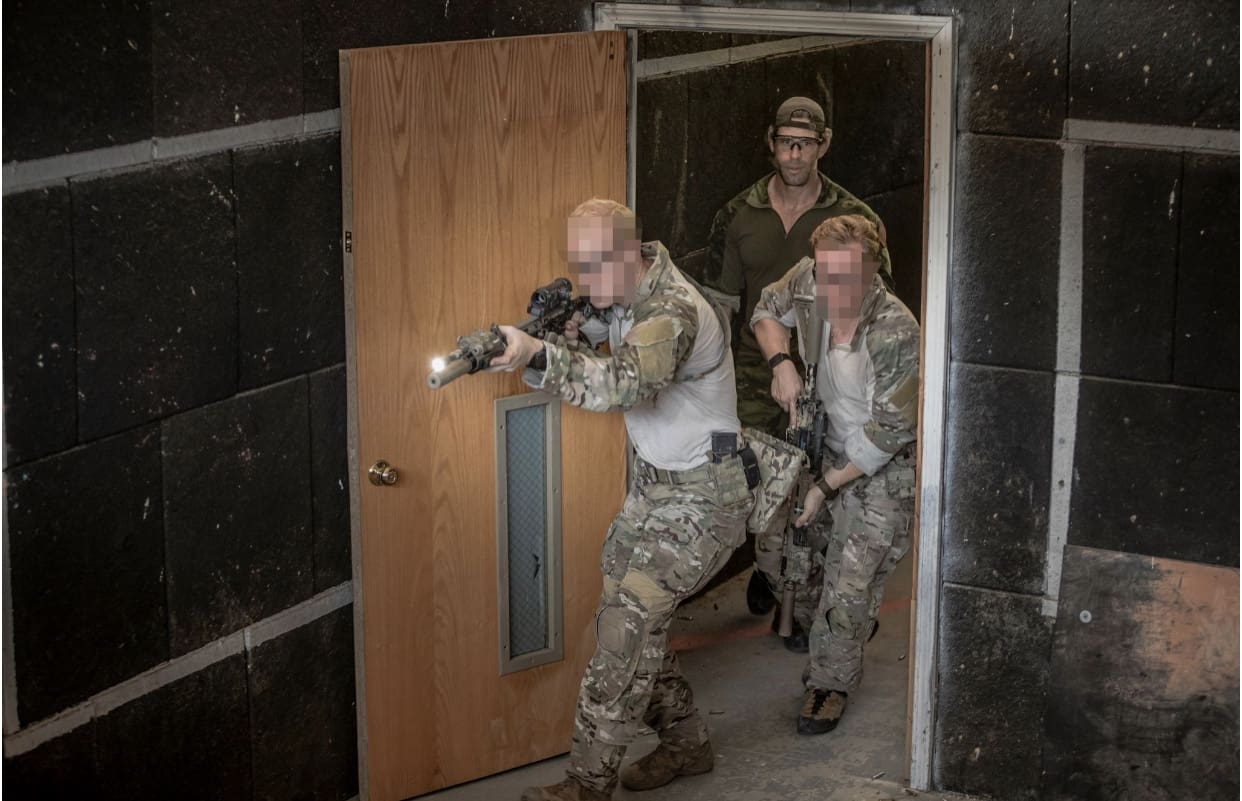
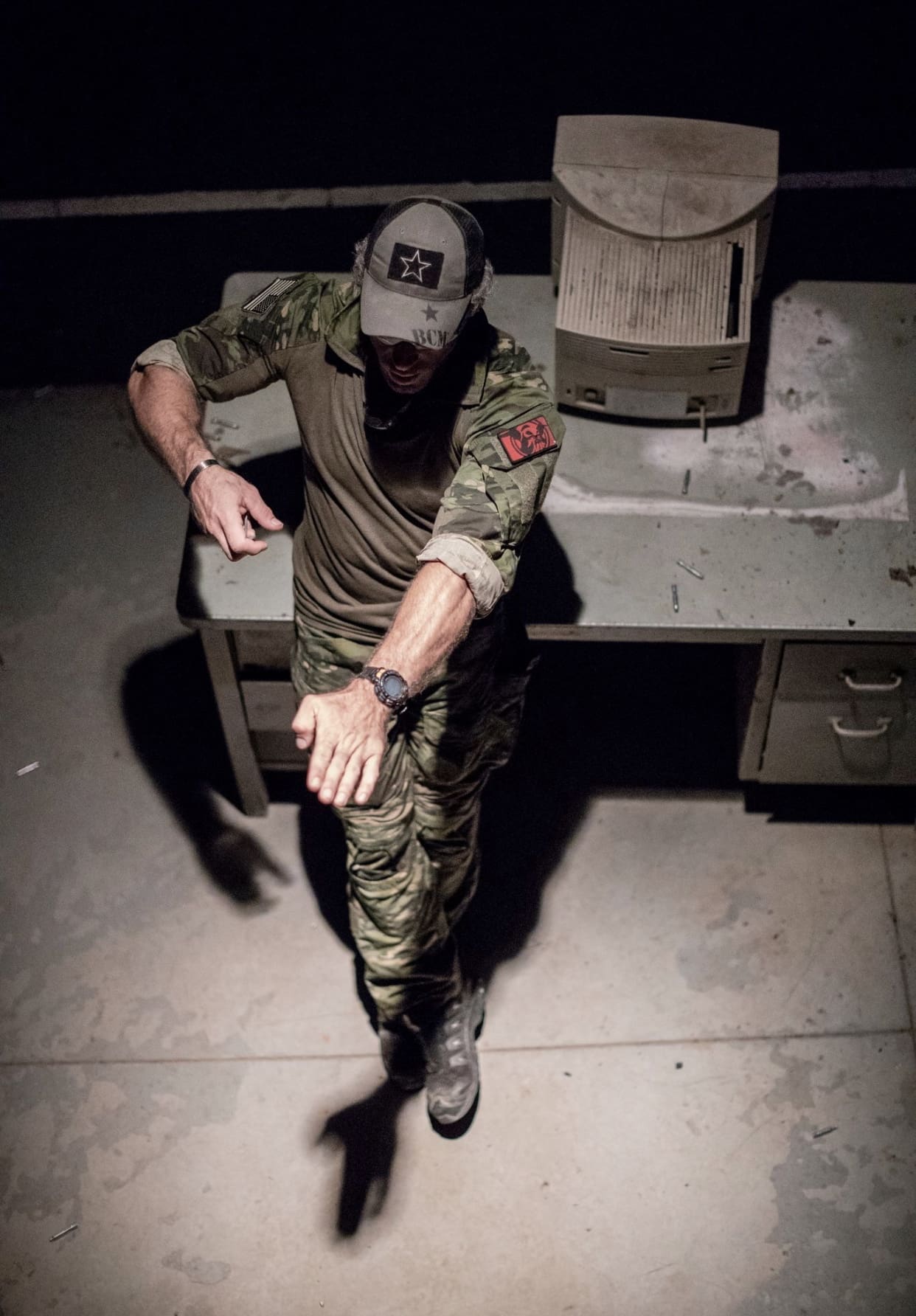
The terms training and practice are often interchanged, but in SureFire Field Notes 43, Northern Red’s Zack Harrison explains that training and practice are two distinctly different actions when it comes to being proficient in firearms and CQB tactics. “An example of that would be [when] you learn a new skill, such as ballistic breaching, and you’re unfamiliar with it,” Harrison explains. “So, you go to the training piece where you are seeking instruction on the weapon system and how to use it. When you’re seeking new information or to get better at a skill from an instructor, that’s training.”

Practice is when you take the newly acquired knowledge/skillsets and rehearse them on your own time to ingrain them flawlessly into your subconscious. “The practice piece is something we need to start investing time in as an individual,” Harrison says, adding that he likes to use the saying, “Practice makes permanent.” You’ll note that’s a deviation from the more recognizable “Practice makes perfect” idiom, and there’s a reason for it. Practicing new concepts can improve proficiency, but Harrison’s caveat points to the fact that you need to be properly trained before you practice it. “If you practice something the wrong way over, and over, and over again, you’re just going to get very efficient at doing it incorrectly,” Harrison says. “So, you need to take a good look at, ‘Hey, am I maximizing my time? Is what I’m doing leading me in the right direction? If not, you need to self-correct.”

The definition of training is, “the action of teaching a person or animal a particular skill or type of behavior.” Training involves learning of new skills, techniques, or concepts. Qualified instructors like those from Northern Red can provide everything from valuable techniques, tactics, and procedures, based on real-world experience, to training regimen recommendations for an intended mission set. Sadly, training is too often mistaken for practice with many students, including military and law enforcement professionals. The mistake is misinterpreting the occasional training they attend for practice when they need to take the knowledge from the training home and put time into practicing that.

Harrison’s philosophy is that practicing gets the body and the mind in sync so that your movements and actions become second nature. And once you’ve achieved that, you need to keep practicing to maintain the skillset. “The bottom line is that [with] skills you’re not particularly familiar with, as soon as you acquire them and you walk away from them, the moment you walk away from them they are starting to die,” Harrison said. “You need to constantly feed them. Pistol shooting is a perfect example. You should be picking that pistol up every single day, even if it is for 30 seconds to a minute. Be consistent with your training and your practice, do it the right way, and you’ll see the improvements.” This is especially important in the world of gunfighting, be it for SOF, LE, or average Americans who intend to defend themselves with a CCW. The more you practice to ingrain specific skillsets into your subconscious, the freer your mind will be to process the hyper-complicated scenarios that will likely unfold at the worst time possible.

In class, Harrison made the comparison to driving. Early in our driving careers, we often have a white knuckle grip on the wheel and are extremely focused on every detail. Minor distractions often result in a major disturbance or negative effect on the way you’re driving. Eventually, as you get more practice and seat time, you find yourself driving home via multiple freeway interchanges, changing lanes, adjusting the radio, adjusting the climate control, making phone calls, all the while constantly braking, accelerating, and avoiding collisions, through skills that are by now virtually automatic. That is the level of proficiency you should aim to achieve with whatever level of gunfighting you are pursuing, whether it is concealed carry draws and accuracy or CQB. Once that level of proficiency is available, your subconscious will handle the minutia of necessary actions leaving your mind free for high-level problem-solving. Training is not practice, and practice is not training. Neither one should be confused for the other.

For more articles like this, visit surefire.news

About Zack Harrison:
Zack Harrison served for 10 years within the Special Operations community for the U.S. Army at Fort Bragg, North Carolina. He was a member of Special Operations detachments and an instructor of U.S. Army Green Berets. Before enlisting in the military, Harrison was a history teacher and coach in his hometown of Richmond, Virginia. After being honorably discharged in 2014, he joined Northern Red, LLC.

About Northern Red:
Northern Red is U.S.-based, Service-Disable Veteran Owned Small Business that was founded in 2011 by former U.S. Army Special Operations Veterans and private-sector entrepreneurs. Based in Alton, Virginia, it provides clients with a wide spectrum of services, including the following programs of Instruction: Pistol/Carbine/Designated Marksmanship, Open Air/Small Unit Tactics, Close Quarters Battle, NVG/Laser Marksmanship and tactics, Low-Visibility Operations, Combatives, Team Leader/Planning courses, and Full Mission Profile/Joint Readiness Exercises. For more information, visit NorthernRedTraining.com.

About SureFire:
Since 1979, SureFire, LLC has been the leading manufacturer of suppressors, high-performance flashlights, weapon-mounted lights, and other tactical equipment for those who go in harm’s way or anyone who demands the ultimate in quality, innovation, and performance. SureFire illumination tools are used by more SWAT teams and elite special operations forces than any other brand. SureFire is an ISO 9001:2015-certified company. For more information, visit SUREFIRE.COM.

By Scott Rousseau for SureFire

SIG SAUER Electro-Optics ROMEOZero Wins 2020 NASGW POMA-Caliber Award For “Best New Optic”

Wednesday, October 28th, 2020

NEWINGTON, N.H., (October 28, 2020) – SIG SAUER, Inc. is pleased to announce the SIG SAUER Electro-Optics ROMEOZero has been awarded the 2020 NASGW POMA-Caliber Award for “Best New Optic.”

The NASGW-POMA Caliber Awards are a partnership between the National Association of Sporting Goods Wholesalers (NASGW) and the Professional Outdoor Media Association (POMA) to recognize new and innovative products within the sporting goods industry.  Products for the NASGW-POMA Caliber Awards are submitted by the manufacturers for the various product categories and are evaluated for uniqueness, market need, value of the product, ingenuity, and presentation.

“This is an exciting award for the ROMEOZero and underscores the new innovation that SIG SAUER Electro-Optics has brought to the concealed carry market,” said Andy York, President, SIG SAUER Electro-Optics.  “With sub-compacts and red dot optics gaining unprecedented popularity for everyday carry, the ROMEOZero provides quick target acquisition that you can rely on at an affordable price.”

The SIG SAUER Electro-Optics ROMOEZero is a micro open reflex sight that’s optimized for everyday concealed carry like the P365XL, and pistols with slim slide profiles such as single stack 1911’s and sub-compact firearms.  The sight features a ruggedized, WeaponsGrade™ textured polymer body and the Spectracoat™ HD Polymer lens system.  The ROMEOZero is available in 3MOA or 6MOA and features eight daytime illumination settings, MOTAC™ (Motion Activated Illumination System), and a 10-year battery life. 

The ROMEOZero is designed, engineered and assembled in the USA at SIG SAUER Electro-Optics facility located in Wilsonville, Oregon.  The optic is available for purchase at retailers nationwide and online at the sigssauer.com webstore.

Q&A with Sitka Gear Founder Jonathon Hart

Wednesday, October 28th, 2020

Intro: SITKA Gear recently announced that they are launching a new line focused on the SOF operator next year. SSD got a chance to catch up with Sika’s founder Jonathon Hart for a short Q&A.
SSD: Let’s just cut to the chase. Why create SITKA Gear?

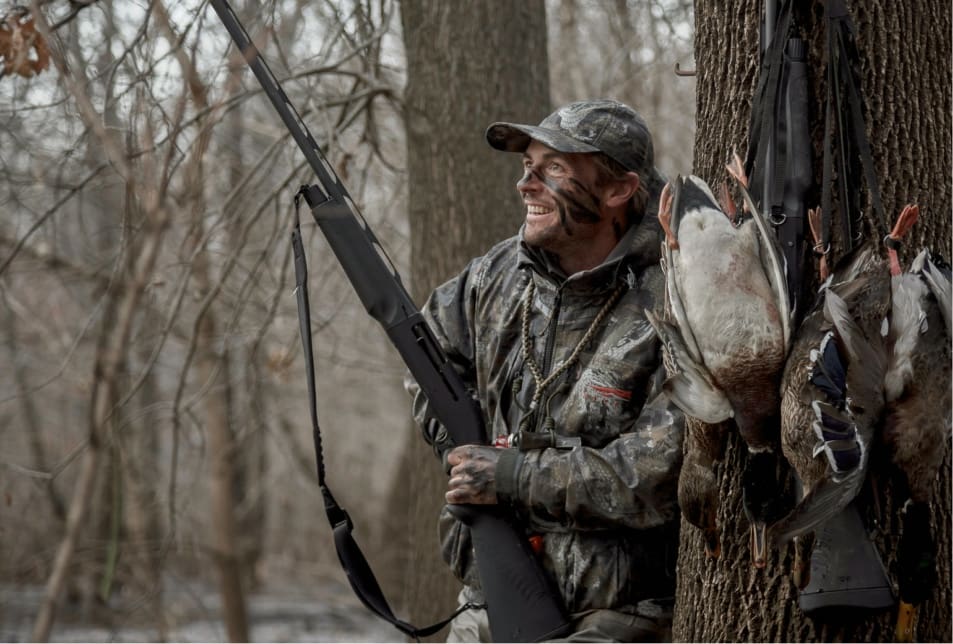
JH: The inspiration tale can be found on our website, but in the end, it came down to requiring performance clothing I had used in other sports, for hunting. I was cold and miserable on a mountain and I should have been having a great time. I said to myself, “the stuff I’m wearing sucks. I wish I had my climbing stuff.”

A hunter will go through rain, sleet, snow, and wind to get to where the bulls are bugling. At the time, the hunting world was archaic, at least a decade behind the outdoor industry. My goal was to change that.

Ultimately, our expertise is building amazing products.

SSD: And what year was this?

JH: 2005.
SSD: Tell us about the state of the art of hunting clothing in 2005.

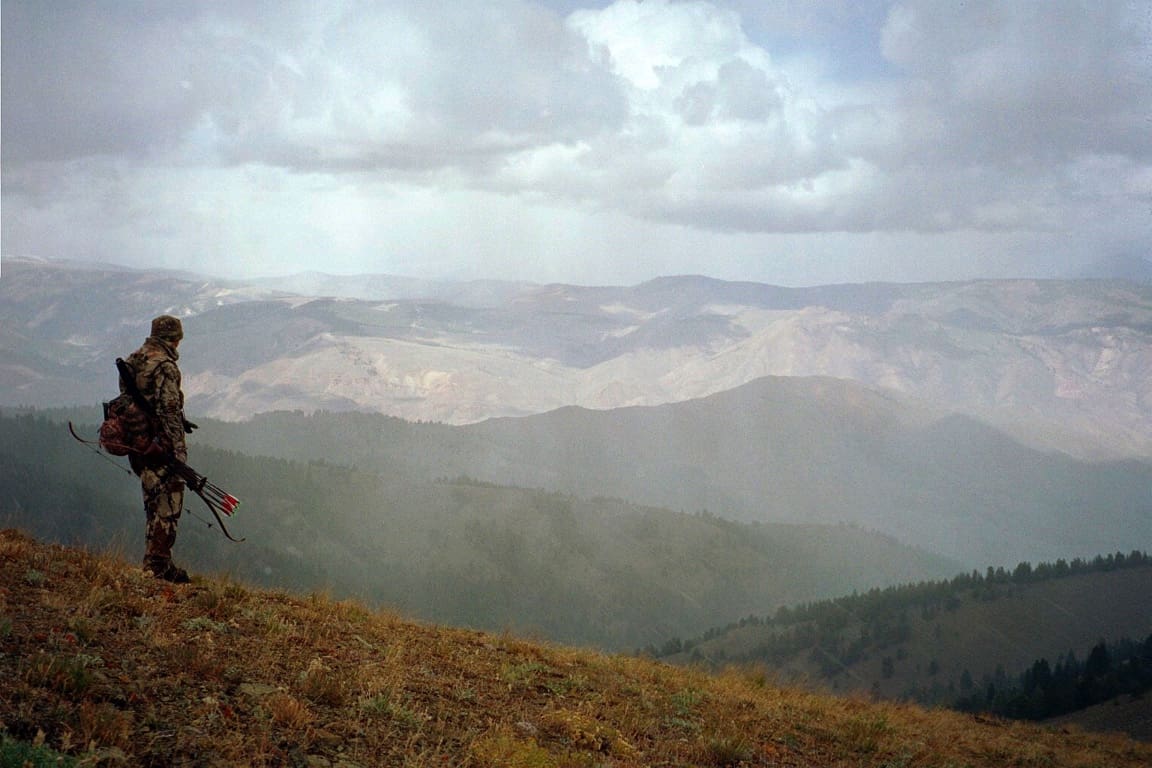
JH: At the time, hunting was dominated by camouflage patterns. All of the money was in the licensing. They’d sell fabric to manufacturers who would assemble it as they saw fit. Hunting clothing was utilitarian, and the choice of fabrics was pretty narrow, lots of cotton and polyester.

As a hunter, it came down to whether you were wearing Mossy Oak or Realtree. Those two brands really dominated and controlled the supply chain. There were a few other patterns, but it was nothing like today.

The industry thought of camouflage as an identity and concentrated on photo-realistic patterns, meaning a tree looks like a tree in the pattern.

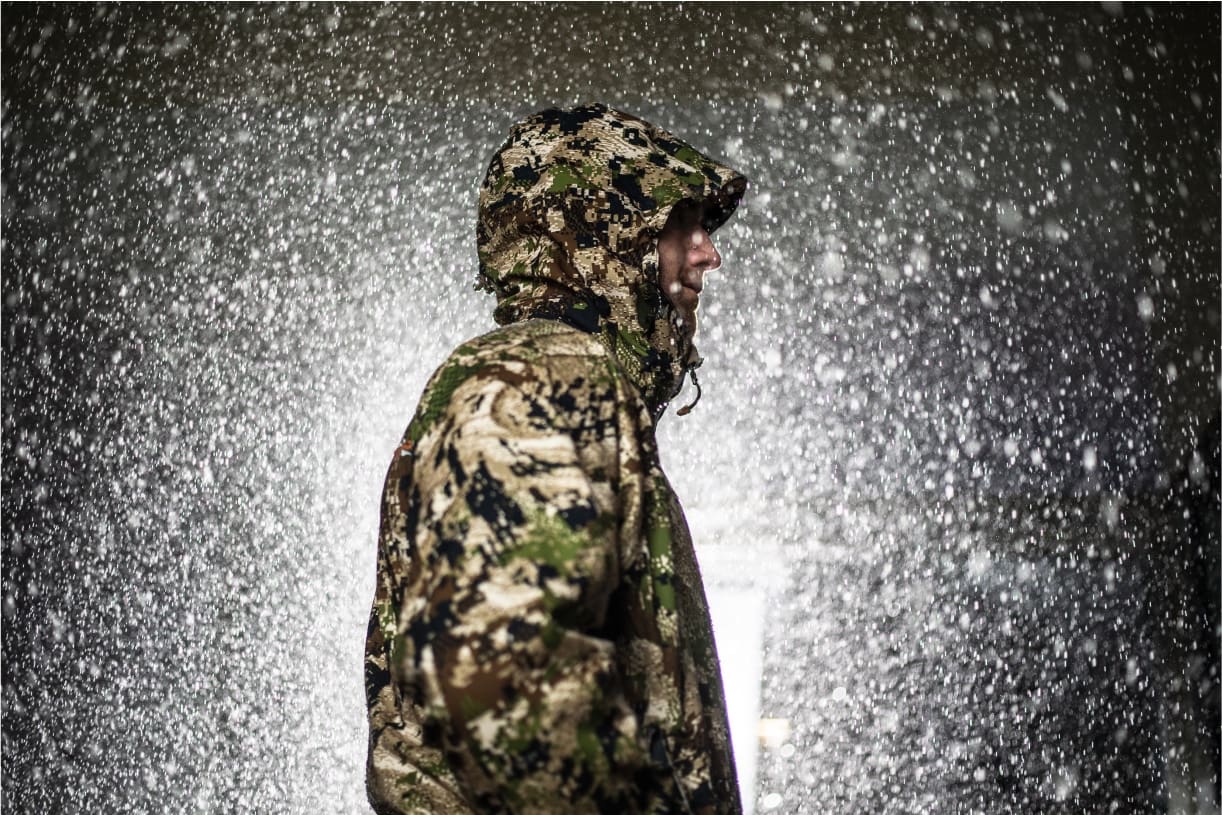
We needed a visual differentiation. I found this small company named Mothwing that took a new approach. It was all about shapes and color. The pattern was optimized for Whitetail and Turkey hunting so I figured out how to change the colors for other environments. We needed a commercially viable color palette. We did a lot of testing to get those colors right. That’s something you’d never get away with today.

Eventually, we developed the OPTIFADE patterns and they do what our customers demand, they perform. We still make some items in other patterns, as well as solids, but OPTIFADE, in its different variants, dominates sales.

SSD: What were your biggest challenges?

JH: To a certain degree, not knowing the rules meant not being burdened by them.

Our Achilles heel was the ability to print fabric. We had to develop the relationships needed to get camouflage pattern on performance fabrics. There were challenges and it took a while to get the prints right. We developed an entirely new supply chain.

Once we had worked out the fabric, we had to figure out how to get everything actually built. I thought brands owned their own factories, that everyone was vertically integrated.

I was walking through one of the Outdoor Retailer shows and found myself at a booth with gear from several manufacturers. I asked them why they had all of this different gear in their booth and they explained that they were a contract manufacturer and built products for several major brands. Once I understood that, the manufacturing challenge looked a whole lot easier.

SSD: Tell us about your outdoor experience growing up.

JH: It wasn’t just one sport. I considered myself an outdoorsman growing up. Everything we did was outdoors and we drifted from one pursuit to the next, based on the season. And that didn’t just go for hunting. Sure, we hunted different game, depending on the time of the year, but we’d be doing all kinds of other things too, hiking, climbing, fishing. You name it, if it was outdoors we did it.

That led to an odd quandary. I had two piles of gear, one for camouflage and another for my outdoor gear. Every time I’d go out, I’d revisit the piles. It never made sense and that definitely inspired me once I decided to create Sitka.

SSD: Did you have any mentors as you entered this new world?

JH: I got a lot of advice, but one man really sticks out, Jack Gilbert. He founded Mountain Hardware and he taught me a lot. I met him by chance at a reception and told him what I wanted to do. He responded by explaining to me that since I was inspired by the outdoor industry, I should work with them. Advising me to “never take no for an answer,” his mentorship really accelerated what I was doing.

At one point early on, I approached The North Face. I asked if they would make 10 or so of their products, I thought would be good for hunting, in camouflage. A collaboration, if you will. They didn’t want to have anything to do with hunting. Although I thought it was unfortunate at the time, it led me to build my own gear.

To some extent, they forced me to become a competitor. It’s not just hunters wearing Sitka. Lots of people people are chasing performance. Several types of hunting limit you to how much you can carry. There are several other sports that share that limitation. Turns out, the military has the same issue. Collectively, I refer to them as “alpine athletes.”

SSD: Having said all of that, do you feel like you created a new business space?

JH: No, I’d say I reinvented the space. I disrupted everything that existed. Others eventually followed, but I just brought a new point of view to hunting.

SSD: When did you first realize SOF was using your gear?

JH: In 2007, some members of Naval Special Warfare approached us at our first SHOT Show and told me about the issues they were having with their issued clothing. They wanted something that was quiet, offered higher performance, yet moved with them. I was like, “you’re coming from the same place as me.” A lot of the fabrics back then were extremely loud. They would swish when you moved, particularly military fabrics.

I decided to help them. It was the dream of making the coolest shit there is.

We sat down and ran the numbers. The SEAL community was so small that we were going to lose about $100,000 to give them what they needed. I didn’t care. I felt it was my duty as an American.

We did some sketches and came up with some designs. And then…we didn’t hear anything for a while. We’d get small orders from units and individuals, but the community ended up sticking with a military solution.
SSD: When did you decide that you wanted to expand Sitka with a dedicated military line?

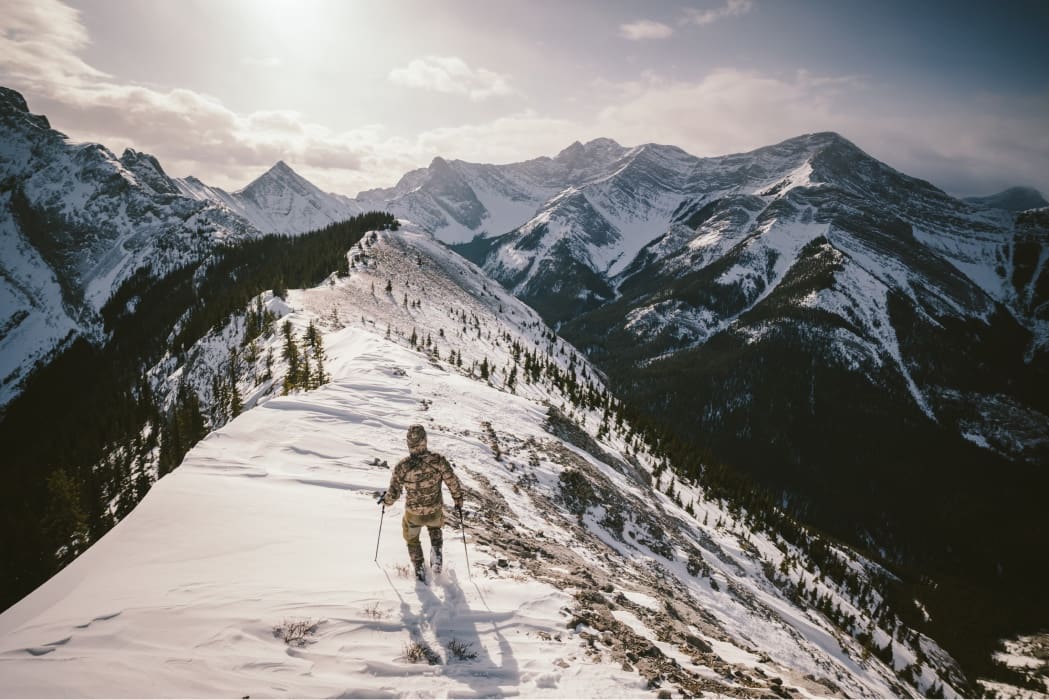
JH: It was 2010, but the company wasn’t ready for it yet. We had to concentrate on our core business and get the right people and platforms in place.

Fast forward to about 12 months ago. We decided to make it happen. We had assembled a great team at Sitka, including John Barklow, a US Navy Veteran, well-known for training SEALs to survive in the arctic while he was assigned to Det-Kodiak in Alaska. He has been a vital member of the team for years and an advocate for this program, but we needed to bring in some folks who understand the domestic supply chain and how to develop and commercialize specialized military apparel and equipment.

That’s what Canadian Army Veteran John Laviolette brings to the table. He’s leading this new team and managing what we see as our biggest challenge yet; how to best service this unique market.

Next Spring, we’ll launch this line. Between now and then, we’ve got to show the customer what we can do for them, how we stand apart.

SSD: You just mentioned the US supply chain for textiles. Does this mean you’ll have Berry compliant garments?

JH: Yes, we have to be competitive in this space if we want to succeed. We now leverage a worldwide supply chain which includes Made in USA fabrics and full garments. We will offer Berry as well as TAA compliant clothing for our SOF customers.
SSD: I use your clothing while hunting and if I had one complaint it’s that Sitka seems to over specialize. You offer so many choices, it’s almost overwhelming.

JH: Initially, I didn’t want the designers to know about the “state of the art” in hunting clothing. We started with a clean slate, where everything was performance driven. It took about five years for the copycats to start showing up.

We’ve taken a look at the line over the past few years and realize that the designers keep building more and more garments. Fortunately, they can be used for a lot of activities. Turns out, our customers aren’t as specialized as we thought. It’s a lot like my experience growing up and being involved in multi-sports. And, like I mentioned earlier, we’ve received small orders from the military over the years.

We are always re-evaluating the line to make sure we’re offering products with lots of features.

The same as goes for our clothing, is true for our OPTIFADE camouflage patterns. While they are optimized for use on certain types of hunts (terrain and how the eyes of game work), they do pretty well across a wide variety of environments.
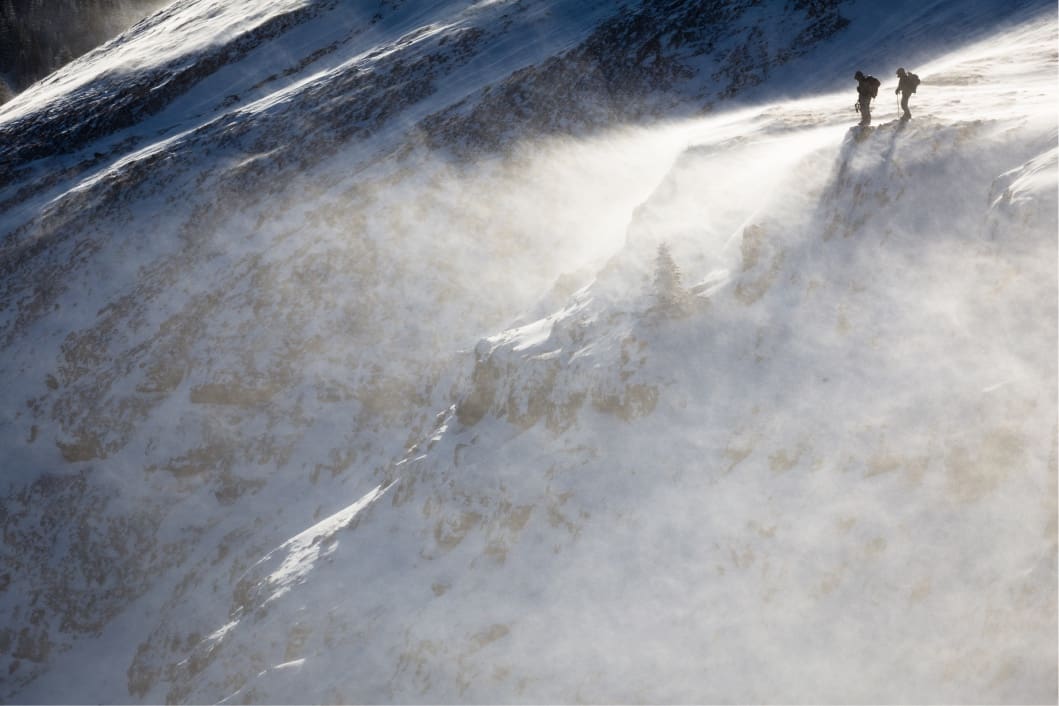
SSD: Thanks a lot Jonathan for your time and insight. I can’t wait to see the new line.

JH: Thanks Eric.  We changed the hunting industry, and now we’re setting out to change the military clothing industry.

SIG SAUER Introduces SIG Custom Works Equinox Series

Tuesday, October 27th, 2020

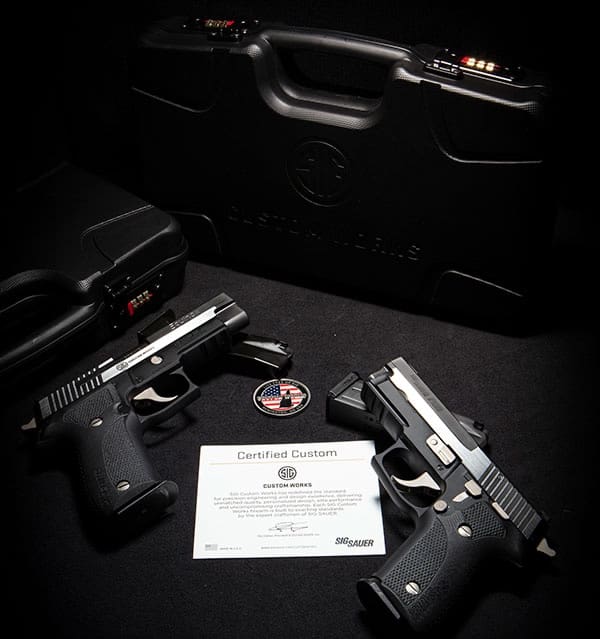
NEWINGTON, N.H., (October 27, 2020) – SIG SAUER is pleased to announce the continued expansion of the SIG Custom Works series of pistols with the introduction of the SIG Custom Works Equinox Series of pistols for the P226 Equinox and P229 Equinox.

“This is an exciting addition to the SIG Custom Works series of pistols, and a must have for SIG aficionados and collectors alike,” said Tom Taylor, Chief Marketing Officer and Executive Vice President, Commercial Sales. “SIG Custom Works has recreated the popular two-tone, contrasting Equinox finish originally introduced over a decade ago for the iconic P226 and P229 pistols. These throwback limited-edition builds have the same look and feel of their predecessors that made the Equinox series a consistent request of SIG fans.”

The SIG Custom Works P226 and P229 Equinox pistols are 9mm hammer-fired pistols that each feature a black anodized metal frame and a Nitron stainless steel slide to achieve the two-tone equinox finish. The pistols are equipped with X-RAY 3 Day/Night Sights, Hogue classic contour SL G-10 grips, a short reset trigger, and pistol ships with (3) magazines. Exclusive SIG Custom Works feature include logo engraving on the slide, a Negrini SIG Custom Works case, challenge coin, and an official SIG Custom Works Certificate of Authenticity.

P226 Equinox Specs:
Overall length: 7.7 inches
Overall height: 5.5 inches
Overall width: 1.5 inches
Barrel length: 4.4 inches
Sight Radius: 6.3 inches
Weight (w/magazine): 34 oz.

P229 Equinox Specs:
Overall length: 7.1 inches
Overall height: 5.5 inches
Overall width: 1.5 inches
Barrel length: 3.9 inches
Sight Radius: 5.7 inches
Weight (w/magazine): 34 oz.

The SIG Custom Works Equinox Series is now shipping and available at retailers. To learn more about the SIG Custom Works P226 and P229 Equinox Series sigsauer.com.

The SIG Custom Works series of pistols includes the P320 AXG Scorpion, the classic line Nightmare Series, and the Equinox series.