Atrius Development Group

Archive for the ‘Armor’ Category

Ballistipax – Survivor-1 Body Armor

Friday, February 5th, 2021

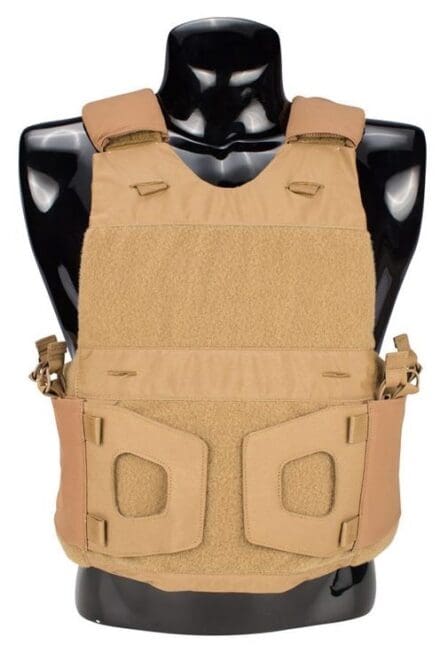
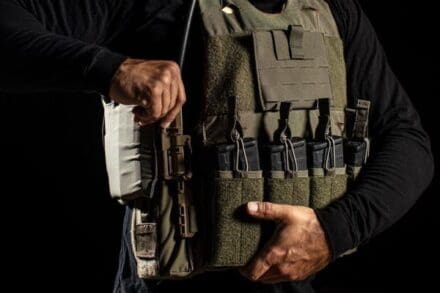
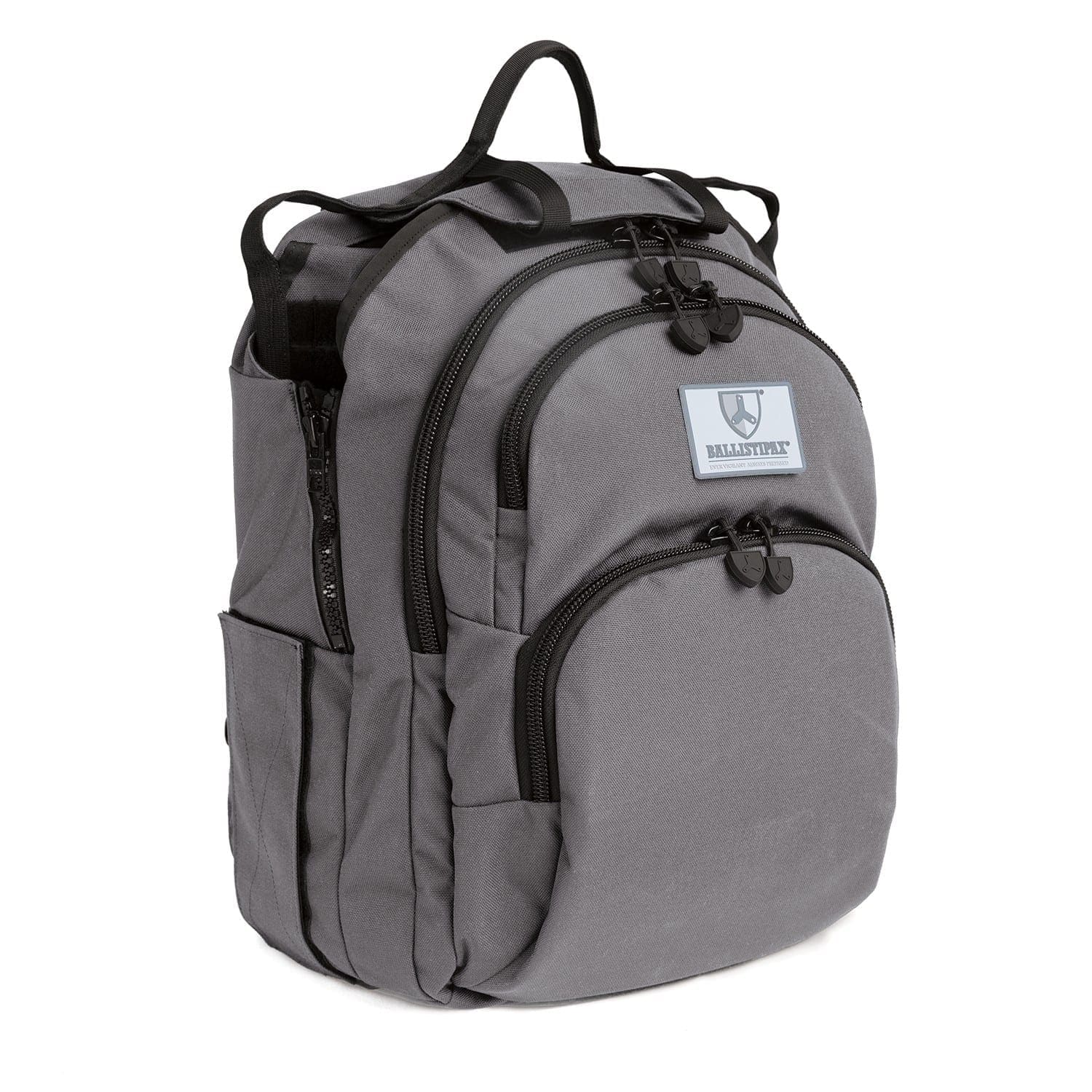
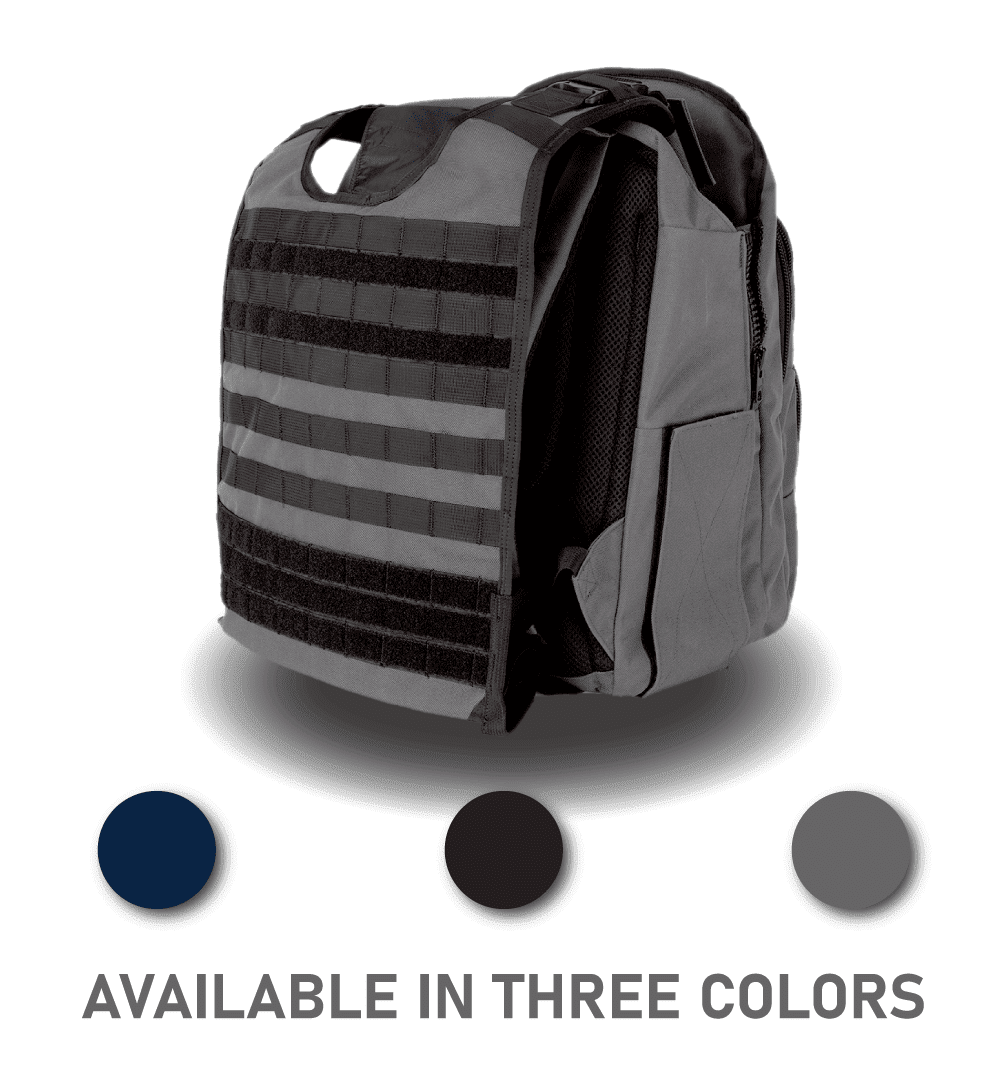
The Ballistipax® Survivor-1™ is a patented quick-deploy, concealed body armor system hidden securely within a rugged yet comfortable shoulder pack. When deployed, front and rear NIJ-rated ballistic panels protect the user’s front and back while providing easy access to firearms, magazines, edged weapons, medical gear, and more. Three levels of ballistic armor plates are available with the Survivor-1: Flex Pistol Armor IIIA, Rigid Pistol Armor IIIA (PE), and Rifle Armor III+.

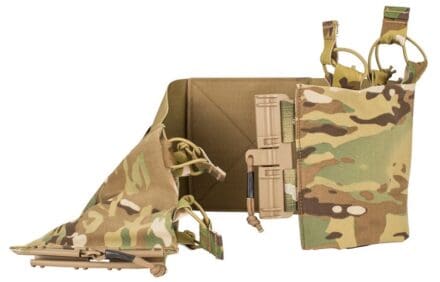
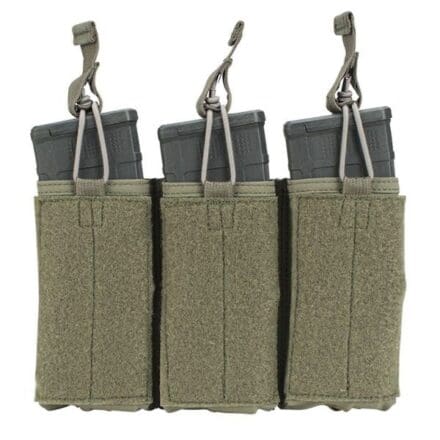
Survivor-1 features a full front MOLLE panel and optional quick-detach IFAK pouches allowing users to configure their armor system for any mission. Within seconds, the patented Quickdraw™ deployment action allows the user to pull the plate carrier handle over the head and down over the torso to protect vital organs.

Elastic Waist Retention Bands (WRB) fasten behind the back and secure the plate carrier to the body.

ballistipax.com

Safariland Announces New Hardwire Armor Packages

Friday, January 22nd, 2021

Innovative Design Offers Lightest, Thinnest Ballistic Panel Protection Available


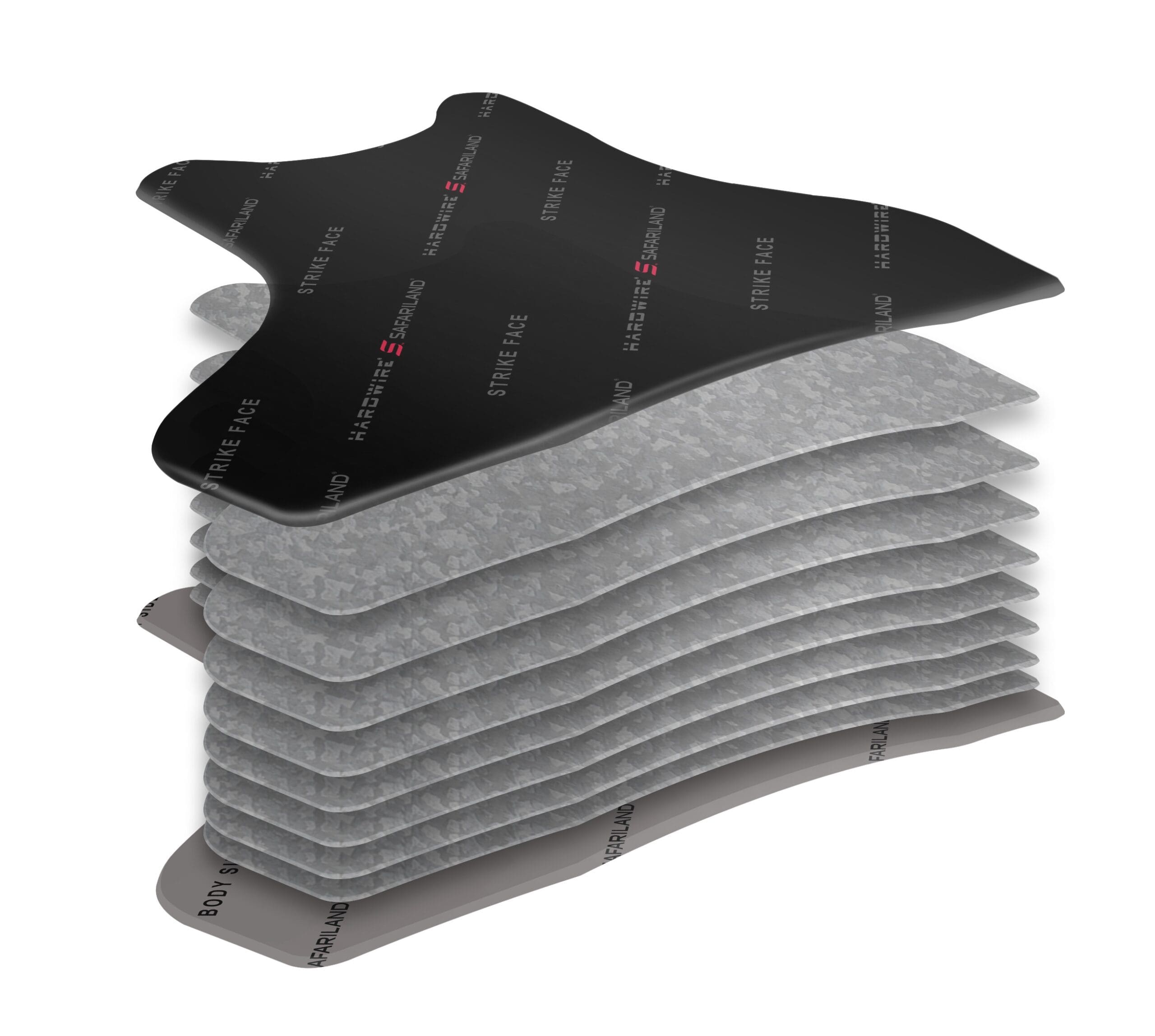
Jacksonville, Florida – Safariland®, a brand of The Safariland Group®, a leading global provider of safety products designed for the public safety, military, professional and outdoor markets, announced today the next generation of Hardwireâ Ballistic Panels. Hardwire optimizes the strength of compressed Dyneema fibers to create the thinnest and lightest level II and IIIA ballistic panels available.

“The collaboration between Safariland and Hardwire will continue to bring advanced armor protection to end users,” James Duncan, VP/GM of Armor for Safariland said. “This strategic relationship incorporates the thinnest, lightest and highest performing armor panels into our state of the art tactical and concealable vests. Hardwire is an exceptional company that shares Safariland’s vision, and together we are learning how to maximize the effectiveness of armor and how to protect those who serve.”

“Hardwire’s advanced ballistic properties afford the bullet’s shock wave more time to spread out before getting to the body,” George Tunis, CEO of Hardwire LLC, said. “The panel is 100% Dyneema, but it’s more than material alone that makes it work. It’s the Hardwire process and strategic layering of the materials that results in game-changing performance. We use a bullet’s own rotation and exploitable weaknesses to shock the projectile into submission. Meaning, the bullet doesn’t attack the vest, the vest attacks the bullet.”

The second generation Hardwire Ballistic Panel offers the thinnest profile available in soft body armor while weighing just .51 and .68 pounds per square foot for level II and IIIA, respectively. This minimalist design allows for Hardwire Armor to be worn all day without interfering with routine tasks. Hardwire panels stand up to a range of special threat rounds above NIJ standard and the technology was originally developed for use by the elite U.S Special Operations Command and Marine Corps.

Safariland Armor continues to lead through innovation and design that sets the standard in ballistic protection. By continuing to bring cutting-edge body armor designs to market, Safariland provides its customers with high-performance, life-saving armor systems.

By combining Safariland’s proprietary ballistic panel shapes with carrier systems designed to maximize both comfort and protection, this next generation Hardwire ballistic technology takes ballistic protection to a new level. These new Hardwire Level II and Level IIIA ballistic panels will be available for use in all of Safariland’s concealable and tactical vest designs and platforms.

The partnership between Safariland and Hardwire offers a new standard in shock dissipation physics, momentum transfer efficiency, and ultimately, ballistic protection. Taking a round should not be the end of the fight. With the goal of enhanced survivability and minimized injury, Safariland and Hardwire are designed to save the lives of first responders.

APTUM SWIMMER – Don’t Let Your Swimmers Swim

Friday, January 15th, 2021

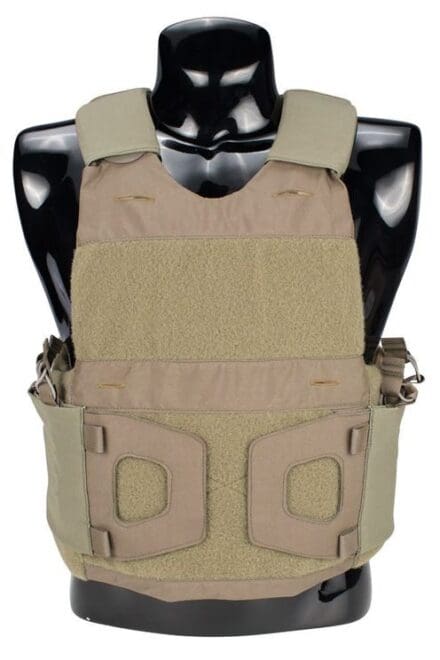
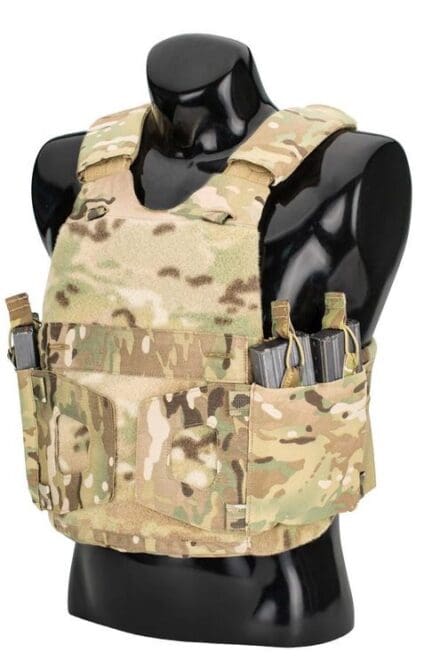
The Beez Combat Systems APTUM™ Swimmer Plate Carrier was designed for swimmer cut plates. It is an adaptable plate carrier that can be configured for low visibility operations up to high threat level operations. The front panel of the APTUM™ Swimmer Plate Carrier includes laser cut GRID with an emphasis on comms/data attachment points as well as cable management.

The APTUM™ Swimmer OVERT Back Plate Bag also includes laser cut GRID and allows the wearer even more additional load bearing space for important items for the mission at hand. This provides the wearer with the option of maintaining a low visibility load out or scaling up to a load out more suitable for high threat level operations.

The front panel of the APTUM™ Swimmer Plate Carrier includes a Kangaroo pocket that supports up to three AR magazines as well as the front of the APTUM™ Plate Carrier comfortably secures any Juggernaut™, Kagwerks or THYRM smartphone case into place. Laser cut attachment points for placards and flaps. The Beez Combat Systems APTUM™ Swimmer Plate Carrier is available in a variety of colors and is 100 percent laser cut and manufactured in the United States.

www.beezcombatsystems.com

Back Panels For Crye, Ferro, and Spiritus from WTF

Tuesday, January 5th, 2021

WTF are pleased to offer several back panel options for your favorite carrier.

Back Panel 91 (hydration bladder carrier) and Back Panel 64 (PALS/MOLLE) are available for-

-Crye JPC medium
-Crye JPC 2.0 medium
-Crye JPC 2.0 large
-Ferro Concepts Slickster medium
-Ferro Concepts Slickster large
-Spiritus Systems LV-119 Overt medium
-Spiritus Systems LV-119 Overt large
-Spiritus Systems LV-119 Covert medium
-Spiritus Systems LV-119 Covert large

WTF products are manufactured in the United States using MIL-DTL-32439 500D nylon, A-A-55126 nylon hook & loop, A-A-59826 bonded nylon thread, MIL-W-5691 nylon elastic, YKK USA heavy duty zippers, and well compensated, skilled labor to produce a cost effective part.

More info at wtfidea.com

***all Crye, Ferro, and Spiritus Systems trademarks, brands, etc are the sole property of the respective companies.  Crye, Ferro, and Spiritus do not endorse these products***

NFM Supplied Armored Vests to Lithuanian Army

Friday, December 18th, 2020

NFM is pleased to announce that an agreement has been signed with the Defence Materiel Agency under the Ministry of National Defence of Lithuania to supply the Armed Forces with armored vests.

“We are delighted that, once again, the Lithuanian government has chosen to partner with NFM to supply their army. We are committed to provide the highest quality in products and services, and are honored by their continued faith in us” said NFM’s CEO, Walter Overland.

nfm.no

Picatinny Engineers Develop Unique ‘Transformer’ Gunner Protection Armor

Thursday, December 17th, 2020

PICATINNY ARSENAL, N.J. — Engineers at Picatinny Arsenal have developed a unique gunner protection turret, quickly foldable to a reduced height, which will make it easier for the U.S. Marine Corps to transport the turret in a number of scenarios.

The versatility and compactness of the turret evokes comparisons to the “Transformer” science fiction movies, which feature robots that can transform themselves into common machinery, such as vehicles.

In its reduced configuration, the new turret allows for more efficient transportation aboard naval vessels, aircraft and ground transport systems. Designated as the Reducible Height Gunner Protection Kit (RHGPK), the turret can quickly fold to nearly one-third of its original height, thus allowing for adequate clearance within tight transportation decks.

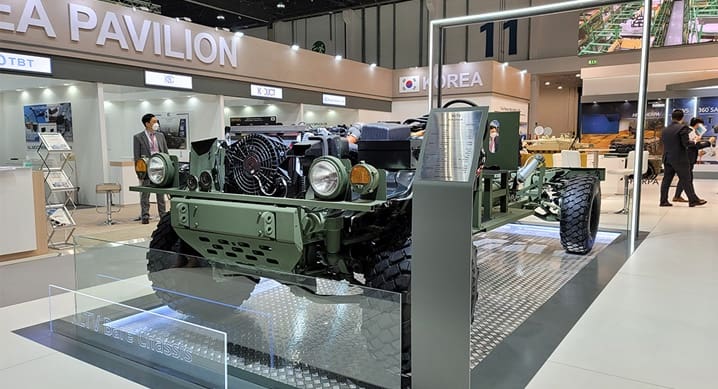
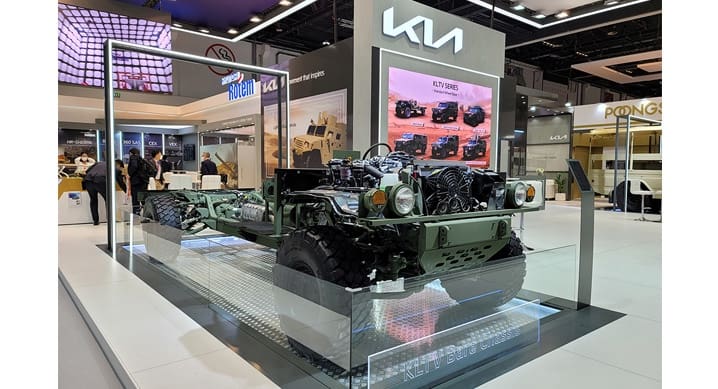
Moreover, the reducibility feature is ideal for limited deck spaces aboard Naval amphibious transport dock ships and Maritime Prepositioned Force ships without the need to remove the RHGPK from the host vehicle. The new turret is undergoing test and evaluation with the Marine Corps System Command on the Joint Light Tactical Vehicle (JLTV) Heavy Guns Carrier (HGC) variant.

“The RHGPK essentially is an armored Transformer,” said Thomas Kiel, who leads the engineering design of gunner protection kit (GPK) turrets within the U.S. Army Combat Capabilities Development Command Armaments Center, located at Picatinny Arsenal.

“The turret is unrecognizable once it’s reduced for transportation purposes,” Kiel added. Marine Corps expeditionary operations use fully amphibious platforms, such as the Landing Craft, Air Cushion (LCAC) to transport weapons systems, equipment, and personnel within assault elements from ship to shore and across the beach.

The RHGPK turret will be mounted on tactical vehicles being transported on amphibious ships entering hostile regions. “Marines need to be able to focus on the mission during a beach landing, and not be concerned with how to prepare a turret for the operation,” said Kiel. “The RHGPK has been engineered to allow Marines to raise the turret and mount the weapon in a matter of minutes, while on a moving landing craft.”

The turret is the latest addition to the portfolio of Objective Gunner Protection Kit (OGPK) family of protective armor kits for tactical vehicle turret gunners.

GPK turrets are protective structures that mount to a rotating bearing ring on the roofs of tactical wheeled vehicles. A turret typically is considered to be defensive weapon system due to its inherent opaque and transparent armor, which is configured to maximize the protective area surrounding the gunner. In addition to enhancing survivability, the turret is the primary weapon station for the vehicle platform, enabling the gunner to deliver firepower on targets.

“The voice of the warfighter is critically important when developing a new weapon system,” Kiel said. “Restrictions during the pandemic forced us to conduct our initial user evaluations with virtual models instead of physical prototypes.”

Also located at the Armaments Center, the Gaming, Interactive Technologies & Multimedia team worked closely with the GPK engineers to generate fully immersive, virtual reality scenarios. That made it possible to evaluate the overall effectiveness of the design, from the perspective of space requirements, protection, situational awareness and weapon functionality.

The RHGPK enables the Joint Light Tactical Vehicles, Medium/Heavy Tactical Vehicle Replacement and Logistics Vehicle System Replacement, to be transported in the lower vehicle stowage areas of Landing Platform/Dock (LPD 17) and Landing Helicopter Dock class ships. The turret’s reducible feature will also facilitate transportation by rail and air.

“The backbone of our design is the solid model,” said Kris Mayer, turret design engineer at the Armaments Center’s Prototype Integration Facility. “It is the source for manufacturing data and many other engineering functions,” he added. The solid model feeds all aspects of the design life cycle, including cost estimating, structural analysis, weight predictions, platform integration and weapons interfacing.

“When things are done properly, the fabricated hardware will look exactly like the computer model with no surprises,” said Mayer. Proper configuration management allows future design updates to be incorporated seamlessly.

Project Manager Soldier Lethality, located at Picatinny Arsenal, has primary responsibility for Gunner Protection Kit turret development under the Gunner Integrated Protection and Restraint System program. It also manages the procurement of turret systems within the Department of Defense.

“There are a wide variety of tactical vehicle platforms within the DoD,” explained Narayan Bhagavatula, Program Lead for Gunner Protection Systems. “Many of these require unique turret solutions because of specific user requirements and weapons that must be mounted,” he added. The GPK turret designs are generated in-house at the Armaments Center by Army civilian engineers.

Each turret within the portfolio of OGPKs has its own specific configuration. However many components are shared among the various designs. This results in more affordable products and a smaller logistics footprint for sustainment. Also, because the designs are owned by the U.S. government, competitive production contracts can be sourced among small and large businesses throughout the United States.

Picatinny Arsenal, located in northern New Jersey, provides a wide variety of guns, ammunition, products and related services to all branches of the U.S. military. The Armaments Center is part of the U.S. Army Combat Capabilities Development Command, or DEVCOM, which is under the Army Futures Command.

By Ed Lopez, Picatinny Arsenal Public Affairs

Army’s Mobile Protected Firepower Program Begins Crucial Soldier Evaluation Phase at Fort Bragg

Sunday, December 13th, 2020

Detroit Arsenal, Mich. (Friday, Dec. 11, 2020) – Soldiers of the 82nd Airborne will soon get the chance to do something no U.S. infantry Soldier has done in 26 years – employ a dedicated mobile, direct fire vehicle platform against hardened positions, dismounted personnel and light armored vehicles.



The experience comes to them as the first of several pre-production Mobile Protected Firepower (MPF) ground combat platforms are being delivered to Fort Bragg, N.C. to be used in the Soldier Vehicle Assessment (SVA).

“We are incredibly excited to see the MPF platform entering into this phase,” said Brig. Gen. Glenn Dean, the program executive officer for Ground Combat Systems. “MPF represents an innovative and aggressive approach to system acquisition. The beginning of our SVA in January illustrates how hard the teams are working to keep the major events of this program on schedule.”

Currently the Army’s Infantry Brigade Combat Teams (IBCT) do not have a combat vehicle assigned that is capable of providing mobile, protected, direct, offensive fire capability. To fill that capability gap the Army is using an innovative and competitive Acquisition approach to provide IBCTs with their own organic lethality platforms to ensure overmatch against peer and near peer threat.

The MPF solution is an integration of existing mature technologies and components that avoids development which would lengthen the program schedule. The priority has always been to field this new critical capability soonest, but the MPF will also be capable of accommodating additional weight and spare electrical power to support future growth.

The SVA is on track to commence on Jan. 4, 2021. It will be conducted at Fort Bragg and will run through June 2021. During that time, Soldiers will use the MPF prototypes to conduct a wide variety of operational scenarios. The SVA is an operational assessment rather than a formal test event, and it will directly inform the development of tactics, techniques and procedures (TTP) of this new capability for the IBCT.

“The MPF brings a new level of lethality to our infantry forces. The SVA gives us the first opportunity to put these vehicles in the hands of our Soldiers with the 82nd Airborne and begin to develop the methods by which our forces can best employ MPF,” said Brig. Gen. Ross Coffman, the Army’s director for the Next Generation Combat Vehicles Cross Functional Team. “Once they are able to begin interacting with these prototypes, I know that our Soldiers are going to come up with the best ways to utilize MPF in our light formations.”

The competitive phase of the program is scheduled to conclude with the selection of a single materiel solution and transition into production near the end of fiscal year 2022.

By Ashley John

Premier Body Armor Meeting Demand with Zero-Week Lead Time

Wednesday, December 9th, 2020

GASTONIA, N.C. – December 8, 2020 – Premier Body Armor continues to demonstrate its commitment to the safety of its customers by providing same-week production and delivery. Each order will be produced and will ship within one week of the order being placed. Their Zero-Week Lead Time applies to all of their backpack panels, plates, executive vests, and black Eagle vests.

“All throughout 2020, we’ve seen an increase in demand for body armor systems,” said Alex Stewart, Vice President of Business Development at Premier Body Armor. “The need is real and Premier Body Armor has been able to meet demand without long wait times. We make our armor here in the USA and this allows us to be more flexible with production and warehousing. We pioneered this quick delivery schedule in the armor industry and we’re keeping it strong during the pandemic. We’re shipping new orders out the door in less than a week.”

The Zero-Week Lead Time is available on most of Premier Body Armor’s catalog. Those looking for quality off-body protection have a growing variety of backpack panels to choose from, including the new STRATIS Plates. Made from ultra-high-molecular-weight polyethylene (UHMWPE) that has been tested in an independent lab to exceed the NIJ Level III ballistic standards, STRATIS Plates are multi-hit capable. Premier Body Armor currently offers two sizes to accommodate a range of bags from briefcases and purses (9”x13”), or larger EDC packs such as the Vertx Gamut 2.0 (10”x16”).

The full line of inserts and packs are available now and can be found here: premierbodyarmor.com/collections/rifle-rated-backpack-inserts.

Those looking for wearable armor have fast access to orders of Premier’s Executive Vests for level IIIA deep concealment. These easily concealable vests are ideal for everyday wear and provide excellent covert protection. For those looking for a more traditional option, Premier offers rapid production and delivery of their versatile level IIIA Eagle Tactical Vests.

Learn more about Premier Body Armor at premierbodyarmor.com.