FirstSpear

Archive for the ‘Army’ Category

Paul Revere’s Ride Pioneers Army Signal Corps, Military Intelligence

Saturday, April 19th, 2025

WASHINGTON — As the nation commemorates the 250th anniversary of the beginning of the Revolutionary War in April, the Army looks back at the roots of its legacy of service.

Paul Revere and his midnight ride is one of the most recognized images from the events surrounding the battles at Lexington and Concord on April 19, 1775. While most people think of him as a lone actor, he was part of a much larger network of early warning intelligence systems and communication nodes the Army later developed into the Signal Corps and military intelligence.

The crisis that led Paul Revere on his famous midnight ride didn’t begin overnight.

Resistance Groups

When Britain began to place more financial burdens on the colonists in the 1760s and remove fundamental rights, many colonists began to organize resistance groups like the Sons of Liberty.

By 1774, Massachusetts was the focal point for civil unrest, and the British government took extreme measures against the colony. The Crown curtailed most civil liberties, closed the port of Boston, and in October, dissolved the colonial legislature.

In response, the legislature continued to meet as the representatives of the people, calling itself the Massachusetts Provincial Congress. Working through the Fall, the Provincial Congress established a Committee of Safety, reorganized the colony’s militia, encouraged more efficient leadership, and established higher standards of readiness for quick-reaction units, known as minute battalions. Soldiers in these units tended to be younger, more highly motivated, better trained, and were known as “minutemen.”

Most minute units were led by combat veterans of the French and Indian War (1754-1763). By early 1775, nearly 20,000 troops were organized in militia regiments and minute battalions across the colony.

Secret caches

To support the combat element of what was being referred to as the Massachusetts Provincial Army, the Congress established a Committee of Supplies to amass military stores and equipment in secret caches around the colony.

Communities hid small arms, ammunition, artillery pieces, tents, entrenching tools, medical chests, and other supplies in gardens, outbuildings, and basements. If the growing force of 4,000 British regulars in Boston were ever to begin a conflict in Massachusetts, the Provincial Army would need these supplies to rapidly mass and meet them in combat.

Since the citizen-soldiers of the militia could not stay on alert permanently, the provincials organized a robust intelligence and signal network to provide early warning if a threat appeared.

Intelligence agents inside Boston collected information on British plans and speedily sent word into the countryside so that the Provincial Army were almost as informed of the actions of the British military as the British were themselves.

The Committee of Safety established a network of alarm riders in the counties around Boston to be able to rapidly spread the word should the Sons of Liberty have actionable intelligence.
Paul Revere

An early member of the Sons of Liberty who had experience carrying urgent messages across the colonies was 40-year-old silversmith Paul Revere.

By April of 1775, he was one of those in Boston entrusted with the mission of passing through British lines to carry word into the countryside should the regulars ever march on a provincial target. If caught with incriminating information, Revere and the other alarm rides could suffer imprisonment or death.

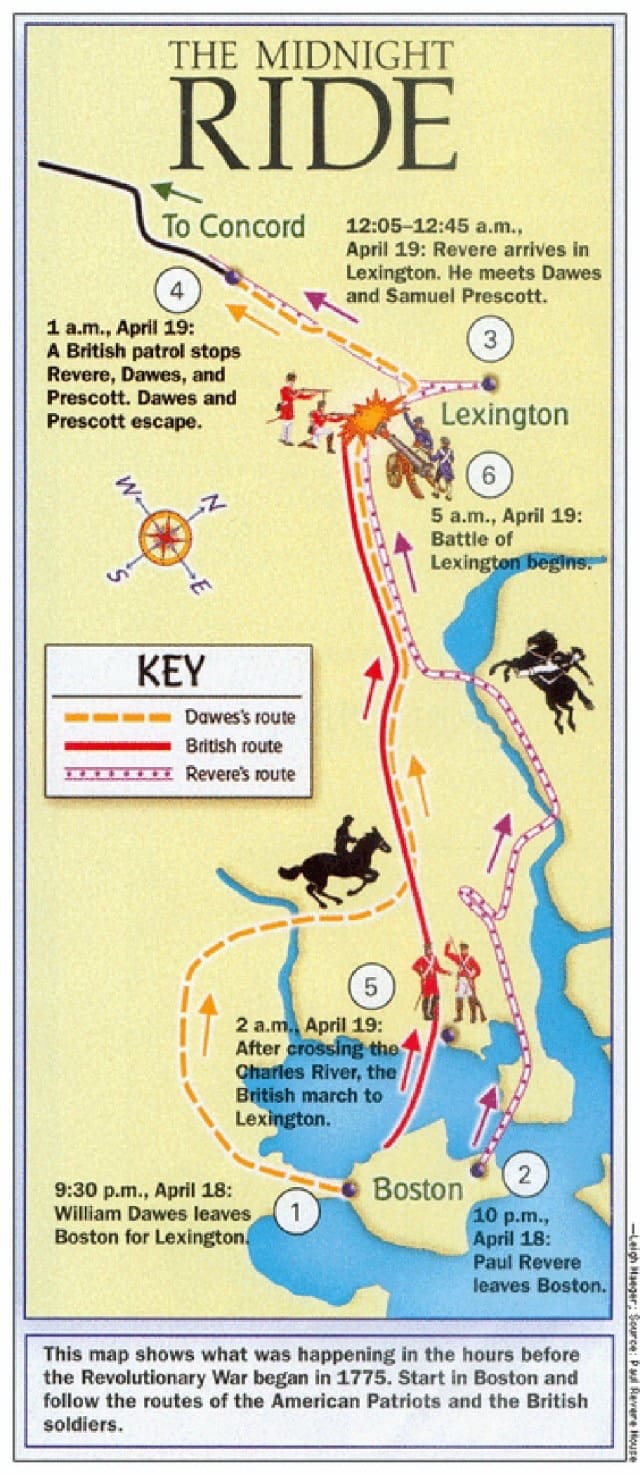
On the evening of April 18, patriot leader Joseph Warren received intelligence that a force of about 700 redcoats was assembling to march west toward Concord the next day to seize military supplies and arrest members of the Provincial Congress.

Warren instructed Paul Revere and William Dawes to escape the city and activate the colony’s alarm network.

Unsure if the British force would march out via Boston neck or ferry their troops across the Charles River toward Cambridge, Revere coordinated signal lanterns in the steeple of Boston’s Old North Church: one if by the land route, two if by water.

This simple but effective code let Revere and other alarm riders know just before midnight that Royal Navy sailors were ferrying the regulars to Lechmere Point.

Revere slipped past the warships in Boston harbor to Charlestown, where he mounted his horse and raced westwards to spread the alarm.

Joined by William Dawes, who had spread the alert on the route from Boston Neck, Revere rode through the night toward Concord, spreading word that, “The regulars are coming out!” This triggered the colony’s alarm network.

Alert riders spread the word north, west, and south, with word reaching as far away as New Hampshire, Maine, and Rhode Island by the end of the day on April 19.

The network activated some 14,000 militia and minutemen in 47 regiments all within marching distance of Concord.

Church bells and drums called the soldiers to muster, families cooked rations and rolled cartridges, and dozens of companies began their march.

Few thought it would be the first action in what would become an eight-year war for independence, nor that someday an organization called the U.S. Army would develop signal network systems based on relays to communicate across the battlefield. The groundwork established in colonial Massachusetts forms the basis for the modern-day Army Signal Corps and military intelligence branches.

By MAJ Jonathan Bratten, U.S. Army Center of Military History
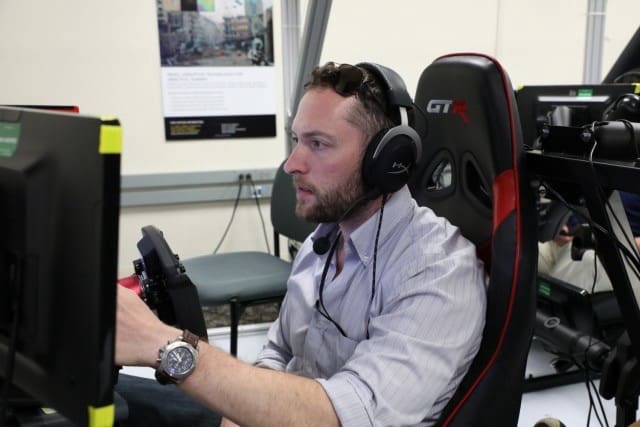
Army Advances Research in Robotics, AI and Autonomy

Friday, April 18th, 2025

ADELPHI, Md. — In recognition of National Robotics Week, U.S. Army researchers highlight some of their groundbreaking work aimed at advancing the future of human-machine integration for the battlefield.

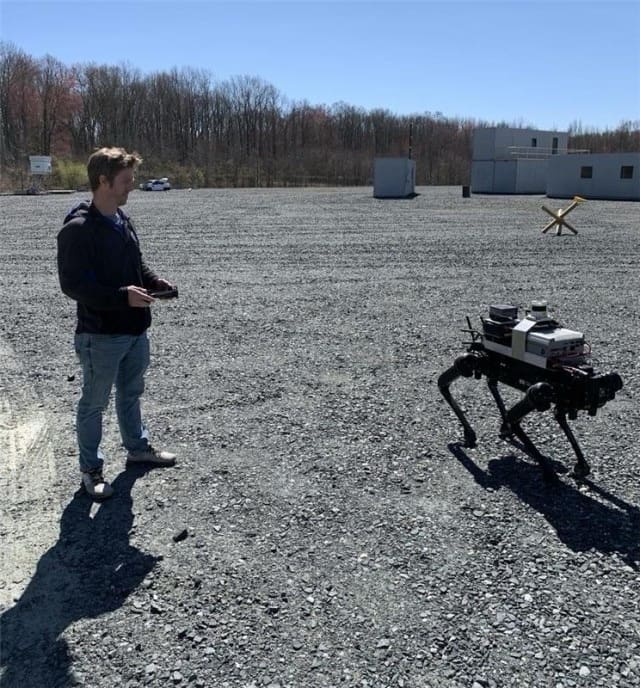
The U.S. Army Combat Capabilities Development Command Army Research Laboratory, known as DEVCOM ARL, robotics research spans across ground and air autonomous systems, and energy systems, that support future mobility and maneuverability of these systems. ARL robotics researchers partner with industry, government and academia to help protect and support the Soldier.

One example of a recent ARL breakthrough is integrating generative artificial intelligence with robotics for battle damage assessment operations. ARL robots are now capable of understanding and responding to natural language, offering the Soldier human-like interactions.

“We are bridging the gap between humans and robots, making them more intuitive, responsive, and, ultimately, more useful for the Soldier,” said Phil Osteen, a lead researcher for the Artificial Intelligence for Maneuver and Mobility, or AIMM program. “ARL researchers have demonstrated an interactive bi-directional communication system that enables real-time exchanges between humans and robots.”

By interacting with Soldiers using natural language, robots can better communicate battlefield observations such as damage assessments and mission execution reports, enhancing battlefield operations.

The AIMM program is also focused on advancing autonomous off-road mobility, human-guided machine learning, and tactical behaviors that go beyond simple point-to-point movement. Army operations are complex, requiring considerations such as cover, concealment, mission considerations and formation controls, according to Udam Silva, AIMM program manager.

“We’ve made significant progress in off-road mobility,” Silva said. “We can now autonomously navigate through dense vegetation at operational speeds.”

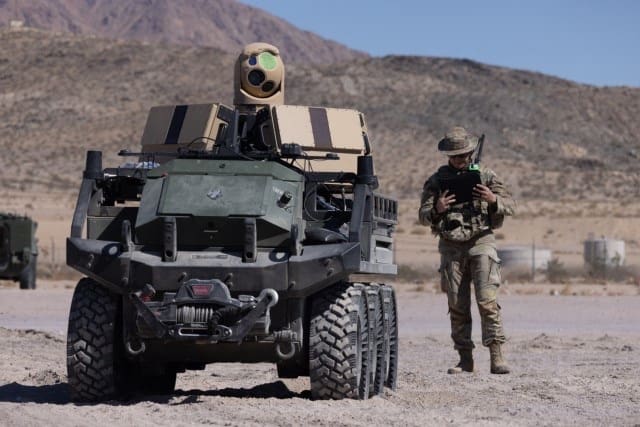
ARL researchers also leverage external collaboration. In a research effort under AIMM, robotics researchers collaborate with an industry partner, Overland AI, on dual-use hardware and software solutions for ground autonomy, enabling vehicles to navigate challenging natural terrain autonomously at operationally relevant speeds.

In a separate ARL autonomous program, Human Autonomy Teaming, or HAT, is creating a cutting-edge toolkit of a suite of technologies that enable continuous mission planning, execution and review process between humans and autonomous systems, offering a more honest assessment. This iterative, or continuous assessment is a way of shortening that cycle, so Soldiers can determine when their autonomous systems deviate and why.

“This gives Soldiers the tools to correct robots’ behaviors using techniques such as human-guided machine learning developed by multiple ARL programs,” said Dr. Brandon Perelman, HAT program manager.

The HAT program is ensuring the U.S. Army’s software is continually refined to counter adversaries’ adaptations, according to Perelman.

According to Perelman, the software being developed is compatible with multiple interfaces, so mission plans can go into any equipped vehicle. It has a data synchronization and re-streaming package so different data streams can line up, while also looking at video feeds and positions, navigation and timing data from a robot for a fuller view of a complex situation such as encountered on the battlefield.

The HAT program informs future research aimed to expand vertically to higher, larger echelons in the Army chain of command as well as horizontally, across warfighting functions, to include multiple domains such as mount-dismount coordination, and ground-air teaming.

These examples represent some of ARL’s transformative robotics work that span multiple critical domains, designed to enhance military capabilities and ensure technological superiority.

Related link: Robotics Research Collaboration Campus (R2C2)

By U.S. Army DEVCOM Army Research Laboratory Public Affairs

Army’s Advanced Manufacturing Revolutionizes Mortar System, Enhancing Soldier Safety

Thursday, April 17th, 2025

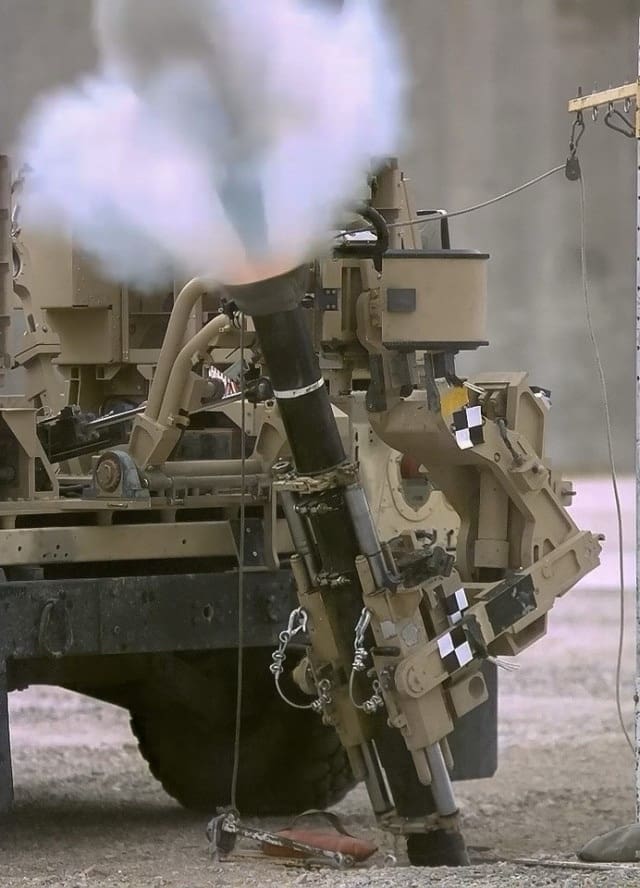
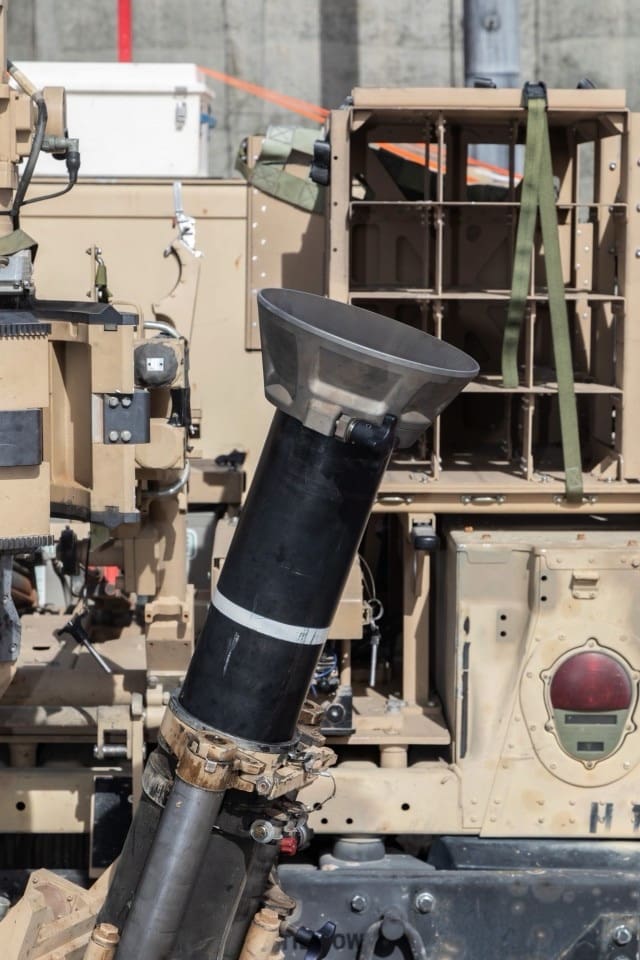
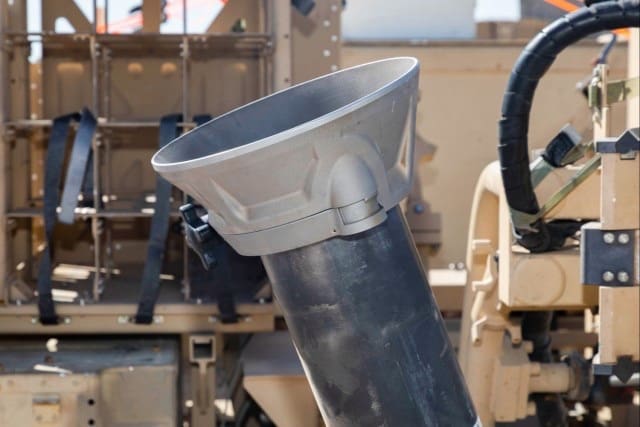
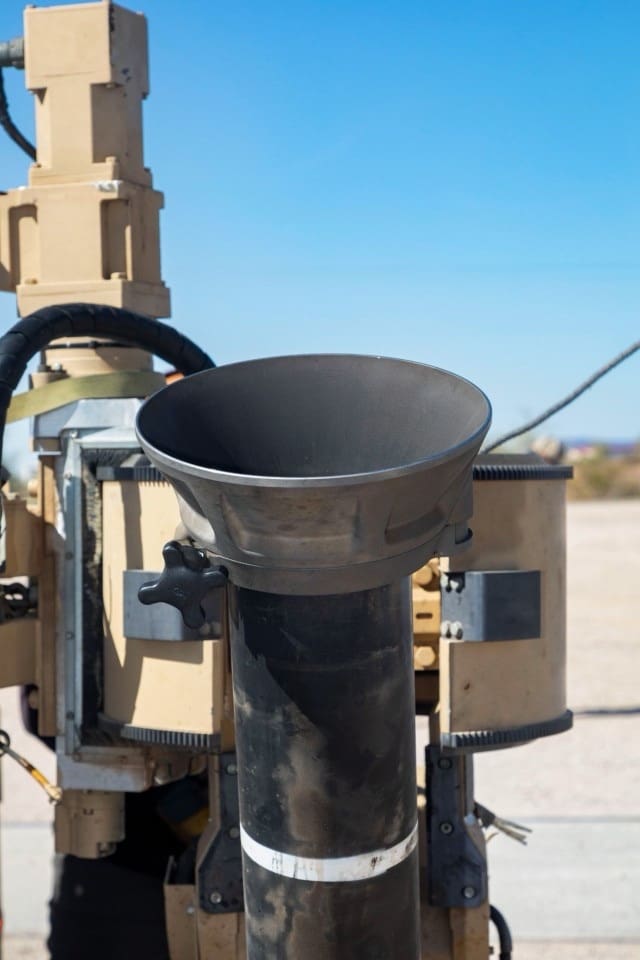
ROCK ISLAND ARSENAL, Ill. — In a significant leap forward for Soldier safety and operational effectiveness, the 120mm mortar system’s attenuating blast cone has undergone a transformative redesign.

“Our service members are the bedrock of our nation’s defense,” stated Col. Dave Guida, commander of Rock Island Arsenal-Joint Manufacturing and Technology Center. “They stand ready, modern and prepared to defeat any adversary. Equipping them with the best possible equipment is an imperative priority. This redesigned ABC is evidence of that commitment.”

The project, spearheaded by the Advanced Manufacturing Center of Excellence at RIA-JMTC, leverages the power of additive manufacturing to create a lighter, more efficient, cost effective and safer ABC. This innovation directly addresses concerns regarding head trauma and concussions associated with the legacy equipment, underscoring the Army’s unwavering commitment to equipping its soldiers with the most advanced technologies available.

“Collaboration was the cornerstone of this project,” explained Edward Flinn, director of the AM CoE. “We ensured it not only met, but exceeded expectations in terms of functionality, durability and ease of use in the field.”

The original eight-part ABC presented significant challenges for Soldiers in the field, contributing to fatigue and hindering maneuverability, especially in challenging terrain. Recognizing the need for improvement, the AM CoE embarked on a rigorous redesign process, initially streamlining the ABC to a two-part system and ultimately refining it to a four-part configuration based on extensive feedback. This iterative approach ensured the final design met the rigorous demands of real-world operations, balancing weight reduction with structural integrity and ease of maintenance.

“Additive manufacturing empowers us to push the boundaries of design,” Flinn elaborated. “We can create components that are simultaneously lighter, stronger and more adaptable to the ever-changing demands of the battlefield. This is a true game-changer for military equipment design and production and it’s happening right now at the RIA-JMTC AM CoE.”

The selection of titanium, renowned for its exceptional strength-to-weight ratio and corrosion resistance, further enhances the ABC’s performance. While the 3D-printed components are solid, the strategic use of titanium and the design freedoms afforded by additive manufacturing have resulted in an ABC that weighs less than half of its conventionally manufactured counterpart. This significant weight reduction, achieved without compromising structural integrity, enhances Soldier mobility and reduces fatigue, crucial factors in demanding operational environments. This highlights the power of AM to optimize performance not just through complex internal structures, but also through material selection and overall design efficiency.

Beyond the immediate benefits of a lighter, more efficient design, the AM process offers significant cost and time savings across the entire product lifecycle. Eliminating the need for expensive tooling and lengthy lead times associated with traditional manufacturing, AM enables rapid prototyping and on-demand production. This agility is crucial in responding to rapidly evolving operational needs and maintaining a decisive advantage in an increasingly complex global landscape.

“The ability to rapidly prototype and iterate designs using AM is transformative,” Guida emphasized. “It allows us to respond quickly to emerging threats and deliver solutions to the Warfighter at an unprecedented pace. This speed and flexibility are essential in maintaining leverage against any adversary.”

While the initial production run of 700 ABCs utilized traditional manufacturing methods for comparative analysis and to ensure a smooth transition, the AM CoE is poised to take over full production during the sustainment phase. This data-driven approach allows the Army to thoroughly evaluate the long-term cost-effectiveness and efficiency of AM, paving the way for wider adoption of this groundbreaking technology.

“RIA-JMTC, Tank-automotive and Armaments Command and Army Materiel Command work tirelessly across the Department of Defense to synchronize logistics, build supply chain resilience and achieve combat readiness goals,” Guida said. “A modernized organic industrial base, coupled with data-driven predictive and precision logistics, ensures we can provide the right parts and materiel to Soldiers when and where they need them. When the need arises for new, upgraded or modernized equipment, the skilled artisans of the OIB stand ready to deliver.”

Sustainment leaders are increasingly relying on data analytics and advanced information systems to accurately predict battlefield requirements, effectively connecting the foxhole to the factory. This focus on strategic readiness is essential for maintaining a prepared and responsive force. Continuous transformation ensures the Army can deliver trained, cohesive and lethal forces capable of meeting future challenges in complex operational environments.

“The redesigned ABC is an equipment upgrade that embodies the Army’s commitment to Soldier safety, technological advancement and a future-ready force prepared for any contingency,” Flinn said. “This initiative reinforces the principle that strategic readiness begins at home and that investing in advanced manufacturing and data-driven logistics is essential for maintaining a decisive edge on the future battlefield.”

By Kendall Swank

Irregular Warfare: U.S. Army’s IW Doctrine

Wednesday, April 16th, 2025

I regularly find myself initially confused during conversations regarding IW, listening for cues as to whether others are mentioning Irregular Warfare or Information Warfare. Having practiced both, often simultaneously, it leads my mind to wander in various directions.

That’s one of our biggest weaknesses in the national security establishment, terminology. We often find ourselves speaking past one another as we attempt to use various buzzwords to gain common ground.

This video is about Irregular Warfare. Below is the description:

Currently, the U.S. Army’s Irregular Warfare (IW) doctrine is being reviewed and updated by the Combined Arms Doctrine Directorate at Fort Leavenworth, KS. This film is part of that ongoing discussion and highlights some of the most basic and important parts of current IW doctrine that should remain in place, while suggesting some needed changes as well.

The character and form of war are constantly changing, yet its fundamental nature remains the same. Though Great Power Competition is now our primary national security challenge – a departure from conducting almost two decades of continuous irregular war against violent extremist organizations worldwide – the requirement for mastery of irregular warfare persists. Far from abandoning these critical competencies, we will sharpen these capabilities for application against peer competitor, nation-state adversaries. – 2020 Irregular Warfare Annex to the National Defense Strategy

IW Reality: Conventional forces have, and always will have, a role in IW across a variety of missions, and a range of military activities

IW Myth: Irregular Warfare (IW) is Counterterrorism (CT), CT is Special Operations Forces (SOF), therefore IW is SOF.

Army Launches xTechOverwatch Competition to Advance Autonomous Capabilities

Tuesday, April 15th, 2025

WASHINGTON — On April 2, 2025, the U.S. Army xTech Program launched xTechOverwatch to advance military capabilities in autonomous air and ground vehicles. This competition directly addresses critical Army requirements by partnering with small businesses developing artificial intelligence and sensor technologies. Participants can earn $35,000 in cash prizes and pursue follow-on Army Small Business Innovation Research contract awards.

How it Works

The Office of the Assistant Secretary of the Army for Acquisition, Logistics, and Technology, in partnership with Army Futures Command, launched the xTechOverwatch competition to identify innovative solutions for advanced autonomous unmanned systems, such as unmanned aerial vehicles, unmanned ground vehicles and sensor networks. The Army plans to select up to 40 finalists, awarding each a $15,000 cash prize and providing them an opportunity to showcase their solutions to Army and Department of Defense experts during a live demonstration at the Army Human Machine Integration Summit in October 2025.

During the demonstration, government stakeholders will assess the participants’ technological capabilities, solution maturity and potential contributions to identify the most promising advancements. In August 2025, finalists will also attend a Collider event designed to facilitate high-impact networking, knowledge-sharing and strategic partnerships with industry leaders and peers.

Following the final pitch demonstrations, the Army will select up to 20 winners, awarding each a $20,000 cash prize and offering each firm the opportunity to submit a Direct to Phase II Army SBIR proposal through the Army SBIR and Small Business Technology Transfer Program. Valued at up to $2 million per proposal, these submissions could secure up to $40 million in funding to help businesses transition innovations from prototypes to practical applications. Through this initiative, the Army aims to deliver advanced technologies to Soldiers, enhance operational efficiency, safety and effectiveness, and foster relationships with key Army and DoD representatives that empower participants to grow their businesses.

Competition Timeline

Concept White Paper Submission:Between April 2 and May 21, 2025, businesses may submit short concept white papers outlining technology alignments, their solutions’ advantages and impact, technical approaches and commercial potential.

Collider Event: In August 2025, AFC will host a Collider event at Fed Supernova, a unique forum designed to foster collaboration between xTechOverwatch finalists and technology integrators to pitch innovative, dual-use solutions that can address the Army’s current and future needs.

Final Pitch Demonstration Event: In October 2025, finalists will pitch and demonstrate their innovative technology solutions to a panel of Army and DoD experts.

Follow-On SBIR Opportunities: From Nov. 15-25, 2025, up to 20 xTechOverwatch winners may submit a Direct to Phase II Army SBIR proposal.

Eligibility Requirements

To participate in xTechOverwatch, vendors must be for-profit businesses operating in the U.S. that adhere to 13 C.F.R. § 121.702. Over 50% of the equity must be held by U.S. citizens, permanent residents, or other for-profit small businesses with no more than 500 employees, including affiliates.

Proposals must be fresh and unique, distinct from any that have received funding, are currently funded, or have pending funding from other federal agencies. If there is any uncertainty about this, vendors should visit the xTechOverwatch Competition Request for Information for further details and to ensure their innovative solutions are eligible for submission to this competition.

About the Army xTech Program

Established in 2018, the Army xTech Program offers participants unparalleled exposure to Army laboratories, program executive offices, and program managers. Participants receive valuable feedback from Army DoD stakeholders and gain access to training, mentorship, and networking opportunities, aligning their solutions with Army needs. The xTech Program hosts several competitions annually, including open-topic competitions like xTechSearch and technology-specific competitions addressing critical Army requirements.

About the Army SBIR|STTR Program

Army SBIR actively releases funding opportunities, including Phase I funding for commercially viable, feasible, and technically sound solutions. Firms with mature technologies that meet Phase I requirements can progress to Phase II or begin directly with Direct to Phase II contracts. Army experts in technical, acquisition, and operational fields guide businesses to align their innovations with the Army’s critical needs throughout the process.

Army STTR integrates small businesses into the Army innovation ecosystem by coordinating with universities, federally funded research and development centers, or qualified non-profit research institutions. Small businesses serve as prime contractors, performing at least 40% of the work, while research partners complete at least 30%.

ASA(ALT) leverages innovative technologies to give Soldiers a decisive advantage in any environment by developing, acquiring, fielding and sustaining the world’s finest equipment and services. For more information, visit the ASA(ALT) web page and follow @ArmyASAALT.

Stay Updated

For more information, subscribe to email updates, explore the Army xTech Program website, or follow us on YouTube, Facebook, X (formerly Twitter), and LinkedIn. For inquiries, please contact the xTech Program mailbox.

By Daniel Smoot, Office of Army Innovation Programs, including xTech and the Army SBIR|STTR Program

US Army Conducts First Battalion-Level All-Domain Home Station Training Exercise

Tuesday, April 15th, 2025

YAKIMA TRAINING CENTER, Wash.—Within the foothills of the Cascade Mountain range, the 1st Multi-Domain Effects Battalion (MDEB) from the 1st Multi-Domain Task Force (MDTF) conducted the Army’s first battalion-level All-Domain Home Station Training (HST) exercise, Static Focus 3. Held from March 3-14, the exercise took place at the Yakima Training Center in conjunction with Project Convergence Capstone 5 (PC-C5).

Static Focus 3 enabled live training of the MDEB’s family of systems used to conduct Reconnaissance, Surveillance, and Target Acquisition (RSTA) and non-kinetic effects execution. 1MDEB, activated concurrently with 1MDTF in 2020, integrates the task force’s information, intelligence, cyber, electromagnetic warfare, and space capabilities.

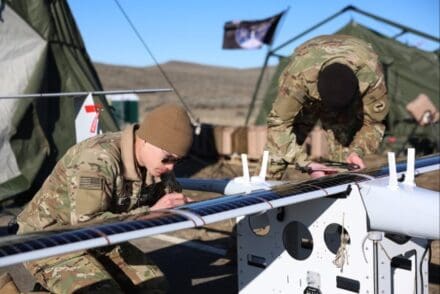
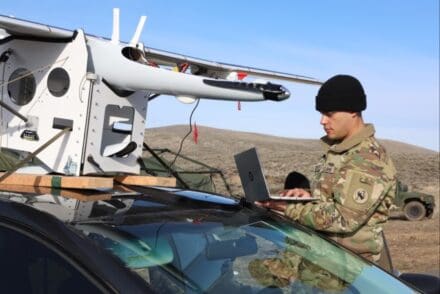
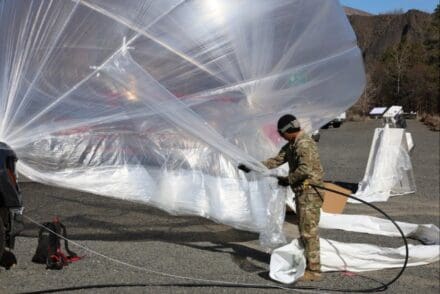
A highlight of the training was the network extension integration and deep sensing capability of High-Altitude Balloons (HABs) and the experimentation with ultra long-endurance, solar powered Unmanned Aircraft System (UAS).

“This is our first real exercise integrating government owned and operated ultra long-endurance UAS specifically designed for long-range deep sensing,” said Lt. Col. Joseph Mroszczyk, commander of 1MDEB.

Prior to the exercise, the unit spent two years testing and training with the platform alongside the long-endurance UAS system’s contractor, Kraus Hamdani Aerospace. It wasn’t until this event that the Soldiers were able to independently operate the system.

“We’ve got trained pilots and mechanics gaining valuable experience on the platform now,” Lt. Col. Mroszczyk added. “They’re logging hours and providing crucial sensor data, enabling us to serve as the task force’s eyes and ears, and as key contributing Army sensor to the Joint Force.”

During Static Focus 3, 1MDEB logged over a hundred UAS flight hours in various configurations.

“From a maintenance perspective, I was astonished by how little time and resources the platform demanded,” said Sgt. Jake Meyer from the UAS platoon from 1MDEB’s Extended Range and Sensing Effects (ERSE) Company. “Compared to traditional platforms, which require several months to get familiarized with, we were up and running in just two days.”

Max endurance testing was included in the experimentation of the platform, to include multi-ship flights.

“Multi-ship flight operations are the most complex missions, but the autonomous capability allows me, as an operator, to focus on the mission instead of my continuous direct management of each aircraft,” said Staff Sgt. Jacob Wilbert from the UAS platoon from 1MDEB’s ERSE Company.

Complementary to the long-range deep sensing UAS, the unit also experimented with HABs from three vendors, sponsored by the Army Intelligence, Surveillance, and Reconnaissance (ISR) Task Force for inclusion in the event and in conjunction with PC-C5.

“For me, the highlight of the event was witnessing the successive launches from all three HAB vendors and creating a constellation. Being part of this was exhilarating, because each vendor offered their own unique features and capabilities,” said Sgt. Antonio Morales from 1MDEB’s ERSE Company’s HAB platoon.

Previously, the unit had to travel to Fort Huachuca, Arizona, to access the same level of training. Static Focus 3 not only reduced the cost of traveling to Arizona to train, but also served as a valuable technical rehearsal for future employment.

“The progress that we’ve made over this last week greatly enhanced our capability as a task force,” said Mroszczyk.

As a theater-level unit and Joint Force enabler, assigned to the Indo-Pacific, the 1MDTF plays a vital role in synchronizing long-range precision fires layered with long-range precision effects to create multiple dilemmas and neutralize adversary anti-access and area denial networks. The MDTF’s proven innovation, agility, and lethality have led the Army to direct five full MDTFs in strategically significant locations worldwide.

PC-C5 is an Army hosted experiment that provides Joint and Multinational participants various locations that supports individual modernization efforts while solving problems through applications with Combined, Joint All Domain Operations (CJADO). PC-C5 ensures that the Army, can rapidly and continuously converge effects across all domains – air, land, sea, space, and cyber, to increase operational tempo and generate decision advantage over our adversaries. These structured series of experiments demonstrate transformation and modernization efforts, expand war-winning capabilities, and deliver the Army of 2030 while designing the Army of 2040.

By SSG Brandon Rickert

Army Junior Officer Counsel Drives Change from the Ground Floor

Sunday, April 13th, 2025

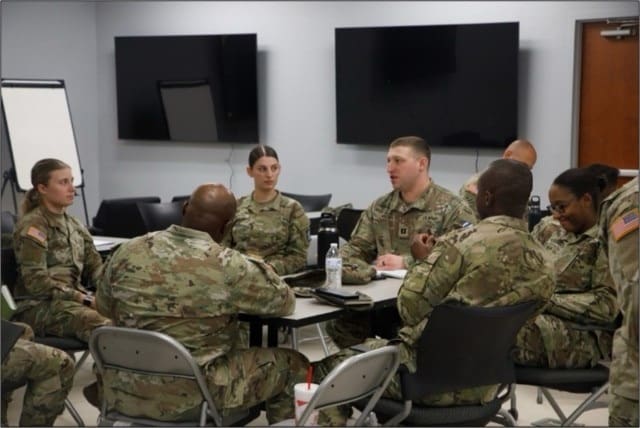
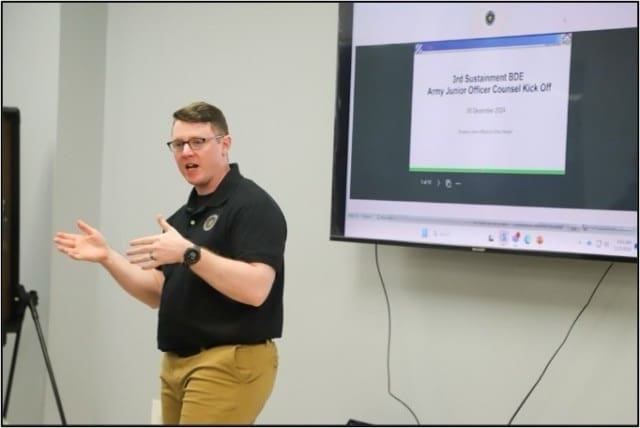
WASHINGTON — The Army Junior Officer Counsel is a pilot program sponsored by the Deputy Chief of Staff, G-1, that is led by junior officers. Its goal is to transform how the Army learns, develops and retains young leaders in the officer grades of O-1 to O-3 and WO-1 to CW-3.

AJOC gives junior officers a formal platform to improve Soldiers’ quality of service and life, which supports junior officer retention and career satisfaction. It’s proving to be a valuable asset by fostering innovation and positive change within the Army while cultivating the next generation of Army leaders.

The name AJOC deliberately contains the word “counsel” to highlight its advisory role to senior leaders, which allows JOs to share perspectives, insights and innovative ideas. The program capitalizes on the leading-edge knowledge and experience of junior officers because they are often the most recently formally trained, and they work close on the final planning and execution of many of the Army’s missions.

“We’re taking the knowledge we gain in our specific fields and applying it to broader Army challenges,” said Maj. Chris Slininger, AJOC’s director and founder. “AJOC provides a space to hone these skills amongst our peers, allowing for candid feedback and rapid growth.”

AJOC is designed to have numerous chapters at different installations gathering feedback, research and recommendations from JOs. It currently has three active chapters at Fort Stewart, Georgia; Smith Barracks in Baumholder, Germany; and Fort Huachuca, Arizona.

Slininger said AJOC chapters prioritize action-oriented, collaborative problem-solving approaches that focus on delivering rigorous research and tangible results. They also emphasize active listening, encouraging JOs to gather information effectively, understand diverse perspectives and build consensus.

“This isn’t about endless debates and discussions,” explained Slininger. “AJOC is about identifying challenges, developing practical solutions and driving meaningful change within the Army.”

AJOC also offers significant professional development opportunities for participating JOs by cultivating critical thinking and encouraging them to leverage data, artificial intelligence and other resources to inform and improve decision-making.

One of the program’s core strengths involves encouraging JOs to take ownership of driving change within the Army profession. It also gives senior leaders who want to support change an opportunity to hear from JOs and mentor them to help implement effective solutions to identified challenges and gaps.

Interaction with senior leaders is an invaluable experience for JOs as it gives them first-hand access to the perspectives of senior leaders, who help them understand the Army’s broader vision and its network of stakeholders, campaigns and responsibilities.

Slininger created AJOC as a junior officer after recognizing the need for a more structured and effective system to understand and address the perspectives and needs of junior officers. Even now, as a field grade officer, he is a strong advocate for the program because of its value to the Army and JOs.

“AJOC offers a unique opportunity for JOs who want to make a tangible impact on the Army,” said Slininger. “Whether driven by a desire to improve their units, enhance their leadership skills or contribute to solving complex challenges, AJOC provides a platform for JOs to drive tomorrow’s solutions today.”

As AJOC expands, its impact on the Army’s future is poised to grow even further.

U.S. Army Public Affairs there you go

Project Convergence Capstone 5 Experiments at NTC

Saturday, April 12th, 2025

FORT IRWIN, Calif. — In early March, Soldiers, technology, equipment and defense industry partners came together at the National Training Center to execute Project Convergence Capstone 5 (PC-C5), a critical component of the U.S. Army’s Continuous Transformation efforts. The first portion of PC-C5 focused on enabling operations at the Corps and below level along with integration with Joint and Multinational allies and partners.

Participants of previous Project Convergence events can see similarities, as PC-C5 was built upon the successes and lessons learned from earlier experiments. However, they will also see the vast differences that planners developed to ensure concept-driven experimental objectives align with the future Army Warfighting Concept and the Joint Warfighting Design.

PC-C5 is a critical proving ground for emerging technologies and concepts crucial to enabling a data-centric and networked fighting force. Participants are engaging in both live and simulated experiments focused on:

Data-Driven Decision Making: Evaluating the effectiveness of advanced data analytics and artificial intelligence to provide real-time situational awareness for rapid, informed decisions.

Expanded Maneuver: Experimenting with new concepts and technologies that enhance the ability to maneuver and engage adversaries across land, air, sea, space and cyberspace.

Forging Seamless Joint and Multinational Interoperability: Refining the ability of allied forces to operate together seamlessly across all domains.

Brig. Gen. Zachary Miller, PC-C5 Deputy Experiment Director, and U.S. Army Joint Modernization Command commanding general, said, “What Project Convergence does is bring every single war-fighting system we have together in one place.”


Additionally, the Army is exploring four primary warfighting notions during PC-C5. The first is expanded maneuver aimed at how the joint force is thinking about time and space in all domains. Second is cross-domain fires, involving how to shoot and create effects across all domains of warfare. Third is formation-based layered protection, which is the idea of how to protect units in all domains, such as the electromagnetic spectrum, dispersion of command posts and countering unmanned aerial systems. Last is command and control (C2) and counter-C2, which prevents the adversary from being able to command their forces.

To explore these notions, the experiment consists of more than 6,000 personnel from joint and multinational military forces, plus defense industry participants executing multiple vignettes across two scenarios.

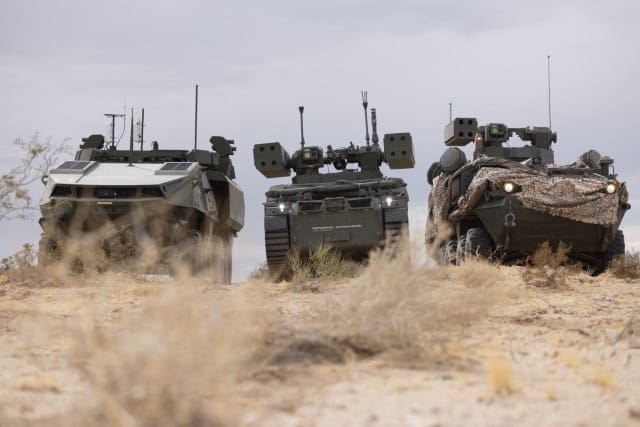
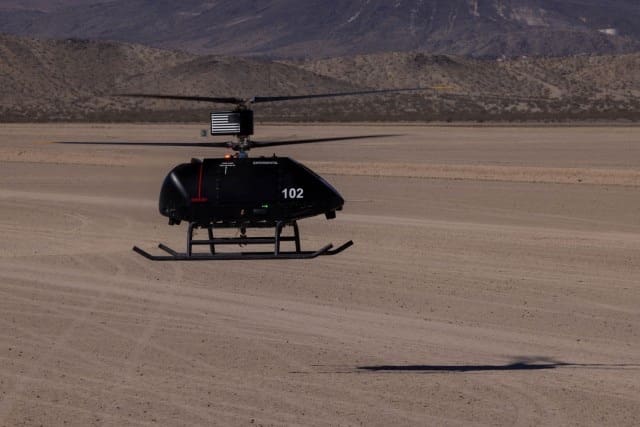
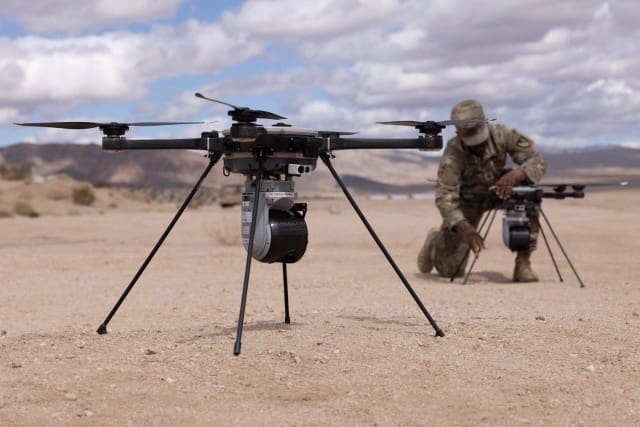
Participants brought legacy equipment and new technologies to the event, including drones, robotics, and concealment equipment.

“Since last Capstone, the Army has thought deeply about the future operating environment and what it is going to take to win, and what we don’t have now,” Miller said. “We’re layering new technology, new capabilities, with a new way to organize and seeing if that helps us achieve the warfighting aims we know we have.”

To gauge the effectiveness of these emerging technologies, participating units experimented with the equipment in a replicated combat scenario. PC-C5 included the primary units from the 82nd Airborne Division and the 1st Armored Division, with many other U.S. military units supporting, along with forces from Britain, France, New Zealand, Australia and Canada. Together, they executed three vignettes.

During Vignette One, the 82nd Airborne Division, British and Australian forces conducted a joint forcible entry operation. This vignette focused on a large-scale maneuver by an Army division that needed to suppress enemy defenses to reduce enemy air space while increasing friendly air space.

Vignette Two saw elements of the 1st Armored Division supporting the 82nd Airborne Division along with multinational partners conduct a combined arms breach. C2, fires and using human-machine integration formations with robotic and autonomous technologies were crucial to survivability and lethality during this vignette, which set the conditions for Vignette Three.

Vignette Three was built on the previous vignettes, in which the 1st Armored Division defended the seized objective. During this vignette, the unit had to retain key terrain for the joint force while generating combat power to destroy enemy capabilities.

Across all three vignettes, C2 and data-driven decision-making were critical elements driving successful actions.

“What we’re trying to do is take these emerging technologies where we can get this data better and faster to execute,” said Lt. Col. Tad Coleman, commander of 2-37 Armor Battalion, 1st Brigade, 1st Armored Division.

PC Capstone events present a unique opportunity to demonstrate the Army’s transformation efforts to senior leadership. Within the first few weeks of his confirmation as the 26th Secretary of the Army, the Honorable Daniel Driscoll, accompanied by Gen. Randy George, the Army’s chief of staff, visited Soldiers during PC-C5 and saw first-hand how the Army is pushing transformation efforts into the future.

During Driscoll’s confirmation, he highlighted readiness and modernization as priorities.

“The world is changing rapidly, and we must ensure the Army is prepared to operate in new, complex, and contested environments,” Driscoll said. “From advancing our capabilities in multi-domain operations, to cutting-edge technologies, my sacred duty to our Army is to ensure our Soldiers have the world’s finest training, equipment and leadership to accomplish any mission.”

Viewing live experimentation at PC-C5 gives leaders an understanding on how technologies in the hands of Soldiers shapes future decisions. Some of these technologies may end up in Transforming in Contact 2.0 or future iterations.

In an interview with Breaking Defense George stated, “TiC is very, very valuable to us because we can do it in formation after formation after formation. We can also do it in every different environment, like Europe, [the Indo-Pacific Command] INDOPACOM, stateside [or] in the Arctic… that’s the real advantage of TiC.”

Some participants will transition to Scenario B as Scenario A finishes at NTC.

Scenario B, conducted in the U.S. Indo-Pacific Command, is experimenting with all service components at the combatant command level.

Experimenting in the Pacific is not new, but incorporating experimentation into existing exercises provides additional learning opportunities.

As part of the U.S. Army’s campaign of learning, PC is designed to aggressively advance and integrate the Army’s contributions to the Joint and Multinational Force and ensure that the Army, as part of the Joint and Multinational fight, can rapidly and continuously converge effects across all domains — air, land, sea, space and cyberspace — to overmatch our adversaries.

By SGT Joseph Enoch and David Miller, PC-C5 Joint Information Center