SIG SAUER - Never Settle

Archive for the ‘AUSA’ Category

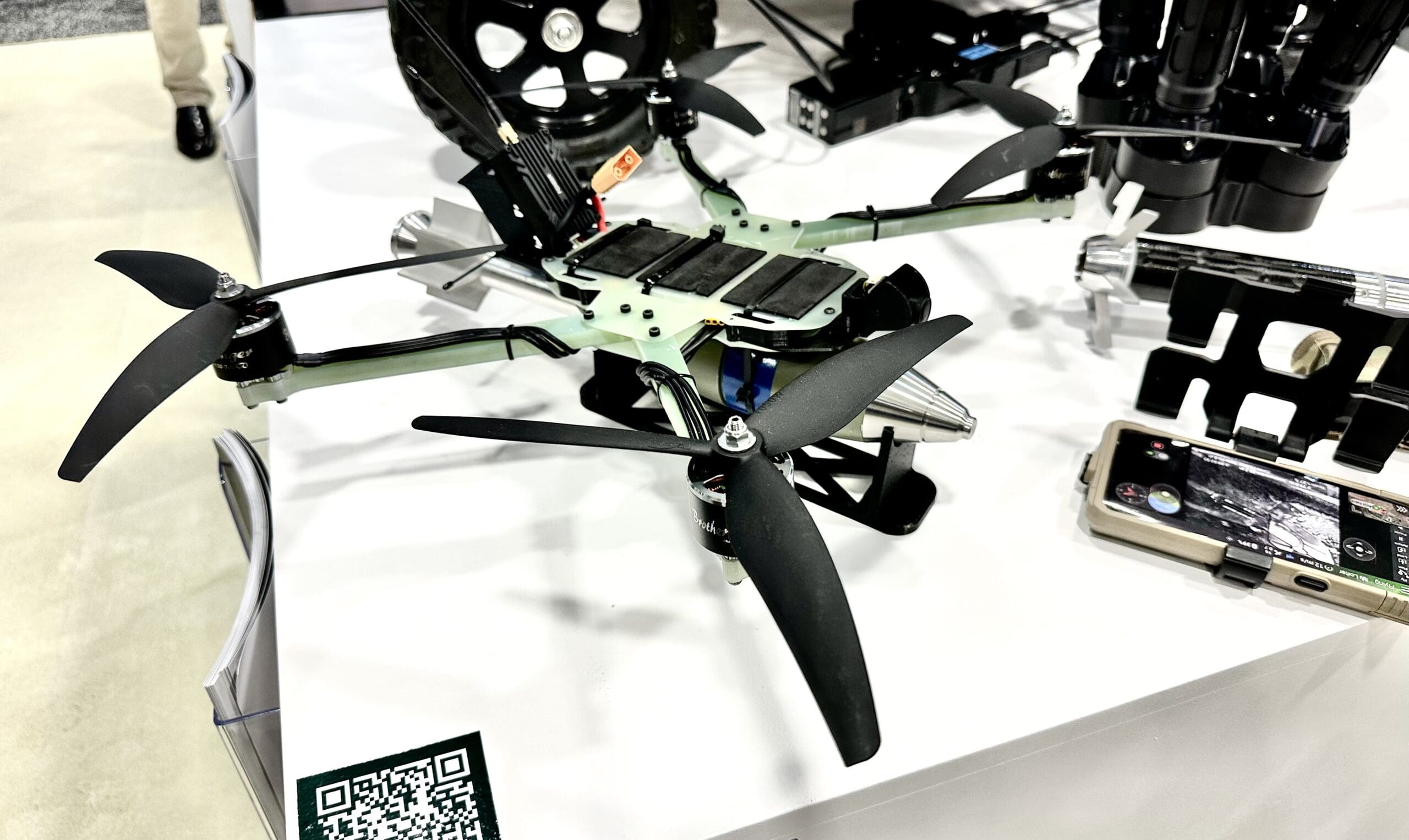
AUSA 24 – DefendTex Vengeance FPV Drone

Thursday, October 24th, 2024

One of my personal missions at AUSA was to seek out truly attritable drones. One of the things I’ve taken away from the war in Ukraine is that with a consumption rate in excess of 10,000 per month, the attritable drone is the 155 shell of the future. These small, low-cost, disposable unmanned aerial systems are upending how we will conduct warfare. They are highly adaptable and are under constant revision as enemy TTPs adapt to their use. We’ve got to have something just as robust. In the hands of innovative American troops like SOCOM’s new robotics specialists, drones will be devastating.

Attritable, or consumable, apparently means a lot of things to a lot of people. For instance, when the Defense Innovation Unit’s Replicator initiative went to industry seeking out attritable drones they ended up buying AeroVironment Switchblade-600 loitering munition. A fine weapon to be sure, but our nation can hardly afford to expend them at the rate seen in Ukraine. If anything, our future adversaries are going to throw an order of magnitude more at us and we’ll need to be able to respond in kind.

One of the examples I ran across is from Australian small business DefendTex. They first impressed me years ago with their innovative Drone40.

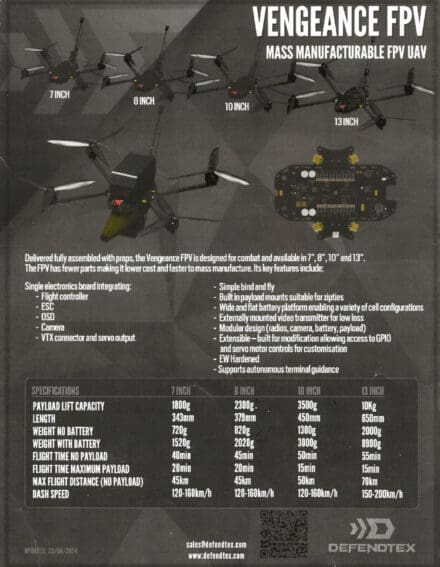
The Vengeance is a First Person View drone manufactured in Australia and has been submitted to the US for Blue certification.

Offered in 7″, 8″, 10″, and 13″ models, it can carry up to 10kg of explosive ordinance over a distance greater than 20kms.

It is built with a goal of around $1000 per copy in mass production and features simple construction using zip ties in some instances and a single circuit board integrating flight control, ESC, OSD, VTX connector and servo output.

Although it is an FPV drone, it can be configured for autonomous terminal guidance as well as swarm tactics.

AUSA 24 – Danner Sonic Boot

Tuesday, October 22nd, 2024

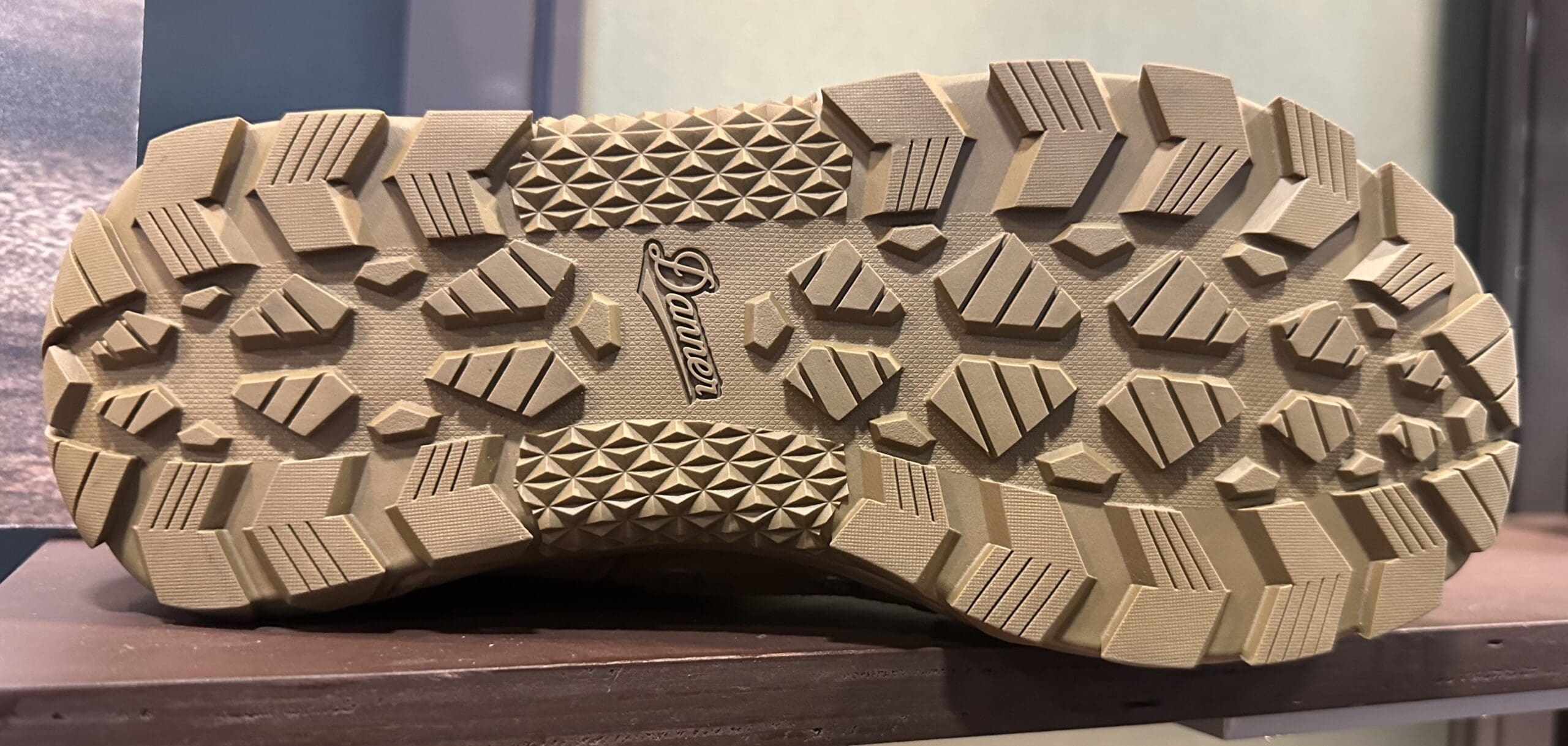
While many of the items you’ll see at AUSA are ready to go right now, Danner gave us a sneak peek of the upcoming Sonic.

This lightweight boot is TAA compliant and features the Resurge high-density EVA midsole for comfort with an upper made from Perspair textile which is abrasion resistant and breathable. Inside there’s a moisture wicking air mesh lining.

It’s AR 670-1 and AFI 36-2903 compliant. Coming February 2025 from Danner.

AUSA 24 – Deloitte Robotic Concept

Tuesday, October 22nd, 2024

Not all robots on the battlefield are going to look like the Terminator. In fact, few will. Take for example this model from Deloitte which looks like a remote control car minus the body. The vast majority of uncrewed systems of the future will be attritable, essentially one-time-use affairs with specific missions in mind. They’ll also be configurable with difference payloads and we will likely see swarming of ground systems to overwhelm an enemy’s ground forces with targets that may not be what they seem on a screen. Imagine creating a mini task force of robots with ISR, EW, and kinetic payloads on a platoon of robots and unleashing them on the flank of an enemy vehicle column. You can get the desired effect without ever putting a human at risk.

AUSA 24 – Optics 1 SURF Laser Rangefinder

Tuesday, October 22nd, 2024

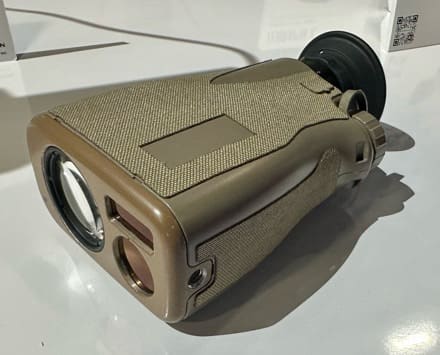
The new SURF Laser Rangefinder from Optics 1 features an eyeshade laser and a more ergonomic form factor, more akin to the popular golf-style models, gripped vertically.

Coming soon from Optics 1.

AUSA 24 – Tomahawk Ground Control Stations

Monday, October 21st, 2024

Although all of AeroVironment’s uncrewed systems are open architecture and will accept control solutions from other vendors, AeroVironment purchased Tomahawk Robotics just over a year ago due to interest in their Ground Control Solutions.

The Tomahawk GCS is an AI-enhanced, open-architecture common control system providing multi-domain, multi-robotic command-and-control capabilities. Tomahawk’s Kinesis software and Kinesis SDKs enable rapid development, integration, and deployment of 3rd-party technology to the warfighter at the edge…

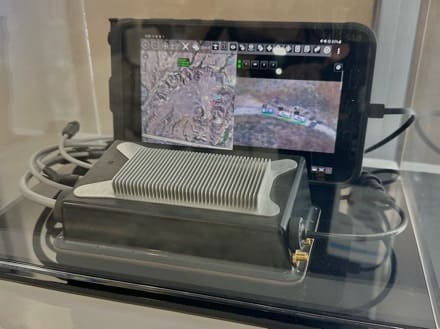
Seen above is the Grip S20, a rugged controller designed around the Samsung Galaxy S20 Tactical Edition smartphone. Grip S20 is military-hardened and provides an intuitive UI to simplify UxV control. It is run by their Kinesis software which offers unmanned systems control, TAK/ATAK integration to provide video rebroadcasting, COT messaging, and bi-directional syncing of POIs. Kinesis optimizes the vehicle pairing process, enables UxV formations and control, and a map engine that supports multiple sources via layers, DTED, and coordinates in both Lat Long and MGRS.

The controller can be paired with an edge processor like the MxC-Mini which is a Nett Warrior-compliant data link that seamlessly integrates with tactical UxVs. These edge processors ingest large amounts of data for high-speed, body-worn computation, reducing cognitive load, and fusing raw intelligence data for real-time decision-making.

www.avinc.com/uas/network-connectivity

AUSA 24 – InfraHex Multispectral Camouflage by 4D Tactical

Monday, October 21st, 2024

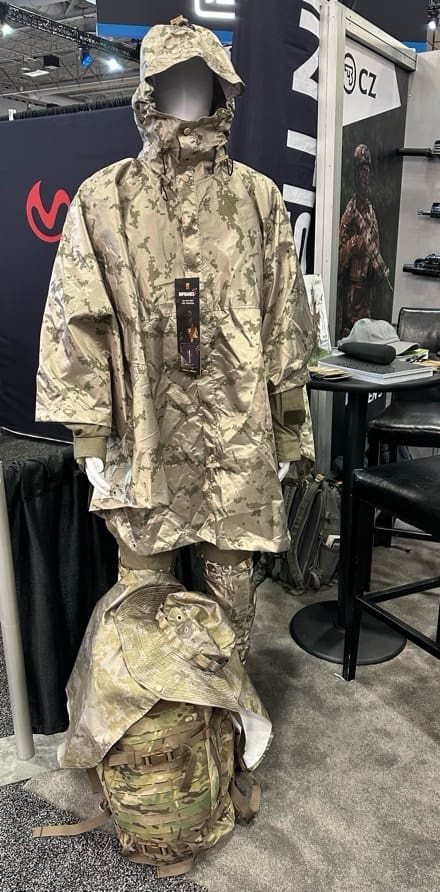
I ran across InfraHex Multispectral Camouflage in the Colt CZ Group booth. It’s offered by 4D Tactical which is based in the Czech Republic and part of CZ Group.

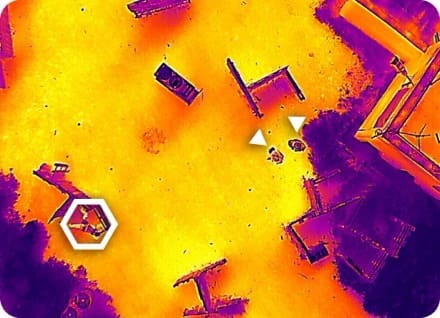
This is another one of those technologies which has become critical due to the ISR threat demonstrated in the conflict in Ukraine. The ability to hide even the individual Soldier from visual (day and night) as well as various wavelengths of thermal sensors is a challenge as they can be fielded cheaply.

InfraHex is a 9-layer, nanotech fabric which reduces infrared signatures by as much as 96%. It’s also breathable and has a fluorocarbon coating to reduce water buildup.

www.infrahex.com

AUSA 2024 – GORE-Tex Defense Fabric WINDSTOPPER Fabric

Monday, October 21st, 2024

GORE-TEX WINDSTOPPER Fabric has been around for decades but with the recent move away from PFAS based Durable Water Repellent treated fabric, the argument for WINDSTOPPER use has seen a resurgence.

In the past, many customers looked to GORE-TEX fabrics for hardshell protection but now that DWRs aren’t so durable anymore, the inherent properties of WINDSTOPPER really shine.

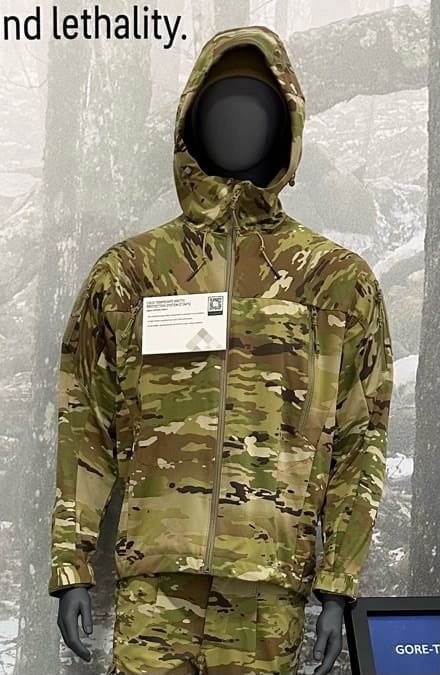
The US Army has fielded a specialty clothing system in Alaska called Cold Temperature and Arctic Protection System, or CTAPS for short. It was a bit of a science project for several years, but the stand up of the 11th Airborne Division, made it a priority for the Army.

Some of the materials are a bit dated, and precede the move across industry to eliminate PFAS DWR from garments. In response, WL Gore & Assoc stepped up with their GORE-TEX WINDSTOPPER technology to fill the gap. Not only did they propose a new fabric to keep the Soldier more comfortable, but they also updated the design of the garment to be more in line with other commercial items favored by Alaska’s Arctic Angels.

The fabric offers stretch, insulation, breathability, and weather protection, but is more durable and maintains its weather protection longer than other fabrics.

Learn more at www.goretexprofessional.com.

AUSA 24 – SIG SAUER XM250 with Quick Change Barrel

Monday, October 21st, 2024

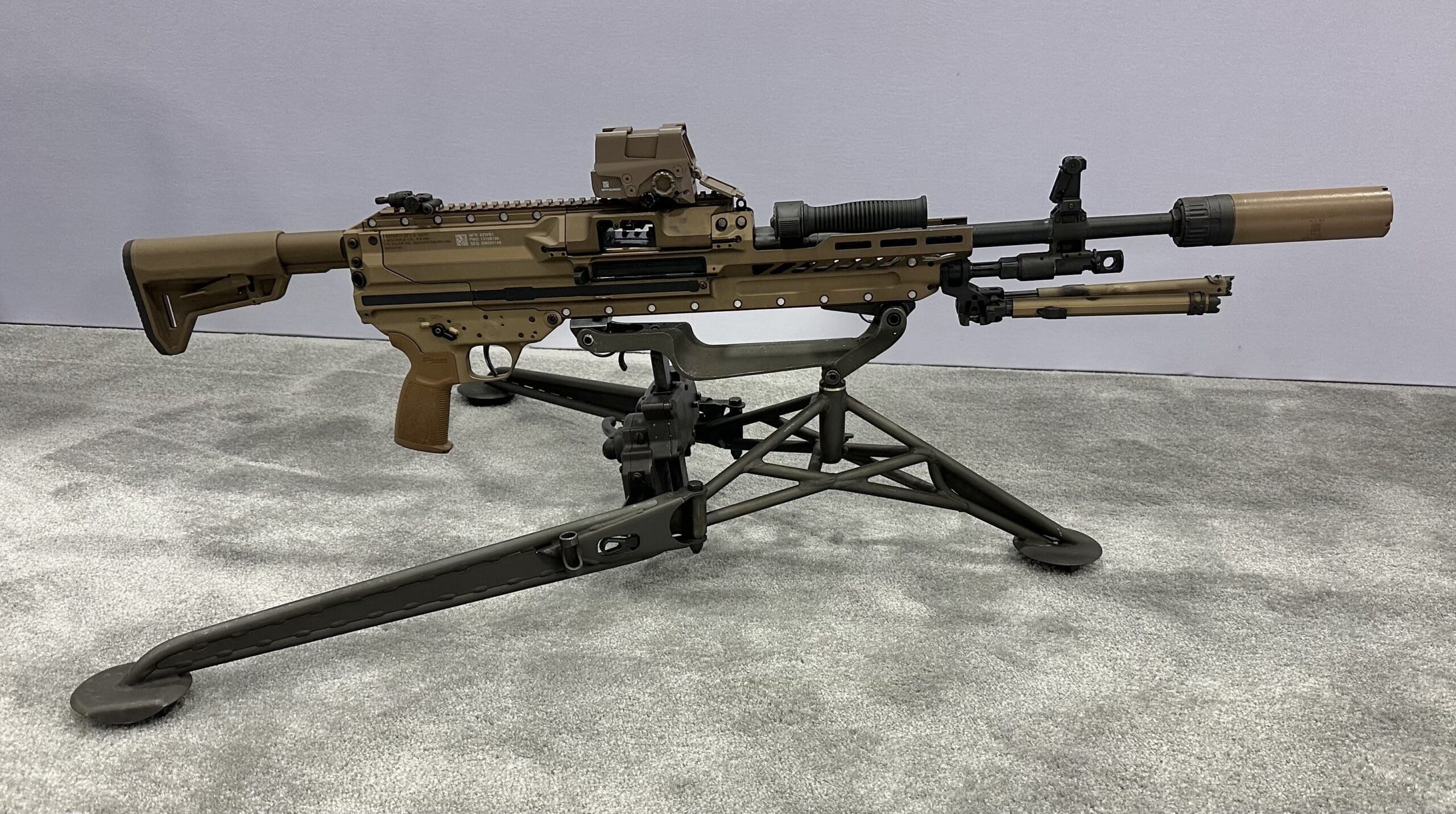
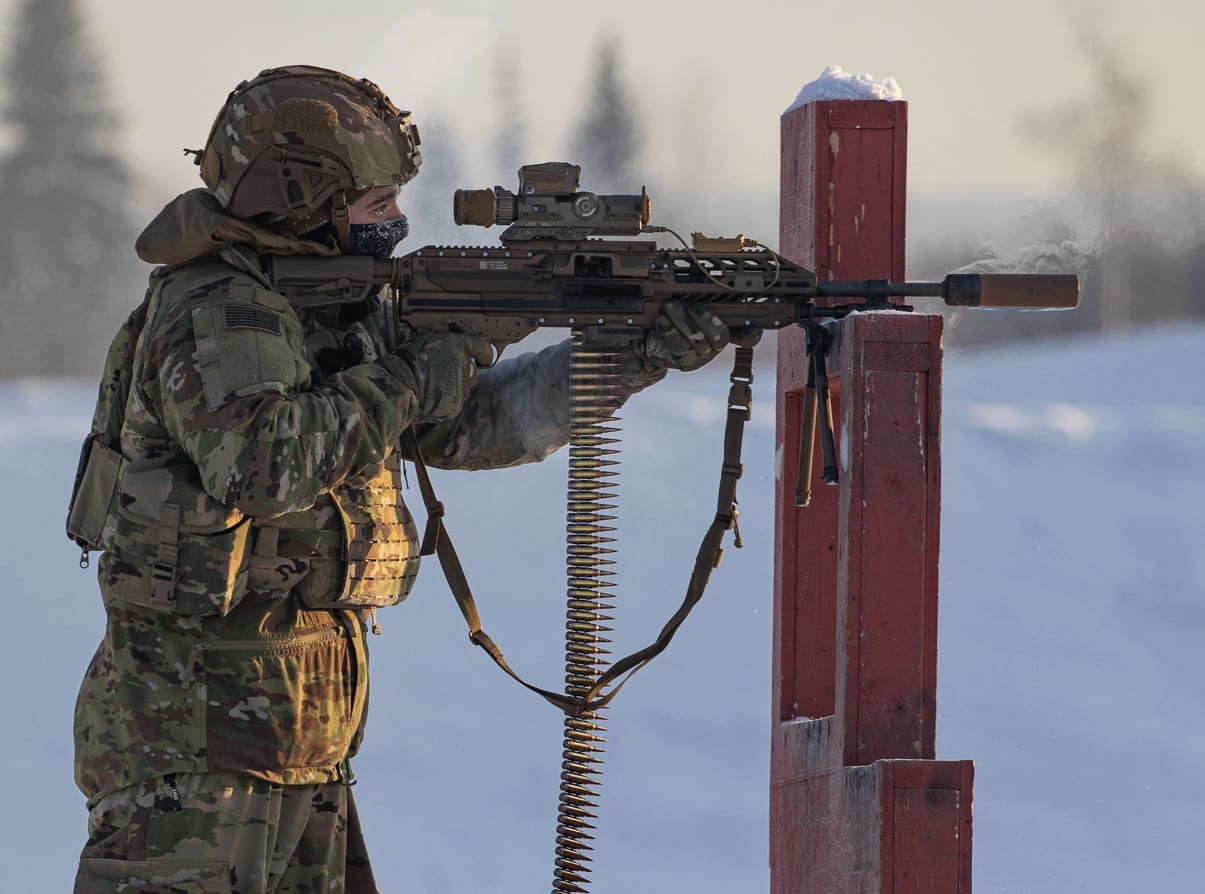
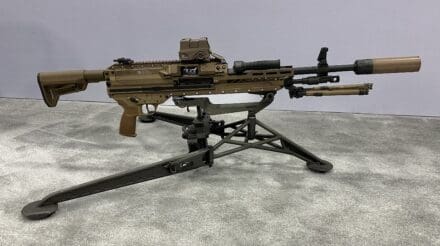
This is an XM250 in 6.8x51mm. Essentially, it’s the same Automatic Rifle the Army adopted under the Next Generation Squad Weapons program with one exception, it has a quick change barrel. That feature, makes it quite suitable to fulfill the role as a sustained fire, belt-fed machine gun.
This isn’t a new characteristic. It was part of the original design, but the Army didn’t want a quick change barrel as part of NGSW. So, in order to save weight, it was left off. This version of the SIG light machine gun is referred to as the “World” configuration as it is how the gun is marketed to everyone else, except the US Army.

What Makes It Different
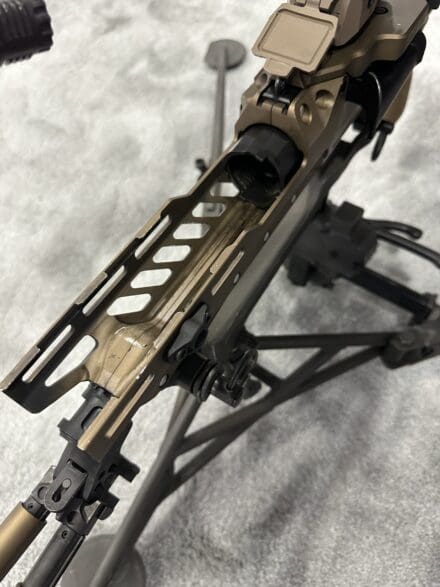
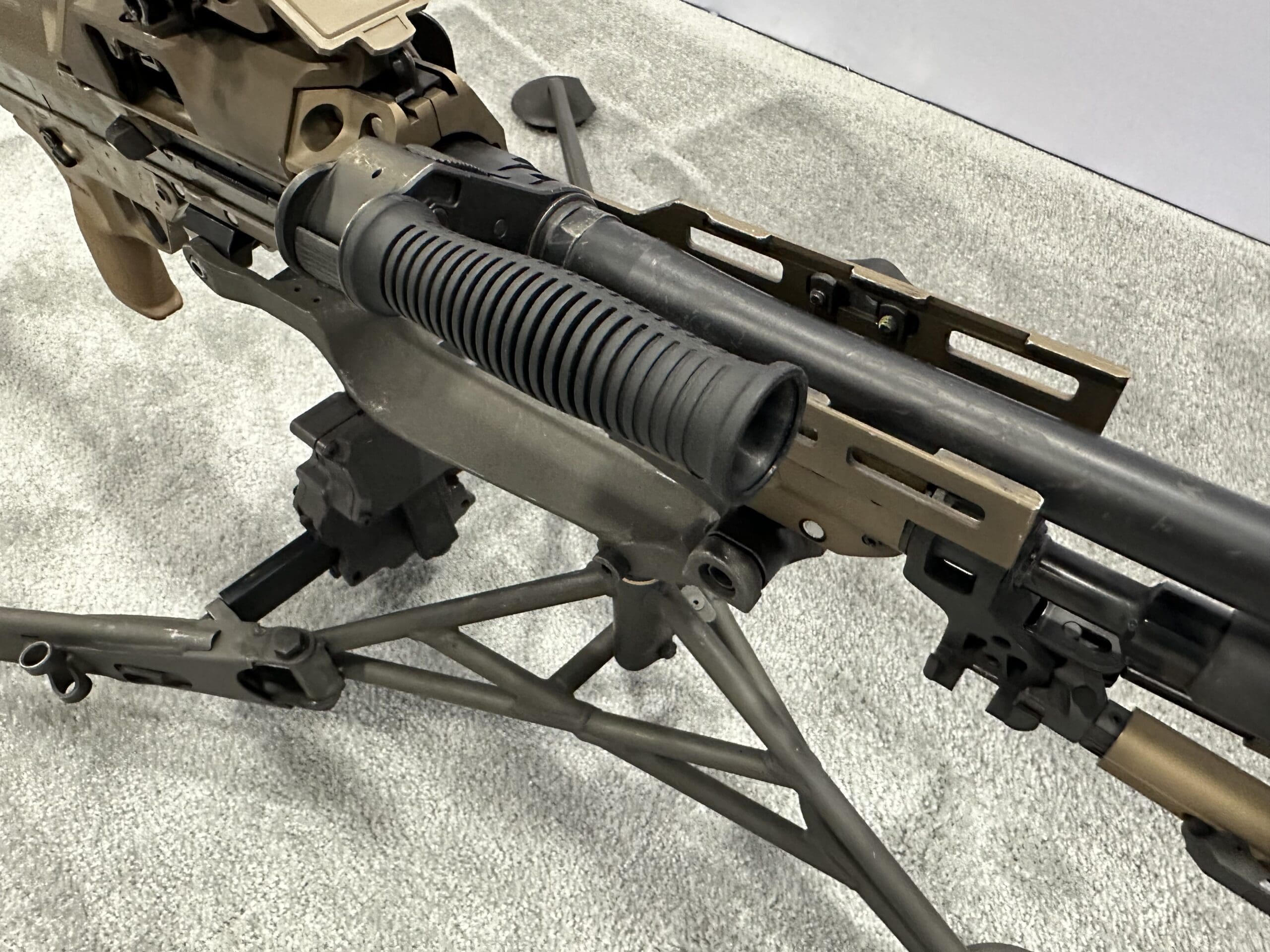
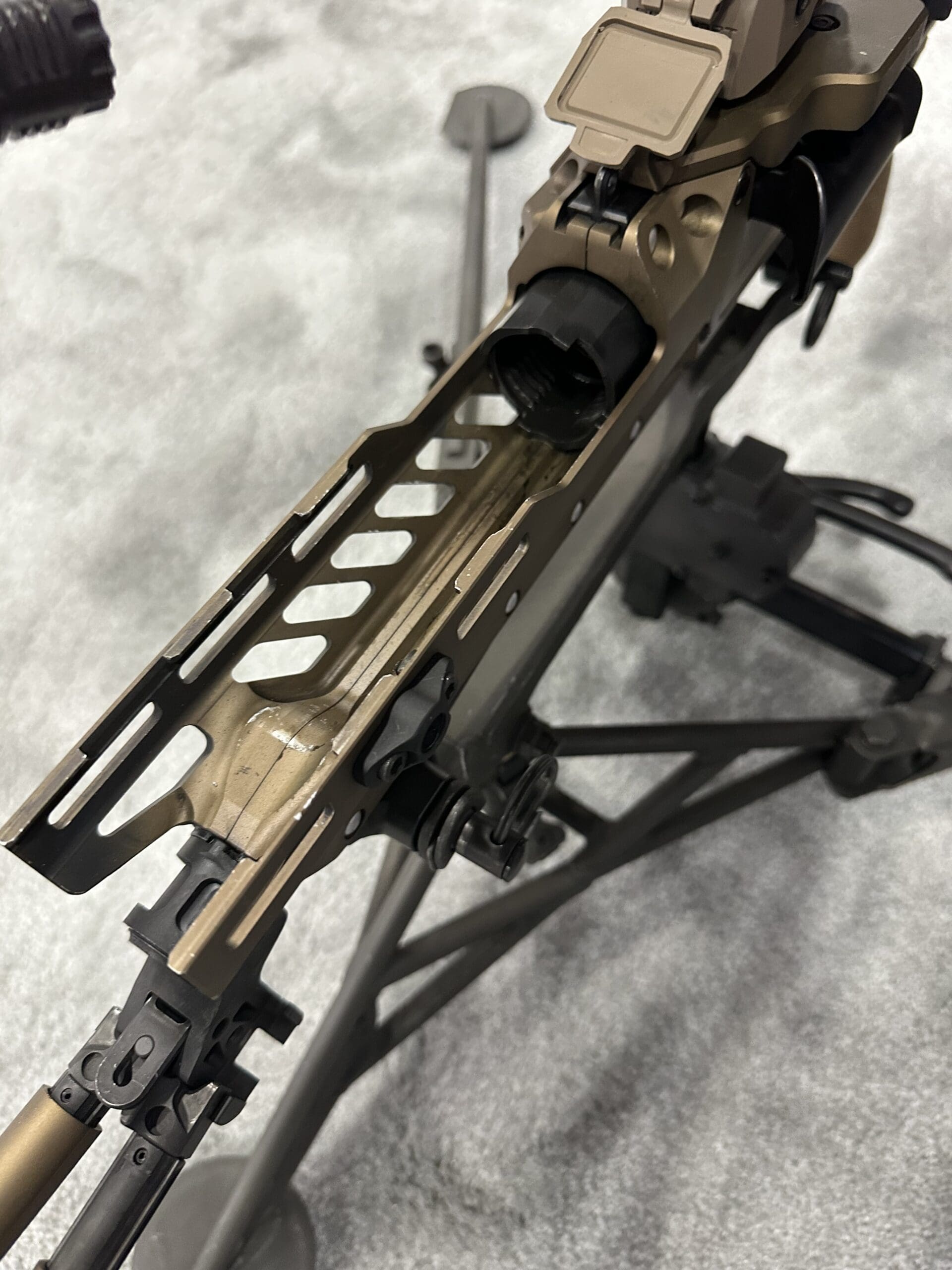
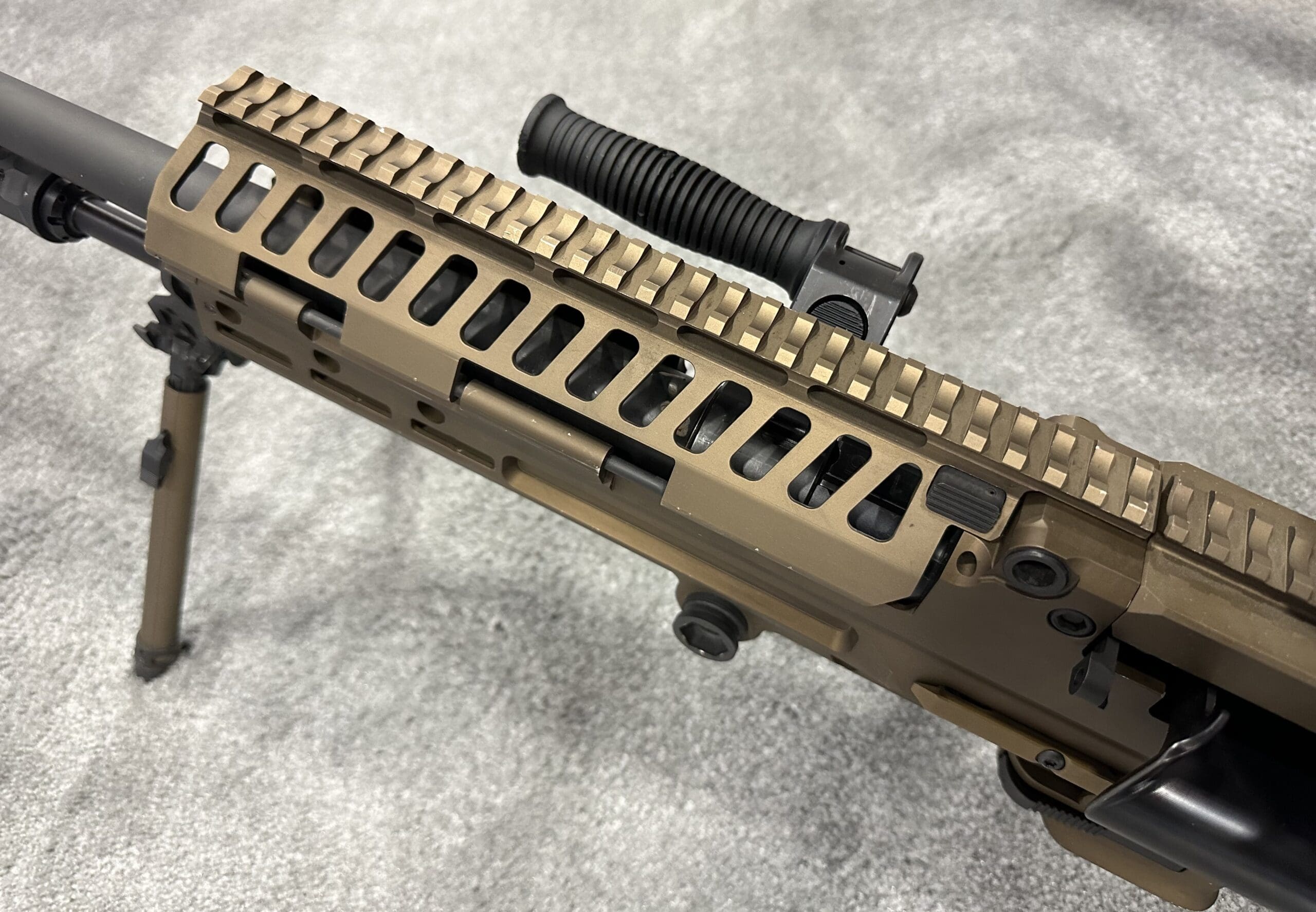
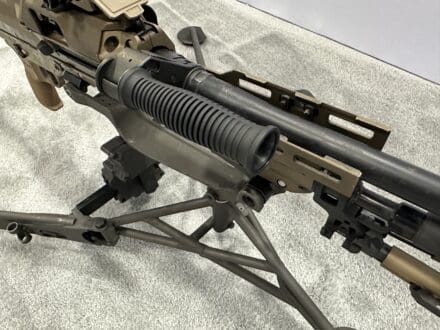
As you can see, it is configured here with no top cover over the barrel to facilitate quick barrel changes. However, SIG tells me there is a hinged cover available, as seen on the MG338.
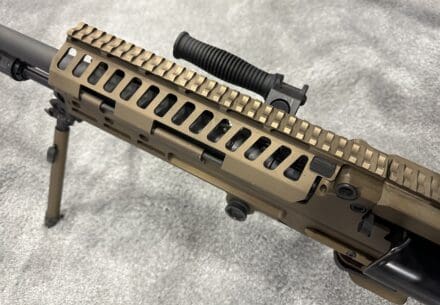
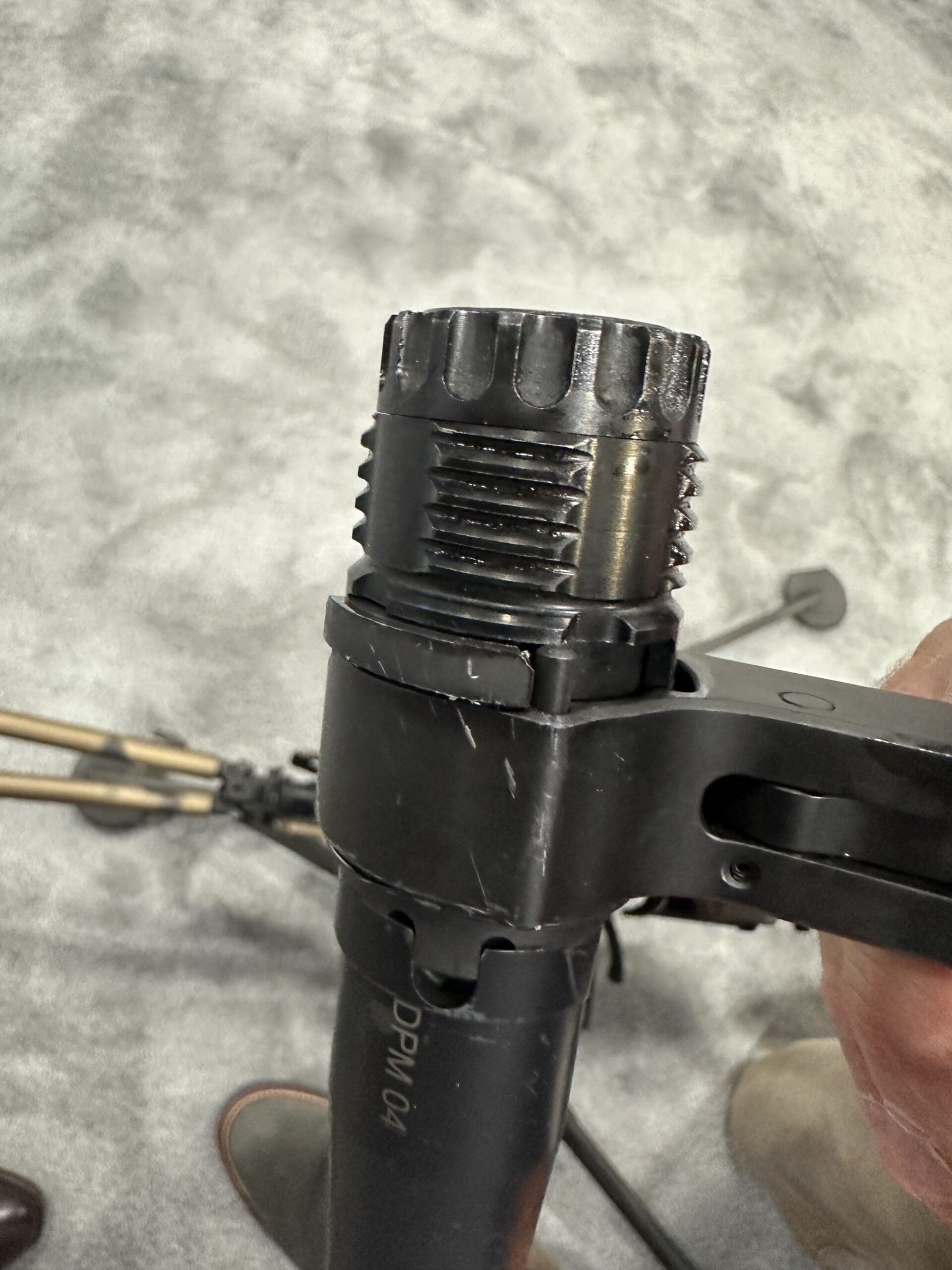
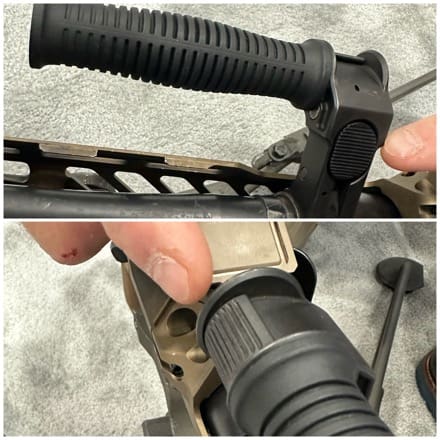
The barrel is locked in place via two buttons. It can’t be removed or secured in place without simultaneously depressing the rocker and secondary locks. Additionally, the plunger must be depressed to fully engage the handle lock.
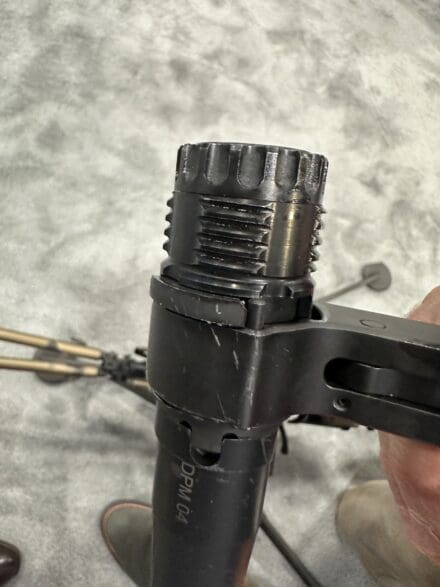
Here you can see the lugs on the barrel which lock the barrel into the receiver.
Why It Matters Now

The Squad Arms and Ammunition Configuration study led to the development of the 6.8 cartridge and Next Generation Squad Weapons. Afterwards, a study was conducted for the Platoon called, aptly enough, the PAAC study. Although it was completed well over a year ago, Army leaders continue to evaluate the study’s findings to decide on a path forward.

One of the key decisions is how to proceed regarding a machine gun for the platoon. Options under discussion include adopting the 6.8 common cartridge architecture for the role, as well as seeking out an additional cartridge such as the 338 Norma Mag option currently under adoption by USSOCOM.

Regardless of the caliber choice, fielding of the initial XM250 Automatic Rifles to the first units is already highlighting the disparity between the new 6.8 round and its 7.62 predecessor. The current M240s are heavier, offer reduced range and lower delivered energy on target than NGSW.
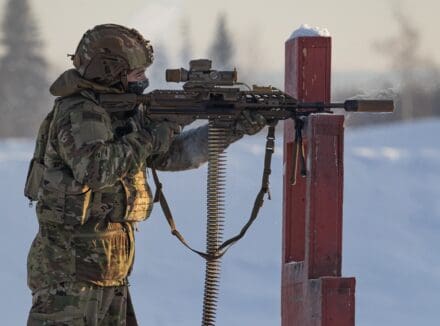
As of right now, NGSW is only intended for the close combat force consisting of Infantry, Cav Scouts, Combat Engineers, SOF, and select enablers. That means there are just over 13,000 XM250s being fielded to replace M249 SAWs in those formations. This leaves tens of thousands of SAWs across the Army. Chances are good, those will be replaced with XM250s over the coming years. However, the issue is even larger for the M240. No matter the desired course of action for caliber of choice post-PAAC study decision, the Army has to decide what to do with the ~120,000 M240s in inventory.

Many have suggested that they simply reconfigure them to fire the new composite case 6.8X51mm. The thought process is that the Army already owns them and they are serial numbers on the books; no need to buy new guns.

Considering the number of guns involved, it will easily take five years or more to develop a barrel and operating system capable of reliable, long-term firing of the high pressure 6.8 cartridge and to actually reconfigure the guns. It is likely that up to 20% of the guns currently in service ought to be coded out and replaced. They are old and have seen a lot of service over the past 30 years. If the Army does, in fact need all 120,000 guns, that means they’ll have to purchase more M240s to replace the worn-out examples of an almost 70-year-old design. Detractors of this plan ask why the Army would want to buy more old guns that they’ve already decided to replace.

Adoption of a new gun for the sustained fire role is likely a more cost effective solution in the long-term. If the Army desires to transition to 338 NM that has to happen because there’s no gun currently in the inventory to do it. If they don’t, one option is to pure fleet the XM250, with quick change barrels, replacing both M249 SAWs and M240 MGs. In many ways, it’s an easy button. This moves all belt-fed guns to one caliber and one platform across the formation, simplifying doctrine, employment, training and logistics. It also makes the entire force more lethal, and reliable, with new guns which will last longer than modified legacy guns. It’s also a faster option than starting a new program.


No matter the near-term path forward, a version of the XM250 with quick change barrel will inevitably enter Army service.