Tennessee Apparel Corp. (TAC), manufacturer of military garments, has been identified as the only qualified source for the procurement of chemical and biological protective garments under the Uniform Integrated Protection Ensemble Increment 1 (UIPE I1) effort. TAC has received the production option on a $129MM firm-fixed-price contract that had been issued in February 2012.
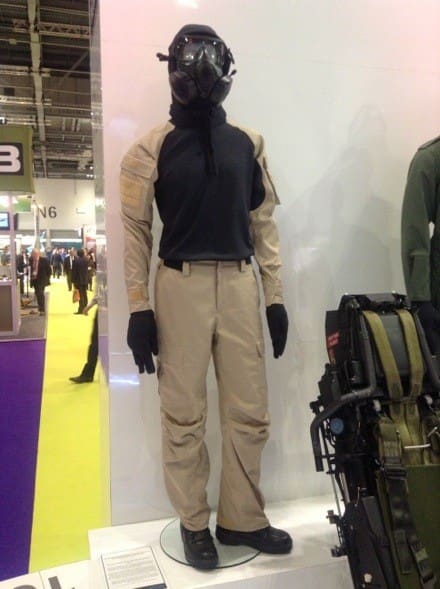
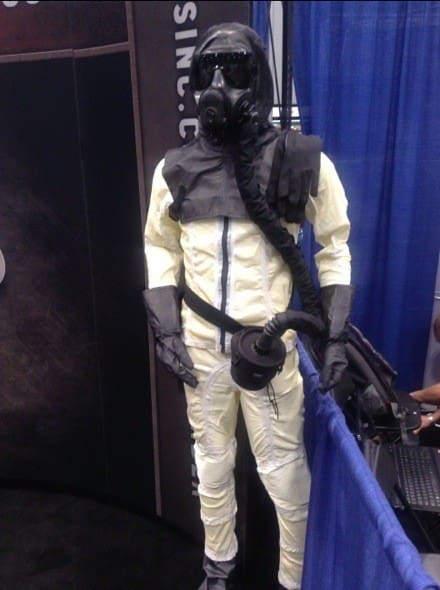
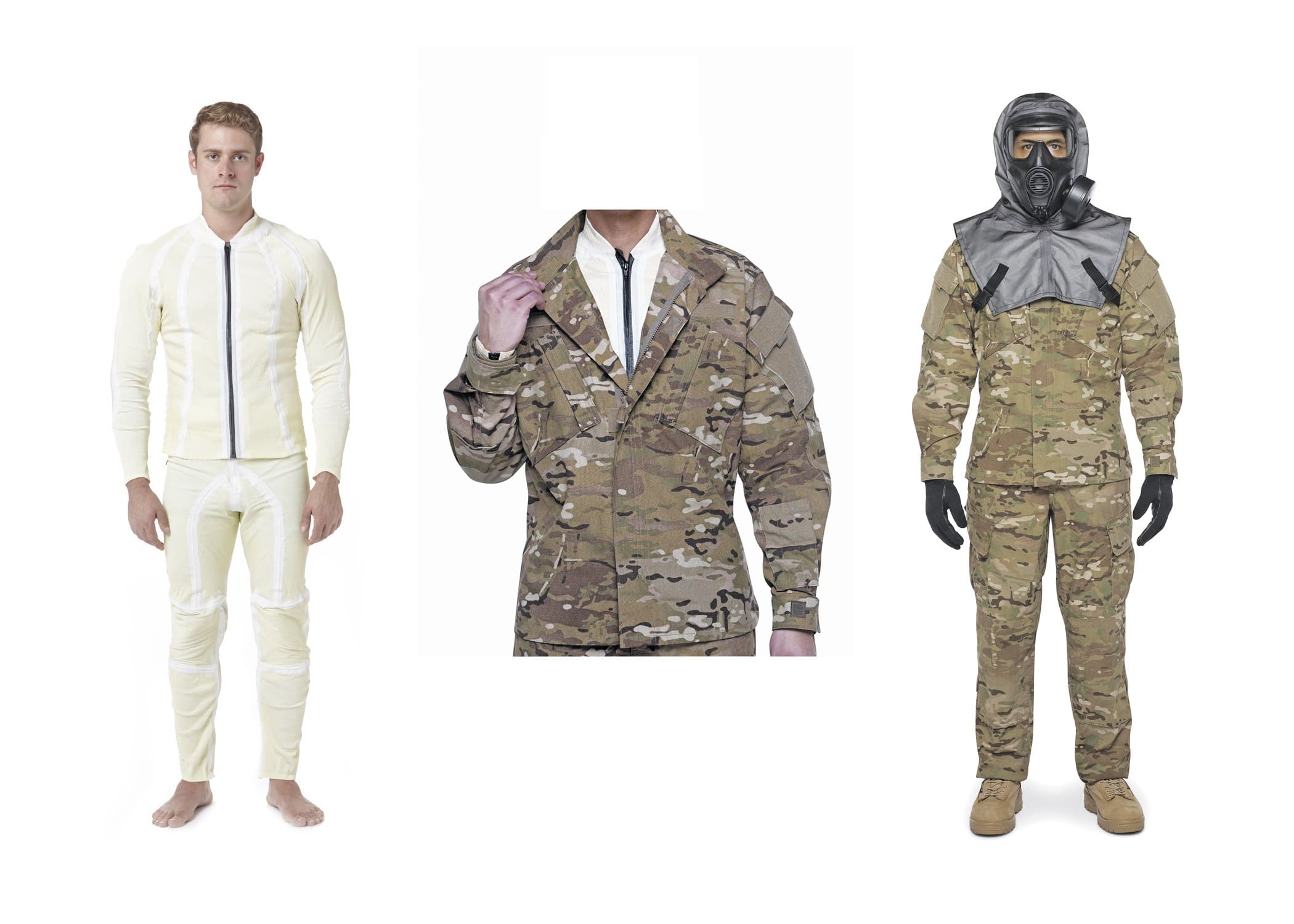
The chemical and biological protective ensemble is a layered clothing system that consists of a lightweight combat uniform worn over a CB protective undergarment. W. L. Gore & Associates (Gore), a world leader in the development of high-performance protective fabrics, is the key material supplier on the contract. Gore’s stretch GORE® CHEMPAK® selectively permeable fabric is used in the protective undergarment layer of the clothing system.
This clothing system provides enhanced individual protective capabilities through superior protection from warfare agents after wear, and after exposure to petroleum, oils, lubricants (POL) and other environmental contaminants. In addition, the innovative undergarment design integrates easily with current combat gear and personal protective equipment.
The breathable performance of GORE® CHEMPAK® selectively permeable fabric reduces thermal burden by allowing perspiration vapor (sweat) to escape. In addition, the stretch construction allows for a comfortable, next-to-skin fit, which further reduces heat stress by eliminating the thermal insulating layer that surrounds the body and by increasing heat loss through convection.
“We are excited about the launch of the UIPE I1 chemical and biological protective garment for the Special Operations community,” says Rick Francis, Co-President of Tennessee Apparel Corp. “This durable, low-profile protective undergarment is truly a revolutionary CB product that will protect the Operator while allowing them to be more functional during operations in adverse conditions.”
Mike Kienzle, Product Specialist at Gore for GORE® CHEMPAK® products, says, “This is another instance of a user group choosing GORE® CHEMPAK® selectively permeable fabric because of the combination of durable, broad protection, and reduced thermal burden. This is a paradigm shift when compared to traditional chemical and biological protective fabrics.” Kienzle adds, “Our commercially available selectively permeable fabrics have been certified for use in civil responder protective ensembles and approved for use in other US military CB protective ensembles.”
The chemical and biological protective clothing system is suitable for wear while performing combat operations, whether on land or at sea, in any climate, with minimal impact on combat effectiveness. The versatile design allows for easy integration with current and developmental clothing and equipment including load-bearing equipment, handwear, footwear, and protective masks.
For more information about Tennessee Apparel Corporation’s military product offerings call 931.455.3491, or email Rick Francis at rfrancis@tnapc.com.
For more information about GORE® CHEMPAK® products, visit GoreChempak.com or call 1.800.463.GORE (4673).