GORE-TEX Professional - AWICS

Archive for the ‘Guest Post’ Category

A Next-Generation Acute Mountain Sickness Prevention Tool that Aims to Help Soldiers and Civilians

Wednesday, September 25th, 2024

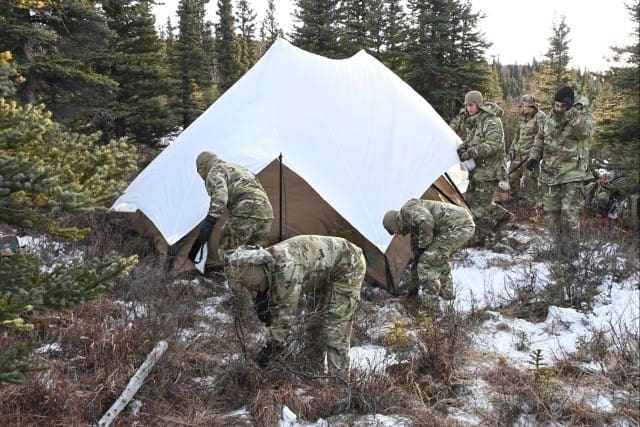
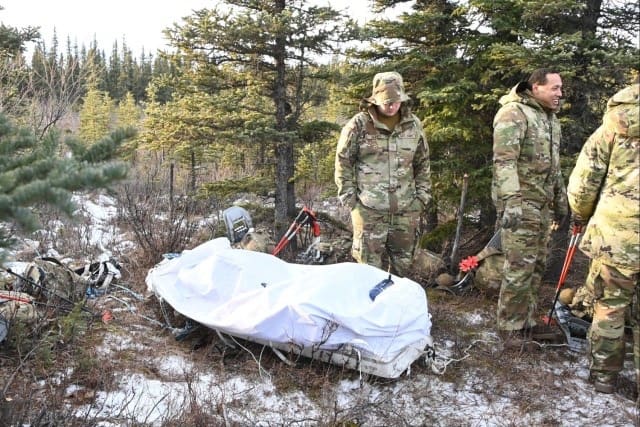
Altitude sickness emerged as a human concern thousands of years ago, and not just out of thin air. Even with years of studying the symptoms and impact on the body, it still affects many people who ascend to altitudes above 8,000 feet.

The U.S. Army Research Institute of Environmental Medicine and the University of New Mexico are creating a predictive tool to transform the way altitude-related health illnesses are managed and prevented during military operational exercises.

“Altitude can really knock a person off their feet,” says Beth Beidleman, Sc.D., the study’s Principal Investigator and Research Physiologist in the Military Performance Division at USARIEM.

Acute mountain sickness may cause an individual to have headaches, nausea, vomiting, dizziness and severe fatigue due to the lower air pressure and decreased availability of oxygen in the environment at higher altitudes. Generally, the higher in altitude you go; the sicker you get, but the sickness is highly individualized. Some may get sick while others will be just fine. Typically, the sickness peaks between 18 to 24 hours and then resolves over the next two to three days.

“AMS affects everything a person does. You can’t run, think and even breathing is difficult. It also jeopardizes physical and mental performance,” Beidleman said. “While there are medications available to reduce symptoms, they are not always effective, and it is uncertain whether they negatively impact physical performance. We want to help our Soldiers and enable them to complete their mission, and that is what this study is about.”

The current tool is a wearable wrist monitor that tracks the amount of oxygen in the body’s bloodstream and links this health information to the patented AMS_alert algorithm, which predicts an individual’s likelihood of experiencing AMS four to eight hours before symptoms.

Over a period of six weeks at USARIEM’s High Altitude Research Laboratory in Pikes Peak, Colorado, data was collected from 32 active-duty Soldiers from Fort Riley, Kansas, and the Human Research and Development Detachment in Natick, Massachusetts, with the goal of improving the AMS_alert algorithm’s accuracy.

With this algorithm, leaders can see who may be at high risk early in the altitude exposure and possibly prevent injuries and casualties that could occur later in the exposure. This was the last iteration of the study conducted to expand the altitude range from the previous version at 12,000 feet above sea level at Taos Ski Valley, New Mexico to over 14,000 feet, so that the AMS_alert algorithm includes higher altitudes.

“Hypoxia monitoring can help detect future altitude sickness and therefore allow early intervention so that Soldiers can complete a successful mission. The goal is to have a smart phone application that houses the algorithm to provide a green, yellow and red alert to leaders and Commanders in the field on the health status of their Soldiers,” Beidleman said.

Every morning for two weeks, each cohort of Soldiers had a typical rhythm of waking up at 6:00 a.m., providing a saliva sample, a blood draw, and a urine and fecal sample, and reporting symptoms of AMS. The participants then had breakfast before they performed a breathing test, cognitive function assessment and ultrasound of their lungs and spleen. The morning ended with an all-out two-mile run and a two-to-three-mile hike. Following lunch, Soldiers participated in alpine training offered by physicians with experience in Mountain Medicine from the University of New Mexico. At the end of the day, participants completed additional AMS questionnaires.

“Everything the Soldiers did at altitude over the course of four days, from waking up in their bunks in the High Altitude Reasearch Lab to hiking in the mountains, was conducted at 13,500 to 14,300 feet,” said Beidleman.

One goal of this research is to replace the Environmental Symptoms Questionnaire with a diagnostic blood or urine test, given that Soldiers typically underreport their symptoms. To do this, Beidleman is analyzing metabolic and genomic biomarkers that have been previously shown to diagnose AMS.

Another mission in this research is to collect these biomarkers at sea level, prior to deployment, to assess whether an individual has a high likelihood of getting sick at altitude. Beidleman notes that genomics play a role in every other sickness, including cancer and Alzheimers, and likely plays a role in altitude illnesses as well.

In addition to using this tool to predict AMS, it could potentially be used to mitigate life-threatening events such as high-altitude pulmonary edema — fluid in lungs — and cerebral edema — fluid in brain — that can develop at high altitude by providing alerts prior to such events from occurring. Although these illnesses are relatively rare, these events require immediate evacuation.

“One thing about the wearables is that they monitor various physiologic metrics like heart rate and sleep activity, but we also want to compare current FDA-approved technology to validate our proprietary devices that will house the AMS_alert algorithm,” said Melissa Mcinnis, Oak Ridge Institute for Science and Education fellow at USARIEM.

This research has become one of USARIEM’s biggest multi-divisional and collaborative studies. While collaborating with experts at the University of New Mexico, USARIEM is also working with the Walter Reed Army Institute of Research, Air Force Research Laboratory.

“Acute mountain sickness can be a debilitating condition. With this tool, Warfighters will be able to make better informed decisions before the onset of more severe symptoms,” said Steven Landspurg, ORISE fellow at USARIEM.

The research team aims transition to the U.S. Army Medical Materiel Development Activity for launch of the app by early fall of 2025. Beidleman says that this tool can go beyond military purposes and expand to civilian use.

USARIEM is a subordinate command of the U.S. Army Medical Research and Development Command under the Army Futures Command. USARIEM is internationally recognized as the DOD’s premier laboratory for Warfighter health and performance research and focuses on environmental medicine, physiology, physical and cognitive performance, and nutrition research. Located at the Natick Soldier Systems Center in Natick, Massachusetts, USARIEM’s mission is to research and deliver solutions to enhance Warfighter health, performance and lethality in all environments.

Story by Maddi Langweil 

Medical Research and Development Command

Team O’Neil’s Tactical Driving Tuesday – High Speed Driving

Tuesday, September 24th, 2024

Team O’Neil is world renowned for their instruction in rally driving. Several decades ago the Special Operations community discovered this unique training and began to attend Team O’Neil courses to improve their driving skills under varied, arduous conditions. Starting this week we are going to share some of that knowledge via a series of videos produced by Team O’Neil. In this first video, instructor Wyatt offers an overview of high speed driving.

In late October, I’ll be attending their five-day tactical driving course at their facility in New Hampshire. These videos are as much for your benefit as for mine. I got a taste of what they teach last fall during an event with SureFire so I’m leveraging my memory as I go over the basic skills I’ll need to succeed during the upcoming course.

Eric Graves

Tactical Tuesday: The Future of Uniforms Has Arrived – Introducing Power Flex

Tuesday, September 24th, 2024

After years of testing, refining, and perfecting, the future of breathable, stretchable, lightweight, low-maintenance uniforms is ready for action. Introducing Power Flex—a revolutionary uniform that redefines comfort and functionality. Power Flex features a next-gen all-way stretch knit fabric that delivers more give, more stretch, and more comfort than ever before. Whether you’re jumping, running, sitting, sweating or relaxing, Power Flex matches your every move.

This next-gen knit fabric provides the added comfort, convenience, and class needed for peak performance. Featuring wrinkle, static, and odor-resistant properties, Power Flex ensures a polished appearance and maximum comfort for all day support.

Experience the future of Flex today with Flying Cross, the leaders in performance stretch uniforms!

Cannon AFB First to Test New AFSOC Combat Readiness Inspection

Tuesday, September 24th, 2024

CANNON AIR FORCE BASE, N.M. —  

The 27th Special Operations Wing conducted its first Combat Readiness Inspection as a part of Emerald Warrior 24 FTX II in various locations throughout the western United States, Aug. 4 to Aug. 9, 2024.

The CRI is a new Air Force Special Operations Command assessment method designed to better evaluate a wing’s combat readiness for high-end operations. AFSOC’s pivot toward Great Power Competition requires its units to be pushed to their limits, encouraging them to boldly take risks and try new tactics and techniques. The CRI provides units the “freedom to fail” in a controlled exercise environment, ensuring any failures are viewed as opportunities for learning and growth, rather than punishments or setbacks.

A key element of the CRI is focusing on the performance of mission-essential tasks in a robust threat environment, helping units better prepare for the complexities inherent to real-world operations against pacing challenges.

“Overall, the 27th Special Operations Wing set the benchmark for the future of Combat Readiness Inspections” said Lt. Gen. Mike Conley, AFSOC commander. “The goal for this event was never perfection.  We wanted the Wing to be all in, face tough challenges, discover areas for improvement, and work together to problem solve for the future…and they did just that.   The CRI was a true reflection of AFSOC culture – a willingness to take on challenges that others may shy away from, even when success isn’t guaranteed. This mindset is key as we learn, grow, and continuously improve our readiness for current and future conflicts.”

The 27th SOW implemented the CRI as a part of an already existing high-end readiness exercise, Emerald Warrior, to identify opportunities for improvement, innovate training approaches and align its programs with the latest advancements in technology, tactics and strategic objectives.

The CRI brought U.S. Air Force Lt. Gen. Stephen Davis, Department of the Air Force Inspector General, to Cannon AFB to observe AFSOC’s premier readiness wing execute the CRI. While at Cannon AFB, Davis attended several battle staff events to ensure the inspection was as realistic as possible, highlighting the focus on combat readiness and accurately assessing the readiness required to succeed against pacing challenges across the spectrum of competition, including conflict.

“We were the first to do this new type of exercise, pathfinding for AFSOC,” said Col. Cary Mittelmark, 27th SOW deputy commander for operations. “We were able to validate some of the Agile Combat Employment concepts that AFSOC has been working hard at for the last couple years.”

During the CRI, inspectors evaluated the capabilities of a 27th SOW Special Operations Task Group, comprised of multiple aviation, Special Tactics and Mission Sustainment Team Special Operations Task Units.

Throughout the inspection, the 27th SOW MST established and secured one primary forward operating base and two geographically separated forward operating locations across Idaho and Nevada, sustaining 200 personnel while providing the placement, access and survivability required to conduct a variety of air and ground operations.

After a base of operations was established, Special Tactics Airmen from the 24th Special Operations Wing worked with the 27th SOW MST, AC-130JGhostrider, MC-130J Commando II and U-28 Draco crews to execute a variety of AFSOC core missions, including SOF mobility, strike Intelligence, Surveillance and Reconnaissance (ISR) and air to ground integration. 

Prioritizing readiness based on overall mission effectiveness rather than functional competence will ensure AFSOC’s continued ability to rapidly project unconventional airpower for the joint force globally, a task The Steadfast Line executes day-in and day-out.

Throughout the inspection, the 27th SOW MST established and secured one primary forward operating base and two geographically separated forward operating locations across Idaho and Nevada, sustaining 200 personnel while providing the placement, access and survivability required to conduct a variety of air and ground operations.

After a base of operations was established, Special Tactics Airmen from the 24th Special Operations Wing worked with the 27th SOW MST, AC-130JGhostrider, MC-130J Commando II and U-28 Draco crews to execute a variety of AFSOC core missions, including SOF mobility, strike Intelligence, Surveillance and Reconnaissance (ISR) and air to ground integration. 

Prioritizing readiness based on overall mission effectiveness rather than functional competence will ensure AFSOC’s continued ability to rapidly project unconventional airpower for the joint force globally, a task The Steadfast Line executes day-in and day-out.

By Staff Sergeant Kevin Williams

27th Special Operations Wing Public Affairs

Clear Armor Forced Entry, Riot Control, and Bullet Resistant Laminate Products

Monday, September 23rd, 2024

As the manufacturer, sole supplier and installer of our world-patented, optically clear and aesthetically pleasing security laminates, Clear Armor can transform the existing glass on buildings into one-way armored glass that can stands up to multiple threat levels.

Their products currently protect numerous industries including education, government, banking, police, military, corporations, and other facilities where active threats and security laminates are vital for protection.

Clear-Armor Forced Entry (SL-15), Riot Control (SL-31), and Bullet Resistant (BR) laminate products are sold exclusively by Clear-Armor for residential, professional, and business use only and can be installed anywhere in the world. It works 24-hrs a day and 365 days a year.

SL-15 laminate – Key Features:

15-MIL Protection – Our shatter-resistant entry-level 15-mil laminate is substantially stronger than many glass security laminates available in the market. With a 420-psi breaking strength providing superior protection against intruders.

Fortifies Glass – Our optically clear 15-mil protection uses technology that can be shot and struck without disrupting the integrity of the laminate. Preventing collapse of glass, denial ofentry to intruder. Also, buying you valuable time to get to safety and for help to arrive.


Forced-Entry Protection SL-15 protects against burglaries, smash-and-grabs, forced entry attempts, and other active threats like strong winds and bomb blasts.

Videos

Clear-Armor SL-15 50+ strikes

Clear-Armor Demo video

SL-31 Laminate Key Features:

31-MIL Protection – Our industry-leading 31-mil laminate is one of the thickest laminates available in the market with twice the strength of our 15-mil, featuring an impressive 1,100-psi breaking strength which provides unmatched protection against prolonged threats. High winds, and blast mitigation.

Higher Threat Protection – The impact resistant SL-31 riot control laminate protects against prolonged & targeted attacks,riots and bomb blasts. In addition to offering the same protection you receive with our SL-15.

Delays Attacks – The 31-mil protection will hold the glass in place during an attack, giving occupants time to call first responders and implement any active threat protocols. This proactive measure underscores Clear-Armor’s commitment to ensuring safety.

Videos

Security camera live footage

Clear-Armor Demo video

Bullet Resistant (BR) Laminate Key Features:

Tailored Defense – Our one-way bullet-resistant laminate is custom tailored to your security needs with a minimum breaking strength of 1,500+ psi, providing one of the most comprehensive threat protections available today.

One-Way Protection – BR’s unique one-way protection allows bullets to be fired out but not in, providing extreme security while allowing a response team to mount a defensive attack from within the building.

Optically Clear – BR laminates are discrete and offer enhanced security for glass doors and windows without altering their appearance. Experience the assurance of safe rooms, defensive spaces with our advanced protective solutions.

Videos

Rifle caliber VS Clear-Armor

Clear-Armor one-way bulletproof laminate    

Visit www.CLEAR-ARMOR.com to learn more.

Army Scientists’ Technique for Early Detection of Sepsis in Burn Patients Submitted to FDA

Monday, September 23rd, 2024

FORT DETRICK, Md. – A new invention developed at the U.S. Army Medical Research and Development Command uses an artificial intelligence machine learning algorithm to identify whether burn patients are at risk of experiencing life-threatening complications from sepsis. The invention has been submitted to the U.S. Food and Drug Administration for an initial guidance review, a crucial step on the path to readying the device for commercial licensing.

SeptiBurnAlert, invented by Dr. Rasha Hammamieh and Nabarun Chakraborty of the Medical Readiness Systems Biology branch of the Center for Military Psychiatry and Neuroscience at MRDC’s Walter Reed Army Institute of Research, analyzes blood samples taken from a burn victim to identify the presence of specific biomolecular changes, called biomarkers, that are associated with an elevated risk of dangerous inflammation triggered by the body’s attempts to fight infection. By using a combination of rapid biomolecular assay and a specially trained algorithm, the device promises to allow intensive care teams to predict the risk of sepsis onset within the first 24 hours of a patient’s admission to the intensive care unit, greatly improving the patient’s odds of survival.

Although improvements in combat casualty care have made it possible for 95% of burn patients to survive their injuries, over 30% experience sepsis, the leading cause of death among patients with acute burn injuries. That’s because burn patients lose their first and most effective barrier to infection: their skin. As long as the wound remains open, patients are exposed to a wide range of harmful agents that can challenge the body’s immune system and trigger an inflammation response, which in turn increases the risk of sepsis. But diagnosing sepsis in burn patients is difficult and time-consuming.

“Many of the standard indicators that clinicians use to identify sepsis are already present in burn patients,” explains Chakraborty. “High temperature, shortness of breath, low blood pressure and delirium are common to both, which often impedes clinicians’ ability to identify sepsis in burn patients. For burn patients who are at risk of developing sepsis, it may remain undetected for a long time, increasing their risk of mortality. Likewise, for burn patients who are not at risk of developing sepsis, they may be given antibiotics that they don’t need. That is the challenge we are trying to solve.”

SeptiBurnAlert uses a process called polymerase chain reaction to analyze blood samples taken from a burn patient to detect the presence of six genes that are associated with the onset of sepsis. The amounts of those genes in the blood samples are then analyzed by a proprietary machine learning algorithm, developed by Chakraborty and several colleagues, that has been trained on blood samples obtained from a study conducted by Dr. Jeffrey Shupp at MedStar Washington Hospital Center in Washington, DC, one of the country’s leading burn treatment centers. This allows the algorithm to predict the risk of sepsis onset in the patient much more quickly than existing methods, which can require around 100 hours after ICU admission to provide results.

During initial tests, which Hammamieh and Chakraborty conducted with their colleagues Dr. Aarti Gautam and Alexander Lawrence, SeptiBurnAlert accurately assessed sepsis risk in blood samples to a high degree of accuracy. MRDC’s Combat Casualty Care Research Program is currently testing the biomarkers in two ongoing studies to further validate their efficacy. Before SeptiBurnAlert can be used in hospitals, however, it must first meet safety and efficacy criteria developed by the FDA, which regulates all medical devices sold in the U.S.

To ensure that it does, MRDC’s Office of Regulated Activities recently submitted a request to the FDA to review the device and provide feedback on whether additional validation studies are needed, if there are any privacy and security concerns that need to be addressed and whether the device meets all applicable regulatory standards. ORA’s regulatory affairs, compliance and clinical support professionals act as liaisons between MRDC inventors and the FDA to guide them through the review process, helping to mitigate risks and accelerate the delivery of regulated medical devices to market.

Chakraborty says that one advantage of SeptiBurnAlert is that it uses existing off-the-shelf technology and methodologies to analyze the set of six genes, which is called an assay.

“Every lab and clinical facility has PCR devices,” says Chakraborty. “They just need our assay. That will help clinicians gain confidence in the assay. Then, maybe in three or four years, we’ll launch a fully automated version that could be carried to far-forward locations to deliver results before the patient’s ICU admission. This would be an effective step toward achieving customized disease management.”

Hammamieh, Chakraborty and their team have applied for a worldwide patent for the biomarker assay used in the device. They have been working with MRDC’s Small Business Innovation Research and Small Business Technology Transfer Programs, as well as with the MRDC Office of Medical Technology Transfer, on the second-generation model of SeptiBurnAlert, which will be able to analyze a larger assay. SBIR/STTR is currently researching potential sources of developmental funding.

“SeptiBurnAlert has great potential to save the lives of Warfighters and civilians all over the world,” says Dr. Edward Diehl, a commercialization officer with MTT. “We are actively pursuing a license agreement with commercial partners to allow further development of this technology.”

As well as being a potential game-changer in its own right, SeptiBurnAlert is a good example of how MRDC’s multidisciplinary approach drives innovation. The idea for SeptiBurnAlert occurred to Hammamieh and Chakraborty when they were conducting an unrelated study, seeking to identify biomarkers associated with impaired blood coagulation in burn patients.

“As part of this study, we collected blood samples from burn patients shortly after they arrived in the intensive care unit, a number of whom developed sepsis three or four days later,” recalls Hammamieh. “We wondered, ‘Could some of the biomarkers we’re collecting help us predict who will develop sepsis?’ When we completed the coagulopathy study, then it was just a matter of reanalyzing the data we collected for it to look for particular genes, proteins and metabolites that differed between the people who developed sepsis and those who did not.”

ORA submitted the request for a guidance review, called a Q-Submission, to the FDA in late August. Once the FDA reviewers have examined the SeptiBurnAlert device and its supporting data, the ORA team and the inventors will then meet with them to discuss the regulatory pathway forward and any future studies that might be needed to address any unresolved issues.

“We’re looking forward to working with the FDA to ensure that SeptiBurnAlert is safe for use and effective at predicting the risk of sepsis in burn patients,” says Hammamieh. “We are only at the beginning of the review process, but we are excited and hopeful that the device will soon be in use in intensive care units across the U.S., helping to save lives.”

By Paul Lagasse, USAMRDC Public Affairs Office

Passive Aiming with Night Vision: Optic Selection and Compatibility

Saturday, September 21st, 2024

In low-light shooting, ‘passive aiming’ is a technique wherein the shooter aims through their optic (usually red dot sights or holographic sights) rather than using an external aiming laser. The key advantage here is that passive aiming doesn’t emit any visible or infrared light that could reveal the shooter’s position, making it a safer option when faced with a threat that may be equipped with night vision.

The feasibility of passive aiming depends heavily on the compatibility between the optic and the NODs. Not all optics work well; some may offer a clear reticle under night vision, while others may struggle with head positioning or poor light transmission. Hence, choosing the right optic is essential for any dedicated night vision setup.

In this article, we’ll cover some of the core concepts behind passive aiming, including why some manufacturers market their optics as ‘night vision compatible’ and others do not. We’ll also look at best practices for choosing and setting up your optic to make passive aiming as straightforward as possible.

Passive Aiming: Benefits and Limitations

In low-light or no-light environments, maintaining stealth is crucial, especially when facing adversaries who might also be equipped with night vision capabilities. Active aiming, which involves using infrared lasers or illuminators, will instantly compromise a shooter’s location if the opponent is equipped with NODs. Passive aiming eliminates this risk by allowing the shooter to engage targets without broadcasting their position.

Passive aiming does, however, come with many challenges and potential downsides, especially when the optic isn’t set up properly.

When aiming passively, the shooter must align their eye, the optic, and the target through the night vision device, which can be a lot more difficult than it sounds. The shooter must maintain a consistent cheek weld, which is especially challenging when shooting from unconventional positions.

Another limitation is the restricted field-of-view of NODs and the innate tunneling effect of looking through an optic. Passive aiming tends to create a very linear focus through the optic. In contrast, active aiming with a laser allows the shooter to maintain a broader situational awareness and react to peripheral threats.

Given the immense trade-offs that exist between both passive and active aiming, current best-practice involves a mix of both shooting techniques, swapping depending on the demands of the situation and known capabilities of the opposing force.

Still, many of the tradeoffs of passive aiming can be mitigated by selecting the right optic and mount.

Night Vision Compatibility

As we’ve mentioned, not all optics are created equal when it comes to night vision compatibility.

To be considered night vision-compatible, an optic must allow the user to view the reticle clearly through NODs without causing excessive glare or reticle bloom. At the most basic level, a night vision compatible optic must have a reticle that can be dimmed sufficiently so that it doesn’t overpower the night vision tubes.

But simply being compatible isn’t necessarily synonymous with ‘good.’ In fact, many optics that are marketed as ‘night vision compatible’ aren’t effective due to other design aspects, such as poor light transmission or excessive body obstruction.

When selecting an optic for night vision use, three critical factors should be considered: illumination settings, window size, and glass quality.

Illumination Settings: The ability to adjust the brightness of the reticle is essential. Most ‘night vision compatible’ optics will have a ‘night vision’ setting in the illumination controls. Multiple night vision settings are ideal, since there can still be a big difference in light levels under NODs. In urban areas, for example, you might have enough light pollution that a single ‘night vision’ brightness is too dim.

Window Size: The size of the optic’s window or lens is another important consideration. A larger window provides a clearer field of view and makes it easier to align the reticle with the target, even in awkward shooting positions.A larger window also helps accommodate for the blur of the optic body, which can make small-windowed optics feel dark or claustrophobic.

Lens Quality: Good lens design goes a long way in improving visibility through the optic, especially when combined with a low-profile body. Because of the focal distance of NODs, your optic body will usually blur around the optic window, so having a good clear window with minimal obstruction is important.

The Prevalence of Reflex Sights

Reflex sights, which include red dot sights and holographic sights, are the most common optics used with night vision devices. To summarize. these sights work by projecting a reticle—typically a red dot or a holographic pattern—onto a lens that the shooter views through. The reticle is superimposed on the target, allowing for quick target acquisition.

Since these optics are compact, lightweight, and have unlimited eye relief, they’re the most obvious choice for use with night vision. It’s very easy to set up a red dot with an extended mount and use it with minimal change in handling or behavior. And since low-light inherently limits your engagement distance, the lack of magnification is less of a tradeoff.

The only consistent issue with reflex sights is astigmatism. Under NODs, astigmatic blur isn’t an issue because it’s being passed through the night vision, but when moving into full light, ocular astigmatism will distort the reticle. This is accentuated by the variability of lighting conditions in urban environments.

Scopes and Night Vision

Using scopes with NODs introduces a unique set of challenges and considerations that differ from using reflex or red dot sights.

Standard rifle scopes are designed to gather and focus light during daylight hours, but when used with night vision, the light transmission properties of the scope can affect the clarity and brightness of the image. This is particularly problematic when using higher magnifications, as the image can become dimmer and more difficult to see through the night vision device.

Additionally, achieving the correct eye relief can be tricky, especially when using a rear-mounted night vision device, which might require the scope to be repositioned. While extended-height scope mounts and compact scopes are improving compatibility, it’s still significantly harder to line up a full rifle scope than any microdot or holographic sight.

Ultimately, setting up a scope for night vision usually involves attaching a dedicated clip-on, separate from helmet-mounted night vision. Alternatively, many have chosen to run an offset red dot with a scope, so that they can swap between the two as needed.

MicroPrisms: Do They Work?

MicroPrisms are a relatively new type of optic from Primary Arms that combines the simplicity and durability of a traditional prism scope in a reflex-sized body. These optics are typically fixed at a low magnification, often 1x, making them particularly useful for close to medium-range shooting. And unlike red dots or holographic sights, MicroPrisms have an etched reticle and diopter, meaning that they aren’t affected by astigmatism.

MicroPrisms come with multiple NV-compatible brightness settings, but the diopter and etched reticle lead many to question whether MicroPrisms are truly usable.

The answer is yes, though it does take a little more work to line up the diopter of the optic with the diopter of the NODs to make sure the optic is tuned for both daylight and NV. Even though MicroPrisms have an eyebox, they are significantly more forgiving than your average rifle scope, and the compact size means that it’s easier to accommodate through mount placement.

Basically, if you have astigmatism issues with red dots, or just prefer the etched reticle, 1x MicroPrisms are a perfectly viable option for night vision and passive aiming.

Practical Tips for Selecting and Setting Up Optics for Night Vision

Selecting and setting up optics for use with night vision devices involves careful consideration of compatibility, mounting height, and troubleshooting potential issues.

Look for optics that offer night vision-specific brightness settings that can accommodate a wide variety of light levels. Red dot sights and holographic sights from Aimpoint and EOTech are the most popular choices due to their simplicity and ease of use, but MicroPrisms are also gaining popularity as an alternative for their astigmatism compatibility.

Either way, mount height and positioning are crucial for effective use with night vision. The mount height should allow the optic to align naturally with your NODs when you’re in your shooting stance. Heights around 1.93 to 2.26 inches are popular for night vision setups, as they will fully clear a top-mounted IR device and allow you to maintain a heads-up posture, which is more comfortable and efficient when using NODs. However, be mindful that higher mounts might make close-range accuracymore challenging due to height-over-bore. You also need enough clearance between the front of your night vision from the rear of the optic, ensuring that they don’t bump into one another under recoil.

Common issues when using night vision optics include reticle bloom, acquisition problems, and light transmission. To prevent reticle bloom, always start with the lowest brightness setting on your optic and gradually increase it until the reticle is visible but not overpowering. If you are having trouble getting behind the sight, particularly with higher mounts, you may need to adjust your shooting stance or experiment with different mount heights to find the most comfortable and effective setup. If an optic has poor visibility through the lens, make sure that you have a clean lens, as dust and contaminants can inhibit image clarity.

Conclusion

Selecting and setting up optics for night vision use is a nuanced process that requires a deep understanding of both your equipment and the conditions under which you’ll be operating.

Throughout this guide, we’ve covered the importance of choosing optics that are specifically designed or compatible with night vision devices, such as reflex sights, holographic sights, and MicroPrisms. We’ve also discussed the critical role of proper mount height and positioning to ensure seamless alignment and functionality in low-light environments.

Night vision is a powerful tool that, when paired with the right optics and proper setup, can give you a significant tactical advantage. However, like all tools, it requires familiarity and skill to be used effectively. As you move forward, it’s crucial to experiment with your gear and engage in regular training to become proficient with your night vision setup. The more you practice in realistic scenarios, the better you’ll understand the strengths and limitations of your equipment and aiming techniques.

Department of Defense Announces Latest Efforts to Improve Quality of Life for Service Members

Saturday, September 21st, 2024

WASHINGTON — The Defense Department today announced a new series of initiatives aimed at improving the welfare and well-being of service members and their families.

In a memorandum published today, titled “Our Enduring Duty to America’s Service Members and Their Families,” Secretary of Defense Lloyd J. Austin III announced a new set of initiatives which are part of his ongoing “Taking Care of Our People” priority that began three years ago.

The latest initiatives include:

  • Establishing Health Care Flexible Spending Accounts for service members 
  • Providing greater access to free wireless internet in unaccompanied housing 
  • Decreasing the cost burden associated permanent change of station moves 
  • Lowering the cost of procuring uniforms for enlisted service members 
  • Expanding spouse employment and professional development opportunities through the My Career Advancement Account, or MyCAA program 
  • Increasing access to affordable quality childcare and early childhood education 
  • Improving quality of life conditions at remote and isolated installations

The new initiatives, along with initiatives over the past three years, were developed after assessing the experiences of service members. Taken together, the efforts are meant to ensure the well-being and success of Service members, enabling them to better focus on their part of the defense mission.

“Early in my tenure as secretary of defense, I made taking care of our people a top priority,” Austin said in the memorandum. “Doing right by our all-volunteer joint force and their families is a core readiness issue. Taking care of our people is fundamental to the department’s ability to recruit and retain the most talented American patriots and to ensure that the U.S. military remains the most lethal fighting force on the planet — and it is simply the right thing to do.”

As part of a focus on service member and military family health, the department plans to offer service members the ability to contribute up to $3,200 in pre-tax earnings to pay for eligible healthcare-related expenses through a Health Care Flexible Spending Account, or HCFSA.

With the HCFSA, service members will be able to contribute up to $3,200 each year in pre-tax dollars to their accounts and spend that money on things such as insurance co-payments and cost shares, deductibles, braces and other orthodontia, glasses and contact lenses, prescription drugs, and wellness treatments such as acupuncture, massage, and chiropractic care. It’s expected that the HCFSAs will be available to service members for the first time in March 2025.

To keep junior, unaccompanied service members connected to the wider world while off duty, the department has directed the military departments to carry out a series of pilot projects to provide wireless internet connectivity to enlisted service members who reside in military barracks.

While access to wireless internet will allow those junior service members access to personal email, banking and entertainment options, the department also expects access can be used to help service members connect with mandatory online training requirements and other health and life related resources such as telehealth appointments, Military OneSource, and military and family life counselors.

According to department documents, the DOD has long-term plans to establish a “WiFi-connected force.” For service members in unaccompanied housing, there is not expected to be any cost to access the provided internet services.

Service members make frequent permanent change of station moves during their careers. To ease the burden of moving themselves and their families from one military base to another, the department is working with partners to adjust the number of days associated with both the Temporary Lodging Expense, or TLE, and the Temporary Lodging Allowance, or TLA.

The new effort extends TLE from 14 days to 21 days for moves within the continental U.S. For moves that originate outside the continental U.S., TLA will be extended to as many as 60 days on the departure side to match the 60 days already authorized on the arrival side. Both the TLE and the TLA allow service members and their families to live in temporary quarters, such as in hotels, while looking for homes at their new duty station, or after they have checked out of their homes at their existing duty stations.

To ensure enlisted service members are best able to maintain their uniforms, the department has directed a review of the quality of uniforms that are issued to and are available for purchase by service members. Additionally, the department has directed another review that will look at the annual clothing replacement allowance to determine not only if it is sufficient, but if there are better ways to provide that allowance to service members.

The new initiatives also include efforts to improve the recruitment, retention and working environments of DOD child development professionals; expanding eligibility for participation in the My Career Advancement Account career development program to spouses of active-duty service members serving in grades E-7, E-8, E-9, and W-3; and assessments of three remote and isolated installations via the “On-Site Installation Evaluation” process. Those three installations will be identified in the fall, with the evaluations taking place in 2025. This particular initiative advances efforts to understand capabilities and needs regarding the well-being of service members at remote and isolated installations.

This latest salvo of efforts, the third in the department’s effort to improve the lives of service members and their families, comes as part of an ongoing nearly three-year long effort which began in 2021.

In November 2021, for instance, Austin addressed economic concerns faced by service members. Then, the department provided relief for the high cost of housing and housing shortages with a temporary increase to basic allowance for housing in some areas, and an extension of temporary lodging expenses where Service members had a difficult time finding housing due to shortages.

At that same time the secretary also pushed to extend tour lengths for service members at both overseas and U.S. based assignments as a way to minimize hardships associated with permanent change of station moves.

In September 2022, Austin continued that effort by directing a review of basic allowance for housing to ensure what was being paid to service members accurately reflected fluctuations in the housing market, and also directed increases in basic allowance for housing for active-duty service members in 28 military housing areas that had experienced an average of more than 20 percent spike in rental housing costs.

The September 2022 effort also included direction to fully fund DOD commissaries as a way to cut register prices with a goal of providing service members a 25% savings over private sector grocery stores, and also directed creation of a “Basic Needs Allowance,” which began in January 2023, to supplement the incomes of qualifying service members.

The cost of household moves was also addressed by Austin’s September 2022 memorandum, which directed a permanent increase to standard TLE. Also included was an increase to the dislocation allowance for service members up to E-6 to offset the personal expenses associated with a permanent change of station move.

In a memo from March 2022, Austin directed implementation of universal pre-kindergarten at Department of Defense Education Activity schools, and the creation of dependent care flexible spending accounts to enable service members with dependents to set aside up to $5,000 in pretax income through payroll deduction for eligible dependent care expenses such as child care, preschool, before or after school programs, and summer camp.

The March effort also included additional support for those with exceptional family members. As part of that effort the department established a standard process to enroll and disenroll families from the program, require that support personnel make personal contact with each enrolled family at least once a year, better coordinate the way support personnel are assigned to families, and ease the transition between support personnel.

The Department’s March 2022 effort also addressed the challenges of ensuring military spouses can find meaningful employment. Through the My Career Advancement Account program, for instance, eligible military spouses became eligible for up to $4,000 in financial assistance to earn a license, certificate, or associate degree.

Advancing military spouse employment efforts, the president in January 2023 signed into law an amendment to the Servicemembers Civil Relief Act, which requires that professional licenses be portable, except for licenses to practice law, for service members and their spouses as they move between states.

By C. Todd Lopez, DOD News