Atrius Development Group

Archive for the ‘Guest Post’ Category

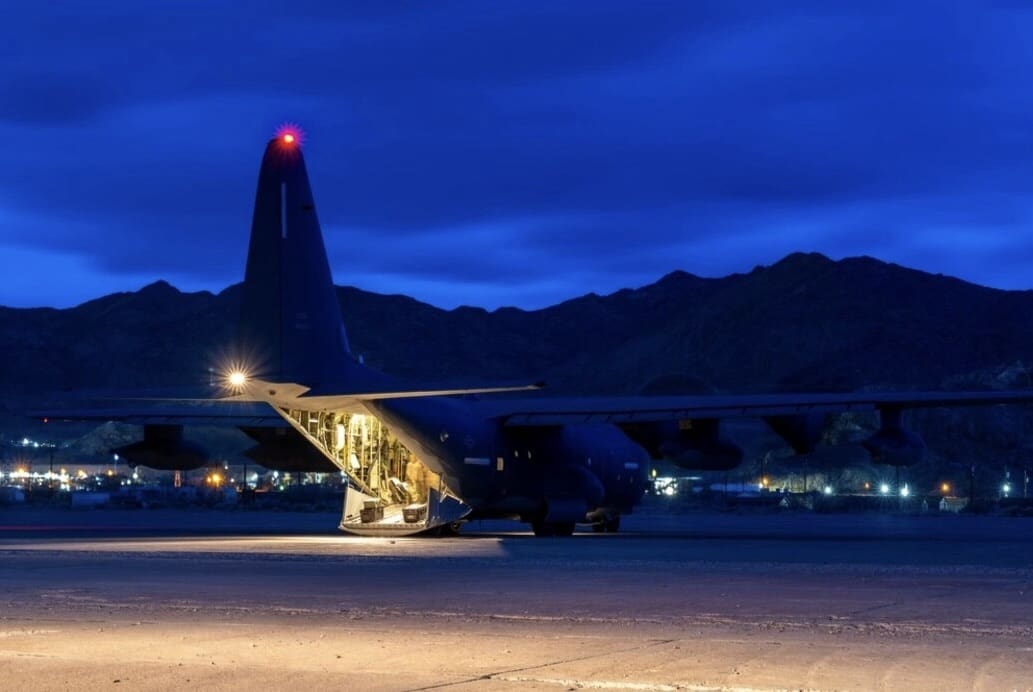
Emerald Warrior Tests Air Commandos Mettle

Monday, March 25th, 2024

HURLBURT FIELD, Fla. —  

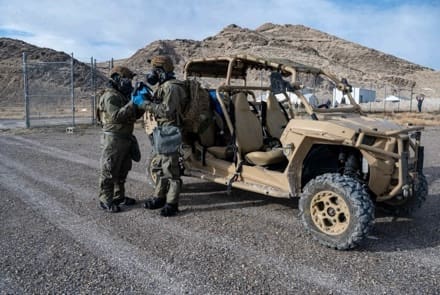
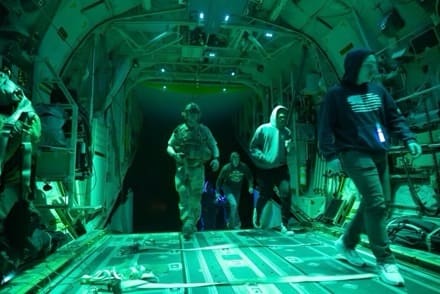
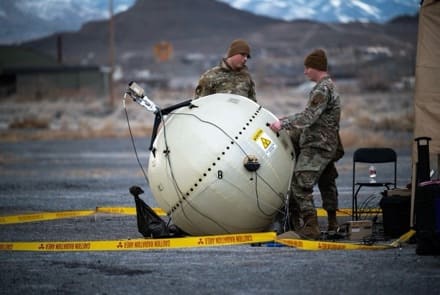
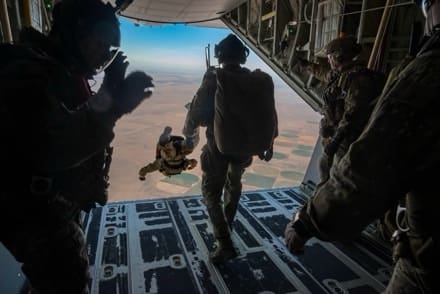
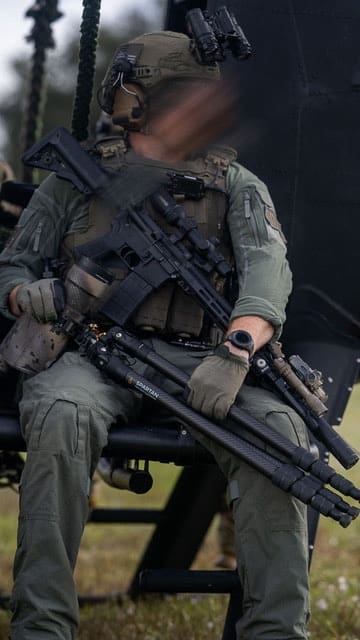
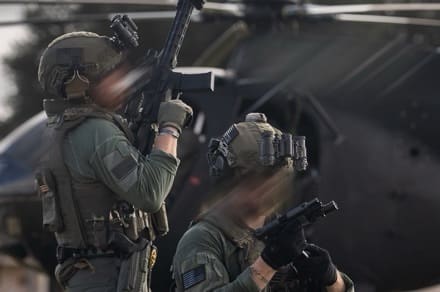
Air Force Special Operations Command’s 17th annual Emerald Warrior exercise concluded recently having exercised in three extreme cold weather environments throughout the midwestern U.S. with many firsts.

This U.S. Special Operations Command-supported exercise aligned with the Special Operations Command-Europe exercise Trojan Footprint under the large-scale global exercise construct to demonstrate Special Operations Forces value to the Joint Force and strengthen military relationships with U.S. and partner forces.

“Our Nation has entered a new era of competition,” said Lt. Gen. Tony Bauernfeind, AFSOC commander. “We must continue to innovate and transform to remain the most capable, most lethal Air Force in the world…and that’s exactly what AFSOC is doing.”

Air Commandos trained on chemical, biological, radiological and nuclear readiness incorporating new decontamination systems like the CBRN MRZR that supports decontamination during infiltration, exfiltration, tactical movement and maneuver where force size and composition constraints exist.

A continued focus area this year was building autonomy through mission command to ensure Special Operations Task Groups and Special Operations Task Units are trained to operate in today’s dynamic operating environment.

“Every Emerald Warrior, we build on lessons learned from previous iterations and this year was no different,” said U.S. Air Force Lt. Col. David Allen, Emerald Warrior exercise director. “We further developed the Agile Combat Employment concept through Mission Sustainment Teams by successfully relocating two Special Operations Task Groups, to multiple locations. These SOTGs exercised flexible response options conducting strategic fires, air-to-ground integration with close air support and non-kinetic effects to deter aggression.”

In addition to kinetic effects, EW exercised non-kinetic effects and capabilities like space, cyber, public affairs and information operations. They employed technical and deceptive activities in support of exercise objectives for the participants to enhance overall combat operability.

“From strategic messaging to incorporating effects in the gray zone, Emerald Warrior provides the joint force the ability to adapt and create dilemmas for tomorrow’s adversaries,” said Allen.

Emerald Warrior ensures preparedness of Special Operations Forces, conventional force enablers, partner forces and interagency elements through realistic and relevant, high-end pre-deployment training encompassing multiple joint operating areas.

By 1st Lt Cassandra Saphore, Air Force Special Operations Command Public Affairs

Command Sergeant Major JoAnn Naumann: ‘I Pushed Until I Got the Opportunities’

Sunday, March 24th, 2024

WASHINGTON — Command Sgt. Maj. JoAnn Naumann, the senior enlisted leader at Army Special Operations Command, says good leadership traits are taught by good mentors, handed down from one generation of NCOs to the next.

Such a philosophy is part of what ultimately led Naumann to stay in the Army for the last 28 years instead of pursuing her initial dream of becoming a Foreign Service officer.

Naumann enlisted in the Army in 1996 after earning a dual-major degree in American Studies and Government from the College of William and Mary. She wanted to go to the Defense Language Institute to learn Arabic.

“I had a plan to learn another language and to get a clearance … and get some experience to increase my likelihood of being hired by the Foreign Service,” she said.

She didn’t seek a commission because she had no intention of staying in the Army.

When she finished language training, however, the Army threw her a curveball, assigning her to the 101st Airborne Division (Air Assault).

“I had never in my life considered the fact that when I joined the Army as an Arabic linguist that I might go to a light infantry division. But that’s where I wound up,” she said.

She completed Air Assault School and training as a rappel master. Then she went to the Basic Airborne Course and the Military Freefall School for parachuting.

Naumann discovered that she enjoyed being in an infantry division. She enjoyed the Army.

“I feel really fortunate to have had amazing leaders in my time at the 101st, who made me really understand what I could do in the Army and how to be a good leader, and how the Army just takes care of people and feels like a family,” she said.

“More than anything, it was the leaders that made me want to stay in the Army,” she said.

As a sergeant at age 25, Naumann was NCO of the Year in the 101st Division.

“I was the only woman competing. I saw that I could compete with the men, and I did it the same way that I approached my job,” she said.

She knew there were some events that she couldn’t win.

“I just made sure I won every event I could win, and then I just held my own…”

Naumann can trace that attitude back to her youth, when she ran cross country and track in high school.
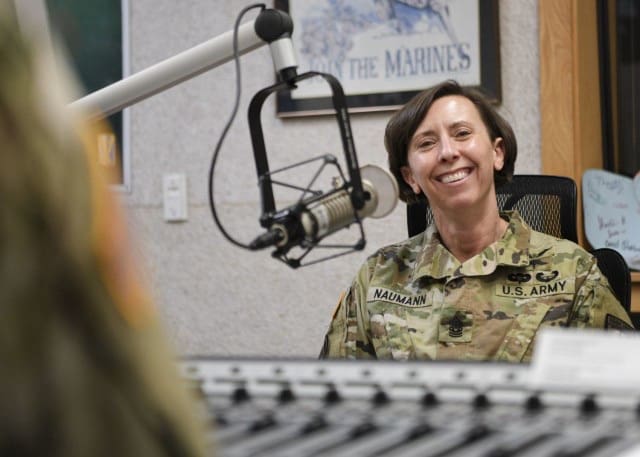
“I was never the most talented runner on the team. I was probably always the runner most willing to suffer on the team. The way I would break other runners is by being more willing to be in pain at the end of a race than other people were, and I think it’s that kind of attitude that just has allowed me to succeed,” she said.

Recruited by Special Operations Command in 2001, Naumann faced a dilemma in the aftermath of 9/11 when she was a staff sergeant and squad leader.

“I felt like I couldn’t leave my squad. It would be their first time going into combat, and I didn’t feel like I could let them go without me,” she recalls.

She sought guidance from division Command Sgt. Maj. Clifford West.

“He looked at me and all he said to me was, ‘Sergeant, if you’ve done your job, they don’t need you.’”

After SOC training, Naumann had assignments to special mission units and completed 14 deployments throughout Central Command and Africa Command.

In those years after 9/11, being a female Arabic translator paid off.

“It made me far less of a threat … being underestimated is a superpower,” she said.

Naumann said she never sought a job or promotion to be a trailblazer and doesn’t really think of herself as one.

She thinks she developed her drive, in part, from her mother, who retired as the pilot of a Boeing 747 after years in the cockpit.

“I never realized that it made a difference to me,” Naumann said, but being the daughter of such a professional meant that no one told her women couldn’t succeed.

“It never was in my head that I couldn’t do whatever job I wanted to do, because no one ever told me that there were things girls didn’t do. And so, I just didn’t hesitate to do things that I wanted to do,” she said.

She said people often thank her for advancing career possibilities in the Army, whether it is because she is a woman or because she rose in the ranks from a non-traditional specialty.

“If me being here makes other people see that they have the same possibilities, then I’m glad that it does,” she said.

For anyone, she said, the biggest challenge is convincing yourself to try.

“Everyone has challenges, right? These [Army] programs are not easy for anyone,” she said.

Naumann said there were certainly times when people told her she could not do a job because she was female.

When confronting that attitude, she would respond, “I graduated from the same course you did. So, tell me again, why I can’t do that job?”

She demanded better reasons why a woman could not grow and advance in the Army.

“It turns out there weren’t better reasons. So, I pushed until I got the opportunities I thought I should have. That’s my personality,” she said.

That is also reminiscent of how she ran track and cross country.

“I’m still not going to be the best at everything,” she added.

There are times when she relies on others to help out.

“I focus the majority of my energy on the things that I singularly can do,” she said.

People can often succeed if they make others be the ones to say ‘no,’ she explained.

“Sometimes we talk ourselves out of doing things,” Naumann said. We say “I’m not going to try it because I don’t know if I’m going to make it, I don’t know if I’m good enough. I don’t know if I’m smart enough, or strong enough. I don’t know if I’ll do a good job.”

Her message? Don’t sell yourself short.

Naumann says the best moments of her career are likely when she has held a promotion board and been able to reward someone who worked hard and stayed out of trouble and earned advancement.

“That’s the moment, when you tell them: ‘Congratulations, I’m recommending you for promotion.’”

By Jonathan Austin, Army News Service

Army Medical Developers Put Tech, Treatments to Test During Arctic Edge 24

Saturday, March 23rd, 2024

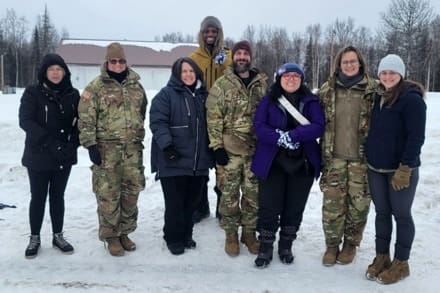
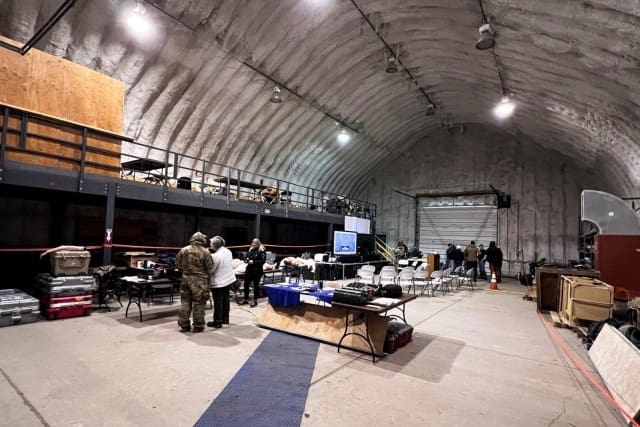
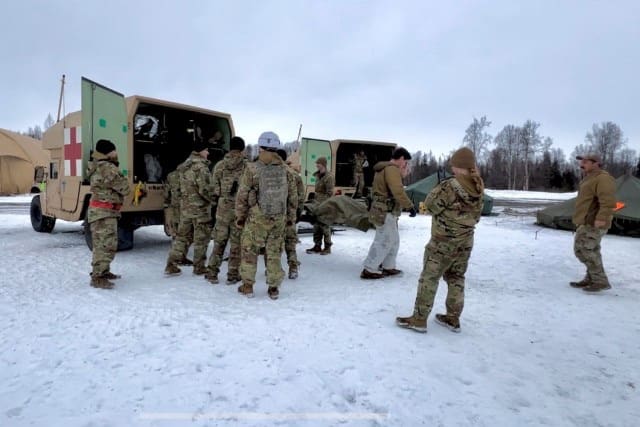
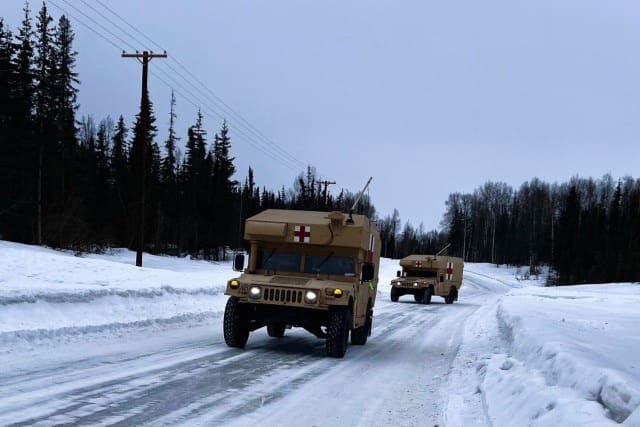
JOINT BASE ELMENDORF-RICHARDSON, Alaska — Team members with the U.S. Army Medical Materiel Development Activity joined a multinational military and government contingent to test developing medical technologies and treatments at Joint Base Elmendorf-Richardson, March 4-6, 2024.

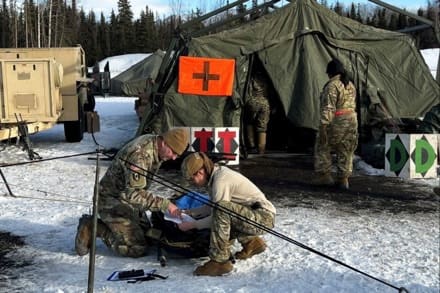
As part of the U.S. Northern Command’s Arctic Edge 24 exercise, USAMMDA developers partnered with frontline military medical providers to conduct below zero medicine exercises and experiments and assess the progress of the U.S. Army’s freeze-dried plasma and extreme cold weather shelter programs.

Arctic Edge 24 is a premier venue to demonstrate how USAMMDA’s programs fit into the Army and Department of Defense’s future operating concepts, including a focus on the Arctic regions of the globe, according to U.S. Army Col. Andy Nuce, commander of USAMMDA.

“Exercises like Arctic Edge 24 are a great touchpoint for USAMMDA’s development teams because they give us a chance to interface with potential end users of devices and treatments during the development process,” said Nuce, who has helmed the activity since June 2022. “This is important for two reasons. One, it gives our teams a chance to see devices in real-world environments that we cannot fully replicate at Fort Detrick. Two, the Soldiers who are using the devices during these types of training give us incredible insight into where products are in development within the acquisition pipeline, and how we can improve the process going forward to deliver the best possible products for eventual fielding.

“In short, the Soldiers in the field are critical to our understanding of what is needed and how we can improve the development process going forward to meet their future needs in order to save lives.”

Exercises like Arctic Edge 24 align with the wider Army preparedness doctrines outlined in the forthcoming Army publication “Arctic and Extreme Cold Weather Operations” and showcase how Army medical development commands are refining their focus to meet the challenges of Arctic warfighting, including medical readiness.

The first of two USAMMDA teams attending the exercise, the freeze-dried plasma — known as FDP — developers, are working with combat medics and medical officers to continue the years-long adaptation of blood plasma in freeze-dried form for far-forward use. The lightweight and expeditionary FDP under development by USAMMDA’s Warfighter Protection and Acute Care Project Management Office is a critical advancement in blood replacement capabilities for frontline troops, according to Michelle Mason, a logistics specialist with the WPAC PMO who attended the exercise.

“The FDP program is a significant step forward to equip military medical personnel to provide urgent care at and near the front lines,” said Mason. “When Warfighters are injured, every moment is critical to improving their chances of survival.”

Blood plasma is a lifesaving tool that helps boost a patient’s blood volume to help prevent shock and aid with blood clotting, according to the American Red Cross. WPAC is developing both human and canine FDP to give future military medical providers another option when treating critically injured servicemembers and military working dogs.

For the past several years, the U.S. Army has been focusing on modernizing its forces to meet the challenges of 2030, 2040 and beyond. A main component of this wider strategy is improving lifesaving care for wounded and injured Warfighters at and near the front lines. The U.S. Department of Defense’s focus on dispersed operations, with logistics lines crossing thousands of miles of open ocean and barren tundra, makes building frontline care capacities imperative to joint force readiness, according to Mason.

“During previous conflicts, like in Iraq and Afghanistan, U.S. forces had unparalleled abilities to treat and evacuate the wounded to higher echelons of care, due to wide accessibility of medevac aircraft and relative proximity of secured bases with advanced medical treatment facilities and devices,” said Mason. “Those advances greatly improved survivability compared to previous U.S. wars. Today’s warfighters are preparing to fight in areas of the world that are much more austere and rugged, where the ‘front line’ will be geographically isolated, dispersed and harder to reach by air and seacraft to evacuate the critically wounded.

“This is why developing treatments like FDP is so important to the DoD’s modernization efforts,” she added. “The advantages of longer shelf life, reduced logistical burden, safety and efficacy that are built into these types of materiel solutions will be vital during future conflicts to enable medical personnel to sustain life until medevac transportation can be arranged to higher levels of care.”

The second USAMMDA contingent participating in Arctic Edge 24 works with commercial partners to assess the development of rugged, extreme cold weather treatment shelters for use in Arctic environments. When a servicemember is wounded or injured, a complex series of actions begins. Frontline medical personnel initially work to stabilize the patient by keeping airways open, applying pressure to limit blood loss and treating for shock. Next, triage priorities determine the order for movement to higher echelons of care, with the most severely wounded or injured given highest priority.

During dispersed operations in extreme climates, when medevac transportation could be limited, the need to shelter casualties in a safe, dry, and warm environment while waiting for further care is imperative to ensure the patient remains stable. The Warfighter Readiness, Performance, and Brain Health PMO team attended Arctic Edge 24 to assess the worthiness of their shelter program in the most extreme climate imaginable, according to Emily Krohn, an assistant product manager with the team.

“Extreme cold weather is a different sort of enemy to our Warfighters when they are injured or wounded,” said Krohn, who attends a dozen Army and joint force exercises each year in her role as a product manager. “The climate can be a huge challenge during combat operations because it not only limits evacuation options, but it can compound and worsen the effects of serious wounds and injuries.”


USAMMDA relies on many partners to accomplish its mission, according to Krohn. Its development experts work with others across the Army, special forces community and medical industry to conceive, research, develop and test the technologies and treatments that future Warfighters will rely on to fight and win. Exercises like Arctic Edge 24 are a perfect platform to measure the effectiveness of USAMMDA’s development programs, including extreme cold weather shelters that are rugged, expeditionary and designed to meet the needs of warfighters during future conflicts.

“The shelters we are developing with the U.S. Army Combat Capabilities Development Command Soldier Center and our commercial partners are designed to enable frontline medics to safely evacuate casualties and provide tactical combat casualty care in a temperature-controlled environment while arranging for movement to higher echelons of care,” said Krohn. “These types of technologies are being developed to answer the challenges servicemembers and frontline providers may face in extreme cold weather.”

By T. T. Parish

Rampart Training Week Registration Now Open

Friday, March 22nd, 2024

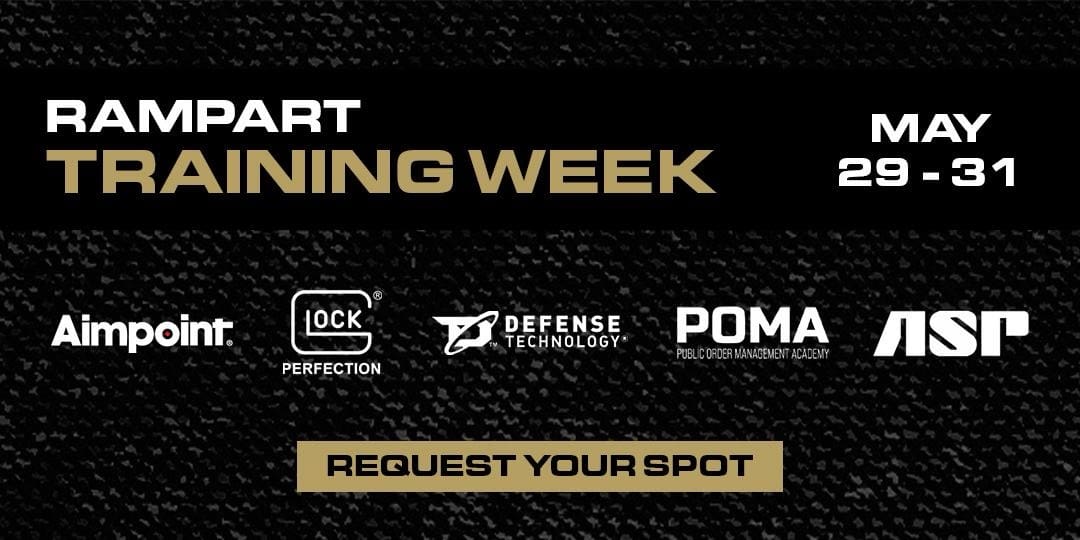
Registration for Rampart Training Week is now live! Following Rampart Range Day & Expo 2024, Rampart has once again team up with the industry’s top brands and subject matter experts to host a series of training events for Law Enforcement, Military, and Corrections personnel. Sign up now to request your spot in your preferred courses!

• Hands-on training courses run by world-class subject matter experts

• Earn factory certifications and accreditations

• Select courses are free to Law Enforcement, Military, and Corrections

• Discounts available on flights, hotels, and rental cars

rampartcorp.com/training-week

And don’t forget, Canada’s Largest Private Range Day & Expo is taking place in Ottawa, Ontario on May 28th, 2024. Make sure you register.

• Get hands-on experience with the latest firearms, tactical equipment, and technology

• An unparalleled opportunity to connect with the best tactical suppliers in Canada

• Talk with brand and product experts about your specific requirements

• Meet with other industry personnel to discuss and share solutions and challenges

• Registration is free of charge and is not open to the public. Only active Law Enforcement, Military, Corrections, and relevant government personnel may attend.

rampartcorp.com/rampart-range-day

FirstSpear Friday Focus – Siege R Optimized

Friday, March 22nd, 2024

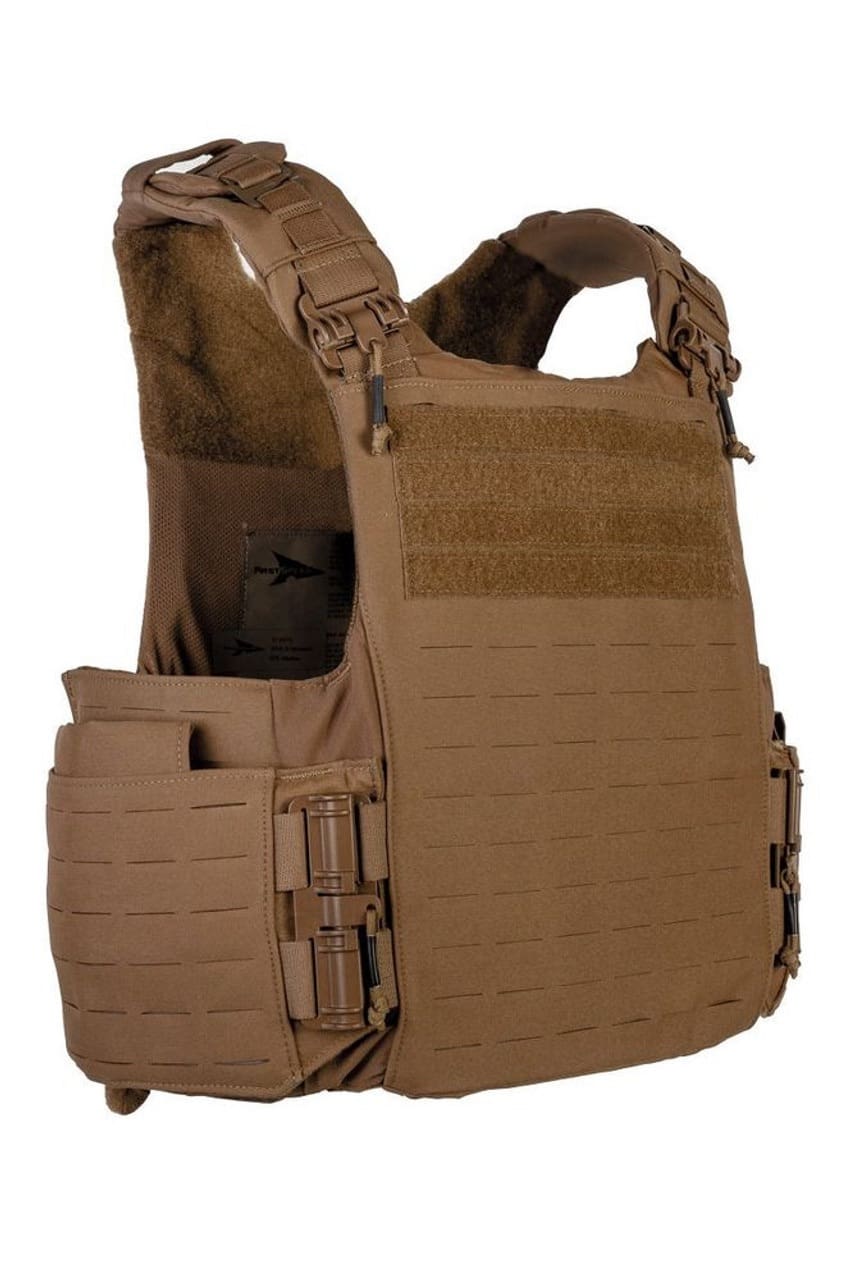
Today, we’re highlighting the Siege R Optimized Platform – a revolutionary advancement designed to meet the demands of modern warfare and tactical operations.

—6/12™ laser fusion platform

—Rapid-release Tubes® technology

—Loop field on front and back panels

—Internal bellyband (removable)

—Accepts SPEAR BALCS Cut Soft Armor-same size as carrier 

—Accepts SAPI, Swimmer/Shooter, and/or Full Size Plates-same size as carrier 

The Siege R Optimized Platform represents a paradigm shift in tactical gear, offering unparalleled versatility, durability, and performance in the field.

Adaptive Design:

Every element of the system is meticulously engineered to seamlessly integrate with a wide range of mission requirements and operational environments.

Modularity Redefined:

The Siege R’s modular architecture empowers operators to customize their loadout with precision, ensuring readiness for dynamic missions.

Enhanced Ergonomics:

Engineered with input from end-users, the Siege R prioritizes comfort and mobility, enhancing wearer performance during prolonged missions.

Durability Without Compromise:

Built to withstand the rigors of combat, every component is engineered to meet the highest standards of reliability and resilience.

Visit FirstSpear to find America’s premier tactical gear and equipment.

Army, Industry Discuss Future Implications of Augmenting Humans with AI

Friday, March 22nd, 2024

AUSTIN, Texas — As artificial intelligence becomes increasingly integrated into a number of industries, organizational leaders from the public and private sector are considering both the opportunities and risk posed by this rapidly evolving field of technology.

During a March 12 South by Southwest Conference panel in Austin, tech enthusiasts from the U.S. Army and industry discussed how advances in AI-augmented humans and humanoids — non-human entities, such as robots, that possess human characteristics — have the potential to reshape how humans work and accomplish complex tasks.

The panelists additionally discussed the importance of pursuing responsible AI, so that the new technology will serve to improve human lives and abilities.

“AI is not a panacea,” said Army Futures Command Director of Integration Col. Troy Denomy, who participated in the panel. Denomy clarified that AI can be a useful tool in optimizing the capabilities of humans and machines but is not a replacement for human brainpower or skill. He added that the Army does not want to create situations in which humans are working for robots but rather seeks to enable robots to work for humans.

To better understand the advantages AI can offer, the Army is evaluating new AI assistance methods through its Soldier-centered design model, which places Soldier participation and feedback at the core of experimentation efforts. The method takes inspiration from private industry best practices shaped around ensuring end-user satisfaction, such as Microsoft’s human-centered design methods.

Panelist Steven Bathiche, who leads Microsoft’s Applied Sciences Group, highlighted how AI developers are shifting away from remote-controlled programming toward task-based programming, which allows humans to complete more complicated tasks by automating the repetitive ones. Bathiche commented on the Army’s historical ability to enable greater innovation and problem-solving in emerging fields of technology through mutually beneficial partnerships with entrepreneurs and industry.

Fellow speaker Young Bang, who serves as Principal Deputy Assistant Secretary of the Army for Acquisition, Logistics and Technology, emphasized that interfaces with technology must evolve alongside the technology itself, so that analysts and Soldiers can more easily and intuitively interact with AI systems. Carefully assessing risk is also critical, and the Army continues to apply frameworks to identify and counteract risks, including when adopting third-party generated algorithms. The Army also plans — with the help of industry — to deepen its understanding of how integrating new AI capabilities may impact Soldiers’ well-being and behaviors, with an aim of improving personal, professional and operational outcomes.

“It’s about innovation and failing quickly. We don’t want programs that last 10 years and then decide to kill it. We want to learn faster and faster from our mistakes,” Bang said.

By Army Futures Command

JSOU Press Presents: Competing for Advantage: The Chinese Communist Party, Statecraft, and Special Operations

Thursday, March 21st, 2024

“Competing for advantage means accruing power and influence in such a way that the adversary’s plans cannot be realized. This volume focuses primarily on appreciating the Chinese Communist Party’s worldview, interests, and political culture while promoting a strategic vision for the future—a future where SOF will need to reinterpret their value from providing a military effect to providing a political effect through military means.”

The JSOU Press is pleased to announce its latest publication “Competing for Advantage: The Chinese Communist Party, Statecraft, and Special Operations,” edited and with an introduction by Dr. David Ellis. This edited volume highlights key challenges the Chinese Communist Party (CCP) faces in its rise and contextualizes the potential contributions of special operations to compete for advantage based on the CCP’s interests and vulnerabilities.

Learn more about this and other JSOU Press publications by visiting jsou.edu/press

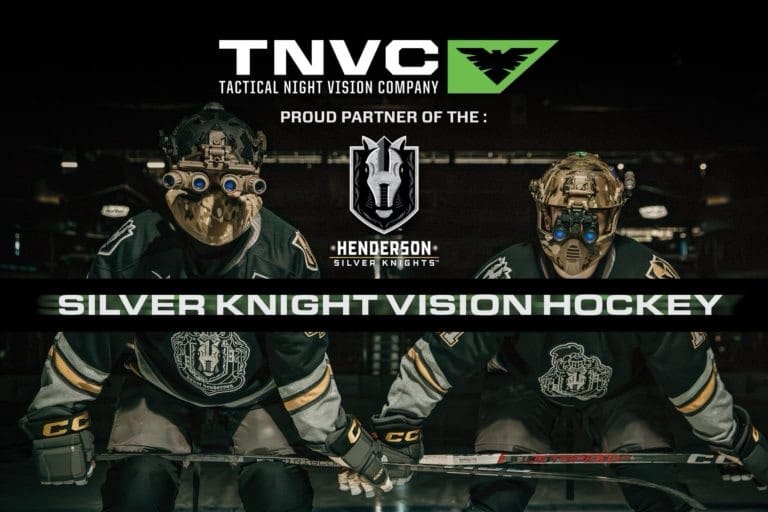
NVGs On Ice! TNVC Partners with the Henderson Silver Knights 4/6/2024 – Teaser

Thursday, March 21st, 2024

Henderson, Nevada

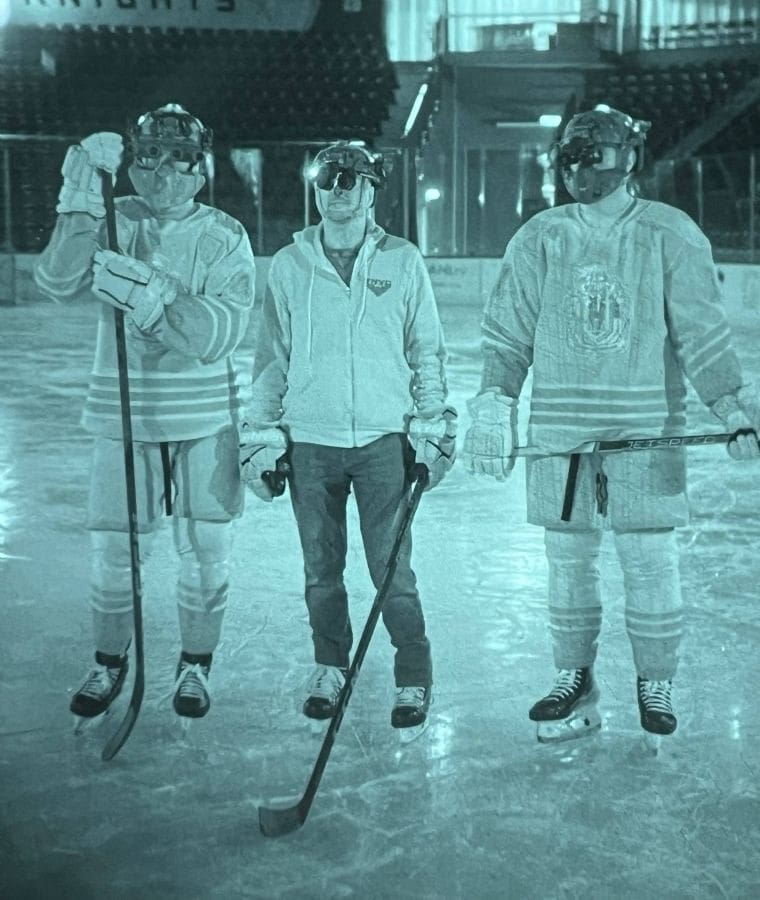
You’ve seen NVGs in the desert, you’ve seen NVGs in the jungles, NVGs in helicopters, and NVGs in racecars. But have you ever seen… NVGs on skates?

tnvc.com/henderson-silver-knights-night-vision-skate

TNVC, in conjunction with the Henderson Silver Knights (the Vegas Golden Knights affiliate) professional AHL hockey team, has just released a teaser for a one-of-a-kind event, as Team Captain Jake Bischoff and Forward Mason Morelli hit the rink… in complete darkness, pushing the limits of what you will believe is possible with NVGs. The full video will debut on Saturday, April 6th during the Silver Knight’s next home game as well as on both the Tactical Night Vision Company website as well as on YouTube and other social media outlets.

Working with TNVC Staff and using the same AN/PVS-31A and GPNVG Ground Panoramic Goggles issued to U.S. Special Operations, watch as these professional athletes perform an impressive array of skills and drillsand showcase the awesome capabilities of TNVC’s top-of-the-line products in ways you’ve never seen before!

Join us on April 6th for an unforgettable presentation of skill, agility, teamwork, and technology, presented by TNVC and the Henderson Silver Knights!

tnvc.com/henderson-silver-knights-night-vision-skate

www.youtube.com/watch?v=gGkIzDzpXqQ

Founded in 2005, Tactical Night Vision Company (TNVC) is a Veteran-Owned small business which specializes in providing industry-leading visual augmentation systems, modified-COTS solutions, and systems integration as well as training, education, and life-cycle support to government and commercial customers alike.

For all inquires please contact: marketing@tnvc.com