TYR Tactical

Archive for the ‘Guest Post’ Category

Regional Cyber Centers Help Secure, Operate, Maintain Army Networks

Thursday, November 16th, 2023

FORT HUACHUCA, Ariz. — Everything the U.S. Army Network Enterprise Technology Command does supports an Army Unified Network based on zero-trust principles.
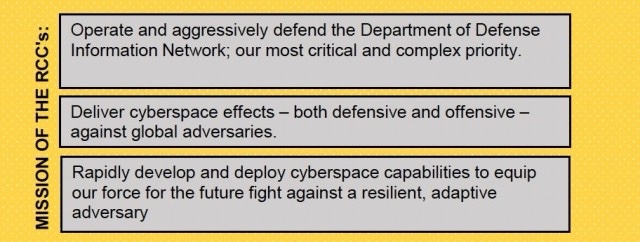
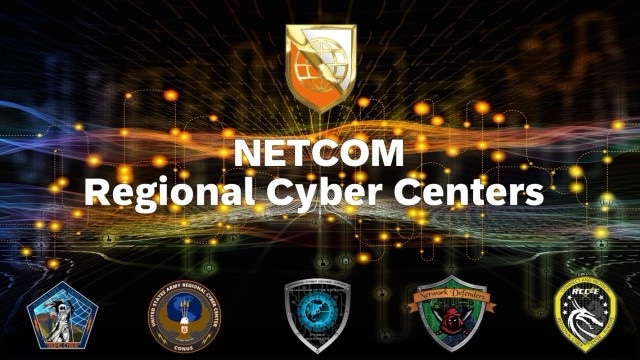
NETCOM is a global organization, and it’s a 24/7/365 team effort incorporating continuous improvement strategies to support the Army’s digital modernization efforts. Regional Cyber Centers are game-changers around the command and hold the key to helping NETCOM and its customers, attain mission success.

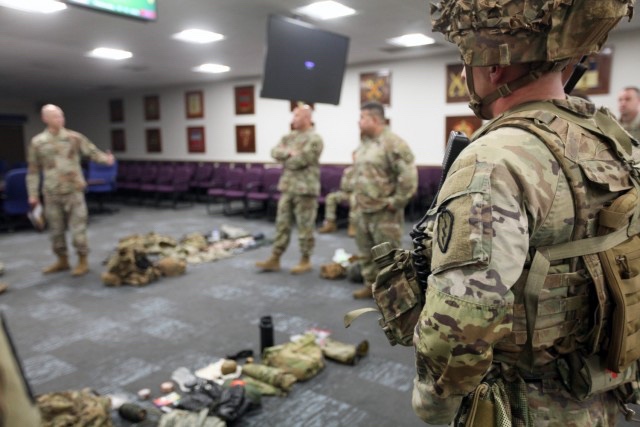
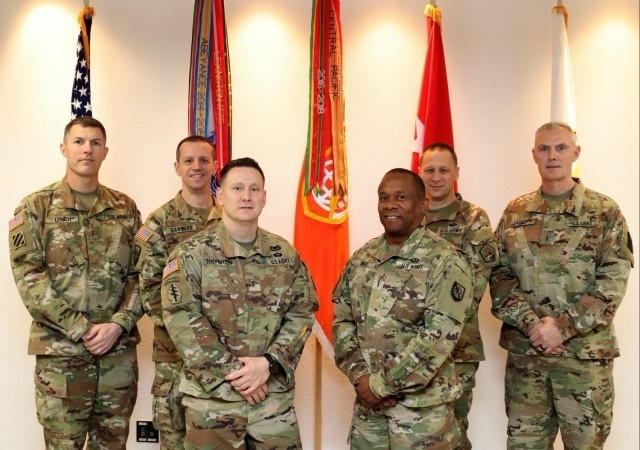
During the inaugural Regional Cyber Center Summit held Oct. 23-27, 2023, RCC leadership from around the globe gathered at Greely Hall to collaborate with NETCOM senior leaders and subject matter experts. Leaders discussed the importance of streamlining future RCC operations and the organizational structure changes needed to enable better AUN operations and services, orchestrated under a Global Cyber Center.

Since their inception roughly ten years ago, Regional Cyber Centers have been crucial for the Army, NETCOM and the warfighter.

“Regional Cyber Centers are our most important asset in NETCOM,” said Patrick Dedham, NETCOM deputy to the commanding general. “Because they are securing, operating and maintaining the network day to day, and also improving it.”

RCCs are a critical part of the NETCOM enterprise and are key enablers to current operations, as well as continuous improvement of the Army Department of Defense Information Networks activities.
NETCOM must ensure RCCs are properly resourced and synchronized to support the Army’s priorities.

“Our number one priority when it comes to transformation is the network,” said Army Chief of Staff Gen. Randy George at this year’s annual meeting of the Association of the United States Army.

Modernizing the network has been one of the Army’s top modernization priorities, and the RCC’s continuous improvement efforts will be crucial in shaping the Army of 2030.

The summit presented leaders with the opportunity to look at past practices to help shape future operations.

“I don’t think the mission set we gave you almost ten years ago is the same mission set you do today,” explained NETCOM Commanding General, Maj. Gen. Christopher Eubank.

With the role RCCs play in securing, operating and maintaining the network, having global representatives from all six unique centers in one place helped gain a shared understanding of how a Global Cyber Center concept can help better synchronize and streamline RCC operations and efforts.

“Every RCC is different across theaters,” said RCC-Continental United States Director, Lt. Col. Victor Yinh. “Getting all the directors together to talk RCC specifics helped us understand our differences to help standardize how we operate.”
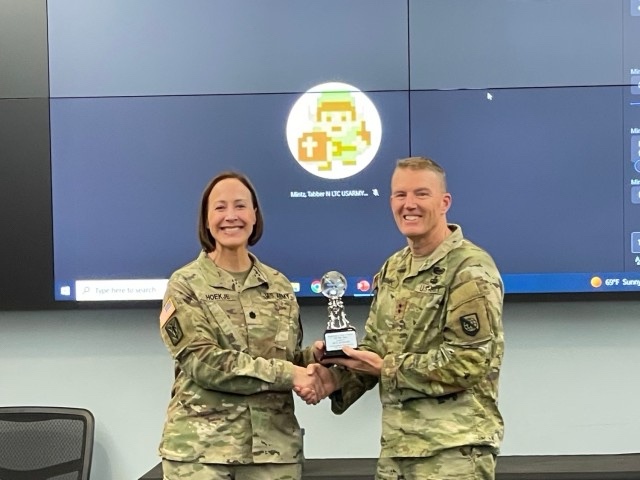
Through leader breakout sessions, question and answer engagements with subject matter experts and engaging dialogues, those present were able to collectively set the conditions for increased efficiencies and effectiveness for 2023 and beyond.

“We got a shared understanding of where we want efforts to move to get us to our end state faster,” said RCC-C Sergeant Major, Sgt. Maj. Jonathan Davis. “This was great because the RCCs needed their own forum for securing, operating and maintaining the network on behalf of NETCOM.”

NETCOM is a two-star operational command with global responsibilities that is in competition, crisis, and conflict 24/7/365. The collective RCC missions are no-fail in nature. As they continue building off the success of the inaugural summit, their continued collaborations and collective efforts will be needed on a grand scale.

“The Army is relying on us,” Eubank said. “Let’s not let them down.”

Story by SFC Kelvin Ringold

U.S. Army graphic by Amanda Pearson
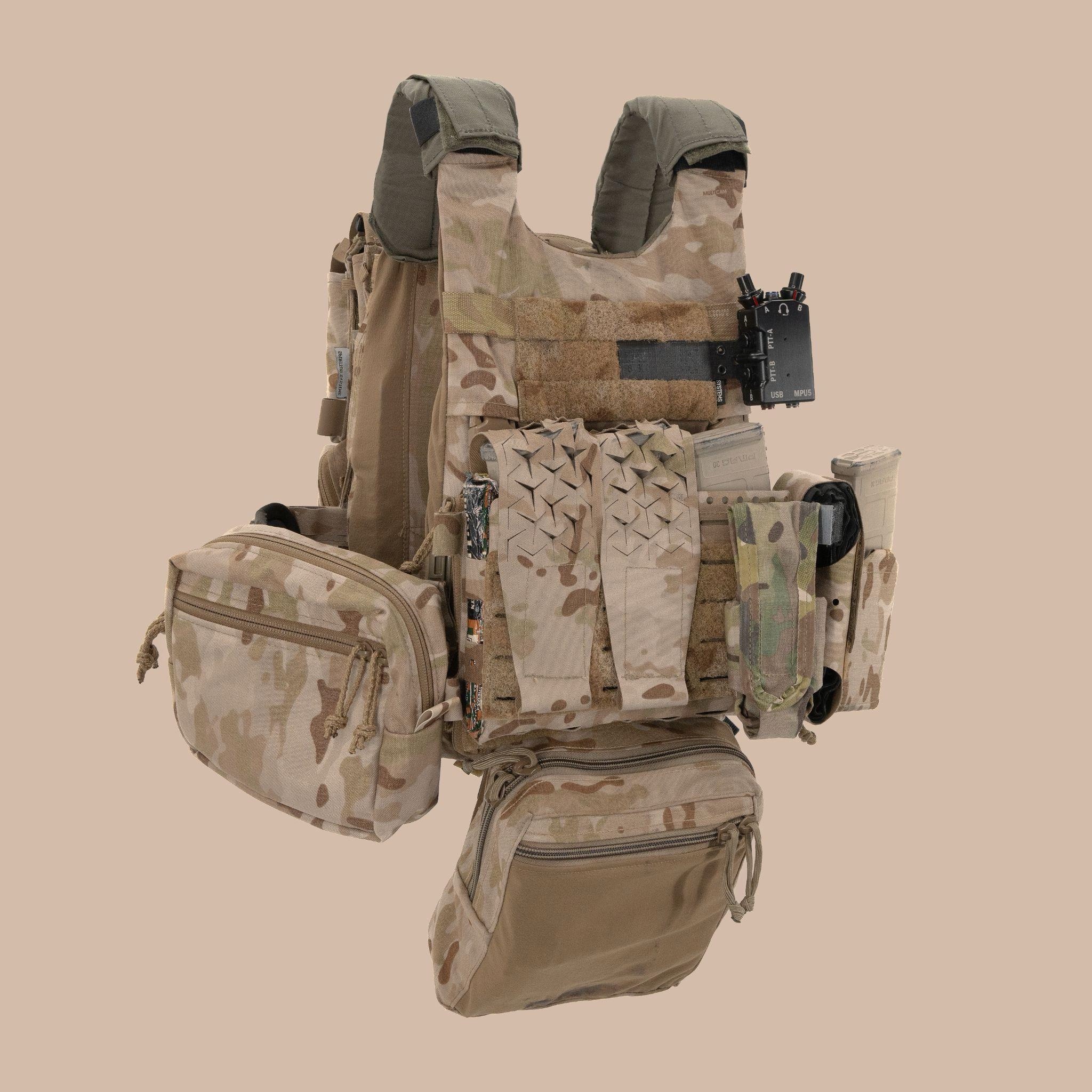
AXL Advanced Releases MPU5 CommSled

Wednesday, November 15th, 2023

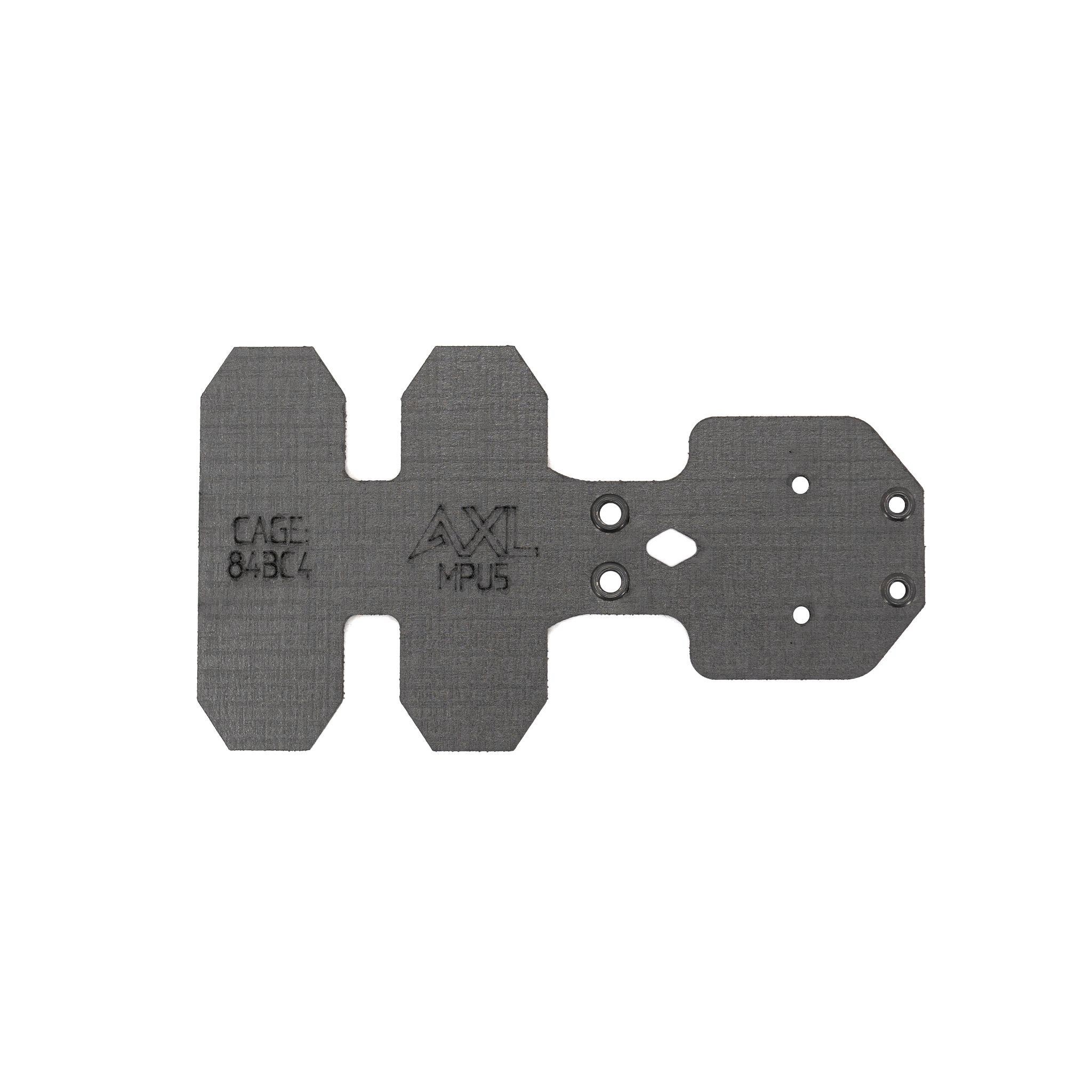
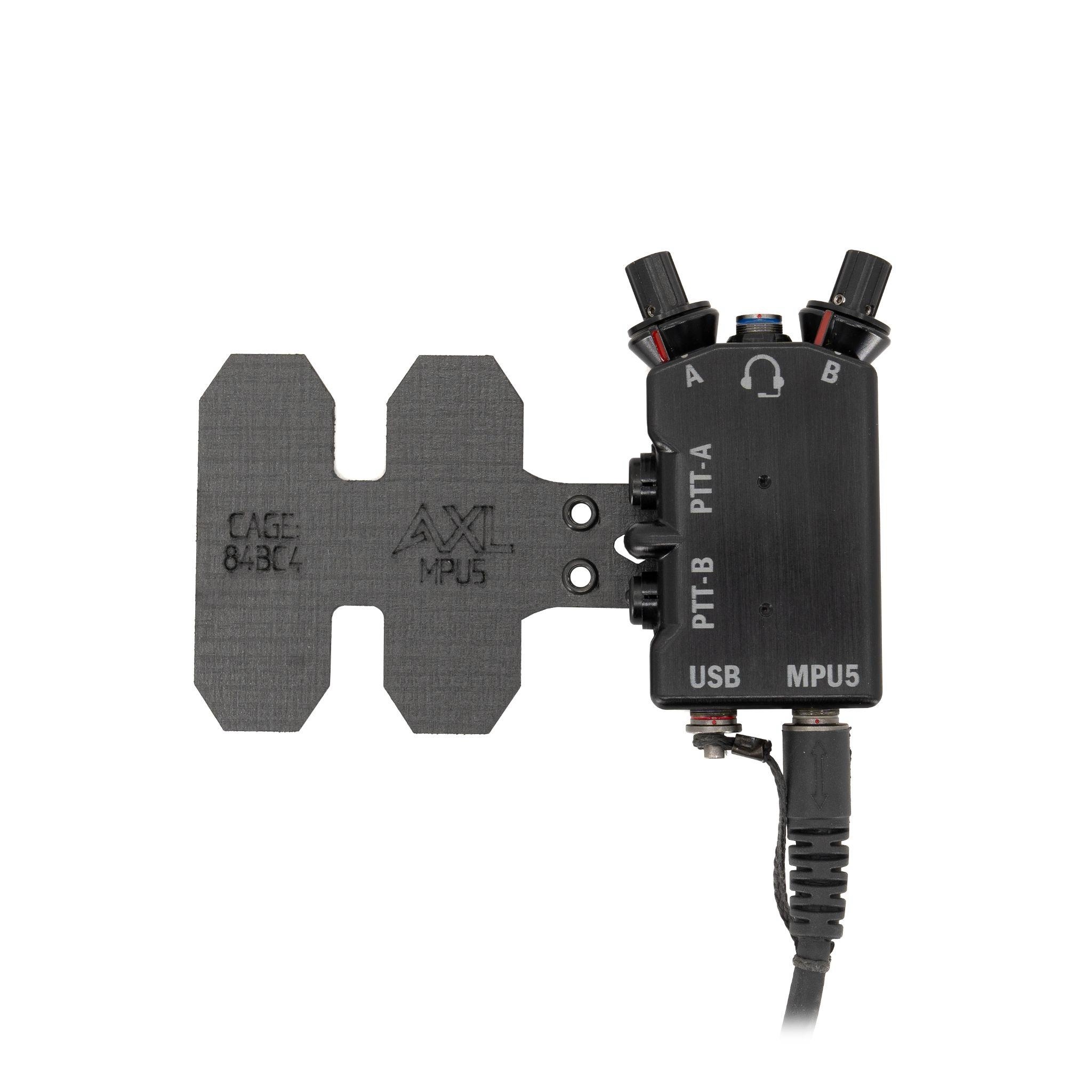
The CommSled mounts the PTT offset to the carrier and flexibly allows clearance of ATAK and similar systems, lower profile mounting, and improved access to PTT controls. Using shockcord, the CommSled pulls the PTT’s outer edge into the plate carrier’s intercostal space and keeps it spaced so that EUD devices can be used without interference by larger PTTs. 

www.AXLadvanced.com

MARSOC Multi-Purpose Canine Handlers Conduct Desert Training

Wednesday, November 15th, 2023

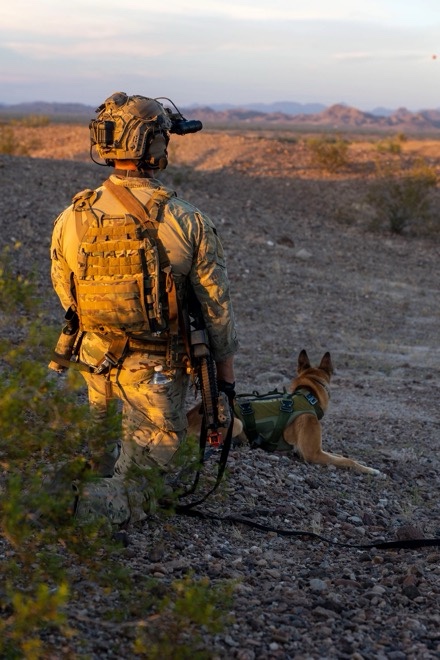
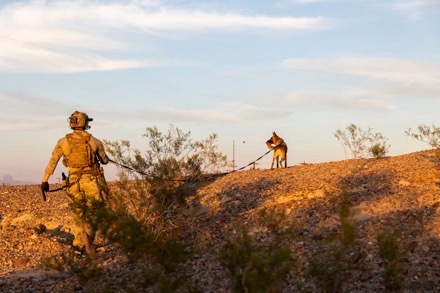
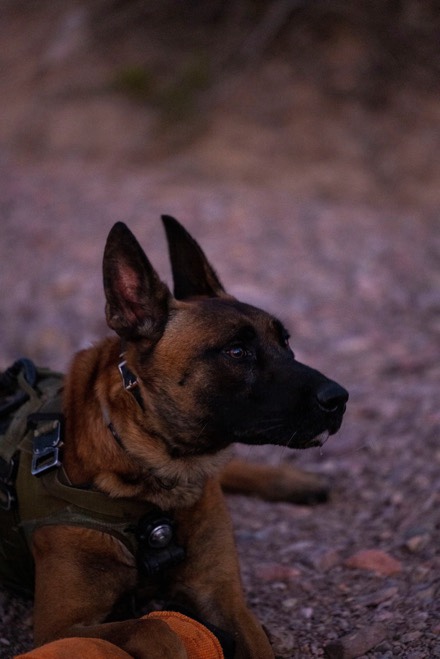
CAMP LEJEUNE, N.C. – Instructors with Marine Forces Special Operations Command recently hosted the final phase of training for prospective Marines working toward becoming multi-purpose canine handlers for the command, Oct. 1-20, 2023.

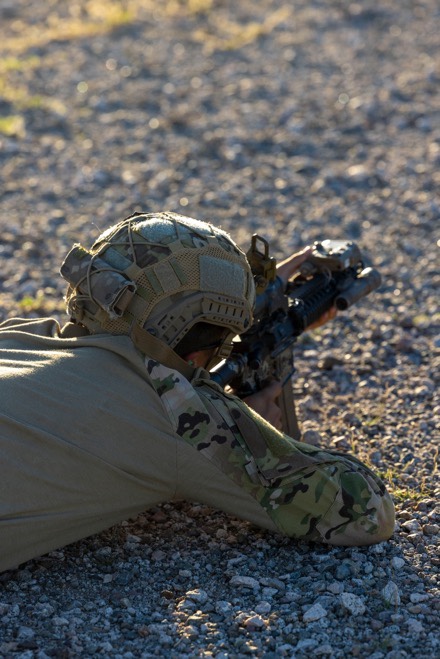
The course, which is also used as continuing education training for senior MPCs and handlers, encompasses all aspects of requisite skills that a special operations capability specialist needs to be successful while attached to a Marine Special Operations Company. Everything from tactical movements to engaging enemy combatants is done with the canines right by the side of their handlers.

The portion of the course known as the desert package culminates all of the training the handlers and canines had been through while also shifting the environment to one that is unfamiliar.

“We have individually done all of the things we are being asked to do here,” said a student handler. “The change in environment, to something you just won’t see in North Carolina, challenges us to put it all together and really make sure we understand our dog and their personality.”

MPCs and handlers within MARSOC have a high bar to achieve. In addition to being the only special operations component that uses subject matter experts in canine handling to work on the teams, the canines themselves have more asked of them than normal.

“MARSOC really sets itself apart because we train to proficiency in all three facets of canine work,” said a senior MPC handler. “all of our dogs are capable of apprehension, or bites, explosive detection, and tracking, requiring a higher level of training”

To be able to accommodate the heightened requirements for the MPCs, the handlers are trained differently as well.

“Our handlers are not just handlers, they are trained to be trainers,” an MPC handler added. “There is a level of knowledge that goes beyond just working with the dog. Our handlers are capable of going to a partner nation and training their dogs and handlers to proficiency as well.”

Upon successful completion of the training pipeline, both students and canines are fully certified to be a working MPC team. Those teams then continue preparations to join a company and eventually deploy alongside critical skills operators and special operations officers on a team.

The multi-purpose canine handler pipeline is open to those within the 5800 military police occupational field. Interested Marines should reach out to a MARSOC recruiter to learn more about the opportunity.

Story by Cpl Henry Rodriguez II 

Marine Forces, Special Operations Command

PEO Soldier Gets to Ground Truth on Soldier Equipment

Tuesday, November 14th, 2023

FORT BELVOIR, Va. – The Army is continuing its efforts to modernize the force and build towards the Army of 2030 and beyond. To support that effort, Program Executive Officer (PEO) Soldier is engaging with Soldiers at the ground level to get to the fundamental truth of how Soldiers are equipped in the operational environment and what gear they have modified or purchased for mission, environment, comfort and personal effect.

PEO Soldier’s Assistant Program Executive Officer (APEO) Soldier has been conducting Operational Kit (O.K.) Analysis with the operational force to collect this data.

O.K. Analysis seeks to address a multitude of objectives to help shape the Army of 2030 and the future Soldier. The effort looks to proactively identify opportunities utilizing the Soldier Enhancement Program (SEP), influence materiel change proposals, identify equipment training challenges and address installation Soldier equipment logistics challenges.

“The idea behind O.K. Analysis was hatched by APEO Soldier’s Senior Enlisted Advisor, MSG Josh Kaplan,” said COL Douglas Copeland, Assistant Program Executive Officer, PEO Soldier. “He identified the need to bridge the gap between what we think Soldiers and Squads carry as materiel developers and what is actually used out in the field.”

In launching the initiative, MSG Kaplan took a couple of key steps: First, he created a community of interest across various stakeholders. Second, he worked with SGM Daniel Rose, PEO Soldier Sergeant Major, to combine the O.K. Analysis event with the PEO Soldier Capabilities Demonstration, which informs the force of our current and emerging capabilities in the PEO Soldier portfolio. This strategy allows PEO Soldier to gain Soldier feedback about on operational needs and determine exactly how PEO capabilities are impacting the Force.

The goal is to provide operational context to the acquisition force, said SGM Rose. “We’re trying to explain to the acquisition professionals here at PEO Soldier and stakeholders in the Army enterprise how Soldiers are using the equipment that they are designing, procuring and fielding in the operational environment. What we found is that sometimes they won’t be using the equipment the way it was designed to be used. We try to bring that kind of context back to the acquisition force to help them as they’re designing and procuring new pieces of equipment.”

The O.K. Analysis team kicked off the program at USARCENT in Kuwait in March 2023 and has since engaged with the 11th Airborne and 25th Infantry Divisions. As a result, PEO Soldier has, to date, collected data from eight Squads and worked with senior leadership to establish an equipment baseline across the Army’s operational units.

The effort goes beyond simply questioning Soldiers about their thoughts and experience with PEO Soldier capabilities. MSG Kaplan explained, “We deploy a team of senior NCOs with extensive operational experience and extremely smart government contractors who carry out an array of responsibilities, such as data collection, statistics, logistics and photography. We collect several thousand lines of data, hundreds of photos and several hours of interviews that are analyzed as a part of an out-brief to communities of interest, then added to our holistic database for further analysis.”

After taking part in PEO Soldier’s O.K. Analysis engagement, SGM Brian Disque, G-3, 5 and 7 Sergeant Major, USARCENT, stated that he was very impressed with its effectiveness and potential benefits. He explained, “It is a very ambitious effort to answer an important question: What gear are Soldiers actually using and why? PEO Soldier took the idea of unit outreach and feedback to the next level with a meticulous approach to data collection to better understand the perspectives of Soldiers across the Army. The wealth of data collected will be very useful when informing future efforts to outfit our Soldiers. All of the Army should be grateful that this team was willing to roll up their sleeves and get out to all corners of our Army to answer these questions.”

This effort has already returned positive outcomes. Through the O.K. Analysis initiative, PEO Soldier has been able to strengthen critical partnerships with the Maneuver Center of Excellence, DEVCOM and several Army Corps. PEO Soldier has also been able to facilitate the establishment of Environmental Working Groups with these communities of interest, which include items discovered through the O.K. Analysis effort.

“The most important benefit of O.K. Analysis is to ensure that the Soldier’s voice is heard, including senior leaders in operational units who have important Soldier equipment insights,” Kaplan said. “We do this in the form of detailed equipment inventories, pictures and candid interviews that are shared with the enterprise. If someone asks, ‘Why is Soldier equipment getting heavier?’, our team can say, ‘Let me show you.’ There is a lot of power in that.”

Disque agreed, noting, “For USARCENT and our deployed force, the opportunity to provide our candid feedback to the professional data collection team is of immediate benefit. Innovation is one of our top priorities, and we are always searching for ways to bring innovative concepts to our Area of Responsibility (AOR). Soldier kit is one of those topics for which there is no shortage of great ideas out there, often based on real-world feedback from operating environments across the CENTCOM AOR – you just have to ask the right questions, which I am confident the PEO Soldier team executed to perfection.”

Through this effort, PEO Soldier began an Army-wide innovation synchronization effort that encompasses 18th Airborne Corps’ Eagle Works, I Corps’ Lightning Lab, USARCENT and PEO Soldier’s Soldier Integration Facility. This will allow stakeholders to collaborate and share data and integration solutions across the Close Combat Integration Enterprise (CCIE).

“Any opportunity to connect our modernization efforts to deployed Soldiers on a mission is valuable,” said Disque. “Some of the most innovative ideas come from operating in a deployed environment, and for the PEO team to have access to Soldiers that served recently in Syria and other areas is tremendous.”

Kaplan and his team have proactively submitted proposals for the Soldier Enhancement Program (SEP) on behalf of Soldiers through the O.K. Analysis. The SEP is a process designed to help the Army enhance Soldiers’ ability to execute their combat mission by evaluating prototypes and commercially available items submitted by Soldiers and industry. Since its inception six months ago, PEO Soldier has identified 23 potential SEP opportunities, which is an exponential increase relative to recent years. Soldiers, senior leaders and industry are also able to submit their own proposals utilizing PEO Soldier’s website.

“Soldiers are very innovative,” said Kaplan. “There is always that one Soldier in the Squad who can create ways for his unit to become more lethal. This initiative highlights innovative solutions so communities of interest can stay on pace with the operational force.”

CSM Joseph Gaskin, Command Sergeant Major, 1/11 Airborne Division, added to that assessment by stating, “Any effort the Army uses to better inform equipment requirements from the Soldier on the ground is value added to our formation. The O.K Analysis comprehensive program captured data that will assist leaders to better understand what risk the Soldier’s load presents as we operate in the extreme cold of our operational environment.”

PEO Soldier will continue its O.K. Analysis effort by visiting Soldiers with the 3rd Infantry Division in October and engaging with U.S. Army Europe in the second quarter of 2024. This ongoing effort will collect and share data amongst the CCIE to help shape the Army’s modernization efforts moving into 2030 and beyond.

PEO Soldier is now encouraging other interested U.S. Army operational divisions to reach out and schedule an O.K. Analysis of their area of responsibility.

“We look forward to expanding our O.K. Analysis across the Army’s operational units to further collaboration, leverage creative innovation and enable proactive capability development for Soldier equipment,” said Copeland.

By David Jordan

LEON and the Corps’ Robotic Revolution in the Global Littorals

Monday, November 13th, 2023

Marine Corps Base Quantico, Va. —

As the Marine Corps prepares to take the fight to the global littorals, Marine Corps Systems Command’s Program Manager for Explosive Hazard Defeat’s Littoral Explosive Ordnance Neutralization—LEON–integrated product team is working on fielding a family of systems to strengthen Marine Corps mine warfare capabilities. 

Designed to address the concerns outlined in the Littoral Operations in a Contested Environment guidance, these systems fortify Marines’ mine warfare capabilities as the Corps continues with the strategic modernization outlined in former Commandant of the Marine Corps, Gen. David H. Berger’s seminal Force Design guidance.

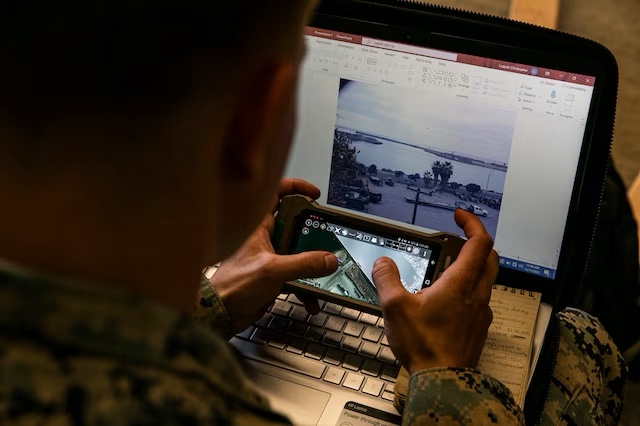
The LEON family of systems encompasses various capabilities, among which the Explosive Ordnance Disposal Remotely Operated Vehicle—or ROV—stands out as an integral component. This innovative amphibious, unmanned robot system is specifically designed to detect, locate, reacquire, mark to avoid, render safe/neutralize, recover, exploit, and dispose of underwater explosive threats in the very shallow water, surf zone, beach zone and littoral transition points.

This bleeding-edge robotic technology—along with its integrated family of capabilities—strives to secure safe maneuverability for Marines within the littoral regions, extending support to the explosive ordnance disposal community and enhancing the overall service proficiency.

According to Product Manager for Explosive Hazard Defeat Rick Daley, LEON is a tool which will allow the support of ship-to-shore and shore-to-ship lane clearing operations more safely and effectively. 

“If we aim to conduct operations as part of a MAGTF or drug task force, it necessitates a World War II style island-hopping campaign, requiring safe access to the islands. Our adversaries will be trying to stop us, though. With the advent of the LEON initiative, the strategy shifts to ‘tech to avoid’—identifying safe lanes through minefields and enabling forces to securely land on the beaches,” he said.

This innovative new system ultimately aligns with Force Design’s modernization guidance, which calls on the Corps to, “acknowledge the impacts of proliferated precision long-range fires, mines, and other smart weapons, and seek innovative ways to overcome these threat capabilities.”

The LEON team has certainly taken the call to innovate seriously. A notable facet of the team’s strength is its proactive stance towards embracing emergent technologies, thereby fostering state-of-the-art solutions tailored for the complexities of 21st-century naval warfare.

This forward-thinking approach not only underscores their commitment to enhancing maritime operational efficacy but also positions them at the vanguard of navigating the multifaceted challenges inherent in contemporary littoral combat scenarios.

According to Daley, “It’s imperative to note that unlike many unmanned capabilities, such as drones, our systems operate fully submerged. Until the acoustic communications are fully online, direct communication isn’t necessarily possible. Therefore, there’s a need for either pre-programming or having advanced software programming to enable complete autonomous operation. This allows the system to execute the required tasks and then return to a recoverable location, which is crucial. Without such measures, we’re merely deploying assets with the hope that they fulfill the intended objectives.”

 “If we aim to conduct operations as part of a MAGTF or drug task force, it necessitates a World War II style island-hopping campaign, requiring safe access to the islands. Our adversaries will be trying to stop us, though. With the advent of the LEON initiative, the strategy shifts to ‘tech to avoid’—identifying safe lanes through minefields and enabling forces to securely land on the beaches,” 

-Rick Daley, Product Manager for Explosive Hazard Defeat

One of the ways that the LEON team has been able to gain so much success here is through the fostering of untraditional partnerships across the Corps’ – with a special focus on direct feedback from the fleet. According to Ronald Diefenbach, LEON project officer, this has made all of the difference.

He noted, “Our collaboration with [Naval Information Warfare Center] Pacific has been pivotal in refining our platforms. Furthermore, we had the advantage of having a Marine from I Marine Expeditionary Force, I MEF, embedded with NIWC Pacific from the program’s outset, providing real-time feedback during the development process. This setup significantly bridged any communication gap, ensuring our technological advancements are aligned with practical operational needs from the very beginning of the development stage.”

Similarly, Diefenbach noted how always picking the right contract vehicle for specific parts of the project helps save time—and ultimately—taxpayer dollars. And with the LEON team moving so quickly, the future of the program certainly looks bright.

This was exemplified in a 2021 exercise when Marines from I and III MEF conducted a littoral mobility exercise, showcasing how this bleeding-edge tech can be utilized in joint-force operations with the Navy.

The collaboration between the 9th Engineer Support Battalion, 3d Marine Logistics Group, 7th ESB, 1st MLG and U.S. Navy Explosive Ordnance Disposal Mobile Unit 1 ultimately demonstrated the seamless integration of diverse capabilities to establish secure beachheads for amphibious operations.

The exercise highlighted the pivotal role of integrated capabilities in supporting naval maneuver, aligning with the tenets of Force Design 2030 to enhance real-time situational awareness and expedite decision-making in amphibious environments.

At the time, 1st Lt. Brandon Cavil, who then served as Littoral Engineer Reconnaissance Team officer in charge, noted the “exercise was all about honing the Marine Corps’ interoperability with the Navy, specifically addressing where we can provide redundant and complementary capabilities.”

Ultimately, the success of the LEON team is a testament to the foresight of the 2017 Littoral Operations in a Contested Environment document and underscores the growing importance of naval mine warfare as the Corps continues its strategic shift towards the Indo-Pacific.

This important advance in maritime technology has not gone unnoticed. In recognition for their efforts, the LEON Integrated Product Team received the Department of the Navy’s 2023 Ron Kiss Maritime Technology Transition Award, which honors outstanding achievement in the defense acquisition community for successfully transitioning a technology into a program of record or operational use.

By transcending traditional paradigms and fostering a culture of innovation and adaptability, Product Manager Explosive Hazard Defeat is not only responding to the shifting needs of the modern battlefield—it’s actively influencing the future of naval warfare. As the Marine Corps continues its strategic shift to the Indo-Pacific– guided by Force Design– the robotic technology that is being developed by the LEON team will play a vital role in navigating the dynamic and complex global littorals—ensuring the warfighter is prepared to fight and win when duty calls.

By Johannes Schmidt, Marine Corps Systems Command Office of Public Affairs and Communication | Marine Corps Systems Command

Army Bugler Sounds Taps for Almost Two Decades

Saturday, November 11th, 2023

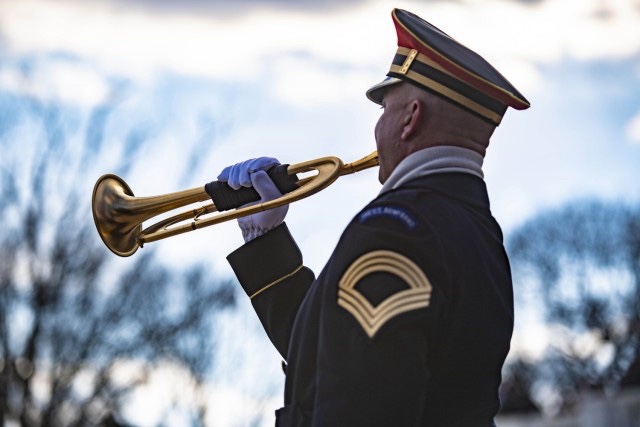
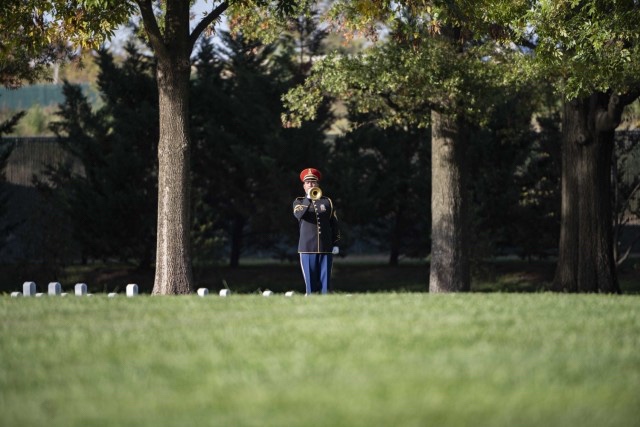
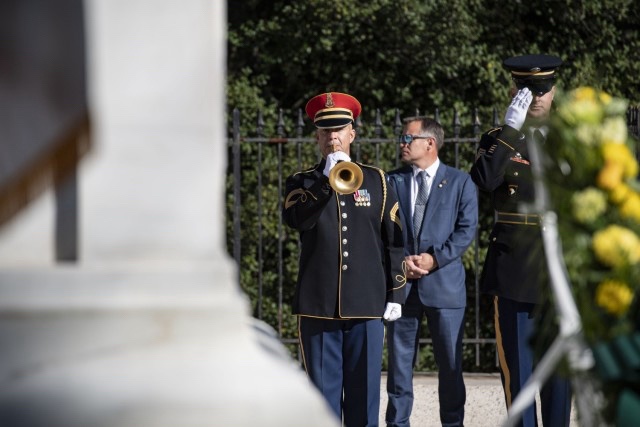
ARLINGTON, Va. — During wreath laying ceremonies at Arlington National Cemetery’s Tomb of the Unknown Soldier, Master Sgt. Matthew Byrne marches out to the Tomb, brings his bugle to his lips and slowly sounds out the 24 notes of the bugle call, “taps.” When finished, he tucks the bugle under his arm, salutes and marches away.

As one of the Army Band’s trumpeters, Byrne plays the bugle at events around the cemetery and Military District of Washington events in the nation’s capital and throughout the country. He has sounded taps at funeral services for dignitaries such as Gen. Colin Powell and Sen. Bob Dole, as well as ceremonial wreath layings by various world leaders.

Byrne, from Long Island, New York, began playing the trumpet in elementary school after hearing the theme to the movie “Rocky,” called “Gonna Fly Now.” After graduating from Ithaca College, he spent six years teaching music at elementary and middle schools in New York and Connecticut before returning to the University of Louisville to pursue a master’s degree in trumpeter performance.

In 2004, at the age of 29, Byrne learned of an opening for a ceremonial trumpeter in the Army Band, known as “Pershing’s Own.” He auditioned for the job and got it. After completing basic training at Fort Sill, Oklahoma, he joined the band at Fort Myer, Virginia.

Even though Byrne has sounded, “taps,” thousands of times, he still strives to meet the Army Band’s high standards. “There are times that a note got chipped or “taps” was not up to my standards,” he said. “In Pershing’s Own, it’s done right.” Having sounded “taps” at funerals around the country, he knows that ANC is different. “Few places match the level of professionalism at Arlington,” he explained. “The amount of dedication to detail here is something special.”

Byrne has played “taps” in temperatures as low as 8 degrees and as high as 104 degrees, in all kinds of weather. The hottest was a change of command ceremony at Fort Belvoir, Virginia, where he had to stand on an unshaded field. “It was like standing in a convection oven that was blowing hot air through my wool uniform and high collar,” he said. The pain was most intense on his feet. “Those black shoes make it feel like your feet are cooking.”

Byrne tries to ignore the people around him while he plays, but he has noticed people’s reactions when he’s finished. “I’ve caught tough-looking biker dudes breaking down at the Tomb of the Unknown Soldier,” he said. “It’s a moving experience for a lot of people, especially if it’s their first time at the cemetery.”

Byrne tries not to let cameras or crowds distract him. Instead, he focuses the on the person being honored. Some of the hardest funeral services, he explains, are the ones with low attendance. “That struck me,” he said recalling a funeral attended by only a chaplain and an Arlington Lady. “It was difficult sounding ‘taps’ because it was too personal.”

The absolute hardest funeral services for Byrne, of course, are those for his fellow soldiers. “Those hit closer to home,” he explained, because of the emotional connections he experiences while sounding “taps.” “It’s odd to sit next to a person at work one day and they’re not there the next.”

In early 2021, the Army Band made Byrne its official Special Bugler. His first assignment was President Joseph Biden’s inaugural wreath laying at the Tomb of the Unknown Soldier. In attendance were the Bush, Obama and Clinton families. For Byrne, it was a true trial by fire. “There were a whole handful of people that I didn’t look at,” he remembered. When it was over, he received hundreds of texts and emails from worldwide admirers. “I received nice comments from the ‘who’s who’ of the trumpet world,” he said. “It was mind-numbing how many people viewed my performance.”


Byrne also enjoyed sounding “taps” when South Korean President Yoon Suk Yeol joined Biden in laying a wreath at the Korean War Veterans Memorial on April 25, 2023. The event was private, with no media or audience. Only the presidents and their spouses attended. “Opportunities like that are special and unique,” he said. “I have a front seat to history as it happens.”


Byrne loves what he does. “I can’t think of any other career that could be so emotionally and professionally satisfying,” he said. He enjoys his job so much that his car’s license plates read “24 Notes.” “It’s such a big part of what I do,” he explained. “Those who know, know.”

By Kevin M. Hymel, ANC Historian

FirstSpear Friday Focus – Honoring Our Veterans

Friday, November 10th, 2023

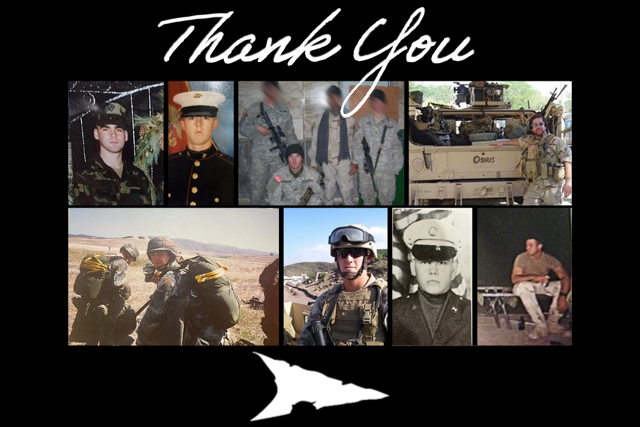
Today, we offer our deepest gratitude to the brave men and women who have served our country in times of war and peace. We honor their bravery, sacrifice, and steadfast resolve in the face of adversity. We are inspired by their selflessness and dedication to serving a cause greater than themselves. To all of the veterans who have served our country, we offer our sincerest thanks. Your contributions to our nation will never be forgotten.

The FirstSpear family is no stranger to the sacrifices made by veterans. Our team includes many veterans who have served our country with distinction. We are incredibly proud of their service and grateful for their contributions to our company.

We also wish a happy 248th birthday to the United States Marines Corps.

“You Have Arrived”: 1st Special Operations Command and the Birth of Modern ARSOF

Friday, November 10th, 2023


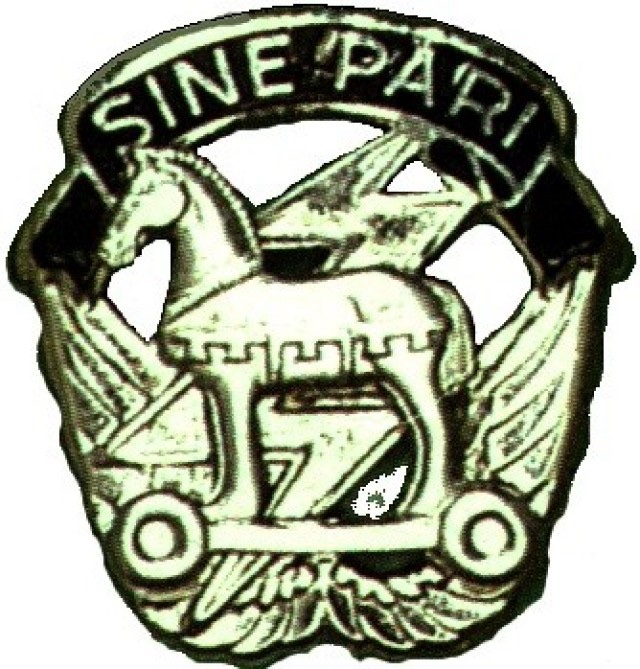
1st SOCOM distinctive unit insignia (Photo Credit: U.S Army)

On August 7, 1984, Maj. Gen. Joseph C. Lutz stood beside his wife Joyce in the shadow of the Special Forces Soldier statue, known to most as “Bronze Bruce,” and fought back tears while the 24th Infantry Division band played “Auld Lang Syne.” Fifteen minutes earlier, Lutz had passed the colors of the U.S. Army 1st Special Operations Command (1st SOCOM), which he had commanded since its founding two years earlier, to Maj. Gen. Leroy N. Suddath, Jr.


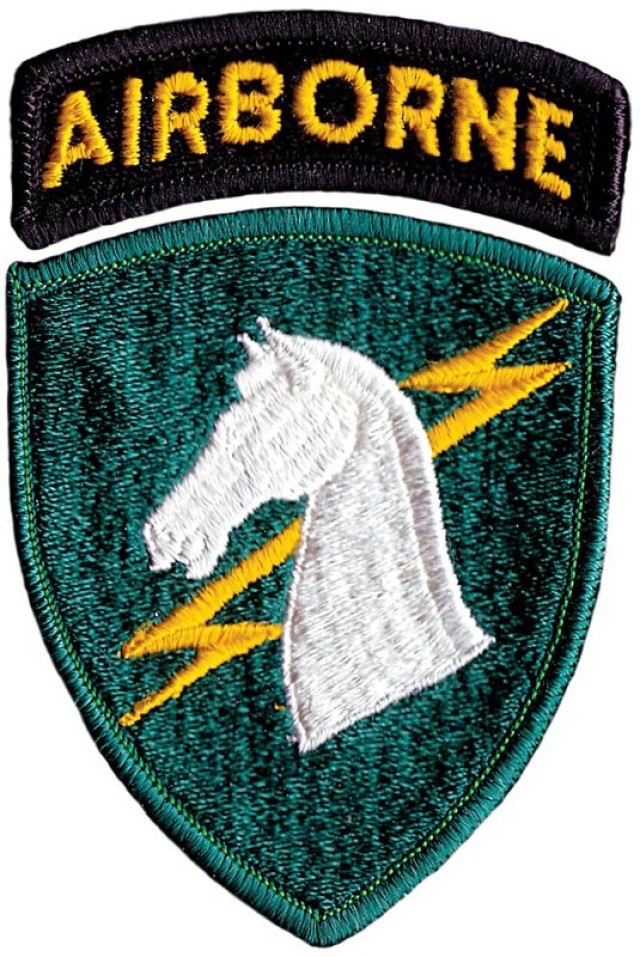
1st SOCOM shoulder sleeve insignia (Photo Credit: U.S Army)

Opposite the incoming and outgoing commanders stood a formation representing the Army Special Forces (SF), Rangers, Psychological Operations (PSYOP), and Civil Affairs (CA) units that came under the command of 1st SOCOM upon its provisional establishment on October 1, 1982, at Fort Bragg, North Carolina (known as Fort Liberty since 2023). Prior to that, no single command and control headquarters existed for all Army Special Operations Forces (ARSOF) units. Since then, the Army has not lacked one, with the U.S. Army Special Operations Command (USASOC) filling that role since December 1989.

“A Rocky Road”

General Robert W. Sennewald presided over the change of command ceremony, as the commander of 1st SOCOM’s higher headquarters, the U.S. Army Forces Command. In his remarks, he noted the rocky road that 1st SOCOM had travelled to get to where it was in August 1984. Without elaborating on the specific obstacles overcome by 1st SOCOM, Sennewald’s comments likely resonated with the Vietnam-era ARSOF leaders in attendance, including Lutz. After great sacrifice and exceptional valor in Vietnam, many ARSOF units endured force reductions and resourcing shortages in the aftermath of that war. By the late 1970s, ARSOF was reeling from years of neglect.


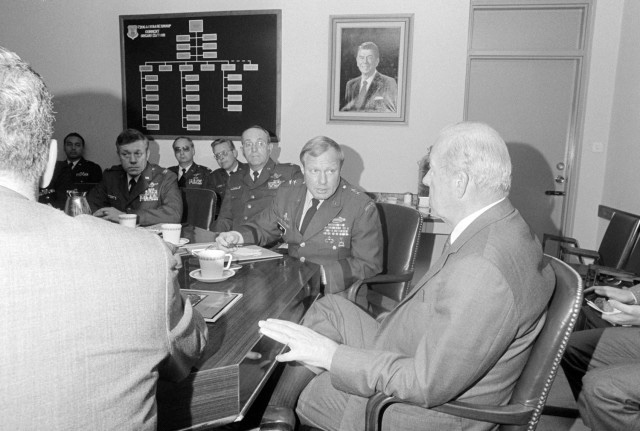
After leaving 1st SOCOM in August 1984, Maj. Gen. Joseph C. Lutz served as Chief of the Joint United States Military Aid Group to Greece. Here his pictured (second from right) briefing U.S. Secretary of State George Schultz (far right) at Hellenikon Air Base, Greece. (Photo Credit: NARA)

From his position as the Commander, U.S. Army John F. Kennedy Center for Military Assistance, Lutz had played a significant role in revitalizing ARSOF, and Army Special Forces, in particular. Under his leadership, the Center produced an Army-directed Special Operations Forces Mission Area Analysis that prescribed some of the most impactful changes to ARSOF in the 1980s, including the establishment of 1st SOCOM. Sennewald testified to Lutz’s impact, saying, “Our national leadership made a commitment to develop your capabilities, and General Lutz has been instrumental in bringing this commitment to reality.”

With a mission to prepare, provide, and sustain active-duty Army SF, PSYOP, CA, and Ranger units, 1st SOCOM was the first headquarters to exercise both administrative and operational control of the full spectrum of ARSOF. On Lutz’s watch, the command had fought a brief war on the Caribbean Island of Grenada (Operation URGENT FURY) and deployed mobile training teams to sixty-five countries, including such hotspots as El Salvador, Honduras, and Lebanon.


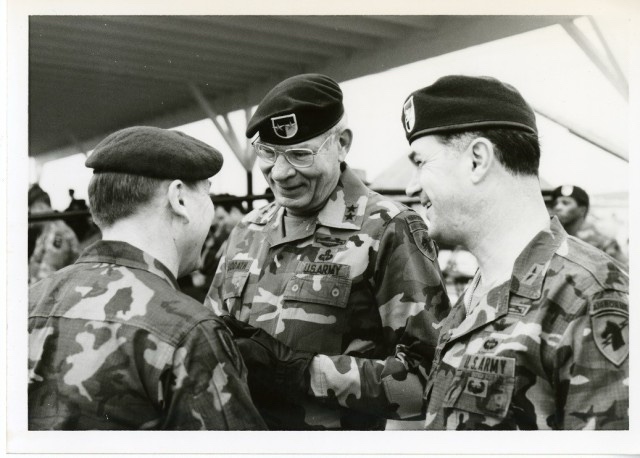
Maj. Gen. Leroy N. Suddath, Jr. (left) and Col. John N. Dailey (right) are pictured here at the October 1986 activation ceremony for the 160th Special Operations Aviation Group at Fort Campbell Kentucky (Image Credit: U.S. Army). (Photo Credit: U.S Army)

Under the leadership of Lutz and his successor, Maj. Gen. Suddath, 1st SOCOM continued to revitalize and expand ARSOF, reversing some of the post-Vietnam cuts and adding new capabilities. In 1984 alone, the command oversaw the reactivation of 1st Special Forces Group (SFG) and the addition of a Ranger Regimental headquarters and the 3rd Ranger Battalion. Early the following year, the Army transferred Task Force-160, a dedicated ARSOF Aviation unit, from the 101st Airborne Division to 1st SOCOM. This unit was reorganized into the 160th Special Operations Aviation Group (SOAG) in October 1986. 1st SOCOM also added two dedicated ARSOF Support units that year.

By 1987, when 1st SOCOM became the Army component of the newly established U.S. Special Operations Command (USSOCOM), its major subordinate units were the 75th Ranger Regiment; the 1st, 5th, 7th, and 10th Special Forces Groups; the 4th PSYOP Group; the 96th CA Battalion; the 528th Support Battalion; the 112th Signal Battalion; and the 160th Special Operations Aviation Group.

Toward a MACOM

In 1988, Suddath passed command to Maj. Gen. James A. Guest, an SF veteran of the Vietnam War who had previously commanded the U.S. Army John F. Kennedy Special Warfare Center and School and 5th SFG. Under Guest’s leadership, 1st SOCOM successfully advocated for the establishment of a Major Command (MACOM) for ARSOF. On December 1, 1989, the Army activated USASOC, under the command of Lt. Gen. Gary E. Luck, as the Army’s sixteenth MACOM.

Concurrently, 1st SOCOM became a major subordinate command of USASOC, responsible for all active-duty ARSOF, alongside the short-lived U.S. Army Reserve Special Operations Command taking command of all U.S. Army Reserve (USAR) and Army National Guard (ARNG) SOF units. Guest continued serving as 1st SOCOM commander through this transition period, during which the command rapidly deployed large contingents in support of Operation JUST CAUSE in Panama and Operation DESERT SHIELD in Saudi Arabia.

On November 27, 1990, 1st SOCOM was redesignated as the U.S. Army Special Forces Command (USASFC) and assigned the mission of equipping, training, and validating all Army Special Forces, including two ARNG and two USAR SF Groups. This arrangement persisted until 2014, when USASFC merged with active-duty PSYOP, CA, and ARSOF Support units to form the 1st Special Forces Command (Airborne), a division-level ARSOF headquarters under USASOC that commands and controls five active-duty and two ARNG SF groups, two PSYOP groups, a CA brigade, and a Sustainment brigade.

“You have arrived.”

It is difficult to see how organizations such as USASOC and 1st Special Forces Command would exist, had it not been for forward-thinking leaders like Joseph Lutz, Leroy Suddath, and James Guest. These three were the only commanders of 1st SOCOM, the first modern ARSOF headquarters.

Despite the long and sometimes rocky road back from the post-Vietnam doldrums, General Sennewald saw only positives in August 1984. “Today,” he said, “I am firmly convinced that road is part of history. If the words ‘you have arrived’ have meaning to anyone, they should have special meaning to the soldiers of 1st SOCOM.”

In the intervening four decades, ARSOF has continued to prove its value to the nation in myriad ways and innumerable places, in conflicts big and small, always striving to live up to the motto first adopted by 1st SOCOM in 1982: Sine Pari, meaning “Without Equal.” In his parting comments, Lutz expressed a sentiment shared by ARSOF leaders ever since when he said, “I want to thank General Sennewald and our Army for allowing me the privilege to command the greatest soldiers in the world.”

By Christopher E. Howard