Atrius Development Group

Archive for the ‘Guest Post’ Category

Midshipmen Test the Waters – Second IW Summer Cruise Underway

Saturday, September 3rd, 2022

The second annual Information Warfare (IW) Community summer cruise got underway in Suffolk, Va., in early June with the first of three waves of U.S. Naval Academy (USNA) First Class Midshipmen touring various IW commands.
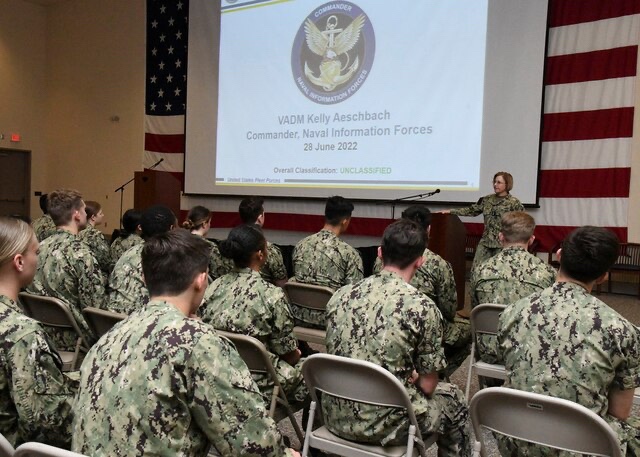

Vice Adm. Kelly Aeschbach, commander of Naval Information Forces, welcomes U.S. Naval Academy midshipmen on their first day of the 2022 Information Warfare (IW) Community Cruise. Midshipmen will tour various commands throughout the week and see first-hand how the IW enterprise broadly impacts the Navy. Naval Information Forces generates, directly and through leadership of the IW Enterprise, agile and technically superior manned, trained, equipped and certified combat-ready Navy Information Warfare forces to ensure our Navy will decisively deter, compete and win in today’s strategic competition. (U.S. Navy Photo by Robert Fluegel/Released)

Designed to fully explore how fleet-wide IW capabilities underpin all other warfighting operations, the Midshipmen took a deep dive in each of the IW disciplines:  Cryptologic Warfare (CW), Cyber Warfare Engineer (CWE), Information Professional (IP), Intelligence (Intel), and Meteorology and Oceanography (METOC).  This firsthand look at real-world environments and speaking directly to IW Community officers prepared the midshipmen for service selection week.  The goal is to have the IW Community make a strong, positive impression on the midshipmen to help them decide if a career in IW is right for them, and then select which strand of IW is the best fit.

Each wave of the IW Community Cruise started with Core Week, during which Midshipmen collectively received briefings and visited various IW commands in Hampton Roads.  The first welcome brief was presented by Rear Adm. Michael Vernazza, then commander, Naval Information Warfare Development Center (NIWDC).  Vice Adm. Kelly Aeschbach, Commander, Naval Information Forces (NAVIFOR), made the next two presentations.  Vernazza and Aeschbach, both Intelligence officers, delivered a unified message to each group of midshipmen. 

“In today’s environment, we are in constant competition with our adversaries, and in every fight, information warfare is and will continue to be constantly in demand,” said Aeschbach. “It will be you who will lead our Navy into the next generation of IW, leading the charge for the next wave of critical thinking and problem-solving for the Navy. I encourage you to learn, ask questions, and be curious as you see firsthand over the next few weeks what IW brings to the fight.”

The welcome brief was held at the joint Navy Cyber Defense Operations Command (NCDOC) / Naval Network Warfare Command (NNWC) building in Suffolk, Va.  There the midshipmen toured the joint watch floor and discussed NCDOC’s mission priorities, which included the Navy Red Team that tests the Navy’s networks for vulnerabilities.  NNWC – conducting vulnerability assessments of Navy networks to reduce risk to the DoDIN-N, or DoD Information Networks – Navy – was also a topic.  Additionally, the midshipmen learned about the cloud watch floor charged with ensuring a secure migration of all NMCI accounts to a cloud-based platform that works in conjunction with Microsoft.  Between the two commands, the touring midshipmen learned about the hand-in-hand working relationship with the Fleet in exercises, operations, and for network compromises. 

MIDN Michael Schaefer capsulized the intent of the IW Summer Cruise.  “I am cleared for either Intel or CW, so I desire to know about both and what they do on any given day,” Schaefer said.  “I want to see how well I can keep up with that day-to-day life as that’s an important part of learning about a community.”

Throughout the three-week experience, each block of Midshipmen toured a combination of commands, ships and squadrons in the Hampton Roads area that included Fleet Weather Center Norfolk (FWC-N); U.S. Fleet Forces Maritime Operations Center (FFC MOC); Navy Expeditionary Intelligence Command (NEIC); Naval Special Warfare; Naval Computer & Telecommunications Area Master Station Atlantic (NCTAMS LANT); and various ships and squadrons. 

Capt. Erin Acosta, commanding officer of FWC-N, outlined how meteorology and oceanography plays a major role in naval operations and explained the capability Naval Oceanography brings to the Fleet. “Equally as important is how we integrate with the larger IW enterprise,” said Acosta.  “It is wonderful to see our Sailors, both enlisted and officers, and civilians interact and teach these future leaders how we do our job at the Weather Center.”

After the brief, the midshipmen toured the FWC watch floor to get a feel for a day in the life of a METOC officer.  “The visit provides the midshipmen an excellent opportunity to ask questions and to assist them in making an informed career decision.  Every Sailor is a recruiter and my team did an amazing job hosting the midshipmen,” said Acosta, a class of 2000 USNA graduate.  “I’m blown away by the talent and diversity of these future officers.  I am truly excited for them and for the Navy.”

After Core Week, the midshipmen splintered off into Strand Week.  The length of this part of the IW Community Cruise lasted from one to two weeks, depending on the chosen designator.  Some midshipmen remained in the Hampton Roads area while others headed to Fort Meade, Md.  Commands toured in the Maryland area included Fleet Cyber Command / 10th Fleet and their MOC watch floor; Office of Naval Intelligence; Cryptologic Warfare Group SIX; Navy Cyber Warfare Development Group, and Defense Special Missile and Aerospace Center.

USNA’s Class of 2023 is the second to participate in the IW Cruise, and the experience was well received, according to Midshipman 1st Class Kristofer Gamalong Medina, who embarked on the IW Cruise with the intent of continuing in the CW community.  “I’ll stay with my choice of designator (CW).  As a prior enlisted Sailor, Cryptologic Technician Technical, I had only seen CW on a tactical level,” said Medina.  “But learning how we affect the national scale was mind blowing to me.  I was fascinated by the type of people leading those missions, the information we find, and how we can make an impact on the bigger picture of naval warfare.”

Of the IW Cruise overall Medina said, “The most beneficial part was seeing the different applications all the communities had.  I did not know that there were so many divisions that focused on different things, and that they relied on each other to create the best picture for the warfighters.”

The IW Community Cruise is an annual event, divided into two or three blocks to allow for maximum participation.  This year the last wave included three Recruit Officer Training Command (ROTC) students.  Midshipman 1st Class Tai T. Nguyen, a University of Southern California ROTC student, stated in his biography, “I always wanted to work in the field of cyber security for its intellectually challenging mission, which is to stop foreign cyber threats to the United States.  Therefore, becoming a cyber warfare engineer is my dream job.”

NAVIFOR’s mission is to generate, directly and through our leadership of the IW Enterprise, agile and technically superior manned, trained, equipped, and certified combat-ready IW forces to ensure our Navy will decisively DETER, COMPETE, and WIN.

For more information on NAVIFOR, visit the command Facebook page at www.facebook.com/NavalInformationForces or the public web page at www.navifor.usff.navy.mil.

FirstSpear Friday Focus: FS Launches New Hats

Friday, September 2nd, 2022

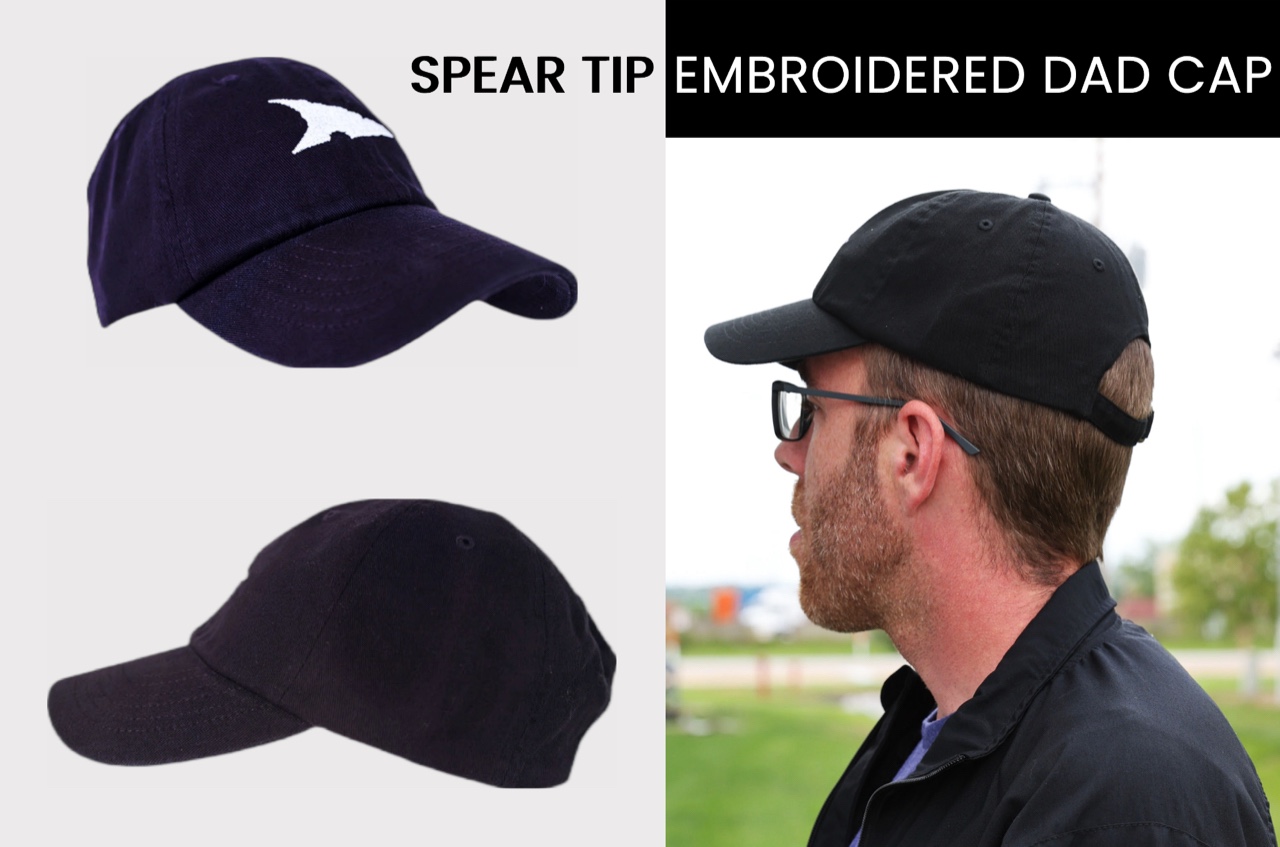
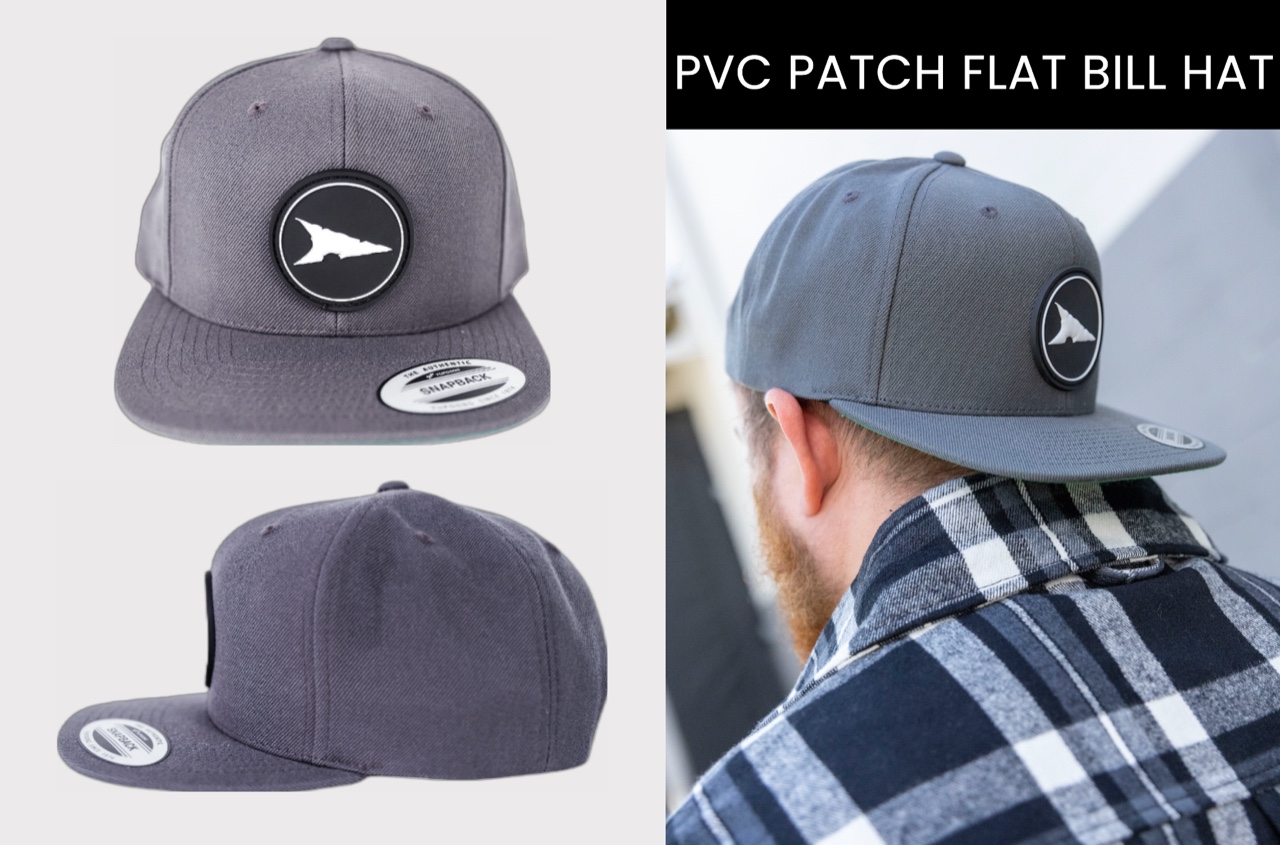
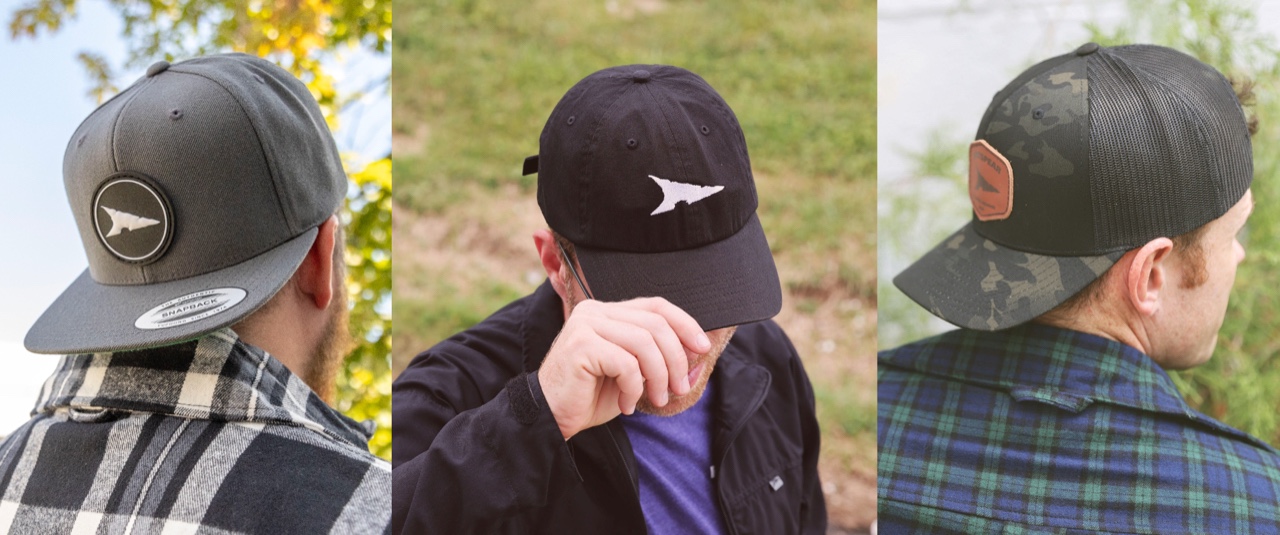
The new line of FirstSpear hats has you covered for every occasion.

www.first-spear.com/multicam-black-trucker-hat

www.first-spear.com/dad-hat

www.first-spear.com/icon-speartip-flat-bill

Visit FirstSpear to find all the gear and apparel for America’s Warfighter.

Soldiers Test Integrated Augmented Reality Tech with Stryker Vehicles

Friday, September 2nd, 2022

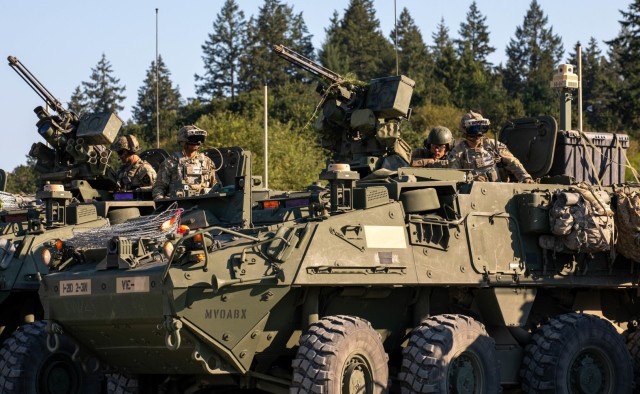
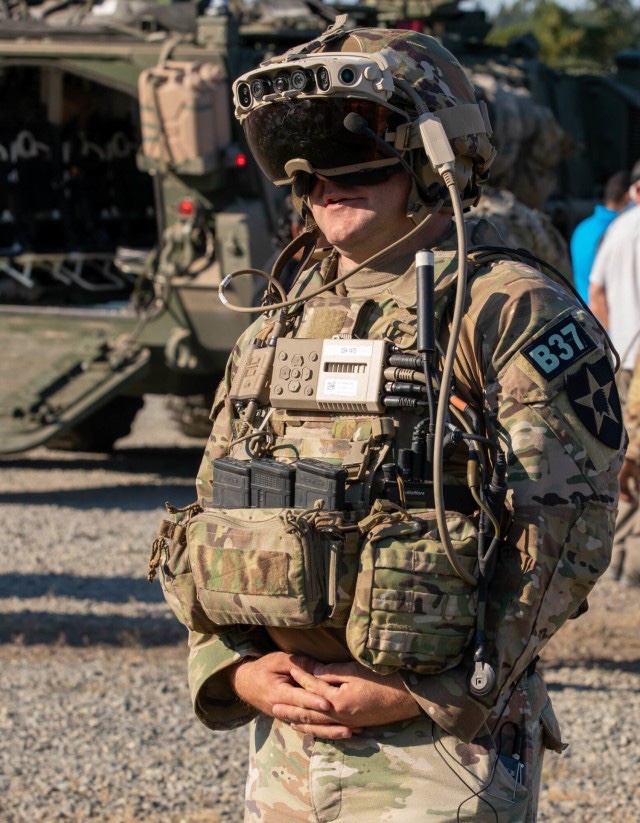
JOINT BASE LEWIS-MCCHORD, Wash. — The Program Executive Office for Ground Combat Systems hosted a two-day demonstration event at JBLM August 24 and 25, highlighting state-of-the-art communications and visual augmentation technology integrated into U.S. Army Stryker armored vehicles as well as Soldiers’ individual combat gear.

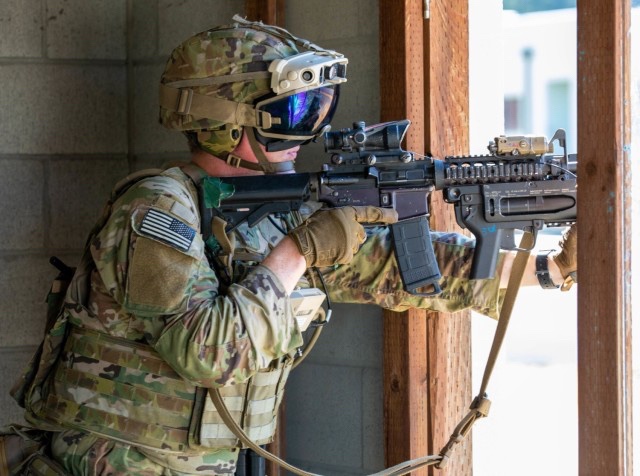
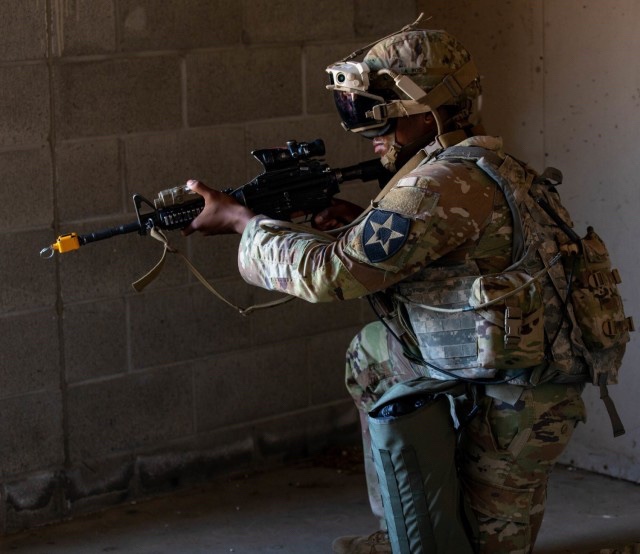
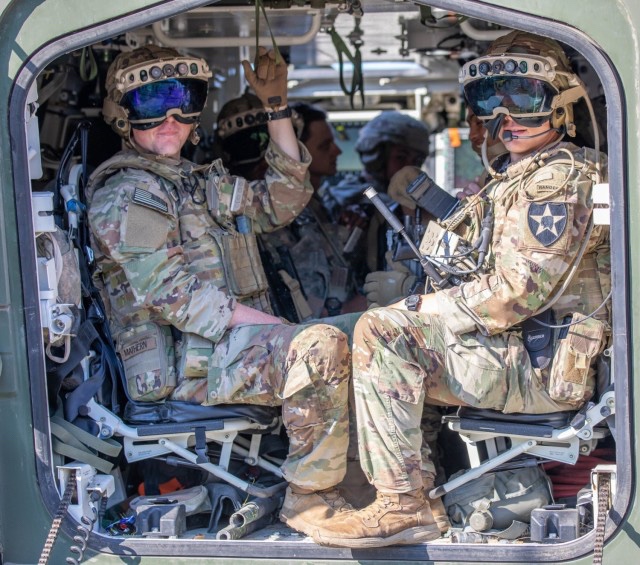
The event was part of the ongoing development of the Integrated Visual Augmentation System — or IVAS — based on Microsoft’s existing HoloLens 2 technology that has been tested by Soldiers since 2019. The IVAS system is an augmented reality goggle that provides Soldiers with real-time battlefield information such as enemy and friendly locations, navigation information, and high-resolution night and thermal vision.

IVAS’ capability is being significantly expanded with the latest iteration, according to David Morris, Ph.D. and lead network engineer for MITRE Corporation’s Army Platforms Division.

“The major new technologies we’re experimenting with today are the Tactical Scalable MANET waveform, which is bringing data down to the forward tactical edge to the dismounted Soldiers and to the vehicles, and connecting those systems together so that everybody has awareness of where the others are,” Morris said. “You can send messages, lay down graphic overlays, mission data, et cetera, so that you’ve got better capability that previously was only available up at the command post.”

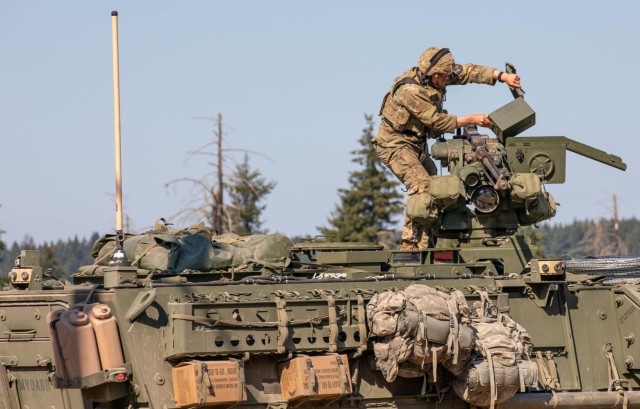
High-quality camera systems were also integrated into the Strykers and linked with IVAS, said Morris.

“The other piece we’re adding is 360-degree situational awareness,” said Morris. “We’ve added a variety of cameras to supplement the existing vehicle cameras. So instead of just having the gun camera and the relatively small forward and reverse cameras, now we’ve got high-end cameras all the way around the vehicle with both day and night vision. The Soldiers wearing the new IVAS technology are able to use those cameras and access them while they’re en route to mission. Instead of staring at a blank steel wall, they can keep up with what’s going on around the vehicle. They can also switch to a tactical map mode so they can see what’s going on around their broader mission area.”

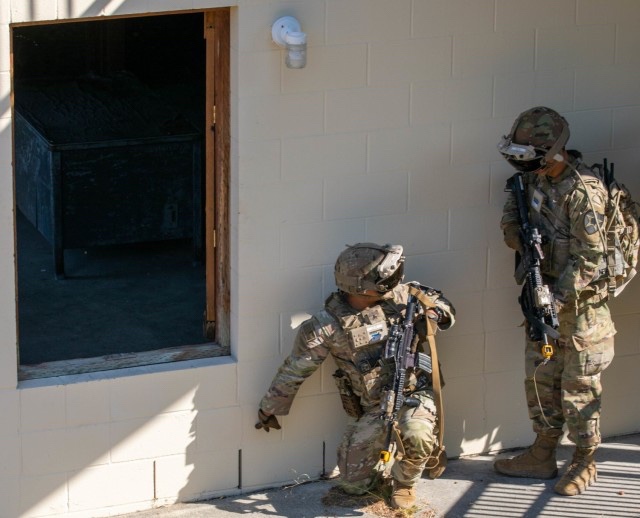
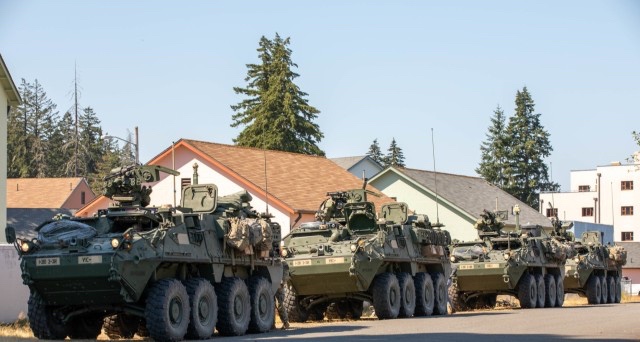
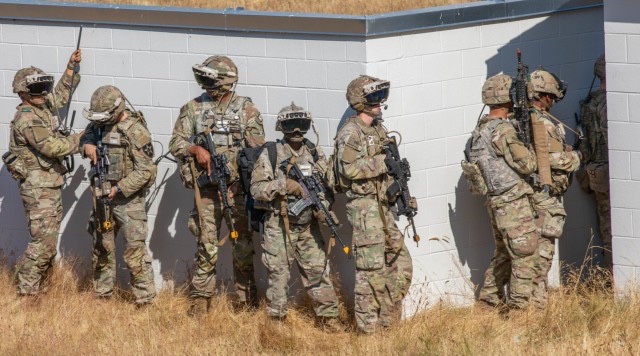
The culminating event of the demonstration involved a platoon task force of five Stryker vehicles operated by 3rd Platoon, Blackhorse Company of 2-3 Infantry Regiment, 1-2 Stryker Brigade Combat Team carrying infantry Soldiers on a movement-to-contact and urban raid mission to seize and clear a building in Leschi Town, a training range at JBLM.

An operation of this size previously would have been conducted with a larger company-sized force, but the new expansion of IVAS increases capability such that one platoon can carry out the mission, according to Phillip Landan, assistant program manager and product lead for Ground Combat Product Integration.

Putting new tech into Soldiers’ hands during the product development stage and conducting simulated combat exercises like these enables developers to reduce cost, schedule, and performance risks, validate prototype installation and interoperability, and capture Soldier feedback to improve future designs, according to Program Executive Office for Ground Combat Systems.

Soldiers were given several surveys to fill out following each training exercise along with conducting after-action review meetings, giving direct feedback to the various offices and companies who are developing the systems so that their input can be used to improve the final product.

The increased capability was generally well-received by the Soldiers testing out IVAS, who have been training on it for the past two weeks leading up to the demonstration.

“When all doors and hatches in the Stryker are closed, I can see 360 degrees around my vehicle to check for IEDs, check where my other vehicles are and check their movement, and all of that has been a huge asset to us these last two weeks,” said Sgt. 1st Class Kyle Williams, third platoon leader for Blackhorse Company. “The situational awareness that I’m able to gain at a leader level from being able to see the icons for where all my [Soldiers] are means I can do route planning, I can do mission planning, I can publish graphical overlays, I can navigate with literally a turn-by-turn navigation feature, and I can send messages back and forth to the members of the platoon.”

This means that every Soldier can better contribute to accomplishing the mission, said Williams.

“It greatly enhances our ability to operate.”

By SPC Chandler Coats

Army, Academia Collaborate on Exoskeleton to Reduce Soldier Injuries

Thursday, September 1st, 2022

ABERDEEN PROVING GROUND, Md. — An unpowered exosuit designed to reduce the physical demands placed on Soldiers is one step closer to adoption after prototypes earned passing grades from more than 100 Soldiers at three Army posts.

According to the U.S. Army Public Health Center, low back injuries result in more than one million lost or limited duty days for Soldiers each year.

The Army’s Pathfinder program — led by a collaborative team of Soldiers from the 101st Airborne Division at Fort Campbell, Kentucky, and engineers at Vanderbilt University — brought about the design and testing of unique, exoskeleton prototypes to augment lifting capabilities and reduce back strain for sustainment and logistics operations.

The research and development of the soft, lightweight, unpowered exoskeleton, called the Soldier Assistive Bionic Exosuit for Resupply, or SABER, has moved from the Pathfinder team to the U.S. Army Combat Capabilities Development Command Soldier Center, or DEVCOM SC. The DEVCOM SC team is preparing the suit for manufacturing and robust field trial use by the Army.

The Pathfinder program is a congressional initiative to advance the Army Futures Command’s modernization goals and support the innovation of Soldier-inspired, research-based technologies like SABER. DEVCOM officials said they leverage the program to connect Soldiers with its global science and technology network, which ranges from fundamental research to advanced technology upgrades to already fielded equipment.

“By engaging Soldiers earlier in the research and development process, we are able to make them aware of emerging research and technologies that academia can provide to help meet their needs,” said Dr. Arwen DeCostanza, Pathfinder program manager. “Collaborative projects like this one, yield discoveries and future outcomes by capitalizing on the creativity of Soldiers, faculty, students, industry partners and the Army science and technology community.”

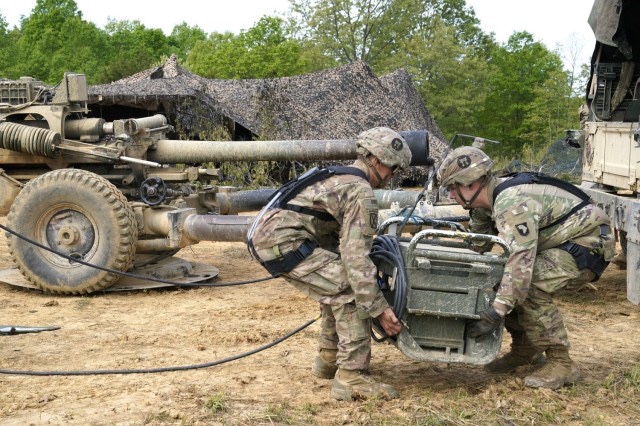
Working with Soldiers in the 101st Airborne Division, researchers at Vanderbilt designed SABER as a wearable device that is soft, lightweight and form fitting. This unmotorized device can be selectively engaged by the Soldier to assist lifting capabilities.

The exosuit design addresses needs identified by the Soldiers, such as aiding strenuous lifting tasks like ammunition resupply and reducing injury and fatigue, critical to readiness over sustained periods.

“We spent the first few months focused on interviewing, observing and spending time with Soldiers,” said Dr. Karl Zelik, associate professor of mechanical engineering, Vanderbilt University. “We didn’t try to create Iron Man — a complex, full-body, rigid, unrealistic suit. Instead, we started by deeply understanding Soldier needs to develop a lightweight, low-profile, non-powered wearable tool that helps provide much-needed assistance without slowing Soldiers down or interfering with other operational tasks.”

To develop the idea for this project, Vanderbilt engineers engaged Soldiers in frequent interviews, design sprints and field tests to identify critical problems hindering their daily duties in the field. Physical overexertion stood out as a problem in need of a rapid solution.

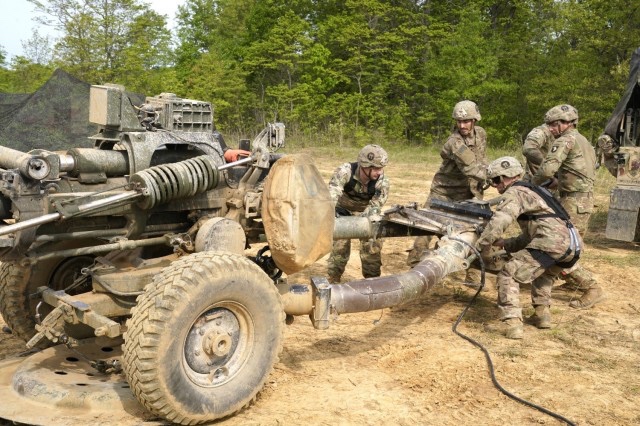
To address strength and endurance limitations associated with material handling and field artillery, Vanderbilt researchers, engineers, technology translation experts and other military partners — working alongside Soldiers — took an exoskeleton technology Vanderbilt had previously designed for commercial use and spent a year of iterative development and testing to transform it into the SABER system.

In designing the system, the team focused on extended use of the suit during critical tasks to address Soldier load and movement issues.

More than 100 Soldiers participated in testing of the exosuit at three different bases, reporting less back strain and greater endurance while wearing SABER prototypes.

“Over the course of the day, lifting 60-pound rounds you get worn out, especially after hours. It takes a toll on your body,” said Pfc. Dale Paulson, 101st Airborne Division. “Wearing the suit really helped a lot, especially with getting the rounds out of the back of the truck. It felt like it gave me an extra boost. I didn’t have to work as hard. I feel like it helped me move quicker.”

Biomechanical evaluations revealed that the three-pound suit reduced stress on Soldiers’ backs by more than 100 pounds while lifting. Additionally, most Soldiers increased their endurance by over 60 percent while wearing SABER.

An overwhelming 90 percent of Soldiers surveyed after operational field testing in May 2022 believed the exosuit increased their ability to perform job tasks, and all of them reported that they would be likely to wear it for their job if it were developed into a product and made available to them.

DEVCOM Army Research Laboratory, in cooperation with DEVCOM SC, is providing funding to HeroWear, a Nashville-based industrial exosuit manufacturer and to Vanderbilt University to iteratively design and fabricate dozens of pre-production units in late 2022, with the goal to ramp up to hundreds of units in 2023.

DEVCOM SC will also conduct field demonstrations for critical stakeholders, getting the technology in the hands of the 101st Soldiers and other units, while simultaneously working a broader transition path.

“We were extremely proud to be recognized by our fellow DEVCOM and AFC leads as partners of choice in understanding the technology, and how to introduce this game-changing capability to Soldiers,” said Dave Audet, chief, systems division, DEVCOM SC. “Our on-going DEVCOM Soldier Center exoskeleton program and collaboration with Vanderbilt made it possible to accelerate technology modification and a successful transition from [the Army Research Laboratory] to Soldier Center.”

The DEVCOM Army Research Laboratory manages the Pathfinder program in close partnership with the DEVCOM Armaments Center. Civil-Military Innovation Institute executes the Pathfinder program on site at each military location and facilitates the interactions between military and universities.

Universities in North Carolina, Tennessee, West Virginia and Montana are working with the 82nd and 101st Airborne Divisions — both under XVIII Airborne Corps — several Special Operations Groups and West Virginia and Montana National Guard units, to identify and rapidly solve Soldier challenges and accelerate the transition of those solutions into the Army.

By DEVCOM Public Affairs Office

U.S. Special Operations Command Holds a Change of Command Ceremony

Wednesday, August 31st, 2022

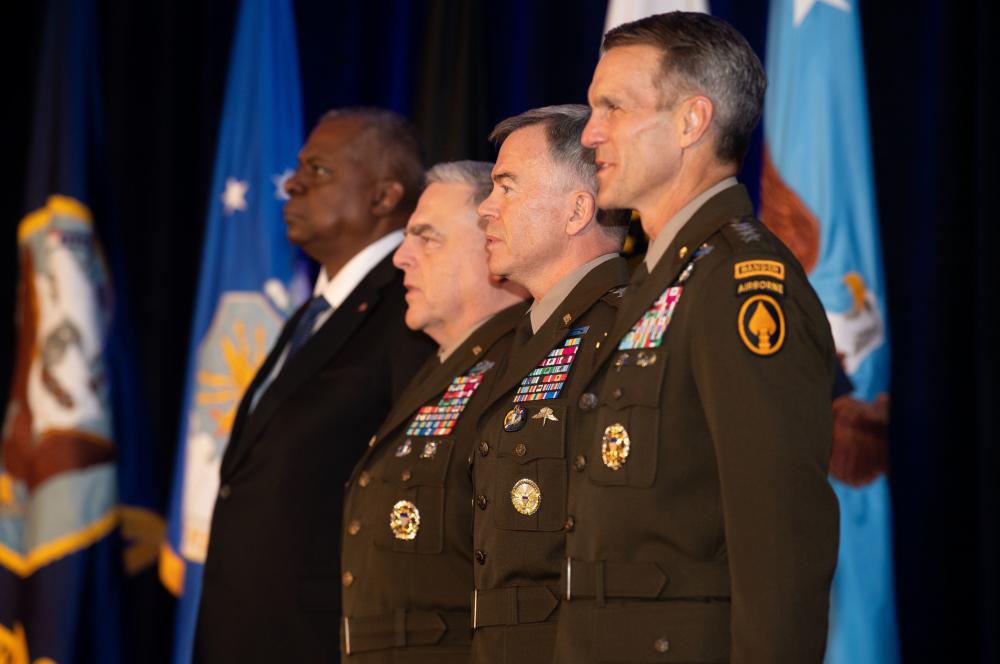
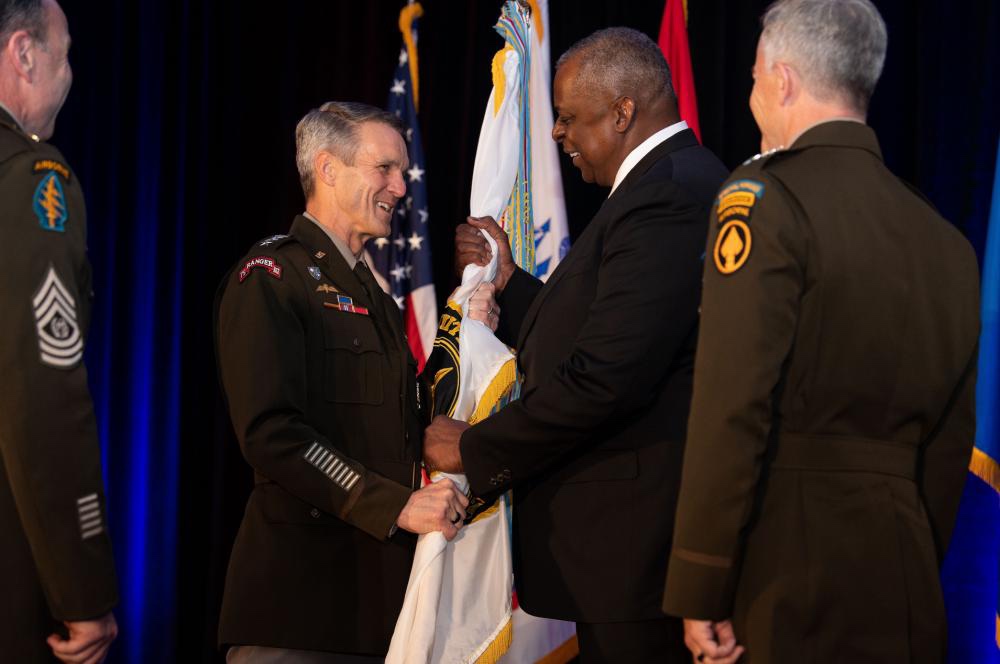
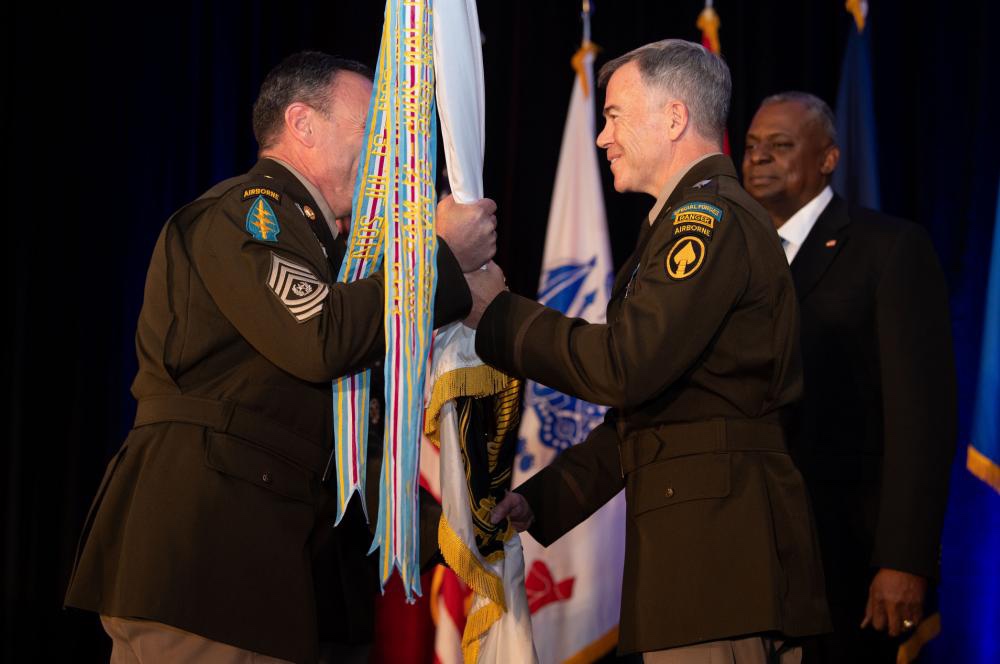
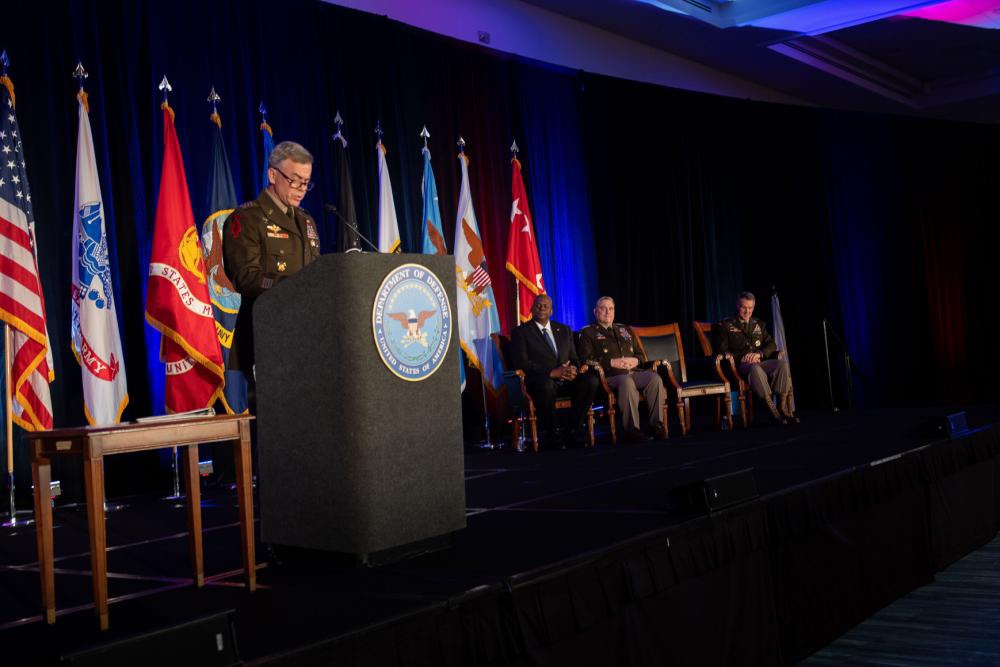
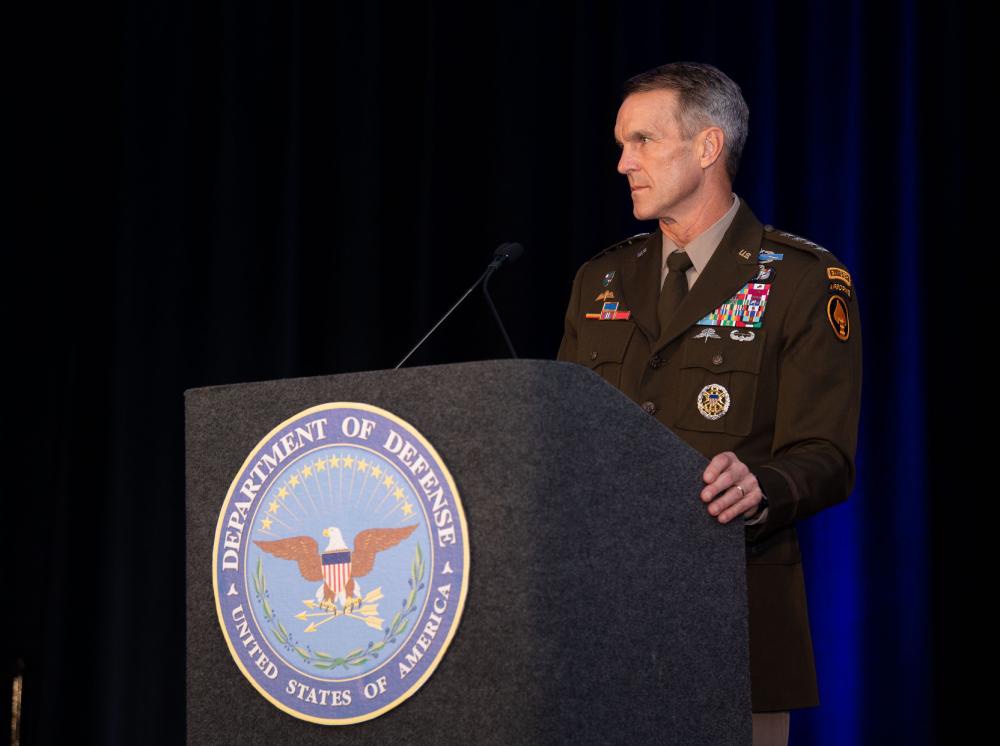
TAMPA, Fla. – U.S. Army Gen. Bryan P. Fenton assumed command of U.S. Special Operations Command from outgoing commander Gen. Richard D. Clarke during a change of command ceremony at the Tampa Convention Center today. General Fenton previously served as the commander of Joint Special Operations Command in Fort Bragg, N.C.

Secretary of Defense Lloyd J. Austin III officiated the ceremony and Chairman of the Joint Chiefs of Staff, U.S. Army Gen. Mark A. Milley was the honorary guest speaker. Several senior defense leaders from the U.S. and international military partners; allies; USSOCOM’s component commanders; and other distinguished visitors were also in attendance.

“Bryan Fenton is the right leader,” said Milley. “He is the right leader at the right time, with right skills to lead this command. Like Rich Clarke, Bryan Fenton has the perfect blend of character, competence, and courage. He has all the right expertise and knowledge to take what Rich has done and take it to the next level.”

Fenton assumes command during an important transition for Special Operations, as large-scale deployments and operations in Afghanistan and Iraq have mostly ceased. Competition with Russia and China are the focus of current national strategy, as Special Operations Forces will be expected to build upon the global SOF network it forged during the Global War On Terror-era to support global integrated deterrence.

“General Fenton has served in and commanded at every level of Special Operations Forces,” said Austin. “He’s been a part of operations in nearly every region around the world and General Fenton has built up extensive expertise in the Indo-Pacific, In fact, he managed to get four consecutive assignments in Hawaii and it culminated in General Fenton becoming the first Special Operations officer to serve as the deputy commander at U.S. Indo-Pacific Command.”

Secretary Austin went on to say that Fenton embodies the first SOF truth – humans are more important than hardware, by focusing on people and creating an environment where people want to perform.

“In a command where ‘humans are more important than hardware,’ this is a day to pause for a moment and recognize the exceptional men and women who make up the United States Special Operations Command along with their incredible achievements,” said Fenton. “A day to pause, and note, that these SOCOM teammates – these quiet professionals who work tirelessly at home and abroad to keep our nation safe – are the comparative and competitive advantage of this command.”

“This team has been – and will continue to be – called upon to protect our country,” continued Fenton. “Even more so now at this crucial time with a National Defense Strategy outlining challenges with China, Russia, Iran, Al Qaeda and ISIS, to name but a few. Yet your Special Operations Forces ‘were born’ for challenges just like these. It’s in our DNA… has been since the beginning.”

Clarke leaves USSOCOM after commanding for three and a half years and retires after more than 38 years of military service. He commanded at every level of the 75th Ranger Regiment through his career and deployed to combat several times, serving in key leadership positions throughout the Joint Airborne and SOF community.

“Congratulations, Bryan. No one is more ready to lead our Special Operations community than you,” said Clarke, welcoming his replacement. “With a depth of experience in the Indo-Pacific, you’re already poised for our most pressing security challenges. I have watched you lead with enthusiasm and positivity. You have the vision, you have the experience, and most of all, you live and breathe our ‘1st SOF Truth: Humans are more important than hardware.’”

“Our people are without question the unmatched advantage of this command,” continued Clarke. “They’re innovative, they’re problem-solvers, and they are absolutely committed to keeping Americans safe at home and our Nation free.”

USSOCOM develops and employs fully capable SOF to conduct global special operations and activities as part of the Joint Force to support Combatant Command operations and campaigns against state and non-state actors to protect and advance U.S. policies and objectives.

Story by SGM Jason Baker 

Photos by GySgt Eric Alabiso II and Michael Bottoms

U.S. Special Operations Command

USAR P3O and Allegiant Air Sign Partnership Proclamation

Wednesday, August 31st, 2022

LAS VEGAS – The U.S. Army Reserve Command’s Private Public Partnership Office (P3O) and the Allegiant Travel Parent Company, the parent company of Allegiant Air, signed a partnership proclamation here on Thursday, August 25.

P3O director Ms. Alecia Grady and Allegiant Travel Company CEO John Redmond signed the proclamation. The proclamation declares that P3O recognizes Allegiant Air as a proud supporter of the U.S. Army Reserve and will assist soldiers and families in overcoming barriers to obtain meaningful employment or education opportunities to support mission readiness goals, enhance their financial stability and create connections with the community.

Army Reserve Ambassador Chris Schroeder, Civilian Aide to the Secretary of the Army Daryl A. Keithley, and representatives from 11th Battalion of the Army Reserve Careers Group attended the event. Those in attendance received a tour of the Allegiant Air operations center immediately following the proclamation signing.

Allegiant Air is committed to hiring veterans, service members, and their families. According to Redmond, over ten percent of Allegiant Air’s employees have served or are still serving. With the signing of the proclamation, partnering with P3 will help facilitate more hiring of Army Reserve Soldiers to Allegiant Air.

Allegiant was founded in 1997 and is certified by the U.S. Department of Transportation (DOT) as a “Scheduled Air Carrier” with authority to fly scheduled and charter airline operations throughout the U.S. The Company also has authority for charter service to Canada and Mexico.

Readers can find more information about the U.S. Army Reserve’s Private Public Partnership at www.usar.army.mil/P3 and Allegiant Air at https://www.allegiantair.com/about-allegiant.

P3O ensures Army Reserve soldiers are succeeding in their civilian careers which directly benefits the Army and the nation by bringing substantial value and depth to the force. More than 87% of the force integrates military service with civilian careers, providing the Army with professional skills, education and expertise acquired in the private sector.  Through collaboration with organizations offering job opportunities, and a nationwide network of corporate, profit/non-profit and academic partners, the Army Reserve’s Private Public Partnership Office is increasing its efforts to connect soldiers with internship, employment, and education opportunities.  P3O is leveraging technology, management tools, social networking platforms and hiring events to connect soldiers and families with employment opportunities.    

-Private Public Partnership Public Affairs

Exercise Distant Horizon Validates Indo-Pacific Sustainment Functions

Tuesday, August 30th, 2022

PATRICK SPACE FORCE BASE, Fla. (AFNS) —  

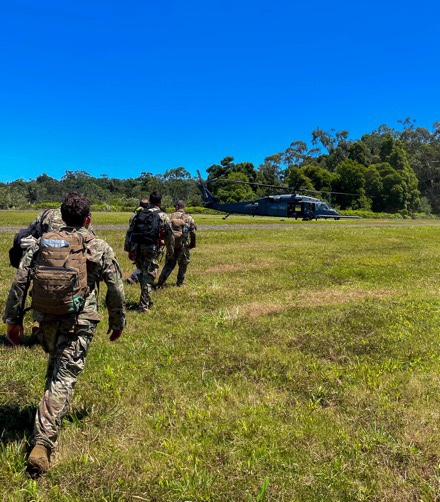
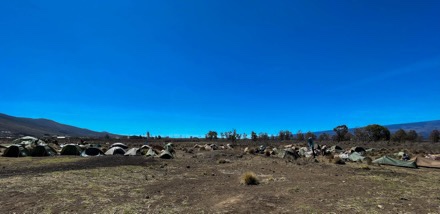
More than 140 sustainment and operations Airmen from the 920th Rescue Wing established a temporary contingency location, or TCL, in less than 24 hours at Patrick Space Force Base to conduct the wing’s exercise Distant Horizon, Aug. 1-10, which validated the multi-capable sustainment abilities of a Personnel Recovery Task Force, or PRTF, in the jungle environments of the Indo-Pacific region.

Distant Horizon is an annual exercise that prepares the wing’s PRTFs for global, untethered access, war, contingency, humanitarian, and in extremis operations around the world. These readiness requirements support the wing’s mission to plan, lead and conduct military rescue operations and missions to deny competitors and adversaries exploitation of isolated personnel.

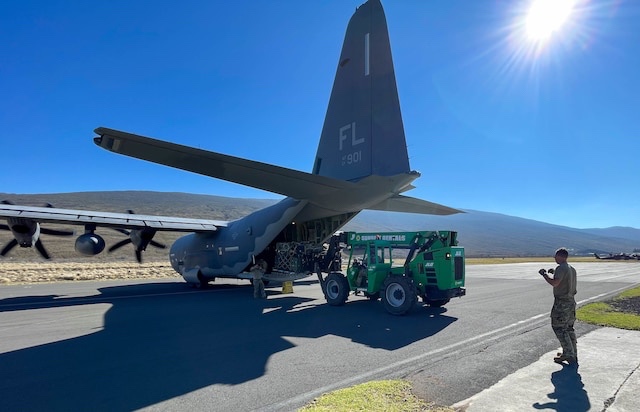
In less than one day, Airmen from every group in the wing were transported more than 4,700 miles to a remote island location that is part of the U.S. Army’s 25th Infantry Division training area. The PRTF loaded more than 130,000 pounds of aircraft, weapons, and equipment, and established a self-sustained encampment for a PRTF-Medium.

From the TCL, a group of sustainment, maintenance and operations Airmen established two separate initial contingency locations, or ICL, at geographically separated locations on another island where sites were established to support contingency activities. Using the wing’s organic intra-theater airlift, the team pushed advanced forces to four different geographically separated locations on multiple islands that covered more than 200-square-miles.

“When war occurs, the catalyst for battlespace success is our noncommissioned officers’ and company-grade officers’ ability to lead well in chaos,” said Col. John Dobbin, 920th Rescue Wing commander. “We conduct these exercises to test our wing leaders and maintain focus on the inevitables of war, which are: you will never have all the information, necessary resources, adequate manpower, nor enough money yet, fight you must.”


The PRTF structure distributes forces in light, medium and heavy configurations that can maneuver and sustain organically throughout all operating environments. In lockstep with the Air Force’s Agile Combat Employment applications, the new PRTF structure utilizes multi-capable Airmen from across the wing to provide both offensive and defensive capabilities during personnel recovery, contingency location establishment and intra-theater airlift operations. The PRTF-Medium supported in this exercise is composed of four Guardian Angel teams, four HH-60G Pave Hawks, two HC-130J Combat King IIs, and a contingent of special mission personnel.

Three HC-130Js from the wing provided airlift into theater teaming with a C-5 Super Galaxy from the 512th Airlift Wing, Dover Air Force Base, Delaware, and a C-17 Globemaster III from the 446th Airlift Wing, Joint Base Lewis-McChord, Washington. The wing’s HC-130s and one HH-60G Pave Hawk helicopter provided all the intra-theater airlift requirements between the ICL and TCL locations.

The lynchpin of the exercise was the sustainment team, made up of Airmen from the 920th Mission Support Group, where the logistics readiness squadron maneuvered 130 tons of cargo across multiple islands and four geographically separated locations while using organic airlift. They delivered more than 1,800 gallons of water and 500 gallons of fuel to sustain the TCL over eight days for more than 140 personnel. The force support squadron developed a new accountability system to track the position of all friendly forces and served 984 meals over six days from the Single Pallet Expeditionary Kitchen. The security forces squadron provided ICL and TCL defense to ensure all personnel and equipment were safeguarded 24/7 throughout the duration of the exercise. The communication squadron provided over-the-air reach back capability through multiple high- and low-tech systems where friendly forces mission-tracked forward operations while maintaining higher headquarters connectivity.

“These Airmen traveled 4,700 miles and found out what is required of them when they are pulled forward into a TCL or ICL in a combat environment,” said Maj. Traci Arnold, exercise and task force commander. “They stepped up to provide the four key elements for our forward deployed operations: food, ammo, fuel, and water. When we provide these for the PRTF, forward deployed operations don’t have to return to a rear location to resupply. They can continue the mission, which will save time and lives.”

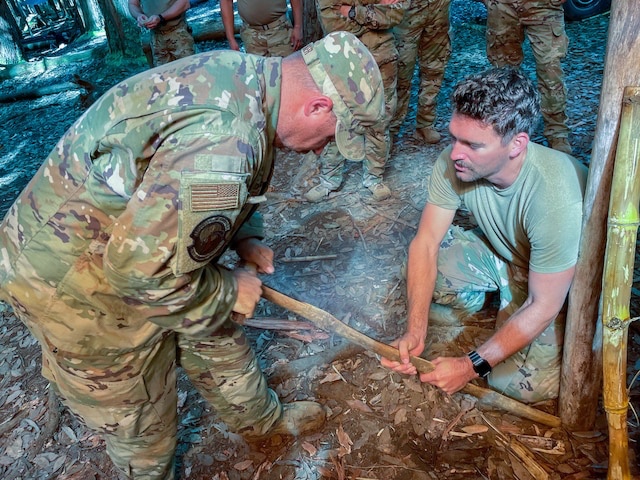
There were three primary areas of training on the ground that included jungle survival, base defense tactics, and medical response to a traumatic event with additional training in the use of radios, repositioning the camp for a hasty exfiltration, and other group leadership challenges.

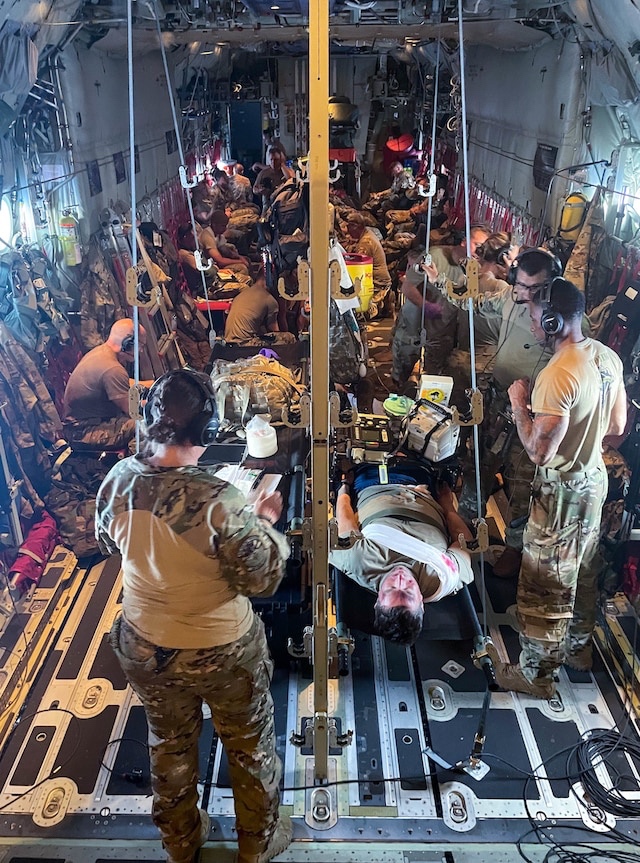
Medical personnel conducted training on Tactical Combat Casualty Care and patient movement and loading. They also trained on jungle survival techniques from survival, evasion, resistance, and escape, or SERE, specialists where they learned Indo-Pacific focused skills.

Airmen moved beyond their Air Force specialty codes while receiving specific training to support combat rescue operations. Security forces provided training on foot patrols, troop movements with contact to fire, reconnaissance, personnel detainment, search and interrogation, weapons handling, radio emission control discipline, and TCL security.

“We validated the capability to organically support our operational forces and to move cargo and personnel daily to and from an ICL. Each Airman is critical to the success of this mission and their AFSC does not matter. They are warfighters first,” Arnold said.

Story by Lt Col Ian Phillips

Photos SSgt Darius Sostre-Miroir

920th Rescue Wing

MATBOCK Monday – New LOW VIS Medical Pouch &

Monday, August 29th, 2022

MATBOCK has two new exciting products we are launching. Our first product is the LOW-VIS Med pouch. It was designed to hold the Phokus Research Low Vis trauma kit, and safely secures your medical supplies until you need it. The ambidextrous two flaps on either side allow easy access in a rush with no complicated snaps, cables, or buttons making it easier to repack and close while on the small of your back. The back of the pouch is made from our laser-cut Ghost material and has cuts to allow both vertical or horizontal belt carry and is ideal for low-vis operations. We also have a MOLLE Tegris adapter that can be purchased separately if you would rather MOLLE the MED pouch to your gear. The medical pouch can also be directly mounted to the Soteria belt cage using the horizontal belt pass-throughs or by using the MOLLE Tegris adapter. At a mere 1.6oz it’s simple, multifunctional, and clean. Color choices: Black or MultiCam.


LOW VIS Med pouch MSRP $60

LOW VIS Med pouch with MOLLE Adapter MSRP $100

www.matbock.com/products/low-vis-trauma-kit-medical-pouch

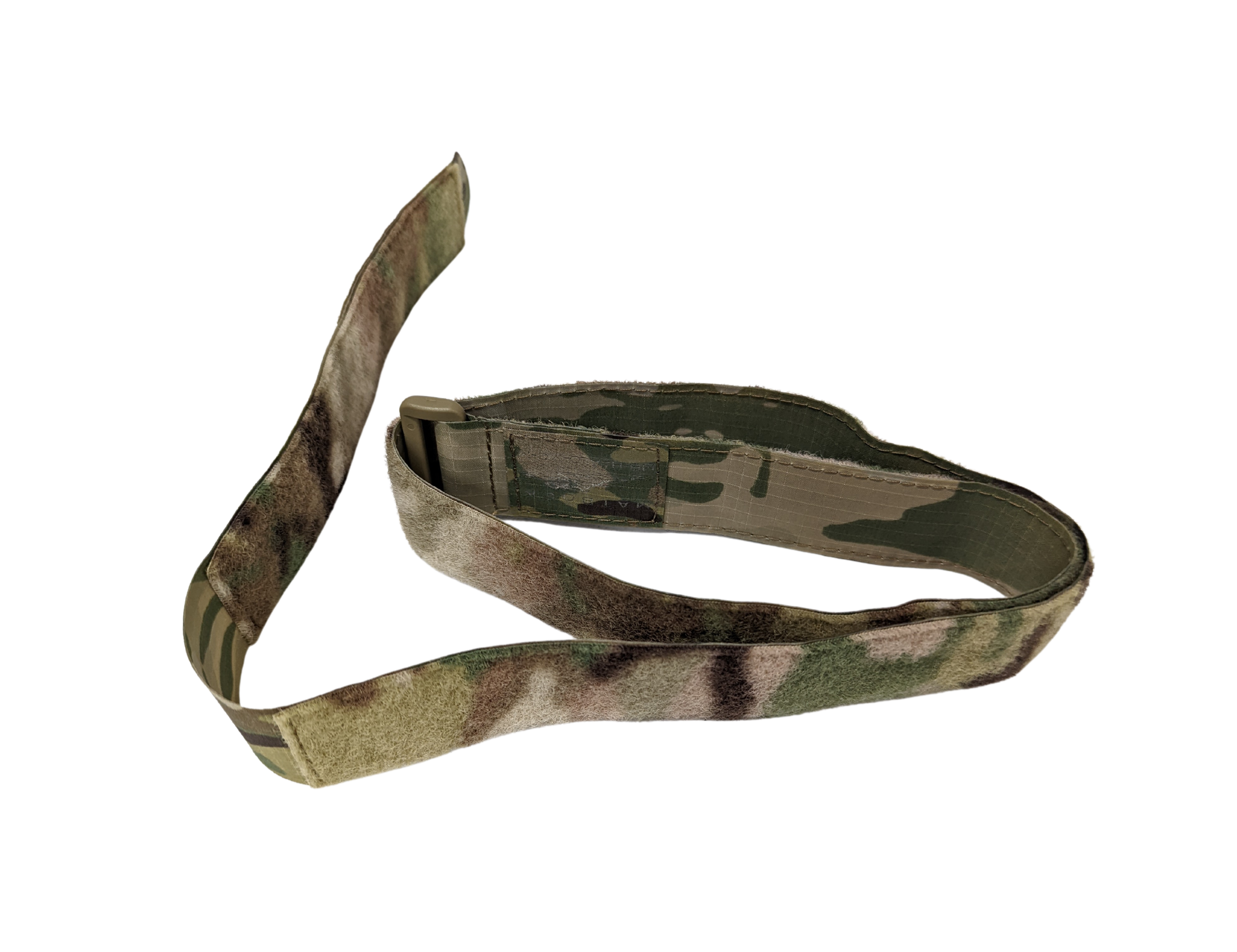
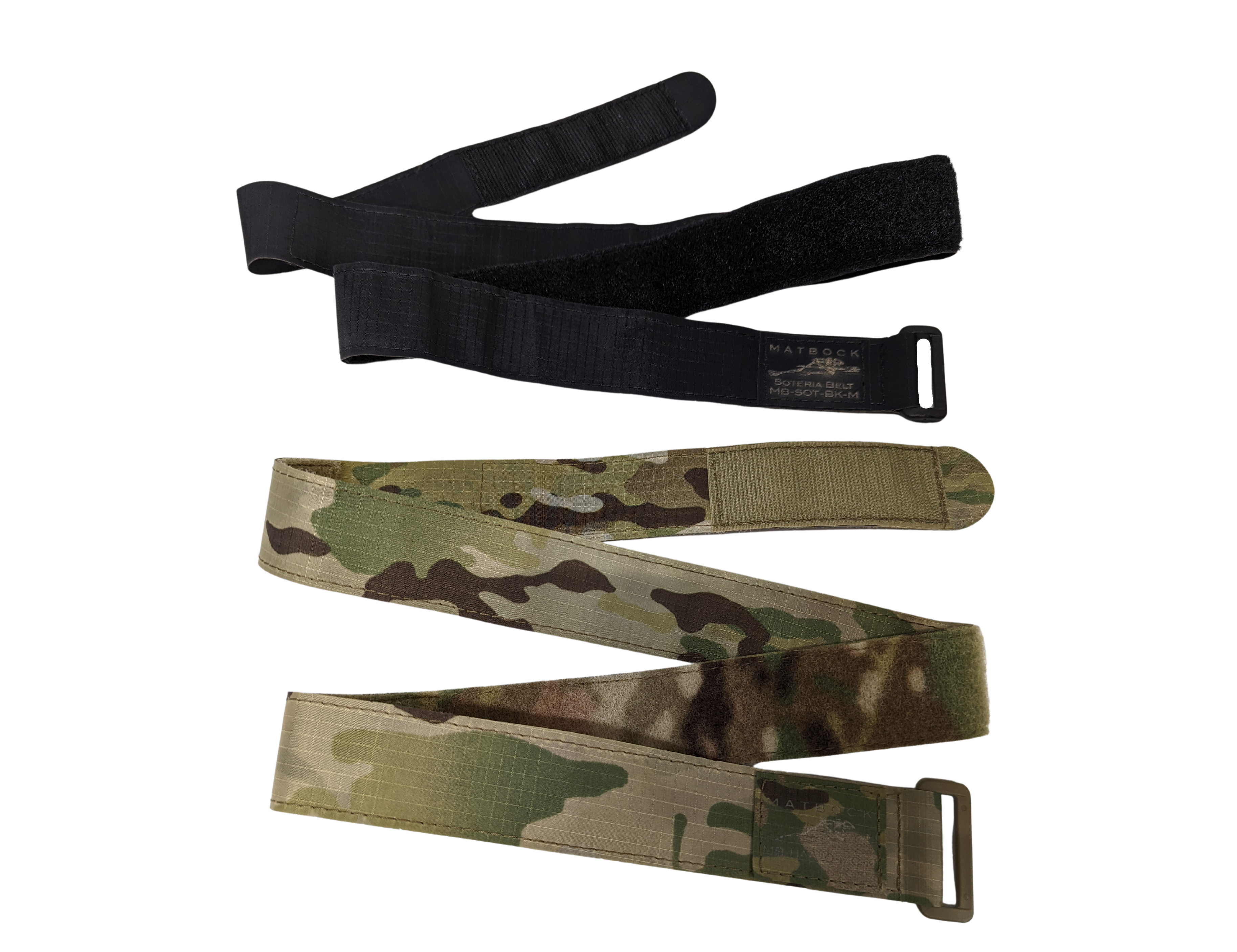
Our next item is our Inner belt. Weighing in at just 4 ounces, the MATBOCK inner belt is the lightest and most stylish belt on the market. Made with our hydrophobic / high strength GHOST material and pile Velcro, it is used as the inner belt for both our Soteria and H.A.A.L.O belt systems. We also sell this as a stand alone belt for everyday use or during Low-VIS operations. Color choices: Black or MultiCam.

Features:
– The belt is lightweight and low profile for use daily as a regular belt.
– Made from hydrophobic and high strength Ghost material
– 100% Made in the USA


INNER Belt MSRP $56

www.matbock.com/products/inner-belt