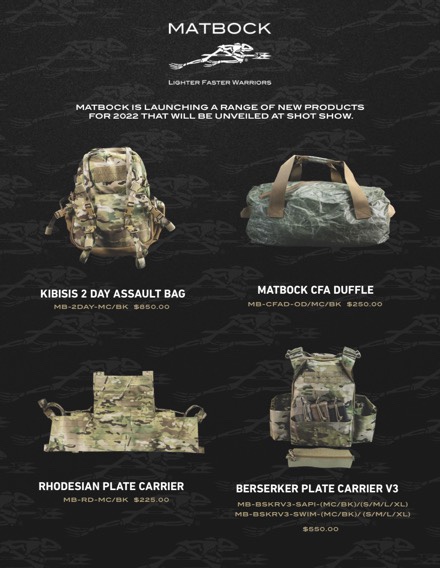
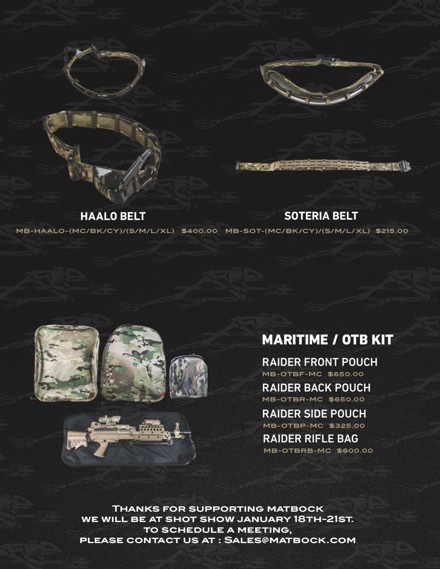
MATBOCK will be releasing 10 new products at Shot Show 2022 and here is a sneak peak of them.
To schedule a meeting at Shot Show, please contact us at: Sales@matbock.com
MATBOCK Ares: Welcome to War Video


MATBOCK will be releasing 10 new products at Shot Show 2022 and here is a sneak peak of them.
To schedule a meeting at Shot Show, please contact us at: Sales@matbock.com
MATBOCK Ares: Welcome to War Video
The RHINO Plate Carrier System is a sleek design for close-quarter tactical operations. It is proudly made in the USA and features durability, ballistic protection options, flexible sizing, and SOP adaptability.
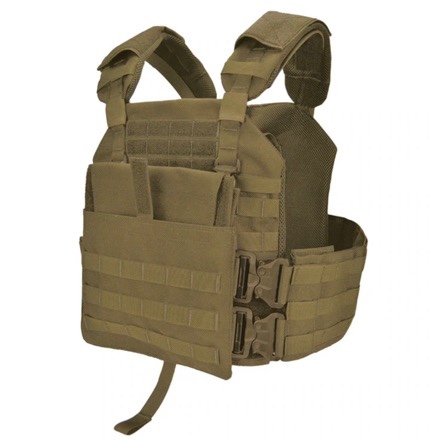
In terms of durability, the RHINO is constructed as a 1,000-denier Cordura® nylon carrier and comes with an industry-leading 5-year warrranty. It has an innovative drag handle that detaches from the system to reveal a 3’ tether and is fitted with a quick release rig using GT Cobra™ composite buckles.
The carrier can accommodate soft armor, hard armor, or both at the same time while accepting up to 11” x 14” shooters cut size ballistic protection panels in the front and back. The cummerbund can accommodate military-sized plates, as well as standard sizes up to 6” x 6” and fits either soft or hard armor. The system is fully upgradeable for neck, bicep and groin protection.
The RHINO has flexible sizing with fully adjustable shoulders and cummerbund for a one-size-fits most design up to waist circumference of 60”. It additionally has a unique, cooling spacer mesh provides stand-off and heat dissipation for the operator.
The built-in front, back, and side MOLLE coverage (PALS compatible) along with hook-and-loop ID panels on the front and back for complete SOP adaptability.
The RHINO system is available in multiple colors: black, coyote tan, ranger green, and multi-cam. If you are interested in learning more about the RHINO Plate Carrier System, check out: tacmedsolutions.com/products/rhino-plate-carrier-system
SAN DIEGO, Calif. and NORFOLK, Va. (Jan. 7, 2022) – Naval Special Warfare Command (NSWC) rang in the New Year with a celebration of their own as this month marks sixty years since the establishment of the first SEAL teams.
Recognizing the need for an increase in special forces and unconventional warfare during the Vietnam War, President Kennedy directed the Secretary of Defense to increase and reorient U.S. special forces and unconventional warfare units in a speech to Congress, May 25, 1961.
“Our nation’s Naval commandos celebrate the 60th anniversary of the SEAL teams this week with President John F. Kennedy’s order to establish SEAL Team 1 and 2 in January 1962,” said Rear Adm. H.W. Howard III, commander, NSWC. “We’re reminded of the legacy that set our standard and the heroes whose shoulders we stand upon today.”
Within eight months, preexisting Underwater Demolition Teams provided the manpower required to establish the first SEAL teams at Naval Amphibious Base (NAB) Coronado, California, and NAB Little Creek, Virginia, Jan. 1, 1962. Their mission was to conduct unconventional warfare, counter-guerrilla warfare and clandestine operations.
“As we urgently adapt and innovate to meet new threats and missions of greater complexity and risk, we honor the stewardship, integrity, grit and gallantry that the founding members of our community demonstrated in their service,” said Howard. “In marking this milestone, Naval Special Warfare also celebrates our authentic and timeless team – a team anchored on earned trust, candor, creativity and resilience – a humble team with an ironclad commitment to the nation and all we serve.”
The Naval Special Warfare (NSW) community’s history pre-dates the establishment of the SEAL teams by twenty years. In August 1942, the Amphibious Scouts and Raiders (Joint) and the Special Mission Naval Demolition Unit were established at Amphibious Training Base Little Creek, Virginia, to perform specific missions during Operation Torch – the allied invasion of North Africa – in November 1942.
“Our community is built upon the shoulders of the warriors who came before us,” said Capt. David Abernathy, commodore, Naval Special Warfare Group 1. “The high standards, unique capabilities, strength and diversity found across the NSW community today is a direct reflection of those first SEALs who paved the way.”
Capt. Donald G. Wetherbee, commodore, Naval Special Warfare Group 2, said that throughout the community’s 80-year history, naval commandos engaged in operations from the beaches of North Africa and Normandy, the islands of the Pacific, Korea and Vietnam, Iraq and Afghanistan, to countless other areas of the world – on land and under the sea.
“Today’s SEAL teams, along with other components of Naval Special Warfare, represent a unique ability to access denied environments, providing scalable kinetic and non-kinetic effects that set the conditions to undermine adversary confidence and provide diplomatic leverage in competition, and higher end options in crisis and conflict,” said Wetherbee. “At the same time, the incredible leadership, cognitive attributes and character of our people remain the same as they did from day one of our community’s birth. I’m truly humbled to have the privilege of working with the men and women of Naval Special Warfare every day.”
From Scouts and Raiders, Naval Combat Demolition Units, Operational Swimmers, Underwater Demolition Teams, and the Motor Torpedo Boat Squadrons of World War II to now SEALs, Special Warfare Combatant-craft Crewmen (SWCC) and special development groups, Naval Special Warfare is a complex and humble community who is proud of its warfighting heritage.
NSW commands will celebrate this milestone all year long by hosting events and ceremonies, as well as releasing stories and social media posts that highlight the rich history of SEAL operators to honor NSW’s proud warfighting heritage, give insight into how special operators integrate with the fleet for distributed maritime operations, and highlight the capabilities NSW assets bring to the strategic competition.
Since 1962, Naval Special Warfare has been the nation’s premier maritime special operations force – a highly reliable and lethal force – always ready to conduct full-spectrum operations, unilaterally or with partners, in support of national objectives, and uniquely positioned to extend the Fleet’s reach, delivering all-domain options for Naval and joint force commanders.
For more news from Naval Special Warfare Command, visit www.facebook.com/NavalSpecialWarfare or www.nsw.navy.mil.
Courtesy Story by Naval Special Warfare Command
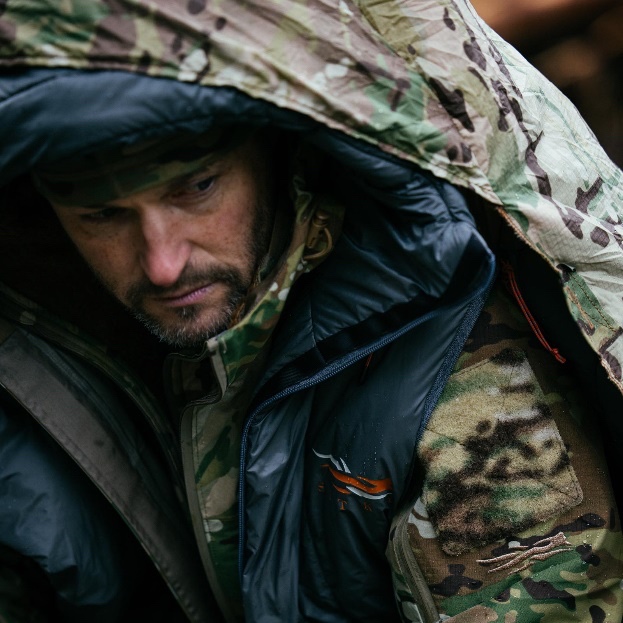
SITKA Arrowhead will be showcasing at Booth #62511, attendees will have the opportunity to view the current product line – specifically developed for the SOF end-user – to notably include Berry Compliant best-in-class Wet Weather Protective (WWP) technical apparel solutions.
If you gave, or received a new cell phone, tablet, or notebook computer over the holidays, chances are that it included a USB Type-C® port and cable – even if you didn’t know it.
The first major, and obvious, advantage of USB-C® to the end-user is the fact that it’s a common standard physical interface that works across a wide range of different devices and manufacturers. This is a huge improvement in convenience and interoperability over how things were just a few years ago. It’s made even better by the fact that the connectors are omnidirectional – no more fumbling around or needing to visually check that you’ve got the cable / connector the right way around.
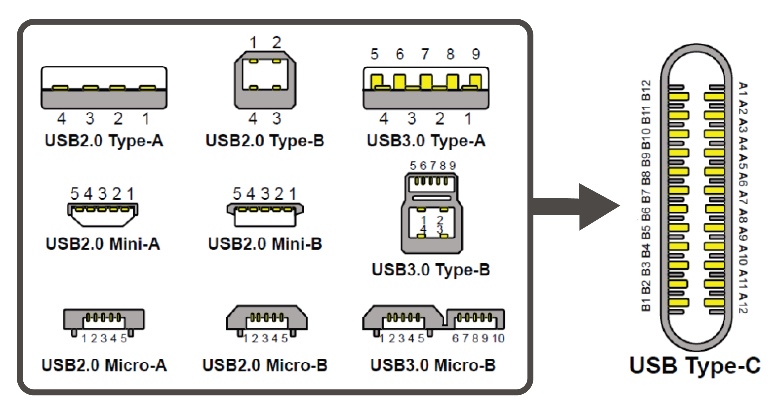
But while the Type-C connector is the visible front-end of the latest USB innovations, the real magic is what has been happening inside…
The Universal Serial Bus (USB) standard was first released in 1996 to standardize the connection of peripherals to personal computers – for low-speed devices such as a keyboard or a mouse with data speeds of 1.5Mbps. With the USB4 specification released in 2019, data speeds can reach up to 40Gbps (allowing you to transfer an entire movie from your phone to a computer in less than 1 minute) and is backwards compatible with USB 3.0 and USB 2.0.
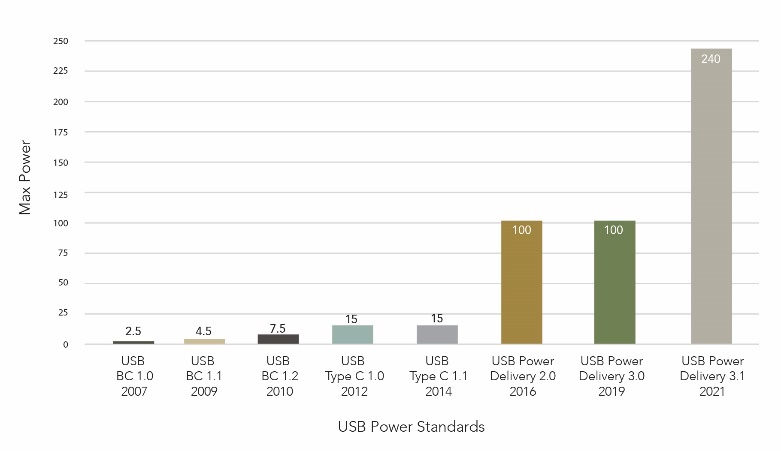
Along with these increases in power and data capabilities – and a connector that can conveniently handle them – has come a desire for shorter charging times for device batteries, as well as more efficient use of power. USB Power Delivery (PD) is a specification for handling higher power and allows a range of devices to fast-charge over a USB connection. The latest release of USB PD enables up to 240W of power with a full featured USB Type-C cable and port – providing one of the fastest charging protocols available on the market.
Programmable Power Supply (PPS) allows for stepwise changes in current and voltage – decreasing the conversion loss during charging, and thereby ensuring that charging is more efficient. Due to more efficient charging less heat is produced, which increases a battery’s lifespan, and decreases a device’s (and operator’s) heat signature.
USB PD now has become the de-facto charging protocol in the consumer market, and USB-C is becoming the universal cable / connector standard, due to its ability to supplying continuous high power plus blazing fast data transfer speeds. The end-user benefits of convenience, ease-of-use, and commonality are nothing to be underrated either.
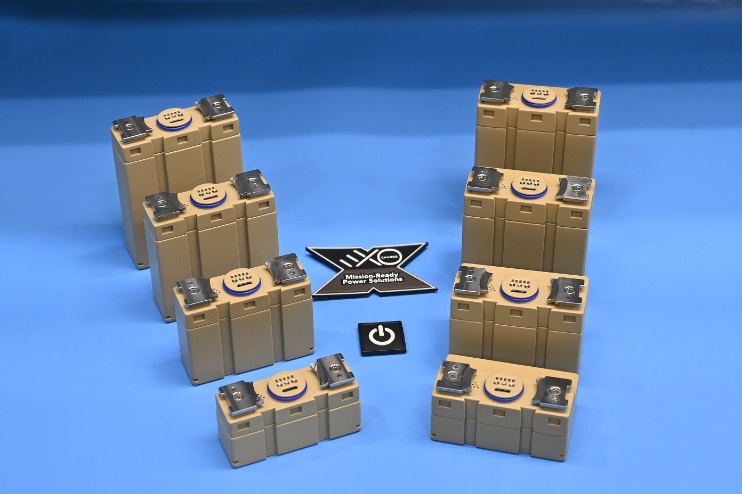
The US military has issued USB-enabled tactical electronic devices through such programs as Nett Warrior, IVAS, and the upcoming Small Tactical Universal Battery (STUB) series. This trend is likely to increase as the US Army, US Marine Corps, USSOCOM and other government agencies look to modernize and upgrade their tactical electronics systems – while also looking to increase standardization and interoperability, while shortening development cycles and reducing overall program cost. Incorporating globally proven and industry standard technologies such as the USB specifications helps achieve these goals – as well as reducing the battery burden borne by the Warfighter.
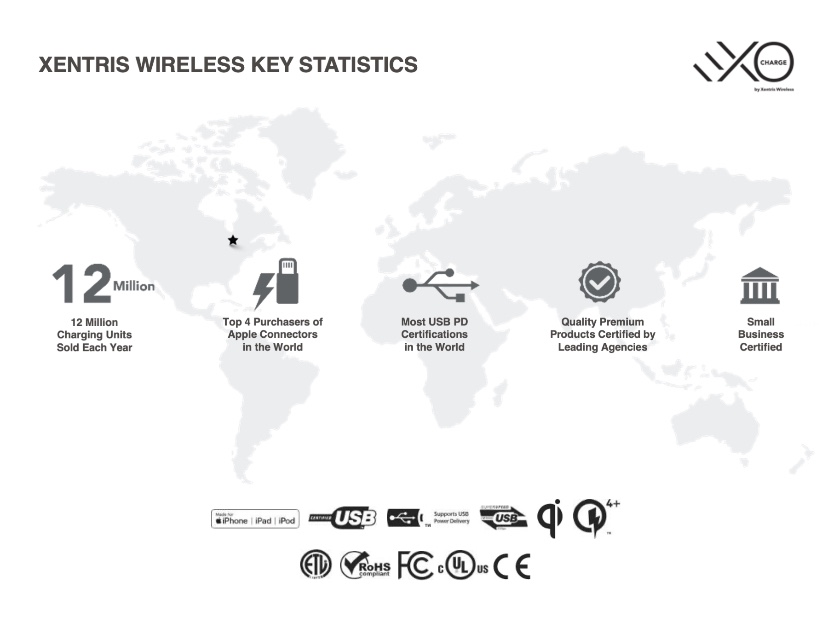
Commercial mobile technology industry-leader Xentris Wireless created the EXO Charge division specifically to support such modernization efforts by developing rugged, lightweight, intuitive power solutions for the modern Warfighter. Learn more about EXO Charge at EXOcharge.com.
Austin, Texas — On February 8-10, 2022, a group of founders, technologists, investors, and market experts will converge at VERTEX | Energy in Austin, Texas, to examine new and novel energy technologies that are attracting private and public sector investment. This three-day symposium, hosted by Army Futures Command (AFC), aims to shed light on cutting-edge commercial energy advancements that can also support U.S. Army modernization goals.
“As part of the FY22 budget, the DOD requested billions to invest in next-gen installation and operational energy technologies,” said Lt. Gen. Thomas Todd, Army Futures Command. “The Army is interested in the same energy technology that’s gaining traction in the commercial market and among private investors. It’s the only way we can stay ahead. So concentrating our market intelligence through this event will allow us — and allow participants from private industry — to get a look at these technologies firsthand.”
According to industry reports, in the past five years, “gov tech” companies raised nearly $2B in private investment, indicating major growth — and major opportunities — in the government market. In November 2021 alone, the federal System for Award Management listed more than 450 energy-related contract opportunities open with the US Army. The Army VERTEX | Energy event will help to inform future investments while also providing attendees with insight into the Army’s funding roadmap directly from the 4-Star Command that determines how and where the Army invests.
This approach is part of a critical AFC effort to ensure Army modernization efforts extend beyond materiel improvements. As part of its modernization plan, the Army wants to diversify and bring more startups and small companies into its portfolio of partners. Doing so at the speed of business will require modernization of formal acquisition processes as well as improvements to the business processes through which those organizations or technologies are discovered.
“The Army is great at gathering operational intelligence to support our missions, but we are less adept at capturing critical intelligence on what new technologies or companies are developing in the commercial market,” said Todd. “VERTEX | Energy is a way to up our game in that area — going beyond what we can discover online and really diving into the technology and how it can help to address some of our most pressing problems.”
Army VERTEX attendees will include personnel from across AFC as well as Army Program Executive Offices (PEOs) with a vested interest in these technologies. It will also include commercial technologists, founders, and market experts who can contribute to a meaningful dialogue on next-generation energy technologies.
While anyone can watch VERTEX sessions virtually via the AFC YouTube livestream, in-person participation will be limited to 150 industry participants per day. In-person attendees will be selected based on alignment between their expertise and critical Army energy use cases.
To learn more about the event or the technology areas that will be discussed, visit armyvertex.com.
By Army Futures Command, Acquisition & Systems
Buoyancy is key to a lot of things when diving. It helps make the dive easier in a lot of ways. When using a closed-circuit rig (CCR), it keeps you from rocketing to the surface, and it prevents you from dropping to the bottom when you stop to fix your gear or “Dräger” talk/ yelling at your dive buddy.
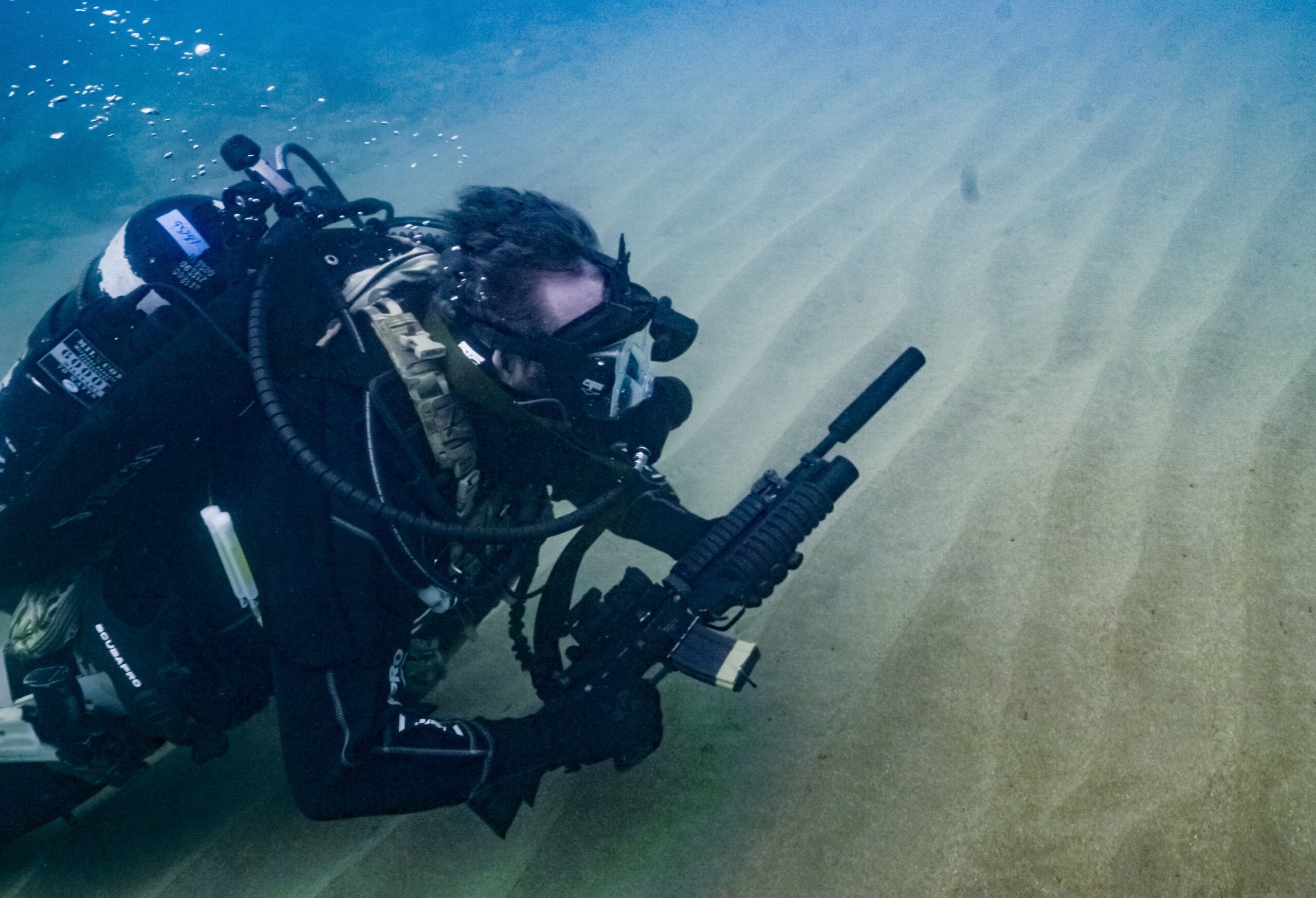
The keys to buoyancy are balance and breathing
The two significant factors in achieving neutral buoyancy.
Wear the right amount of weight for the dive. This will differ depending on the thickness of your wetsuit/ drysuit and gear you are wearing, also water type fresh or salt.
Breathing slowly and evenly, so you do not have too much air in your breathing bag. If diving a CCR
Steps to Help Maintain Buoyancy
Pre-dive Preparation
Buoyancy control begins with pre-dive preparation as you pick what to wear for a dive. Double-check to make sure nothing has changed that could affect buoyancy. A new wetsuit is more buoyant than an older one and will need more weight. A new suit has more inherent buoyancy at first because diving, especially deep diving, bursts the tiny bubbles in the suit over time. Make sure you look at any new gear compared to the old version. Equipment is constantly evolving and updated with new buckles or martial, so when you switch from old to new, make sure you know the buoyancy with the new stuff. Check the weights on a scale; often, there is variation between claimed and actual weight. If diving open circuit, remember cylinders are negatively buoyant when full and less negative when empty.
Do a Buoyancy Check
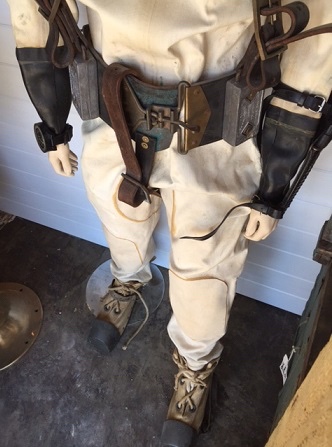
Here is the best way to do a proper buoyancy check. With your lungs half-full, you should float at eye level with no air in your BCD. If you are diving open circuit, remember the average cylinder loses about 5 pounds as it empties. So, you might have to add about 5 pounds to your weight if you have done your buoyancy check with a full tank.
Keep a Log
Keep a log of what gear you have worn, the temperature, and the type of water (salt/fresh /brackish). What equipment you used, how much lead you carried, your body weight, and whether you seemed too heavy or light. Knowing the weight of the gear that you used on the dive will help. Make sure you understand that if you are going to remove something during the dive, you need to account for that on the return trip home. If you plan by recording in training what you used, it will help when you have to do it the next time.
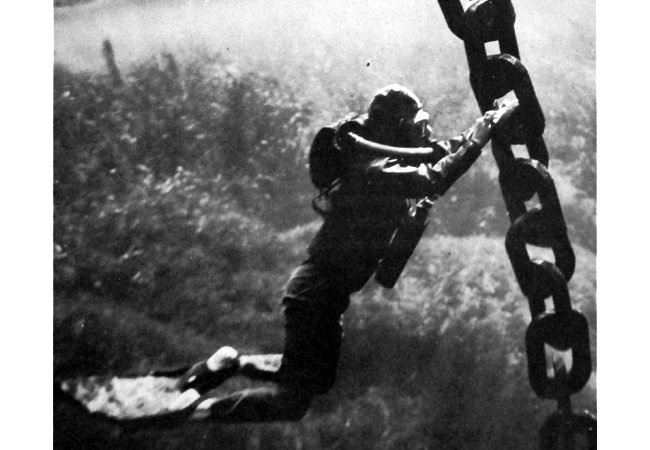
Saltwater VS Freshwater
If most of your driving is done in the ocean, ballast calculations should be done for saltwater. Jumping in the pool to check your ballast will get you close, but it won’t be 100% correct. If you switch back and forth, you’ll need to adjust your ballast. Be prepared to add weight if needed sometimes, it’s nice to have a weight belt with extra pouches just in case, or maybe just an empty pouch on a gear belt will help. But still, try and keep the weight evenly distributed.
Buoyancy, Trim, Position, and Breathing
The secret to buoyancy control begins with fine-tuning your weighting. How much lead do you put into your pouches or have on your weight belt? If you carry just the right amount of weight, you will only have to put a little air in your BCD. That means less drag and more efficient finning. Less BC inflation also means minor buoyancy shift with depth, so you’ll have to make fewer adjustments. There are many tricks, but buoyancy control is a fundamental skill. Precise control of your buoyancy is what enables you to hover motionless and fin through the water at any depth. It would be best not to use your hands and not stir up mud or silt from the bottom by always moving your feet. In addition to using the right amount of weight, make sure you are correctly balanced to optimize your position underwater.
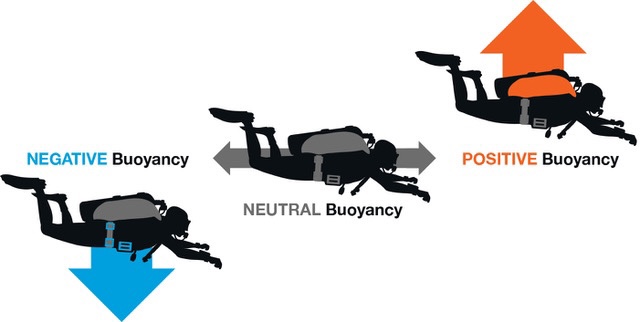
Keeping a more horizontal position makes you more hydrodynamic. Distribute the weight as uniformly as possible from side to side; you should never notice that you put more weight on one side while driving. It would help if you also considered the weight of your dive gear and any other additional gear you might be wearing. I.e., gun belt or special equipment. Make sure it is balanced on your body, and it doesn’t shift when you are diving. The lower you wear your dive rig can cause a tendency to push the diver forward (upside down) in the water, so the placement of weight towards the back can help reverse this position, especially on the surface. Make sure any dive weight you put on can be easily removed in an emergency.
Besides ballast weight, the factors that affect your buoyancy are BC inflation, your trim, exposure suit, depth, and breathing control. Your ballast weight and your trim are the only two factors that, once you’ve selected them, stay put. Ballast is the amount of weight it takes to keep you neutral in the water. Trim is about the position of your body weight relative to the position of your weight. Sometimes when diving a rebreather, you can tape lead washers on it to help with your trip.
There is one more thing to understand that will help with your buoyancy. It is controlling your breathing. Make sure you maintain proper breathing. Take relaxed breaths. This allows you to maintain control over your buoyancy.
To determine the amount of weight you need, you can take your body weight, the diving suit you will use, the weight of your equipment, and the environment you are diving in salt or freshwater. If you use about 10 percent of your body weight, that is a good starting point for a full 5 mm or more and for a 3 mm suit, use 5 percent of your body weight.
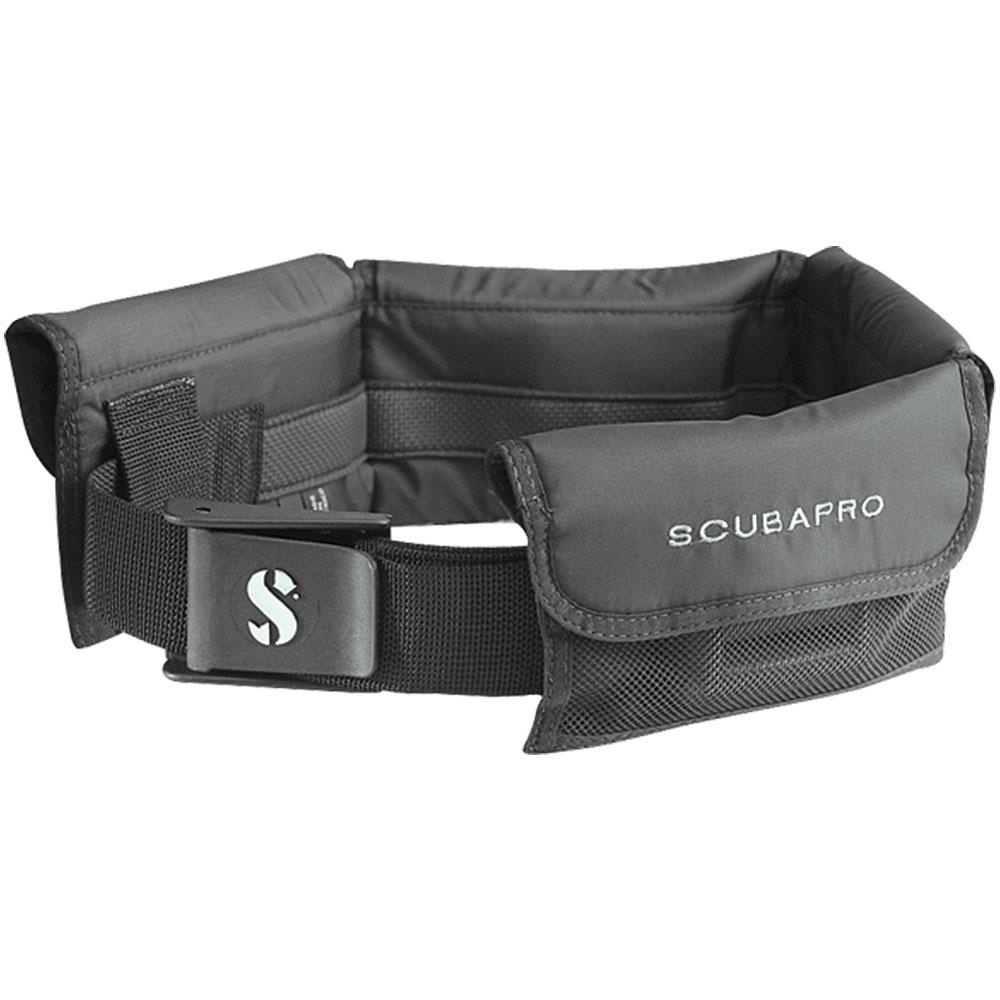
Drysuits and thick neoprene suits require more ballast to counteract the increased buoyancy of those suits compared to the thinnest. Body composition (the muscular density, for example) will also influence the necessary weight. Remember, fat floats, muscle sinks.
Remember to calculate everything you will use and wear on your dive if you are doing a long drive and plan to leave or remove something halfway thru your dive. Say conducting a ship attack, and you are taking limpets off. Plan for the whole dive, not just the start when you will be at your heaviest; plan if you are carrying something that you plan to leave behind, how will that affect your extraction. To check your buoyancy, get into the water deep enough to stay in an upright position without treading and releasing all air from the vest. Inhale, normally, the surface of the water must be at the level of your eyes. When you exhale, you should sink until the water covers your head and inhale again. You should emerge once again until the level of the eyes. Adjust your weight in small increments, about 1 pound at a time. You can use a weight with a snap link or just some weight with some 550 cord on it. Make sure you don’t just put all the weight you are adding to one side. Try and use this time to even yourself out and set your trim also. I have also seen people tap lead washers to the front of their rebreather to help even them out. The rule of thumb is never add more than 10Lbs. that can’t be released.
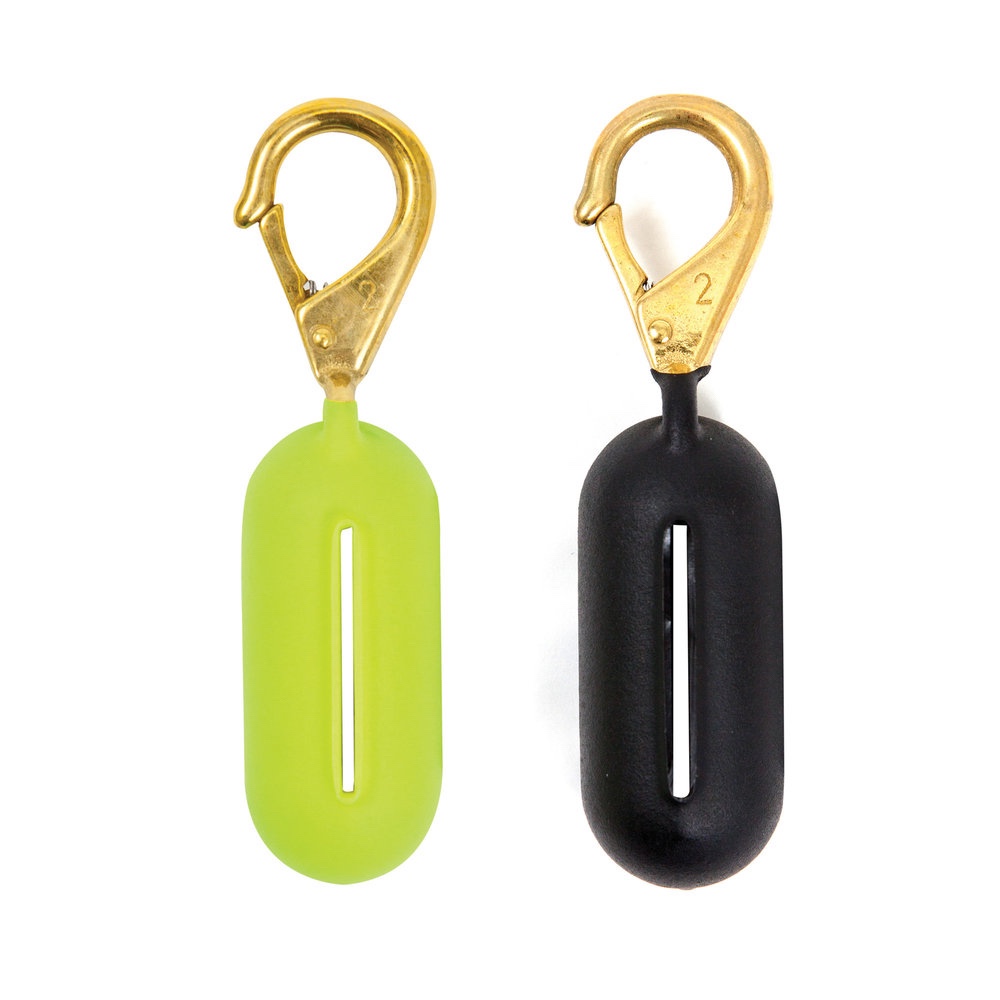
Once you get your ballast weight and trim dialed in, you will be ahead of about 75% of all divers toward perfect buoyancy control. Now you can fine-tune your BC inflation to compensate for the very predictable changes due to breathing down your tank and changing depth.
Lastly, there are advanced classes that you can take that focus on advanced skills like this. This may seem like a lot of work, but it will help make diving a lot better and make you more efficient at your job.
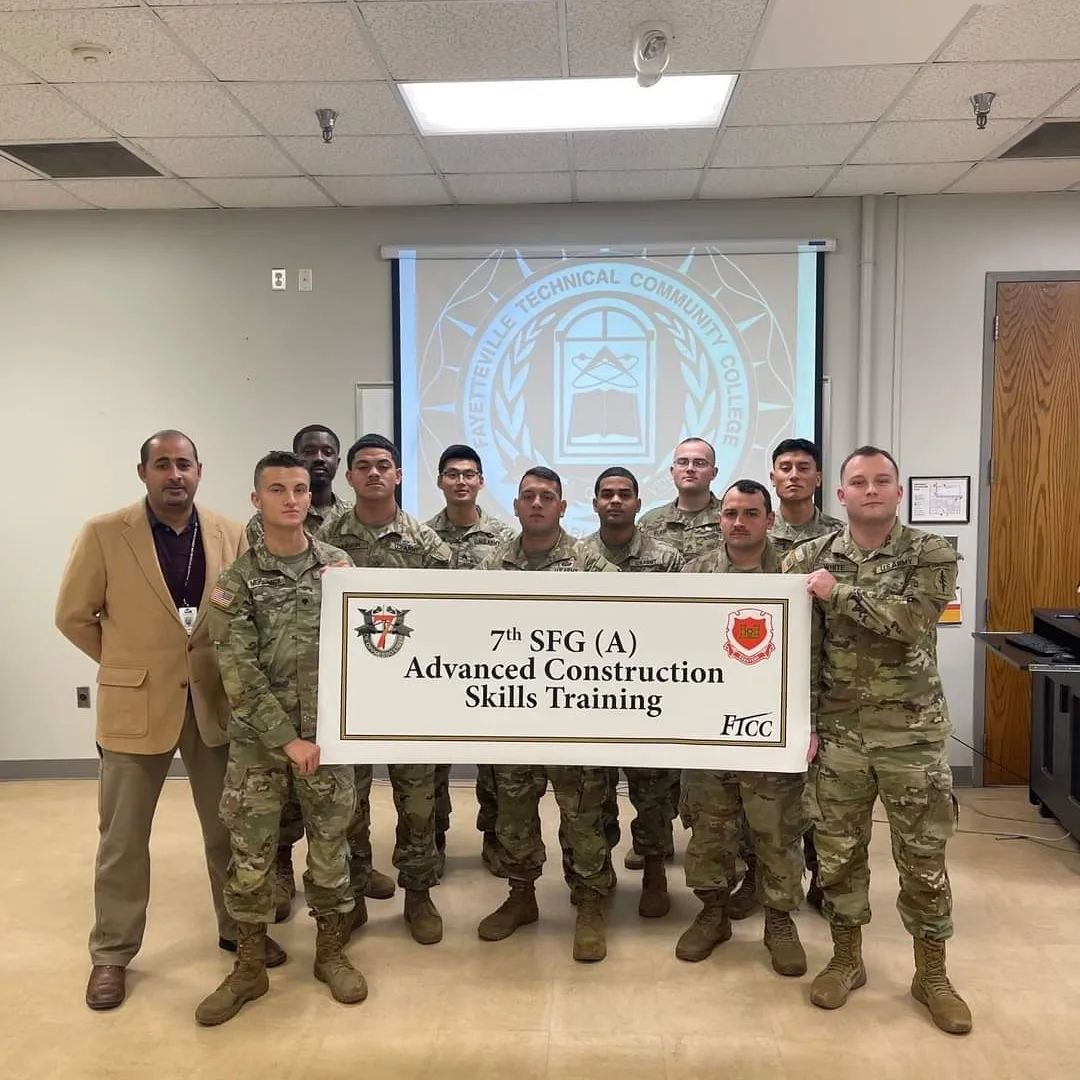
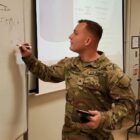
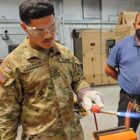
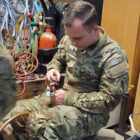
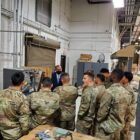
Members of the 7th Special Forces Group (Airborne) Engineer Support Section (ESS) completed the Advanced Construction Skills Training Course at the Fayetteville Technical Community College at Fort Bragg, N.C., directly enhancing their capability to solve complex engineering problems encountered throughout the SOUTHCOM AOR. The course of instruction included use of electrical systems such as water heater systems, maintaining and repairing residential electrical wiring, and installation of and assessments of HVAC components. These skills go beyond their Advanced Individual Training enabling range and depth of engineering expertise in support of 7th Special Forces Group (Airborne) operations.