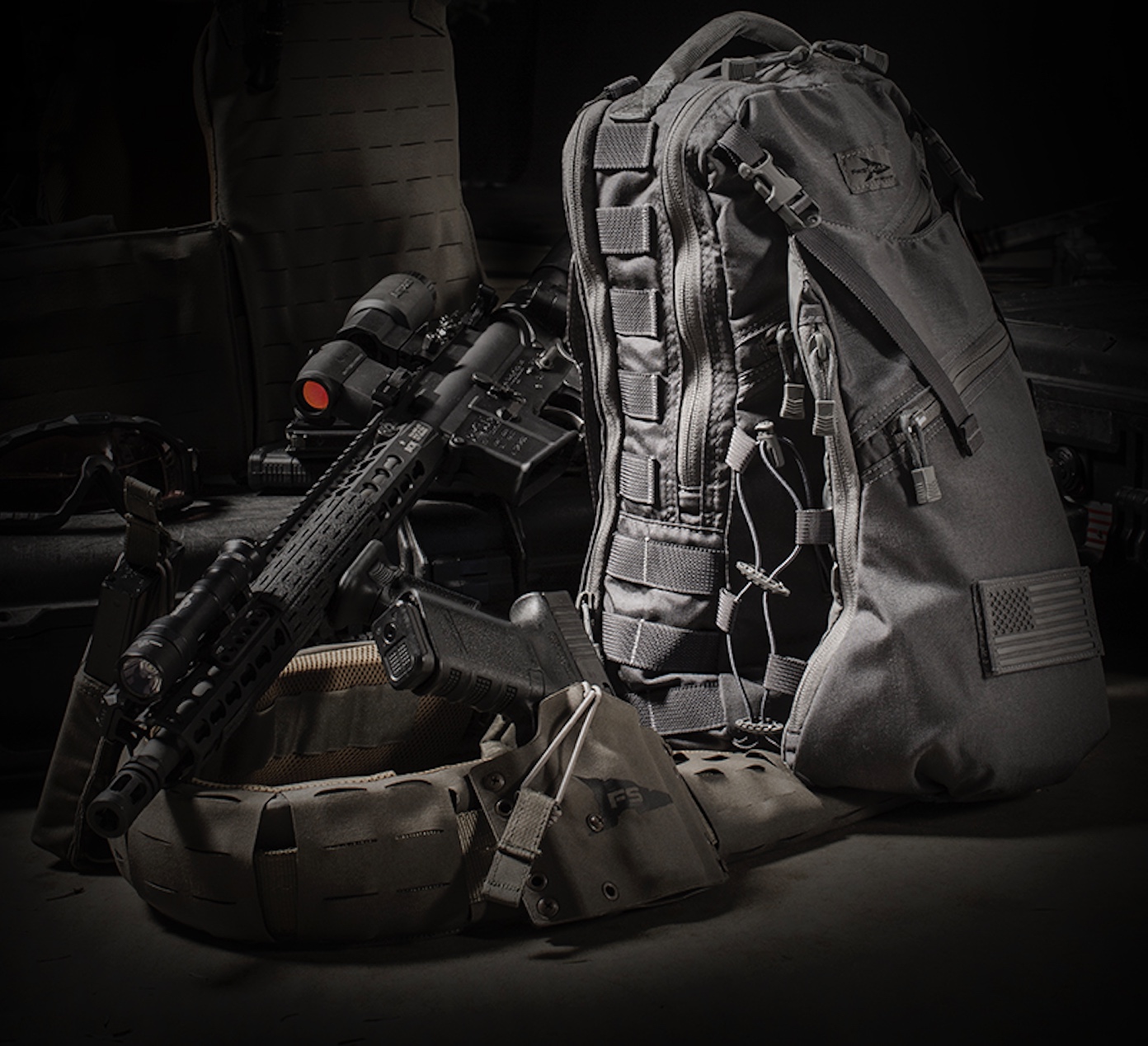
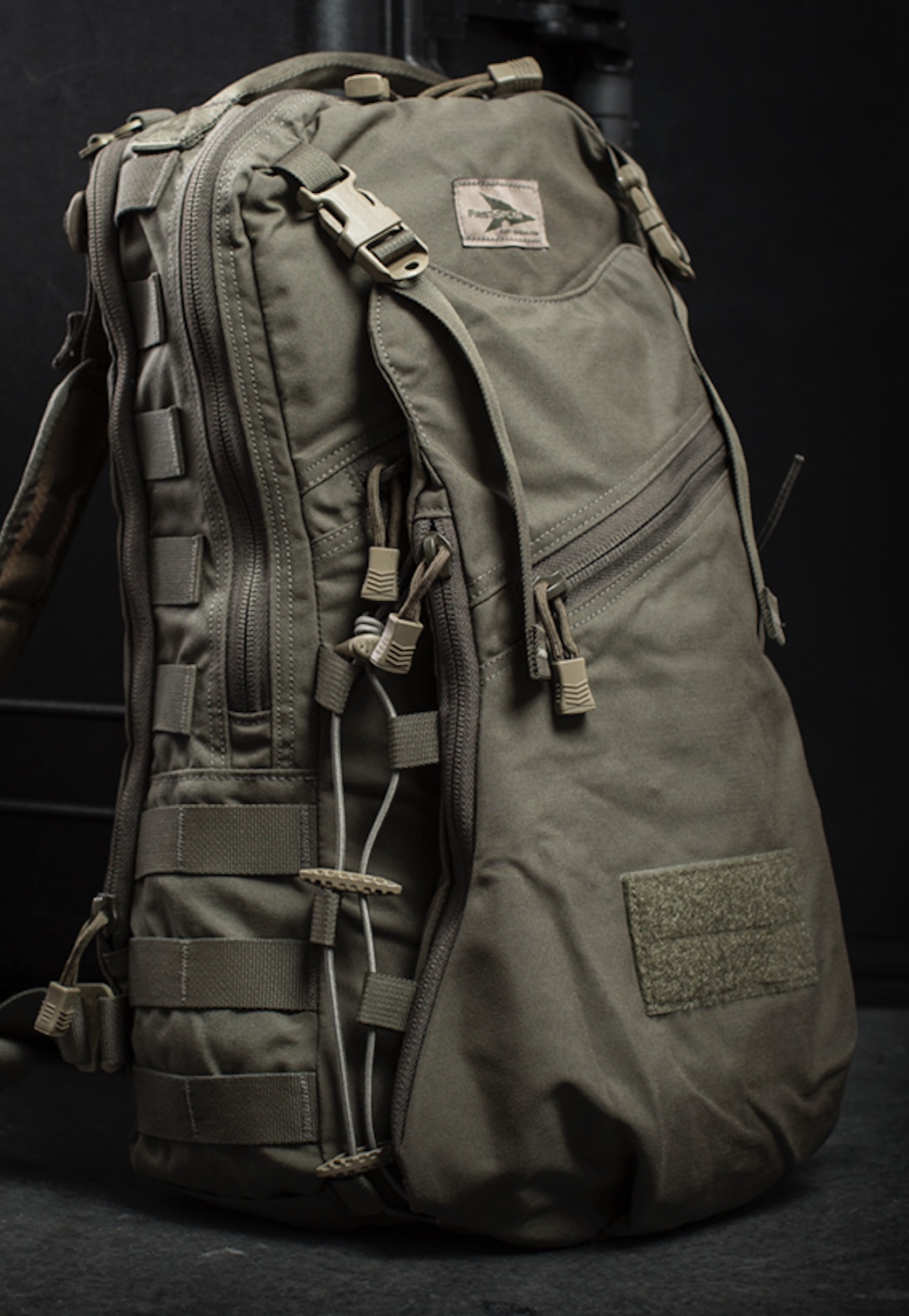
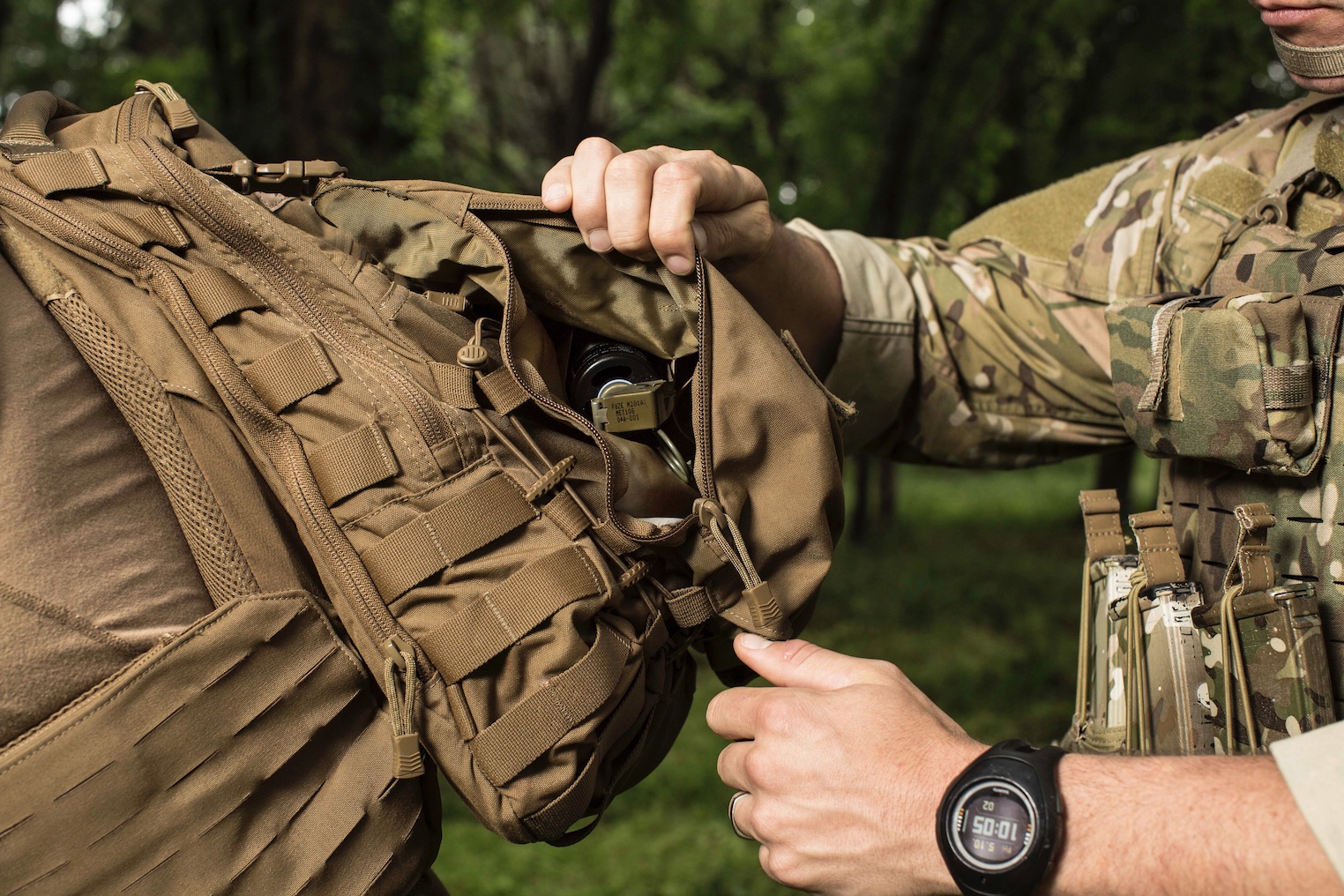
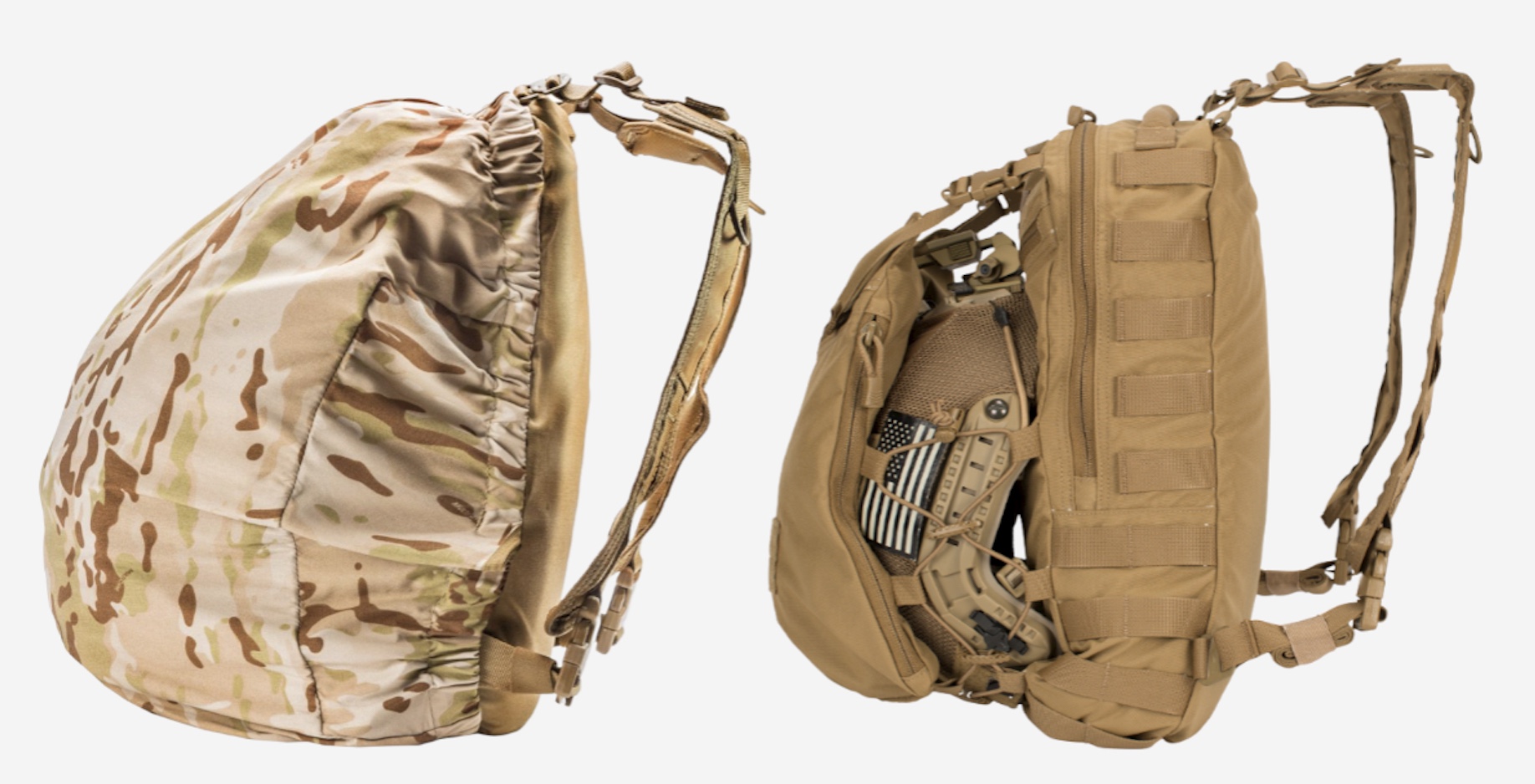
In honor of its launch, Agilite are giving you the chance to win a T4 Hoodie. See the video below and sign up to win one here: agilitegear.com/products/t4-hoodie

In honor of its launch, Agilite are giving you the chance to win a T4 Hoodie. See the video below and sign up to win one here: agilitegear.com/products/t4-hoodie

AUSTIN, Texas – The Army recognizes the need to provide future Soldiers with more durable and reliable energy sources, and is experimenting with a variety of new and creative solutions to deliver the power required for tech-supported warfighting.
One such innovation uses commonly available, filtered windshield washer fluid — which contains the key ingredient methanol — to recharge Soldiers’ mission-critical electronic devices – such as radios and situational awareness aides – while on the go.
The tool, referred to as the Soldier Wearable Power Generator (SWPG), is a small and mobile fuel cell capable of rendering power through innovative thermal energy technology.
Developed in partnership with UltraCell, the SWPG weighs 5 pounds, is designed to be Soldier-worn on a back plate or carried in a backpack, and can run off either filtered windshield washer fluid or a commercial methanol/water mix.
When filtered properly, 1 pound of windshield washer fluid can provide enough energy to charge the equivalent of three Conformable Wearable Batteries that weigh 7.8 pounds; the SWPG’s refillable cartridges can be as small as 1 pound or as large as 24 pounds, depending on charging needs.
Beyond charging individual batteries, the SWPG is equipped to directly support tactical, software-based systems such as Nett Warrior. It can also feed battery-charging power scavengers, such as the Universal Battery Charger-Lite and hubs like the Integrated Soldier Power and Data System-Core. While the SWPG provides a 50-watt base load on its own, it can be paired with rechargeable lithium ion batteries to help fuel hybrid charging systems that offer increased power surges.
The apparatus, which does not get excessively hot or cause ventilation issues for the Soldiers wearing it, seeks to address the Army’s small unit power requirement of providing on-the-move recharging capabilities that extend battery life and minimize the need for frequent battery exchange or reliance on heavy generators.
The Army’s Command, Control, Communications, Computers, Cyber, Intelligence, Surveillance and Reconnaissance (C5ISR) Center leads the service’s applied research and development in energy storage and power generation component technologies.
“Army researchers are continually working on solutions to meet Soldiers’ anticipated needs during this time of rapid modernization,” said Marnie Bailey, C5ISR Center’s Power Division Chief. “The SWPG is the latest example of using our in-house expertise to enable greater Soldier lethality.”
In addition to being compact, lightweight and more efficient than traditional recharging methods, the SWPG is also significantly quieter than conventional gasoline or diesel-powered generators — an important consideration in combat settings. The reception to the device has been positive, with Soldiers saying that the system does not interfere with their ability to conduct their operations.
The SWPG is just one of the unique technologies undergoing field assessment during this month’s Army Expeditionary Warrior Experiment (AEWE) at Fort Benning, Georgia.
The experiment, which is hosted annually by the U.S. Army Maneuver Center of Excellence, takes a closer look how small unit innovations — those geared toward advancing capabilities at the Soldier and squad levels — can have powerful impacts on Soldier maneuver, lethality and survivability.
Insights gathered during AEWE inform the development of priority warfighting capabilities and support the ongoing modernization work of Army Futures Command Cross-Functional Teams. For example, previous AEWE events helped to shape iterative SWPG prototypes by incorporating valuable Soldier feedback, which was then used to tailor and improve the new device.
“AEWE serves as an innovation engine, providing collaboration opportunities and Soldier touchpoints that enable capability developers to rapidly iterate tactical solutions,” said Col. Christopher Budihas, Director of the Army’s Maneuver Battle Lab, adding that “the SWPG is a great example of what this innovation engine can produce.”
By Maureena Thompson, Army Futures Command
FORT BELVOIR, VA – Project Director Soldier & Squad Integration (PD S&SI) hosted a side-by-side gear comparison between Project Executive Office (PEO) Soldier and U.S. Army Special Operations Command (USASOC) on Fort Belvoir, March 8-10.

PD S&SI held an event at the Soldier Integration Facility on Fort Belvoir, designed to provide a familiarization of selected items from Project Manager Soldier Survivability (PM SSV) and USASOC’s respective portfolios.
“We put the event together and facilitated bringing everyone in at the same time,” said Christopher Baker, survivability and power lead for the operational synchronization team for PD S&SI. “USASOC’s chain of command believed that they could realize some cost savings by leveraging the work that PEO Soldier is doing and what they’re fielding. The most interest and discussion were around the protective equipment, helmets and body armor, and the differences between what PEO Soldier fields and what USASOC has right now.”

Product Manager Soldier Protective Equipment (PdM SPE) displayed the modular scalable vest (MSV), the blast pelvic protector (BPP) and the ballistic combat shirt (BCS). SPE personnel went over the capability and functions of the MSV, BPP, BCS, their threat levels and the differences between the Enhanced Small Arms Protective Inserts (ESAPI) plates and the legacy ESAPI plates. The SPE presentation highlighted the Army’s focus on increasing protection but slimming down on weight.
“A lot of the questions we received were predominantly on sizing and the kinds of threats our plates stopped,” said Capt. Kim Pierre-Zamora, assistant product manager for PdM SPE. “For us, the key message we want to convey to our audience, especially the Special Forces community, is that not only are we scaling back on these extra areas of redundant coverage or parasitic weight, but we’re also able to scale up the coverage depending on what they’re doing, where they are, and their commander’s intent.”

“Not only are we looking to make Soldiers lighter and more mobile, but also more lethal. Because if they can move enough to avoid a threat, they can engage that much better.”
The gear comparison not only presented an opportunity for USASOC personnel to get their first hands-on look with gear currently fielded by PEO Soldier, but it allowed for in-depth discussion of what goes into developing and producing that equipment.

“From my perspective, especially working in Future Capabilities, it’s good to see where the Army is with their equipment,” said Lt. Col. Rachel Cepis, S8 Future Capabilities Director, 95th Civil Affairs Brigade. “At the tactical level, you hear Soldiers sometimes complain and say, ‘why is this like this?’ or ‘when are we going to get this?’ Therefore, it is good to be able to see what is out there and being developed. It’s going to be helpful for me to be able to pass that message on to other Soldiers.”

The gear comparison event was the first step in developing the relationship between PEO Soldier and USASOC, with the future collaboration already in the works. Within the next six months, a future follow-on event, hosted by USASOC, will be scheduled.
Story by Jason Amadi, PEO Soldier
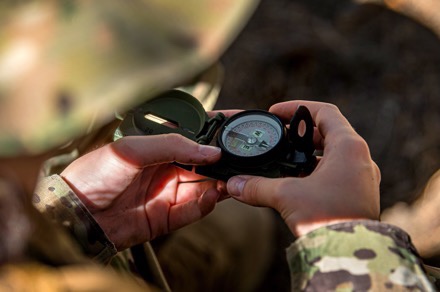
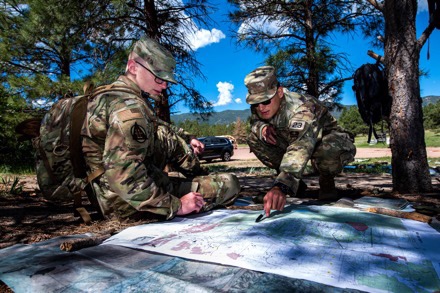
As the man said, “Ivan will destroy your grid square if you even key your radio, let alone talk to your squad. Break out the books and practice. This is for real.”
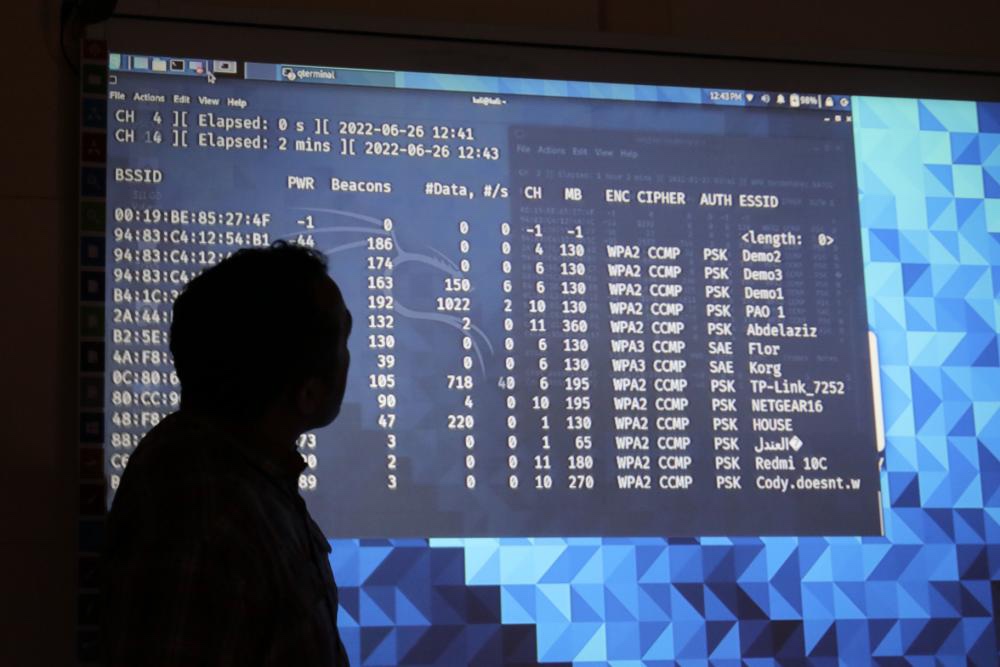
Given recent events in and around Ukraine, we thought it might be interesting to consider the contrast of what modern technology – particularly social media – has to electronic-related security issues in contrast to what we were taught during the Cold War era. PERSEC, INFOSEC, OPSEC, ELINT, SIGINT, COMINT, and of course EMCON – there is absolutely no shortage of acronyms all those cell phones (among other things) might jeopardize…and with them, both missions and lives (see reported Redditor example, below).

Combat Electronic Warfare and Intelligence is one hell of a lot more complicated now than it was in the teen years of the Superbowl. Cyber Warfare and GPS Spoofing are just two examples. Geolocating is another. Even something as simple as a Google image search can precipitate an attack. Several examples of this have emerged over the last few weeks on both sides of the Russian invasion of Ukraine.

“Compromised by TikTok” and “death by Reddit” sound funny until the Kalibrs and Bayraktars come calling. While apps like Air Alarm are certainly beneficial, they don’t counterbalance all the OSINT opportunities afforded by Telegram, Instagram, Twitter, and the like. This is why cell phones are often taken up before training evolutions and troop movements (unless, apparently, you’re Chechen).

But if you’re reading this, chances are you already know that.
What you might not know, depending on the length of your teeth, is what electronic warfare and signals doctrine looked like 40 or 50 years ago. And that’s why we’re sharing the following article.

Much like Crossfit workouts and pet shenanigans, you gotta take a pic of your invasion or it didn’t happen.
Lt. Col. Don E. Gordon


The Reddit Example
Even if this report is apocryphal, the lesson it delivers is not.


Thoughts on then vs. now?
DRW

David Reeder is a sometime SOLSYS contributor and reporter-at-large. He is currently the editor of the GunMag Warehouse blog (The Mag Life) and the world’s okayest 1/6 scale kit-basher.
ACC co-leads effort to hone Information Warfare readiness

JOINT BASE LANGLEY-EUSTIS, Va. —
Air Combat Command stood up a new organization to accelerate information warfare training and research on March 22, 2022, at Davis-Monthan Air Force Base, Arizona.
This new Information Warfare Training and Research Initiative Detachment, a subordinate unit of the 55th Wing at Offutt Air Force Base, Nebraska, will conduct IW training and research events to addresses the growing importance of operations in the information environment and the electromagnetic spectrum, as they relate to strategic power competition.
The 55th Wing, Detachment 1 will also have operating locations at the 67th Cyberspace Wing, Joint Base San Antonio, Texas, and Offutt.
For the last three years, Air Combat Command, Air Force Research Laboratory, Secretary of the Air Force Concepts, Development and Management, and several academic organizations have been experimenting to change the way the Department of the Air Force conducts IW training and research. This resulted in the creation of a hybrid, wing-level organization to connect IW Airmen from multiple locations to accelerate readiness through training and research initiatives through its next phases of development.
These efforts are, in part, a reflection of recent DAF leadership directives on range modernization, Live-Virtual-Constructive efforts, Information Warfare planning and guidance, and Electromagnetic Spectrum Superiority strategies, among others.
The group organized and executed 22 IW-focused events that spanned the globe, bringing together Airmen, Guardians, joint forces and members of academia and industry to rapidly innovate, experiment and accelerate readiness. Integrating elements and capabilities enables the team to re-think traditional training and research models.
The team supports IW experts by designing and building training environments and linking Airmen across the world to enable operators and researchers to experiment, test and train in the information environment and electromagnetic spectrum. This approach does not detract from other organizations who are working these efforts, but rather helps accelerate their work. Additionally, each event provides IW-focused training and research to support a larger Air Force mission, such as air superiority; and intelligence, surveillance, and reconnaissance.
“We’ve adapted a ‘build, learn, correct, repeat’ model,” said Col. Christopher Budde, chief of ACC’s information warfare division. “We are experimenting with sustainable processes and events in quick succession to scale conceptual ideas, operationally test them, then integrate these processes across the larger federated enterprise.”
This model offers several advantages over traditional events, which are often infrequent and focused on different training audiences with different objectives. This approach gives IW teams the training and research repetitions they need to excel in other major exercises. The quality of the events increases with each iteration and helps increase readiness among IW Airmen and the rest of the Air Force as each event exposes more communities to understanding how IW supports the Air Force missions.
“The distributed nature of the events means they can be conducted more frequently, can be ongoing, and members can participate in multiple iterations,” said Budde. “If a unit is unable to participate in an event, they can jump back into a future iteration when available, but the challenges in the information environment continue and the teams have to respond with the capabilities available.”
The “build, learn, correct, repeat” model also enables accelerated learning and engagement between operators, researchers, and academic teammates.
“Because of the relationship we’ve established with the Air Force Research Laboratory and academic organizations, they help plan and participate in each event,” he said. “This allows the operators to provide immediate feedback, so research and operational efforts move faster at a decreased cost.”
In the most recent event, IW Airmen from 34 organizations and teams across 23 geographically separated locations integrated their capabilities within an ISR centric mission. In each event, Airmen are identifying more application and potential, so the concept, players and capabilities continue to grow.
By building environments to test and train IW elements and integrating new tactics, techniques and procedures with existing capabilities, the DAF is preparing for the future of strategic power competition and building the foundations to integrate IW throughout every AF core mission.
“If we want to be a resolute world power, we must not only compete in the global commons but also compete and win in contested sovereigns,” said Gen. Mark Kelly, commander of ACC. “Most competition, if not all combat, will take place in the electromagnetic spectrum. Focusing our offensive and defensive capabilities in the digitally-enabled domain is critical to honing our lethality in strategic competition.”
By Senior MSgt Jared Marquis and 1st Lt Teri Bunce, Air Combat Command Public Affairs

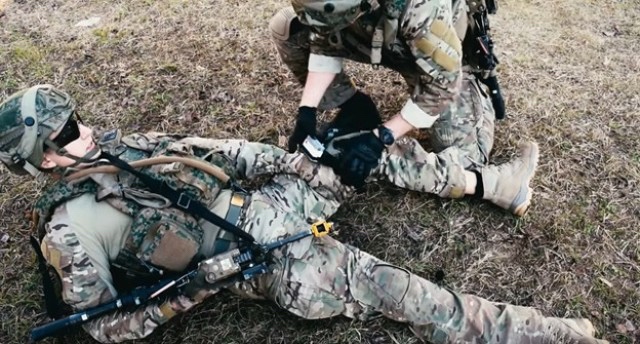
The M.A.R.C.H. algorithm is laid out differently from Advanced Trauma Life Support (ATLS) which uses Airway, Breathing, and Circulation (ABC) as the order of treatment to instead use Massive Hemorrhage, Airway, Respiration, Circulation, Hypothermia/Head Injury for prioritizing lifesaving treatments. Among these critical steps, hypothermia is included in the algorithm’s final phase of care.

Despite advancements in trauma care over the past three decades, trauma remains among the leading causes of death. In penetrating trauma, what you cannot see occurring is the lethal diamond of hypothermia, hypocalcemia, acidosis, and coagulopathy. The lethal diamond is recognized as a significant cause of death in patients with traumatic injuries. Thus, failing to stop any one of the diamond’s complicating factors leads to worsening hemorrhage and eventual death.


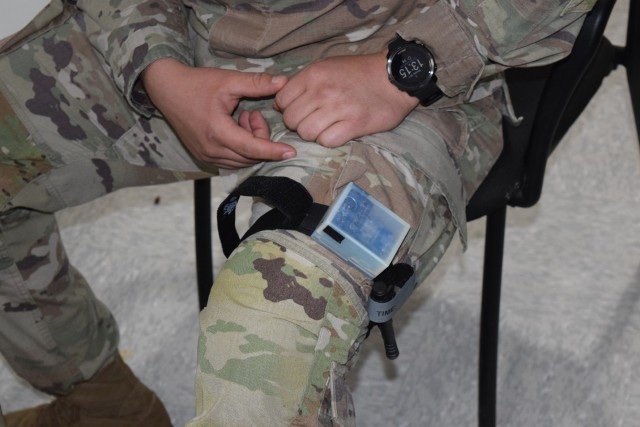
If a patient has lost blood, they have lost body heat meaning you are fighting an uphill battle to intervene. If you are not preventing hypothermia, then you are not properly treating your patient. So, what should you do?
According to TCCC Guidelines, these are the steps that you should take:
1. Take early and aggressive steps to prevent further body heat loss and add external heat, when possible, for both trauma and severely burned casualties.
2. Minimize casualty’s exposure to cold ground, wind, and air temperatures. Place insulation material between the casualty and any cold surface as soon as possible. Keep protective gear on or with the casualty if feasible.
3. Replace wet clothing with dry clothing, if possible, and protect from further heat loss.
4. Place an active heating blanket on the casualty’s anterior torso and under the arms in the axillae (to prevent burns, do not place any active heating source directly on the skin or wrap around the torso).
5. Enclose the casualty with the exterior impermeable enclosure bag.
6. As soon as possible, upgrade hypothermia enclosure system to a well-insulated enclosure system using a hooded sleeping bag or other readily available insulation inside the enclosure bag/external vapor barrier shell.
7. Pre-stage an insulated hypothermia enclosure system with external active heating for transition from the non-insulated hypothermia enclosure systems; seek to improve upon existing enclosure system when possible.
8. Use a battery-powered warming device to deliver IV/IO resuscitation fluids, in accordance with current CoTCCC guidelines, at flow rate up to 150 ml/min with a 38°C output temperature.
9. Protect the casualty from exposure to wind and precipitation on any evacuation platform.
These recommendations are from the TCCC Guidelines which can be found at: www.deployedmedicine.com/content/40
Tools to Aid in Hypothermia
TacMed Solutions™ offers a variety of products built to assist preventing and treating hypothermia including the HELIOS® System, Emergency Bivvy, and more. To stock your kit with these essential tools, check out TacMed Solutions™ at tacmedsolutions.com/collections/m-a-r-c-h-tccc/hypothermia.


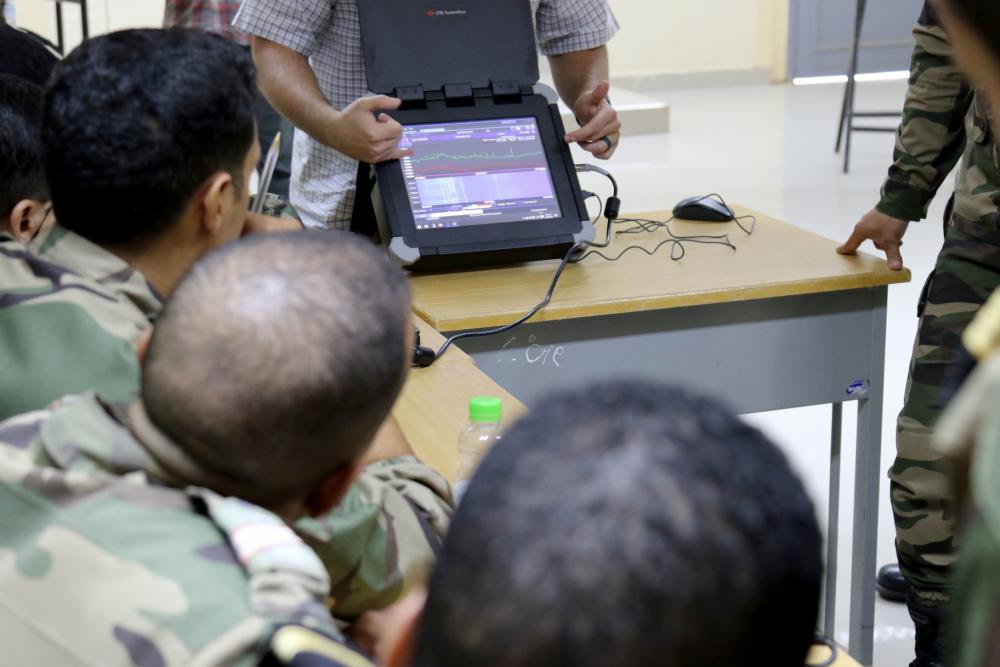
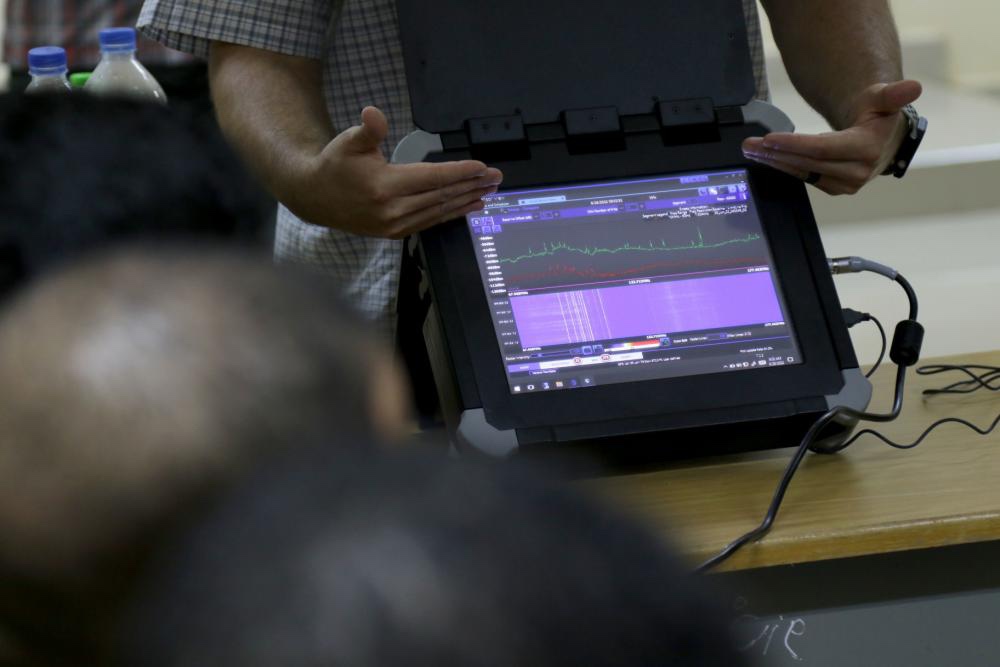
FORT INDIANTOWN GAP, Pa. — The Pennsylvania National Guard is the first National Guard in the country to field the new Tactical Dismounted Electronic Warfare and Signals Intelligence (TDEWS) system.
Eight Pennsylvania National Guard Soldiers trained at Fort Indiantown Gap March 13-17 on the TDEWS, which filled a significant gap in the training of Soldiers in the intelligence Military Occupational Specialties. Signals Intelligence advisers from the Army National Guard Technical Control and Analysis Element and the Intelligence and Electronic Warfare Program of the Mission Training Complex facilitated the training.

“This system adds a huge amount of value to our intelligence capabilities,” said Warrant Officer Trevor Burgess, a signals intelligence analysis technician with 28th Infantry Division, the Pennsylvania Guard’s senior SIGINT technician. “Soldiers train for six months to acquire the MOS, then when they get to their units here in Pennsylvania, they didn’t have this equipment to train on and the support of full-time subject matter experts that the Army National Guard G2 provides, so this does improve our intelligence capability.”

The TDEWS is a dedicated, all-weather, tactical electronic warfare system providing force protection and situational awareness to commanders at any echelon.
“We went from classroom instruction to hands-on setting up and tearing down the system over and over, to using it in a controlled dismounted environment, and then in the past two days, we’ve been able to pack it up in our special man packs we were issued for the system and actually come out here and work with trainers who built situational training exercise lanes for us to train on,” said Sgt. Emily Rivas, a cryptologic linguist with the 103rd Brigade Engineer Battalion, 56th Stryker Brigade Combat Team, 28th Infantry Division.

The 56th SBCT will be doing a rotation at the National Training Center at Fort Irwin, California, this summer. The training will ensure these Soldiers can employ this new equipment during the brigade’s validation exercise and can execute their mission as they would on the battlefield, Burgess said.
“The thing with this system that makes it so nice for our training is that we’re able to just fire it up and use it whenever we want at any training site,” said Rivas. The previous system required a lot of coordination and approvals, which became cumbersome.

During the recent training at Fort Indiantown Gap, the eight Soldiers were divided into two-person teams to locate trainers posing as enemy forces at a rubble pile. Rivas’ team was the first to locate their target.
“We were able to lock it down really fast, locating the enemy really quickly and let the other teams know where they were and how they were communicating,” she said. “It felt really good to actually be able to see the system working and how it all comes together.”

“As of right now, I’m feeling very good about it,” said Sgt. Joe Falcone, a cryptologic linguist with the 103rd Brigade Engineer Battalion, 56th Stryker Brigade Combat Team, 28th Infantry Division. “We have a total of eight days so far training on this equipment, just due to the nature of being in the National Guard and that it was only fielded to us at the beginning of January, but every single day I feel leaps and bounds better.”
Falcone said he didn’t feel as comfortable with the device earlier in the week, but this event significantly improved his confidence in advance of the upcoming rotation.
“The NTC rotation will allow the Soldiers to actually utilize the skills that they train hard in, and use that to improve the intelligence footprint, the intelligence picture and make the overall mission a success,” said Burgess.
By SSG Zane Craig, Joint Force Headquarters – Pennsylvania National Guard
Forgotten Weapons presents a video on the Radical Defense M249FVS suppressor.