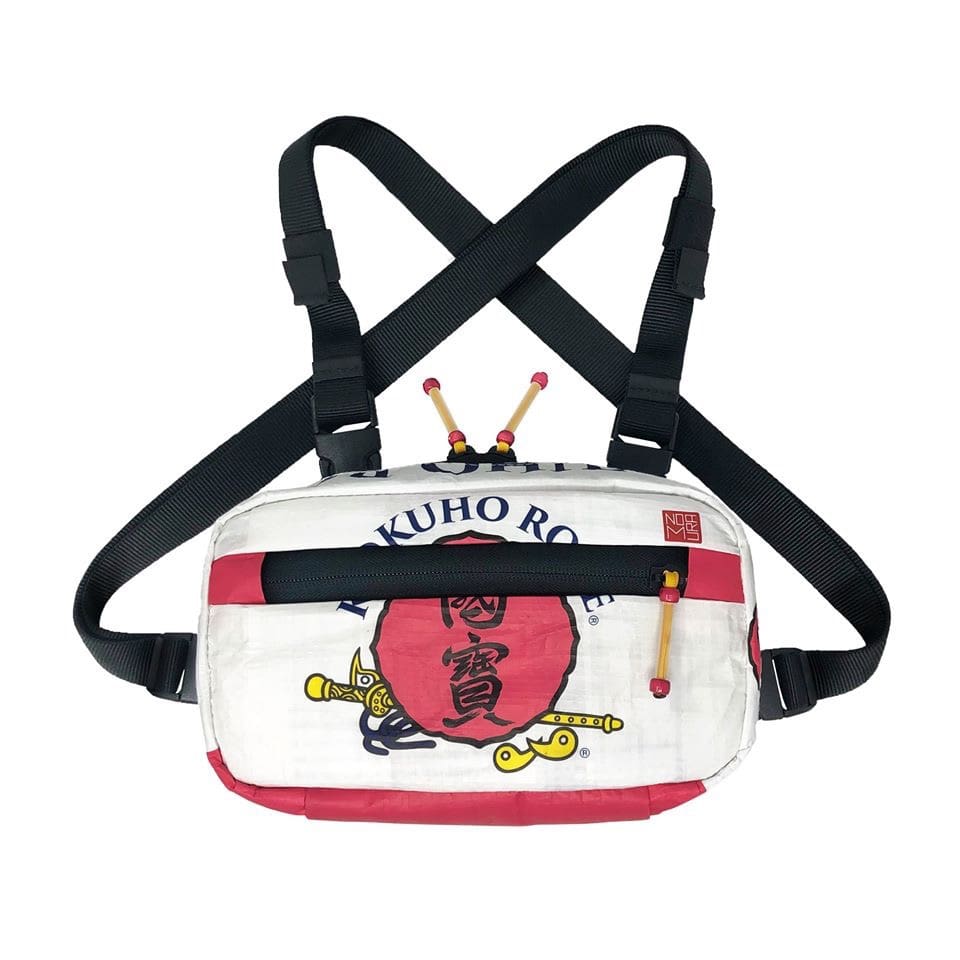
Hey everyone! I just wanted to share a fun personal project I just did this week. Despite it being a smaller product, there was a surprising amount of labor that went into this. But I’m pretty happy with how it turned out.
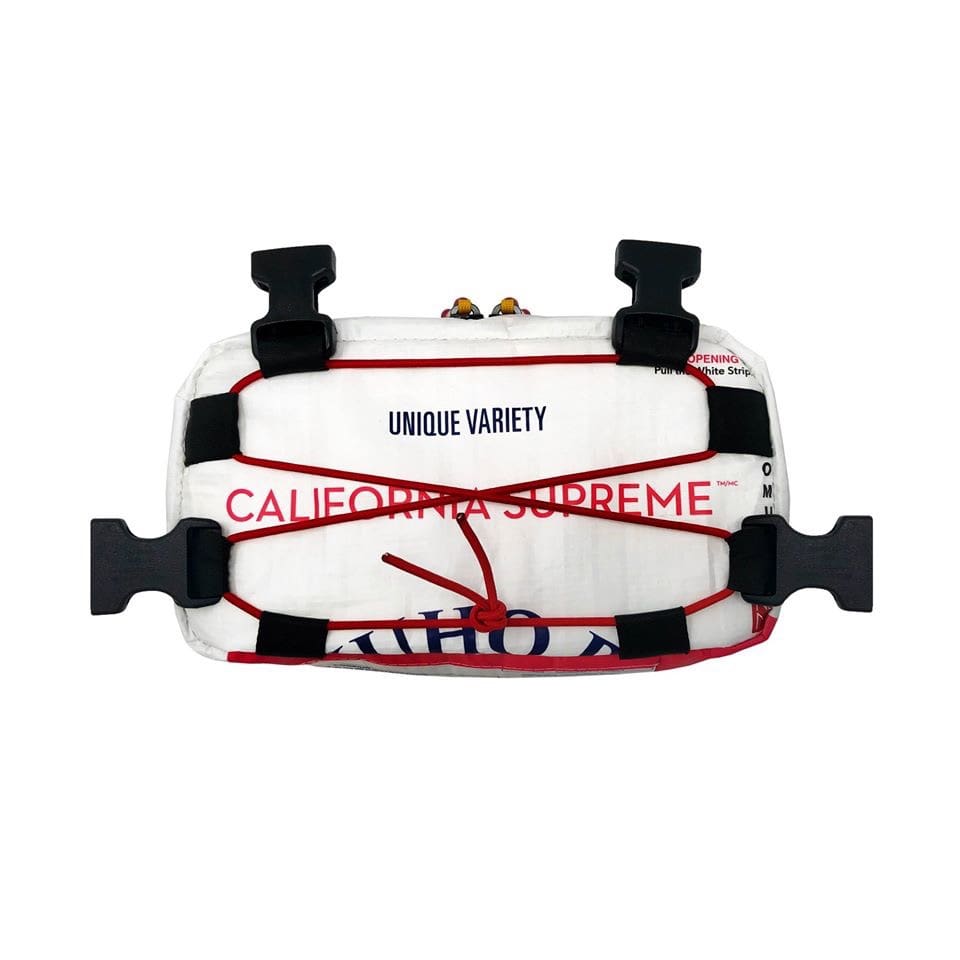


Hey everyone! I just wanted to share a fun personal project I just did this week. Despite it being a smaller product, there was a surprising amount of labor that went into this. But I’m pretty happy with how it turned out.
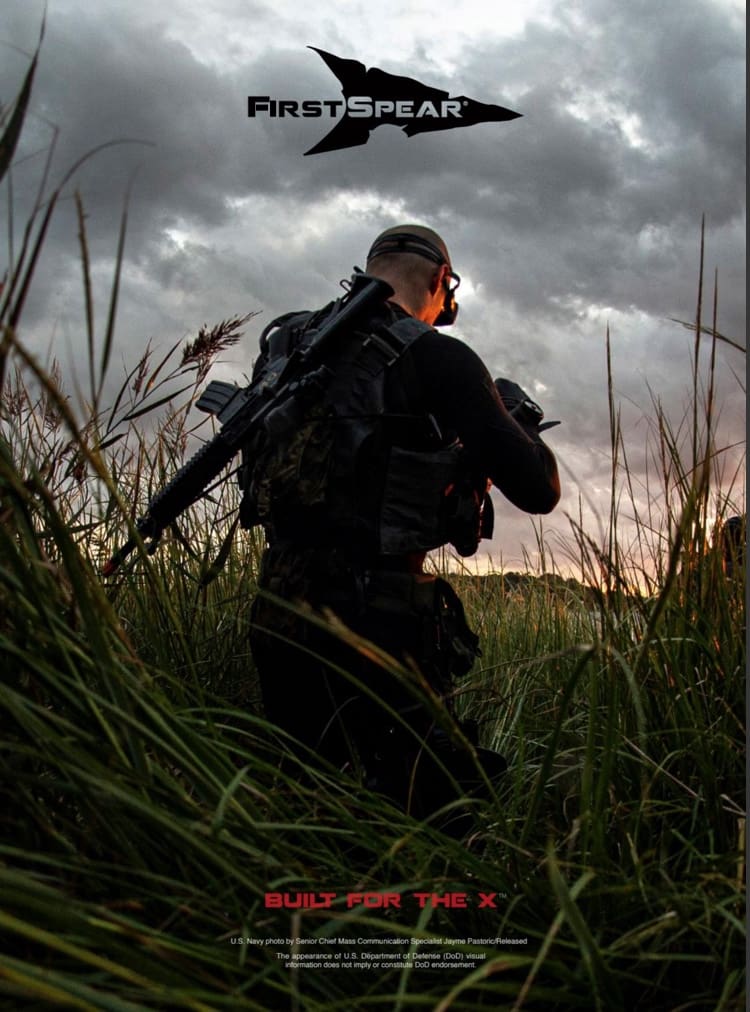
Now available for digital download, FirstSpear has released the all new V18 product catalog. Check out some of the latest advancements in maritime and land based personal protective equipment, technology and technical apparel. Also get the first look at the all new Streetwalker Bag, available now for preorder, delivers end of February.
www.first-spear.com/first-spear-catalog
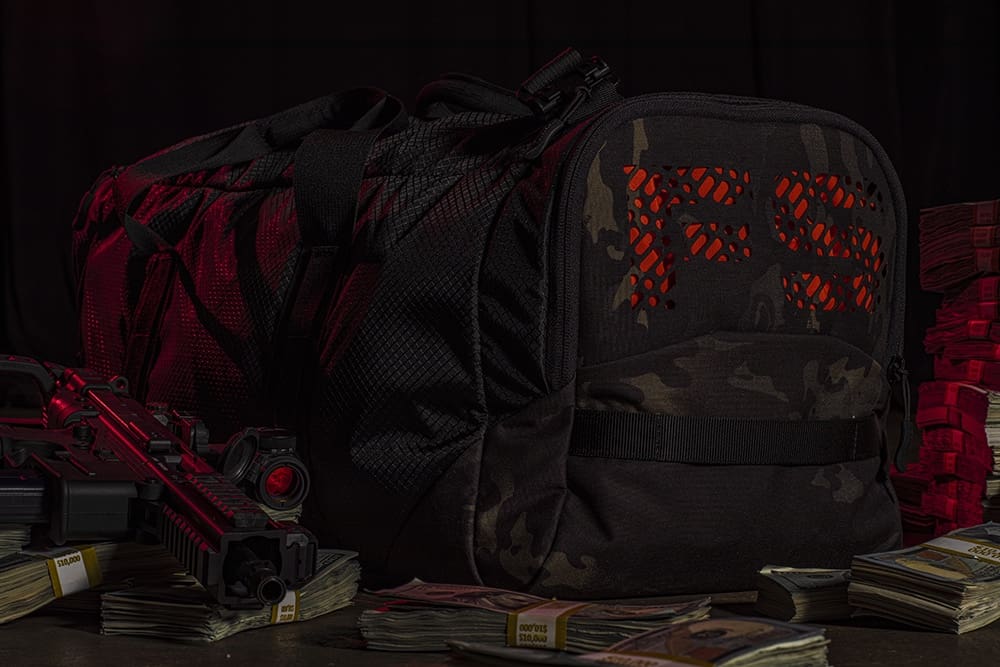
www.first-spear.com/streetwalker
Stop by ADS Inc (booth #20415) to check out these UAS technologies:
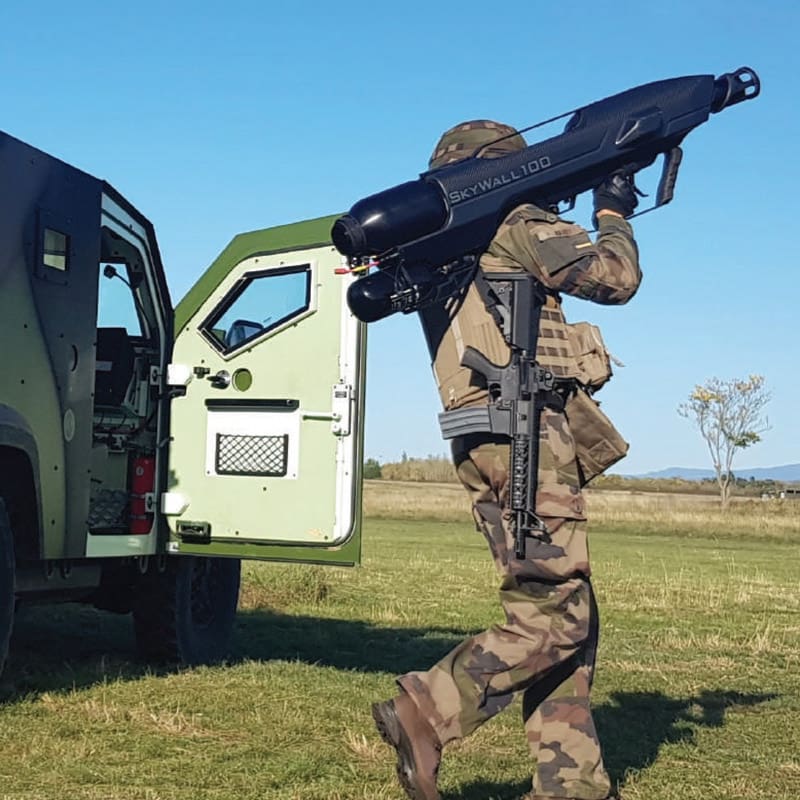
Liteye Skywall Patrol Handheld Drone Capture System: SkyWall Patrol is a handheld system that gives a mobile operator the ability to physically capture a drone in a specifically designed ‘drone entangling’ net. It uses compressed air to launch a projectile up to the drone after the operator has targeted it using the onboard SmartScope.
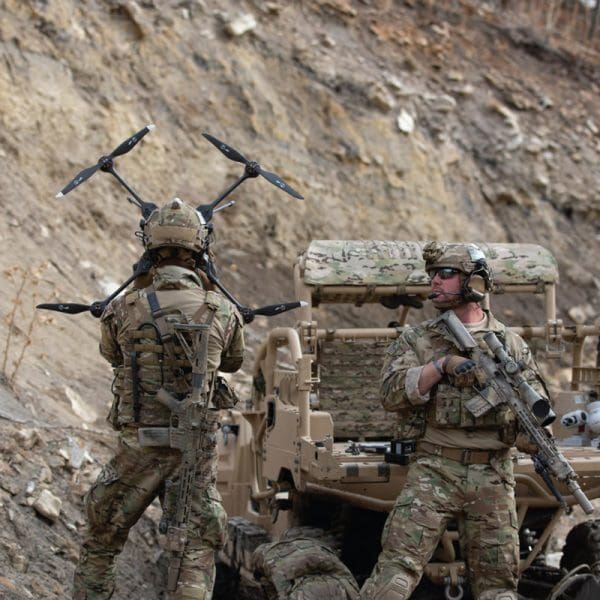
FLIR R80D SkyRaider: This advanced multi-mission UAS was developed for U.S. Defense and Federal Government Customers and can carry and deliver multiple payloads up to 4.4 lbs, an open architecture, and one of the fastest, most powerful embedded AI computing devices available on sUAS.
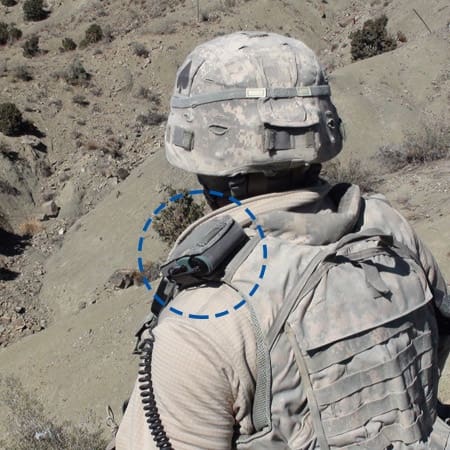
QinetiQ Shoulder-Worn Acoustic Targeting System (SWATS): QinetiQ’s SWATS is a compact, shoulder-worn acoustic targeting system that detects, locates and displays hostile shooter location in less than a quarter of a second.
Helix Tactical provides access solutions worldwide for security, defence, and rescue operations. They provide equipment, systems and training to enable operators to work with speed, ease, and safety when accessing objectives across a wide range of environments; mountain, urban or maritime.
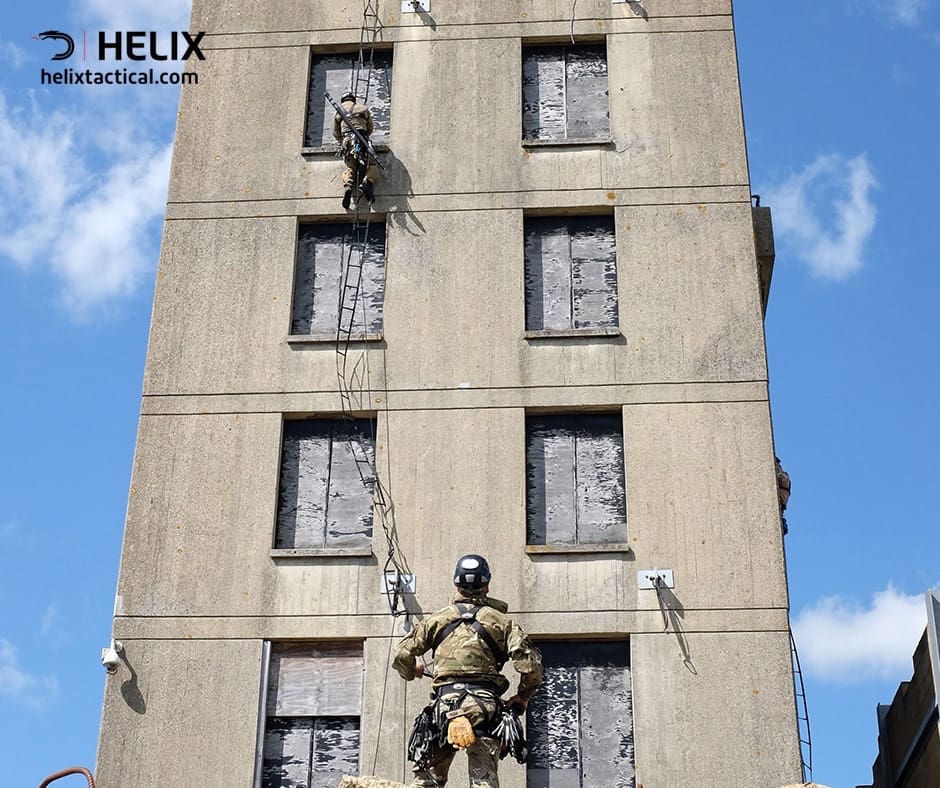
Helix understand that first class equipment is only one part of the equation and that without a trained operator or user it is unlikely to be utilised to its full potential. That is why Helix also offer training packages alongside complete equipment systems and kit.
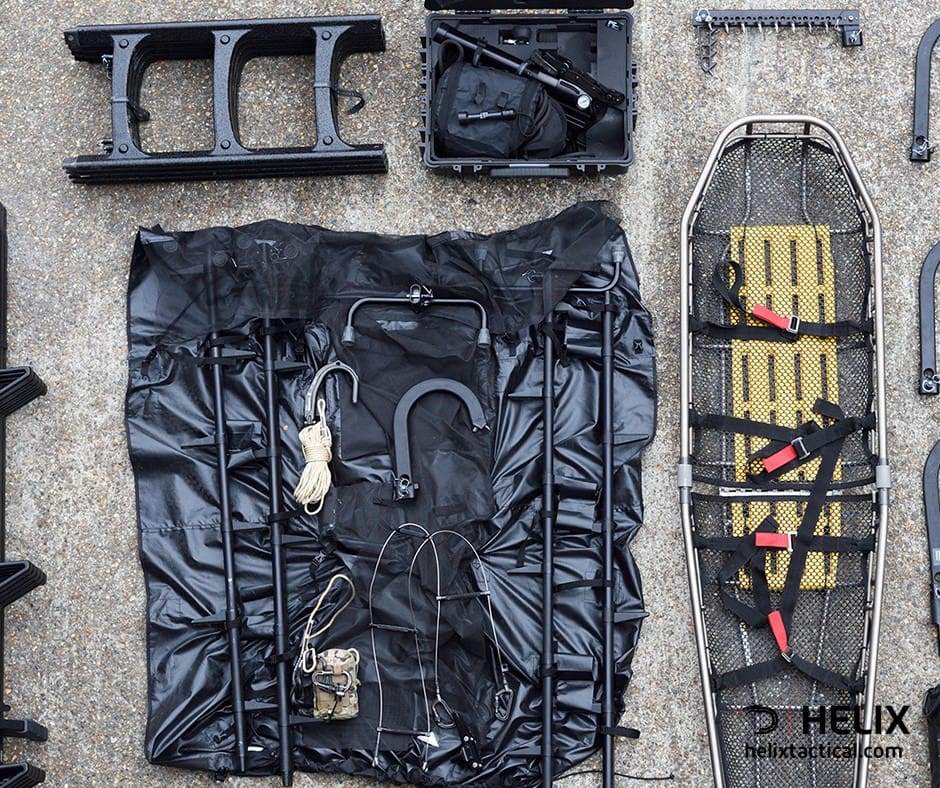
Training can be delivered through a range of options; from standard courses for the operator, maintainer or supervisor, through to bespoke courses covering specific scenarios.
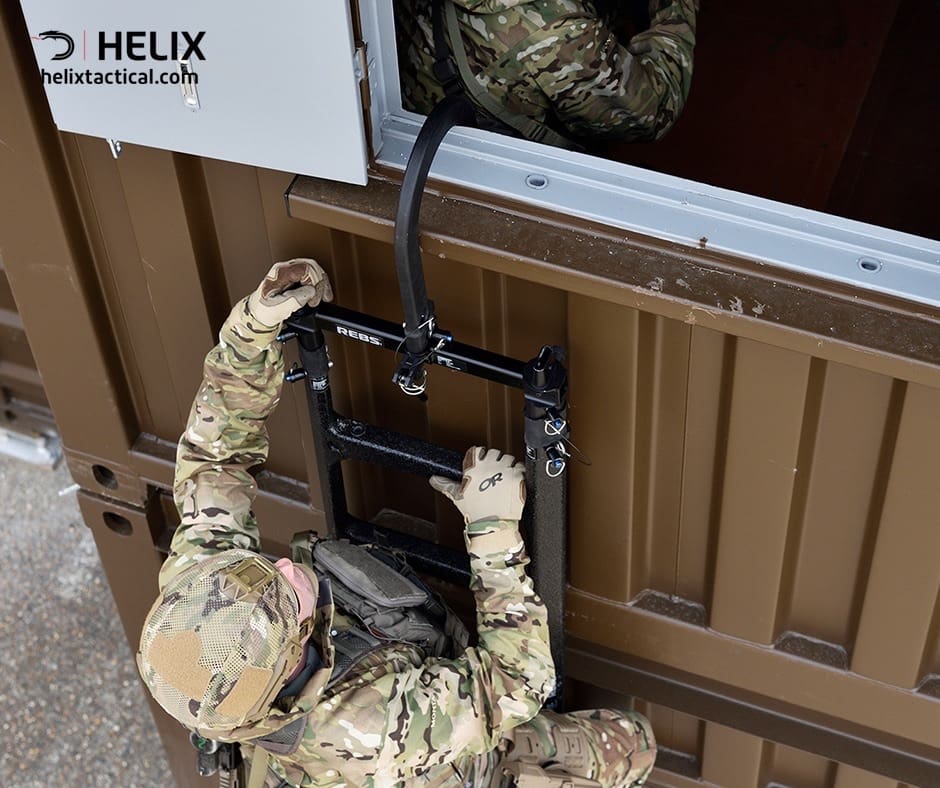
These training courses are accredited by Helix and through external validation depending on the end user requirement and course syllabus.
For more information contact warrior@brigantes.com
For International sales email international@brigantes.com
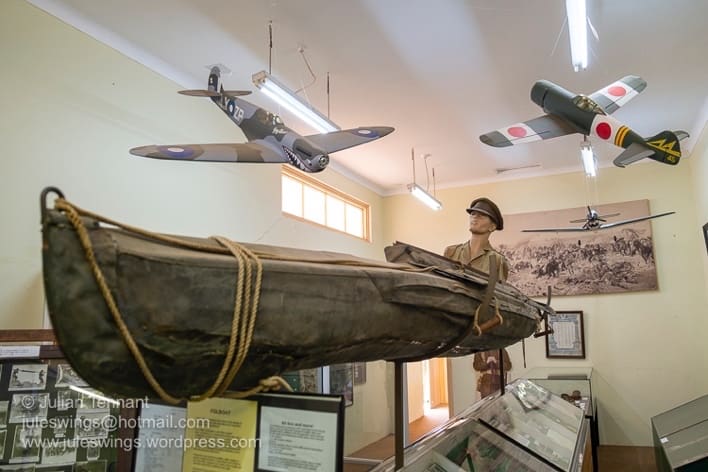
I wanted to something for our brother in Australia, they are the only country that has supported the U.S. in every war we have been in since WWI. When I was growing up, “Attack Force Z” was and still is, one of my favorite movies. I have always wanted to be inserted by Klepper kayaks and blow up ships in harbor or an old bridge.
SOE-Australia (SOA) was a WWII Special Forces and covert operations organization operating in the Pacific theater behind Japanese lines. It was made up of men and women from Australian, British, New Zealand, Canadian, South African, Indonesian, Timorese and Malay. SOA fought a secret, undercover war against the Japanese occupying force on the islands north of Australia. With the success of the British SOE unit in the European theater, Winston Churchill ordered that a similar unit be formed in the pacific. SOA was made up from many different units like the Royal Australian Navy’s Coastwatcher’s, a propaganda unit the Far Eastern Liaison Office (FELO), the Secret Intelligence Service (SIS/SIA), a Dutch East Indies intelligence unit (NEFIS), the United States’ Philippine Regional Section (PRS, operating in the southern Philippines) and an Australian/British Special Operations group, which was to carry out missions behind enemy lines. The SOA took part in hundreds of covert operations against the Japanese and were directly responsible for eliminating thousands of enemy troops and sinking tons of ships and supplies, they paid a high price with more than eighty SOA commandos losing their lives. To maintain security, the SOA was given a cover name – Inter-Allied Services Department (IASD, mostly referred to as the ISD). It had British SOE agents that had escaped Singapore and the Dutch East Indies before it fell to the Japanese. That helped get it up and running.
SOA operators could operate in parties as small as two men, ISD Operatives faced overwhelming odds against a barbaric and increasingly desperate enemy. They conducted similar operations as many other SF groups in WWII. From Jedburgh’s type of missions (training indigenous guerrilla forces) to conduct direct action missions and raiding targets of opportunity. They also performed special reconnaissance missions close to enemy forces behind the lines.
The ISD men kept quiet about their exploits for over 50 years, and even today, the full story has never really been made public. The whole story of ISD operations during WWII is one that has been largely overlooked and misunderstood for the past 75 years. One of the main reasons for this is the misunderstanding that ISD was named Z or M Special Unit. The Z and M just referred to their administrative arm of the units. Z Special Unit was also used for requisitioning stores and transport through Australian Army channels. There are cases where Colonels were removed from transport aircraft to make room for ISD Corporals. Such was the administrative power of the Z Special Unit. So, this is how it was broken down, for Australian Army personnel and civilians assigned to ISD, and later to SRD, and as such, Z Special Unit appears on the service records of every Australian soldier who was assigned to either of those organizations. Another reason for some of the confusion is that in early 1943 the SOA was giving a new code name the Services Reconnaissance Department (SRD), and the term SOA was only to be used at the highest level. Z Special Unit does not appear on the service records of RAAF, RAN or British, NZ, Canadian, or South African personnel assigned to ISD or SRD since they weren’t enlisted in the Australian Army. However, Z Special Unit or Z Force became a common term in the post-war years, even among SRD Veterans. Although it is historically inaccurate to refer to the Special Operations as Z Special Unit. So, where do M Special units fit in? During the war an Allied Special Forces Reconnaissance Team under the command of the Services Reconnaissance Department (SRD.) It was the successor of the Coastwatcher’s unit. Raised in Queensland, Australia, in 1943, the unit operated behind enemy lines for long periods in the Pacific theatre, collecting intelligence such as enemy troop movements and shipping details. It was disbanded at the end of the war in 1945.
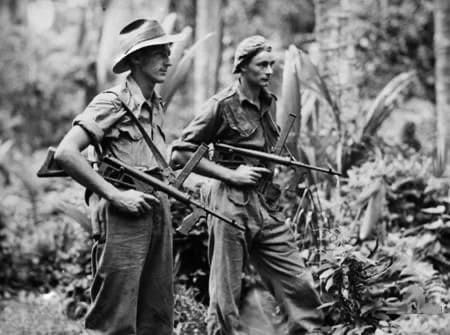
Unlike its sister unit, M Special Unit wasn’t as well known for direct action missions. Z Special Unit was comprised of about 81 members and generally inserted via small boat, submarine, or airplane and conducted quick hit and run missions. They would also conduct intelligence-gathering operations. M Special Unit, on the other hand, operated behind enemy lines for extended periods and did long-range intelligence collection; as such, they tried to go undetected and, as such rarely engage the enemy.
Also, all personal assigned to ISD were still listed as attached to the parent unit they came from. The reason for this was to help maintain secrecy. It was also used as a way to hide the funding for the ISD. As one of the best ways to keep something secret is never to show that money is going to them. The units never had an official insignia. You will often see a Z of M with a dagger through it. This was not made until 1970 and unfortunately, is mistaken for the units WWII symbol.
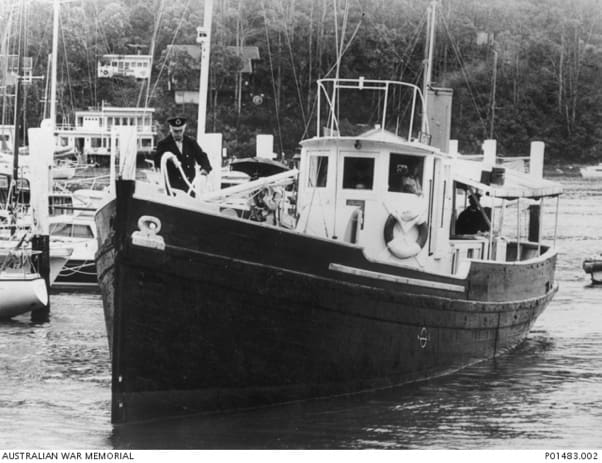
One of ISD/SRD’s most famous Operations was called Jaywick. They used a 68-ton wooden ship. British authorities had seized the Kofuku Maru in Singapore following Japan’s entry into the war. In 1943 she was renamed Krait and assigned to the SRD. The objective of Operation Jaywick was for SRD members to attack Japanese shipping in Singapore. SRD commandos paddled into Singapore harbor in kayaks and attached limpet mines to Japanese enemy shipping. The stealthy raiders sank seven ships and about 39,000 tons of supplies and equipment before escaping home to Australia. By the time they returned nearly seven weeks later, the crew of 14 had carried out one of the most successful clandestine raids in Australian history. Throughout the war, the 70-foot wooden-hulled boat involved in the Jaywick raid, MV Krait, sank more shipping than any other ship in the Australian navy.
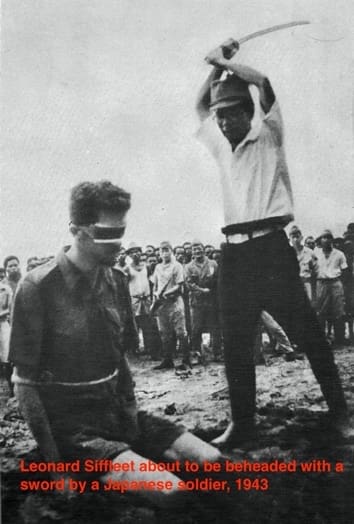
In a subsequent mission to Jaywick called Operation Rimau, the raiding party was detected by the enemy, hunted down and executed. Seventeen of SRD members lie in graves at Kranji War Cemetery in Singapore. In Operation Copper, eight men landed on an island off New Guinea to disable enemy guns before the Allied landing. Discovered by the Japanese, three commandos were captured, tortured, and executed. Four others escaped and fled out to sea, but only one made it home.
No matter what their name was or what they are called now, the units of WWII are the forefathers of today’s Special Forces in Australian and New Zealand and helped end the war.
www.australiansas.com/Establis%20SF
Kit Badger attended the AMTAC Shooting Force on Force class and provides this review.
For full details including kit he used, visit kitbadger.com/force-on-force-with-amtac-shooting.
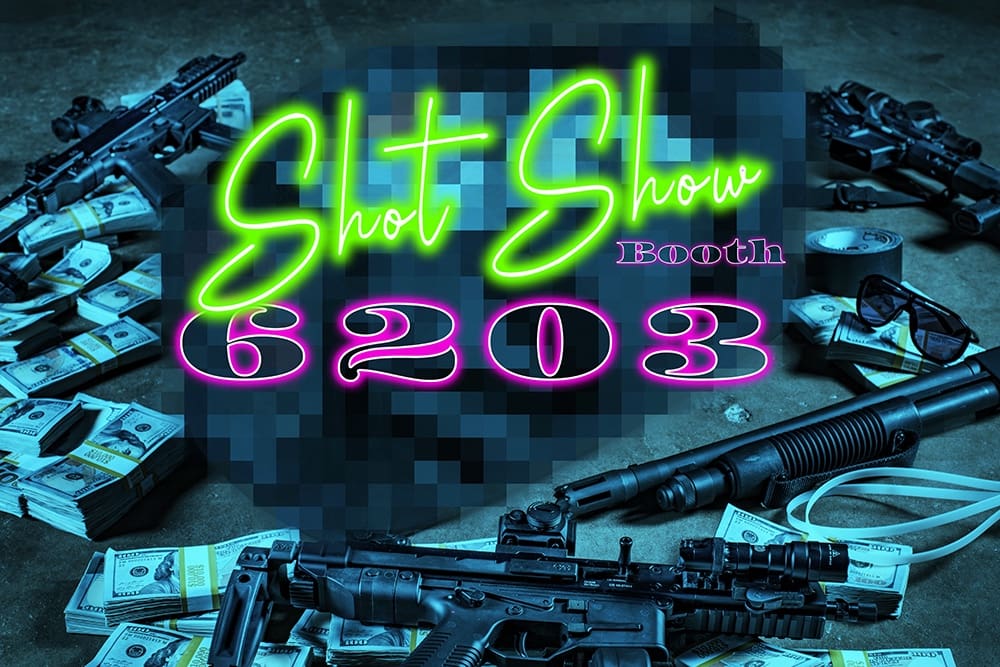
Be sure to add FirstSpear to your list of must sees at the SHOT Show, Booth 6203 on the 1st floor in the Casanova Ballroom. Check out the latest advancements in land and maritime based protective equipment and technology and while your are there enter to win the first prototype design sample of the Streetwalker, just one of the new items FS is debuting at the show. Stay tuned for more details and photos from the show floor.
The Shot Show has long held an important role in the capability development of the UK. This key opportunity to discuss needs with businesses and engage with our cousins across the pond is invaluable to the ongoing evolution of British military units.

At this time of flux the need is greater than ever, with the UK land forces looking closely at the missions it conducts and the equipment that it uses. The proliferation of non-state actors using conventional tactics and state actors using unconventional tactics has required a deep rethink on how the British conduct business and therefore leads to opportunity for innovative companies.
Key to the interests of the brands and business at Shot is the desire to decrease the time required to develop capability and deliver effect to the men and women on the front line. To that end Brigantes will be working alongside its partners in Team Wendy, Outdoor Research and Point Blank to discuss developments in personal protection and clothing with UK military units.
In addition to helping host UK visitors Brigantes is, for the first time, bringing some of the product developments that it has worked on with Helix, Silva, Scarpa, Snigel and Montane to the show for US visitors to get a chance to see and touch. These items will be with Mountain Horse on the Global Ordnance stand (3017).
If you wish to chat through any of the products covered by Brigantes or have questions about engaging with UK and European opportunities then please do not hesitate to get in touch.
For more information contact warrior@brigantes.com
For international enquiries: international@brigantes.com