GORE-TEX Professional

Archive for the ‘Guest Post’ Category

75th Anniversary of Menton Day

Friday, December 6th, 2019

FORT BRAGG, North Carolina – Seventy-five years ago, on December 5, 1944, the combined U.S.-Canadian First Special Service Force (FSSF) paraded one final time at their Villeneuve-Loubet camp, near the town of Menton, in southeastern France.
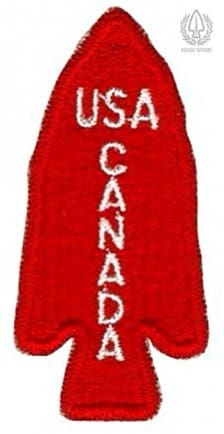
The FSSF was an elite commando unit activated in July 1942 to attack hydroelectric plants in Nazi-occupied Norway. Consisting of a headquarters, three combat regiments, and a service battalion, the unit prepared for combat with a rigorous program of physical fitness, close combat fighting, airborne, demolition, mountaineering, amphibious, and winter warfare training.

Commanded by U.S. Army Brig. Gen. Robert T. Frederick from July 1942 to June 1944, the FSSF earned the nickname the ‘Devils Brigade’ by the German Army for their aggressive night patrols defending a section of the Anzio beachhead in Italy.

Despite its effectiveness, a manpower crisis in the Canadian Army led to the unit’s inactivation. Having become a ‘band of brothers’ during combat operations in Kiska, Italy, and Southern France, the FSSF soldiers assembled at 1400 hours for a somber farewell. The order announcing the Canadian’s departure was read, followed by remarks from the commander, Col. Edwin A. Walker, the roll of the fallen, prayers, and a playing of taps. After the FSSF colors were sheathed, the order was given: “All Canadians fall out!” The 620 Canadian soldiers paraded, and received a salute from the Americans.

A Canadian sergeant from the 2nd Regiment remarked years later, that “It was the saddest day of my life, I think…Canadians were falling out that I thought were Americans and Americans were standing still who I thought were Canadians…There was no nationality in that bloody unit.”

The next day the Canadians boarded trucks taking them to ships bound for Italy. The FSSF Canadian veterans were reassigned to their parent unit, the 1st Canadian Parachute Battalion, or sent home based on overseas time served. Most American veterans volunteered for an airborne division, or were assigned to the 474th Infantry Regiment (Separate).

Commemoration of Menton Day on December 5, began thirty-five years ago when Army Special Forces honored its lineal connection to the FSSF. Over the years, various headquarters and units have observed Menton Day. Since September 11, 2001, some unit activities have grown to a week. Now, the 1st Special Forces Group, at Joint Base Lewis-McChord, Washington, has a memorial wreath laying, physical fitness competition, range day, a U.S.-Canadian parachute jump, and formal ball with a noted guest speaker.

Since 2006, Canadian Army Special Operations Forces (CANSOF) in their distinctive uniforms, tan berets, and badges incorporating a FSSF V-42 fighting knife, are seen at Menton ceremonies in the U.S. These ceremonies keep soldiers of both nations connected to their history and serve as a reminder of a tremendous legacy. The 1st Special Forces Regiment and all U.S. Army SF groups trace their official lineage to the FSSF.

-USASOC-

By Robert Seals, USASOC History Office
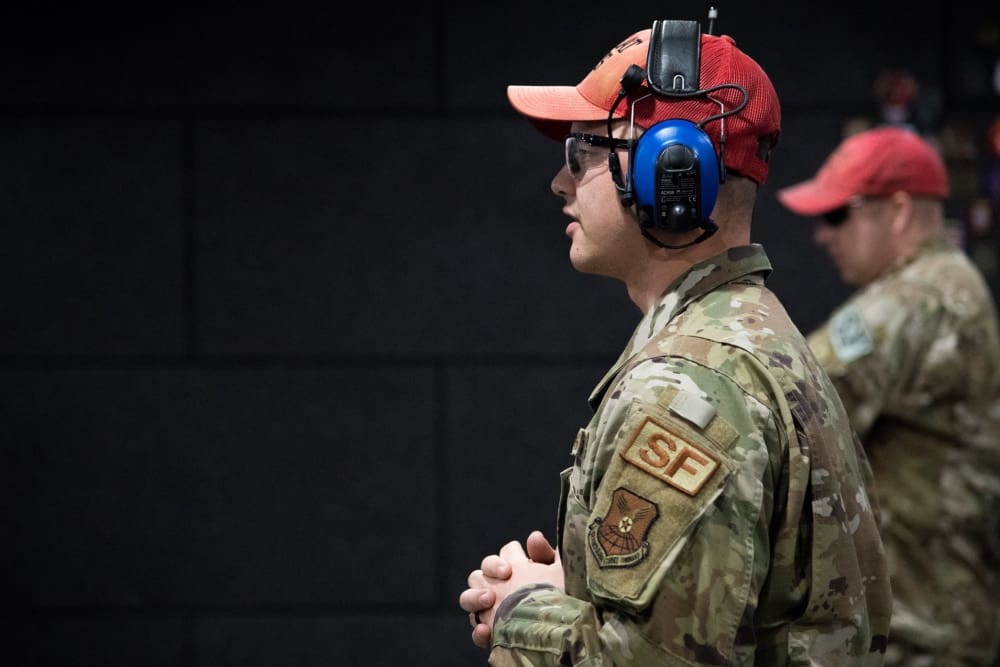
2nd SFS Switches to M18

Wednesday, December 4th, 2019

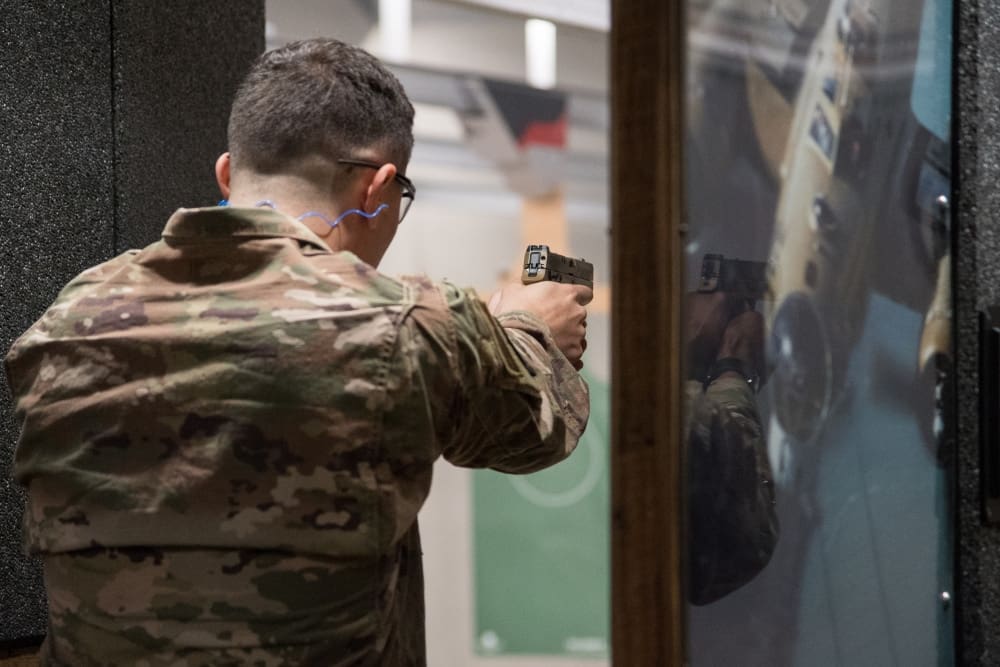
More than 30 years ago, the M9 Beretta entered service into the military, but on November 30, the 2nd Security Forces Squadron will arm up with the M9 for the final time.

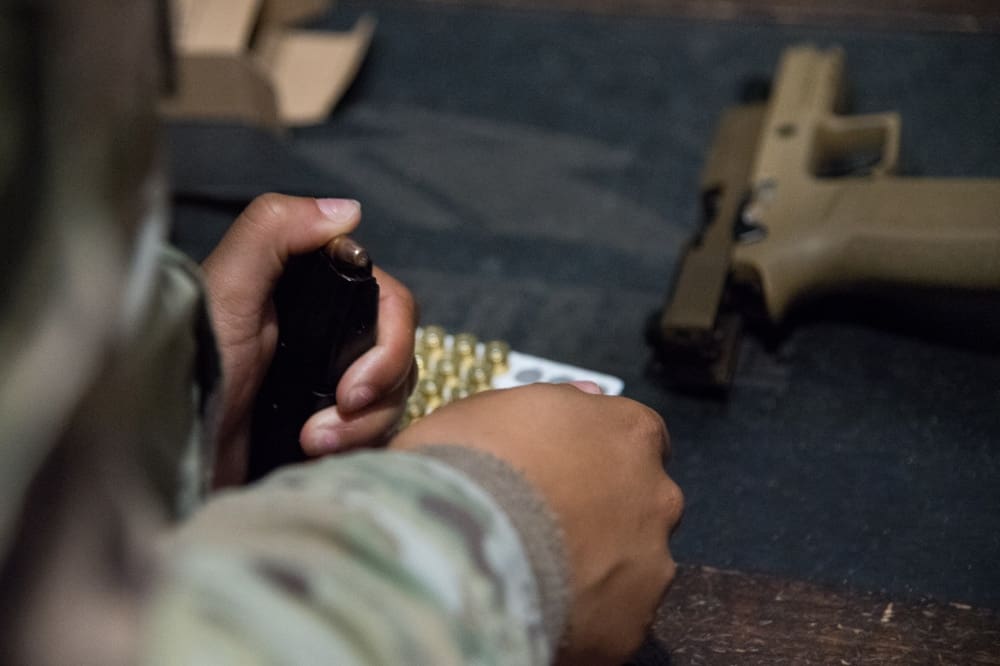
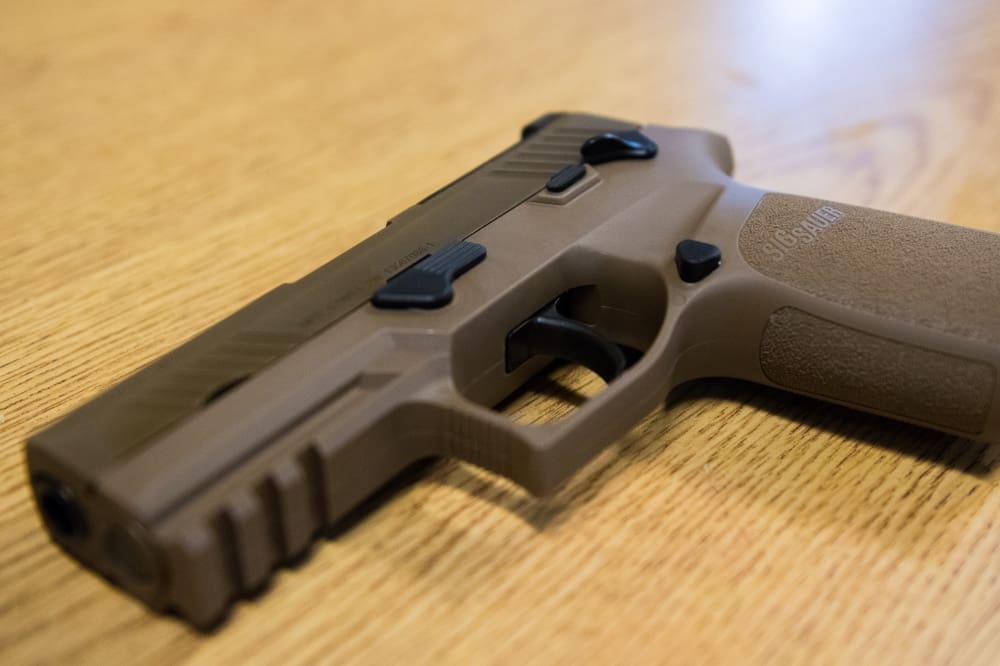
Instead, they will begin carrying the M18 Modular Handgun System, a shorter, more compact weapon. The change is expected to enable defenders to complete their jobs more efficiently and effectively, according to the 2nd SFS Combat Arms team.

“It is an easier system to operate,” said Staff Sgt. Daniel Johnson, 2nd SFS Combat Arms assistant non-commissioned officer in charge. “This is because it is a striker-fired weapon which means the trigger squeeze is the same each time.”

“The M9 requires a stronger trigger squeeze at first and then gets lighter as it shoots. The M18 uses a consistent amount of pressure, taking away the anticipation and added strength needed from the M9, allowing the shooter to not have to think about the trigger squeeze every time, granting more accuracy,” Johnson added.

Among other aspects like customizable pistol grips, the M18 is known for its durability and simplified operating system.

“Four of us instructors attended the Sig Armorer course at the Sig Sauer Academy to learn more about the breakdown and maintenance portion of the weapon as well as some of the new ways they build the system,” said Senior Airman Matthew Lazo, 2nd SFS Combat Arms instructor. “There are fewer pieces that we are going to have to fix as often and the system also comes to where you are just changing out one whole part versus having to change a million different ones.”

The deadline for the switch was set for July of 2020, a year from when the team received the weapon systems on base. The team made a goal to break that deadline by seven months. Together they had to find a way to get more than 280 personnel qualified on top of their 300 personnel monthly firing schedule.

“It took us about a week, but we laid it out by figuring out how long it takes us to run everyone through the course, and we came out with the plan,” Lazo explained. “Not only getting everyone in once but two or three separate times.”

The qualifications aren’t as simple as members showing up to fire. There is a specific 90-round handgun course of fire qualification process that includes not only a hands-on portion but also a classroom instruction.

Before the qualification process began, the firing range on base was shut down for updates to the safety features, causing the team to have to find another range to train.

“At the range on base, we have 21 points, which means we can have 21 people fire at a time,” Johnson explained. “At the off-base range, there were time restrictions, and we could have as many as 16 points at once to as little as eight depending on the time.”

The Combat Arms team didn’t let that set them back as they continued to adapt and overcome all the hurdles thrown their way. They are still going to be able to meet their early deadline.

Dec. 1, 2019, will mark the beginning of a new era of weapon systems within the 2nd SFS as the black M9 is replaced by the coyote-tan M18.

Story by Senior Airman Tessa Corrick, 2nd Bomb Wing Public Affairs

Brigantes Presents – Fallkniven X-series Survival Knives

Wednesday, December 4th, 2019

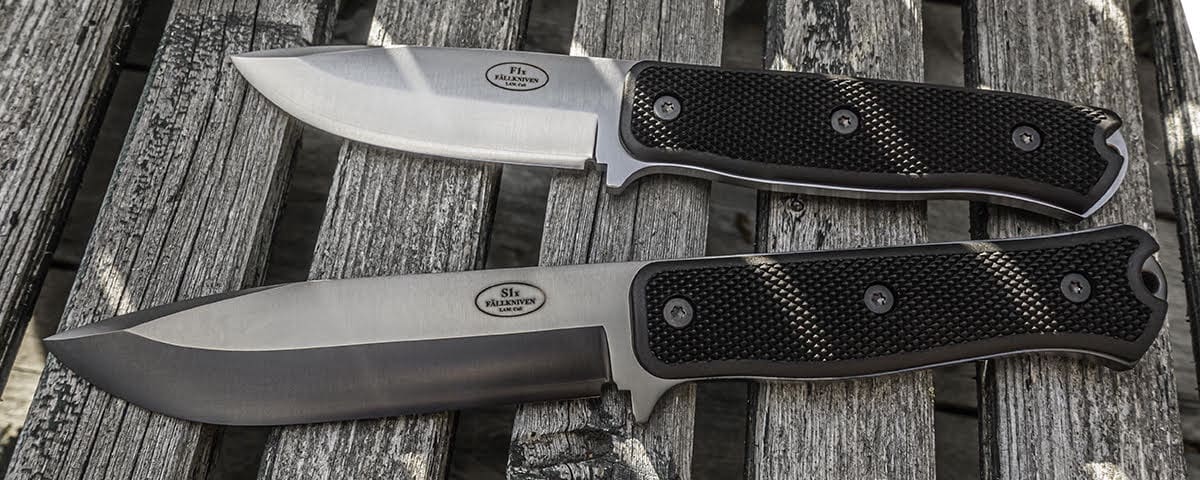
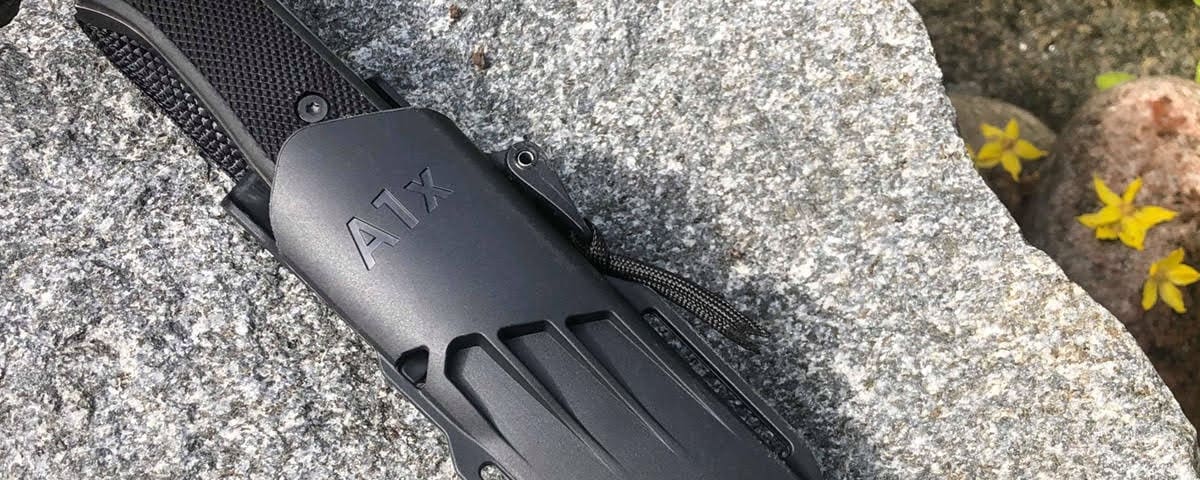
The Fallkniven X Series F1 is, arguably the world most functional and high performing survival knife, considered to be one of the best in the world.

The X-series knives are strong, sharp, safe, comfortable and also really stylish, especially the all-black versions. The basis of the X-knife’s strength lies in the laminated cobalt steel in combination with the well thought out construction in which break zones have been eliminated. Together with the hand shaped convex edge, the X-knife is a concept that beats everything else in the world in terms of safety, comfort and hard use.

To that they have added a cleverly constructed sheath in a special plastic that locks the knife, smart as simple. This month, a stainless steel clip will also become available, it allows you to easily hook the knife on and off from your waistband, adding to its versatility and ease of use.

For more information contact international@brigantes.com

For UK Sales contact warrior@brigantes.com

822nd Base Defense Squadron K9 Teams Train Fast-Rope Insertions

Monday, December 2nd, 2019

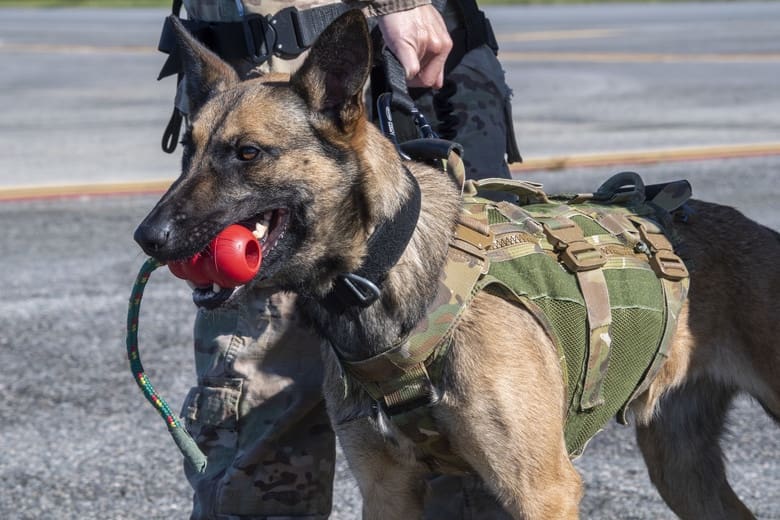
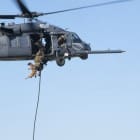
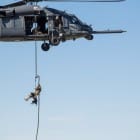
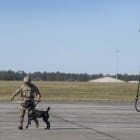
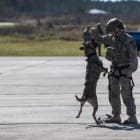
Members of the 822nd Base Defense Squadron fly in a HH-60G Pave Hawk from the 41st Rescue Squadron to conduct fast-rope training with their military working dogs (MWD) Nov. 20, 2019 at Moody Air Force Base, Ga. Fast-roping allows the MWD teams to quickly access a rugged location where an aircraft is not able to land and start conducting base defense as soon as they are needed.

By 1st Lt. Faith Brodkorb, 93d Air Ground Operations Wing Public Affairs

SCUBAPRO Sunday – Thanksgiving

Sunday, December 1st, 2019

Thanksgiving is a time when many people take the time to gather with family and friends to feast, give thanks and celebrate from the comfort of their own homes.

But during wartime, however, the Thanksgiving holiday is slightly different. During WW1 AND WW2 on the home front, people were encouraged to cut back on food items such as sugar, meat, fats, and wheat so food could be sent to troops fighting overseas. Many newspapers across the country printed alternative recipe ideas that cut back on food items, especially sugar.

American families were asked to grow their own gardens and use homegrown food in their Thanksgiving meals instead of buying food from the local food market.

The menu at Camp Wadsworth in 1918 included celery, pickles, olives, roast turkey with dressing, cranberry sauce, mashed potatoes, salted wafers with cheese, bread and butter, pumpkin pie, fruit cake, ice cream, and coffee.


My first military Thanksgiving was in 1987 at NTC Great Lakes. A couple of years later, I would be in my second combat zone during the first gulf war, it would eventually be called Operation Desert Storm, but I first got there it didn’t have a name. I was stationed in Saudi Arabia on the border of Kuwait. Our meals normally constated of two MREs a day. But on Thanksgiving, we got our two MREs and a meal of hamburger meat that was made into spaghetti. We were some of the first troops on the ground and had nothing but two MREs a day since the day we arrived in late August. About two days before Thanksgiving, we had a Mess Specialist 1st class (MS1) assigned to our camp, his first role was to go around with our corpsman and make sure all the water we were getting was good for us to drink. We had bottled water until the commandant of the Marine Corps decided he didn’t want his Marines drinking Gucci water. It didn’t matter that we were not Marines because we got our supplies from them. So, we had to get out water from the fire hydrants and store it in water buffalos where it was heavily chlorinated. Once a week we would take turns going to the port of Al Jubail to get supplies and you could sometimes get a hot meal there.


Back to Thanksgiving. It was the first real hot meal we had had in about three months. It was one of the best spaghetti dinners I have ever eaten. I take that back – it’s one of the best meals I have ever had, period. It was a simple spaghetti meal with bread and bug juice (a Kool-Aid like drink), but I genuinely feel that the MS1 put all his heart into it. There was no apple pie, no football, no family — nothing you would think of as Thanksgiving. We were living in tents, abandoned buildings, and also Mil-van’s in about 110F heat. Over my 26 years in the military, Thanksgiving would genuinely get a hell of a lot better. Some of the ones I had while I was in Iraq, had just about anything you could want — from steak, lobster, turkey and ice cream. But still one of my favorite Thanksgivings of all time was in that tent during the first Gulf War/Operation Desert Shield/ Storm. Thanks to all support people who try every day to make places like Iraq, Afghanistan and other holes you might end up in, just a little bit better with food and other contributions that make being far away a little closer to home. 

Transition Combat Eye Protection Capability Added To Army Approved EyePro List

Saturday, November 30th, 2019

FORT BELVOIR, Va. — Lt. Col. Ginger Whitehead has seen the gruesome consequences when Soldiers chose to don eyewear that didn’t appear on the Army’s authorized list.

Deployed Soldiers have suffered severe damage to their eyes or lost their sight entirely.

“We have seen some really horrific injuries with roadside bombs,” said Whitehead, the product manager for protective equipment at Program Executive Office Soldier.

Using eyewear approved from the list, which features 27 products that have undergone extensive testing, could mean the difference between saving a Soldier’s vision or going blind, Whitehead said.

“The Soldier’s face is all chewed up,” Whitehead said. “But when they pull his glasses off, where the skin is intact around their eyes, where you know without a doubt that eyewear saved their eyes.”

To help protect Soldiers from serious injuries during combat missions, PEO Soldier has tested several protective eyewear models in compiling the authorized protective eyewear list, or APEL.

The Army introduced a lens model on the APEL that adds a new capability to the Army’s Soldier Protection System: an advanced transition protective lenses. The Transition Combat Eye Protection, or TCEP lens, features sensors with a greater sensibility than traditional transitional lenses, responding to visible light instead of UV rays.

The transition happens in milliseconds allowing Soldiers to go from sunlight to indoors quickly without loss of their situational awareness to see incoming projectiles or enemy attacks instantly. Typically, commercial transition lenses can take up to 5-10 minutes to transition and adjust to changing light levels. Often they will not darken in bright sunlight if a Soldier sits inside of a Humvee. The TCEP lenses will.

“It’s a one-second button,” said Capt. Michael McCown, assistant product manager of head protection at PEO Soldier. “It’s not like your transition lenses that you get from your doctor that change as you go in and outdoors … it’s electronic.” It can also be set to transition automatically.

PEO Soldier also unveiled a cold-weather goggle that can resist fogging in colder conditions. The new capability could help Soldiers at cold-weather installations or troops taking part in winter operations.

Soldiers can access the Army’s APEL list online at www.peosoldier.army.mil/equipment/eyewear. Each product on the APEL must meet the Military Performance Standard, titled Military Combat Eye Protection, or MCEP System. The APEL, updated about every two years, offers a wide range of brands and styles of protective sunglasses and goggles. Approved eyewear has an APEL logo and can be purchased online, and at post exchanges and AAFES stores.

PEO Soldier also took feedback directly from Soldiers, who responded in surveys, that having faster transition lens glasses along with high-quality sunglasses ranked atop their lists.

“They aren’t forced into a particular set of eyewear,” McCown said. “They’re able to choose which ones they want for their preferences.”

APEL-approved eyewear undergoes rigorous trials and a series of ballistic and non-ballistic testing at Aberdeen Proving Ground, Maryland, and at eyewear production facilities. Those tests include optical distortion, UV absorption and resistance to abrasion, and many more. The Army has placed a high priority on Soldier eyewear safety, bringing in ballistic experts and quality-assurance specialists to evaluate and witness the tests.

The Army requires each vendor to test their items every six months for conformance and have their items tested by a third-party laboratory every two years for recertification. Quality audits are also conducted annually at each facility to make sure they are in compliance with ISO 9001 – Quality management systems — and ISO 17025 — General requirements for the competence of testing and calibration laboratories.

McCown said Soldiers prioritize choice and style but he warns Soldiers and their commanders about the critical importance of APEL-approved eyewear. McCown cautions Soldiers only to trust products with the APEL-approved logo or to refer to the APEL list when choosing protective eyewear. Products with an APEL logo marked March 2019 or earlier remain valid and can still be used for ballistics fragmentation protection.



Whitehead added that the Army keeps the list at 27 to encourage competition among vendors to deliver higher quality protects, as well as keep prices affordable for Soldiers of each rank.

The APEL is a part of the Army’s Soldier Protection System, which guards Soldiers against threats using reduced-weight equipment in a modular, adjustable, next-generation protective system.

By Joe Lacdan, Army News Service

SureFire Field Notes Ep 50: How to Grip a Handgun with Robert Vogel

Friday, November 29th, 2019

SureFire Field Notes is a multi-segment informational video series with tips and techniques from subject matter experts of all backgrounds. In this episode, Robert Vogel of Vogel Dynamics discusses the proper technique in gripping a handgun for fast and accurate shooting.

If you have an idea on a suggested topic, be sure to drop us a line in the comments section!

Robert Vogel is a professional marksman, competition shooter, and National/World champion. He is the only Law Enforcement Officer ever to win World and National Championships in the Practical Pistol Disciplines of IPSC, IDPA and USPSA.

www.vogeldynamics.com

www.surefire.com

FirstSpear Friday Focus – Black Friday

Friday, November 29th, 2019

FirstSpear has all Black Friday and Cyber Monday deals listed in the non-stocking non-standard section of the FS web store. Take up to 40% off select items while supplies last. 

www.first-spear.com/non-stocking-non-standard