FirstSpear TV

Archive for the ‘Guest Post’ Category

FirstSpear Friday Focus: Strandhogg V3

Friday, October 4th, 2024

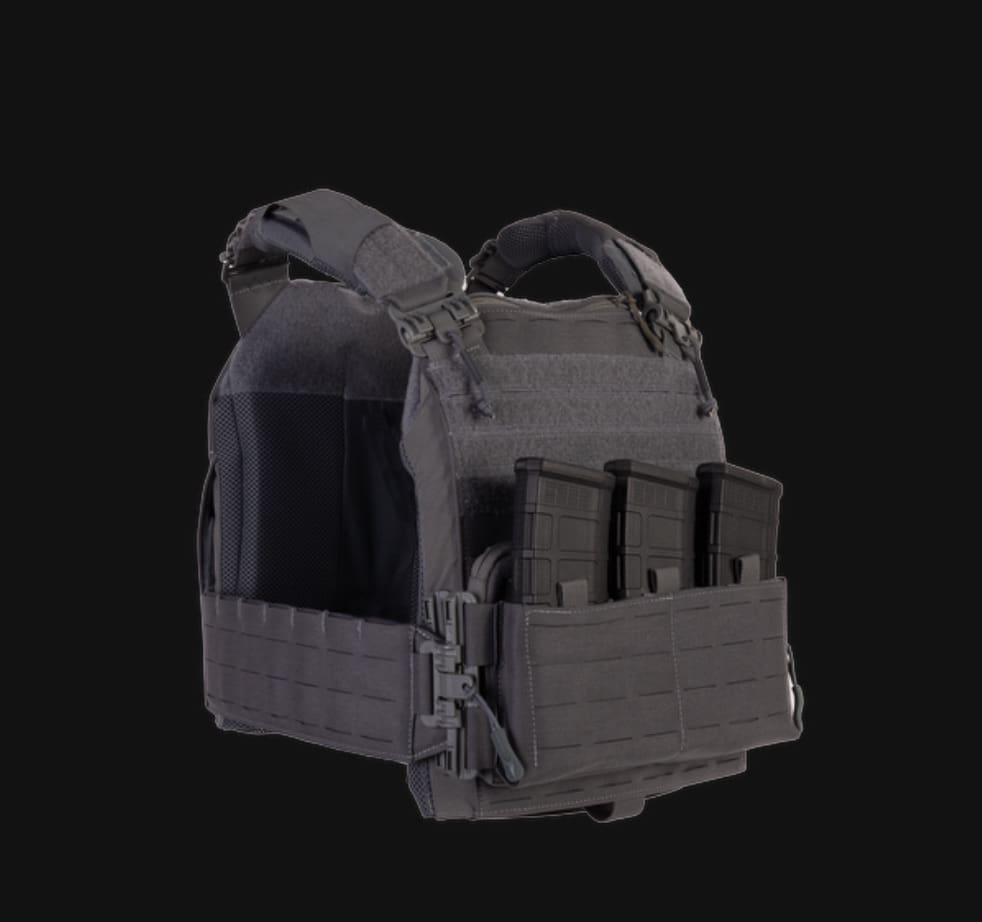
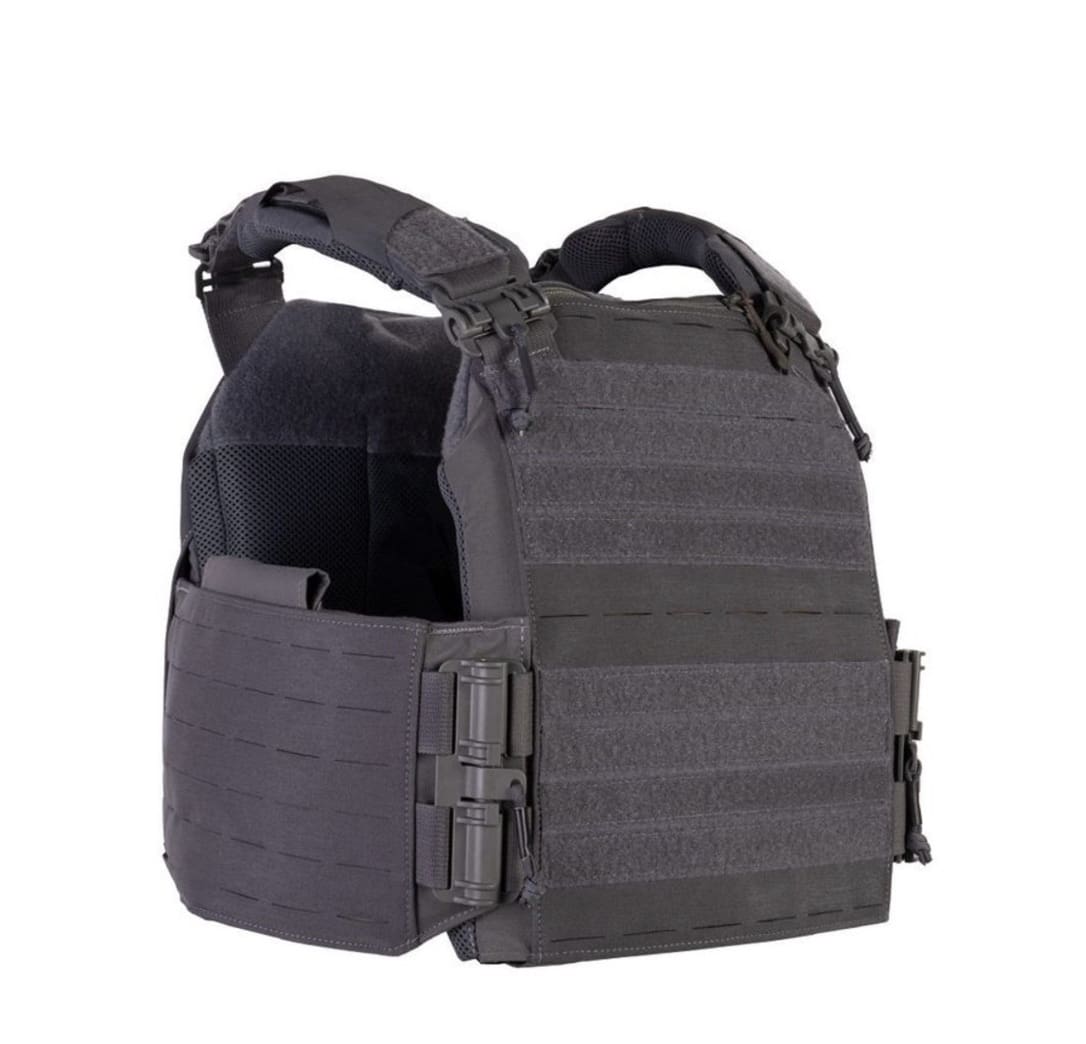
• 6/12 laser cut platform
• Tubes Rapid-Release Technology
• Internal zipper admin pocket
• Top loop placard front and back
• Bottom loop placard front only
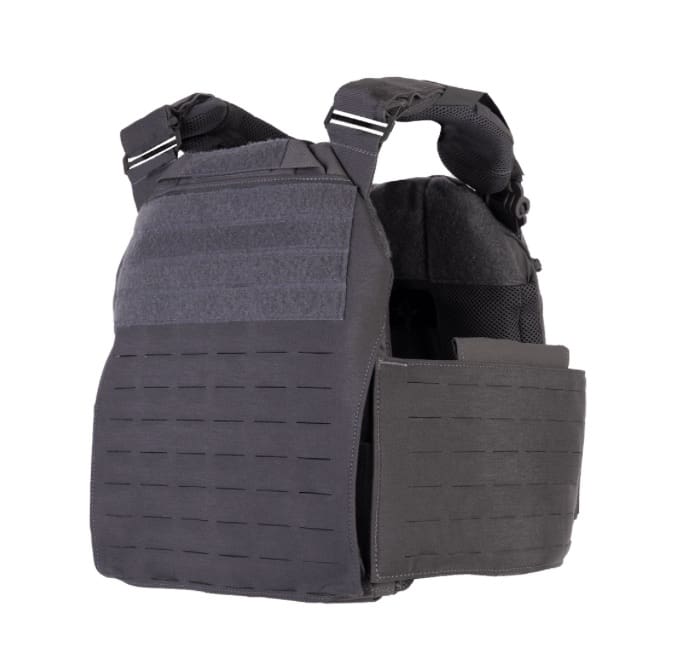
• Instant Access Back Panel
• Comfort padding
• Built-in ventilation channel

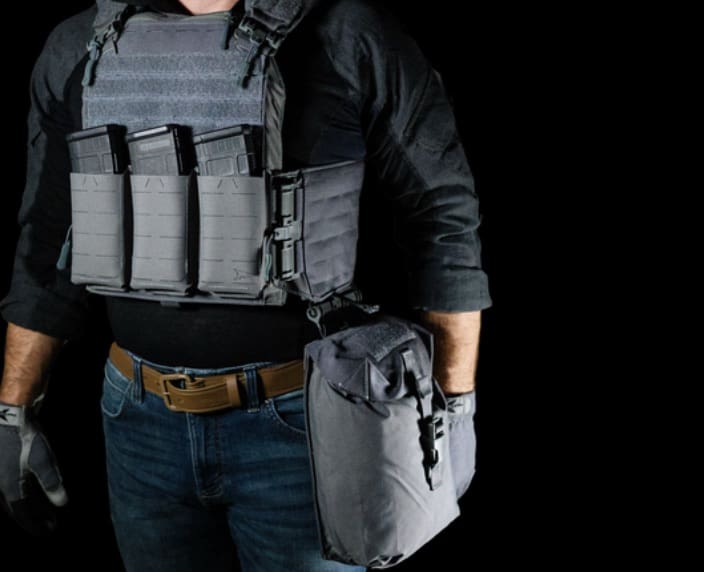
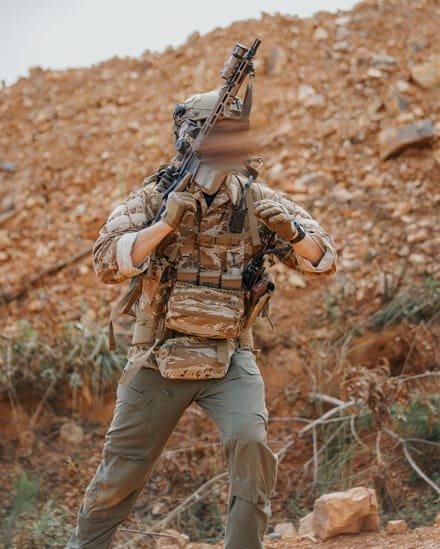
This week’s Friday Focus features one of the most popular FS Carriers — the Strandhögg v3 Plate Carrier, which maximizes 6/12 technology and rapid closure systems provided by the FirstSpear Tubes fasteners for easy donning and doffing. The redesigned front panel has an internal zippered admin pocket along with a 4″x9″ loop field for identifiers. Along the bottom of the front panel is a second loop field which has been added to facilitate use with the all new FirstSpear Admin Placard and Magazine Pocket Placard.

For more information, check out www.first-spear.com.

Brain Injury Devices in Focus During Fort Liberty Soldier Touchpoint

Friday, October 4th, 2024

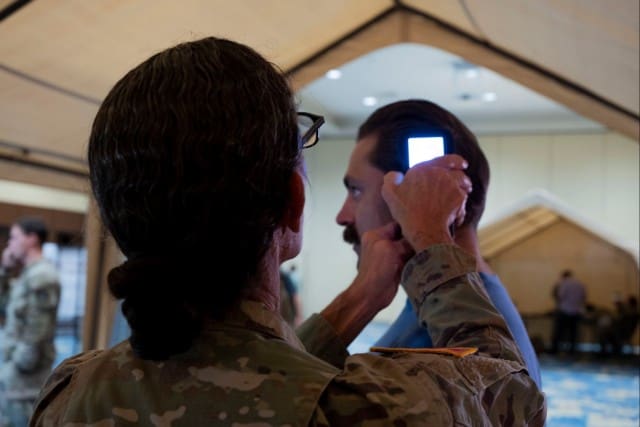
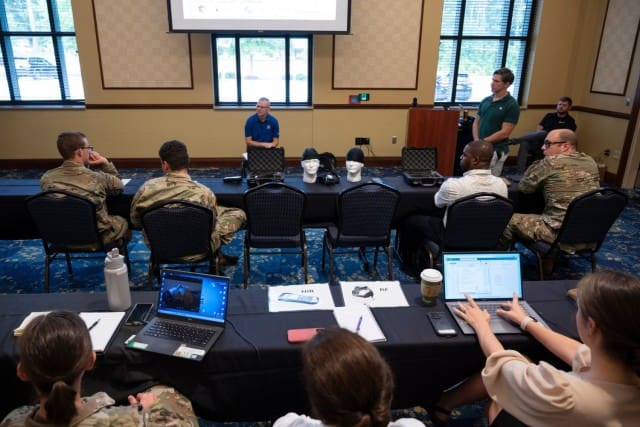
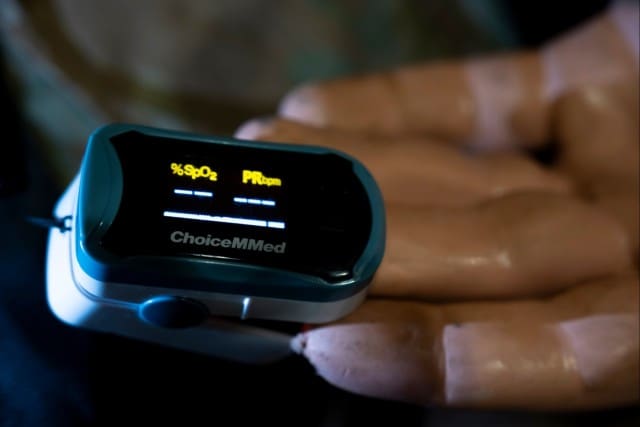
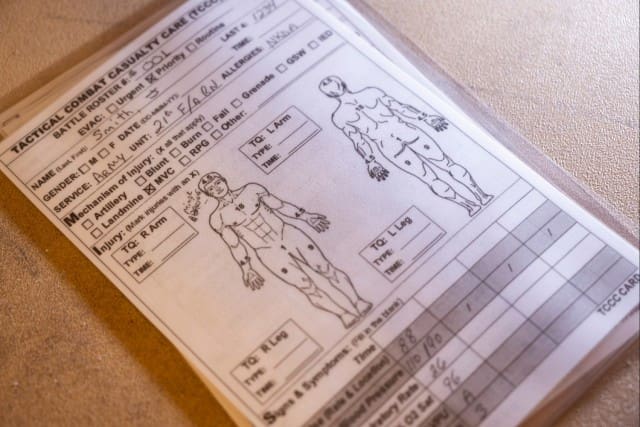
FORT LIBERTY, N.C. — Team members with the U.S. Army Medical Materiel Development Activity joined dozens of U.S. Army medics at Fort Liberty, North Carolina, to assess the progress of several traumatic brain injury detection devices as part of a Soldier touchpoint this week.

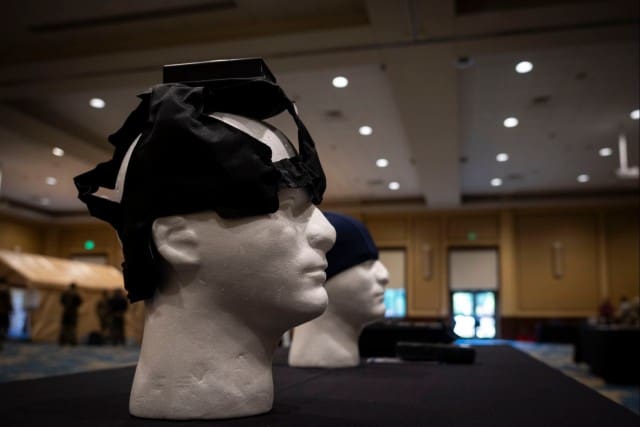
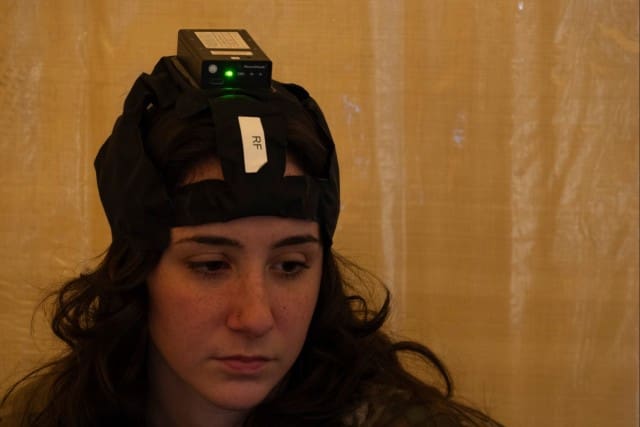
The Soldiers provided feedback on two brain trauma assessment devices currently under development at USAMMDA under the management of the Warfighter Readiness, Performance and Brain Health Project Management Office and stakeholders with the North Carolina Center for Optimizing Military Performance. The event, which included combat casualty assessment lanes inside Fort Liberty’s Iron Mike Conference Center, was designed to assess the progress of TBI Field Assessment Device program and inform future program development. Feedback from prospective end users — U.S. Army medics, medical officers, and combat troops — is a vital step in development programs, according to U.S. Army Lt. Col. Dana Bal, a product manager with WRPBH.
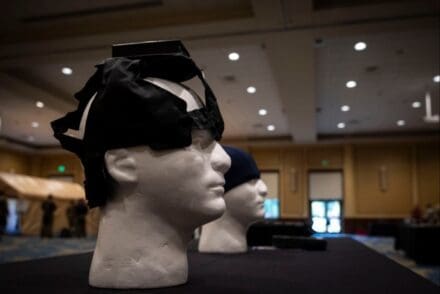
“These types of end-user interfaces are vital to what we do in the WRPBH PMO,” said Bal. “The information we gather — both from our own observations as advanced developers and from the critiques we get from the medics and medical officers actually using the device — is incredibly important to how we approach the development process. Our ultimate goal is to develop materiel solutions that meet the needs of the Warfighters, and we couldn’t do that without these types of opportunities.”

During the touchpoint, volunteer Soldiers from multiple units assigned to the U.S. Army’s largest base conducted TBI assessments on role player casualties to determine the effectiveness of the devices in a simulated real-world environment. The event was designed to gauge the effectiveness of the TBI assessment devices to detect possible brain trauma outside a clinical environment, like those found at U.S. Army role 1 and role 2 care facilities. The Soldiers provided feedback about the devices’ ease of use, design features and overall fitness for use in austere, remote environments.
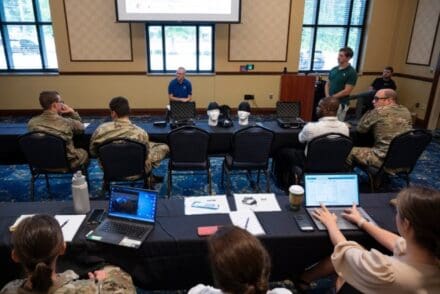
“These development programs can last years, starting with identifying a capability gap or unmet treatment need, through design, modifications and FDA approval, and finally, fielding products to U.S. military medical providers and units, including through sustainment of these capabilities,” said Bal. “With the need for rugged, reliable, user-friendly devices to aid in assessing possible TBIs, we are focusing more and more on how to meet the current and future needs of military medical providers, and hearing feedback from subject matter experts helps refine our approach.”

Traumatic brain injuries, caused by exposure to concussive events like roadside bombs and indirect fire, are a significant threat to frontline service members. There have been more than 505,000 traumatic brain injuries reported within the Department of Defense since 2000, ranging from mild to severe. Many TBIs are not accompanied by exterior signs of injury yet can have both short and long-term health effects. In TBI cases, identifying internal injuries, like intercranial hemorrhage or other non-visible brain damage, is a vital first step to ensure injured are treated adequately across the continuum of care.
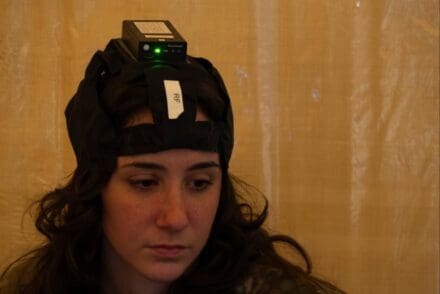
The WRPBH TBI assessment programs are designed to develop devices that are rugged, deployable, cost-effective and user-friendly in the hands of medical providers as close to the point-of-injury as possible. This allows the providers to shape treatment decisions before, during, and after medevac post-injury, according to U.S. Army Sgt. 1st Class Andrew Procter, senior enlisted advisor for USAMMDA’s Soldier Medical Devices PMO.

“TBIs can be very hard to recognize immediately after a concussive event because there usually no visible signs of injury,” said Procter, a medic with nearly 20 years of experience and multiple deployments across the globe. “Medics and first responders usually focus on outward signs of injury — bleeding, burns, airways, broken bones, things that are immediately apparent after injury — to stabilize a patient before medevac. Because determining the severity of TBIs requires specialized screenings and imaging devices, it’s tough to accurately diagnose the severity and type of brain injury in a field environment. But what we are doing now, what the WRPBH team is focusing on, will hopefully give future medics and first responders a way to recognize TBIs and assess their severity before evacuation decisions are even arranged.”

During recent conflicts in Iraq and Afghanistan, wounded service members were usually less than an hour from higher echelons of care due to the availability and proximity to the front lines of evacuation aircraft and vehicles. The “Golden Hour” roughly described the minutes immediately after a wound occurred and indicated the amount of time medical providers had to assess a casualty, stabilize them, and arrange for evacuation. But during future conflicts, with logistics and evacuation capabilities limited by distance and austerity found in regions like the Arctic and Indo-Pacific, the Golden Hour may not be a feasible amount of time to move injured and wounded to higher care facilities. To answer the TBI treatment challenges presented by possible future conflicts in remote locations, the USAMMDA team works each day to develop new capabilities and improve tested treatments to meet the needs of tomorrow’s Warfighters, said Procter.

“Our Joint Force medical providers have had a very robust logistics capability the past quarter century and our ability to save and preserve lives has been unmatched by any period in history. What we recognize, however, is that our current treatments for injuries are very much tied to our ability to move casualties rapidly from point-of-injury to more advanced facilities further from the front lines,” said Procter. “The TBI assessment programs we’re currently developing will hopefully go a long way to maximizing ground commanders’ evacuation options, limit unneeded evacuations, shorten the time from injury to the start of treatment, and help keep Warfighters in the fight.”
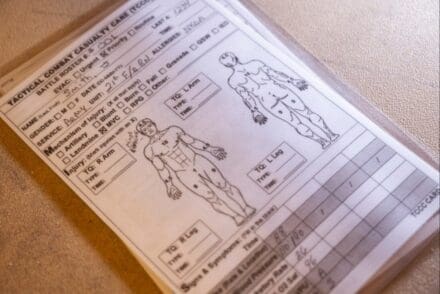
USAMMDA develops, delivers and fields critical drugs, vaccines, biologics, devices and medical support equipment to protect and preserve the lives of Warfighters across the globe. USAMMDA Project Managers guide the development of medical products for the U.S. Army Medical Department, other U.S. military services, the Joint Staff, the Defense Health Agency and the U.S. Special Operations community.

The process takes promising technology from the Department of Defense, industry, and academia to U.S. Forces, from the testing required for U.S. Food and Drug Administration approval or licensing to fielding and sustainment of the finished product. USAMMDA Project Management Offices will transition to a Program Executive Office under the Defense Health Agency, Deputy Assistant Director for Acquisition and Sustainment.

By T. T. Parish

EDGE of Innovation: EDGE 24 Concludes at U.S. Army Yuma Proving Ground

Thursday, October 3rd, 2024

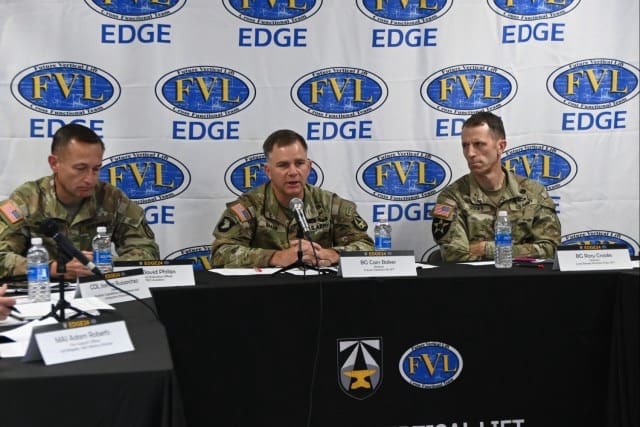
The Army Futures Command’s (AFC) Future Vertical Lift (FVL) Cross-Functional Team (CFT)’s 2024 iteration of the Experimental Demonstration Gateway Event (EDGE) concluded earlier this week after three weeks of experimentation.

EDGE 24 was deliberately smaller in scale than previous iterations of the event and focused on autonomous collaborative behaviors of unmanned aerial systems (UAS), launched effects (LE), and unmanned ground vehicles.

“Our specific experimental objective was learning how launched effect surrogates behave on a network and off a network,” said Brig. Gen. Cain Baker, FVL CFT Director. “Based off a simulated enemy threat array, we allowed the launched effect surrogates to operate on a network and pass information back at extended ranges, then deliberately removed the network to see if the autonomy could continue. We experimented with that very specifically and had a lot of success in the information we captured and the behaviors we saw from platforms from multiple vendors that were out here.”

The behaviors within launched effects provide a decisive advantage to ground commanders, giving them the capability to extend the range of sensing and use machines instead of Soldiers to make first contact with an adversary. The Army is rapidly integrating layered UAS and LE across formations in a combined arms fight that is synchronized with fires and maneuver across phases to penetrate, exploit, and defeat near-peer adversaries in a complex environment.

“We know looking into the future that we are going to be operating in congested airspace: there will be a number of friendly and adversary platforms that will exist in that space,” said Brig. Gen. William Parker, Director of the Air and Missile Defense CFT. “Reducing the cognitive burden on the operator and helping us deconflict what is in the air with respect to friendly and adversary capabilities will go a long way in how we fight that small UAS threat while protecting friendly UAS in that same airspace.”

The FVL CFT sees EDGE providing the Army Futures Command an experimentation and demonstration platform to help deliver the Army of 2030 and design of Army of 2040, and has chosen U.S. Army Yuma Proving Ground (YPG) as its venue for the last two years. The proving ground’s clear, stable air and extremely dry climate combined with an ability to control a large swath of the radio frequency spectrum makes it a desired location for the type of testing EDGE was interested in: counter-unmanned aircraft solutions, extending network access, and flying autonomous and semi-autonomous aircraft. YPG’s wealth of other infrastructure meant for other sectors of the post’s test mission were utilized to support the demonstration, including technical and tactical targets.

“YPG was essential for us to have the simulated threat array to conduct the experiment in at echelon that would replicate an enemy capability that we would potentially face in the future,” said Baker. “YPG has the air space that allows us to operate at the distances we need and the instrumentation to collect the data to inform our requirements from an analytical standpoint.”

YPG’s deep institutional knowledge allowed the participating industry partners to run complex test scenarios each day across three weeks of demonstrations, and the event paid dividends that could inform the Army for years to come. One industry partner exercised autonomous collaboration between an Unmanned Aerial System (UAS) and an Unmanned Ground Vehicle (UGV) through real-time aerial mapping of an urban environment to deliver a recommended route for the UGV to follow. Another successfully executed an automated target hand off between a UAS with a radio frequency sensor and a UAS with an electro optical infrared sensor. The demonstration also saw a long-range data communications relay of over 250 miles to execute a strike from a surrogate lethal long range launched effect.

“We’re seeing autonomy advance year after year when we do events like EDGE and Project Convergence,” said Baker. “If we operate these effects en masse, how do we offload the requirements for operators to control from one controller to one vehicle versus one controller for multiple vehicles? How do we share information about the battlefield rapidly and accurately, and how do we do that at extended ranges so crews can maximize the mission set they’re faced with?”

By Mark Schauer

Team O’Neil’s Tactical Driving Tuesday – Off Roading

Tuesday, October 1st, 2024

Last week we gave you a little taste of what Team O’Neil brings to the table in tactical driving training for military and LE as well as civilian drivers. This week we continue the series of videos with instructor Wyatt discussing Off Roading.

As a reminder, I’ll be attending their five-day tactical driving course later this month, at their facility in New Hampshire. These videos are as much for your benefit as for mine. I got a taste of what they teach last fall during an event with SureFire so I’m leveraging my memory as I go over the basic skills I’ll need to succeed during the upcoming course.

Tactical Tuesday: Vertx Pro—Gear That Performs as Hard as You Do

Tuesday, October 1st, 2024

Vertx Pro is an exclusive line of uniforms designed to meet the rigorous demands of Public Safety and Federal/Military personnel. When you’re facing challenges head-on, you need gear that won’t let you down. That’s where Vertx Pro comes in.

Available only to credentialed professionals, Vertx Pro features three elite uniform collections: Phantom Flex, Fusion Flex, and Recon Flex/X. Each collection is meticulously crafted to cater to the unique needs of professionals who can’t compromise on quality or performance.

Phantom Flex offers unparalleled durability with a touch of flexibility, ideal for unexpected challenges. Fusion Flex combines comfort with tactical efficiency, perfect for long shifts where every second counts. Recon X and Flex are engineered for extreme conditions, ensuring your gear won’t quit before you do.

Don’t settle for anything less than quality gear—equip yourself with Vertx Pro—because excellence isn’t an option; it’s a requirement. Learn more about Vertx Pro and the uniform collections at vertx.com/pro.

MATBOCK Monday: Shop Show 2024 Next Week

Monday, September 30th, 2024

The MATBOCK team will be in NC next week at Shop Show 2024. Visit our table to see the latest gear from MATBOCK.

If you would like to schedule a demo, email sales@matbock.com

USAF Units of Action: Combat Wings, Air Base Wings, Institutional Wings Defined

Saturday, September 28th, 2024

ARLINGTON, Va. (AFNS) —
The Department of the Air Force implementation of a new construct that will evolve wings into cohesive Units of Action by separating into Combat Wings, Air Base Wings and Institutional Wings will be a phased approach, starting no later than the summer of 2025.

The new concept will create several organizations capable of conducting deployed combat operations, as well as base defense. Under this future construct, base, institutional and combat missions will transition into distinct organizations – called Institutional Wings and Combat Wings – each with separate commanders.

Air Force combat wings will be structured as mission-ready Units of Action and will have all the necessary elements stationed together at the same installation where they can train together on a day-to-day basis.

Deployable Combat Wings will evolve to deploy as fully trained teams and will replace the Expeditionary Air Base and Air Task Force models previously announced in Sept. 2023.

Combat Wings will focus on mission-level warfighting readiness, supported by Air Base Wings who are focused on power projection platform readiness (the installation).

Institutional wings will continue to provide support and capabilities essential to the organize, train and equip requirements of the U.S. Air Force.

The goal is 24 Deployable Combat Wings fielded to meet the Air Force’s rotational demands and provide depth for emerging crises – 16 Active Duty and 8 Reserve Component Wings.

The phased implementation approach includes:
Establishing Air Base Wings at installations that host Combat Wings and/or Institutional Wings with supported/supporting relationship.

Establish the deployable variant of the combat wing: the Deployable Combat Wing. Each DCW will have a redesigned concept of support for GPC schemes of maneuver, including Agile Combat Employment, to ensure the wings are prepared to execute their wartime functions and missions with assigned Airmen and units.



The Air Force will begin deliberately implementing Combat Wings, Air Base Wings and Institutional Wings across the force as early as summer 2025. The first Combat Wings should be ready to deploy elements by late 2026 (FY27).

Evolution from XAB to ATF to CW

In 2023, the Air Force established the Expeditionary Air Base (XAB) as an initial force presentation model in its transition from Air Expeditionary Wings to a future force presentation model. The Air Force has been deploying Airmen under the XAB construct since the fall of 2023 and will continue to do so in the coming years.

The first Air Task Forces entered the AFFORGEN cycle during the reset phase in summer 2024 and will become deployment ready in the fall of 2025. These initial ATFs will replace some of the XABs as the US Air Force’s deployable unit of action.

During this pilot period, the Air Force will deploy Airmen using both the XAB and ATF force presentation models. Concurrently, the Combat Wing, Air Base Wing and Institutional Wing phased approach will begin. Combat Wings will replace ATFs and XABs.

DAF Public Affairs

Spiritus Systems Now Offering Desert Tiger Stripe and Vietnam Tiger Stripe

Friday, September 27th, 2024

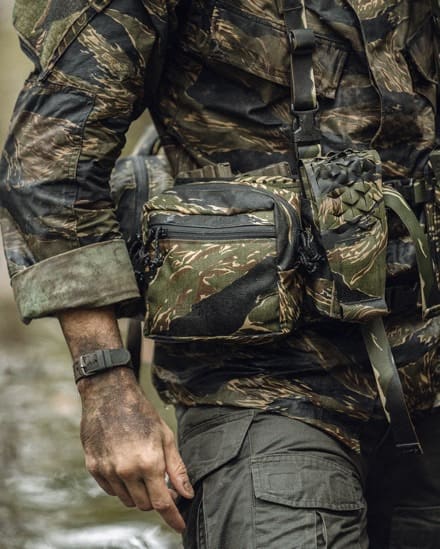
In a world where just about every friend and foe is wearing a similar pattern, Spiritus Systems wanted to provide an alternative camo pattern for wooded or desert environments and is now offering many products in both Desert Tiger Stipe and Vietnam Tiger Stripe.

www.SPIRITUSSYSTEMS.com