TYR Tactical

Archive for the ‘Helmets’ Category

US Patent and Trademark Office Issues Cam-Fit Patent To Team Wendy

Wednesday, August 30th, 2017

US Patent 9,743,701 has been issued for Team Wendy’s popular Cam-Fit retention system. The Cam-Fit is very popular due to its ease of use as well as fit, comfort, and load balance. The system is used in Team Wendy’s EXFIL line of helmets as well as sold as a plug-and-play system for most common ballistic helmets. In fact, you may notice that the helmet shell in the drawings is a Crye Precision AirFrame.

Knockoffs of the system have recently surfaced. No doubt these will now be in Team Wendy’s crosshairs.

www.teamwendy.com

Revision Releases Caiman Helmet Video

Wednesday, August 9th, 2017

Check out Revision’s new video on their Caiman helmet system.

The story:
In the quiet before the storm: kitting up for the job ahead. Snapping into a toughened persona. Clearing and centering your mind. Mission concentration takes effect. Time slows. Heart rate drops, blood pressure cools to a simmer, hands are firm and steady. Reminders of the reason you sacrifice stashed away for safekeeping upon your return. Connect with the team, sync up. Every contingency accounted for. Boots on, vest strapped on, weapons check, all gear ready. Everything snaps into focus. Confidence and training takes hold. Routine and muscle memory kick in. Your mind’s eye visualizing the mission step-by-step, executed precisely from start-to-finish. Dialed-in. It’s time; mission’s a go. No turning back. Helmet on. No hesitation.

When you trust your gear, you have the confidence to conquer. Revision’s Batlskin Caiman Helmet is the last piece you don before wheels-up, the crucial equipment that means it’s game time. Once it’s on, you’re ready for the mission at hand. No matter the pace, no matter the obstacles, your determination to triumph is red-lining.

Visit this link for more info, www.revisionmilitary.com/caiman.

US Army Conducts Airdrop Testing Of Integrated Head Protection System

Friday, August 4th, 2017

FORT BRAGG, N.C. — Successful implementation of new body armor technology requires more than just engineers designing prototype systems in a lab. Feedback from Soldiers who will be using the technology is critical to ensuring that the U.S. Army continues to field world-class technology for its fighters.

The new Integrated Head Protection System (IHPS) is configured with mandible and visor without ballistic applique for "Rough Terrain" static line parachute jump operations. (Photo Credit: Rebecka Waller, Audio Visual Production Specialist, Airborne and Special Operations Test Directorate, U.S. Army Operational Test Command)

The new Integrated Head Protection System (IHPS) is configured with mandible and visor without ballistic applique for “Rough Terrain” static line parachute jump operations. (Photo Credit: Rebecka Waller, Audio Visual Production Specialist, Airborne and Special Operations Test Directorate, U.S. Army Operational Test Command)

Recently, Airborne Soldiers here played a vital part in the feedback process when they recently jumped with a groundbreaking new Integrated Head Protection System (IHPS) during operational testing.

Soldiers from the 57th Sapper Company, 27th Engineer Battalion, 20th Engineer Brigade, geared up to work with the U.S. Army Operational Test Command’s Airborne and Special Operations Test Directorate to test the new armor.

1st Lt. Christopher Lillie, assistant jumpmaster with the 57th Sapper Company, 27th Engineer Battalion, 20th Engineer Brigade, wears the new Integrated Head Protection System (IHPS) helmet with mandible, while shouting commands to position the number one jumper in the door of a C-17 aircraft. (Photo Credit: Barry Fischer, Audio Visual Production Specialist, Airborne and Special Operations Test Directorate, U.S. Army Operational Test Command)

1st Lt. Christopher Lillie, assistant jumpmaster with the 57th Sapper Company, 27th Engineer Battalion, 20th Engineer Brigade, wears the new Integrated Head Protection System (IHPS) helmet with mandible, while shouting commands to position the number one jumper in the door of a C-17 aircraft. (Photo Credit: Barry Fischer, Audio Visual Production Specialist, Airborne and Special Operations Test Directorate, U.S. Army Operational Test Command)

“Operational Testing is about Soldiers. It is about making sure that the systems developed are effective in a Soldier’s hands and suitable for the environments in which Soldiers train and fight,” said Col. Brad Mock, director of ABNSOTD.

The IHPS is one of the six components of the Soldier Protection System (body armor), providing a larger area of protection for the head and face, and includes a system to measure head trauma.

Soldier configured with the new Integrated Head Protection System (IHPS) without the mandible, while wearing combat equipment. (Photo Credit: Rebecka Waller, Audio Visual Production Specialist, Airborne and Special Operations Test Directorate, U.S. Army Operational Test Command)

Soldier configured with the new Integrated Head Protection System (IHPS) without the mandible, while wearing combat equipment. (Photo Credit: Rebecka Waller, Audio Visual Production Specialist, Airborne and Special Operations Test Directorate, U.S. Army Operational Test Command)

According to Leon L. Price, a test officer with ABNSOTD, the purpose of operational test using Airborne paratroopers is to collect data to evaluate the suitability and safety of the IHPS when worn during static line Airborne operations.

Overall, IHPS is only a little lighter than the current Army Combat Helmet, while including numerous accessories, like a mandible, visor, night vision goggle attachment device, rails and a modular ballistic applique (not attached during airborne operations).

Soldier configured with the new Integrated Head Protection System (IHPS) with the mandible, while wearing combat equipment. (Photo Credit: Rebecka Waller, Audio Visual Production Specialist, Airborne and Special Operations Test Directorate, U.S. Army Operational Test Command)

Soldier configured with the new Integrated Head Protection System (IHPS) with the mandible, while wearing combat equipment. (Photo Credit: Rebecka Waller, Audio Visual Production Specialist, Airborne and Special Operations Test Directorate, U.S. Army Operational Test Command)

During the test, Soldiers participated in New Equipment Training, which included familiarization, fitting, and suspended harness. All this was followed by a live parachute jump from a C-17 high performance aircraft at 1,250 feet above ground level over Fort Bragg’s Sicily Drop Zone.

“I gave fair, honest and comprehensive feedback on the IHPS helmet,” said Cpl. Samuel Emling, a Combat Engineer with the 57th. “I enjoyed the testing. The test personnel were extremely professional.”

Soldiers from the 57th Sapper Company, 27th Engineer Battalion, 20th Engineer Brigade, exit a C-17 aircraft over Sicily Drop Zone, Fort Bragg, North Carolina, while performing operational testing wearing the new Integrated Head Protection System (IHPS). (Photo Credit: Jim Finney, Combined Technical Services, Airborne and Special Operations Test Directorate, U.S. Army Operational Test Command)

Soldiers from the 57th Sapper Company, 27th Engineer Battalion, 20th Engineer Brigade, exit a C-17 aircraft over Sicily Drop Zone, Fort Bragg, North Carolina, while performing operational testing wearing the new Integrated Head Protection System (IHPS). (Photo Credit: Jim Finney, Combined Technical Services, Airborne and Special Operations Test Directorate, U.S. Army Operational Test Command)

“Soldiers and test units have the ability to impact the development of systems by training while executing doctrinally-realistic missions, and then provide direct input to the combat developer of the system,” said Lt. Col. Vinny Intini, executive officer at ABNSOTD. “Their feedback is invaluable.”

Test Manager Steve McNair, of Program Manager Soldier Protection and Individual Equipment out of Fort Belvoir, Virginia, said the Army is expected to field 7,000 systems to separate brigades during fiscal year 2018 before moving to full rate production for fielding across the force.

“I think I benefitted personally by doing this,” said Spec. Aaron Adams, another Combat Engineer with the 57th. “It helps me with being comfortable jumping with new equipment. I enjoyed participating in the testing because we were the only Airborne unit to do so.”

Soldiers participate in suspended harness training to ensure the new Integrated Head Protection System (IHPS) is suitable when performing canopy control and emergency procedures during operational testing. (Photo Credit: Michael Zigmond, Audio Visual Production Specialist, Airborne and Special Operations Test Directorate, U.S. Army Operational Test Command)

Soldiers participate in suspended harness training to ensure the new Integrated Head Protection System (IHPS) is suitable when performing canopy control and emergency procedures during operational testing. (Photo Credit: Michael Zigmond, Audio Visual Production Specialist, Airborne and Special Operations Test Directorate, U.S. Army Operational Test Command)

“OTC is the U.S. Army’s only independent operational test organization,” Mock added. “Any time Soldiers and their leaders get involved in operational testing, they have the opportunity to use, work with, and offer up their own suggestions on pieces of equipment that can impact development of systems that future Soldiers will use in combat.”

“Operational testing is OTC’s opportunity to contribute to readiness; anything less compromises the Army’s ability to provide the forces that fight and win the Nation’s wars,” added Intini.

Bobby Salazar, from Program Manager Soldier Protection and Individual Equipment, out of Fort Belvoir, Virginia, discusses proper fitting of the new Integrated Head Protection System (IHPS) during New Equipment Training. (Photo Credit: Michael Zigmond, Audio Visual Production Specialist, Airborne and Special Operations Test Directorate, U.S. Army Operational Test Command)

Bobby Salazar, from Program Manager Soldier Protection and Individual Equipment, out of Fort Belvoir, Virginia, discusses proper fitting of the new Integrated Head Protection System (IHPS) during New Equipment Training. (Photo Credit: Michael Zigmond, Audio Visual Production Specialist, Airborne and Special Operations Test Directorate, U.S. Army Operational Test Command)

The U.S. Army Operational Test Command is based at West Fort Hood, Texas, and its mission is about making sure that systems developed are effective in a Soldier’s hands and suitable for the environments in which Soldiers train and fight. Test units and their Soldiers provide feedback, by offering input to improve upon existing and future systems with which Soldiers will ultimately use to train and fight.

The Fort Bragg, North Carolina-based ABNSOTD plans, executes, and reports on operational tests and field experiments of Airborne and Special Operations Forces equipment, procedures, aerial delivery and air transportation systems in order to provide key operational data for the continued development and fielding of doctrine, systems or equipment to the Warfighter.

FirstSpear Friday Focus – Helmet Hut

Friday, August 4th, 2017

Designed for storage and transportation of your ballistic helmet and accessories, the Helmet Hut utilizes a padded construction with a helmet retention strap and internal pockets for organization.

Size : 14″ x 12″ x 8″

Available and now shipping in Black, Ranger Green, Coyote, and Multicam. Spend $150 or more this weekend and get a vacuum insulated travel mug free!

www.first-spear.com

Perroz Designs – AirFrame Helmet Cover

Friday, August 4th, 2017

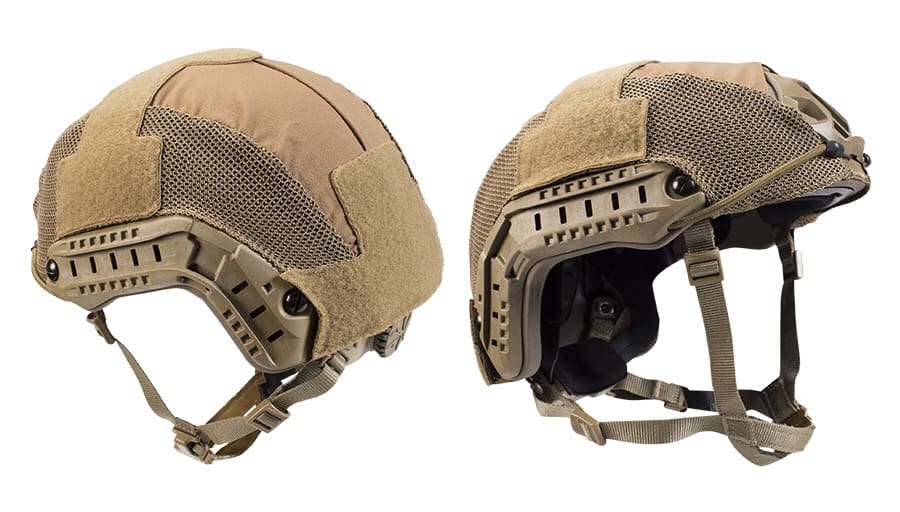
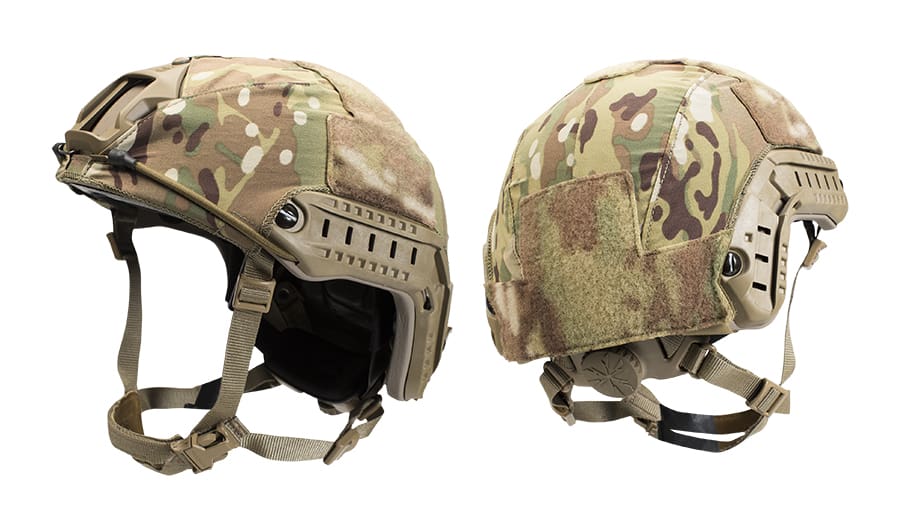
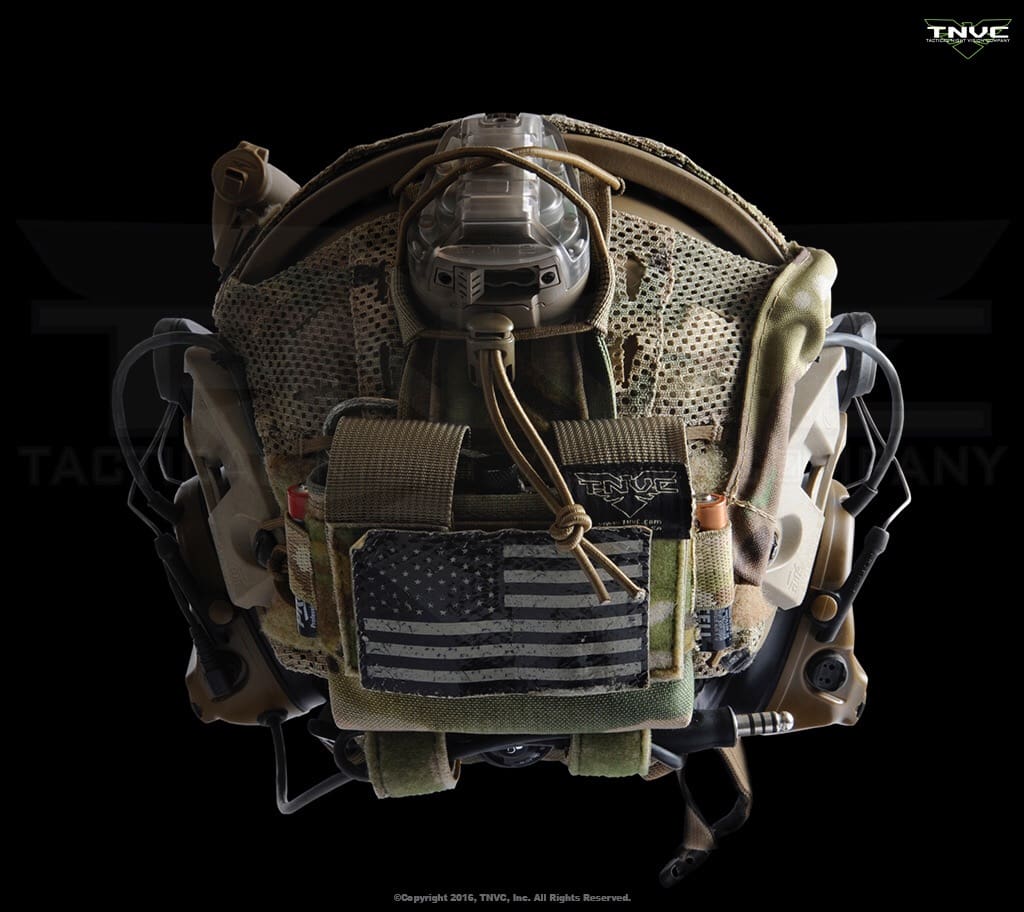
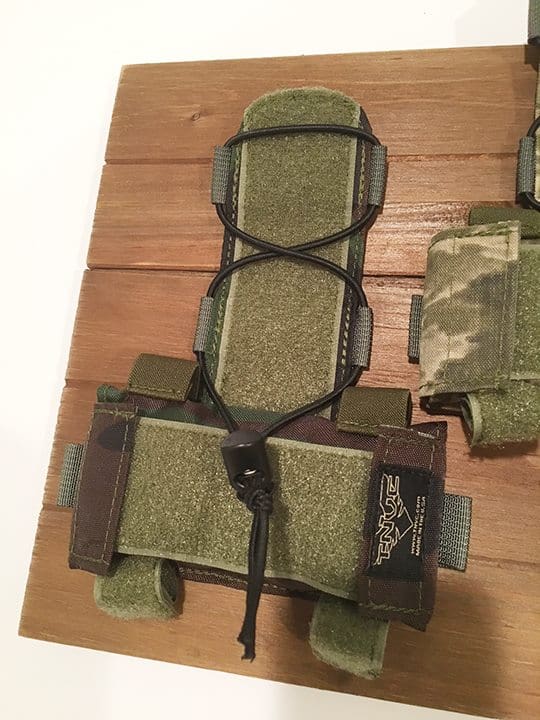
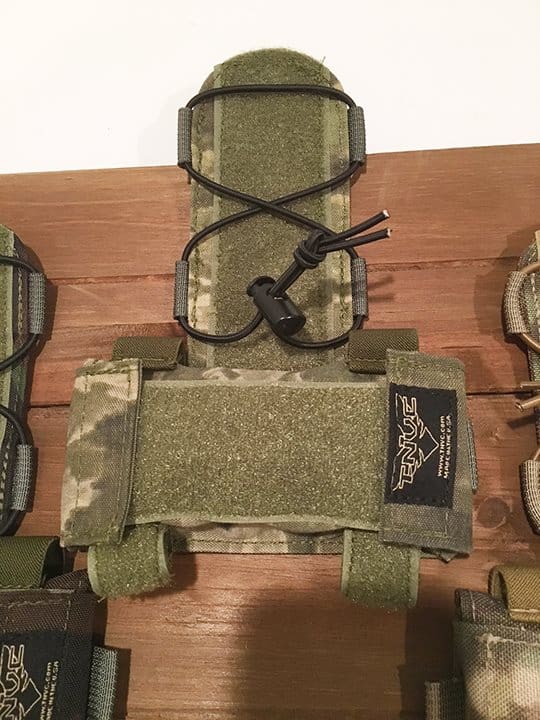
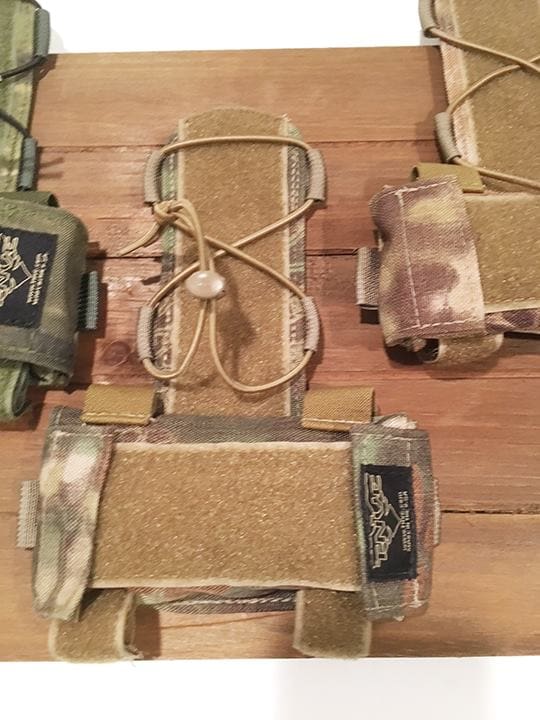
Perroz Designs has introduced a helmet cover for the Crye Precision AirFrame.

Made in Canada, the covers are a combination of 4-way stretch and Solution Dyed 500D coated CORDURA and use matching colored hook Velcro, including TAN 499 for use with MultiCam. Additionally, there is a bungee cord system to tighten the cover and tiedown accessories like strobe lights.

Offered in a wide variety of solids and camouflage patterns; check the site for availability.

Look for covers for other helmets soon.

www.perrozdesigns.com/shop/equipment/airframe-helmet-cover

Team Wendy Part of Groundbreaking Research Grant on Traumatic Brain Injury

Friday, July 28th, 2017

Under the direction of researchers at Brown University, others from Drexel University, Sandia National Laboratory and Team Wendy are working together to study how Traumatic Brain Injuries form and developing new helmet technologies to counter them.

PROVIDENCE, R.I. [Brown University] — With a new $4.75 million grant from the Office of Naval Research, a team of scientists aims to develop new insights into how traumatic injuries form in the brain and develop new helmet technologies to help prevent them.


"The helmets used today on the battlefield and on playing fields are tested against a standard developed in late seventies to prevent skull fractures," said Christian Franck, the grant's principal investigator and an associate professor in Brown's School of Engineering. "We want to update that standard to assess how well a helmet protects the soft tissue inside the skull–the brain–and ultimately develop a prototype helmet that meets our new standard."

Accomplishing that will require a comprehensive, multi-level understanding of how forces are transmitted from a helmet to the skull, from the skull through the brain and ultimately to the individual neural cells that are damaged during traumatic brain injury (TBI).

(A device developed by Brown University researchers can deliver compressive impacts to 3-D cultures of brain cells and monitor how the cells react to that trauma in real time. The device could help scientists better understand how traumatic brain injury occurs at the cellular level. photo by: Nick Dentamaro / Brown University)

Franck will work with Brown colleagues Diane Hoffman-Kim and Haneesh Kesari, as well as researchers from Drexel University, Sandia National Laboratory and Team Wendy, a manufacturer of helmets and helmet liners.

Franck's lab at Brown has developed a novel technique for measuring the effects of traumatic forces on individual neurons. Most previous research on TBI at the cellular level has been done on two-dimensional petri dishes, but Franck uses a custom-built device that can apply compressive forces to neurons inside three-dimensional cell cultures, while using a powerful microscope to continuously monitor changes in cell structure. Franck has already used the system to gain new insights into how cells respond to traumatic strain. With is new grant, he plans to establish precise force thresholds for the onset of cellular injury.

"We want to know how much force inside the brain is too much for cells," Franck said. "That gives us a baseline for understanding exactly what kinds of forces are involved in TBI at the cellular level."

The lab of Hoffman-Kim, an associate professor of medical science and of engineering at Brown, works with mini-brains, or neuron bundles that model basic properties of living brains. The mini-brains offer a more complex cell culture than those Franck has worked with previously, which enables the researchers to better recreate the actual brain environment in which neurons operate.

The information gleaned from the cellular level will be combined with results of studies designed to better understand the forces on a helmeted head generated by typical blunt impacts and blast waves. To do that, the research team will work with Team Wendy to develop a sensor system that can be fitted to existing helmets used in combat and athletics. In 2013, Franck and Team Wendy developed a simple but fully functional impact acceleration measuring combat helmet system, which served as a proof of principle for the current grant.

The team will build upon that initial sensor design, then they'll use facilities at Drexel and Team Wendy to test the response of helmets to a wide variety of forces, and how those forces are transmitted to the skull.

To complete the picture of how forces transmitted by a helmet are distributed through the brain to individual cells, Franck will work with researchers at Sandia National Laboratory. The Sandia team who has developed models of the head and neck based on thousands of CT scans. Those models are able to provide insights into how forces are transmitted through soft tissue.

"We want put all these pieces together from the macroscopic level of helmets to the microscopic level of cells to get a complete picture of how these injuries occur," Franck said. "Once we have that, we can start to think about new methods of diagnosis and prevention."

Based on the injury model developed during this project, the researchers aim to deploy a version of their sensor system in combat theaters and playing fields.

"The idea is that when someone experiences a blow to the head, the helmet transmits the force data to a computer," Franck said. "A first responder could then look at that data and determine if TBI is likely and how severe it might be."

Ultimately, the team hopes the data generated by the research can be used to devise a new testing standard for helmets and a new helmet prototype. In developing the prototype, Franck will work closely with Team Wendy and his colleague in the School of Engineering, Haseesh Kesari, who studies the mechanical properties of solid materials.

"What's exciting to me about this is that it spans the microscale to macroscale," Franck said. "We're not aware of any other project that has taken such a comprehensive and tightly integrated approach to understanding how to better prevent these kinds of injuries."

Military Inspired Versatility for a Different Kind of Hero, Team Wendy’s New M-216 Ski Search & Rescue Helmet Is Here!

Wednesday, July 26th, 2017

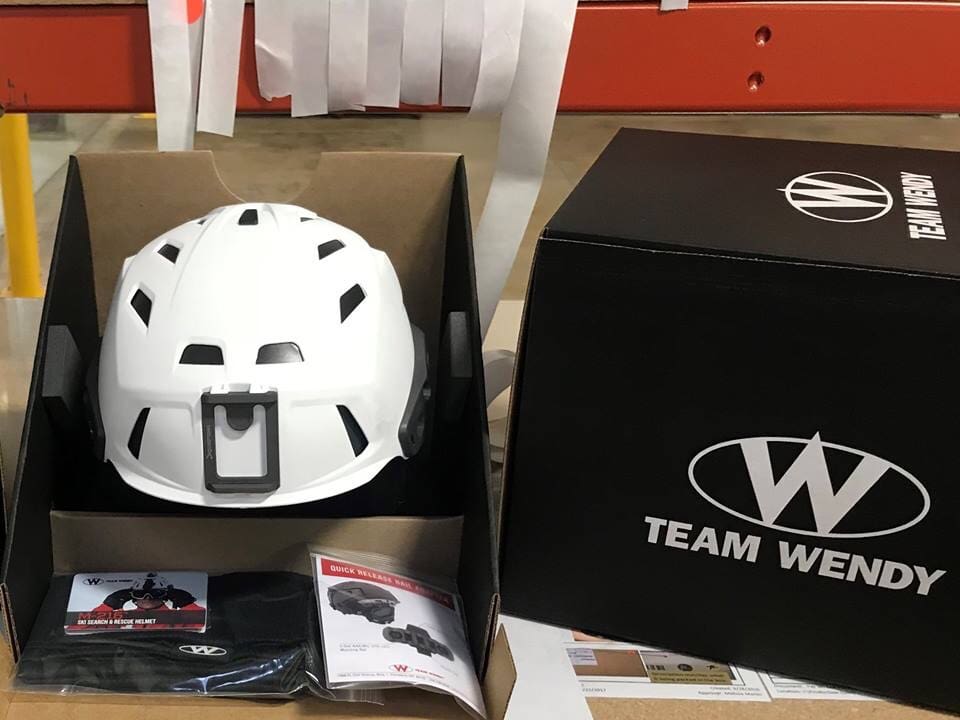
CLEVELAND – Team Wendy will be unveiling the new M-216 Ski Search & Rescue Helmet during this week’s Outdoor Retailer Summer Market in Salt Lake City, UT. The M-216 is not your average ski helmet; it provides mounting capabilities not previously available to rescue operators in any ski or snow rated helmet. Utilizing features originally developed for the military and tactical community, the helmet provides side accessory rails for mounting a variety of lights and cameras, and a glass-reinforced polycarbonate shroud for attaching headlamps, cameras, or even night optics devices such as thermal sights. Every helmet features a Princeton Tec® task light (choice of MPLS Point or Switch), designed to seamlessly integrate with the accessory rail. Included Picatinny Quick Release Rail Adapters allow tool free removal and attachment of any other standard Picatinny mountable accessories. An open area on the crown allows for mounting of cameras and beacon lights, including the MOHOC® military-optimized camera, and Core Survival HEL-STAR® 6 multi-function. The helmet has also been optimized for comfort and stability featuring a customized Boa® Closure System to provide precise fit adjustment with single handed quick release, and an under the chin retention strap with Fidlock® magnetic buckle for one handed operation even when wearing gloves.

The protection offered by the M-216 includes the requirements of ASTM F2040-17 for recreational snow sports and BS EN 1077: 2007 Class B for alpine skiing and snowboarding.

If you are attending Outdoor Retailer Summer Market be sure to stop by our booth #BR336 and register to win your very own M-216 Ski Search & Rescue Helmet.

Gentex Awarded $13M U.S. Army Contract for Apache Aviator Integrated Helmet

Tuesday, July 25th, 2017

Direct contract enables better pricing, and streamlined engineering and integration support

Simpson, PA, July 24, 2017. Gentex Corporation, a global leader in personal protection and situational awareness solutions for defense forces, emergency responders, and industrial personnel has been awarded a $13,443,811 firm-fixed-price contract by the U.S. Army for the delivery of Apache Aviator Integrated Helmets (AAIH).

IMG_3118

Worn by Apache helicopter crews, the AAIH is an integrated helmet, display, and sight system with improved safety features and comfort that provides situational awareness and targeting information. The integrated helmet is a key component of the next generation Apache helicopter, the AH-64E, which will be flown by over 15 countries.

IMG_3119

Prior to the competitive win, Gentex had been supplying the helmet to the Army as a subcontractor under a prior agreement. “We’re proud to have been chosen to continue producing this next generation aviator helmet for the Army,” said Robert McCay, vice president aircrew systems, Gentex Corporation. “Providing the helmet to the Army directly allows for better pricing, and streamlined engineering and integration support.”

The AAIH is based on the highly successful Gentex HGU-56/P Rotary Wing Helmet System, which Gentex has been supplying to the U.S. DoD since 1993. Work for the AAIH contract will be conducted at Gentex’s large capacity manufacturing facility in Simpson, Pennsylvania, and is expected to be complete by June, 2022.