GORE-TEX Professional

Archive for the ‘International’ Category

Agilite’s Gear Used in South African Illegal Miners Rescue

Tuesday, July 30th, 2013

We’ve received word that they’ve been adopted by military and Fire/Rescue units but it’s pretty to cool to hear about these Agilite products being used in a mine rescue.
Instant Harness 1

Innovative rescue products designed for the Israeli Army and top US Special forces were used in a dramatic rescue underground in South Africa yesterday.

At least eight people were rescued after a nightmare three day ordeal underground that left three dead, allegedly at the hands of an armed rival illegal mining crew.
Instant Harness 2

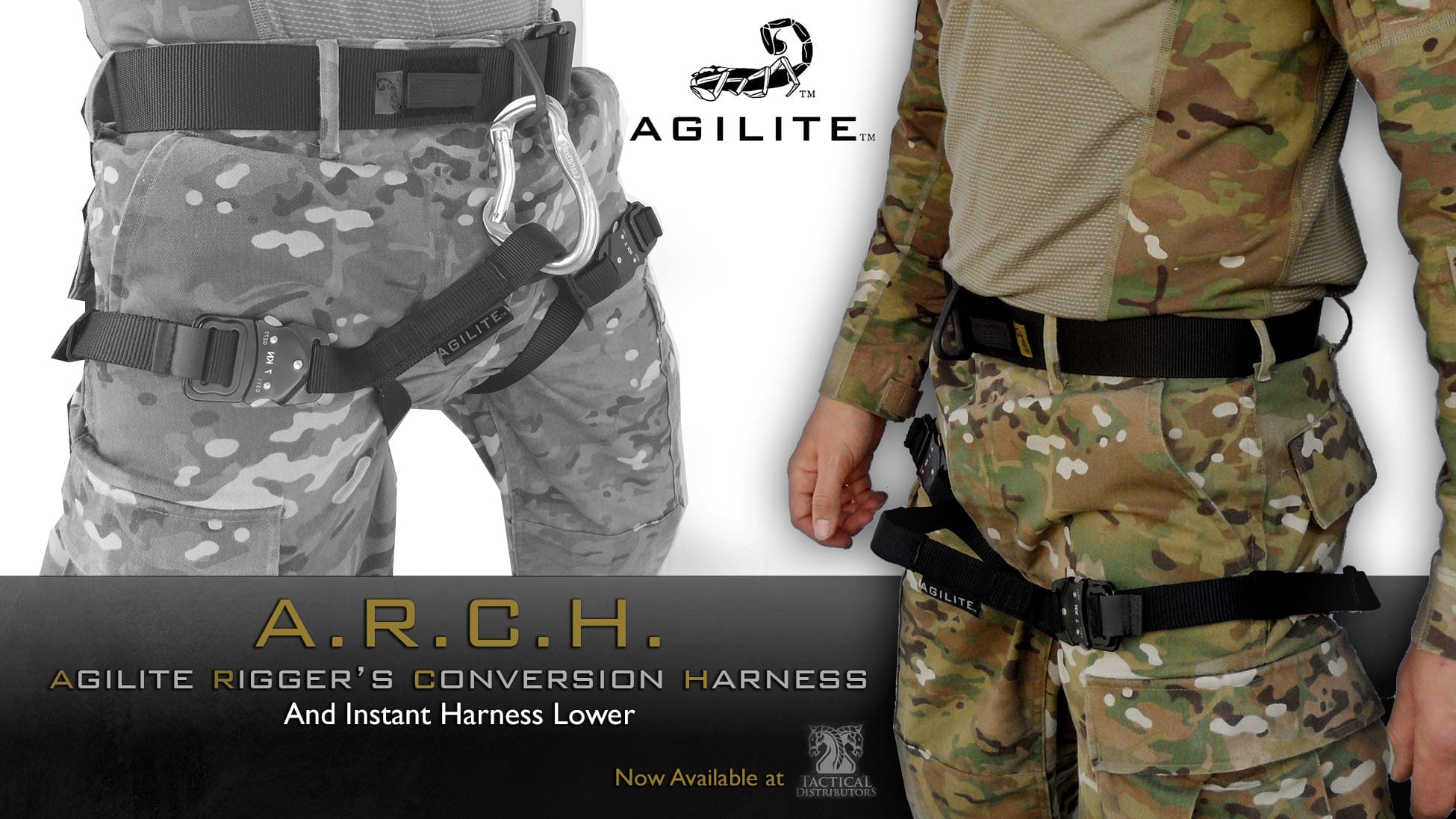
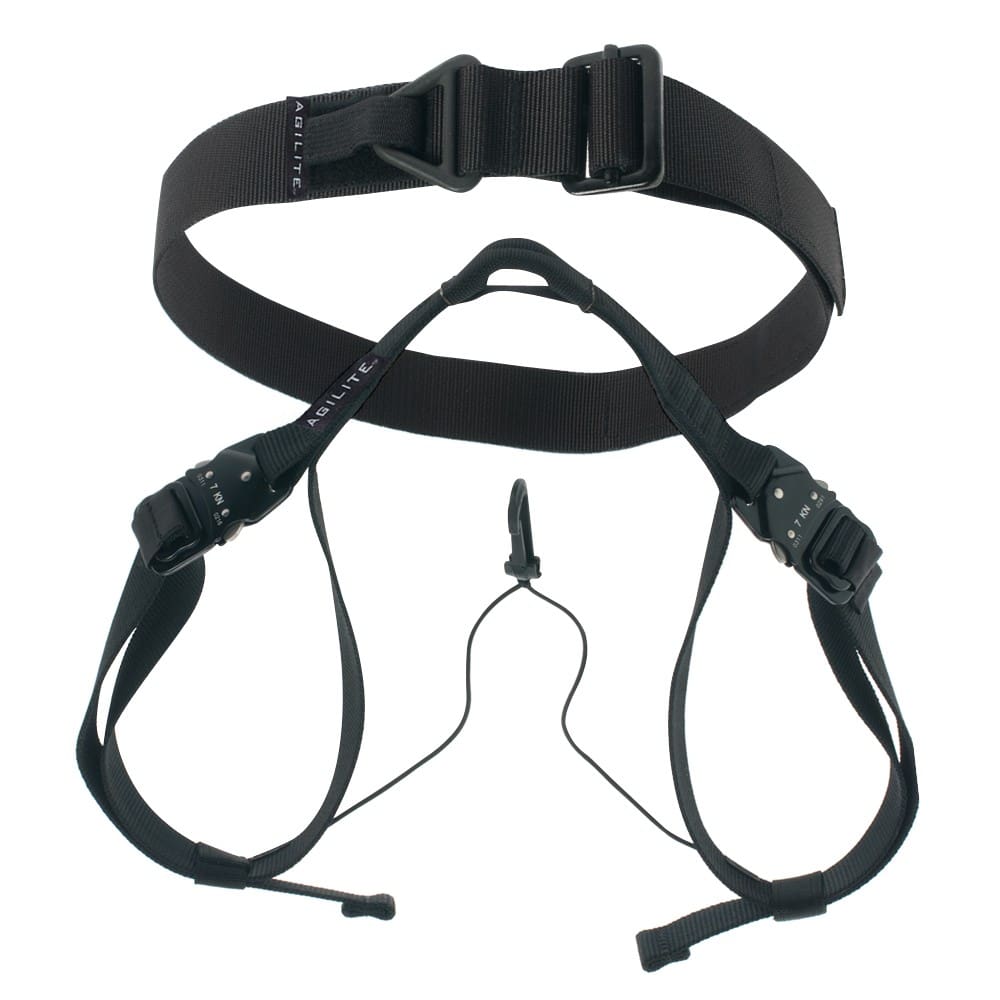
Graham Holmquist, from volunteer rescue organization, Riga Rescue, used Agilite’s “Instant Harness” a product that has become a must-have for many hikers, to lower a South African Police interpreter down into the shaft to communicate with the injured miners regarding the procedures to follow.

The Instant Harness is designed for scenarios where military, police, fire, rescue personnel or hikers require a harness without warning and without needing to carry a rapelling harness with them at all times.

“There was one point when we thought we would not be able to get the stokes basket safely into the mine shaft and we were going to use the IPC to extract the patients.” Said Holmquist who later tweeted:
“@Miracle_Medical I can tell you! That is one kick ass harness and every person in EMS, SAPS, FD, should have one”. on
To those unfamiliar, the “IPC,” known as “The Human Backpack” is another innovative Agilite rescue product that shot to fame when it was adopted by top United States Marine Corps units a year ago and a remarkable video showing the device in use with Israeli Commandos went viral. The IPC has even been adopted by disabled people.

“We have only been supplying Agilite equipment for a number of weeks now and people’s reactions to it have been both incredible and immediate. Clients in all sectors are now buying Agilite gear from us as its quality and innovative design is unsurpassed.” Said Jennie Greenhill of Miracle Medical, a distributor of emergency equipment in South Africa who supplied the rescuers. “The Agilite products come battle-tested but they’re already facing local challenges of a different kind here.”
www.agilitegear.com

Marzitelli Custom Knives

Thursday, July 25th, 2013

20130724-142837.jpg

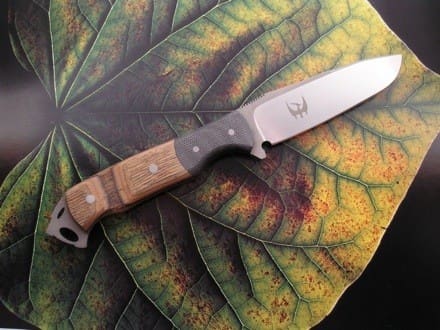
This is the Smilodon from Canadian knife maker Peter Marzitelli. Check out his full line.

www.marzknives.com

Thanks Hopper for the tip!

RAAF Blue MultiCam Variant – The Rest Of The Story

Wednesday, July 24th, 2013

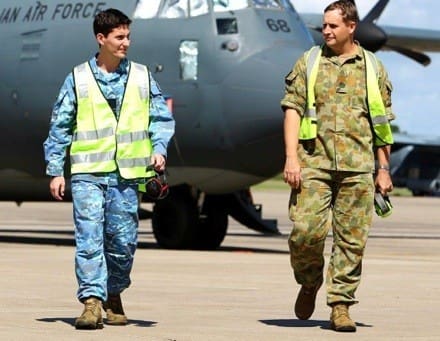
Remember this photo we posted of a blue variant of the Australian MultiCam Pattern developed for the Royal Australian Air Force? Apparently, it promoted a query to the Department of Defence.

20130626-194409.jpg

Questions:
1.) Are there any variants (colour variants or otherwise) of the AMP being tested, considered, or evaluated. In particular, is there a ‘blue’ RAAF version as seen here (https://soldiersystems.net/2013/06/27/an-raaf-variant-of-amp/)
2.) Are there publicly available results of the comparative camouflage testing in which AMP featured? If not, when are these expected to be made available.
3.) What is the timeframe for the rollout of AMP to various units (including an variants), and will CPCU uniforms also be replaced?

A Defence Spokesman responded to all of the questions with this statement:
RAAF and Army currently wear the same Disruptive Pattern Camouflage Uniform (DPCU). RAAF is currently considering alternative patterns and/or colours which would easily identify Air Force personnel from Army personnel. The new uniform would provide the same protection from the elements as DPCU.

The image you are referring to is a prototype only. It was developed to provide a visual comparison to DPCU. This prototype is not being further considered. Patterns and/or colour variants of the new uniform are currently under development, hence no further information on timeframes can be provided at this time.

While we’re happy to see that this isn’t something that the RAAF plans on fielding, we have to wonder what these other variants might look like.

Thanks to N for the heads up!

Dutch Camo Update

Tuesday, July 23rd, 2013

Last week in the village of Steenwijk, the Dutch joint Soldier Systems Knowledge Centre (joint kenniscentrum militair & uitrusting) presented a display of some of the latest camouflage work.

On display was an entirely new pattern which is intended for all personal equipment, regardless of the uniform being worn (NFP-woodland or NFP-tan) like the OCIE pattern of the US Army Camouflage Improvement Effort. The pattern is still awaiting final approval from the Commander of the Dutch Forces with fielding commencing around 2014/2015. This should also include a new set of equipment with a plate carrier as a base, instead of the cureent issue ops vest.

Dutch 1

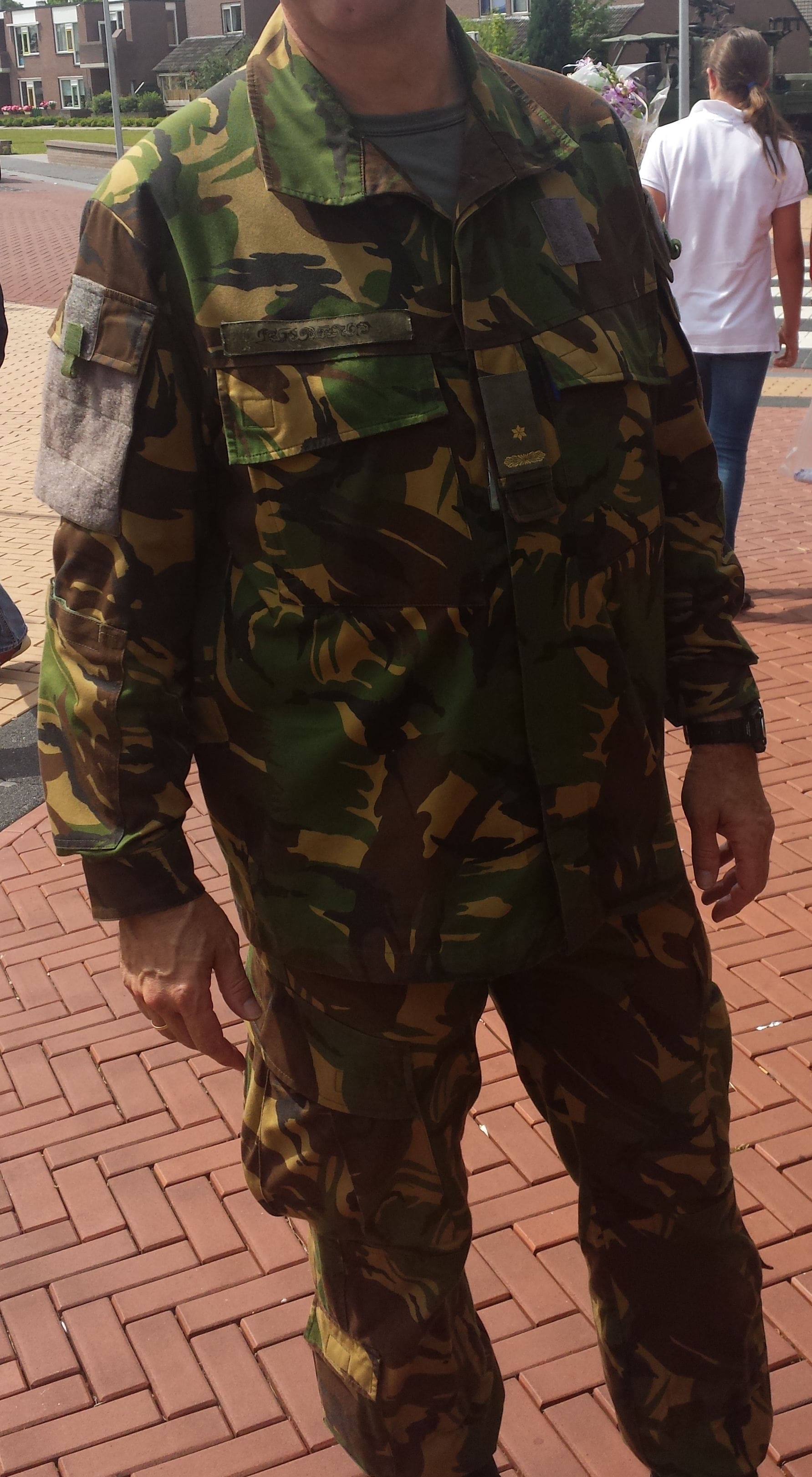
Of particular interest was a trial uniform in Dutch DPM being worn by one of the Centre’s officers. It offers a different cut and pocket layout.

Dutch 2

GRIMP DAY Canadian Style

Sunday, July 14th, 2013

20130714-123109.jpg

Earlier today, Arc’teryx shared a story about Canada’s RONIN Rescue being the first North American team to compete in the annual GRIMP DAY (Group de Recconnaissance Interventione Millieux Perilleux) held in Belgium. This year’s event was in June and saw 34 international teams of rescue workers consisting of police, army, and civil defense experts competing in a number of rope rescue scenarios.

20130714-123222.jpg

If I’d say, I have one take away from the article, it would be, “Vive le Difference”. Not only do we have different protocols here in Canada and the US than those in Europe but the environments are somewhat different as well. Differences in TTPs served as both help and hindrance for Team RONIN Rescue. Initially, the them used North American safety protocols to rig their systems but found themselves falling behind by mid-day as they negotiated six different scenarios. But their different point of view also helped them.

“There’s no wide stairways and elevator access to transport your gear; anchor points are very different. So we adapted,’ explains team leader Kevin Ristau. “For example, we approached a parking lot extraction like a confined space scenario, raising and lowering our patient on a 4:1 mechanical advantage system. No other team even thought to approach the location in that manner. We gained time with that one.’

As for how Arc’teryx fits in to, they provided some great clothing for the team.

This kind of out of the box thinking is what Arc’teryx is all about. “These guys operate at the very highest level of skills and resourcefulness. It’s a privilege to work with them,’ says James Bronson, Arc’teryx Pro and Industry Sales Supervisor. Bronson supported each member of the team with a Heli Guide Jacket in addition to the Talos LT Halfshell and Drac Pant from Arc’teryx LEAF (Law Enforcement Armed Forces).

To read the whole piece visit www.arcteryx.com/Article.aspx?EN&article=GRIMP-DAY-Canadian-Style

-L Graves

Achtung Patrick Aus Würzburg

Wednesday, July 10th, 2013

Björn from Poltec asked us to say “Hi” and that he had a great day at the range!

Weiß Du Patrick, als Ich junger war, wohnte Ich in Würzburg. Ich war beim FernspahAbteiling der 3. Inf Div.

Canadian Army Returns to Traditional Rank Insignia, Names and Badges

Wednesday, July 10th, 2013

According to the Ottawa Citizen, the Canadian Government is restoring the Canadian Army’s traditional unit designations as well as ranks and insignia. Just two years ago, the Canadians restored their traditional service names to Canadian Army, Royal Canadian Navy, and Royal Canadian Air Force from the the Land Forces Command, Maritime Command and Air Command that they adopted in 1968. I think is pretty cool news for the Canadian Army to return to its roots. After all, what is the military without tradition? Oh yeah, the US Air Force.

(below from the DND/CF backgrounder):

When the Government of Canada announced that it was reinstating the historical name of the Canadian Army in August 2011, it restored an important part of the Canadian Army’s heritage. The restoration of traditions related to the historical identity of the Canadian Army appropriately reflects the re-designation of the institution.

The proposed changes include the re-introduction of divisional nomenclature and patches for the current Land Force Areas; traditional rank insignia for officers; corps shoulder titles following the restoration of traditional titles to a number of Canadian Army corps in April 2013; and the Canadian Army’s secondary badge. Further, the Minister of National Defence announced the intention to restore the historical Army rank names for non-commissioned members.

Divisional Nomenclature and Patches

Land Force Areas will be renamed as divisions and Canadian Army personnel will wear appropriate division patches. Formations will be renamed as follows:

Land Force Quebec Area will be referred to as “2nd Canadian Division”;
Land Force Western Area will be referred to as “3rd Canadian Division”;
Land Force Central Area will be referred to as “4th Canadian Division”;
Land Force Atlantic Area will be referred to as “5th Canadian Division”; and
Land Force Doctrine and Training System will be referred to as “Canadian Army Doctrine and Training Centre”.

There will be no change to 1st Canadian Division Headquarters.

Corps Shoulder Titles

Following the restoration of the Canadian Army’s corps in April 2013, corps metal and cloth shoulder titles will be produced.

Army Rank Names

The historical rank names for non-commissioned members, which have long been used informally, are being considered for formalization, at which point they would change as follows:

Privates of the Royal Canadian Armoured Corps will be referred to as “Trooper”;
Privates and corporals of the Royal Regiment of Canadian Artillery will be referred to as “Gunner” and “Bombardier” respectively;

Privates of the Corps of Royal Canadian Engineers will be referred to as “Sapper”;
Privates of the Royal Canadian Corps of Signals will be addressed as “Signaller”;
Some Privates of the Royal Canadian Infantry Corps will be referred to as “Fusilier,” “Rifleman” or “Guardsman”, depending on their type of unit; and
Privates of the Corps of Royal Canadian Electrical and Mechanical Engineers will be referred to as “Craftsman”.

In addition, the second lieutenants and warrant officers in Guards regiments will be addressed as “Ensign” and “Colour Sergeant”, respectively.

Traditional Insignia for Officers

In line with the formalization of historical rank names for non-commissioned members, the traditional army officer rank insignia – with the stars, or “pips,” and crowns – are being restored. This ranking system is more than a hundred years old and continues to be used by armies the world over. Historically, the variations of the stars and crown were used to delineate rank so that officers could recognize each other on the battlefield. Canadian Army colonels and general officers will also wear the traditional gorget patches.

Canadian Army Secondary Badge

The new Canadian Army secondary badge is based on the historical Canadian Army badge used during and after the Second World War. It features the crossed swords, overlaid by three maple leaves conjoined on one stem. A crown is placed atop the maple leaves. The secondary badge will be displayed on the Canadian Army ensign and pocket badge.

Forces Focus – RCAF SAR Tech

Monday, July 8th, 2013

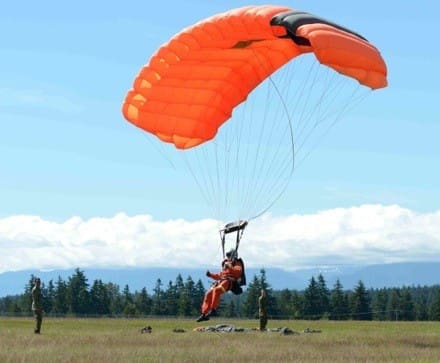
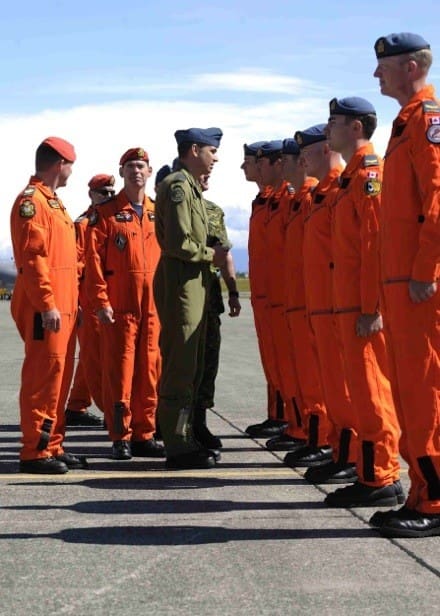
Last Friday, 6 new Search and Rescue Technicians graduated from an intensive 11 month program at the Canadian Forces School of Search and Rescue, based at 19 Wing Comox in British Columbia. They join the ranks of about 160 SAR Techs who are trained in advanced trauma life-support, land and sea survival, and specialized rescue techniques, including Arctic rescue, parachuting, diving, mountain-climbing and rappelling. Although assigned to the Royal Canadian Air Force they can tryout from any of the country’s service components.

20130707-195402.jpg

Unlike the US Air Force’s Guardian Angel Weapon System consisting of Pararescuemen (PJ), Combat Rescue Officers (CRO) and SERE Instructors, the SAR Tech’s primary focus is not Combat Search and Rescue. Their SAR area of responsibility includes over 15 million square kilometres of land and sea and encompasses the world’s longest coastline and SAR Techs as well as the skilled aircrews they work with respond to more than 8,000 incidents annually that average over 1,200 lives saved and assistance to over 20,000 persons.

20130707-195452.jpg

Congratulations to the graduates! According to the DND only about 1 in 3 candidates is accepted into training.

Master Corporal Jérôme Bourget, from Lévis, Quebec.
Master Corporal Anthony Bullen, from Boxey, Newfoundland and Labrador.
Master Corporal Jeff Elliott, from Victoria, British Columbia.
Master Corporal Chris Martin, from Pictou, Nova Scotia.
Master Corporal Brent Nolasco, from Peterborough, Ontario.
Master Corporal Oliver Willich, from Kincardine, Ontario.

All Photos – DND