TYR Tactical

Archive for the ‘Maritime’ Category

SCUBAPRO Sunday – Hand signals

Sunday, March 24th, 2019

Good communication is crucial when diving with someone you never have dove before with. You can always use Dräger talk, but sometimes that doesn’t work that well. There are universal hand signals very similar to the hand and arm signals when patrolling.  


There are a lot of different hand signals, used by divers especially in different fields of diving. However, with some basic hand signals, you can dive with anyone in the world.  

Going Up or Down

Use a thumbs up signal to indicate that you are going up, or a thumbs down to indicate the opposite.

I’m Okay

Place your thumb and forefinger together forming a circle and leave the other three fingers extended upright. This is the same as you would say OK as you would above water.

Stop

Signal your dive buddy to stop by holding up one hand; the same as you would in any other instance. You can also use a closed fist like being on patrol.

Changing Direction

Just like with up and down, point your thumb (or your index finger) to indicate which direction you’re heading. You can point again like on land

Turn Around

To let everyone know it’s time to turn around, put your index finger up and rotate in a circle. Similar to rally-up.

Slow Down

Place your hand in front of you with your palm facing down. Wave your hand up and down to indicate that you need everyone to slow down a bit.

Level Off

To indicate that you want to level off once you’ve reached a certain depth, put your hand out in front of you, palm down, and wave it back and forth.

Something’s Wrong

Place your hand out in front of you, fingers spread and palm down. Wave your hand back and forth in a rocking motion. It is similar to the hand signal maybe.  

Help!

Wave your entire arm from outstretched by your side to over your head. Repeat the motion as long as you need to.

I’m Low on Air

It takes practice to be able to make your air last. Clench your hand into a fist and pull it in toward your chest. Repeat as much as you need to indicate how urgently you need to resurface. When diving a rebreather, you should point at the pressure gauge. With some of the newer rebreathers, you can pull your gauge out and show it to your dive buddy if needed.  

I’m Out of Air

If something has gone wrong with your equipment, signal quickly and repeatedly. Place your hand, palm down in front of your throat and move back and forth in a cutting motion.

You can always pull on your buddy-line to get your buddies attention, and once you have dived a couple of times together, you will start to understand what each other wants and needs. Diving at night or in low-viability is way different than diving in the day time in clear water. Sometimes diving in real lousy visibility in the day time is worse than diving at night. So, knowing how to communicate is very important. Bottom line is as long as you and your dive buddy understand what you are saying to each other you should be good. So, make sure you at least talk to the person your diving with to have the basic’s down.


Put On Your Best Lewis Medlock Impression With The New Birdwell Yamamoto Wetsuit Top

Wednesday, March 20th, 2019

You too can look like survivalist Lewis Medlock with the new Birdwell Wetsuit Vest, constructed from Japanese Yamamoto neoprene.

Hand-sewn in Los Angeles and finished with Melco Heat Dots at the seams, classic zig-zag topstitching, and a heavy-duty Talon zipper with pull cord, it’s lined with super-stretch nylon. Also available in a sleeved version.

www.birdwell.com/collections/wetsuits-1/products/wetsuit-vest

SCUBAPRO SUNDAY – Mask Care Pre and Post Dive

Sunday, March 17th, 2019

I wanted to have link to the Movie, The Fighting Sullivan’s in honor of ST Patrick’s day and I couldn’t find it. So, then I looked for The Fighting 69th, again can’t find that one also. The Fighting Sullivan’s is my favorite movies of all times. If you ever want to teach someone about brotherhood and loyalty. That is the movies to watch. Well and The Boonedock Saints.          

                 “Everyone is Irish on St Paddies Day”

                                      Happy St Patrick’s day.  

Dive masks are one of the most basic, and most important pieces of equipment you have for your dive. If your mask falls it makes for a very long and painful dive. To ensure your mask stays in good condition, you must take care of it like the important piece of equipment it is. If you can’t see beneath the surface, what’s the point?

Just as you would always care for your regulator, so should you always remember your mask. This maintenance needs to be a regular routine for your dive trips. Follow the tips below to keep an easy system flowing for your scuba mask care regime.

Pre-Dive

When a SCUBA mask is made it leaves a lot of film and residue on it. If not cleaned off properly you will never get your mask to stop fogging. You can search the Internet for lots of different ways to clean your mask. I am going to walk thru one of the easiest and safest way to do it. With some of the other way, if not done right you can break your mask glass or damage your frame.

Check your mask for any damage that’s occurred. Look for small cracks in the rubber of the strap or on the skirt. Test the elasticity of the strap, replacing as needed, don’t wait until you are on the dive boat to try test this. Make sure you check the clips as well.

Inspect the skirt on your mask for wear and tears. Also look at the frame of the mask where the glass is seated for imperfections. 

Post-Dive

Always rinse your mask with freshwater. Let it dry properly out of direct sunlight. You can clean it with toothpaste or a mask cleaner. Let your mask dry out completely to prevent mold and mildew growth.

Storage and Proactive Care

Mask care includes smart storage. Keep it in a hard-covered case for the best protection from moisture, dust, and impact. If it came with a hard case, make sure you store the mask in that. Plastic parts can stay oddly shaped if crushed or folded down when incorrectly stored for long periods of time. Also make sure it has good airflow to make sure it doesn’t get moldy.

Basic gear maintenance will allow you to keep your gear for a long time and also help it not fail you when it is needed most.


SCUBAPRO Sunday – The Frogman

Sunday, March 10th, 2019

Movies have played a significant roll in and for the military world. From taking your mind off of things like Dumb and Dumber (and giving you great things to say” WE LANDED ON THE MOON?!”) or getting people to join the military. Some do better than others. The Green Berets by John Wayne was made to get people to believe in the Vietnam war.  It fell way short of that, but still a great movie, and it had a number one hit song “The Ballad of the Green Berets” by SSgt Barry Sadle, and it had a UDT/ Frogman playing one of the best parts in the movie. Sgt Muldoon was a Frogman in WW2 and yes a west coast guy. Apocalypse Now made as a protest movie against war, did a lot more to get people to join than any other film of that time.

The Frogman got more people to join the Navy than any other movie of its time. All and All it is an excellent movie for its time. You have to love going to war with a dive knife and a mask.

Maybe someday they will make moves like this again. Movies that talk about the thing that happened many years ago.

SCUBAPRO SUNDAY – Marine Animals

Sunday, March 3rd, 2019

Many marine animals use toxins for self-defense or to prey on other animals. When direct contact is made is when the venom/toxin is injected by bite, puncture or sting.  


Injuries mostly occur as divers are entering or exiting the water. If you are climbing out of the water onto some rocks and the surf is pushing, you around or you are climbing up on a pier. They can also happen when a diver accidentally or deliberately attempts to handle an animal. Like when someone says “hey I bet you can’t lick that sea urchin.”

You should know where you are diving what animal are in the water. So, make sure you study what is native to the area that you are diving in. It doesn’t mean that something that is supposed to be in the water won’t be there. Someone was stung by a box jellyfish in Hawaii, and they are only native to Australia.

Jellyfish or Jellies

Flushing the sting with salt water, remove tentacle pieces with tweezers or a gloved finger. Once all the tentacles have been removed, apply an ice pack to reduce inflammation and pain. Never urinate on a jellyfish sting. Well Unless you are into that stuff. But it won’t help the pain. Vinegar was recommended for used to rinse the affected area. But it has been found out that vinegar, may activate stinging cells that haven’t fired yet. So, it is up to you if you want to try that. Most jellyfish stings are minor and require only basic first aid. But some stings can be severe or even fatal. The Box jellies are one of if not the deadliest animal in the world.  If you experience chest pain, difficulty breathing, or if a large area of your body was stung, seek medical help immediately. If you were diving in an area that had a lot of jellies, make sure you raise off your wetsuit before you take it off if you can. Jellies are like poison ivy, they can still infect you after it is removed and just hanging out on your gear. It will be dry, you will throw it on your shoulder and get stung

Sea urchins 

Remove any spines that are visible in the wound with tweezers or a knife. If the needles have penetrated deep into your skin, a doctor may need to remove them. Soaking the affected body part in hot water helps to relieve pain. You can also take nonsteroidal anti-inflammatory drugs. If you notice signs of an allergic reaction, such as difficulty breathing or chest pain, seek emergency medical help.

Stingrays 

If you are stung by a stingray, call an ambulance immediately. If a spine is embedded in your skin, it’s best to leave it in. You can rinse the area with salt water to remove any sand or debris. Usually, the sting is very painful. Standard first-aid treatment includes immersing the affected area in water that is as hot.  

Don’t take any of these situations lightly as you never really know how your body will react.

Coral cuts and abrasions

These are one of the most common diver injuries. Coral scrapes can occur whenever a diver makes contact with the reef. Coral is often sharp, and those who get cut will find that they take a long time to heal, and often become infected. To treat coral cuts and abrasions, first, stop the bleeding, make sure to remove any remaining coral fragments by flushing with clean, fresh water. Use antibacterial soap or hydrogen peroxide mixed with water to disinfect the wound. Finally, rinse again with fresh water. 

How to avoid this

Since most of this happens when you are getting into or out of the water. (getting in and out at a beach/ shallow water). You should shuffle your feet to help avoid stepping directly on something. The animal should feel you coming and get out of the way. Don’t touch marine animals, even if they are dead. This includes pieces of them. A tentacle can still be dangerous even when they are no longer attached to the animal. As an old E8, I say this with love, please don’t bet your buddy that he can hold or eat it. It’s all fun and games until someone gets hurt, then it’s just fun. 

Skin protection

Clothing can help protect you against stings from creatures and scratches from coral. Wearing shoes in the water is always a good idea especial if you are walking into the water. In the old day’s guys would wear blue jeans when working around coral to help protect them from it. That is the same reason some people in Vietnam wore jeans. Because the jungle is basically like being in the water. Everything wants to kill you. Everything wants to kill you and does want to be messed with. Keep in mind that some creatures have spines that can pierce your shoes or wetsuit. I did not talk about everything in the water that you might come in contact with. I just when over the most common animals that divers encounter.  

Lastly, there are a lot of parts of the world where you will dive (this is military diving, not recreational diving) there might also be other things in the water, like glass, barb wire, spikes and anything you can think of. So, make sure you do a proper study of the area and of the tactics that are being used by the people you are going against and what they are most likely to try to stop combat swimmers. 


SCUBAPRO Sunday – What to Wear Under Your Wetsuits

Sunday, February 24th, 2019

Most people wear something under their wetsuit to help with getting your wetsuit on easier. The other reason for wearing something under your wetsuits is that the extra layers can help keep your body warmer. Instead of wearing a thicker wetsuit that will restrict your movement it allows you to wear a thinner suit that will give you more flexibility. You can wear a short sleeve top or bottom to help keep your core warmer. The other thing to think about is the air temperature/ wind on your way to the dive site. If you have to worry about the air temp/ wind when you are traveling to the dive site, a linebacker jacket (the kind football players wear on the sidelines) is good to have as you can take it off before the dive and put it on when you are done. For colder temperatures, adding layers underneath the suit is definitely the way to go. You have several options to choose from. If you already have a thinner wetsuit that you usually use for warmer environments a 1mm rash guard, or any other type of garment that’ll provide you with the added warmth around your chest will help.

 When you have to worry about the wind most surf wetsuit or wetsuits that are glossy like surf suits, are designed to stop the wind. That all suit surf suits are not great for diving as most are not made from a material (yes surfing is different then diving) that is designed to be used under water for long periods. Some people go nude under their wetsuits. After wearing a wetsuit for an extended period of time, this can be painful, due to the constant rubbing against their skin it begins to chafe. Normally the neck, armpits, behind the knees, and the crotch are the first to go. You can apply anti-chafing gel/ Vaseline to help with this on long dives. You can also wear a dive skin or bike shorts this will help with getting your suit on and off also.

Whatever you decide to wear keep in mind the water/ air temperature, duration of the dive and what you will be doing. That should put you at a good starting point.

www.scubapro.com


SCUBAPRO Sunday- Galileo Heads Up Dive Computer

Sunday, February 17th, 2019

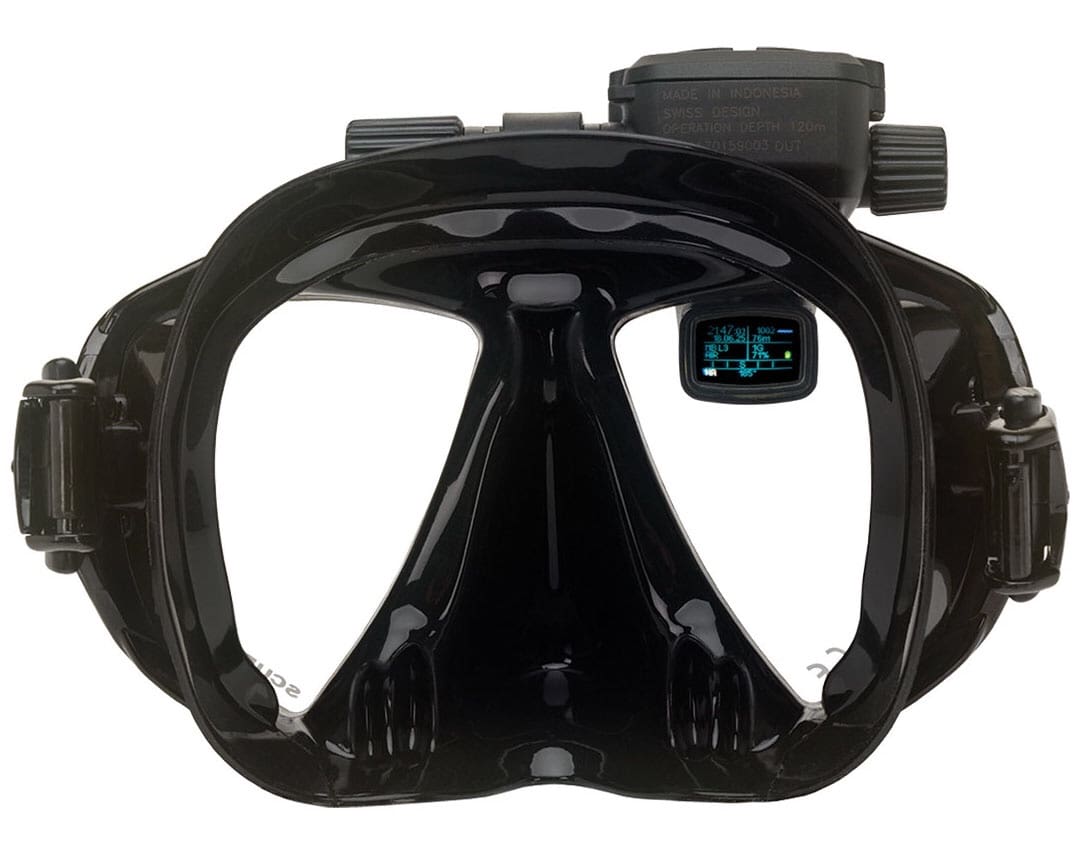
E17D741E-6173-44F7-8870-A2737EC43952
8D133DE7-2F56-4764-9098-B8E7AC680CA2
54A2A869-CAAF-4B0E-B1E8-AA7B92CC2ED7
For more information please contact ecrazz@clannfive.com

SCUBAPRO Sunday – Sea Sickness

Sunday, February 10th, 2019

  Many people suffer from seasickness, especially during your first couple of times being on the water. Once you learn some of the basic tips for dealing with seasickness, it will become more natural and help you to move past having to take anything. A lot of the time, these remedies will be the easiest to implement because they require moving around on the boat.

 First stay ahead of it by taking meds before you go out on the boat. There are a variety of medications that are available to help prevent or treat motion sickness. They need to be taking 1-2 hours before you go out so plan ahead. Medicines for nausea are called antiemetic drugs. They include antihistamines such as Dramamine and scopolamine drugs, which come in pill or patch form and require a prescription.  

Focus on the horizon. By focusing, many people experience the extraordinary power of the brain to overpower the feeling of the waves. Get horizontal and close your eyes. Your ears control balance, but your eyes can deceive you. By adjusting your balance by 90 degrees from standing to laying down and keeping your eyes from paying attention to the rolling motion, your brain can work through the motion more easily.

Keep the fresh air coming. If you are sitting there with the engines running the exhaust air can start to make anyone sick, so try avoiding it as much as possible.

Move to the center of the boat. The rocking motion is typically significantly reduced where the center of gravity for the boat is more defined, so the motion will tend to not be as dramatic in the center of the boat if you are sitting there and can get into the water that will help also.  

      Eat Small Meals and Stay Hydrated. Eating smaller, more frequent treats and drinking water / Gatorade type drinks, will help by putting something in your stomach and also gives you something to do to help take your mind off it.

      Tilt Your Head Into Turns. Synchronizing your body with the motion may help reduce motion sickness. Turns and rotary motion tend to cause more severe motion sickness than travel in a linear motion.

      Look at the Horizon. Looking at the horizon will help you avoid sudden head movements. People who are prone to motion sickness tend to have more body sway while standing. Try to widen your stance to help reduce body sway. This is why people that have mTBIs tend to get motion sickness easier.

      Press on This Pressure Point. The point is located on the inner side of the forearm, about two inches (or three finger widths) above the crease of the wrist in between the two tendons.

     Ginger Root A widely used remedy for nausea, ginger root is often taken in the form of lozenges, tea, capsules, tablets, crystallized root, candies, or ginger ale.

      If you have tried all the above and you still feel sick the last thing you can try is sticking your finger in your mouth as far back as you can get it. Throwing up does help, and the bright side is it might make other people do it also. So you won’t be alone anymore.

If you get motion sickness or thing you will, remedies may be worth considering, especially if you are not able to take medication. If you are going to take meds is to try them before you step on the boat. If you have never tried it, it might make it worse if it makes you sick or sleepy. Good Luck and I hope this helps.