Pirata Series from OTB Boots - Coming March 2026!

Archive for the ‘Materials’ Category

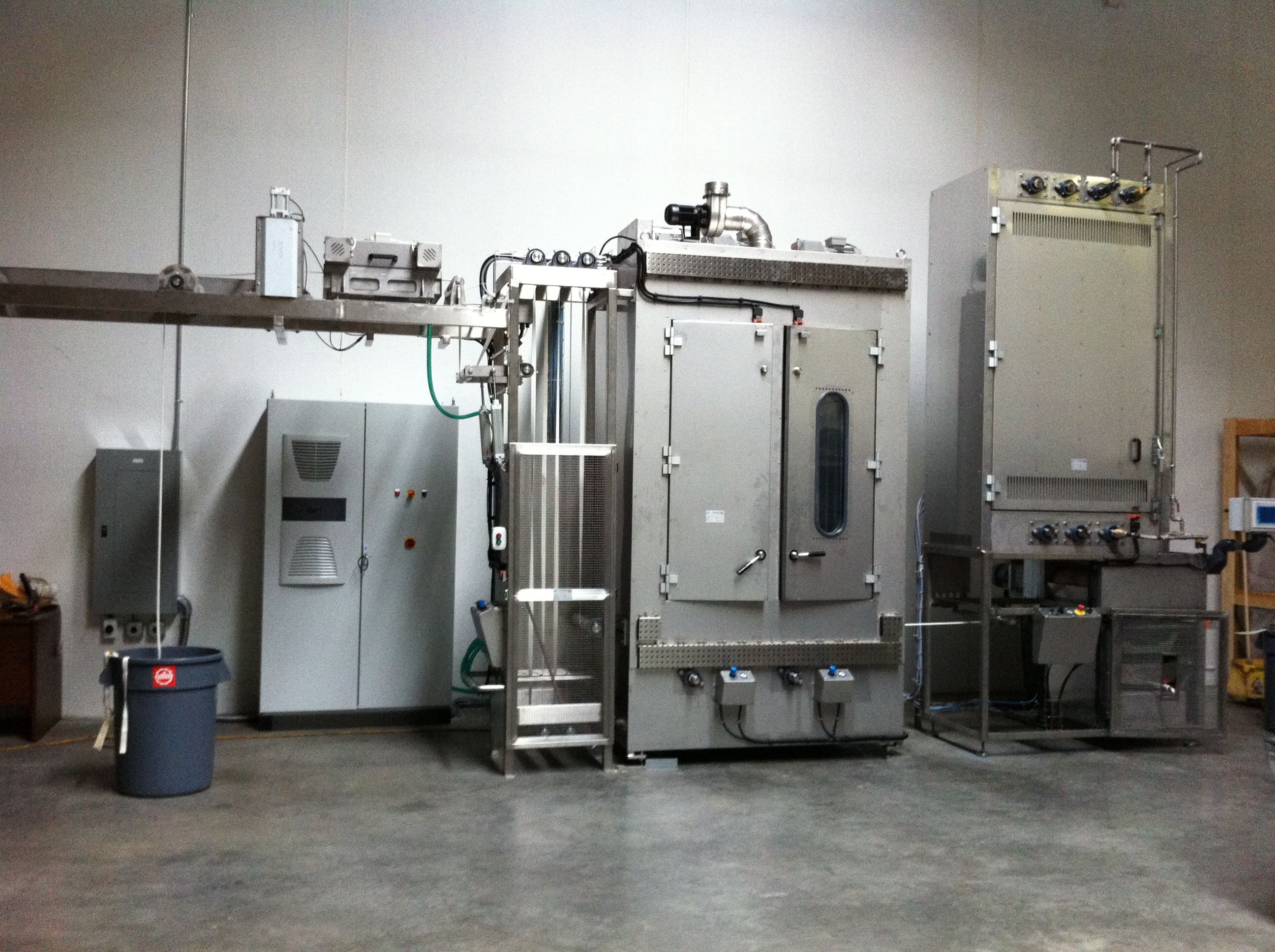
ACW Introduces Continuous Dye-Range Finishing System

Tuesday, February 21st, 2012

The new Continuous Dye-Range Finishing System recently acquired by ACW is used to treat their numerous webbing products. It will virtually eliminate pigment excess due to its precise and consistent aqueous padding application of dye and pigment finishes to webbing material.

ACW President, Mark Krauss told us, “We are very pleased to be able to make a major equipment upgrade that will benefit our customers with consistently, high quality products. Our mission is to always improve our products and services in every possible way to better serve our customers in this highly competitive marketplace. This equipment upgrade enables ACW to exceed our customer’s expectations.”

www.acw1.com

DuPont Announces the Winners of US DuPont Kevlar Innovation Awards

Friday, February 17th, 2012

DuPont Protection Technologies is pleased to announce the winners of the DuPont Kevlar Innovation Awards, which showcase ideas, methods, technologies, applications, products and services using DuPont Kevlar in a new way. This year’s U.S. awards were bestowed in three categories: innovation, protection and collaboration to QinetiQ North America, TYR Tactical and UNEQUAL Technologies, respectively.

They’re excited to announce the winners of these awards that recognize not only incredible ingenuity in uses for DuPont Kevlar, but our partners commitment to industry collaboration to help make the world a better, safer place, said William F. Weber, vice president of DuPont Protection Technologies, North America. DuPont Kevlar is most commonly known for ballistic protection, but its light-weight strength is used for a myriad of other purposes; these award winners showcase some of the best of the wide range of innovative uses of DuPont Kevlar in the industry.

Innovation award criteria focused on the use of DuPont Kevlar with new materials and/or new processing technologies, creativity in the use of DuPont Kevlar in new applications and general uniqueness or impressiveness of the product. The protection award was based on the best demonstration of an innovation that enhances protection of people, processes or the environment using DuPont Kevlar. The collaboration award was given to the entry that best demonstrated ways in which the company worked with DuPont or other organizations to develop a product using Kevlar that provides commercial significance and benefit to others.

QinetiQ North America’s rocket propelled grenade (RPG) protection solution, Q-Net, is the winner in the innovation category. Q-Net provides superior RPG defeat capabilities, is adaptable to a variety of platforms, and is low-cost and ultra-lightweight. QinetiQ worked in conjunction with the Defense Advanced Research Projects Agency (DARPA) and the Office of Naval Research (ONR) to develop the Q-Net system, which is based on nets rather than traditional armor. The system leverages DuPont Kevlar in the netting in combination with metal points at net junctions to create the configuration. DuPont Kevlar was chosen for the netting for its strength, weight and low stretch characteristics. The resulting system offers an innovative solution to vehicle light-weighting and performance challenges, as reducing weight decreases the overall wear and tear of vehicle operating systems and fuel consumption.
QinetiQ North America Q-Net

TYR Tactical is honored with the protection award for its PV Nylon, a hybrid laminate that is significantly stronger and lighter-weight than standard nylon. TYR Tactical’s PV Nylon demonstrates how scientific innovation can yield incredible hybrid materials that address market challenges. By incorporating DuPont Kevlar to provide increased strength and ballistic resistance at a lighter-weight, TYR Tactical decreased the amount of nylon needed in a protection system, in turn reducing the weight of protection systems overall and increasing the life cycle of each product. This provides the market with a much needed solution for longer-wearing, more resistant and lighter-weight armor.
TYR Tactical PV

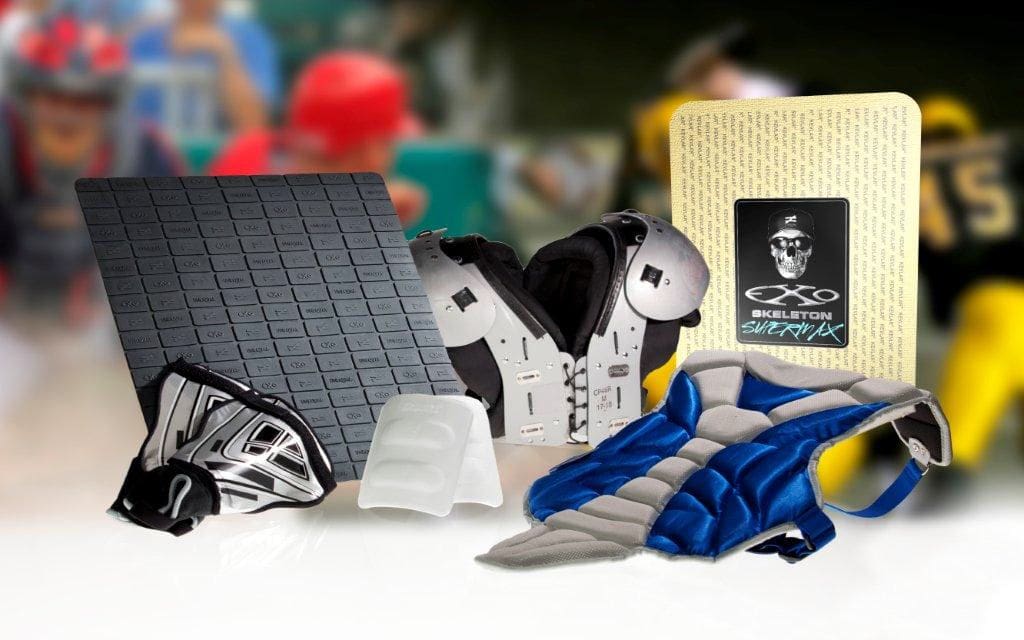
The collaboration award goes to UNEQUAL Technologies for its EXO pads, which offer body protection to soldiers and athletes. UNEQUAL worked with DuPont to incorporate DuPont Kevlar into its layered pad systems, yielding the first multi-threat, all-fabric solution that reduced fabric thickness, weight and cost. Collaboration with the sports industry allowed UNEQUAL to create padding that protects against blunt force trauma significantly better than traditional foam pads. UNEQUAL relied on Villanova University, Drexel University, Southern Impact Research Center and Safariland/BAE Systems, as well as other industry and academic partners to conduct extensive testing of its EXO Skeleton technology. EXO pads are now used by multiple NFL and NHL teams to help protect players. The different systems are light-weight, thin, and flexible to increase comfort without sacrificing protection on the sports field or battlefield.
UNEQUAL Technologies

The DuPont Kevlar Innovation Awards were judged by a prestigious panel of experts: Professor Philip Brown of Clemson University; Police Commissioner Charles Ramsey; Eric Lin, Ph.D., Chief of the Polymers division at National Institute of Standards and Technology; Adam Rogers, senior editor at Wired; and Doug Muzyka, Chief Science & Technology Officer at DuPont. Each award winner received $10,000 to donate to a charitable organization that benefits education, science, technology and/or government service. QinetiQ donated its award to the Wounded Warrior Project, which provides programs and services to severely injured service members as they recover and transition back to civilian life. TYR Tactical donated its award to Fisher House Foundation, which provides free or low cost lodging to veterans and military families receiving treatment at military medical centers. UNEQUAL donated its award to the National Law Enforcement Museum, which will tell the story of American law enforcement through exhibits, collections, research and education and is expected to open in 2014.

This contest is particularly timely, as DuPont recently opened its new Cooper River plant near Charleston, S.C. the single largest investment in the fiber since its invention. Overall global production capacity for DuPont Kevlar will increase initially by 25 percent and is expected to grow by 40 percent, creating the supply essential to further DuPont Kevlar innovation and new applications by both DuPont and its partners.

www.dupont.com.

UVR Defense Tech in Alpha-Testing of Durable UV Camo Coatings

Tuesday, February 14th, 2012

With the proliferation of simple technologies to monitor increasing portions of the electromagnetic spectrum simple visual signature camouflage is no longer enough. Much work has been done in IR and NIR suppression. UVR Defense Tech specializes in the ultraviolet portion of the EM spectrum. The more you learn about this area of expertise, the more important you will realize that UV defense is not a one size fits all solution and has to be tuned based on the military operating environment.

UVR Defense Tech is currently Alpha testing two durable UV signature management solutions – UVRC-P for Shelter Fabric and UVRC-A for uniforms and other simple fabrics.

UVRC-P for Shelter Fabrics
Military tents and other fabric shelters for field use, e.g., mess-halls and operating theaters, are usually constructed of a PVC (Polyvinyl Chloride) coating on a polyester substrate. UVRC-P may be sprayed, rolled, brushed, or printed onto the PVC as a thin, matte, hard-wearing topcoat; intimately bonded to the PVC. Drying in minutes, the UVRC-P acts as UV camouflage, reflecting the percentage of UVA appropriate to the surroundings; for example, 7% in foliage or 22% in desert sand. Though applied for its camouflage attributes, UVRC-P also increases the life of the PVC substrate by blocking (reflecting/absorbing/scattering) the near-UV light. UVRC-P will not alter the visible or near-IR properties of the fabric. This patent-pending camouflage will soon be available to license in 7%, 22%, 50%, and 80% UV reflectances.

UVRC-A for Uniforms
UVRC-A is water-based and non-toxic. It may be sprayed, rolled, brushed, or printed onto standard military fabric. UVRC-A has most of the properties of UVRC, in that it serves as UV camouflage, without significantly altering the visible or near-IR camouflage substrate. However, UVRC-A is a durable – projected 50 washes – addition to the fabric. UVRC-A will be available as 7% and 22% UV-reflective compounds, in ready to apply liquid form. Licensing will be available.

www.uvrdefensetech.com

Honeywell Expanding Virginia Operations

Thursday, February 9th, 2012

Ballistic material producer Honeywell announced earlier this week that they are expanding their operation in nearby Chesterfield County, Virginia. Honeywell has 17 facilities employing about 1,800 people in Virginia. The expanding Chesterfield location manufactures polyethylene fiber for use in Spectra and employs about 300 people.

www.honeywell.com

ArmorWorks Modular Plate Carrier

Wednesday, February 8th, 2012

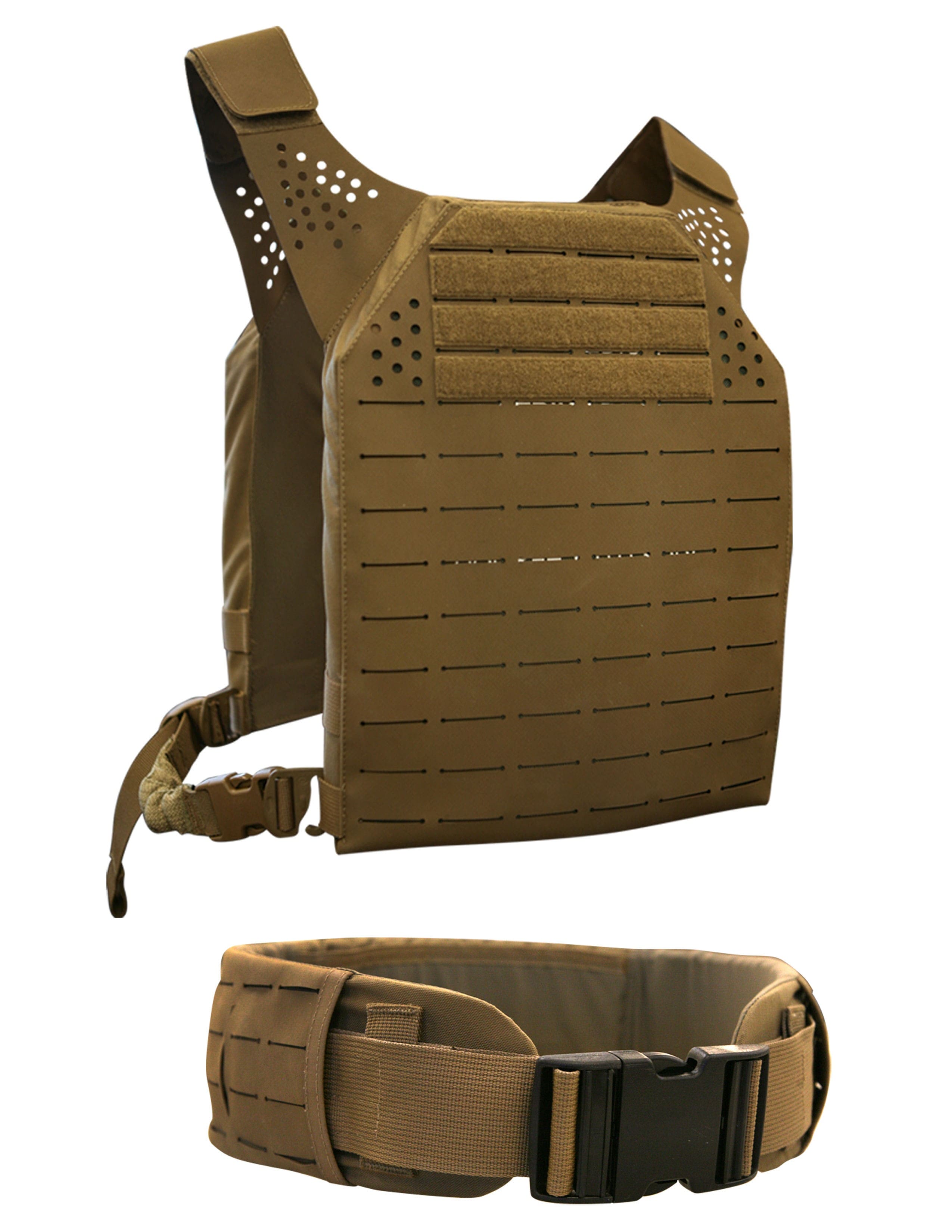
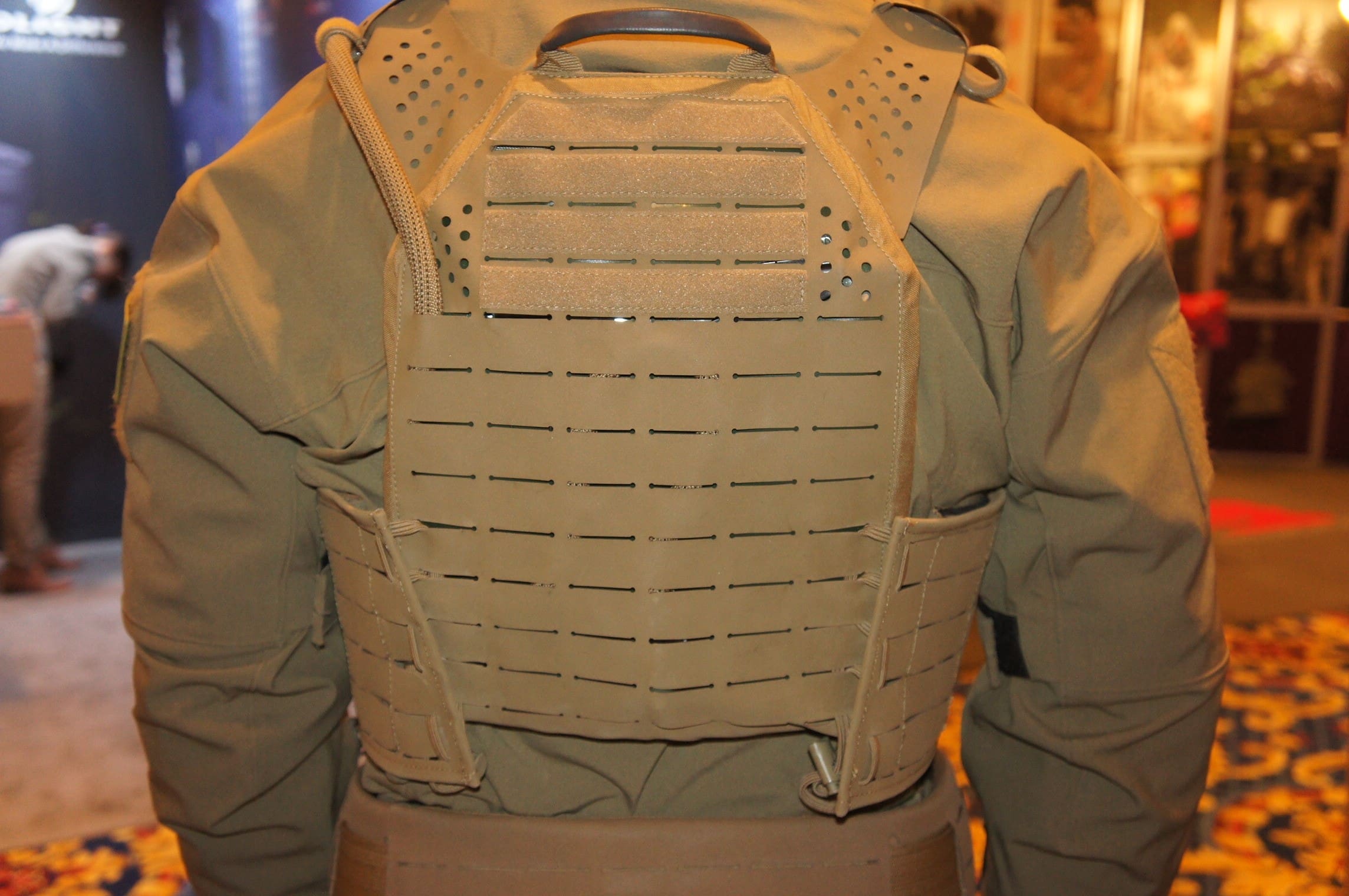
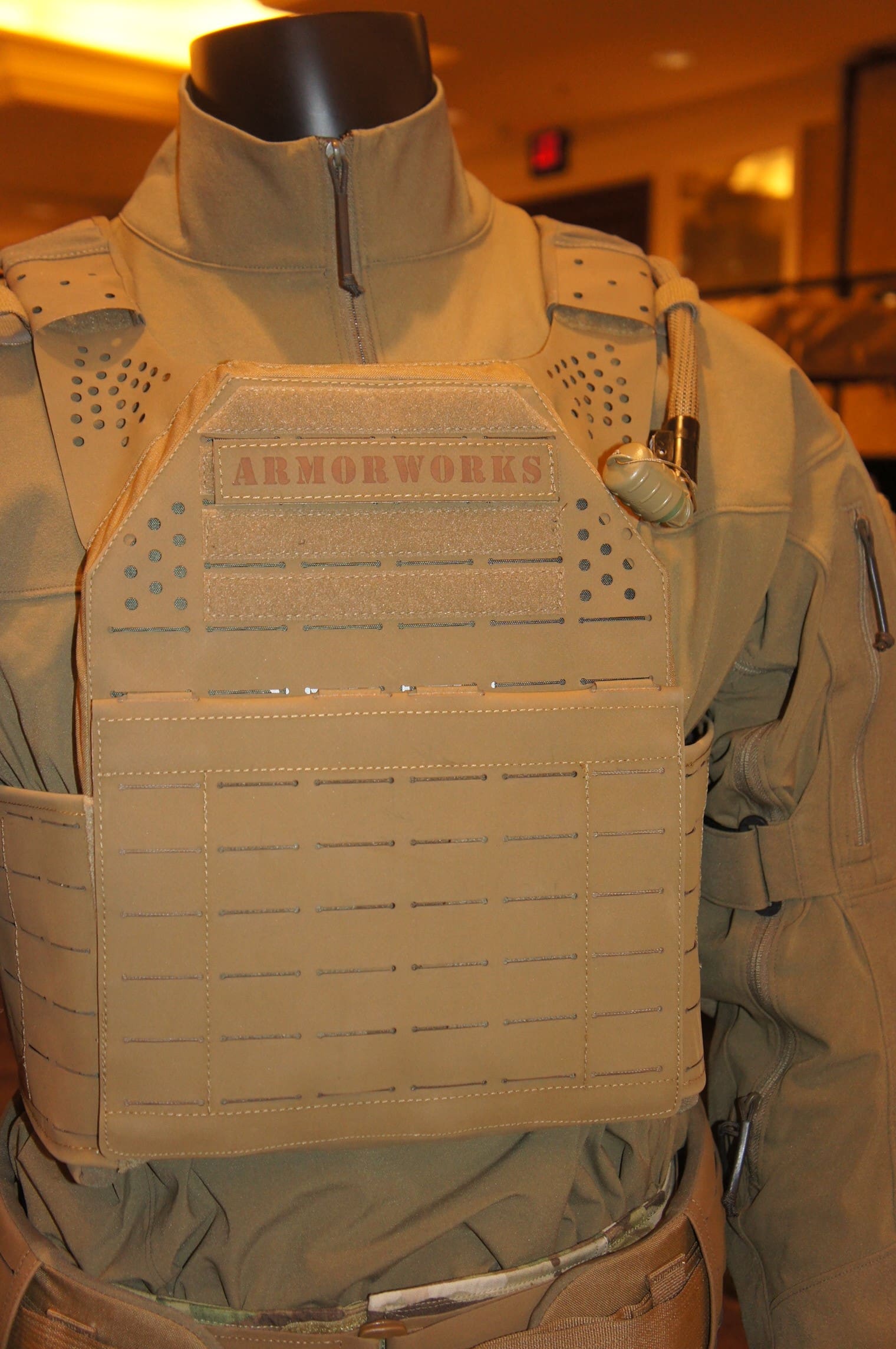
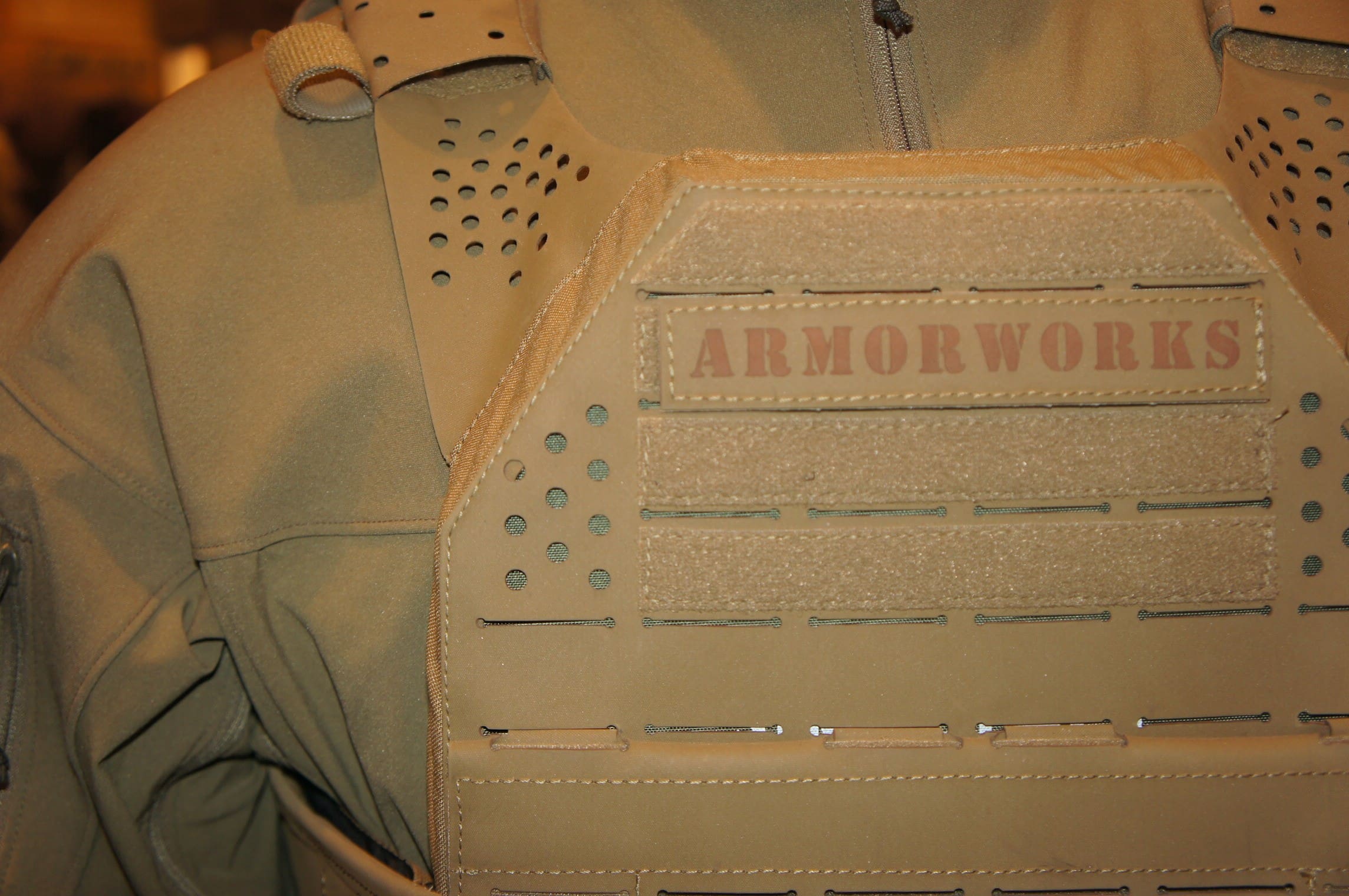
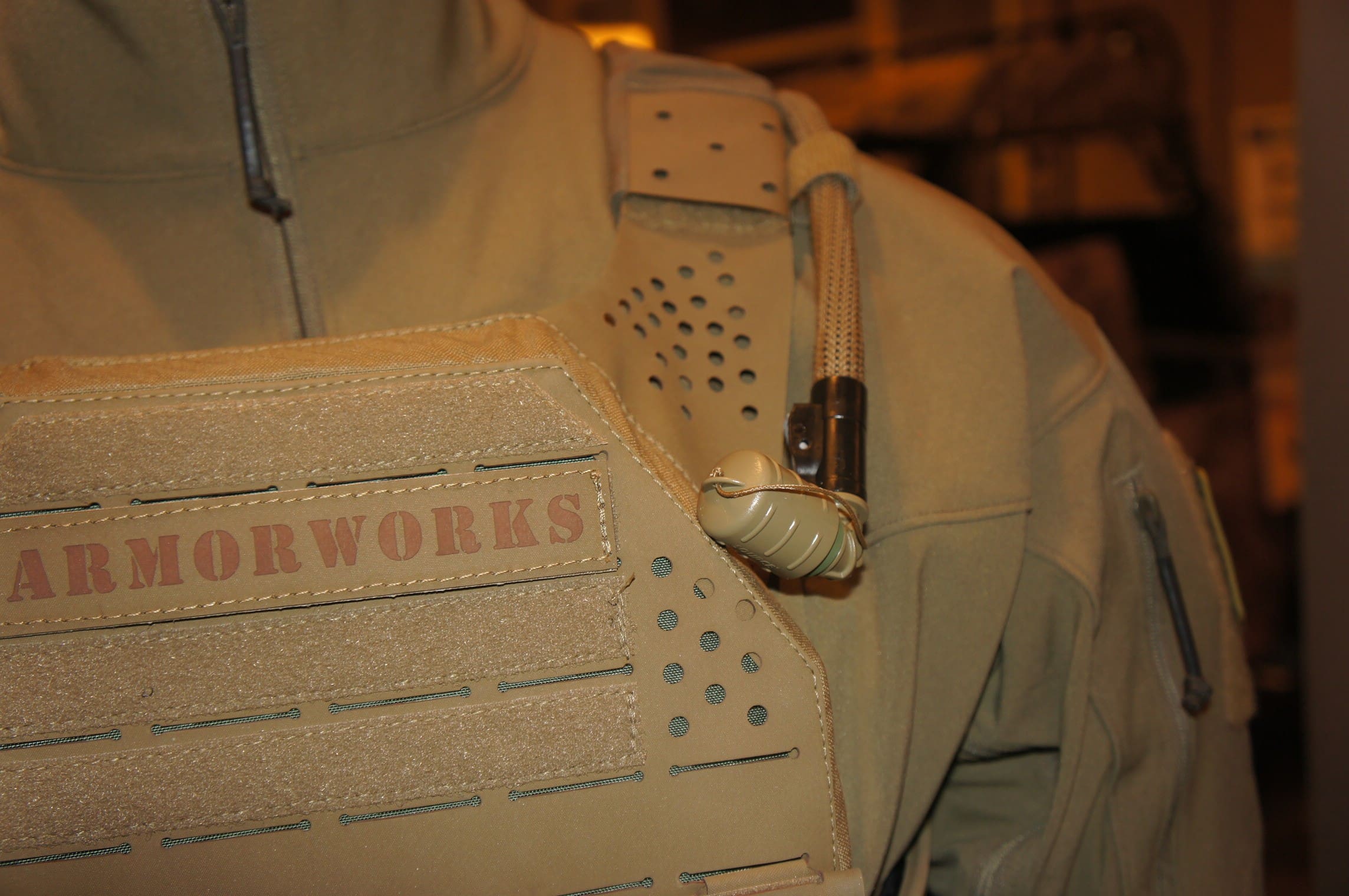
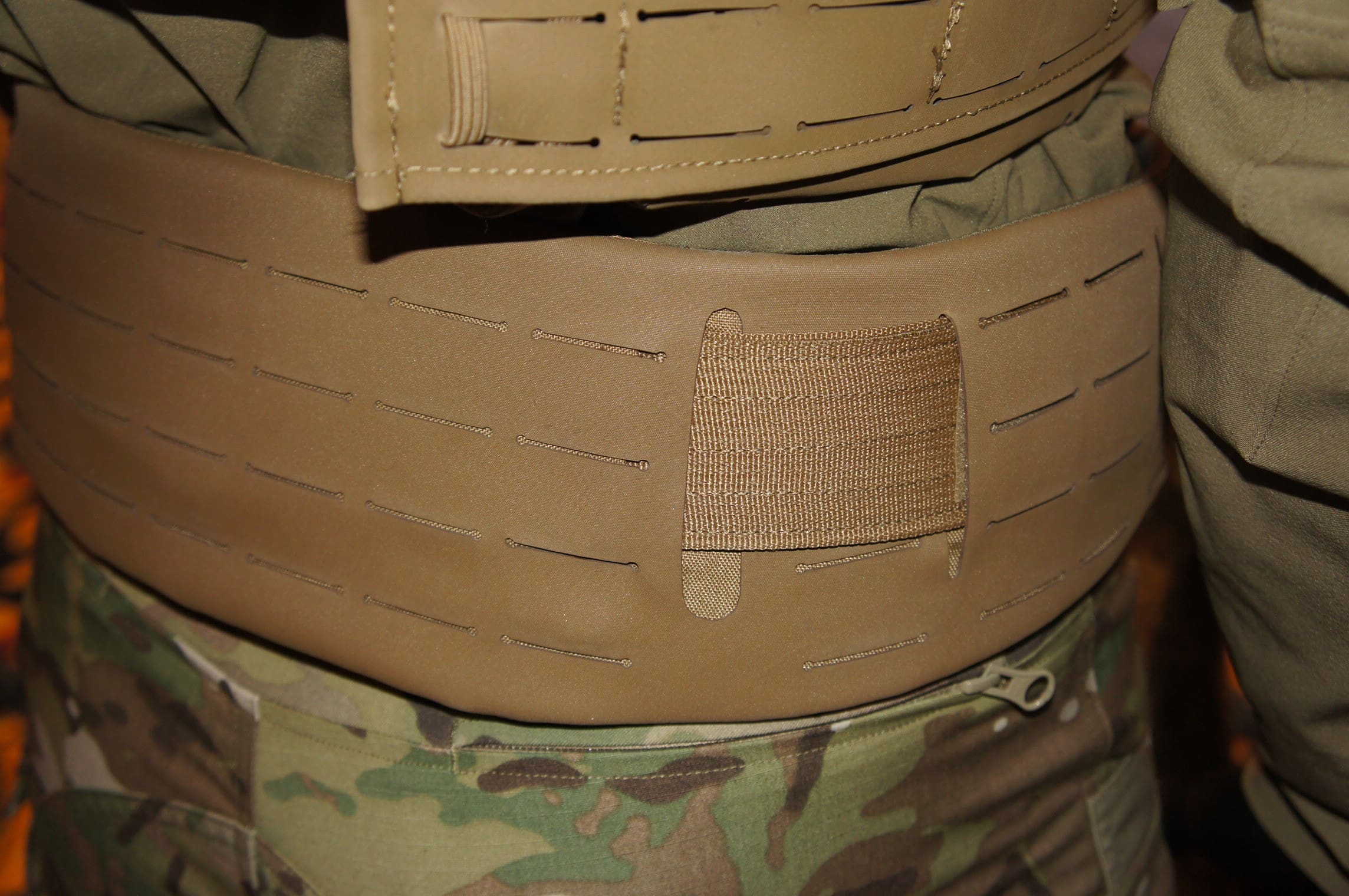
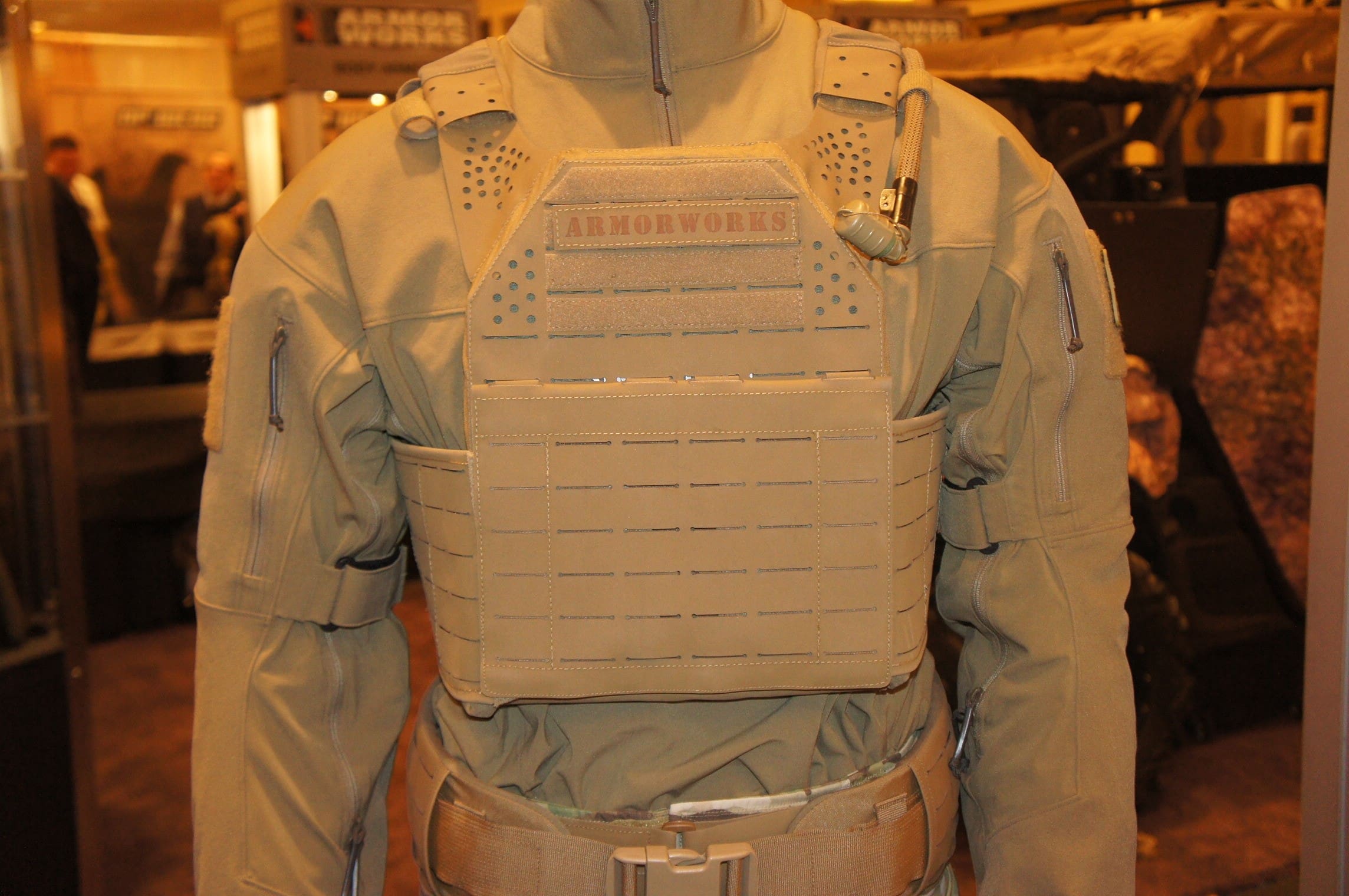
Designed by the ArmorWorks WarriorWorks Team to be used with PALS compatible pouches, the Modular Plate Carrier trades external webbing for slots cut into a new impregnated fabric. It’s tough. We gave a few tugs at SHOT Show and it can’t be torn by hand. The unique construction offers over 150 MOLLE gear, cable, and hydration connection points. Designed for ESAPI/SAPI plates and soft armor inserts, it offers multiple configuration options including integrated water bladder, cummerbunds, side plates, soft armor, radio pouches, and a similarly designed combat belt. Additionally, a load distribution and quick-release versions are coming soon.

www.armorworks.com

MultiCam Materials – 1000D Cordura

Tuesday, February 7th, 2012

This is the first in a series of bi-weekly articles presented by Duro Textiles LLC on the various fabrics they offer in the MultiCam camouflage pattern. MultiCam is a single camouflage pattern designed to help the wearer hide in varied environments, seasons, elevations, and light conditions. After a great deal of commercial success and adoption by elements of US Special Operations Forces, in 2010 MultiCam was selected for use by the US Army as its Operation Enduring Freedom Camouflage Pattern (OCP).

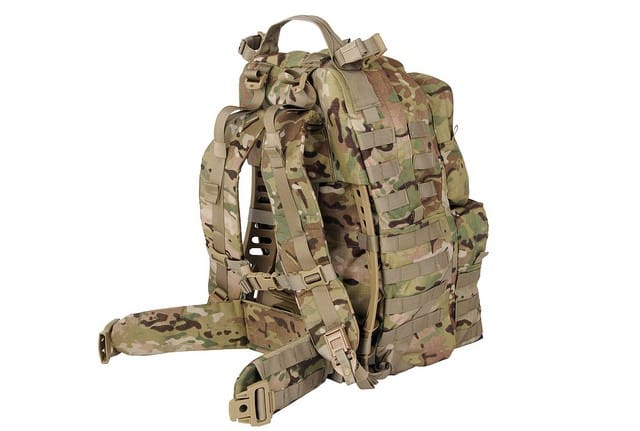
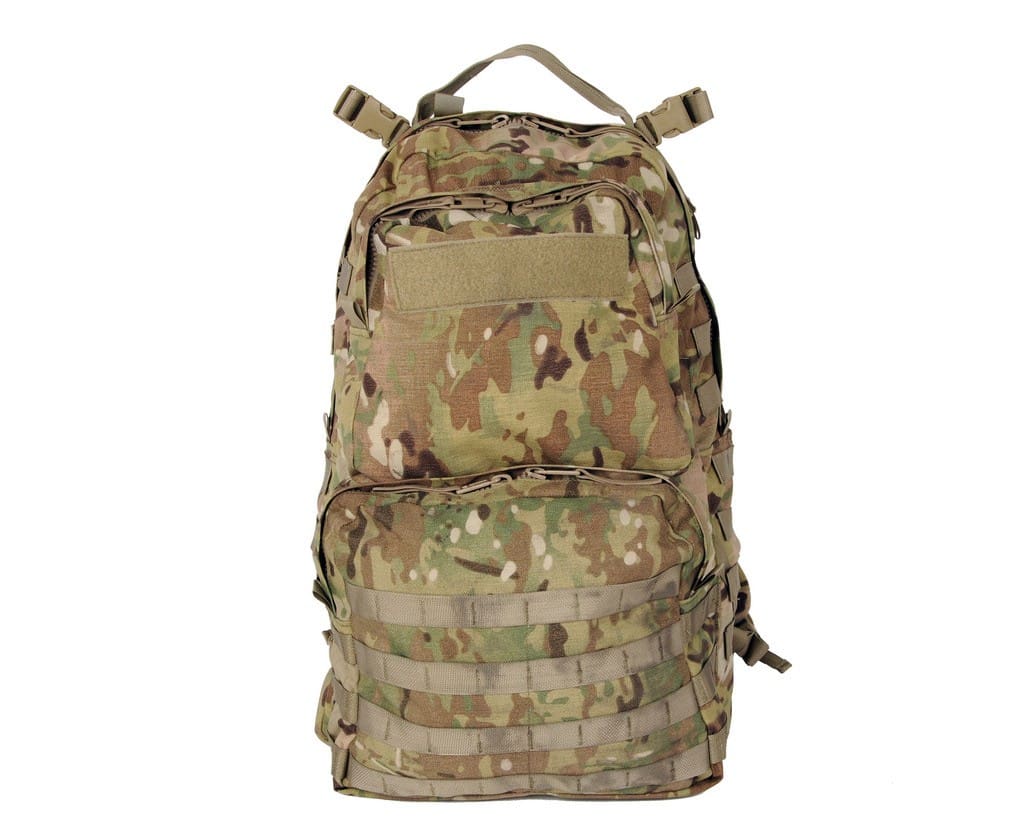
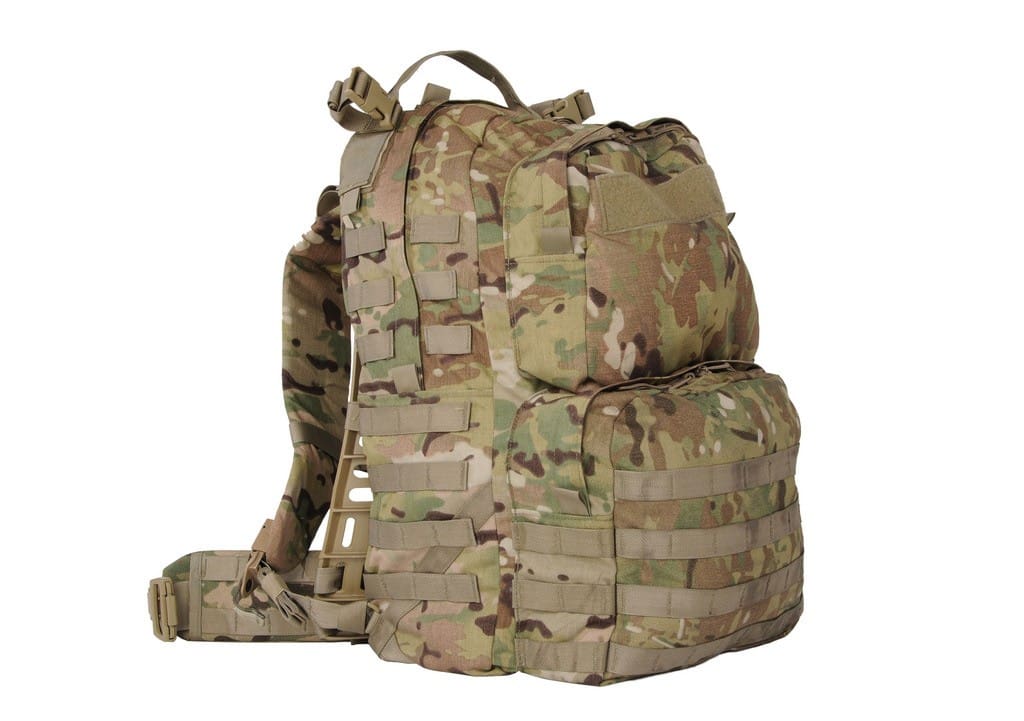
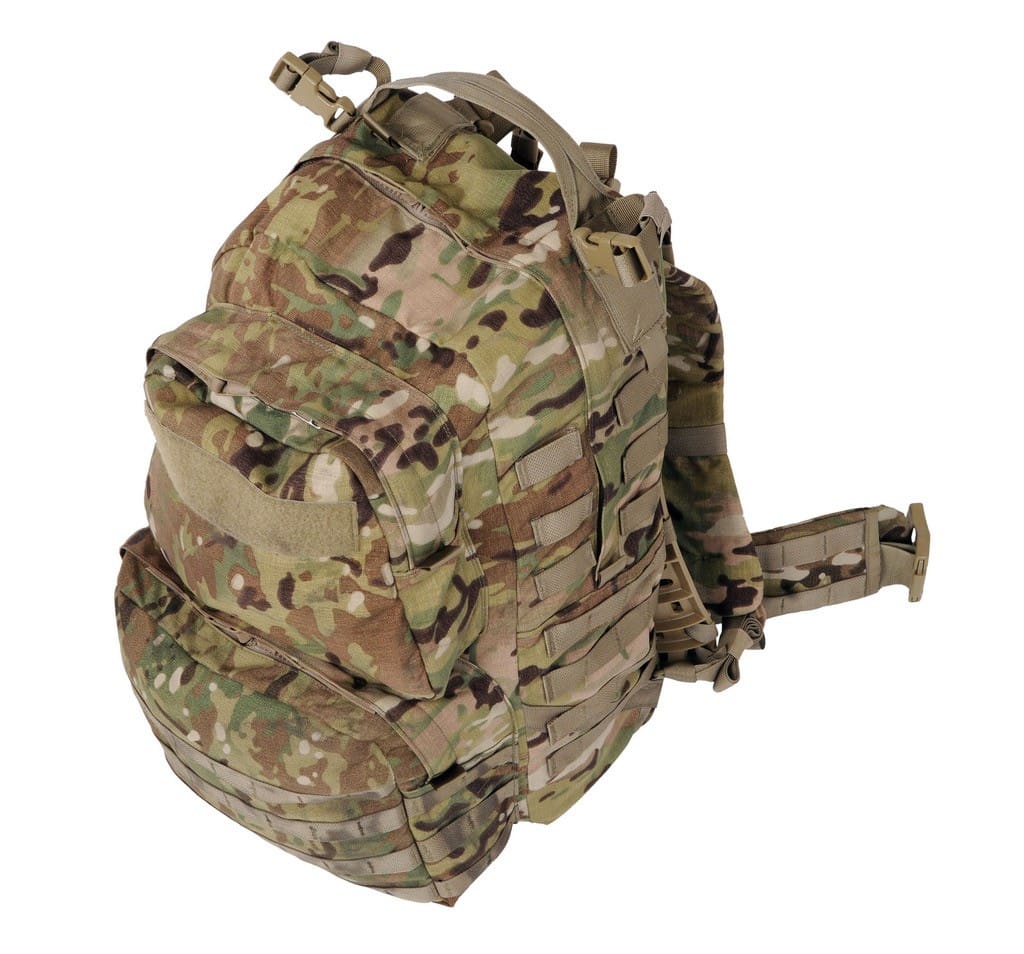
Here you can see the US Army’s Medium Rucksack designed for use in Afghanistan. Designed to carry up to 60 pounds, the Medium Rucksack utilizes a special U-shaped frame that cradles the rear armor plate of an IOTV. The pack is produced as part of the MOLLE contact by both BAE Systems and ATK Eagle.

1000D Cordura is the most ubiquitous MultiCam fabric in use. It is also the heaviest MultiCam fabric. Due to its high abrasion resistance it has been adopted for use by the US Army for use in their MOLLE systems including packs and pouches. It is coated on the back side for water resistance and the the face features a a durable water repellent finish.

Specs:
Finished Width – 60 inches cuttable
Finished Weight – 9.8 oz/yd² approximately
Fiber Content – 100% nylon
Construction – 35/30 (warp/fill)
Breaking Strength – 593/580 (warp/fill) (lbs, minimum)

Duro offers progressive pricing based on the number of yards ordered. For more information on this or any of the full line of MultiCam fabrics visit www.multicamfabric.com or email Galpen_Ben@DuroLink.com.

Army Seriously Looking at Wool

Wednesday, February 1st, 2012

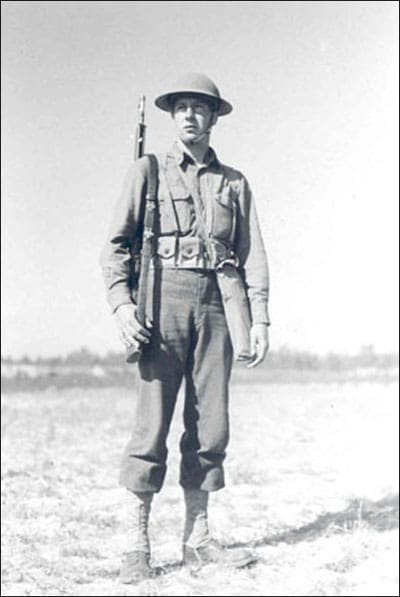
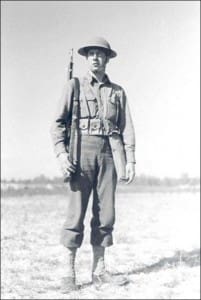
While this isn’t exactly breaking news, the fact that the Army is publicly acknowledging their efforts regarding wool is. Wool was long a mainstay of Soldier clothing. Take for example this Soldier circa 1941. He is essentially wearing the same clothing that his forebears wore in the trenches of World War I. This same gear served us well through World War II, Korea and on. Wool pieces remained in the cold weather bag up into the 90s. And then, beginning in the 60s with selected items up through early 90s, the services began to turn away from wool in favor of synthetics such as polypropylene and acrylic. As operations in Afghanistan and Iraq ramped up, the flame threat associated with Improvised Explosive Devices caused a shift to a new generation of FR performance fabrics.

In recent years there has been a move to investigate the possibility of reintroducing nature’s performance fabric into the Soldier’s kit bag. Wool’s advantages, particularly of the Merino variety, are myriad.

-Warm even when wet
-Comfortable in a wide range of temperatures as well as against the skin
-Antimicrobial
-Inherently FR (No Melt, No Drip)
-Grown Naturally
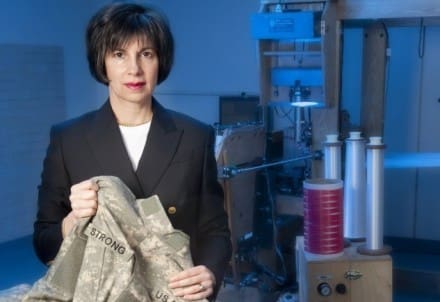
Now, according to an Army press release, Natick Soldier Research, Development, and Engineering Center has contracted for several efforts with the American Sheep Industry Association and its subsidiary, Sheep Venture Company, to develop, test and evaluate wool fabrics for combat clothing. The ASI is no slouch, with over 45 state sheep associations, all told it represents more than 82,000 sheep producers.

“We can enhance wool’s inherent properties by engineering high-performance fiber blends and fabric structures. It all begins with the wool fiber fineness, where some breeds of sheep and what they are fed directly affect the wool fiber diameter and flexibility,” said Carole Winterhalter, textile technologist for NSRDEC.

“In the military world, Natick is recognized as working on cutting-edge technologies in support of all Soldiers, Sailors, Airmen and Marines. Work done at Natick is thorough and credible,” said Mitchell Driggers, program manager for Sheep Venture Company, or SVC, and government contracting consultant of the American Sheep Industry, known as ASI.

“Natick provides the expertise of textile technologists to engineer optimized individual clothing for the field,” Winterhalter said.

In 2009 NSRDEC selected three organizations for Phase I Small Business Innovation Research contracts specifically calling for shrink-resistant treatments for wool and our friends at Propel LLC were involved in these efforts. SVC received the Phase II contract and created different wool shrink-resist techniques through chemical and enzyme-based technologies. Subsequently, the sheep and wool industry spent its own funds to install a manufacturing line with energy-efficient equipment to run the shrink treatments.

This line accommodates multiple shrink treatment methods. SVC’s washable wool line exceeded its production by more than 40 percent in the first year, and the company expects to double its production this year.

“The work done with Natick Labs is important because ASI is able to better understand the needs of all of the military services,” said Rita Samuelson, wool marketing director for ASI. “Together, we can develop products that are functional and valuable to our servicemen and women.”

There has been an impression that there isn’t enough domestic wool to go around, but the facts belie the myth. The US wool industry exports approximately 65 percent of American-grown raw and semi-processed wool to overseas markets, and 10-15 percent is used by the domestic textile industry. The rest is consumed by the US military.

The next step is engineering better performing wool blends. For example, spinning long-staple (four-inch) wool into worsted yarns with Nomex and Kevlar fibers from DuPont was done through NSRDEC and SVC for flame resistance and durability purposes.

“We believe we’ll be able to make a fabric that is much stronger with the long-staple worsted yarns,” Winterhalter said. “We’ve already demonstrated a 20 percent increase in yarn strength over the previous short-staple yarns.”
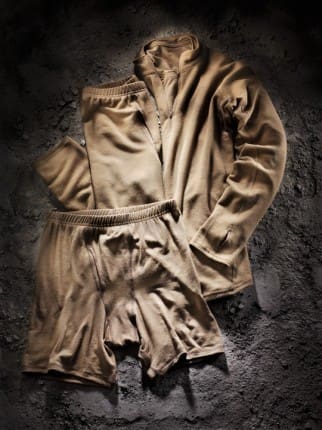
On the other hand, New Balance is out in front of this concept as well with their FR wool blend featuring FR Rayon.

“Through these different parameters, we can engineer high-tech protective clothing made from environmentally friendly natural means,” Winterhalter said. “We hope these fabrics will be used across the board for FR applications, just as the nylon/cotton blend has been the all-purpose combat uniform fabric.”

To further refine the technology, SVC was awarded a three-year contract to develop FR fabrics for the future.

“Wool does not melt or drip and has significant fire-resistant qualities, both of which can help protect Soldiers from IEDs,” Samuelson said.

The advantages of wool for the Soldier are obvious. It is truly nature’s performance fabric and when combined with other technologies, performance is further enhanced. For the Army and by extension the taxpayer, wool offers a cost advantage. Expect to see more and more companies enter the domestic wool game as they eye military business.


PCU Block 2 Preview

Thursday, January 26th, 2012

SSD recently had an opportunity to check the latest prototypes from USSOCOM’s Protective Combat Uniform Block 2.

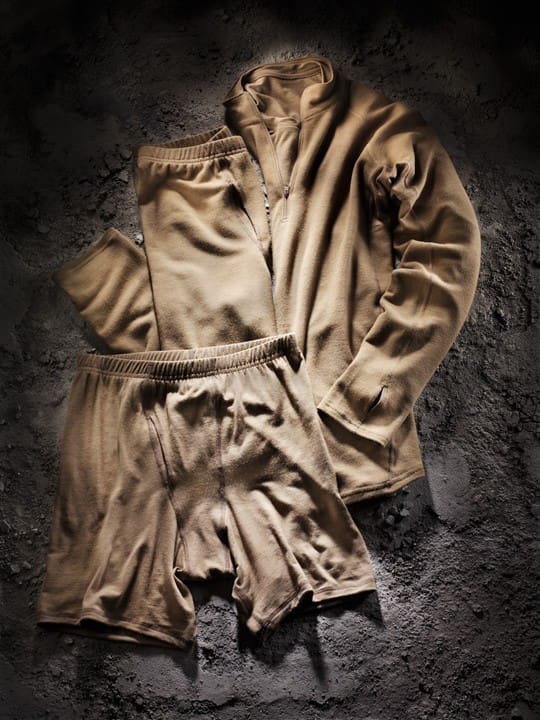
Designed to be worn in temperatures ranging from 40 deg to -50 deg F, PCU is a 8 level environmental clothing system consisting of a variety of performance clothing items that can be configured based on conditions. For PCU, moisture management is a key feature driving its development. Keeping Operators dry, keeps them in the fight.


The original Block 0 configuration was fielded beginning in 2003 based on gear selections from PEPSE (Personal Environmental Protective Survival Equipment) and espousing wear principles from Mark Twight‘s seminal work on climbing, “Extreme Alpinism“. In 2006, USSOCOM charged their support office at Natick to make incremental improvements to the system based on user feedback and streamline the production process, facilitating a partnership between major outdoor manufacturers and National Industries for the Severely Handicapped.

Recently, to further modernize the system for the evolving needs of the SOF Operator and to insert the latest outdoor technologies, Natick’s PM-SOF sat down with representatives from the various stakeholders and went through Block 1 level by level. Based on these meetings, and some field trials of the new designs by 10th SFG(A) and NSW Det-Kodiak, the upcoming Block 2 system will feature a few changes.

(more…)