GORE-TEX Professional

Archive for the ‘Medical’ Category

WRAIR Advances Neurostimulation Research in New Partnership with NATO Committee

Thursday, November 28th, 2024

On October 16, 2024, the NATO Neurostimulation Committee visited the Walter Reed Army Institute of Research’s (WRAIR) Sleep Research Center (SRC). Hosted by Dr. Tracy Jill Doty, Chief of the SRC, the visit focused on learning about ongoing fatigue mitigation research using neurostimulation.

The NATO Neurostimulation Committee is a working group of leading researchers in neuroscience, cognition, and brain function. Established in July 2024, the committee addresses common limitations in neurostimulation research by conducting large-scale, multi-laboratory experiments across multiple countries. Its mission is to advance the understanding of cognitive performance enhancement through robust and thorough investigations. The committee’s work centers on neurostimulation, a field that encompasses various technologies and techniques for targeting specific brain regions. Dr. Doty, an expert in sleep and fatigue, provides valuable insights to these efforts.

“The committee didn’t previously have an expert in sleep and fatigue, but it’s a critical area where neurostimulation technology could make a substantial impact,” Dr. Doty explained. “Applying neurostimulation to maintain brain health under fatigue conditions is a growing field, and this partnership between the committee and the SRC is a natural fit.”

The SRC contributes to the committee’s international research efforts by developing brain stimulation methods to enhance slow-wave sleep and help service members maintain alertness during extended operations. These capabilities, including pioneering advancements in slow-wave sleep enhancement, have been a hallmark of the SRC’s work.

Service members often face challenges such as insufficient sleep or limited rest periods, which significantly impair cognitive performance and mission readiness. Studies show that a single night of sleep deprivation can impair alertness and cognition to levels comparable to a 0.08% blood alcohol concentration.

“The Sleep Research Center is at the forefront of neurostimulation technology,” said Dr. Doty. “We’re eager to explore new opportunities to advance this technology for military applications.”

Although still in its early stages, this collaboration between the SRC and the NATO Neurostimulation Committee holds significant promise for improving service members’ cognitive resilience and overall brain health.

Story by Zeke Gonzalez 

Walter Reed Army Institute of Research

R.T. Weatherman Foundation Launches Targeted Trauma Treatment (T3) Program for Ukraine’s Elite Defenders

Sunday, November 24th, 2024

KYIV, Ukraine, November 19, 2024 – On the 1,000th day of Russia’s war of aggression against Ukraine, the Romulus T. Weatherman Foundation reaffirms its unwavering commitment to the Ukrainian people by launching its Targeted Trauma Treatment (T3) Program.

This groundbreaking initiative will deliver essential PTSD treatment to Ukraine’s elite defenders. Specifically tailored to meet the mental health needs of personnel with extensive combat experience, this program aims to profoundly improve the lives of soldiers and their families while bolstering Ukraine’s fight for freedom and sovereignty.

The T3 Program leverages the advanced Stellate Ganglion Block (SGB) injection protocol, a proven trauma treatment that will help Ukrainian soldiers recover quickly from combat stress and return to duty. This cutting-edge treatment is a game-changer for Ukrainian warriors, enabling soldiers to regain their mental and emotional resilience and continue to play vital roles in defending their nation.

Andrew Duncan, co-founder of the R.T. Weatherman Foundation, stressed the importance of the program: “I’ve seen these soldiers carry the burden of an entire nation and the free world. The T3 Program is about giving them back their strength. These are the people standing between Ukraine and tyranny. By providing this trauma treatment, we are not only saving lives—we are ensuring Ukraine’s defenders remain sharp, focused, and ready to win.”

Meaghan Mobbs, President of the R.T. Weatherman Foundation and driving force of the T3 Program, is a dedicated advocate for Ukraine’s military personnel. Since the onset of the full-scale invasion, she has traveled to Ukraine over 17 times, spearheading the delivery of $150 million in humanitarian aid and creating critical programs to support foreign fighters who have been wounded, killed, or reported missing in action.

“Trained and qualified fighters are one of Ukraine’s most important assets,” Mobbs said. “The T3 Program is about giving them the support they need to recover quickly and get back into the fight. We’re not just treating trauma; we’re helping ensure Ukraine’s elite forces remain mission-capable. This program gives them an edge to keep pushing forward to victory.”

The T3 Program aims to initially treat 400 elite Ukrainian soldiers, delivering immediate and lasting benefits both to these individuals and to the country. With rising demand for trauma-informed care, the program is expected to shape future best practices for treating combat-related PTSD and expand its services to thousands more.

Healing More Than Just Soldiers

This program isn’t just about soldiers returning to the battlefield; it’s about soldiers returning to their families, to their communities, and to the life they once knew. It’s about healing the invisible wounds that war leaves behind. Every soldier treated in the T3 Program represents a ripple effect—helping to rebuild a stronger, more resilient Ukraine.

Mobbs continues: “We’re giving them a lifeline back to normalcy, to stability. Every treatment administered is a victory in its own right, and the impact it will have on these defenders and their families cannot be overstated.”

As the demand for trauma-informed care continues to rise, the T3 Program is expected to grow, reaching thousands more Ukrainian soldiers and informing global best practices for combat-related PTSD treatment. The lessons learned from this program will undoubtedly shape the future of trauma recovery for soldiers across the globe.

About the R.T. Weatherman Foundation

The Romulus T. Weatherman Foundation is a 501(c)(3) private operating foundation dedicated to supporting democracy, valuing each life, and meeting urgent needs in conflict zones. Through strategic partnerships and innovative programs, the foundation has become a leader in providing aid and care to those affected by war.

For more information, visit www.WeathermanFoundation.org

MATBOCK Monday: Graverobber Assault Waterproof Options

Monday, November 11th, 2024

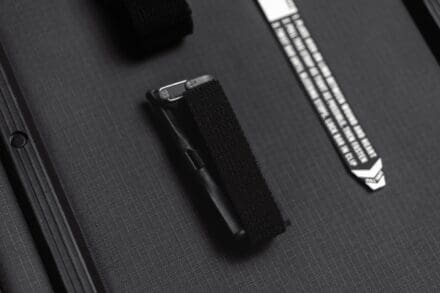
The Graverobber™ Assault Waterproof (GRAW) has become a very popular waterproof pack within maritime units. Here are a few internal options that provide ultimate flexibility.

To learn more about the GRAW or other products from MATBOCK, email sales@matbock.com

Calling All Active Duty 1st AD Females

Sunday, November 10th, 2024

The 1st Armored Division is conducting a field hygiene and urogenital study.

If you wish to participate, contact the POC on the image.

CTOMS Presents: Evolution of Tourniquet Placement Guidelines

Friday, November 1st, 2024

Since its inception, the Committee on Tactical Combat Casualty Care (CoTCCC) has evolved its guidance on tourniquet placement, especially with advancements in battlefield medicine and lessons learned from conflicts.

1. Early Guidance (1990s-early 2000s): Initially, CoTCCC recognized the need for clear guidelines on tourniquet use due to the high number of preventable deaths from extremity hemorrhage. The early recommendation was to place a tourniquet high and tight on the limb, proximal to the injury, and as close to the trunk as necessary. This guidance emphasized speed to control bleeding, often at the expense of precision in placement.

2. Afghanistan and Iraq Wars (2000s): As lessons were learned in the field, CoTCCC reinforced the importance of tourniquet use in preventing deaths from extremity hemorrhage. The “high and tight” guidance remained, particularly when rapid placement was required in chaotic situations or when the precise location of the wound was obscured.

3. Refinements in the 2010s: Over time, CoTCCC refined its recommendations with more precise guidance. While the “high and tight” rule was still valid in situations requiring immediate bleeding control, there was a recognition that a more targeted approach—placing the tourniquet 2-3 inches above the bleeding site—was optimal when conditions allowed. This approach helped minimize tissue damage and nerve injury associated with prolonged tourniquet use.

4. Current Position: The current CoTCCC position balances the “high and tight” placement for emergency situations where time is critical, with a preference for more targeted placement when the exact source of bleeding can be identified. The focus remains on immediate and effective bleeding control, followed by rapid evacuation and medical intervention.

In essence, CoTCCC has continuously emphasized the critical role of tourniquets while refining the guidance to reflect a balance between speed and precision, with a focus on saving lives while minimizing potential complications.

To learn more about tourniquet application and massive hemorrhage control, CTOMSAcademy.com provides Emergency Bleeding Control courses on our e-learning platform. Use code SSD25 for 25% off all CTOMS Academy training.

CTOMS Academy – Hypothermia Training

Wednesday, October 23rd, 2024

The leaves have changed colour and are beginning to fall to the ground. The days are shorter and colder. The wind is crisp and chilling. Winter is on its way. Along with the winter season, there is an increase in the frequency of hypothermia from November to March in the Northern Hemisphere. The incidence of mortality in the US is around 1500 per year. In much colder countries, however, the mortality rates are much higher. Canada, for example, can have thousands of hypothermia related deaths per year. Such significant numbers should be taken seriously.

In the CTOMS Academy Hypothermia Management – Foundation course, Dr. Gordon Giesbrecht, a renowned expert in hypothermia, teaches the basics of understanding, identifying, and treating hypothermia. Students will gain a fundamental understanding of temperature regulation, the human body’s physiology, hypothermia classifications, prevention of heat loss, and hypothermia response. The course also includes a video on cold water immersion.  In Hypothermia Management – Advanced, he builds on the Foundation course and provides detailed instruction on the pathophysiology of hypothermia, including hypothermia in the presence of trauma. This course is designed for professional care providers but is also beneficial for non-professionals.

With an ounce of protection and forearmed with knowledge of hypothermia prevention and treatments, we are better prepared to protect ourselves and those around us in this particularly hazardous season.

Use Code SSD25 for 25% off all CTOMS Academy courses.

For more information visit: ctomsacademy.com or contact training@ctomsinc.com

CTOMS Academy Announces the Release of Tactical Trauma Care Essential – Japanese

Thursday, October 17th, 2024

CTOMS™, in partnership with Fujita Medical Instruments™, has launched a Japanese version of CTOMS™ Academy’s TCCC/TECC e-training. The course is now available to Japanese service members through Fujita™.

Tactical Trauma Care Essential™ (TTCE) will provide Japanese service organizations with an expedient and consistent means of adopting combat proven casualty response training. With video demonstrations, lab footage, animations (3D), and expert instruction the course material is both engaging and in-depth. The content of the course is complete and will prepare students for effective casualty response in tactical environments. TTCE is ideal for facilitating and being used concurrently with hands-on training.

To create the Japanese version, CTOMS™ first translated the material then used AI to create avatars that would read the Japanese scripts. After some experimentation, creating a natural looking and sounding instructor was straight forward. With this complete, the onscreen text was translated and reedited into the videos. The entire course, over 5 hours of video content, was then reviewed and approved for accuracy by Fujita™.

The entire project has been very exciting for CTOMS™, who has now demonstrated the capability to convert its training programs into most languages.

ctomsinc.com

ctomsinc.com/pages/training

For more information on our online or in-person training, contact training@ctomsinc.com

For information on accessing the TTCE course in Japanese, contact info@fujitaika.co.jp or visit e-learning.fujitaika.jp/ctoms

Brain Injury Devices in Focus During Fort Liberty Soldier Touchpoint

Friday, October 4th, 2024

FORT LIBERTY, N.C. — Team members with the U.S. Army Medical Materiel Development Activity joined dozens of U.S. Army medics at Fort Liberty, North Carolina, to assess the progress of several traumatic brain injury detection devices as part of a Soldier touchpoint this week.

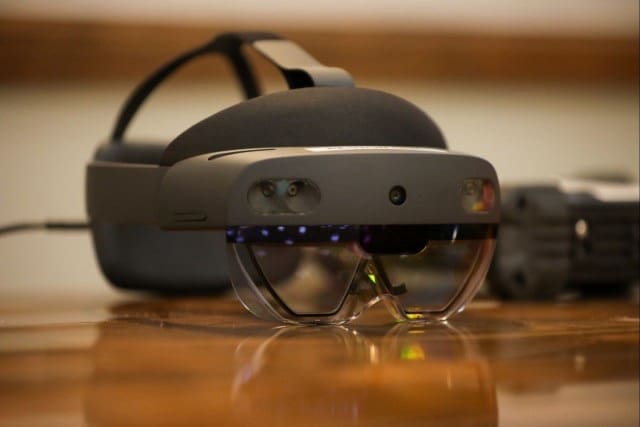
The Soldiers provided feedback on two brain trauma assessment devices currently under development at USAMMDA under the management of the Warfighter Readiness, Performance and Brain Health Project Management Office and stakeholders with the North Carolina Center for Optimizing Military Performance. The event, which included combat casualty assessment lanes inside Fort Liberty’s Iron Mike Conference Center, was designed to assess the progress of TBI Field Assessment Device program and inform future program development. Feedback from prospective end users — U.S. Army medics, medical officers, and combat troops — is a vital step in development programs, according to U.S. Army Lt. Col. Dana Bal, a product manager with WRPBH.

“These types of end-user interfaces are vital to what we do in the WRPBH PMO,” said Bal. “The information we gather — both from our own observations as advanced developers and from the critiques we get from the medics and medical officers actually using the device — is incredibly important to how we approach the development process. Our ultimate goal is to develop materiel solutions that meet the needs of the Warfighters, and we couldn’t do that without these types of opportunities.”

During the touchpoint, volunteer Soldiers from multiple units assigned to the U.S. Army’s largest base conducted TBI assessments on role player casualties to determine the effectiveness of the devices in a simulated real-world environment. The event was designed to gauge the effectiveness of the TBI assessment devices to detect possible brain trauma outside a clinical environment, like those found at U.S. Army role 1 and role 2 care facilities. The Soldiers provided feedback about the devices’ ease of use, design features and overall fitness for use in austere, remote environments.

“These development programs can last years, starting with identifying a capability gap or unmet treatment need, through design, modifications and FDA approval, and finally, fielding products to U.S. military medical providers and units, including through sustainment of these capabilities,” said Bal. “With the need for rugged, reliable, user-friendly devices to aid in assessing possible TBIs, we are focusing more and more on how to meet the current and future needs of military medical providers, and hearing feedback from subject matter experts helps refine our approach.”

Traumatic brain injuries, caused by exposure to concussive events like roadside bombs and indirect fire, are a significant threat to frontline service members. There have been more than 505,000 traumatic brain injuries reported within the Department of Defense since 2000, ranging from mild to severe. Many TBIs are not accompanied by exterior signs of injury yet can have both short and long-term health effects. In TBI cases, identifying internal injuries, like intercranial hemorrhage or other non-visible brain damage, is a vital first step to ensure injured are treated adequately across the continuum of care.

The WRPBH TBI assessment programs are designed to develop devices that are rugged, deployable, cost-effective and user-friendly in the hands of medical providers as close to the point-of-injury as possible. This allows the providers to shape treatment decisions before, during, and after medevac post-injury, according to U.S. Army Sgt. 1st Class Andrew Procter, senior enlisted advisor for USAMMDA’s Soldier Medical Devices PMO.

“TBIs can be very hard to recognize immediately after a concussive event because there usually no visible signs of injury,” said Procter, a medic with nearly 20 years of experience and multiple deployments across the globe. “Medics and first responders usually focus on outward signs of injury — bleeding, burns, airways, broken bones, things that are immediately apparent after injury — to stabilize a patient before medevac. Because determining the severity of TBIs requires specialized screenings and imaging devices, it’s tough to accurately diagnose the severity and type of brain injury in a field environment. But what we are doing now, what the WRPBH team is focusing on, will hopefully give future medics and first responders a way to recognize TBIs and assess their severity before evacuation decisions are even arranged.”

During recent conflicts in Iraq and Afghanistan, wounded service members were usually less than an hour from higher echelons of care due to the availability and proximity to the front lines of evacuation aircraft and vehicles. The “Golden Hour” roughly described the minutes immediately after a wound occurred and indicated the amount of time medical providers had to assess a casualty, stabilize them, and arrange for evacuation. But during future conflicts, with logistics and evacuation capabilities limited by distance and austerity found in regions like the Arctic and Indo-Pacific, the Golden Hour may not be a feasible amount of time to move injured and wounded to higher care facilities. To answer the TBI treatment challenges presented by possible future conflicts in remote locations, the USAMMDA team works each day to develop new capabilities and improve tested treatments to meet the needs of tomorrow’s Warfighters, said Procter.

“Our Joint Force medical providers have had a very robust logistics capability the past quarter century and our ability to save and preserve lives has been unmatched by any period in history. What we recognize, however, is that our current treatments for injuries are very much tied to our ability to move casualties rapidly from point-of-injury to more advanced facilities further from the front lines,” said Procter. “The TBI assessment programs we’re currently developing will hopefully go a long way to maximizing ground commanders’ evacuation options, limit unneeded evacuations, shorten the time from injury to the start of treatment, and help keep Warfighters in the fight.”

USAMMDA develops, delivers and fields critical drugs, vaccines, biologics, devices and medical support equipment to protect and preserve the lives of Warfighters across the globe. USAMMDA Project Managers guide the development of medical products for the U.S. Army Medical Department, other U.S. military services, the Joint Staff, the Defense Health Agency and the U.S. Special Operations community.

The process takes promising technology from the Department of Defense, industry, and academia to U.S. Forces, from the testing required for U.S. Food and Drug Administration approval or licensing to fielding and sustainment of the finished product. USAMMDA Project Management Offices will transition to a Program Executive Office under the Defense Health Agency, Deputy Assistant Director for Acquisition and Sustainment.



By T. T. Parish