SIG SAUER - Never Settle

Archive for the ‘UAS’ Category

AARDVARK Named Exclusive North American Distributor of Sky-Hero LOKI MK2

Thursday, March 18th, 2021

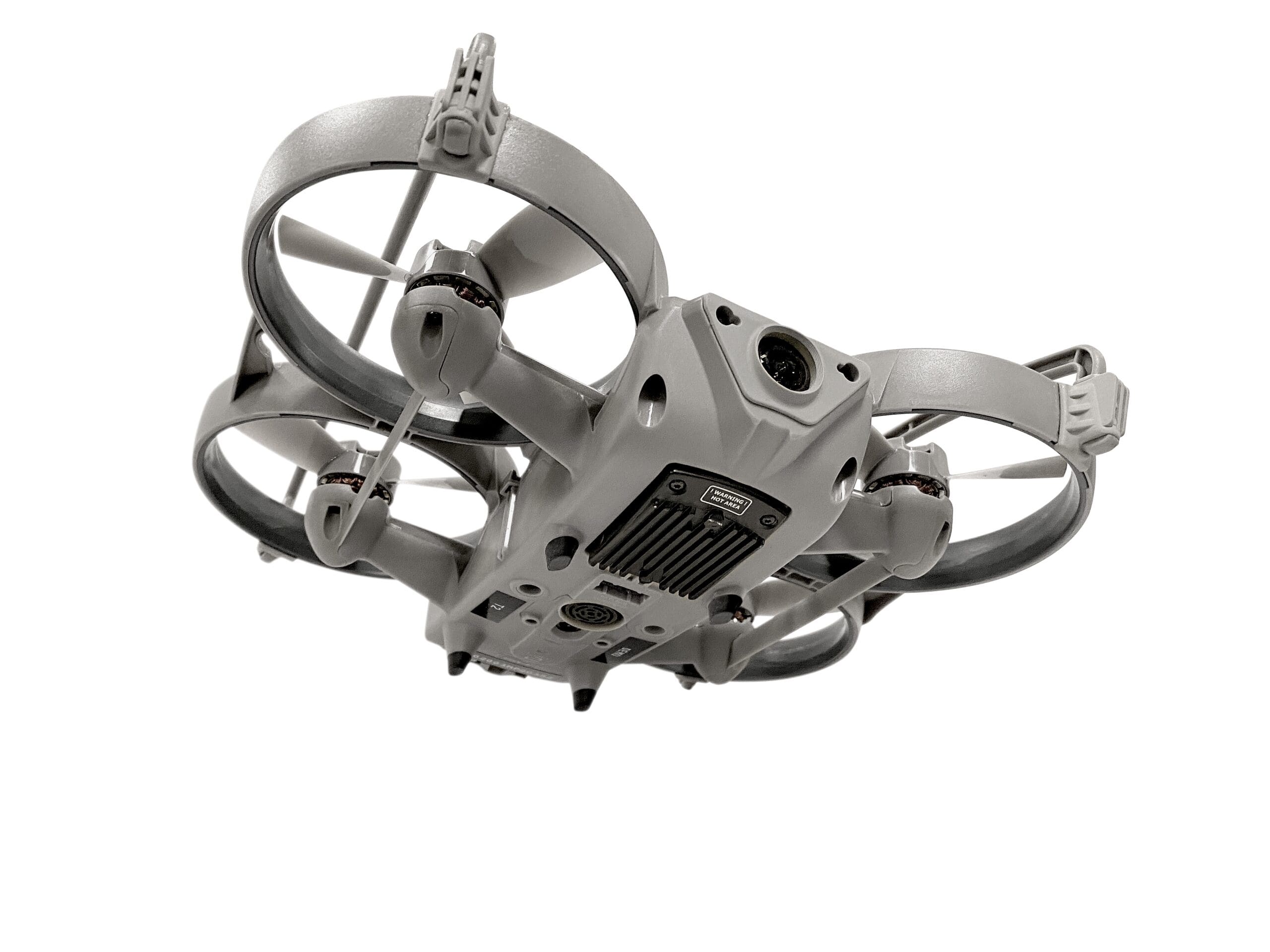
La Verne, CA: AARDVARK is excited to announce that it has partnered with Sky-Hero of Belgium to be the exclusive North American distributor for the LOKI Mk2 Tactical sUAS. Designed in conjunction with several of the world’s top counterterror units, LOKI Mk2 is a rugged, purpose-built sUAS intended to act as a scout for close-quarter, confined space, and indoor missions. LOKI Mk2 requires no internet service, no GPS, no phone or tablet connection, and has no forced software updates, making it mission capable in seconds from virtually anywhere. LOKI Mk2 performs in almost any lighting condition, seamlessly transitioning from sunlight to complete darkness. With a highly sensitive Night-Day + IR sensor camera and high-gain microphone, LOKI Mk2 provides real-time video and audio back to the team.

By utilizing an analog-based communications system, the connection between the sUAS and Stand-Alone Ground Controller has no lag or freezing issues, preventing crashes and ensuring real-time intelligence. Moreover, the ability to control multiple sUAS simultaneously from a single controller allows a single pilot to observe several areas at once. The LOKI Mk2’s rugged design and integrated flight stabilization system ensures total flight control in very confined spaces, as well as the ability to withstand the “full contact” nature of indoor flight. If crashed during an operation, the LOKI Mk2 can remotely self-right, allowing the mission to continue.

“We’re very excited about the capability the Loki Mk2 can bring to our operators. Although consumer sUAS systems certainly bring enhanced capability, there is nothing on the market that is purpose-built for tactical operations like LOKI. This system allows a pilot to put a camera anywhere, which prevents having to put an operator in harm’s way. I’m convinced this system will save countless lives.”
– Jon Becker, CEO, AARDVARK

LOKI Mk2 is now exclusively sold in North America by AARDVARK. Developed, tested, and built in Europe by NATO allies, the LOKI Mk2 is the go-anywhere, secure, and easy to use sUAS your operation has been waiting for. Visit Loki.AardvarkTactical.com to learn more.

To download the brochure, click here.

DroneShield AI System Detects New Threats

Wednesday, March 17th, 2021

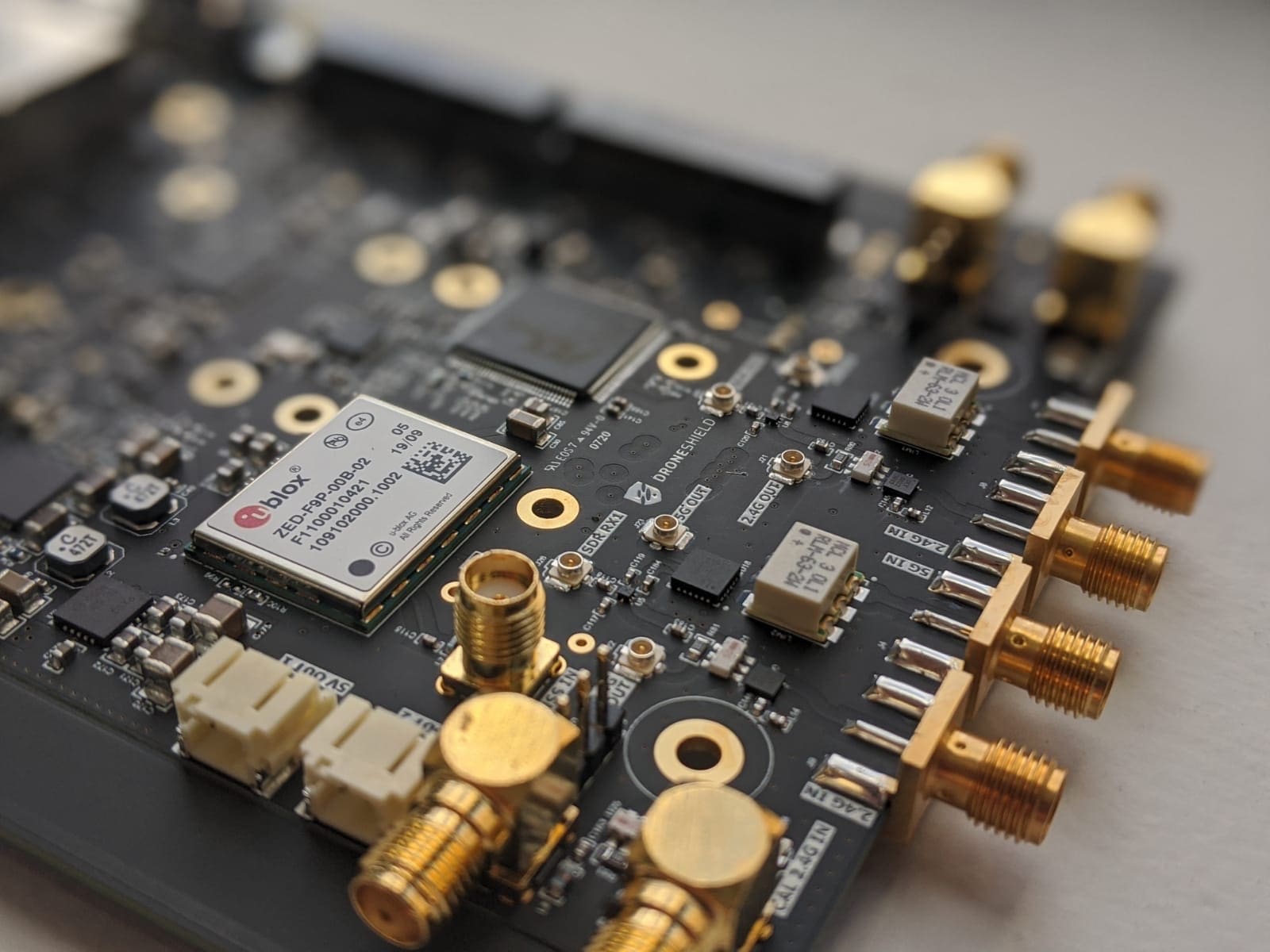
On 8 February 2021, DroneShield has unveiled its new, world leading, C-UAS AI-enabled software, running on all of its devices enrolled into regular updates.

The system utilises proprietary techniques in signal processing and Machine Learning/AI to do near-real time detection and identification of unmanned robotic systems and, more broadly, other potential threats in the Electronic Warfare fields. The result was a dramatic increase in detection responsiveness, lower false positives and a significant increase in the speed at which new threats are detected, classified and tracked by the DroneShield systems.

As an example of the system’s capabilities to detect never-seen-before threats, it has successfully detected, a new UAS protocol OcuSync 3 (O3), released by DJI on its First Person View (FPV) Drone, released this week.

Oleg Vornik, DroneShield’s CEO, commented, “Our AI engine has been designed to both detect never-seen-before threats and learn at a superior rate to adapt to new Signals of Interest. Having the system recognise a new threat platform out of the box, is an endorsement of its capabilities to address new challenges in real time.”

AeroVironment Wholly-Owned Subsidiary Arcturus UAV Awarded Approximately $7 Million Task Order for U.S. Special Operations Command Mid-Endurance Unmanned Aircraft Systems Program

Wednesday, March 10th, 2021

• Competitive task order awarded for USSOCOM’s Mid-Endurance Unmanned Aircraft Systems (MEUAS) program

• Vertical takeoff and landing (VTOL) JUMP 20 unmanned aircraft system delivers true versatility and multi-mission capabilities without launchers or runways to USSOCOM and other customers

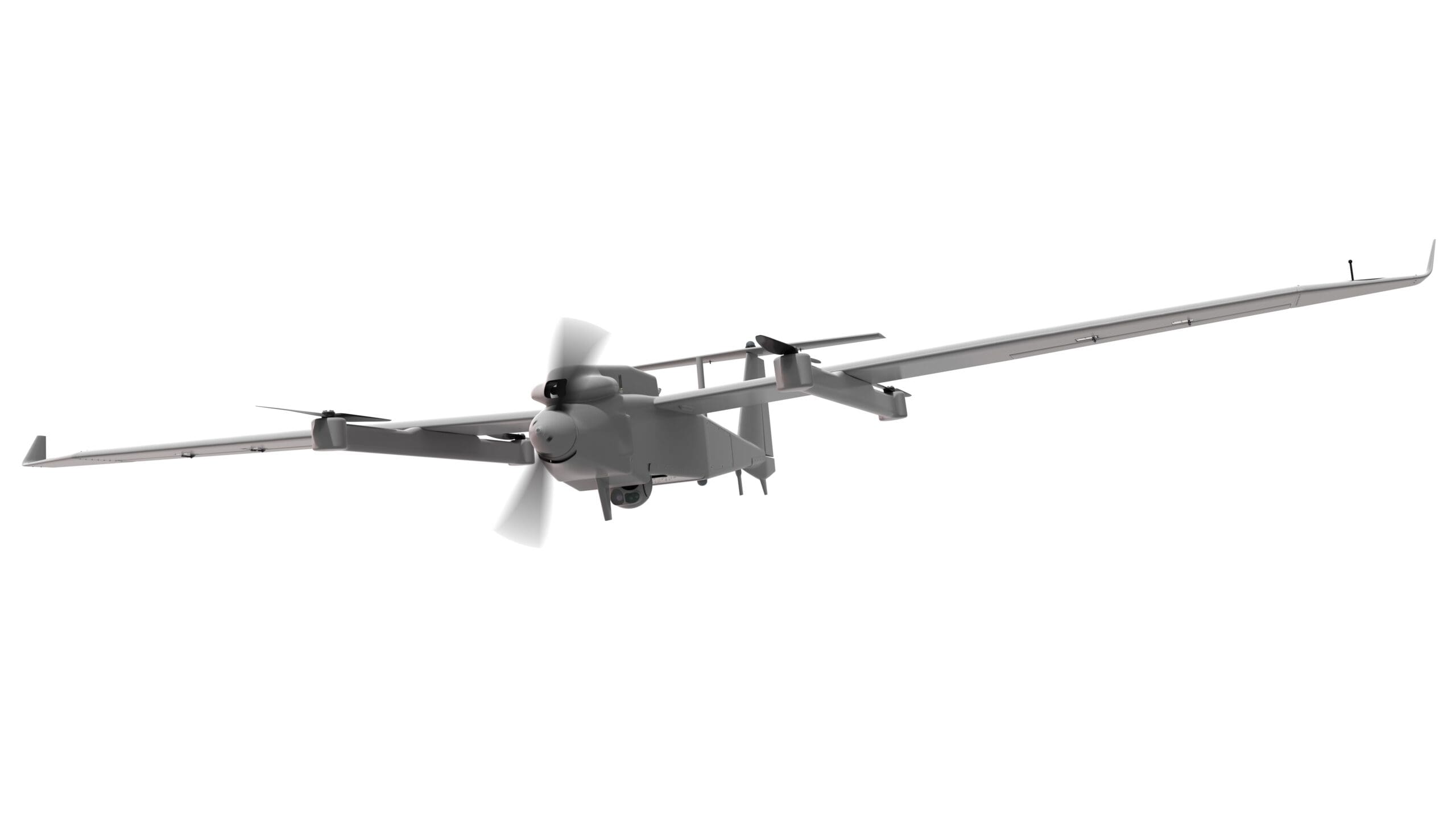
With a best-in-class operational range of 185 km (115 mi) and 14+ hours of endurance, AeroVironment’s JUMP 20 is the ideal solution for multi-mission operations. (Photo: AeroVironment, Inc.)

SIMI VALLEY, Calif., March 9, 2021 – AeroVironment, Inc. (NASDAQ: AVAV), a global leader in unmanned aircraft systems, today announced that its wholly-owned subsidiary Arcturus UAV, now operating under the AeroVironment brand, was awarded a competitive task order valued at approximately $7 million from the U.S. Special Operations Command (USSOCOM). The competitive task order is for a one-year period of performance, which started February 3, 2021.

USSOCOM selected Arcturus UAV as one of six companies qualified for the potential $975 million Indefinite Delivery, Indefinite Quantity (IDIQ) MEUAS contract in June 2020. The contract enables awardees to compete for site-specific task orders and provide USSOCOM with unmanned aircraft systems services and support for intelligence, surveillance and reconnaissance (ISR) operations.

“Part of AeroVironment’s expanded portfolio of medium UAS, the fixed wing JUMP 20 is capable of vertical takeoff and landing, making it completely runway independent,” said Rick Pedigo, AeroVironment vice president of global sales and business development. “Runway independence maximizes the ability of customers to deploy the JUMP 20 in a broad range of locations and environments, while minimizing the logistical footprint required to operate it. JUMP 20 is also capable of hosting multiple different payload options, delivering true versatility and multi-mission capabilities to support a wide array of customer requirements.”

AeroVironment recently successfully demonstrated the JUMP 20 for the U.S. Army Future Tactical Unmanned Aircraft System (FTUAS) “Rodeo”, which took place from February 22 through March 5 at Fort Benning, Georgia.

AeroVironment previously announced the closing of the Arcturus UAV acquisition in a press release on February 22, 2021. To learn more about AeroVironment’s expanded portfolio of unmanned aircraft solutions, visit www.avinc.com/uas.

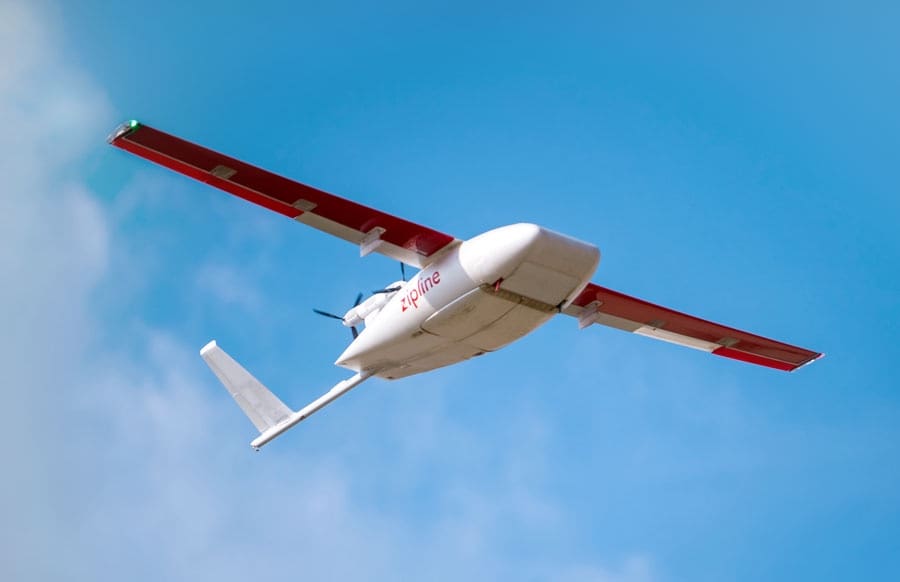
TacJobs – Two Openings at ZipLine

Friday, March 5th, 2021

San Francisco-based Zipline uses drones to deliver critical and lifesaving medicine to thousands of hospitals serving millions of people in multiple countries.

First, they are looking for a Client Engagement & Service Integration Manager on their US team to lead some of their largest partnerships. Second, is a DoD Sales Director.

THANOS Has Arrived!

Thursday, March 4th, 2021

Military intelligence Soldiers with the 25th ID train on the One World Terrain #drone and mapping system on Feb. 4, at Schofield Barracks, Hawaii.

The OWT’s Tactical Handheld Automated Navigational Mapping and Observation System, or THANOS, provides 3D terrain #mapping with accuracy down to a two centimeter differential, allowing operators to virtually ‘move’ through the battlespace using only a mouse and keyboard.

Story by SSG Thomas Calvert

Directed Energy Combined Test Force Oversees Testing of Anti-Drone Weapon

Sunday, February 28th, 2021

KIRTLAND AIR FORCE BASE, N.M. (AFNS) —

Throughout 2020, the 704th Test Group’s Operating Location-AA, part of the Directed Energy Combined Test Force, or DE CTF, focused much of its effort on the testing of weapons designed to prevent adversarial drone observation and assault.

The latest system tested, the High Energy Laser Weapon System 2, also known as HELWS2 or H2, is a counter-Unmanned Aerial System (c-UAS) directed energy weapon (DEW).

H2 was tested as part of a directed energy experiment that began in the spring of 2020 and was managed by the Strategic Development Planning & Experimentation, or SDPE, office. This experiment has involved taking commercial off-the-shelf systems and deploying them to several combatant commands, or COCOMs, for training, testing and evaluation for a one-year period.

“This experiment has many notable U.S. Air Force firsts, including the complete training of and operation of the system by Security Forces Airmen, the first directed energy c-UAS capability, and the first integration with a base,” said Lt. Col. Jared Rupp, DE CTF director. “Additionally, these locations were selected as to significantly enhance c-UAS capability through the use of these DEWs, helping to prevent enemy airborne intelligence, surveillance and reconnaissance (ISR), and attacks.”


Raytheon Intelligence & Space developed the H2 with lessons learned from the deployment of its first HELWS, referred to as H1 and deployed in early 2020. The H2 system features a number of improvements including ruggedized enhancements to ensure transportability and survivability in a wide range of operational environments, a new beam director for more accurate targeting, and a robust power system for additional magazine depth.

The DE CTF is a combination of Air Force Research Laboratory DE Directorate (AFRL/RD), 704th Test Group Operation Location-AA and Air Force Operational Test & Evaluation Center (AFOTEC) personnel co-located at Kirtland Air Force Base. The 704th Test Group is an operating unit of Arnold Engineering Development Complex, headquartered at Arnold Air Force Base, Tennessee.

The DE CTF is uniquely postured to accelerate fledgling systems to the warfighters through its three members by leveraging decades of directed energy lab experience and resources; developmental test planning, execution and reporting; and operational insight and relevancy.

Since it was formed in 2018, the DE CTF has been engaged in multiple experiments and will lead the directed energy c-UAS prototype testing and other program of record efforts in the near future.

The first phase of H2 testing, which took place at the end of July 2020, was a limited weeklong test to ensure basic functionality and lethality and to determine whether the system was ready to enter the second phase of testing.

This second phase involved deployment to a COCOM base and included H2 setup, operator training and an initial performance assessment. The system and team, consisting of members from AFRL/RD, 704th Test Group, AFOTEC, SDPE and Raytheon, were overseas for this phase at the beginning of September 2020.

“The first phase proved that H2 was capable of integrating with a fielded radar and fielded command and control system, and it completed the kill chain by shooting down UASs at operationally-relevant ranges,” Rupp said. “It was then successfully deployed and integrated overseas.”

Because the HELWS systems represent a new class of weapons, there was not yet official training, concept of operations or tactics, techniques or procedures for the H2. Rupp said those involved in its testing developed guidance for utilization of the weapon.

“This experiment has gained knowledge to build a basis of integrating DEWs through U.S. Air Force operations,” Rupp said. “The DE CTF and SDPE created the training for the first-ever Security Forces operators to operate this highly-technical DEW. We educated base leadership of the capabilities and limitations of these weapons to enable them to make proper decisions, such as engagement authorities. We also assessed the performance of the system after overseas transport and setup and monitored the daily operation of the system to determine what factors impact operations the most and what parts of the system were most vulnerable to reliability problems.”

More work involving the H2 is upcoming for the DE CTF. Another assessment of the system will be conducted around six to 12 months after the initial assessment.

“At the end of the one-year evaluation period, the COCOMs decide whether they will take ownership of the sustainability of the system or whether they want us to take the system back,” Rupp said.

The experimentation campaign initiated this past spring is ongoing. Five DEWs were to be tested throughout the effort – three versions of the HELWS and two different high-power microwave systems. Four systems were tested in 2020, three of which have been deployed.

By Bradley Hicks, Arnold Engineering Development Complex Public Affairs

Army Partners with Air Force’s THOR for Base Defense

Saturday, February 27th, 2021

KIRTLAND AIR FORCE BASE, N.M. (AFNS) —

In an effort to counter the increasing threat posed by enemy drones and other airborne threats, the U.S. Army is making an investment in directed energy prototype technology, with the Tactical High Power Operational Responder, or THOR, system, developed at the Air Force Research Laboratory’s Directed Energy Directorate at Kirtland Air Force Base, playing a key role.

THOR is a prototype directed energy weapon used to disable the electronics in drones, and specifically engineered to counter multiple targets – such as a drone swarm – with rapid results. The technology is housed in a 20-foot-long shipping container that can be stowed in a military cargo plane and assembled by just two people.

Army Lt. Gen. L. Neil Thurgood, the director for Hypersonics, Directed Energy Space and Rapid Acquisition, who oversees the Army Rapid Capabilities and Critical Technologies Office, paid a visit to Kirtland AFB Feb. 11 to watch THOR in action and to meet with its developers.

“The Army’s directed energy capabilities will need to provide a layered defense with multiple ways to defeat incoming threats,” Thurgood said. “High energy lasers kill one target at a time, and high powered microwaves can kill groups or swarms, which is why we are pursuing a combination of both technologies for our Indirect Fire Protection Capability rapid prototyping effort. Our partnership with the Air Force Research Laboratory gave the Army a running start on the high power microwave mission, and we look forward to continuing to advance these capabilities to protect our warfighters.”

Drones represent an emerging threat to U.S. military bases, personnel and infrastructure. Prior to THOR’s deployment overseas, the prototype is undergoing a series of risk reduction and system characterization efforts at Kirtland AFB, as well as hands-on Soldier touchpoints that solicit input from operational users.

“THOR, and other DE systems, provide non-kinetic defeat of multiple targets at once,” Thurgood said, after watching a system demonstration that took place in a remote canyon of the 52,000-acre base. “Keeping our Soldiers safe is our number one priority, and we need to employ effective defensive weapons systems to stay ahead of the changing threats presented by our adversaries.”

The AFRL THOR program took on the challenge to design, build and test an effective counter-UAS system that could engage many targets at once, and at long distances. High power microwaves are one solution to this challenge.

“The system output is powerful radio wave bursts, which offer a greater engagement range than bullets or nets, and its effects are silent and instantaneous,” said Amber Anderson, THOR program manager.

During and after THOR deployment, the RCCTO will continue to partner with the Air Force on the THOR program in support of the U.S. Army’s effort to provide a prototype Indirect Fire Protection Capability-High Power Microwave system to a platoon by fiscal year 2024.

Additionally, the Army will deliver a prototype IFPC-High Energy Laser capability in FY24 that uses a 300 kilowatt-class laser for fixed site defense.

Courtesy Air Force Research Laboratory

Meet the Next Generation of Industry Leading Drone LiDAR Survey Equipment from Microdrones

Wednesday, February 24th, 2021

Rome, NY- Building upon the momentum of the Microdrones as a Service (mdaaS) program launched in mid- 2020 (which offers customers convenient monthly payment options for equipment and software) Microdrones is pleased to announce the newest in its lineup of drone lidar survey equipment, the mdLiDAR1000HR aaS, available as part of this program.

According to Vivien Heriard-Dubreuil, Microdrones CEO, “We have had such a positive response to our new mdaaS program, we wanted to provide our customers another option at the mid-range price point for drone based LiDAR. That’s why we enhanced our mdLiDAR1000 aaS system with the new mdLiDAR1000HR aaS. What does the HR stand for? Quite simply: high resolution.”

Dr. Nicolas Seube, Director of R&D for the Microdrones sister software company, mdInfinity, explains ““The Microdrones mdLiDAR1000HR aaS precision was analyzed by flights between 30 and 60 meters over a wide sample of surfaces (asphalt, gravel, roofs, natural ground) exhibiting different reflectance. This drone LiDAR system, with a 90 degree field of view for both scanned points and imagery, repeatedly provides a precision of 1.6 cm (.052 ft) at 1-? when flown at 40 m (130 ft) at a speed of 8 m/s (18 mph). This was confirmed by a repeatability analysis.”

Robert Chrismon, Microdrones Marketing Manager adds, “Overall, I was very impressed with the data produced by the new mdLiDAR1000HR aaS, and excited to see the resolution improvement over the mdLiDAR1000 aaS. With the additional point density, greater resolution, and higher accuracy over the previous mdLiDAR1000 aaS, we start to close the gap on the mdLiDAR3000 aaS. This will allow more of the surveying community access to a quality UAV LiDAR solution.”

Company COO Frank Darmayan says, “We worked with LiDAR innovator Velodyne to seamlessly integrate their Puck Lite sensor. It’s lightweight, it offers increased range as well as field of view. When you combine that with our complete package of software, workflow, service and support, you have a turnkey drone lidar system that improves your field data collection and data processing productivity on day one… and surveyors can choose easy monthly payments or traditional purchasing options… whatever works best for them.”

Learn more about the new Microdrones system here: www.microdrones.com/en/integrated- systems/mdlidar/mdlidar1000hr-aas/