We just received this note from Arc’teryx.
Today, Arc’teryx is announcing an advisory notice for both 20L and 30L Voltair Avalanche Airbags.
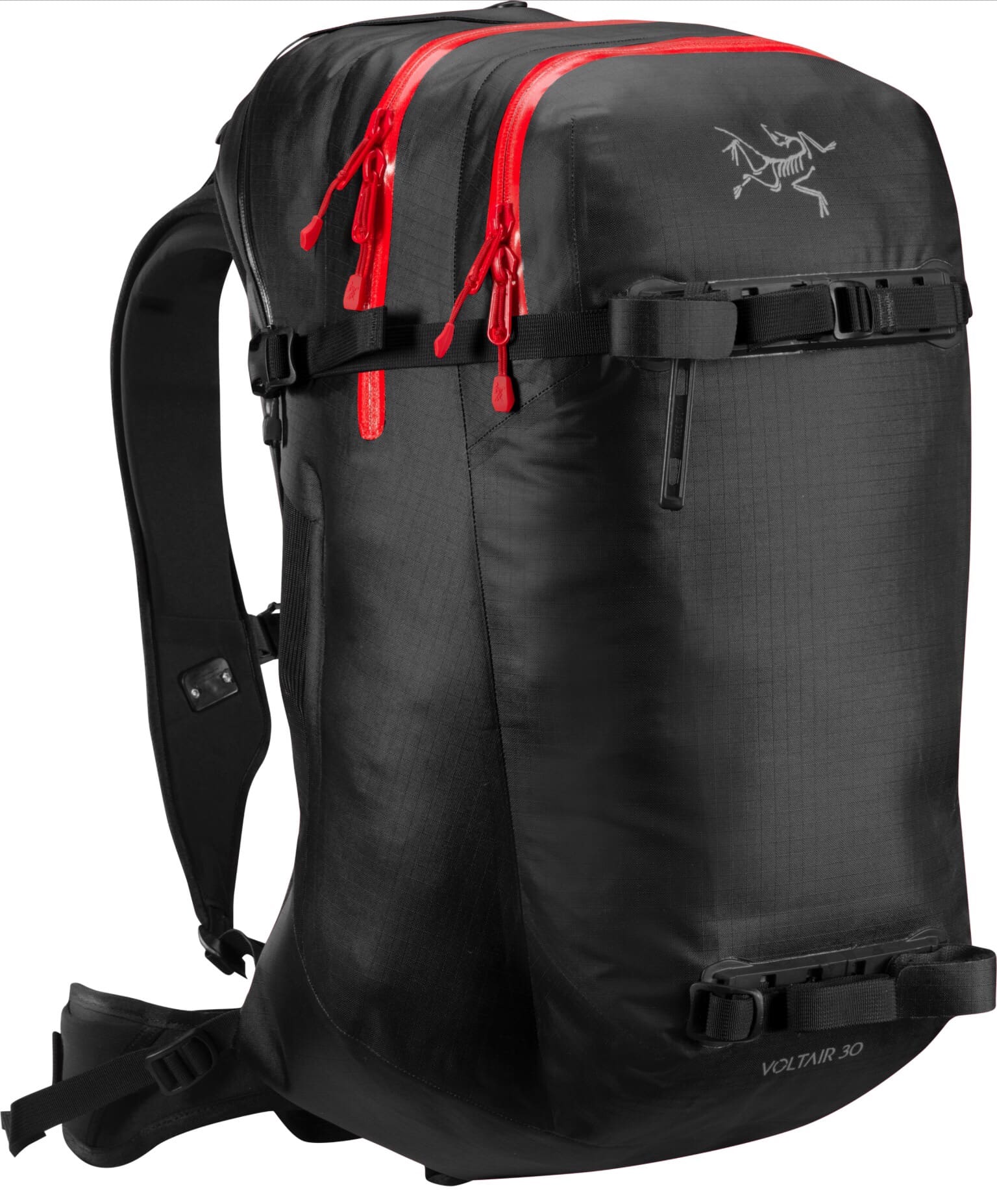
Our quality control team has recently discovered an issue with our battery which affects its proper deployment at extremely cold temperatures due to an unanticipated change during battery production. This change impacts the proper deployment of the airbag when the battery is exposed to temperatures below -20°C (-4°F). Due to this change, we are revising the minimum operating temperature limit for Voltair Airbags from -30°C (-22°F) to -20°C (-4°F). No other parts of the Voltair Airbag have been affected by this change.
We sincerely apologize for this inconvenience. With the newly stated temperature limit of -20°C (-4°F), we are confident the airbag is still a great solution for your backcountry adventures.
You have two options:
Option 1 – Keep my pack.
If you wish to continue using your Voltair Airbag, understanding the revised minimum operating temperature of -20°C (-4°F), we request that you submit an online warranty form, sign a release form and receive instructions to relabel your pack. To compensate you, we will send you an arcteryx.com Gift Card for $250CAD ($200USD/22,240JPY) good for two years upon receipt.
Option 2 – Return my pack.
If you are not satis ed with the revised minimum operating temperature of -20°C (-4°F), Arc’teryx will offer you a full refund. To compensate you, we will send you an arcteryx.com Gift Card for $250CAD ($200USD/22,240JPY) good for two years upon receipt.
If you have any questions regarding this issue, please contact our customer service team at 1-866-458-2473.