FirstSpear

Rezlo – Euclid Running Shorts

March 13th, 2017

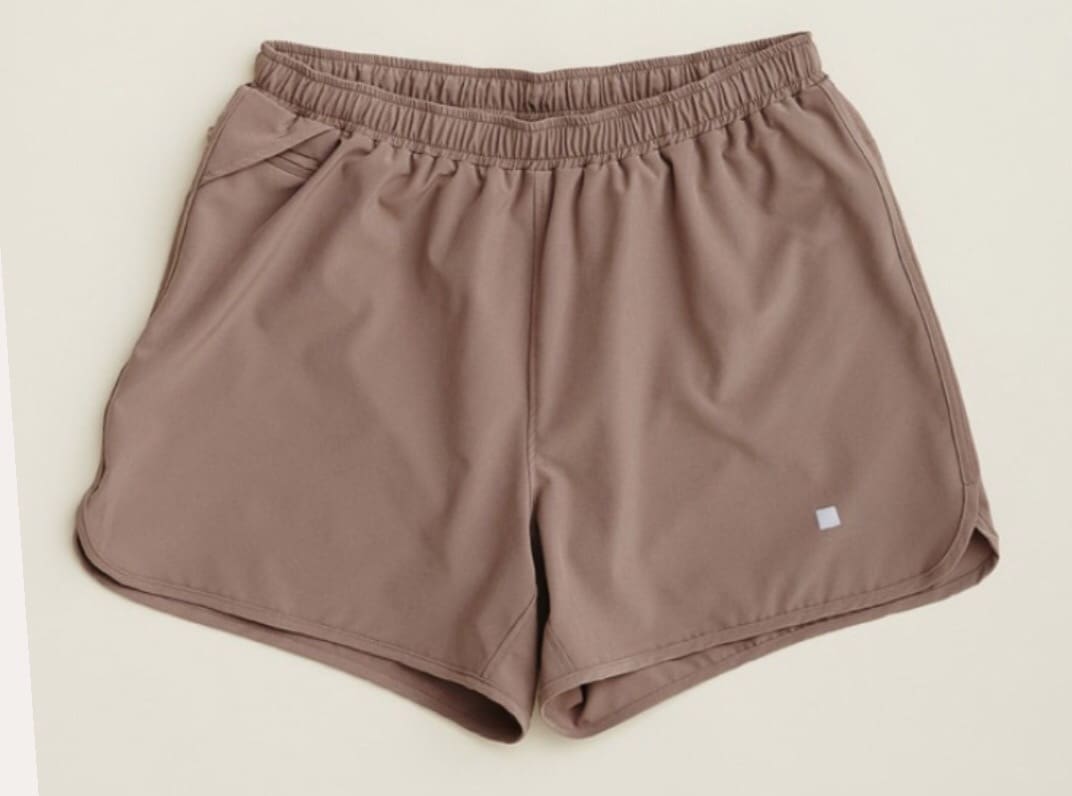
If you’re looking for a pair of running shorts that were actually designed for running, check out the Euclid, from Rezlo. They are made from 93% Polyester and 7% Elastane.

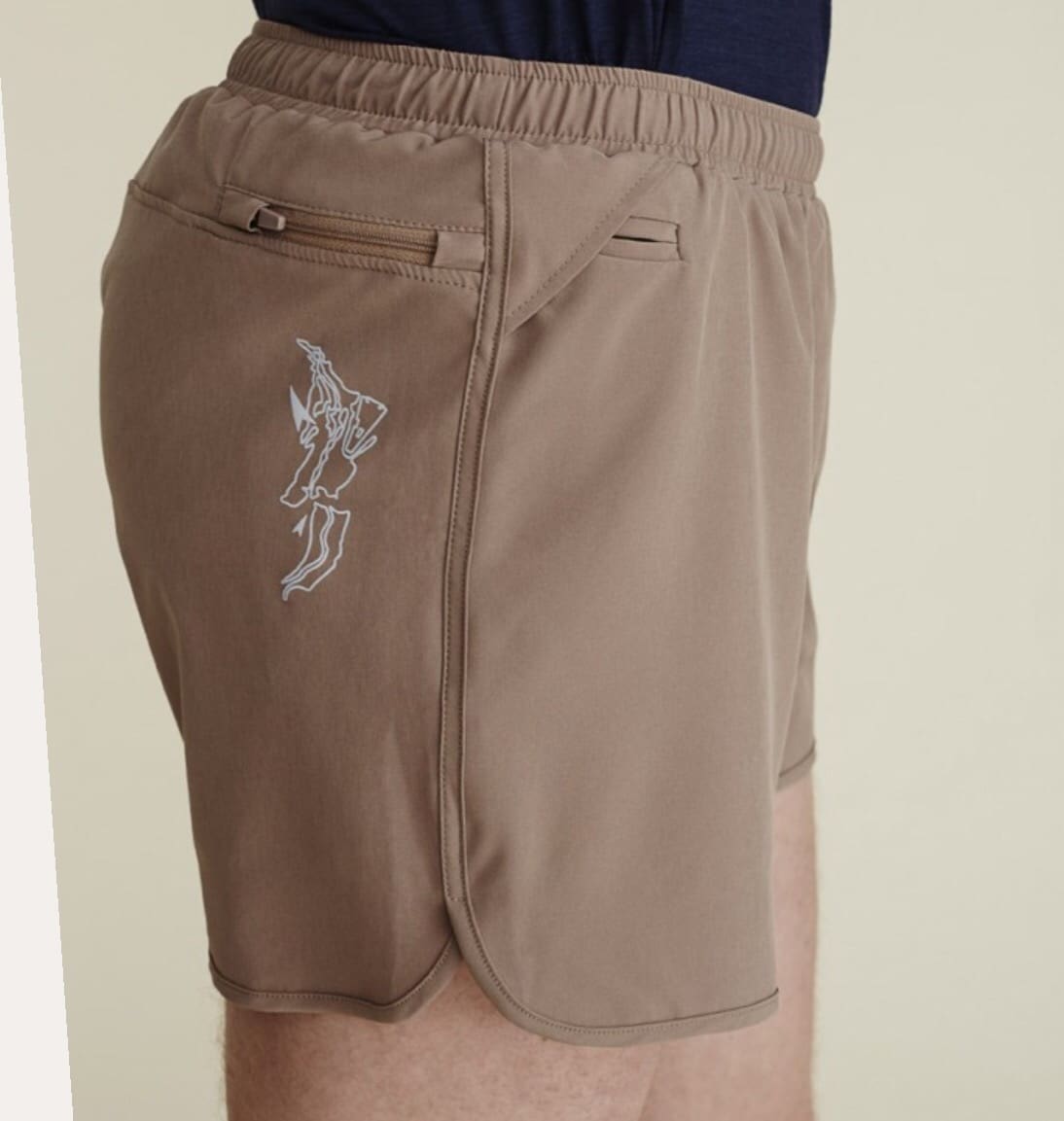
This image gives you an idea of the fit of the 4.5″ inseam.

However, be aware of the reflective iconography on the shorts.

The Euclid is offered in Sand (seen here and a decent match to Coyote), Charcoal (Black) and Eggshell (Tan).

rezlo.co/product/euclid-shorts

A 3D-Printed Grenade Launcher? Meet RAMBO

March 13th, 2017
(U.S. Army photo by Sunny Burns, ARDEC)

(U.S. Army photo by Sunny Burns, ARDEC)

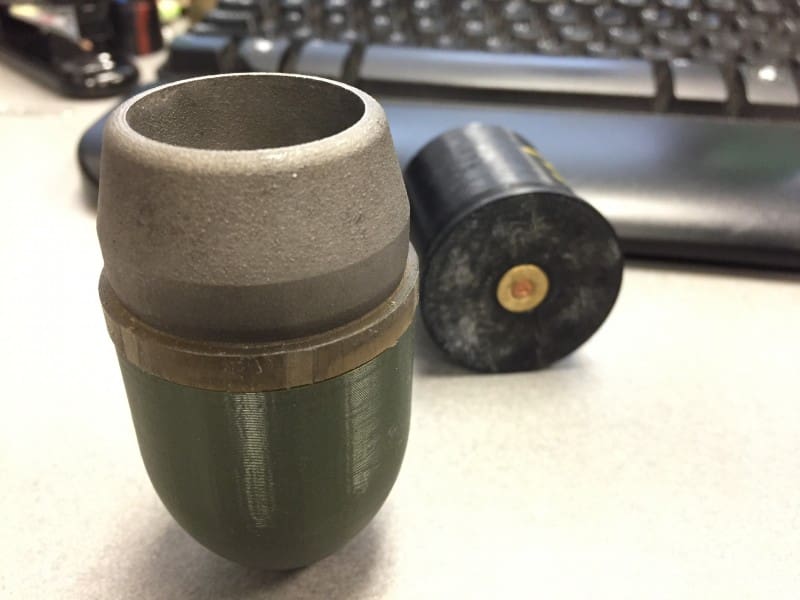
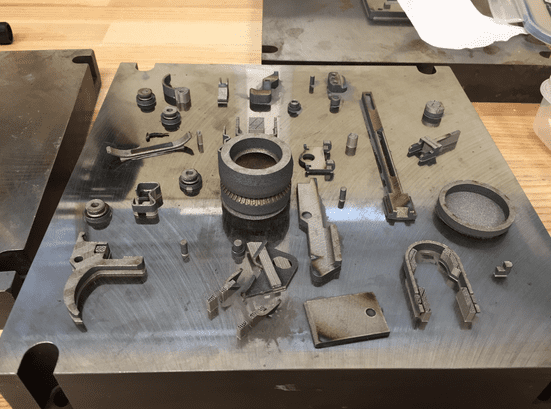
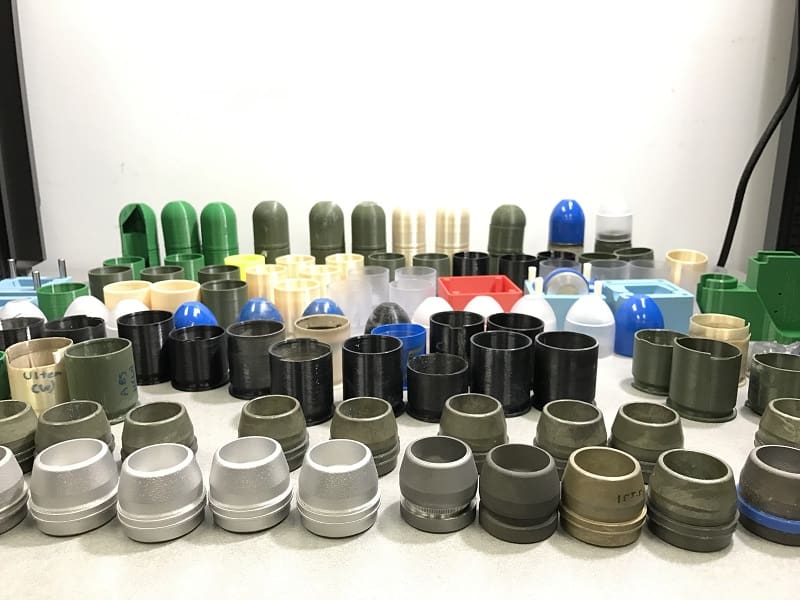
The RAMBO or Rapid Additively Manufactured Ballistics Ordnance, is a 3D-printed grenade launcher developed as a collaborative effort between the U.S. Army Research, Development and Engineering Command; the U.S. Army Manufacturing Technology Program; and America Makes, the national accelerator for additive manufacturing and 3-D printing.

(U.S. Army photo by Sunny Burns, ARDEC)

(U.S. Army photo by Sunny Burns, ARDEC)

The RAMBO, and the 3D-printed round it fires, is the result of a project to “demonstrate the utility of AM [Additive Manufacturing] for the design and production of armament systems.” Rather than try to determine if AM/3D-printing could result in less-expensive or superior manufacturing, the researchers wanted to test the validity of AM/3D-printing technologies in building a weapon system, as well as if the properties of the materials were robust enough for a functioning weapon system.

(U.S. Army photo by Sunny Burns, ARDEC)

(U.S. Army photo by Sunny Burns, ARDEC)

RAMBO has proven itself initially successful: every component of the launcher, save the springs and fasteners, was developed using AM techniques and processes. The barrel and receiver were fabricated from aluminum processed using a Direct Metal Laser Sintering (DMLS) process, while other components were printed in 4340 alloy steel.

(U.S. Army photo by Sunny Burns, ARDEC)

(U.S. Army photo by Sunny Burns, ARDEC)

The round, a M781 40mm training round chosen for its simplicity and lack of energetics, was manufactured using Selective Laser Sintering along with other AM processes to print glass-filled nylon cartridge cases and windshields. The projectile body underwent four separate manufacturing approaches, including printing the body in aluminum; steel with a urethane obturating ring; and zinc with a lost-wax casting process. Only the .38 cal cartridge case was not printed, as the capability to print cases isn’t quite yet feasible.

The RAMBO system and its accompanying 3D-printed rounds were test fired at both indoor and outdoor faculties, including the Armament Technology Facility at Picatinny Arsenal, New Jersey, remotely fired for safety purposes, and recorded with high-speed video. 15 test shots showed no degradation of the system, and rounds met muzzle velocities within 5% of a production M781 round fired from a production grenade launcher.

While widespread adoption of AM/3D-printing processes is still a ways out, the RAMBO project has show that there is validity in these processes for developing weapon systems. If anything else, AM/3D-printing can be used to greatly expedite the production of prototypes, which will be of benefit towards better equipping our warfighters.

Original story: asc.army.mil/web/news-alt-amj17-rambos-premiere

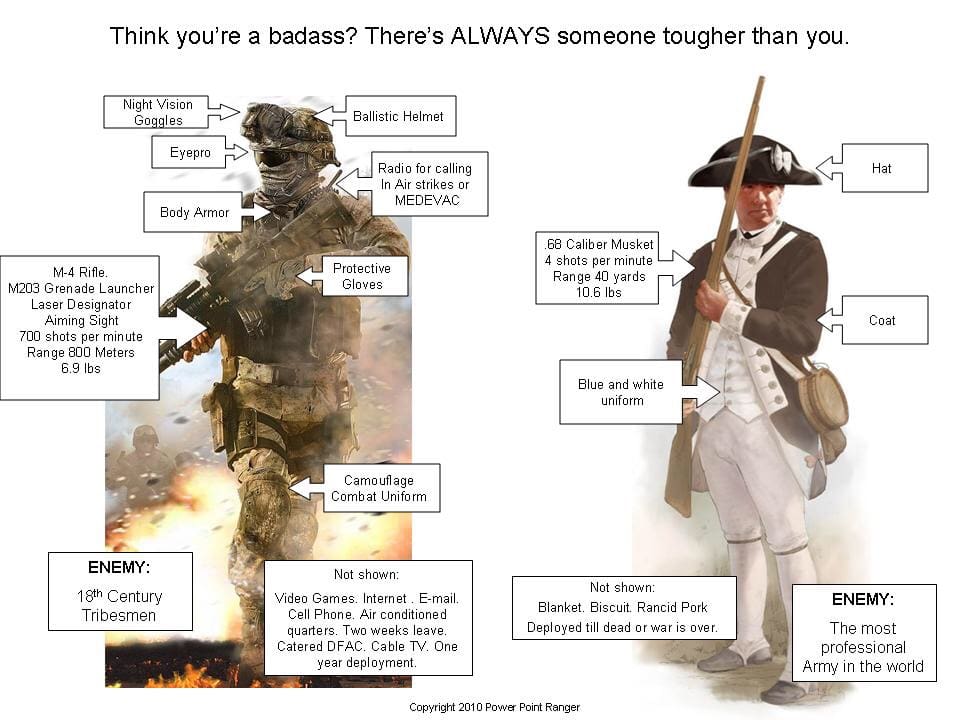
PPTranger Puts The Modern Profession Of Arms Into Perspective 

March 13th, 2017

pptranger.blogspot.com

Return of the Reds at Crimson Trace

March 12th, 2017

(Wilsonville, OR)—Industry research reveals that many of America’s new firearms owners have returned to gun shop sales counters and are searching for, and buying, accessories. As interest in firearms accessories grows, so does the demand for Crimson Trace laser sights and firearms light systems. Great news is that those gun owners are also rediscovering the many reasons to equip a favored firearm with a red laser sight. It’s the return of interest in red laser sights.

Crimson Trace, the recognized leader in laser sights and tactical lights for firearms, now offers more than 170 red laser sight systems—the most of any manufacturer period. This group of red laser sight products can be found in multiple product categories: Lasergrips® laser sights, Laserguard® laser sights, Rail Master® and Rail Master® Pro mounted laser sights, and in the award winning Modular Vertical Foregrip™ (MVF) laser sights. Now, in addition to offering a wide assortment of red—and green—laser sights for the popular 1911 pistols, Crimson Trace manufactures sights with red laser diodes for firearms from nearly 20 leading firearm manufacturers.

Consumers with long guns that have M1913 Picatinny and Weaver accessory rails can also choose between several red laser sight options—Crimson Trace’s Rail Master and MVF-515™, plus the new Rail Master Pro light and laser combo—for those products.

Crimson Trace red laser sights are dependable, are easy to install and activate, plus these products are affordable. Red laser sights can provide hours of carefree operation. Crimson Trace products are also shipped with batteries, and nearly all products qualify for the company’s Free Batteries for Life program. This can result in not having to buy batteries which other laser sight manufacturers sell on their websites at prices ranging from $5 to more than $65. Shop wisely!

Firearms owners seeking a place to practice with a new firearm, or to improve their shooting skills, can find a gun range to shoot at by visiting: www.wheretoshoot.org. This website by the National Shooting Sports Foundation provides details on shooting ranges in all states along with hundreds of useful tips to aid any shooter in becoming more proficient—and provides printable targets to use while at the range. The range website information is also available as a downloadable App.

More details on Crimson Trace’s 260-plus laser sighting and firearm lighting products can be found at www.crimsontrace.com. Customers can also speak directly with a company representative at 800-442-2406. Crimson Trace is widely recognized as the world’s leader in establishing laser sights as standard equipment on firearms.

Overwatch Precision – BRZ Springfield XD-S Trigger

March 12th, 2017

Overwatch

The first reduced pre-travel, flat-faced trigger for the XD-S.

We all know that small guns can be less fun to shoot, and often that’s because they come with heavy, creepy, gnarly triggers. The aftermarket trigger market for handguns has long been dominated by products for only a handful of polymer guns; we aim to change that with the BRZ Trigger.

The Overwatch Precision BRZ features a hybrid flat/curved trigger face, allowing a uniquely self-correcting, straight rearward press, combined with insane comfort. Pre-travel has been reduced as much as possible without compromising firearm safety features, and the result is a clean, crisp break with reduced overtravel, and a tactile reset.

Each trigger shoe and trigger safety tab is machined in the USA out of 7075-T6 billet aluminum alloy, anodized and affixed with stainless steel coil pins.

As always, Overwatch Has You Covered with a transferable, unlimited lifetime warranty.

Special Forces Basic Combat Course – Support

March 12th, 2017

The Utah Army National Guard runs a two-week course for 19th Special Forces Group’s support troops called the Special Forces Basic Combat Course – Support (SFBCC-S). Other, similar courses have sprung up for other SOF Enablers since the war began.  However, I don’t of any others that are firing mortars. 

Rockwell Features Camouflage Patterned Watches

March 12th, 2017

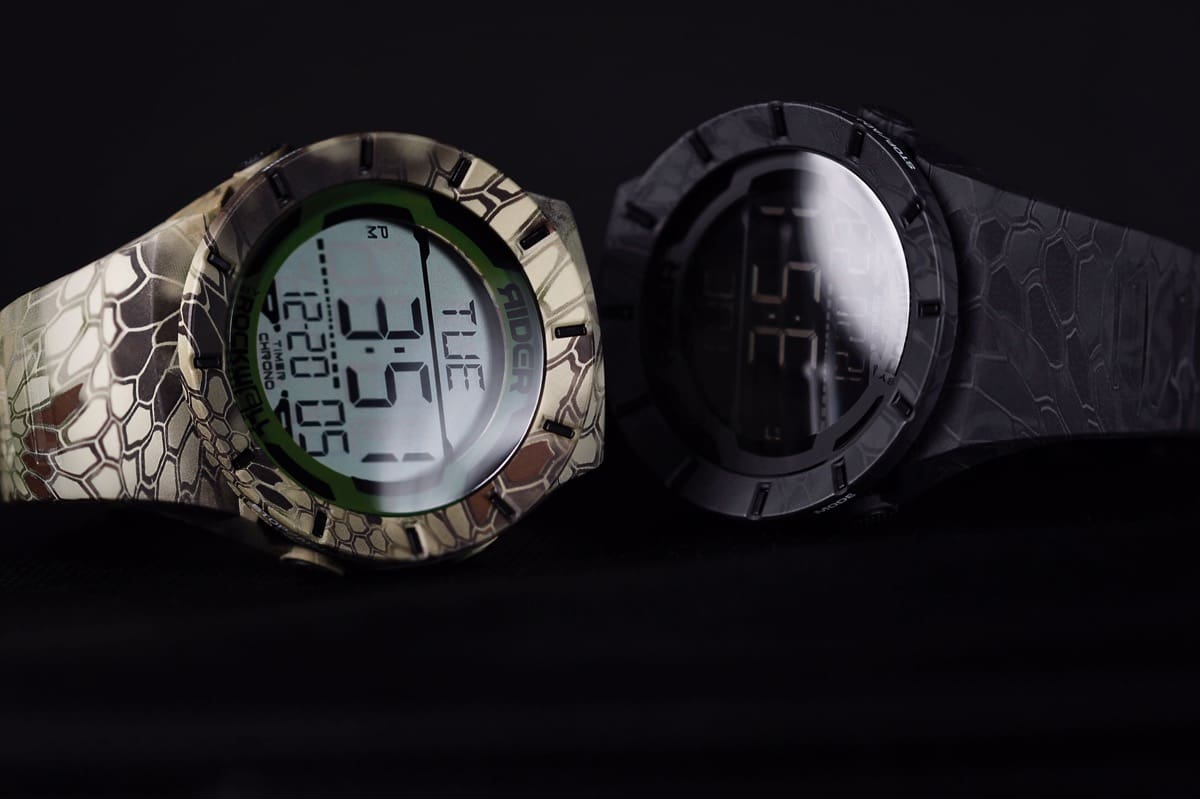
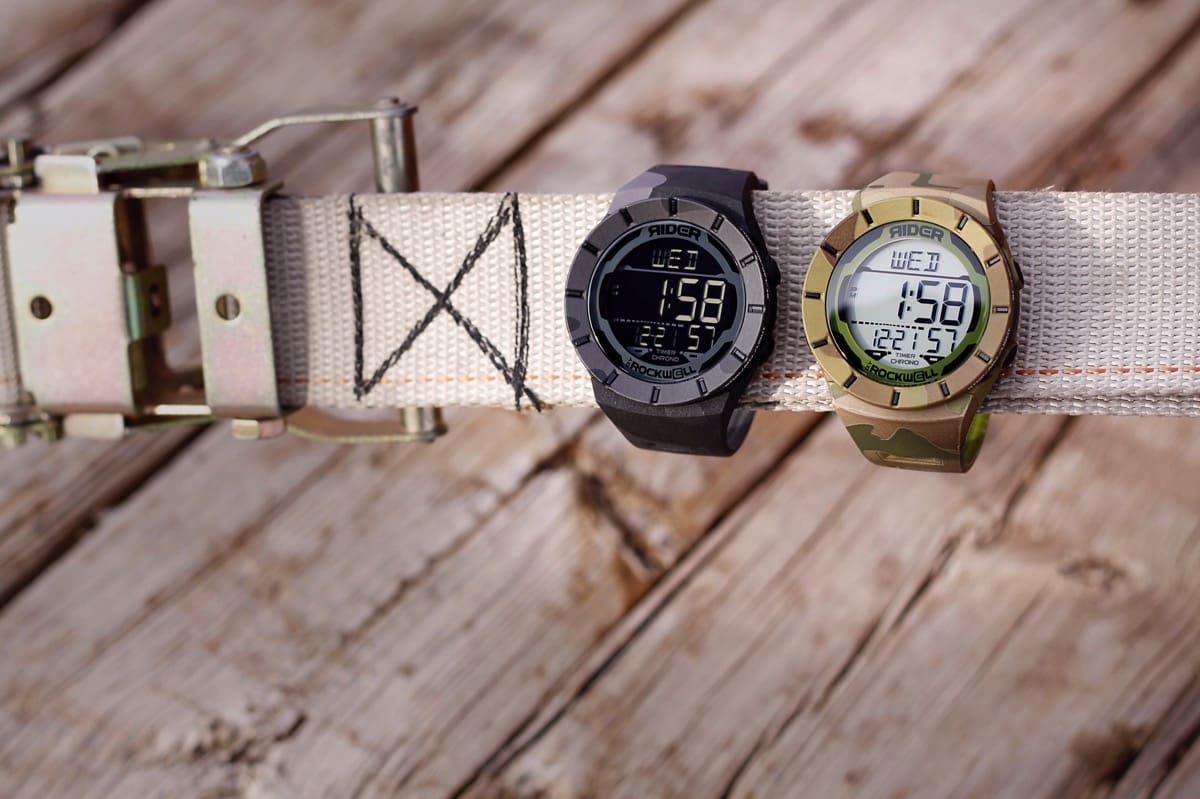
Utah’s Rockwell watch brand has introduced watches in Kryptek and MultiCam camouflage patterns which are applied to Rockwell’s Coliseum model.

A multifunction digital watch, the Coliseum features: dual time zone, chronograph with 50-lap memory, countdown timer, and 8 alarms. Case construction is ABS, and band is made of PU. The stadium-style bezel helps protect the lens from scratching.

Features:
Construction: ABS Case/PU Band
Case Size: 49mm
Multifunction Digital
Crystal: PMMA
Water Resist: 100m
Four Buttons
Two Time Zones
Stopwatch with 50 Lap Memory
Countdown Timer
8 Alarms

Kryptek

MultiCam

store.rockwelltime.com

ADS Presents – Women of Aviation Week Featuring Kara Swensen

March 11th, 2017

In honor of Women of Aviation Worldwide Week, ADS interviewed their very own Kara Swensen, ADS Senior Regional Account Manager and NAVAIR & CNIC team lead. In this Q&A, we discover what drives Kara’s passion for flying and how it continues to advance her in her role at ADS.


Kara has one heck of a story. Even though its ever-changing, we hope it inspires young women the same way it inspires their company and customers every day.

When did your career in aviation begin?

As a young girl, I was fascinated by the space program and watched several launches from the front doorstep of my home in Florida. In 1986, I was standing outside my classroom with my fifth-grade classmates and saw the Challenger blow up before my eyes. Knowing I would be distraught, my Mom checked me out early from school.

I had questions for weeks. I still have the front page of the newspaper from the next morning and was intrigued by the astronauts’ biographies. My parents were very supportive of my passion for needing to understand what had happened to the Challenger.

My Dad had been a Radar Intercept Officer (RIO) in the F-4 (surviving the USS Forrestal fire) and Mom a Navy nurse. We lived beneath the blue skies of three Navy bases and my questions turned to being in absolute awe of anything that defied gravity and by age 10.


Kara and her mom sitting in her dad’s F-4.

I recognized most all military aircraft by just their sound. I always ran outside when I heard jets in hopes of catching a glimpse of a F-14 Tomcat visiting from Naval Air Station Oceana.

That summer, Top Gun came out. Like most of my aviation friends, we knew the skies would be our home someday. My parents would check me out of school to take me to the Blue Angel practice show each November. I was a licensed pilot days after my 18th birthday and aviation will always be my first love.

What draws you to flying?
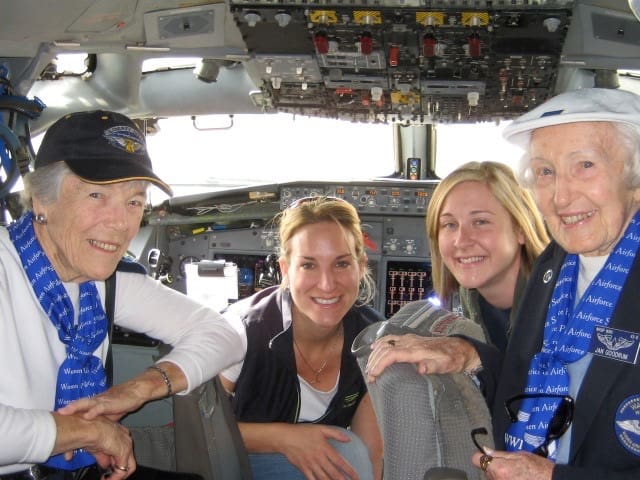
Kara with WASPs in a Boeing KC-135 Stratotanker.

I have been skydiving with the Army’s Golden Knights and hang-gliding twice. I flew 50 feet off the St. Johns River in a P-51 Mustang, made high-speed passes in a British Gnat from the movie Hot Shots, flew aerobatic routines with Sean D. Tucker and Patty Wagstaff, and spent time in the B-777 simulator.

Yet I find the greatest satisfaction in the quiet sound of the tires making a perfect glide on to the runway numbers after a challenging final approach—while flying solo.

The icing on the cake comes when the tower compliments you on your landing before passing you off to ground control. Nothing makes me smile bigger.

Who was your mentor in aviation and why?

I babysat for a family whose father flew F/A-18s at VFA-106 at Cecil Field. He literally took me under his wing. Joe Flatley remains my mentor and encouraged my passion as a teenager by taking me to the dome simulator, BBQs where we watched crash and burn tapes, and the LSO Cabin at Whitefield.

Some people would tell me I would never fly because I was a girl, and at times it silenced my yearning to talk about the planes overhead. Joe thought it was absolute nonsense that anyone would ever think a woman couldn’t fly and inspired me to live out loud and follow my dreams. I learned to trust my intuition and not the opinions of others: becoming independent, focused, and strong. I will always be grateful for Joe, my mentor and friend.

What advice would you give a woman interested in entering an aviation career?
Trust your intuition and recognize the strength that drives your passion. More importantly, learn your weaknesses and write them down: lean in toward them, working on overcoming them every day.

“Respect the people who helped you along the way and give back by being a leader amongst those who want to follow in your path.”

Surround yourself with others who share a similar drive, and certainly those who love aviation, whether it be in the field of maintenance, air traffic control, or flying. We all have a responsibility in keeping the skies safe, resulting in a team effort.

Share a unique flying story and why it was impactful for you.

My first solo cross county, I got lost. It was the most embarrassing moment of my life, and I cannot believe I’m even telling you about it. I went through the proper procedures to land at an uncontrolled airport and taxied the Cessna 152 up to an open hangar.

I got out and asked the elderly man who was working on an old plane—neither of which would ever fly again—“Sir, where am I?” He offered to drive me to a payphone to call my instructor, but I knew not to get in a car with a stranger.

Instead, I confidently got back in the plane, taxied her to the end of the runway, and took off. My frantic instructor was back at my home airport, notifying ATC to listen for me on the radio. The controller vectored me due east to the Florida coastline.


Kara flying her Cirrus SR22 with her dad—a bit of an upgrade from the Cessna 152.

About 10 minutes in to my flight, the controller called out traffic off my right wing—it was the Space Shuttle launching toward space.

I was teenager, all alone, flying this tin can, struggling not to cry from being so disappointed in myself, embarrassed about what I would tell my instructor, and then the very thing that sparked my interest in flying was happening before my eyes. So many lessons came from that flight and truly it is one of the most magical days of my life.

How did you end up working for ADS, Inc.?

For years, I was the owner of Alaris Aviation in Arizona, buying and selling aircraft. My success was well respected and had been featured on cover stories of magazines. I loved being an entrepreneur in aviation and sharing the same passions amongst my clients. Life was fulfilling and full of joy.

“Then in 2007, I lost my boyfriend, Kevin, in the Blue Angels crash at MCAS Beaufort. My heart had never known such immense grief.”

In 2008, I traveled to Virginia Beach for my Dad’s fighter pilot reunion and had the magnificent experience of being a Distinguished Visitor, catching the wire, and being catapulted off the USS Theodore Roosevelt aircraft carrier. I yearned to be closer to Kevin in some way and felt compelled to help enhance the safety and comfort of Naval Aviators, as well as those that keep them flying.

I closed my business and moved across country to work for ADS, Inc., and haven’t looked back. The week of ADS Warrior Expo West in San Diego will mark a decade since losing Kevin and will be a silent struggle for me. I know I am where I am supposed to be and the responsibilities that ADS bestows upon me are meant to be mine.

Every day, I am blessed to work for such a proactive company that allows me to interact with end users who need everything from improved gear to obsolete aircraft parts, as well as their Program Offices that approve equipment and transactions, and N98 who essentially pays for them.

“I have a fire in my soul to do my small part in keeping our military well-equipped and bring them home safely to their loved ones. ADS truly has been the fuel to keep my passion alive and I am grateful to be here.”

About Kara Swensen
ADS, Inc. Senior Regional Account Manager

NAVAIR & CNIC Lead
Kara Swensen became a licensed pilot at age 18 and graduated from Arizona State University with a B.S. in Aeronautical Technology. Kara’s passion for defying gravity first began in her hometown in Florida when, alongside her fifth-grade classmates, she witnessed the Challenger spaceship fail in mid-air. Her quest for understanding this catastrophe coupled with her family’s shared passion for aviation marked the beginning of a lifelong quest to make flying safe. She’s an entrepreneur and innovator, owning an aviation company prior to joining the ranks at ADS. As Naval Aviation & CNIC Lead, Kara works closely with the Navy to procure the absolute best equipment while utilizing the most competitive contract vehicles to save valuable funding. Her passion for the safety and comfort of our Naval Aviators, the maintainers who support them, and their aircraft is unparalleled.