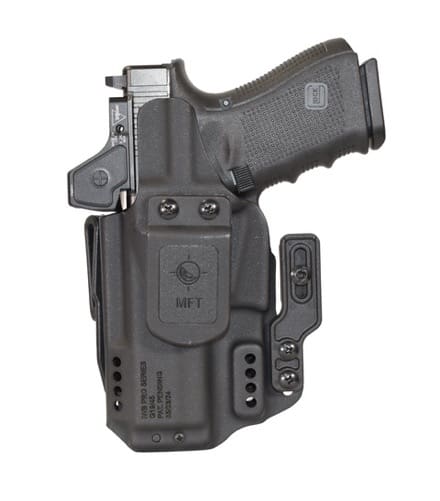
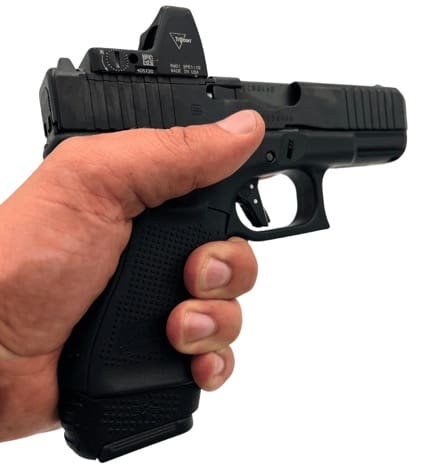
Horsham, PA – (November 18th, 2024) – Mission First Tactical (MFT) manufacturers of state-of-the-art, USA made rifle/carbine accessories and holsters, is pleased to announce the introduction of the MFT Pro Series Holsters. When carrying a firearm has become the standard, the Pro Series holster gives you the comfort & confidence you need for everyday-carry.
Mission First Tactical’s Pro Series IWB is a inside the waistband/appendix holster (IWB) in both right & left-hand positioning. This state-of-the-art holster utilizes a patent pending “In-line Magnetic Retention System with 11# maximum pull. A strong neodymium magnet maintains a fully loaded pistol in the holster without any locking devices. An Integrated Barrel Stabilizer Insert was designed and engineered to keep the pistol in-line to the holster body spine. Another unique feature of the Pro Series Holster is a built-in vertical wedge. This revolutionary design brings the top of the pistol closer to the body for ultra-concealment, and a wedge against the body to aid against holster slump/sagging.
Pro Series Holsters have the optimized mechanical advantage of an ambidextrous belt claw, with stackable thickness shims and height adjustability. These holsters include (2) tuckable 1 ½” belt clips and (1) 1 ½” belt clip. Each holster is handmade to precise tolerances for each model of handgun using the most advanced techniques and materials for an all-day comfortable carry.
* Not for use with threaded barrels or after-market comps;firearm modifications may cause function issues.
Features:
– Ambidextrous, multi-carry design
– 15 degrees of adjustable cant
– Softened radius, prevents “hotspots“
– Mid-height sweat guard, aids in preventing body contact with pistol
– Full trigger guard coverage
– Slide mounted optic relief cut
– Co-witness, suppressor height sight channel
– Made in the USA at MFT facilities
MSRP: $89.99
To learn more about the MFT Pro Series Holsters and the complete product offerings from Mission First Tactical, please visit www.missionfirsttactical.com and follow them socially on Facebook or Instagram.
In October 2024 XTech Tactical announced its line of magazine adaptors and sleeves known as the MAG-ADAPT™ product line. The line now includes options compatible with the Glock 19 & 26.
Compatible with Glock 26:
MAG-ADAPT 26-15
– adapts the grip length from sub-compact Glock 26 to compact Glock 19
– for use with 15 round double stack Glock 19 style magazine
– features front and rear tread for optimized handling
– precision fit and side texture
– Side scallops for rapid extraction of magazine
MSRP: $16.95
SKU: XT3030901
MAG-ADAPT 26-17
– adapts the grip length from sub-compact Glock 26 to full-size Glock 17
– for use with 17 round double stack Glock 17 style magazine
– features front and rear tread for optimized handling
– precision fit and side texture
– Side scallops for rapid extraction of magazine
MSRP: $19.95
SKU: XT3031101
Compatible with Glock 19
MAG-ADAPT 19-17
– adapts the grip length from compact Glock 19 to full-size Glock 17
– for use with 17 round double stack Glock 17 style magazine
– features front and rear tread for optimized handling
– precision fit and side texture
– Side scallops for rapid extraction of magazine
– For use with the Glock 19 Gen 3, 4, & 5 FS (no half moon at the front of grip)
MSRP: $15.95
SKU: XT3030501
MAG-ADAPT 19-17 G5
– adapts the grip length from compact Glock 19 to full-size Glock 17
– for use with 17 round double stack Glock 17 style magazine
– features front and rear tread for optimized handling
– precision fit and side texture
– Side scallops for rapid extraction of magazine
– For use with the Glock 19 Gen 5 (with half-moon atthe front of grip)
Posted in Press Release, Weapon Accessories | Comments Off on XTech Expands MAG-ADAPT Line with Two Magazines Sleeves for Both the Glock 19 & the Glock 26
A Simple Solution for Enhanced Comfort and Versatility
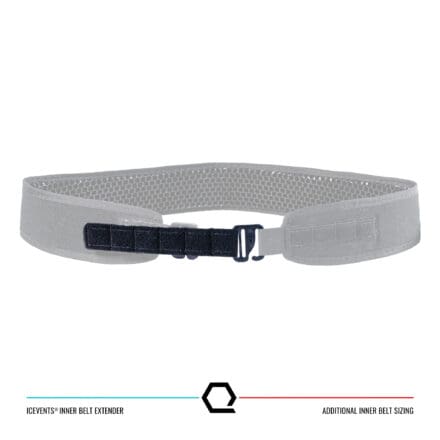
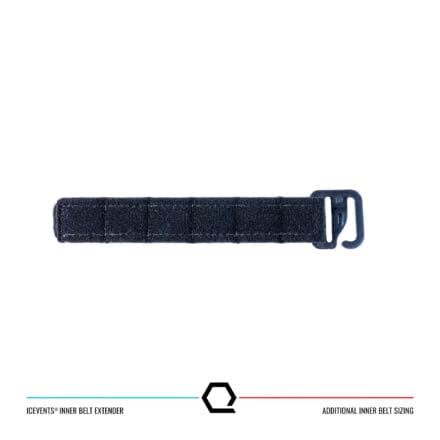
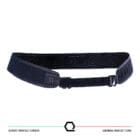
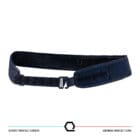
[Knoxville, TN] – Qore Performance, the leader in human performance enhancement and environmental inoculation technologies, proudly announces the launch of the ICEVENTS® Inner Belt Extender. Designed to accommodate a wider range of users and configurations, this accessory adds extra length to the ICEVENTS® Inner Belt without compromising its core performance.
The ICEVENTS® Inner Belt Extender is engineered for professionals who need a tailored fit in demanding environments. Whether adjusting for winter layers, body armor, or evolving mission requirements, this extender ensures that the ICEVENTS® Inner Belt continues to deliver its unmatched comfort and durability with unrivaled ventilation and proprietary anisotropic architecture load-distribution.
Key Features:
– Extra Length: Extends the ICEVENTS® Inner Belt to fit larger waist sizes or accommodate additional equipment without hassle.
– Simple Integration: Easily attaches to the existing belt in seconds with no tools or modifications required.
– Uncompromising Quality: Maintains the same durability, flexibility, and anisotropic architecture of the ICEVENTS® product family and is 100% Made in USA from US materials by US citizens at Qore Performance’s HQ2 in Knoxville, TN.
– Versatility: Ideal for professionals in law enforcement, military, private security, competition shooters, and industrial settings.
“One of our defining characteristics as a company is that we create competitive advantages where none previously existed,” said Justin Li, Co-Founder and CEO of Qore Performance. “The ICEVENTS® Inner Belt Extender provides a seamless solution to extend the capabilities of our ICEVENTS® Inner Belt to even more users, ensuring more Americans benefit from its best-in-class lightweight comfort, ventilation and load-distribution functionality.”
Qore Performance weaponizes temperature to enhance performance and survivability in the field for military, safety, and outdoor professionals and enthusiasts alike. Their thermoregulation solutions unlock human potential in the most challenging environments. From military and law enforcement to industrial and outdoor applications, Qore Performance redefines what’s possible for those who work and play in the elements.
The ICEVENTS® Inner Belt Extender is available now, exclusively through the Qore Performance website. For more information and to place an order, visit Qore Performance. For Corporate/Government Sales, contact Doug Burr or Will Amey at Info@QorePerformance.com or 703.755.0724.
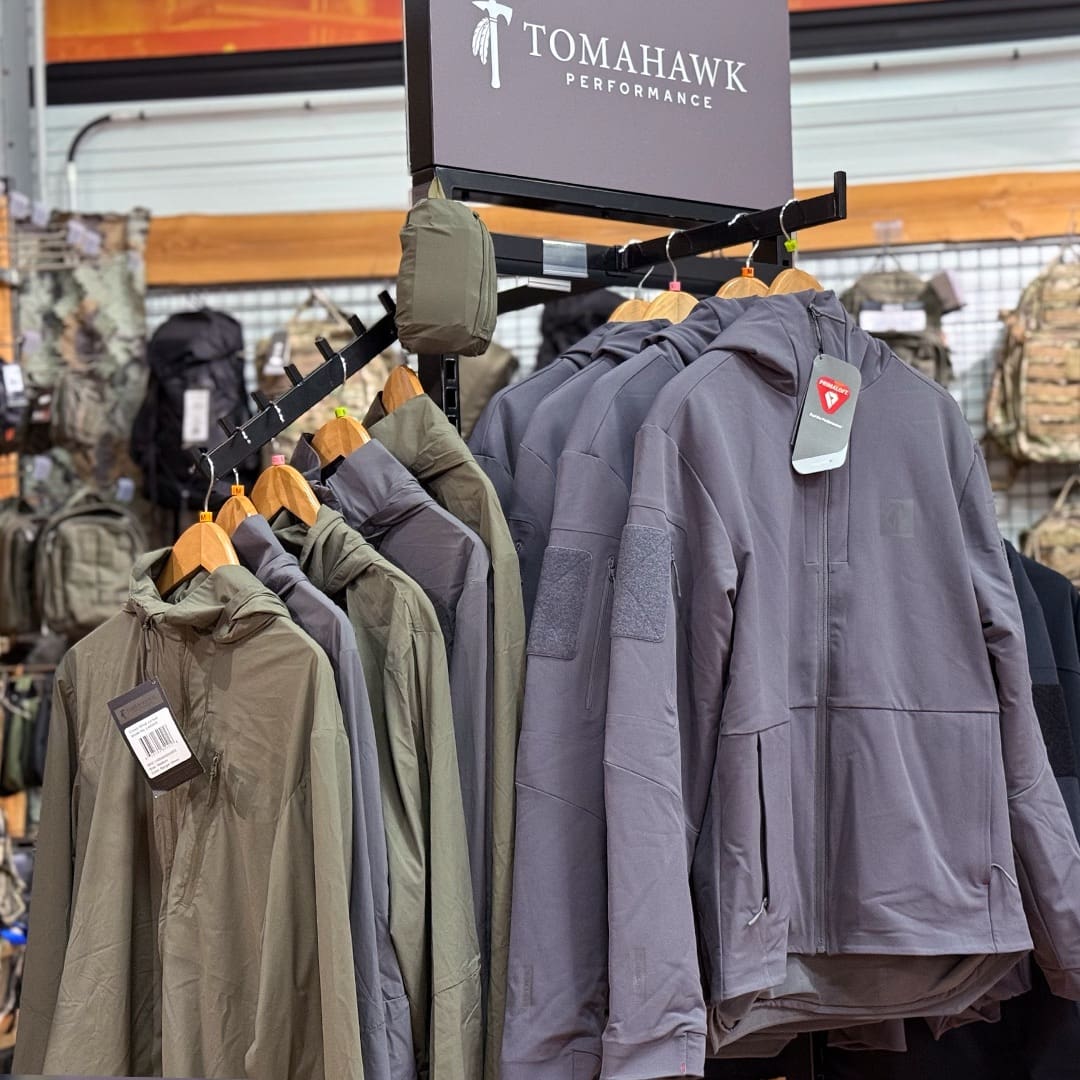
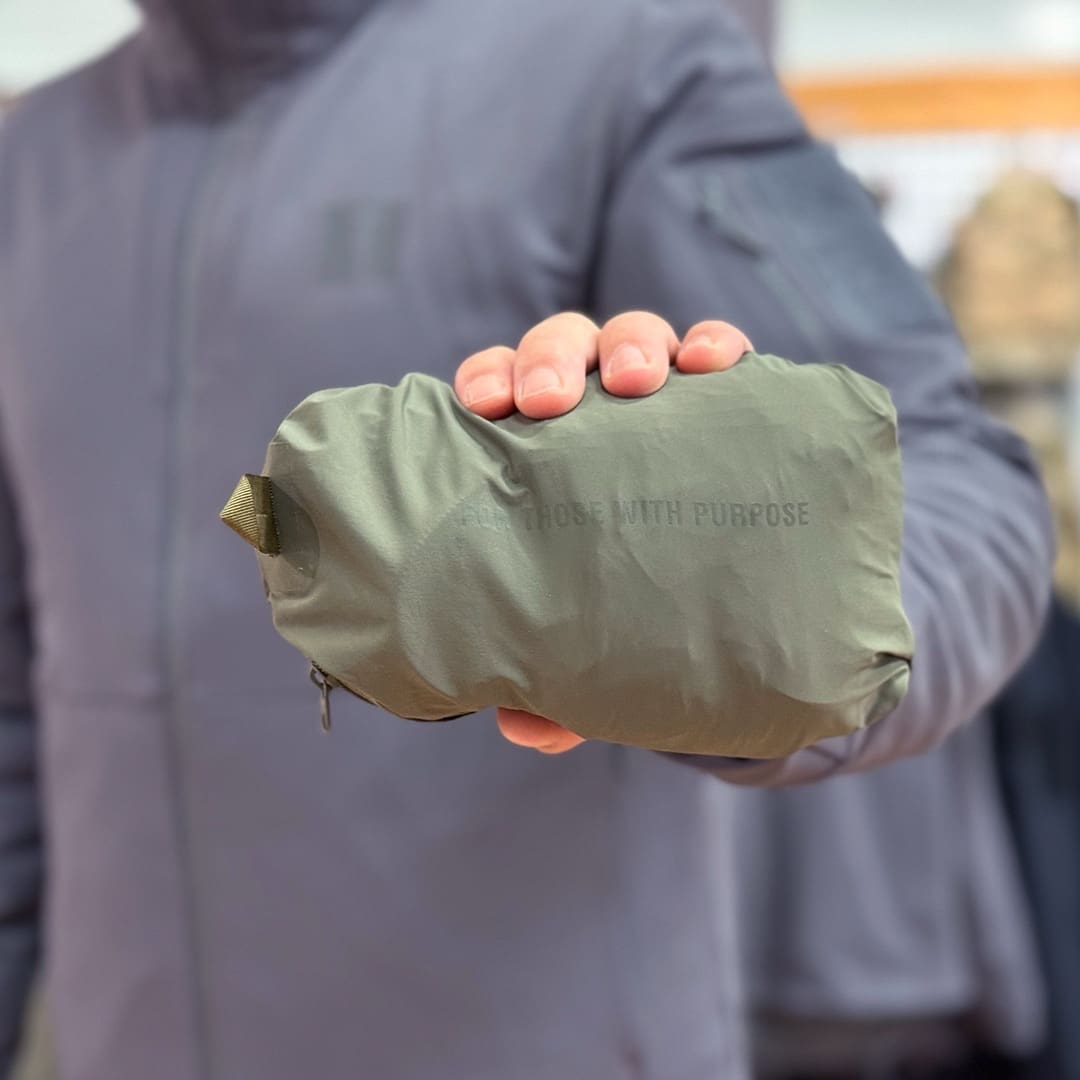
Nashville, Tennessee – November 2024 — Tomahawk Performance is pleased to announce a strategic partnership with Terräng MP-SEC France to expand technical apparel distribution throughout France. This collaboration will allow Tomahawk Performance to reach more military and law enforcement professionals with its precision-engineered layering systems. MP-SEC France, a leader in distribution, brings extensive knowledge and industry connections, making it an ideal partner for this expansion.
“MP-SEC France’s expertise in technical apparel distribution and strong commitment to quality align perfectly with our values, making them an ideal partner to help us broaden our reach and better serve professionals across France,” says Marc Elbaz, Tomahawk Performance CEO.
“This partnership builds on a long-standing professional relationship with Tomahawk’s talented team, whose commitment to innovation and excellence aligns perfectly with our vision. Their use of lightweight, stretchable, and high-performance materials ensures enhanced comfort and operational efficiency for operators in the field. We are excited to bring these cutting-edge solutions to our customers, continuing our mission to support and equip those who serve,” says Louis Tidey, MP-SEC France Sales Director.
MP-SEC France serves as the expert link between operational requirements and product manufacturing through sales representatives with a wealth of knowledge in the field. Product currently available in France to individuals through TerrängFrance and government sales through MP-SEC France.
Tomahawk Performance designs technical apparel and gear to maximize mobility and enhance performance during the mission. For more information, please contact the Tomahawk Performance team.
Founded in 2014, Direct Action set out with a clear mission: to provide top-tier personal equipment for NATO military and law enforcement special operations units. The brand’s success stems from creating a comprehensive, fully modular system that allows users to tailor gear to their individual needs and mission requirements. This philosophy is perfectly encapsulated in the brand’s “Individual-as-a-system” approach. Furthermore, in-house production ensures world-class quality in finishing, durability, and attention to detail. Moreover, the company offers custom product solutions. Through ongoingcollaboration with special forces operators and continuous feedback collection, Direct Action constantly evolves and refines its products.
The core of Direct Action’s product line features names that pay homage to aircraft flown by Polish pilots during the Battle of Britain and beyond (Spitfire, Hurricane, etc.). This naming convention emphasizes the brand’s roots and identity and honors these heroes. Special units across numerous countries, including Poland, France, Switzerland, Germany, Austria, Greece, Belgium, the Czech Republic, Slovakia, and Lithuania, currently utilize Direct Action gear. All production takes place in three Polish facilities, with manufacturing processes certified to AQAP 2110:2016 and ISO 9001:2015 standards.
Direct Action Timeline:
2013
-Gained access to laser-cutting technology
-Developed initial backpack and bag designs using this innovative technology
2014
-Established Direct Action as a line within Helikon-Tex
-Debuted at the IWA trade show in Nuremberg
-Transformed into an independent brand with a new logo
-Launched the first production facility in Poland
-Secured first tender for a Polish special unit
-Participated in the Paramedic tactical medicine competition
2015
-Launched an online store for the US market
-Welcomed Grzegorz “Zwiru” Urbanski, a JW GROM veteran, to the team
-Presented full product range at Enforce Tac in Nuremberg
-Expanded international distribution network
2016-2019
-Expanded into international markets
-Participated in key industry trade shows (SHOT Show, Enforce Tac, SOFIC, Milipol)
-JW GROM selected Spitfire as their primary plate carrier
-Obtained AQAP and ISO certifications
-Introduced the Spitfire MK II system
2020-2024
-Continued growth despite the COVID-19 pandemic
-Opened two new production facilities in Poland
-Acquired license for ballistics trading
-Showcased new product categories (clothing, membrane and insulation solutions, and ballistic peripherals) at Enforce Tac and MSPO trade shows
Direct Action remains steadfast in its mission to deliver the highest quality tactical gear.
Once again, our friends at Tactical Distributors are sponsoring our Black Friday/Cyber Monday master list. To see it, updated regularly with the latest sales info, click here.
Deals are updated daily, so check often!
Posted in Admin | Comments Off on 2024 Black Friday / Cyber Monday Sales Page – Sponsored By Tactical Distributors
Company Marks 14 Years of Partnership with Breast Cancer Research Foundation®
EAGLEVILLE, PA, November 20, 2024 – Streamlight®Inc., a leading provider of high-performance lighting, announced its continued commitment to the Breast Cancer Research Foundation® (BCRF) with a $20,000 donation to support breast cancer research and prevention. Each year, Streamlight contributes proceeds from sales of specially marked pink lights to BCRF, reflecting the company’s commitment to improve outcomes and save lives for those impacted by breast cancer.
As the largest private funder of breast cancer research worldwide, BCRF recently announced its commitment of $70.3 million to support global breast cancer research in 2024-2025, awarding grants to over 260 researchers across 15 countries.
According to BCRF, a woman in the US is diagnosed with breast cancer every two minutes, with over 42,000 women and 530 men projected to die from the disease this year. Research has significantly improved outcomes, with breast cancer mortality rates down 44% since 1989.
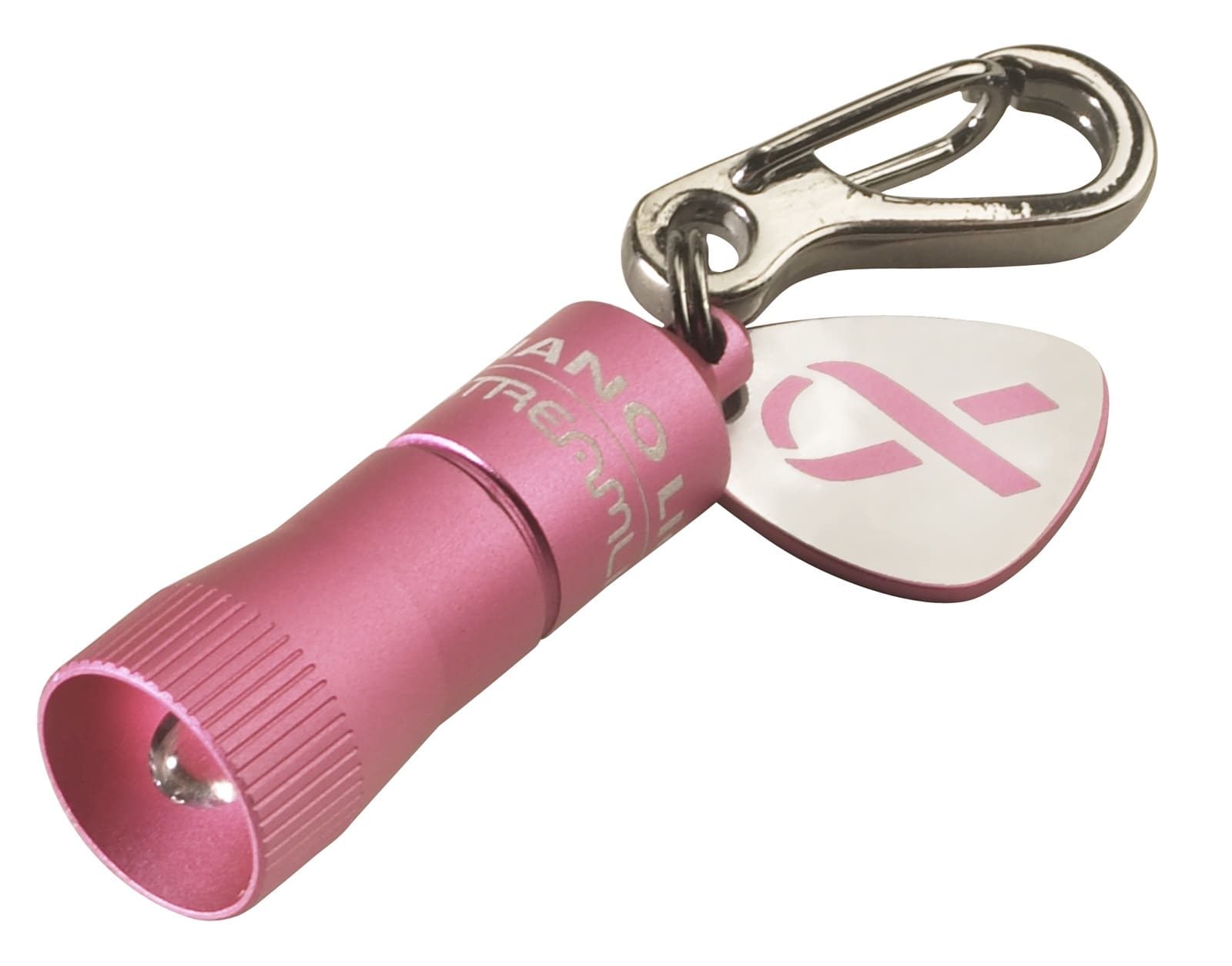
Streamlight donated the proceeds from sales of its pink Nano Light® keychain light, pink Siege® AA ultra-compact lantern, and pink Strion® LED tactical light. For each of the lights, Streamlight donates $1.00, $2.00, and $5.00, respectively.
“Our support for the Breast Cancer Research Foundation is a cause very close to our hearts,” said Streamlight Chief Revenue Officer Michael F. Dineen. “With survivors among our employees, we are honored to contribute to BCRF’s groundbreaking work. Our pink lights allow us to not only fundraise but also raise awareness for this important cause.”
Streamlight first introduced its line of pink lights in 2008 and has since maintained its dedication to helping BCRF advance research and improve survival rates for those impacted by breast cancer.
To learn more about Streamlight’s pink lights and other Lights for a Cause, please click here.