TYR Tactical

Archive for June, 2025

Savotta Releases Belt Kit

Wednesday, June 18th, 2025

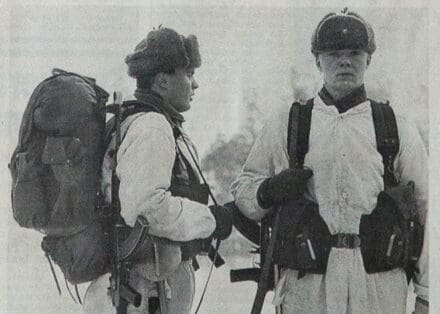
Since the 1969s Savotta has supported the Finnish Defence Forces with kit.

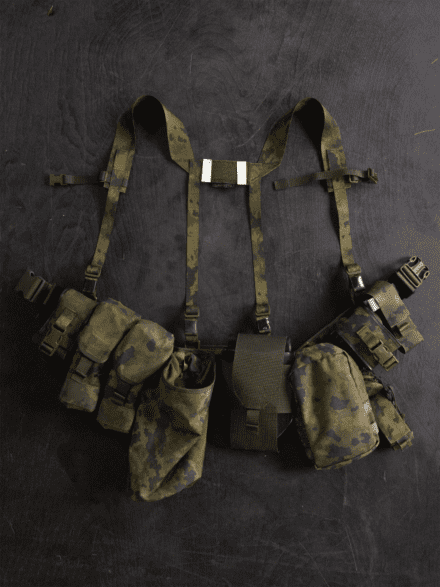
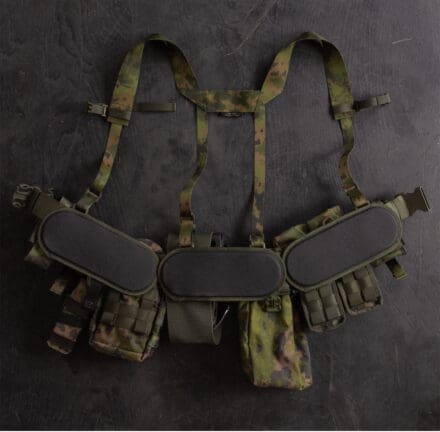
They’ve just released a load carriage system which they are calling their Belt Kit.

A traditional, belt and harness based system, it offers several different options. The belt and harness options can be combined with their ever-expanding line of pouches as well as belt pads.

www.savotta.fi/collections/new-arrivals

Ops-Core RAILINK: Cutting-Edge Capability for the Modern Warfighter and Defender – Available Now

Wednesday, June 18th, 2025

Last year we officially introduced you to Ops-Core RAILINK. Today we want to refresh your memory because the coming months we are going to show you some new capabilities that interface with the RAILINK ecosystem.

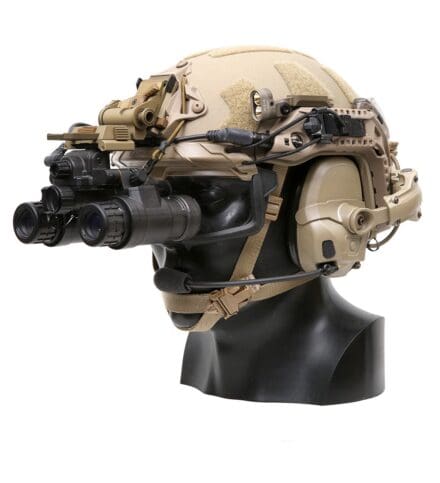
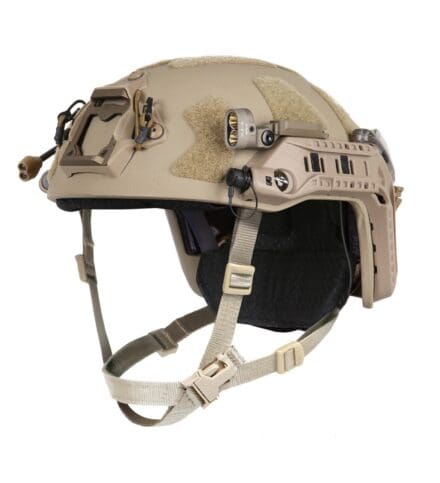
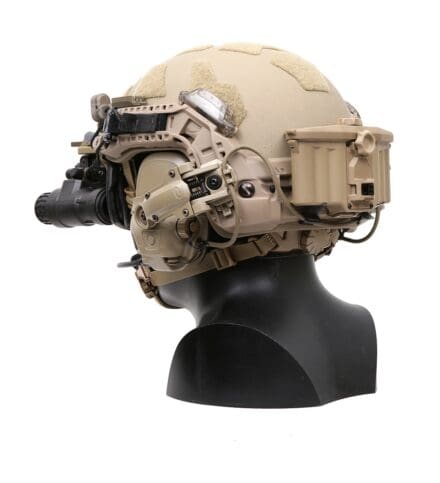
In a nutshell, RAILINK is a patented, first-of-its-kind, fully integrated, in-rail solution. It simplifies the life of the user, enabling multiple helmet-mounted systems to be powered from a single, centralized power source. Let’s break that down.

Before RAILINK, operators had to deal with multiple battery-powered devices, excess cabling, and weight imbalance which led to improvised helmet attachment systems which were often added weight and were cumbersome, creating snag hazards.

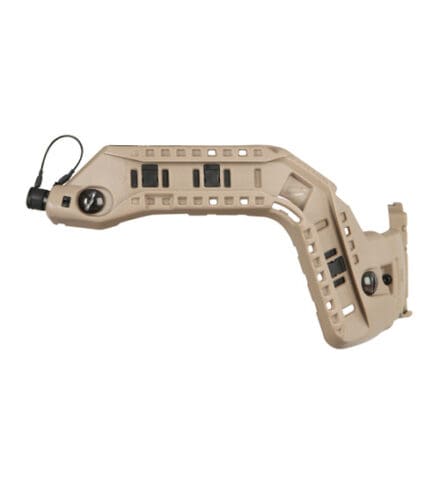
At first glance, RAILINK looks a lot like the ARC Rail, which in and of itself revolutionized how we incorporate enablers into our helmet. But RAILINK does so much more than just mount accessories, it also provides power and device data transmission through a unified system.

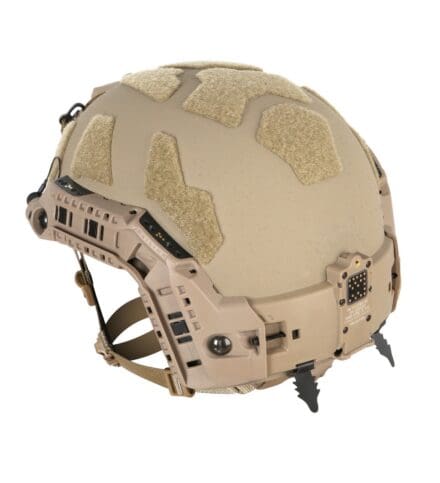
There are several components which make up RAILINK. First off is the Centralized Power Source, a rear-mounted battery pack with 6 AA lithium batteries. This offers 50% more capacity than legacy systems. It also replaces multiple battery types on the head with one common type to streamline logistics and pre-mission preparation.

Next are the Integrated Device Data and Power Channels which are a plug and play system for helmets. These are the nodes on each side of the helmet which allow accessories to plug-in seamlessly. To go along with these new nodes is the Embedded Cable Management with its clean, snag-free design to mitigate external wiring.

Power management and more happens in the Enhanced Battery Pack. Aside from the aforementioned six AA batteries there is a built-in accelerometer which enables deliberate auto shut off feature on NVGs, without encountering unintentional shut off at the worst possible time. Additionally, it incorporates a Couloumb Counter to enable Visual Augmentation System battery status.

For additional VAS support, the Enhanced Battery Pack has dedicated channels for night vision systems, supporting multiple voltages and high-speed data for fused thermal or augmented reality-capable devices.

An additional advantage to adopting RAILINK is that it reduces neck strain and fatigue. Moving helmet mounted accessories closer to the helmet keeps the operator more comfortable and mentally focused during long missions.

In coming weeks, we’ll start a deep dive of the various helmet mounted accessories which are part of the RAILINK exosphere and discuss how they can be used to improve your effectiveness.

To learn more about the Ops-Core RAILINK System, visit shop.gentexcorp.com/railink.

116th IBCT to Field Test New Mobile Brigade Combat Team Organization

Wednesday, June 18th, 2025

RICHMOND, Va.  –  

The Virginia National Guard’s Staunton-based 116th Infantry Brigade Combat Team will be the first Army National Guard brigade to test and evaluate a prototype task organization for a mobile brigade combat team during their 21-day eXportable Combat Training Capability rotation in June 2025 at Fort Barfoot, Virginia. The MBCT concept is part of the U.S. Army’s transformation initiative with the goal of making units more agile and lethal.

Virginia National Guard Soldiers assigned to the Bedford-based Alpha Company, 3rd Battalion, 116th Infantry Regiment, 116th Infantry Brigade Combat Team conduct a movement to contact situational training lane June 9, 2025, at Fort Barfoot, Virginia. The 116th is the first Army National Guard brigade to test a prototype task organization for a mobile brigade combat team, and it will be evaluated during a 21-day eXportable Combat Training Capability rotation. The MBCT concept is part of the U.S. Army’s transformation initiative with the goal of making units more agile and lethal. (U.S. National Guard phtoo by Cotton Puryear)

“The 116th has an incredible opportunity to be at the forefront of the Army’s transformation initiative, and I am confident the Soldiers of the Normandy Brigade will rise to the occasion,” said Col. Jared Lake, commander of the 116th. “There are still many variables in the transformation process, but our Soldiers are going to focus on their core warfighting skills that will make us a more ready and lethal organization by the end of XCTC.”

XCTC is a series of field training exercises simulating realistic combat scenarios including live fire, situational training lanes and force on force with a dedicated opposing force intended to increase the skills and readiness of National Guard units. 

The 116th will be configured as the MBCT during the XCTC rotation, and it will be an opportunity to continue testing and evaluating the proposed force structure, Lake said.

The mobile brigade combat team force structure focuses on three infantry battalions with organic logistics support and the addition of a multi-purpose company in each battalion and a multi-functional reconnaissance company in the brigade.

Battalion scout, mortar and assault platoons move to a battalion MPC to provide ground and aerial reconnaissance, indirect fire support, launched effects, counter unmanned aerial systems and deception capabilities to fix and attrit enemy forces that allows for infantry companies to close with and destroy the enemy.

The MFRC provides reconnaissance and surveillance with the brigade deep area to enable targeting and provide timely, accurate reporting of enemy activity, detect and target enemy high payoff targets and shape the brigade deep area to enable operations.

The MPCs and MFRC will be employed along with the 116th’s three infantry battalions during the culminating field training exercise near the end of the XCTC rotation.

The cavalry squadron and the brigade engineer battalion are not a part of the prototype MBCT task organization. Future force structure for those organizations is still being analyzed at the U.S. Army level. Soldiers assigned to those units will still focus on honing their MOS-specific skills during XCTC.

The field artillery battalion will conduct live fire during XCTC in addition to other MOS-specific training. Long term, the artillery battalion will align under the 29th Division Artillery as that force structure comes online in the coming years.

A key piece of equipment for the MBCT is the infantry squad vehicle designed to transport infantry squads across the battlefield. The 116th has not fielded the ISVs, but they will still be able to train on employing the new MBCT formations with their existing equipment.

The official 116th IBCT force structure has not changed and is not scheduled to change until the Army validates and finalizes the new MBCT structure, and then approves that change for the 116th IBCT, Lake said. This process is anticipated to occur over the next three years. 

“Every Soldier still has a home in the 116th IBCT and every opportunity to continue their service with the Virginia Army National Guard,” he said. 

Lake explained that while some Soldiers may be attached to other units for XCTC, there are no plans for permanent reassignments until the new official force structure is approved. Some Soldiers may get the opportunity to change military occupational speciality and career field, but most of Soldiers will not need to change MOS.

The Army’s 101st Airborne Division (Air Assault)’s 2nd Brigade Combat Team was first mobile brigade combat team, and they conducted a Joint Readiness Training Center rotation to experiment, test and collect Soldier feedback on the MBCT concept in July 2024 at Fort Johnson, Louisiana.

By Cotton Puryear | Virginia National Guard Public Affairs

PEO Soldier Marks Major Milestone in Aircrew Protection at ACE Vest Full-Rate Production Kickoff

Tuesday, June 17th, 2025

MEADOWS OF DAN, Va. — Project Manager Soldier Survivability (PM SSV), under Program Executive Office Soldier (PEO Soldier), marked the Full-Rate Production (FRP) kickoff of the Aircrew Combat Equipment (ACE) vest at the Aerial Machine and Tool Corp. manufacturing facility, June 4, 2025, in Meadows of Dan, Virginia. The ACE vest represents a major milestone in rotary-wing protection, delivering the Army’s most significant upgrades in more than two decades.

During the kickoff, Maj Caleb Hughes, assistant product manager for PM SSV’s Air Warrior, (AW) Air Soldier Systems and ACE vest program lead, provided a technical overview of ACE program objectives to senior PM SSV leadership focusing on showcasing the vest’s core deliverables, reducing the physical weight borne by the air warrior while enhancing Soldier protection and survivability.
Developed as a Preplanned Product Improvement (P3I) under the Air Soldier System, the ACE vest replaces the legacy Generation III Air Warrior Personal Survival Gear Carrier (PSGC), delivering a 19% lighter system, with a 10% reduction in bulk from the legacy carrier.
“The improvements to form, fit, and function dramatically increase mission effectiveness and survivability,” Maj. Hughes said. “Reducing body-carried weight is key to lowering fatigue and increasing aircrew sustainment during long-duration aviation missions.”
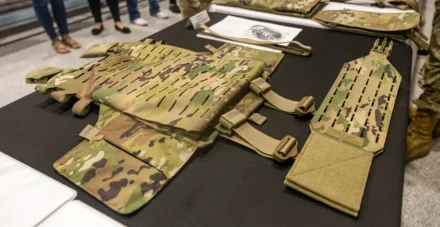
To achieve these efforts, the ACE vest integrates components from the Modular Scalable Vest (MSV) developed under the Soldier Protective Equipment (SPE) portfolio. The MSV’s low-profile soft armor replaces heavier legacy materials while streamlining compatibility with other ACE protective elements.
“The ACE vest is a strong example of cross-platform integration,” said Neal Nguyen, lead systems engineer for SPE. “The MSV’s upgraded soft armor reduces core areal density from 1.8 to 0.78 lb/ft², with a drop in carried weight from 9.3 pounds to 5.61. This transformational capability results in significant improvements to aircrew mobility.”
By aligning the MSV across platforms, PEO-Solider ensures proven ballistic technologies are fielded faster without requiring separate testing or validation from each system team, Nguyen added.

During the kickoff, Maj. Hughes also introduced the laser-cut Pouch Attachment Ladder System (PALS), a modernized textile solution replacing the traditional MOLLE system.
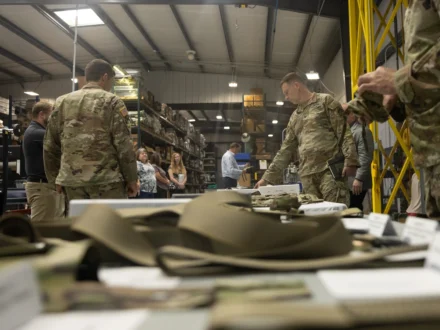
“The PALS eliminates unnecessary bulk from excess stitching and cloth and supports a more flexible gear configuration,” Maj. Hughes said. “This modular capability allows aircrews to tailor the vest based on mission and environmental factors, reducing equipment load without compromising protection.”

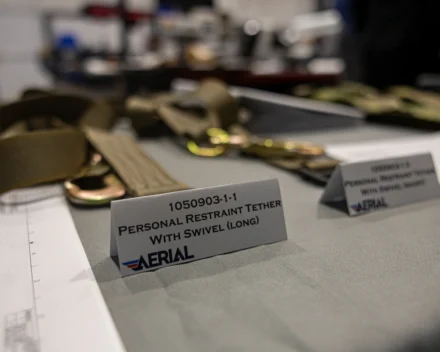
The ACE vest includes additional survivability features such as the advanced Personal Restraint Tether (PRT), an attenuating safety line designed to control deceleration during a fall from a rotary-wing platform.

“The tether helps reduce the jolt a crew member might otherwise experience during a fall,” Maj. Hughes said. “Instead of a hard stop that could cause secondary injuries, the design absorbs energy and enhances recovery safety.”

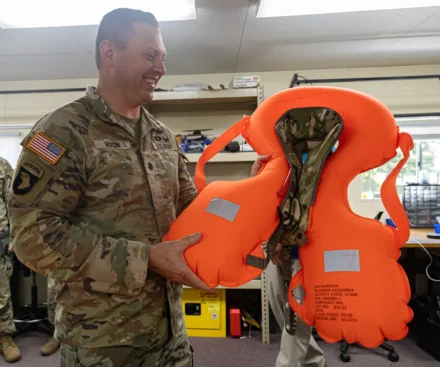
Another notable upgrade to Aircrew survivability is the repositioned Life Preserver Unit (LPU-42/P) floatation device, now mounted at the abdomen. The configuration increases the head’s range of motion, reducing fatigue and enhancing situational awareness during flight operations and water egress scenarios. The LPU-42 redesign also increases buoyancy by nearly 39%, a critical survivability improvement delivered through the ACE vest.

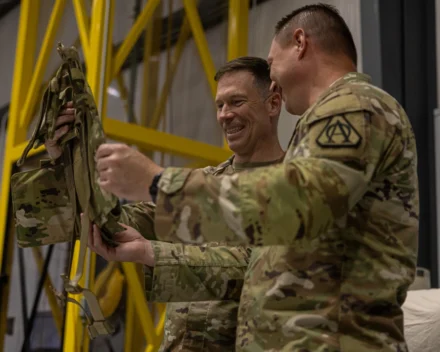
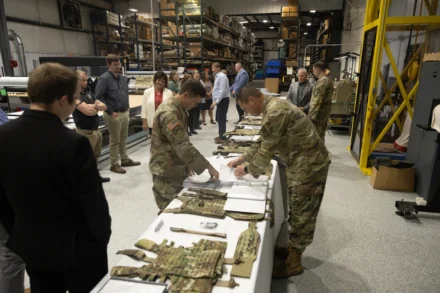
Following the technical presentation, senior leaders toured the production facility, observing elements of the ACE vest manufacturing line and Aerial’s recent technology upgrades implemented to support product development. The event concluded with a complete product layout, offering a firsthand look at the ACE vest’s fielded components and marking the milestone in the program’s transition to full-rate production.

“Today’s event highlights the culmination of hard work and collaboration across the Army to deliver the first update to Aircrew protection in more than 20 years,” said Col. James Lindh, Project Manager of Soldier Survivability. (PM SSV) “This dramatic increase in protection and comfort will make our Aircrews more lethal and survivable. This milestone reflects our commitment to delivering the best kit for our Aircrews available today, while supporting Army-wide modernization.”

Limited procurement for the ACE system began in fiscal year 2022, followed by initial fielding in FY24 to the 25th Combat Aviation Brigade and rapid delivery to elements of the 101st Airborne Division (Air Assault) at Fort Campbell, Kentucky, earlier this year. The ACE vest and modular component fielding will continue through FY32 based on aviation unit priorities.

“Supporting the Air Warrior mission means ensuring these systems are fielded where they are needed most,” said Maj. Hughes. “What this event means for the Aviator, is delivering the best equipment to the field faster.”

Story by Khylee Woodford 

PEO Soldier

DISCO32 – Modular Speaker Mic

Tuesday, June 17th, 2025

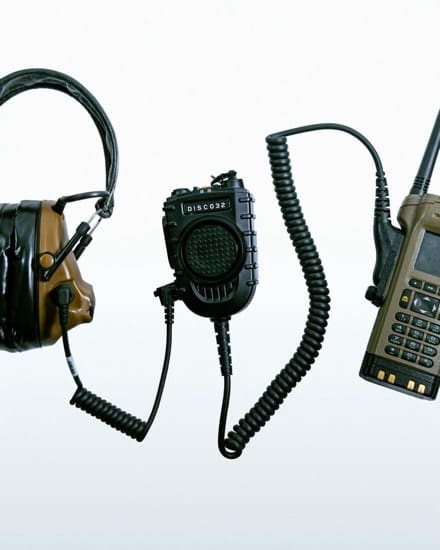
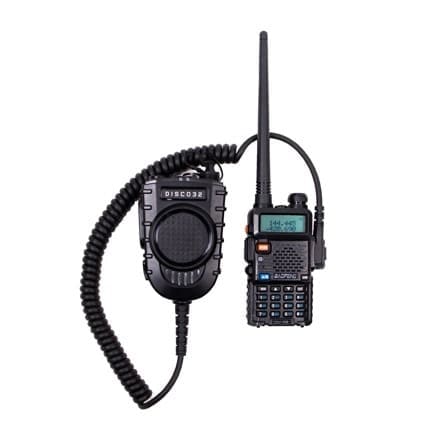
DISCO32 refers to this as a Pork Chop Sandwich and it’s a great name. For those of you unfamiliar, handset microphones for radios have been called “pork chop” by the troops since at least World War Two.

Featuring an omnidirectional microphone, the Modular Speaker Mic (MSM) is tailored for first responders; including fire, public safety, and military radio users. It’s adaptable to a wide selection of radio models from brands like Motorola APX, XTS, L3Harris, and Kenwood.


Engineered to accommodate headsets with dynamic microphones and U-174 type plugs. This functionality enables users to effortlessly switch from a patrol configuration to a tactical setup, facilitating quick adaptation without modifying the existing communications setup.

I like that it is also compatible with major tactical headset brands such as Otto Tac, MSA Sordin, 3M Peltor Comtac, and Ops-Core AMP Communication Headsets.

disco32.com

Gentex Corporation Announces Agreements With New Partners for Ops-Core RAILINK Power and Data ARC Rail System

Tuesday, June 17th, 2025

License agreements signed with new development partners for Integrated Headborne Platform

CARBONDALE, PA – Gentex Corporation, a global leader in personal protection and situational awareness solutions for defense forces, emergency responders, and industrial personnel, has announced partnerships with new development collaborators as part of its Ops-Core RAILINK system accessory program. MOHOC, Inc., Advanced Material and Devices (AMAD), NanoAi Technologies and sevenadditional partners have entered royalty-free license agreements to create new accessories, further expanding the RAILINK ecosystem and enhancing its capabilities for end users.  

“These agreements with new development partners underscoreGentex’s commitment to continuing to expand and evolve the capabilities of this innovative platform. By leveraging the expertise of industry leaders in their respective capability domains to develop more accessories, we continue to push the boundaries of what’s possible for our end users, and the system becomes more impactful to a broader audience.” said Rafe Bennett, Vice President of Product Management at Gentex Corporation.

To support future product and accessory development, Gentex offers select industry partners royalty-free licensing and optional technical assistance, simplifying the process of leveraging the patented RAILINK system’s advanced capabilities. To learn more about becoming a RAILINK Development Partner and sign up for future RAILINK announcements click www.gentexcorp.com/introducing-railink

Kit Badger Launches Mora Companion Pocket Sheath

Tuesday, June 17th, 2025

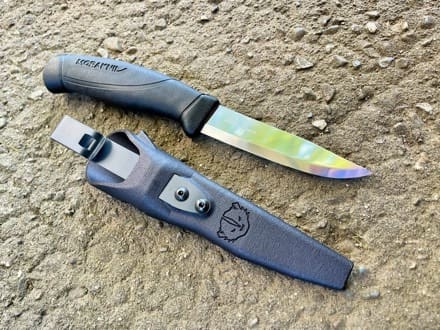
I really like Mora knives. They are inexpensive and reliable. However, their sheaths leave a lot to be desired.

Enter the Mora Companion Pocket Sheath from Kit Badger. The Mora Companion Pocket Sheath fits both the Stainless Steel and Carbon Steel Mora Companion Knives as well as the Mora SPARK Knife. The sheath will also accommodate the Mora Companion Heavy Duty, but is a little tight.

The sheath can be adjusted for ride height with the DCC (Discreet Carry Concepts) clip, which can be changed out for other carry options as well.

Here is his article in the subject:

kitbadger.com/pocket-sheath-for-the-mora-companion

Guntology – KRYON Suppressor Heat Shield

Tuesday, June 17th, 2025

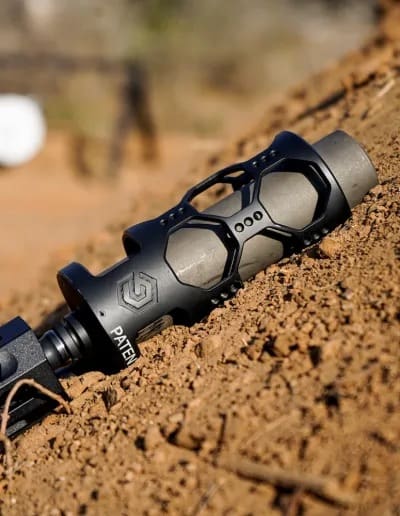
From Guntology comes the KRYON Suppressor Heat Shield.

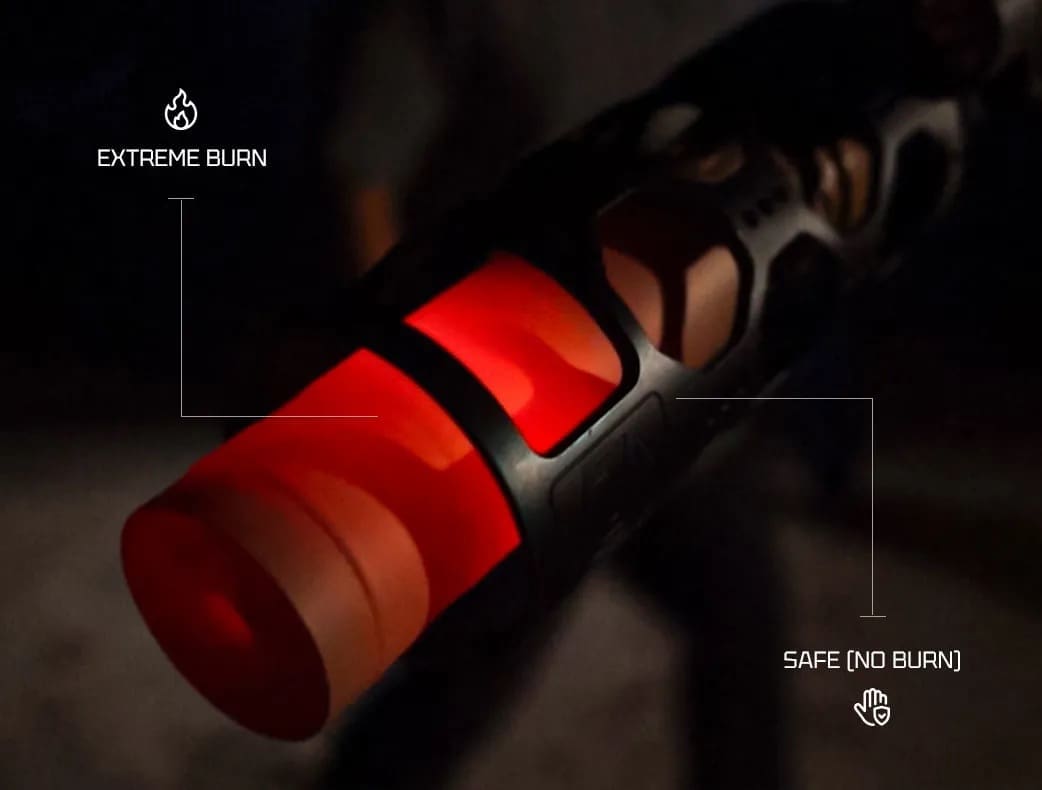
It’s engineered to provide effective burn protection while allowing airflow to help cool the suppressor during use. The system is modular and cross-compatible, with mounting options for QD, thread-on, and HUB-style suppressors.

It also accepts interchangeable shrouds of different lengths, giving users the flexibility to tailor coverage to their specific setup.

guntology.com