Phantom Lights

Author Archive

Gentex Introduces Argonaut Ground Crew Headset to European Market At SAFE Europe

Wednesday, April 6th, 2016

JSF-Based design supports the most extreme noise environments

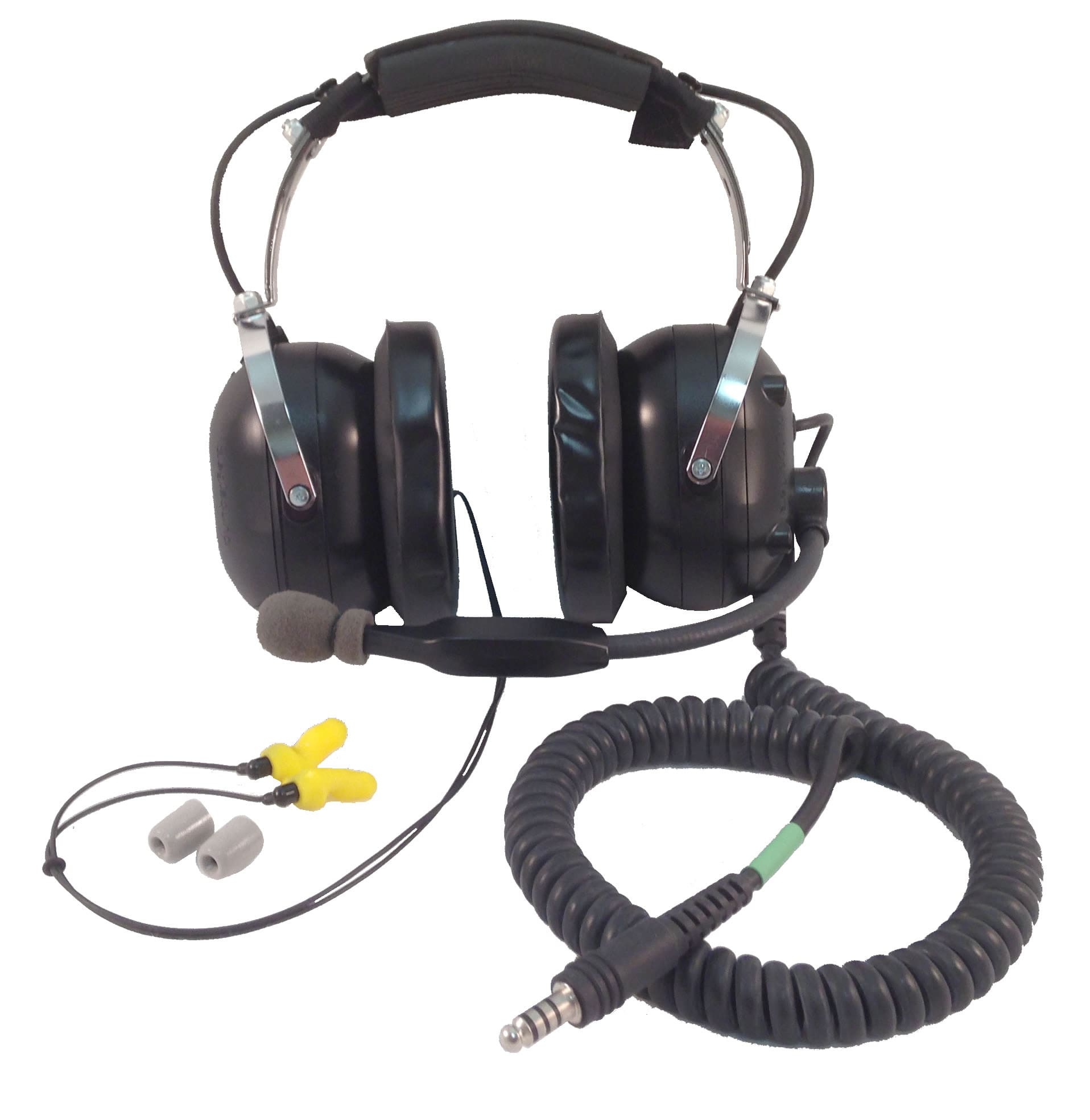
Carbondale, PA, April 05, 2016. Gentex Corporation, a global leader in personal protection and situational awareness solutions for defense, emergency response and industrial personnel will introduce its Argonaut double hearing protection (DHP) communications headset to the European market at this year’s SAFE Europe Symposium. Based on the design of the ground crew headset Gentex developed for the U.S. F-35 Joint Strike Fighter (JSF) program, the Argonaut DHP headset is designed for use in other harsh military and industrial noise fields.

Argonaut-DHP

The Argonaut DHP communication headset is a product of Gentex’s recent acquisition, Aegisound, an established provider of products that significantly improve hearing protection, safety and communications in high-noise environments. In addition to the expansion of their aircrew product line, the acquisition also increased Gentex’s contribution to the JSF program. Gentex now provides protective hearing and communication products to JSF ground crew, in addition to the JSF aircrew helmet system platform and respiratory protection system, on which there will be a technical presentation during the symposium.

“The introduction of the Argonaut DHP communication headset to the European market demonstrates how the addition of Aegisound has strengthened our hearing and communications offering and allowed us to further expand in this category internationally,” said Robert McCay, vice president, Aircrew Systems, Gentex Corporation. “We’re excited to demonstrate the Argonaut headset at SAFE, and honored to have been chosen to provide our expertise during the symposium on the latest in aircrew helmet system technology, as demonstrated through our work on the JSF program.” Product experts from Gentex Corporation will lead the presentation “Protecting the F-35’s Most Valuable Asset,” scheduled on Wednesday, April 13th at 1:30 pm.

The Argonaut DHP headset is appropriate for noise fields up to 130 decibels and features a digital noise cancelling microphone, and high-performance earcups with integrated communication earplugs that yield a 32 noise reduction rating (NRR).

Gentex is the leading supplier of high-performance flight equipment for military, law enforcement, and rescue aircrew worldwide. Their comprehensive line of durable and innovative products for fixed and rotary wing aircrew includes: modular, integrated helmet systems; protective visors and spectacles; high-altitude oxygen breathing equipment; communication and hearing protection systems; chemical/biological defense respirators for fixed-wing aircraft; aircrew flight equipment test sets; and a full suite of accessories. Gentex also offers aircrew flight equipment servicing, fitting, and operations/maintenance training. A global network, with expanding services in the U.K., supports the company’s aircrew customers.

SAFE Europe takes place April 11th through the 13th in Old Windsor, U.K. Gentex Corporation is located at stand number 4. Product experts and executives from Gentex will be on hand to meet with customers and media throughout the show. To attend the Gentex presentation on JSF helmet and respiratory protection system technology, please visit the SAFE Europe Symposium website. For more information on the Gentex Aircrew portfolio, visit www.gentexcorp.com/aircrew.

High Angle Solutions – CTOMS – K3 Tether

Wednesday, April 6th, 2016

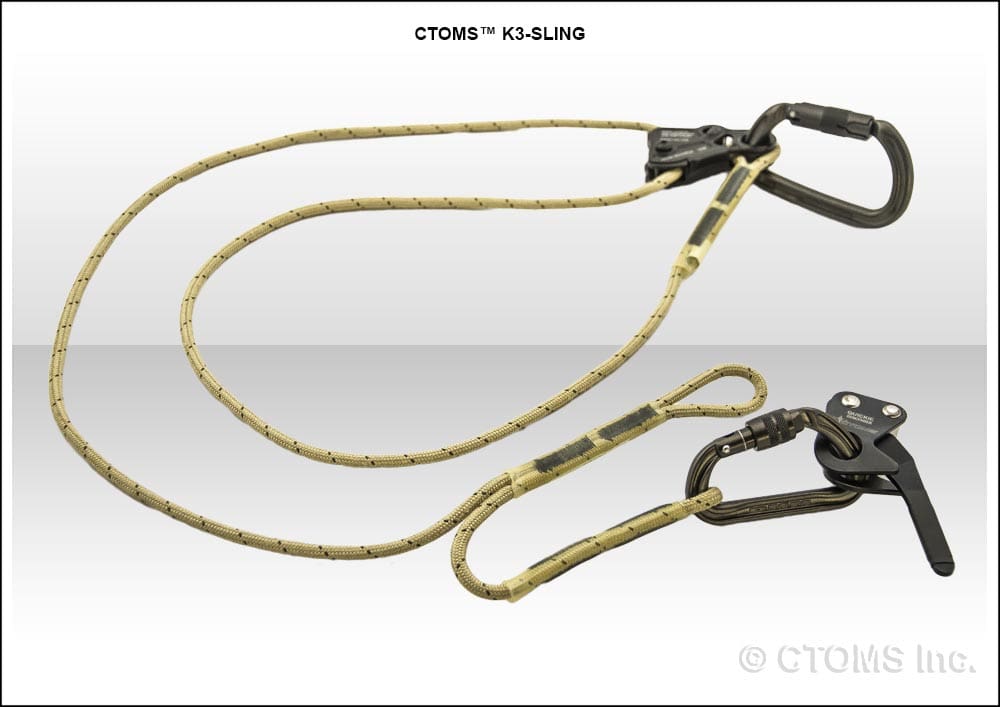
CTOMS K3-Sling Alternative Configuration

K3 Tether

Sometimes the simple products are more complex than you think. Retention lanyards are an example. CTOMS performed testing on a typical helicopter retention lanyard (brand name withheld though many brands have very similar design and construction) – the type made of 1” tubular nylon with shock cord inserted into the core. The intent of the shock cord is to slightly shorten the tether to manage its length but provide stretch to a longer length for functional range.

100kg (225 lb.) test mass

Fall Factor 1.0: 10.2kN (2293 lbf)

Fall Factor 2.0: 13.2kN (2967.5 lbf) Failed

Traditional Tether from Chris Kopp on Vimeo.

FullSizeRender-2

At the same time CTOMS tested their K2-Sling adjustable retention lanyard. It is a basic design of 8mm accessory cord with sewn terminations, a connector at each end, and a 6mm sewn loop attached to the 8mm with a 4 wrap Prusik. That loop is then Cat’s Paw’d onto a quick release marine shackle. The design allows for tether length adjustment and also release from the system under load in a two part disconnect that prevent inadvertent release of a sole marine shackle attachment.

100kg (225 lb.) test mass

FF2.0: 13.5kN (3035 lbf) caught load

K2 Tether from Chris Kopp on Vimeo.

A high peak force, but at least still retained.

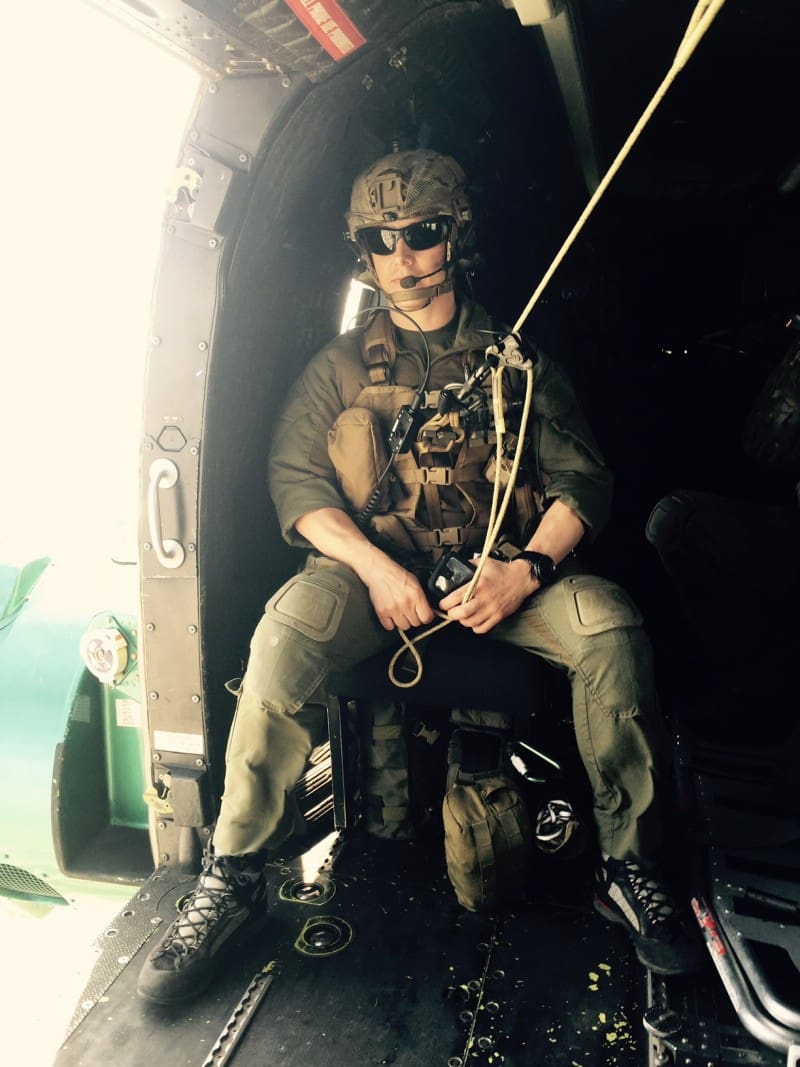
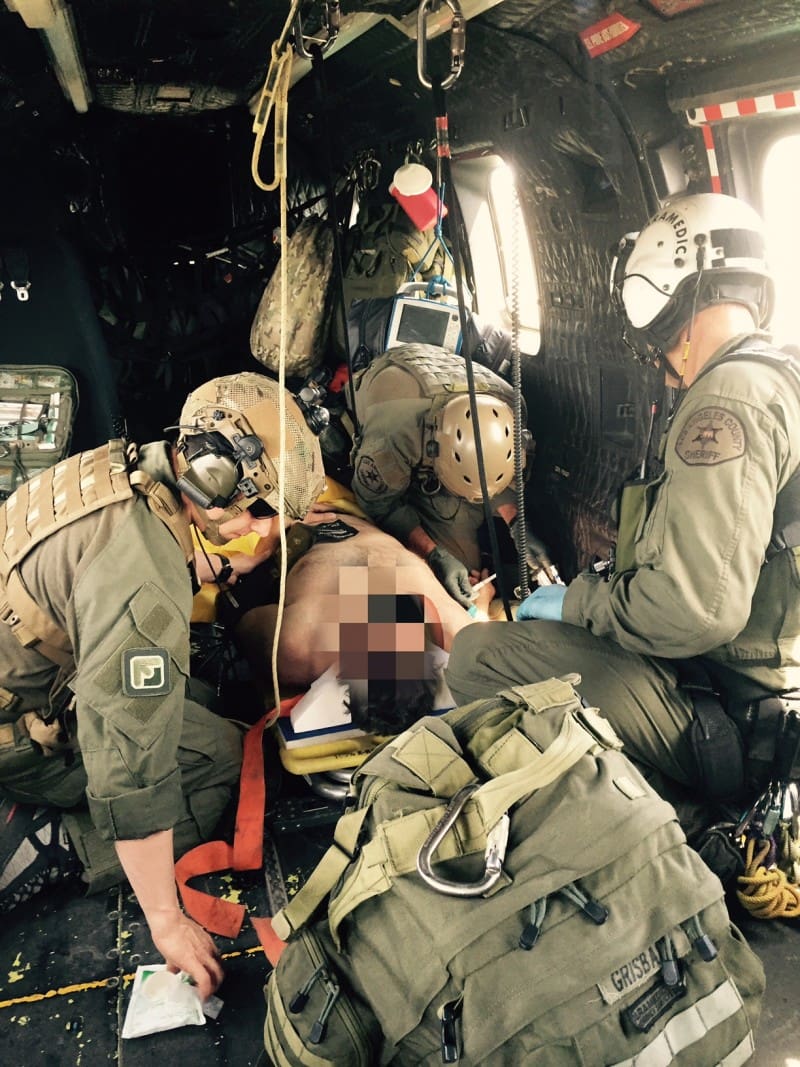
K2 and K3 in use

The next generation retention lanyard incorporates TRACE Systems force limiting technology. The new K3 Tether is made of 6mm TRACE Systems Rope and incorporates a Quickie Ascender (QA) for length adjustment. The long leg is 2 meters long, which means at maximum reach for most people, there will still be adequate slack to allow slippage through the device to arrest a fall. The K3 has been designed for both helicopter retention and mountaineering retention. It can be configured so that the adjustment (QA) is at the harness (usually helicopter) or at the anchor end (usually mountaineering).

The lanyard has a long leg and a short leg. The long leg is for personal retention and connection to an anchor, and when mountaineering, the short leg is to connect the rappel device to. The large loop would normally be girth hitched to the harness. When climbing with TRACE Systems, the short leg also is where the belay device would be connected providing a slight extension, which is ideal in that unique circumstance. A set of ettriers can also be hung on the tether carabiner and either as a single or a pair, is an excellent adjustable daisy chain for aid climbing.

In helicopter retention mode, the K3 would normally be flipped, connecting the adjustment end (QA) to your harness, and the “Y” end loop and short leg to a connector then to the aircraft. This ensures adjustment is always in reach.

The best part of the K3 is the soft catch of a major fall and slippage of rope through the device of under 1 meter. While the test videos are not in actual tether configuration, the adaptation is practically seamless.

100kg (225 lb.) test mass

FF2.0: 3.7kN caught load

QA Fall Factor 2 from Chris Kopp on Vimeo.

Drop tests on actual tethers are planned soon and once all is good and verified, the K3 will become commercially available.

ctoms.ca

High Angle Solutions is a weekly feature by DMM, CTOMS, and Atlas Devices.

Federal American Eagle Introduces Revolutionary Syntech Range Ammunition 

Tuesday, April 5th, 2016

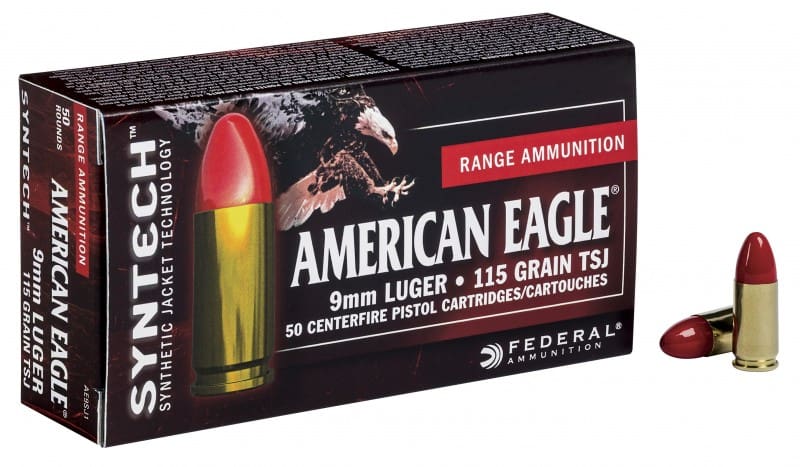
FP_AE_AE9SJ1_9mmLuger115grTSJ_lg

ANOKA, Minnesota – April 04, 2016 – Federal Ammunition is pleased to announce a whole new concept for range ammunition with introduction of American Eagle Syntech: A smoother way to shoot. Shipments of this new product are now being delivered to dealers.

American Eagle Syntech is the first range-specific ammunition designed to reduce fouling and extend barrel life with a high-tech polymer bullet coating. Combined with specialized clean-burning powders, your gun will stay cleaner, longer, so you can shoot more—and shoot better. The exclusive Catalyst™ primer provides the most reliable, consistent ignition possible. The Syntech system offers target shooters the most advanced range ammunition available and the perfect way for handgun owners to protect their investment from the inside out.

Features & Benefits
• Polymer-encapsulated Syntech bullet prevents metal-on-metal contact in the bore, eliminating copper and lead fouling, while extending barrel life
• Exclusive primer formulation provides reliable, consistent ignition
• Clean-burning propellants minimize residue and fouling
• Significantly reduces the required frequency of cleaning
• Absence of a copper jacket minimizes splash-back on steel targets, perfect for target practice or competition
• Less perceived recoil

Part No. / Description / MSRP
AE9SJ1 / American Eagle Syntech; 9mm Luger 115 grain / $19.95
AE40SJ1 / American Eagle Syntech; 40 S&W 165 grain / $26.95
AE45SJ1 / American Eagle Syntech; 45 Auto 230 grain / $33.95

Federal Premium is a brand of Vista Outdoor Inc., an outdoor sports and recreation company. For more information on Federal Premium, go to www.federalpremium.com.

SKD Tactical – Exclusive RE Factor Tactical Blasting Cap In Woodland

Tuesday, April 5th, 2016

blastingcap

SKD Tactical is offering RE Factor’s Tactical Blasting Cap in an exclusive Woodland colorway. The Blasting Cap is built on a FlexFit, mesh-backed platform, with two 3.5″x 2″ Velcro panels on the back and front for ID or morale patches. The top of the cap has a 1″ x 1″ Velcro square panel for an IR patch, and the inside of the cap also has a 1″ x 1″ Velcro square panel for storing an IR patch when not in use. Additionally, the Blasting Cap also features a bright VF-17 interior panel and the RE Factors of various explosives printed on the inside tape.

www.skdtac.com/RE-Factor-Tactical-Blasting-Cap-Tan-p/ret.101

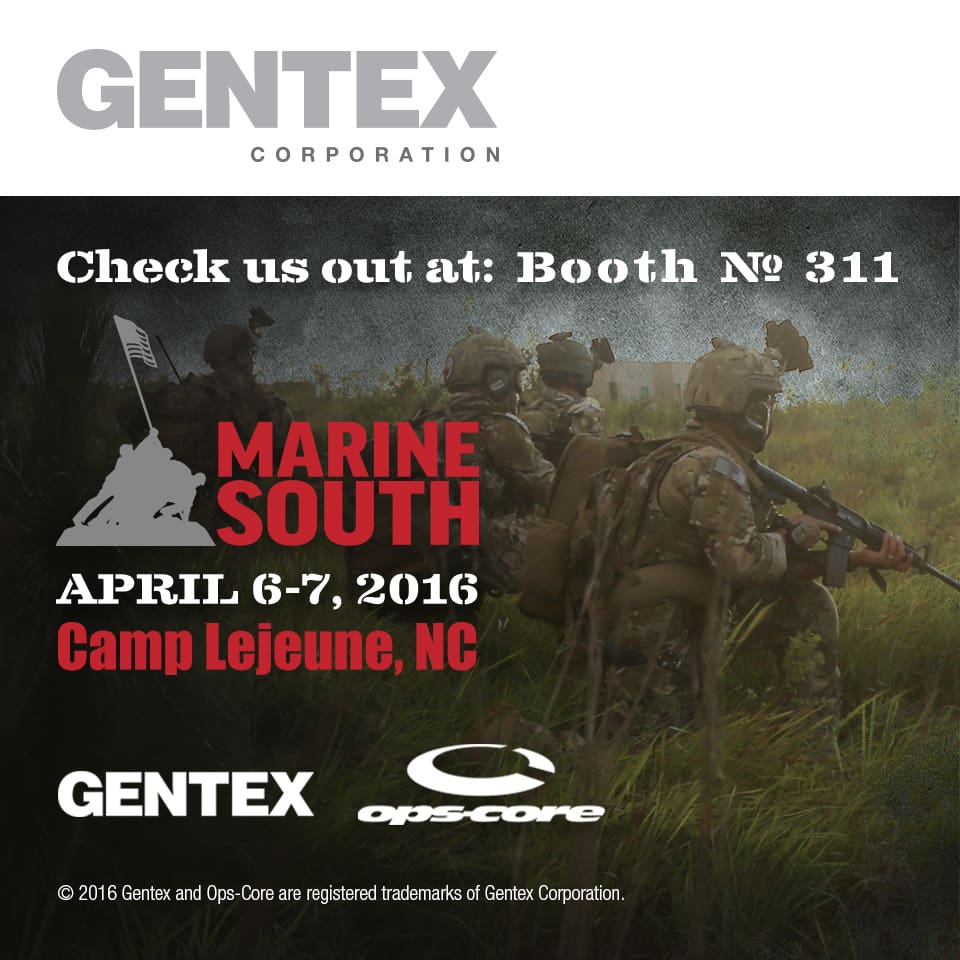
Visit Gentex At Marine South 2016

Monday, April 4th, 2016

Gentexmarinesouth

London Bridge Trading Expands Their Line Of K9 Gear

Monday, April 4th, 2016

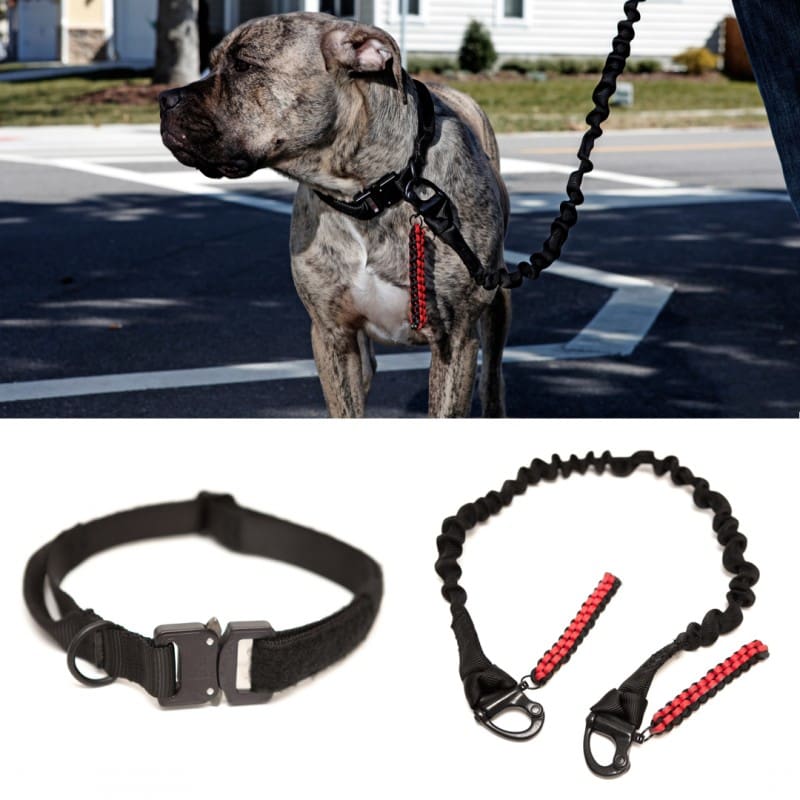
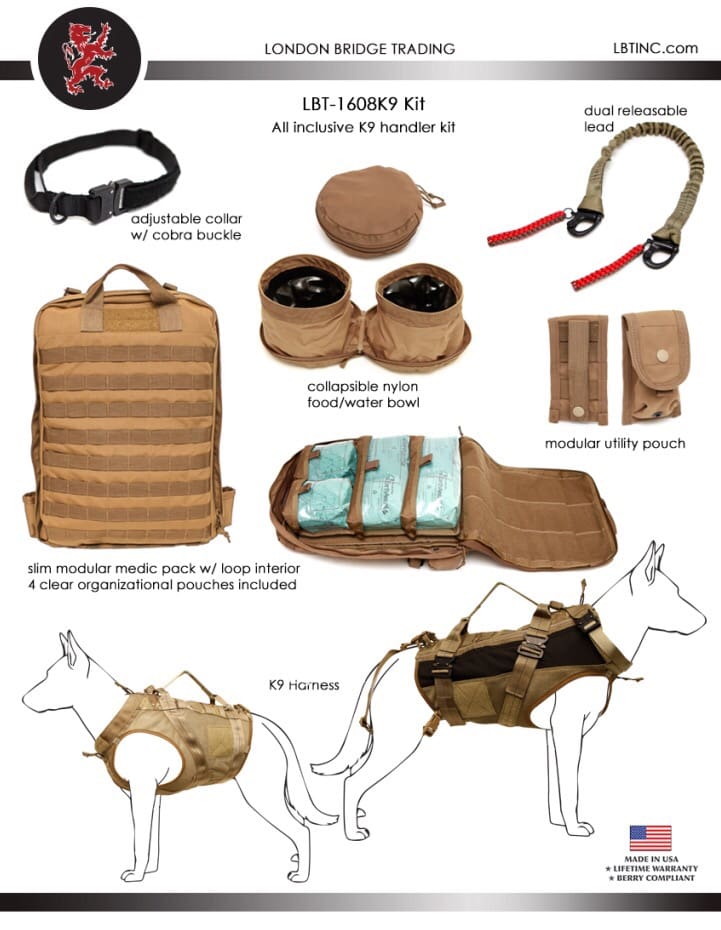
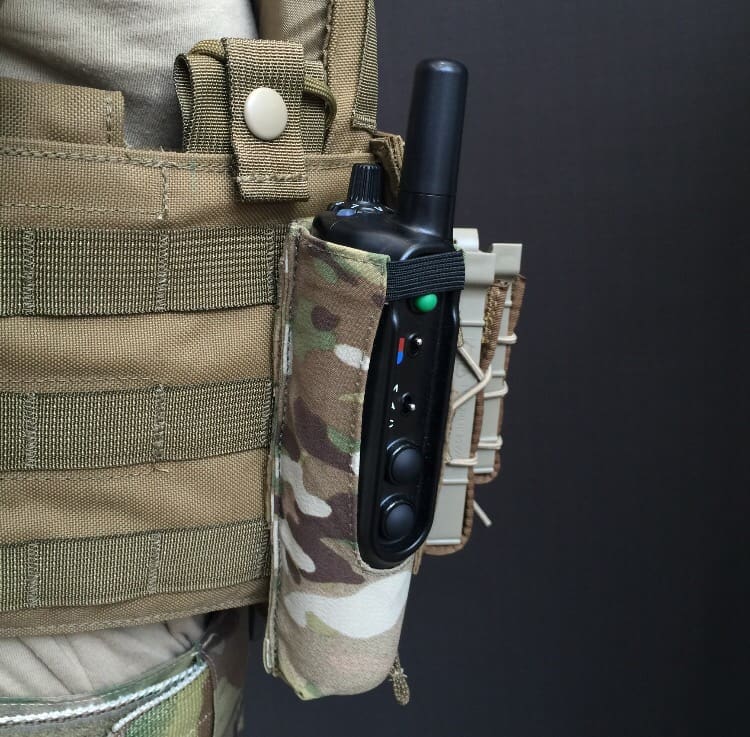
LBTINC is expanding on their K9 offerings at LBTINC.com with a collar (available now), leash (available now), and collapsible dog bowl (in the works). 

RVCA iG

Over the past two years the all inclusive K9 kit has been vetted and run by several groups in the SOF and MWD communities.


On a recent visit I noticed the integration of the Garmin Tri-Tronics 550 unit with the collar and a simplistic MOLLE pouch for the Garmin remote, the two items are prototypes in testing and they look forward to releasing them along with a few more pieces later this year that will be both beneficial for the K9 and its handler.

  
lbtinc.com/k9

After Action Report – LROC 2016

Monday, April 4th, 2016

By Roy Lin

wo_m1349

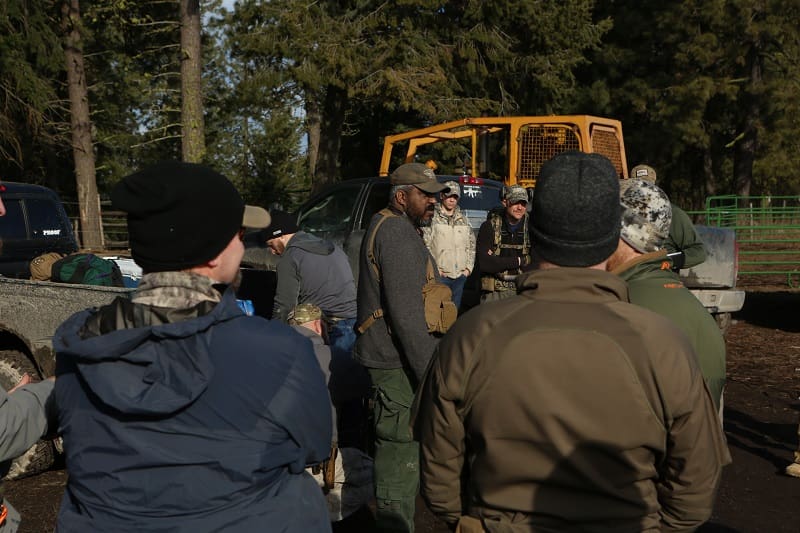
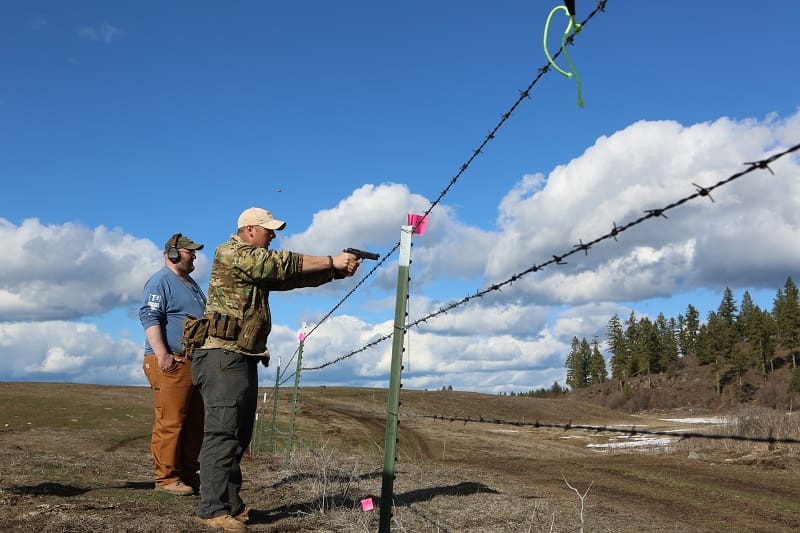
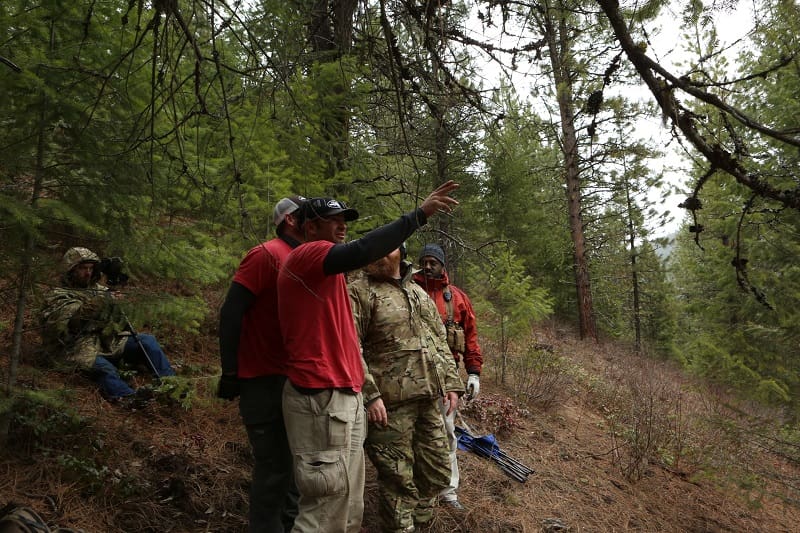
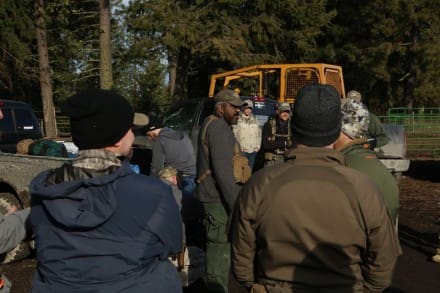
The Long Range Operator Challenge (LROC) is a match held in the northeastern corner of Washington State that has the very specific mission of bridging the divide between the military and civilian long range shooting communities. In doing so, match organizers hope that active duty military teams and snipers can learn and benefit from the experience of retired military snipers and instructors as well as talented civilian long range marksmanship enthusiasts in open competition. The 2016 LROC marks the third year of this unique competition’s existence, and it has grown every year since inception.
wo_m1352

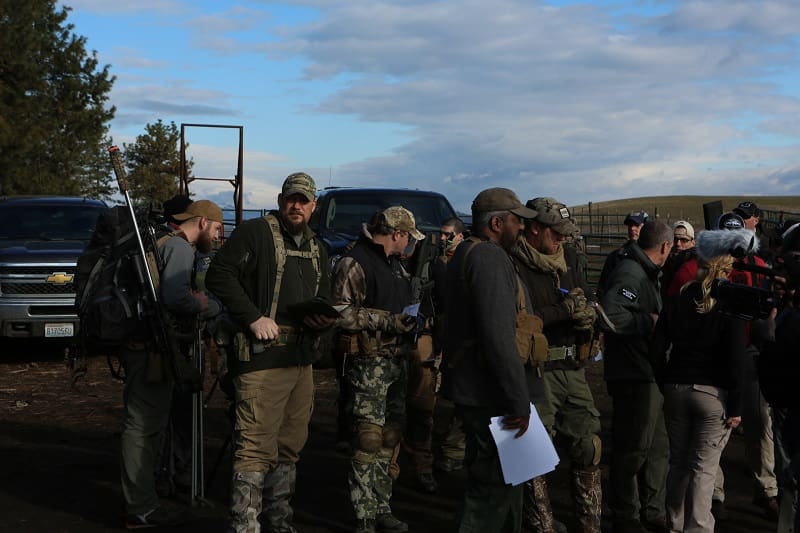
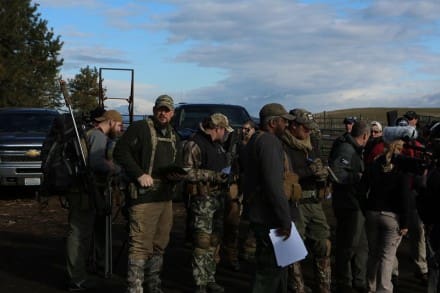
In order to accomplish its specific mission, the LROC has two distinct components: a pre-competition train up with retired operational military snipers and instructors working with active duty military personnel, followed by a competition open to all experienced long range riflemen. For 2016, the LROC had Army snipers from Alaska, Hawaii and Washington in attendance, as well as a strong civilian showing of long range enthusiasts, including the cast and crew of the long range marksmanship themed TV show “Long Range Reality”.
wo_m1422

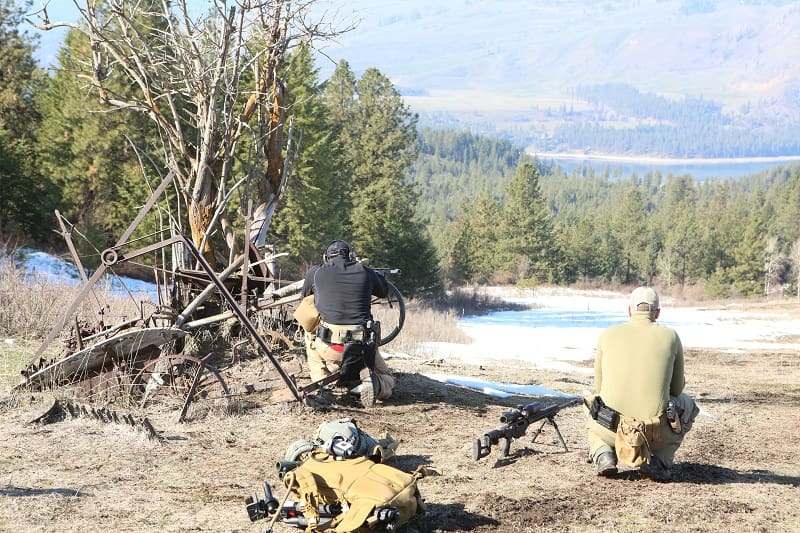
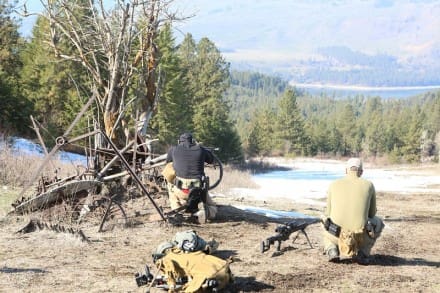
Unlike previous years, the weather was a bit more forgiving, if just on the first day. Unseasonably warm and sunny weather cut down on the physical and mental strain during the first half of competition. Unfortunately, the unusual warmth resulted in large shifts in the snow pack which caused some problems with targets and equipment set up weeks before in depths of winter. Match organizers did their best to keep stages consistent for all competitors, and one stage was later cut from the match due to shifting conditions. The first day had the most movement and land navigation, with teams crossing varied terrain with mild elevation changes between stages. The trails cut through a few remaining snow fields, and a lot of mud. Unlike previous years, teams did not have to hike to the top of the mountain and face extreme elevation change, but the distances covered between the stages a bit greater than before. By the second day though, the challenging wet and cold weather of the pacific northwest returned for the mountainous stages which mostly had shooting from awkward and elevated positions, but distances between stages were a lot more forgiving.
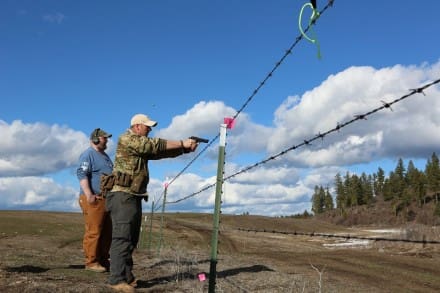
wo_m1603

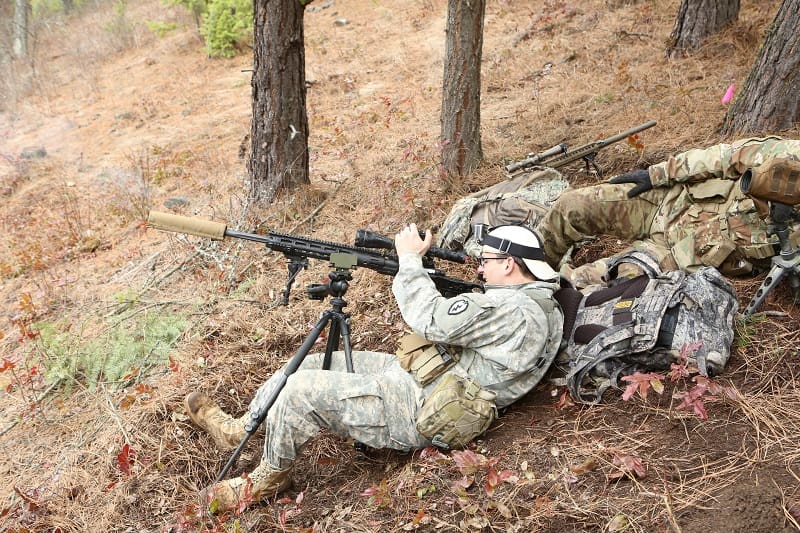
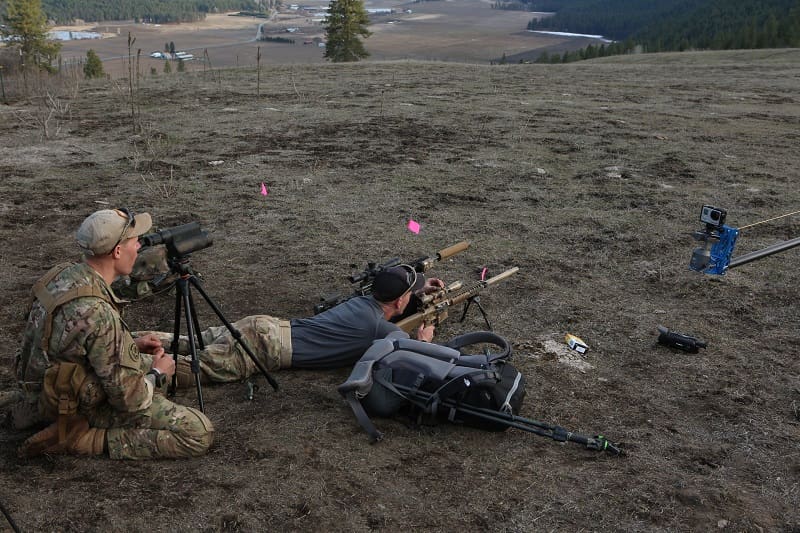
Aside from the physical challenge, stages were all timed, with target observation varying from range officers pointing targets out to the shooters, to only giving shooters azimuths. The challenge of spotting targets at unknown distances, ranging, and engaging them was definitely very real as there were some targets that many teams burned a lot of time trying to spot. Typical stages on day one would be 8-10 minutes long, with teams being given target azimuths from firing positions, required teams locate, range, and engage targets within that time frame using the equipment the carried. The mental pressure of a ticking clock, and the need to get both shooters to engage targets was sufficient enough to cause issues for nearly every team: hard to stay steady and search for a target when you know every second you spend not finding the target is a second spent not ranging or even engaging a target. Adding to the challenge, stages with awkward positions required to see and hit targets quickly exposed lack of the sufficient equipment for some teams: shooting sticks, packs, bipods, tripods, and teammate’s shoulders were all employed with regularity in the stages.

At the LROC, there were many experienced civilian and military long range shooters on had acting as range officers and support staff. One keen observation from a young army sniper turned Designated Marksman was that it was fairly easy to tell between the active duty Army teams which teams were comprised of Sniper School graduates and which weren’t. The primary distinguishing factor was not marksmanship or gear but rather, mindset and communication ability. Trained teams were more fluid in working together in achieving goals cohesively, as well as working together in all aspects of target engagement, from locating, ranging, to engaging. I will say that the Army teams comprised of shooter who had not yet gone to Sniper School were also, very effective in their efforts by my eye, though the difference in fluidity was great enough for ranger officers with operational sniper backgrounds to note them.

After two days of competition, the final results were as follow:

Army veterans Michael Furrer (father of Olympic Marksman Amanda Furrer) and Clint Sharp took 1st place, and graciously donated thousands of dollars worth in prize table winnings to one of the competing Army sniper teams. Carl Taylor and Brent Webley, a civilian team took second place and donated their winnings to another Army team, and third place match winners Ron Sinnema and Lucas Beitner also donated their prizes to yet another Army team. The highest ranking military team was that of Matt and John from the 3rd Battalion 21st Infantry out of Ft Wainwright Alaska, congratulations on your excellent work!

Analyzing final match scores, it is fairly clear that the civilian teams excelled in this match, with the top 10 (out of 25) scoring teams all being civilian teams. However, the military teams, who were trained up before the match in the latest TTPs in engaging moving targets from Joint Sniper Performance Improvement Methodology (JSniPIM) were able to more effectively engage moving targets on the stages using moving targets from InMotion Targets. The consistent speed of the InMotion targets during training and competition allowed for quick learning for all parties as the consistent speed removed one more calculation from engagement.

The main thing I took away from the LROC is that civilian hobbyists and professionals who take the pursuit of long range seriously practice their craft frequently, obsessively, and extract every single possible advantage they can in the pursuit of ballistic excellence. In effect, with a singular desire driven by pursuit of excellence, civilian marksmen are developing technologies in software and hardware which can be of use to military marksmen who operate in a much different realm. While the heat and pressure of competition can never compare to the demands of the battlefield, techniques developed in competition to cope with limited time and increased pressure can benefit military marksmen quite easily. Further more, the raw pursuit of external ballistics in load development, projectile development, and internal ballistics has a direct crossover to military applications.

The Long Range Operator Challenge is a unique, focused competitive event put on by qualified staff and instructors in a fairly remote part of the United States of America. I would recommend it fully, to organizations, units, and individuals with the desire to test and expand their knowledge and capabilities in the pursuit of long range marksmanship.


Terry Baldwin – 5th Group Reflashing Ceremony

Monday, April 4th, 2016

flash

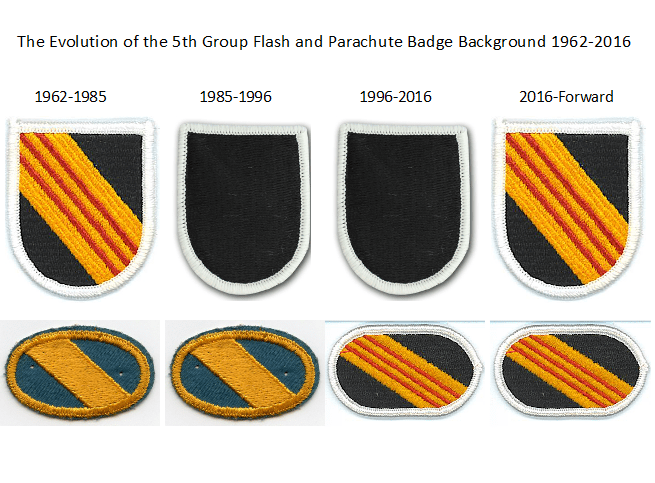
The 5th Group Flash in Vietnam overlaid multiple bands in the colors of the flag of South Vietnam on the existing Group flash. And the gold and red stripes also acknowledged 1st and 7th Group augmentation in the first years of the mission in country. Although in practice those non-5th Group TDY teams tended to wear their parent Group’s flashes. The primary intent was that the modification of the black with white trim Group flash showed solidarity with our South Vietnamese partners. Of course that was also during a time when we actually made a point of wearing berets in the field. In other words it was a mission specific change to the flash and was clearly meant to apply only to ongoing operations in Vietnam.

Technically the Group flash should have reverted to the pre-war design after the Group’s colors returned to Fort Bragg in 1971. However, after ten years of war, the Vietnam version of the flash WAS the 5th Group flash to members of the Group who had served there. Most had never worn the original flash. They had lost buddies and fought and bled wearing the flash with the gold and red stripes and that was their flash. And there is a strong and abiding desire from those veterans to preserve that heritage. I have always respected that. So at that point the purpose of the stripes changed…forever. It wasn’t about the mission in Vietnam anymore. The stripes had become in essence a “battle streamer” commemorating the Group’s service and sacrifice in that war. That service included 786 honored dead; many times that number wounded; thirty Medals of Honor and hundreds of other medals for valor. A proud record by every measure.

In 1985 the Group leadership decided to do what had not been done in 1971 and return the Group’s flash to the earlier configuration. There was logic to their decision. The stripes had not originally been meant to be a permanent modification. The Group’s area of orientation had changed and the country of South Vietnam no longer existed. And by that time, the majority of the Group’s members had never served in Vietnam. There was also some thought that the Group needed to close that chapter of its history and reinvent its self. Removing the stripes did not mean that the Group also discarded its storied Vietnam history. On the contrary, 5th Group has always held the heroes of that conflict in the highest esteem – but to some it certainly felt that way. So that decision remains divisive and deeply controversial to this day.

I grew up in 5th Group and spent many years there before and during GWOT. I got there after the transition back to the original flash. For me at least, and I’d say for most of us on duty at the time it seemed reasonable to retire the Vietnam flash and reclaim our original version. Frankly it wasn’t a topic of much discussion as I recall. That is not surprising. Just as most SF guys are not gun guys or gear guys, most are not history or heraldry buffs either. They’ll wear whatever flash they are authorized to wear with pride and not give it much additional thought. In that time we had plenty of work to do and there just wasn’t that much angst in the ranks about the change or the symbolism. Now after years and years of contingency operations and war most of the serving veterans today have lost buddies and fought and bled wearing the original black flash. It is indeed “my” 5th Group Flash. The one I went to war with and I suspect many of the current members of the Legion feel the same way. That sentiment is certainly deserving of respect as well.

In 1996 the Group leadership changed the background for the parachute badge worn on the dress uniform. Moving from the generic Special Forces gold and teal oval to a version that represented the Group flash of the Vietnam era; black with white border and the red and gold diagonal stripes (see photo). The intention had been to also change the flash back to the same configuration concurrently. But that was simply a political bridge too far at the time. But not anymore. The current Group leadership seized the opportunity facilitated in no small part because the current Army Chief of Staff, GEN Milley, is a former Team Leader in 5th Group. So last week (22, 23 March), I was one of many guests at the 5th Group Reflashing Ceremony held at Fort Campbell. It was a great ceremony. Joyful rather than solemn. A celebration and a rededication of the Group’s past, present and future in its entirety.



5th Group is still very busy. There is much work to be done so I doubt there will be much time for any angst in the ranks with this new change either. The ODA members that I spoke to in those two days seemed genuinely pleased with this particular transition. And why shouldn’t they be? Returning the Vietnam battle streamer to a position of prominence can only serve to enhance the historic symbolism of the Group flash. Nothing has been taken away from anyone and it disrespects no one. In my opinion it is an awesome privilege to carry all of those colors forward. An opportunity that I never had. A display of mutual and enduring respect for the contributions of all the veterans and current soldiers of the Legion. My congratulations to all the members of 5th Group past and present and best wishes to those who have the honor to still be serving. De Oppresso Liber!