You’ll be able to check out three Squatch Survival Gear during the upcoming Eurosatory exposition in Paris, June 13-17, 2022. They’ll be in the US Chamber of Commerce booth.
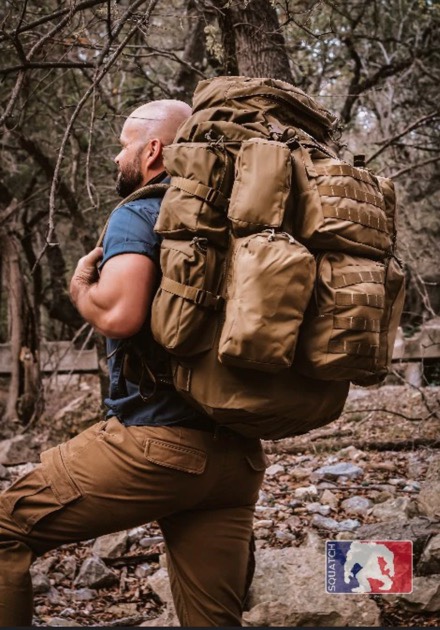
These include the Yowie, Kakamora, and Mothman.


You’ll be able to check out three Squatch Survival Gear during the upcoming Eurosatory exposition in Paris, June 13-17, 2022. They’ll be in the US Chamber of Commerce booth.
These include the Yowie, Kakamora, and Mothman.
< center >Minimalistic, High-Functioning Battle Belt
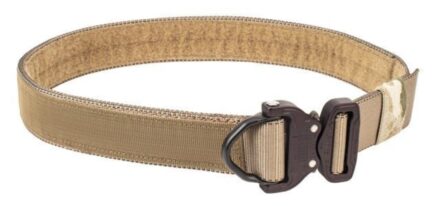
The Vertical Entry Belt is engineered for retention functions during specialized operations.
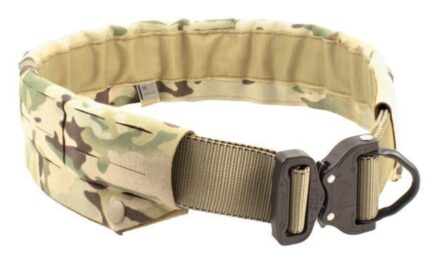
Paired with the Unpadded Assault Belt Sleeve in 6/12 (sold separately), this belt system accepts 6/12, 6/9 and MOLLE style pockets.
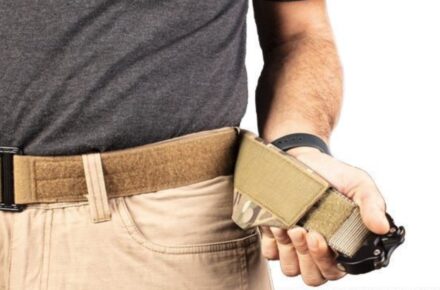
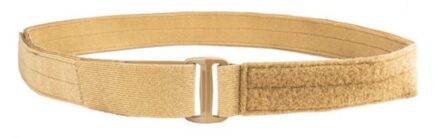
The paired Vertical Entry Belt and Unpadded Assault Belt Sleeve integrate seamlessly with the FirstSpear Base Belt Lite (sold separately). Using the Base Belt to secure the 6/12 Modular Over-flap provides enhanced contact against the body and eliminates the need for suspenders.
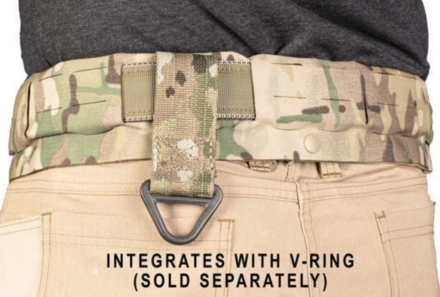
The Lanyard V-Ring is an ideal accessory to the Vertical Entry Belt, providing an additional attachment point.
Check out FirstSpear for these and many more products for America’s Warfighter.
Rheinmetall continues to expand its position as a leading systems supplier for 40mm weapon and ammunition systems. The Group’s South African subsidiary Rheinmetall Denel Munition has been awarded a framework contract by the Spanish armed forces for the supply of 40mm ammunition. The contract, which was awarded a few weeks ago, is for a period of four years. It provides for the supply of 40mm x 53 high velocity combat as well as training ammunition. A first call-off in the low single-digit million euro range has already been made. The first ammunition deliveries will start in 2022.
The delivery now ordered by Spain comprises 40mm x 53 high explosive (HE), high explosive dual purpose (HEDP) as well as training ammunition with and without tracer. It is intended for the SB-40 LAG and Mk 19 grenade machine guns. These are used by the army and also by the navy.
The 40×53 mm high velocity (HV) ammunition from Rheinmetall Denel Munition reaches a velocity of 240 m/s and has an effective range of 2,200 metres. The High Explosive Dual Purpose (HEDP) is a multi-purpose ammunition. On the one hand, it has a high fragmentation and shrapnel effect against soft targets, but as a shaped charge ammunition it can also be used against lightly armoured targets or fortified positions. It has a penetrating power of 50mm RHA (Rolled Homogenous Armour).
Rheinmetall’s product portfolio in 40mm calibre also includes 40x46mm Low Velocity and 40x51mm Medium Velocity ammunition for a wide range of applications. In addition, there are fire control systems as well as weapon systems for the grenade gunner.
For Rheinmetall Denel Munition, the framework contract is another sales success in a NATO country. It also confirms the Rheinmetall subsidiary’s competence as a systems house for indirect fire, offering innovative and reliable solutions based on technologies developed in-house.
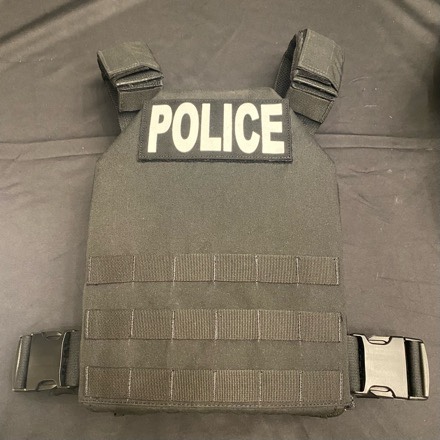
TYR Tactical has developed a basic plate carrier kit which includes this carrier and their HA/30102 Plate. The plate weighs 1.5 kg / 3.31 lbs and is NIJ 0101.06 Level III stand alone certified.
Expedition Grade, Field Short for All Terrains in Amphibious Ripstop Nylon
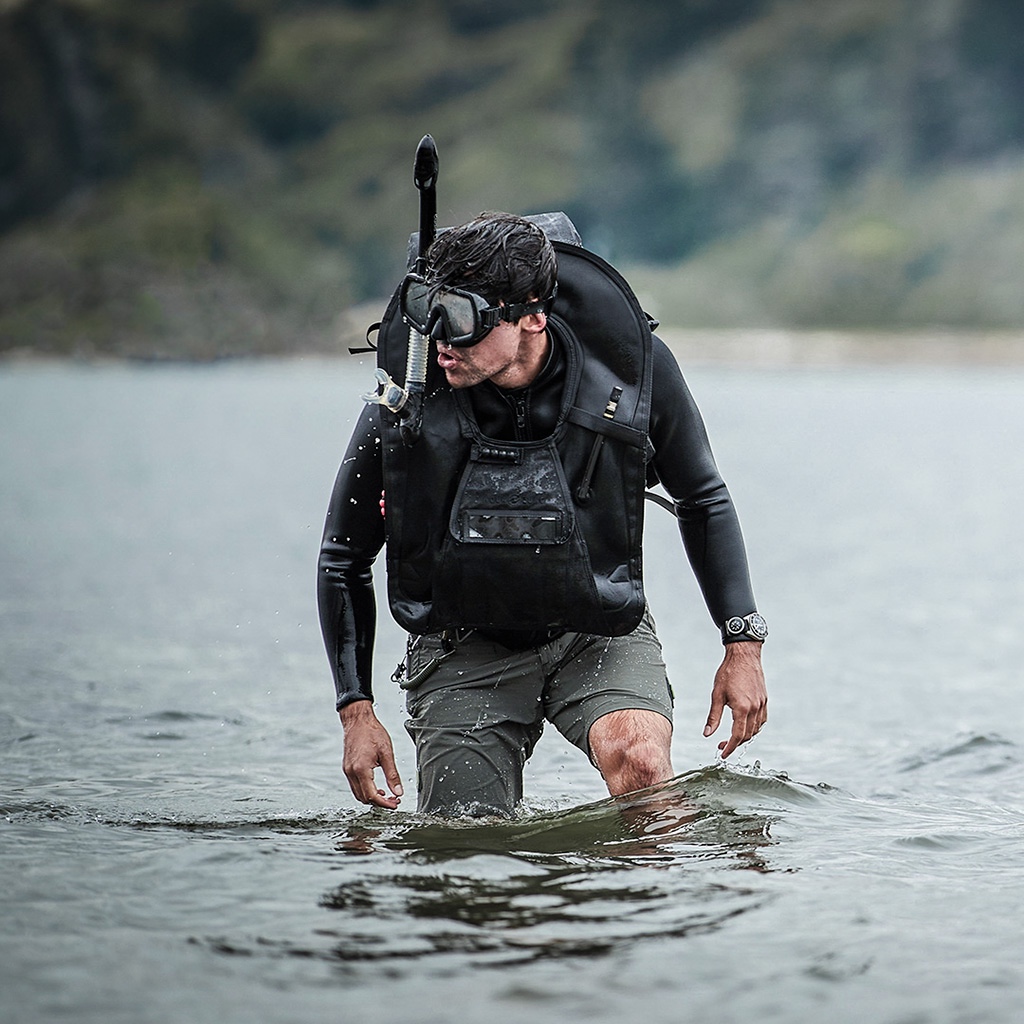
Prometheus Design Werx launches their popular Raider Field Short in TRS for Summer 2022. An expedition grade field short designed for rigorous and protracted all terrain adventures and exploration. Constructed in their 6.13oz, technical, 4-way stretch Technical Ripstop nylon with a quick-dry and DWR finish for durable wear on land or in the sea. A total of 11 pockets to stash and organize as little or as many EDC items as the user needs. Pocket Clip Docks™, quad no-twist custom made Delta-Rings for keychain-carabiner clip points, double reinforced seat, and a Hide-Away waistband pocket round out these shorts’ features. Produced with industrial grade triple needle stitching on all major seams and expertly made in California, USA.
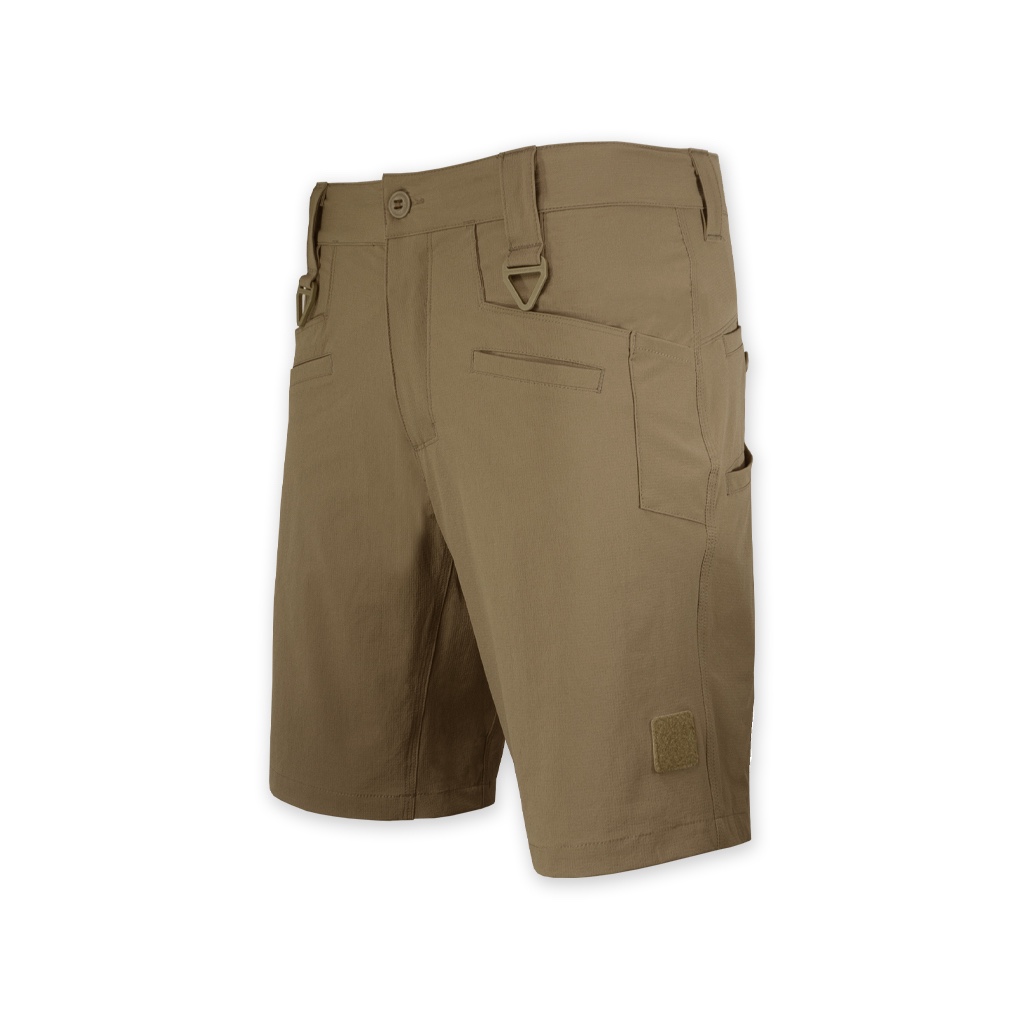
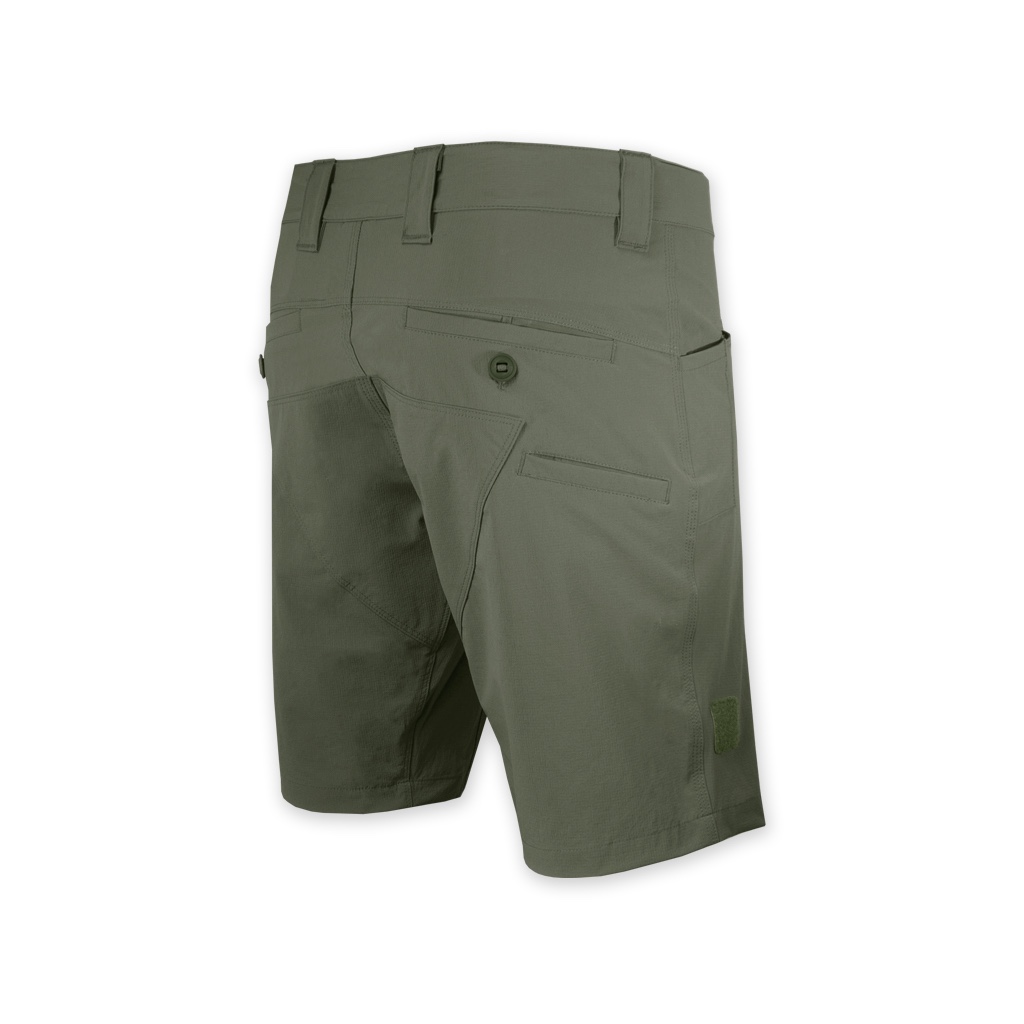
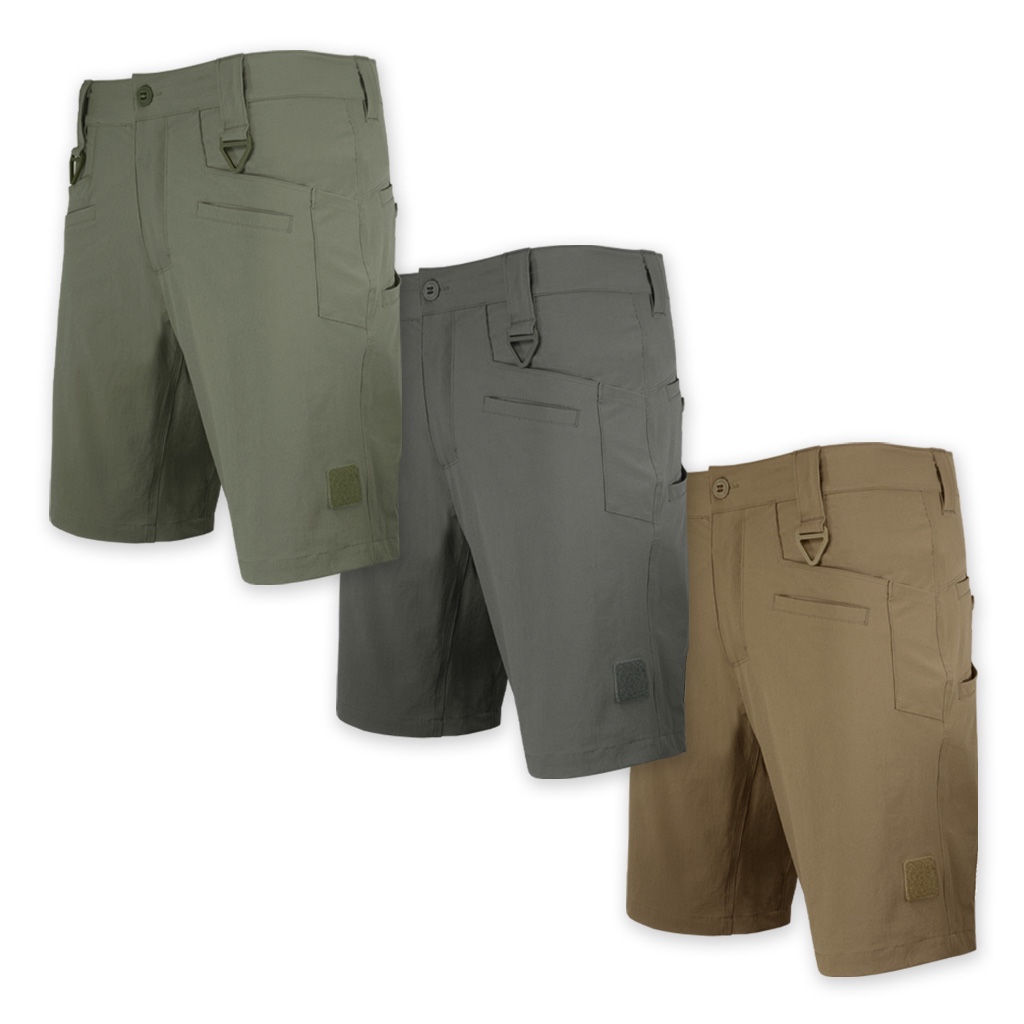
The Raider Field Short TRS by Prometheus Design Werx will be available in Transitional Field Green, Universal Field Gray and All Terrain Brown.
The Design and R&D Team at PDW states:
“Our TRS cloth has proven to be one of our most popular fabrics or all-season wear, but in particular, during warm to hot weather months. The well-balanced combination of weight, stretch, quick drying properties, and durability makes the TRS cloth almost a winner in the field. It was a forgone conclusion that our best-selling Raider Short was next in line to use our TRS material. A bomber, purpose driven style, rugged build, and made to last season after season. Unlike much of the garment industry, we make our goods to last and perform longer. On average most of our customers will wear and use our apparel styles for 5 years or more before wearing them out. Trends come and go, but expertly made, functional designs have staying power and stamina. Our Raider Field Short TRS is as versatile as the adventurer who wears them. From packrafting, overlanding, backpacking, jungle trekking to trying out a new rum at your favorite tiki bar, these shorts have you covered.”
The Raider Field Short TRS is available for $123.00 via their website, prometheusdesignwerx.com.
Hudson Supplies offers the Fastmag Gen III family of magazine carriers and recently came up with a flap add-on at the request of customers in Canada for additional retention and protection of magazines from the elements.
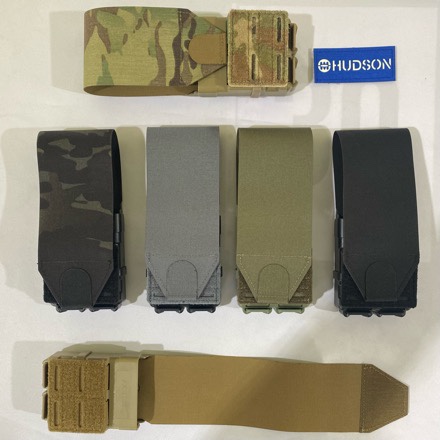
Made from laser cut laminate it is simple to mount to the Fastmag.
Hudson Supplies products can be procured by agencies, departments, and units in Canada from Rampart International.
The biggest booth at Range Day was Rampart’s own. They show solutions which don’t have reps on hand.
XION
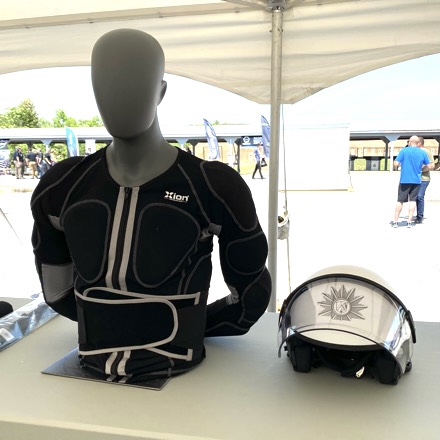
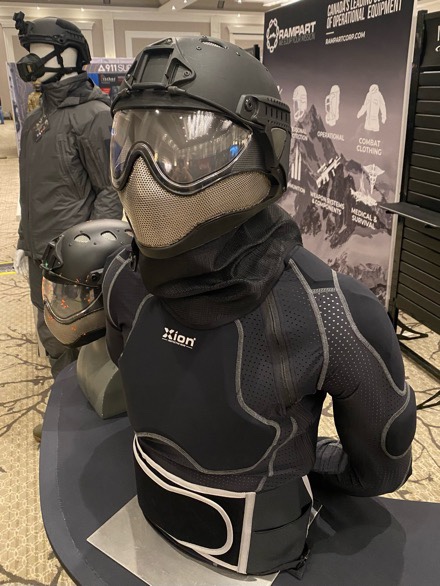
XION is an impact resistant garment which can be worn under traditional police uniforms offering discreet protection.
Warq
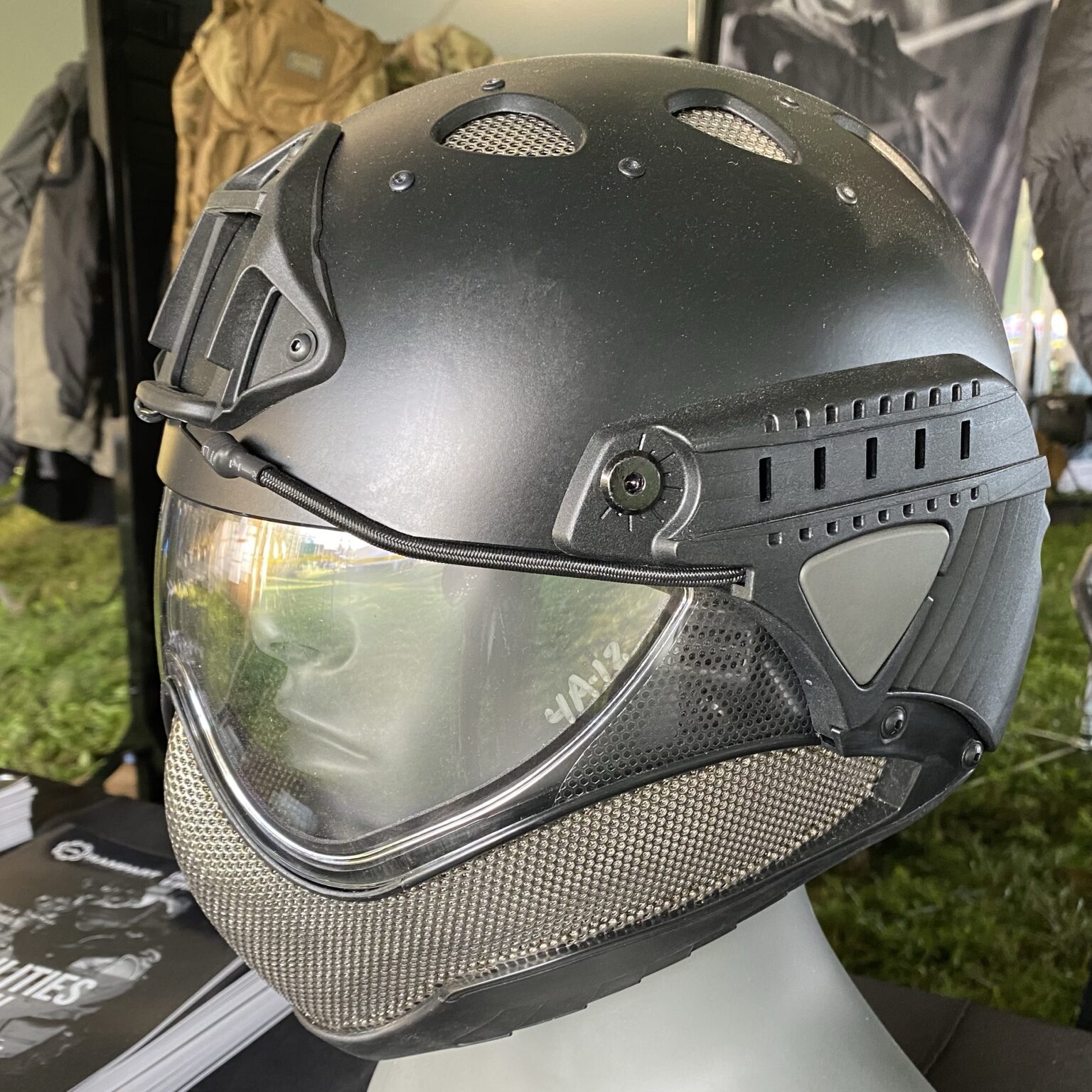
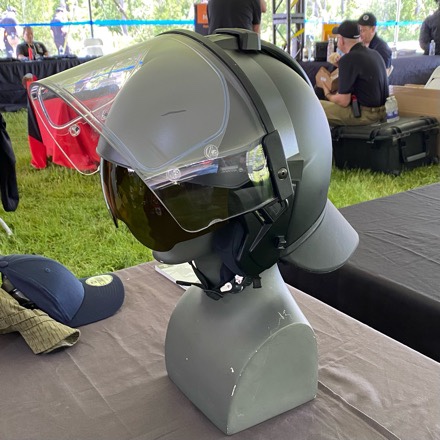
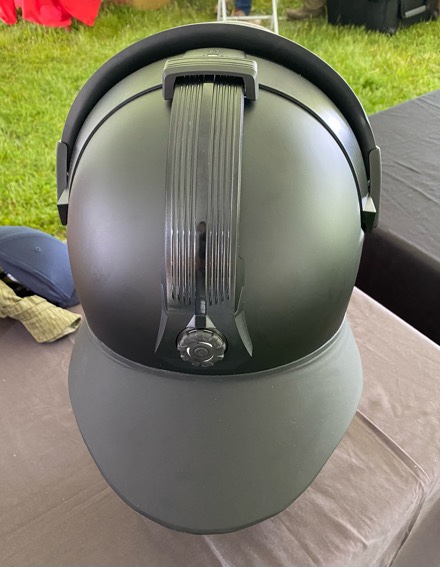
The Warq Pro helmet is designed for use with Simuntions. The integrated visor is Anti-fog and offers 210 deg FOV. For added training value, you’ll find a Wilcox NOD Mount and rails. One size fits most.
Schuberth
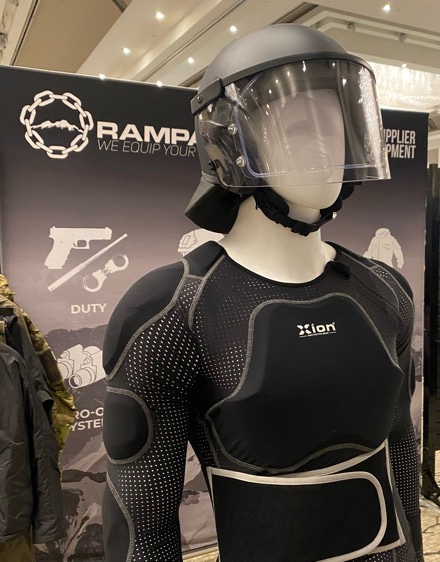
The Schuberth P100 has become go-to riot helmet for police in Europe. offered in several versions, these include the P100N LPA which incorporates and adjustable liner and laser eye protection.
Aimpoint
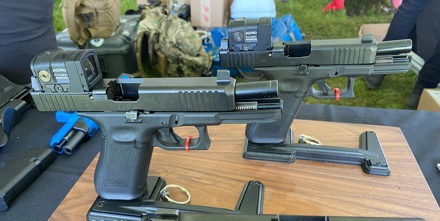
Rampart offers the ACRO P-2. It incorporates a 3.5 MOA dot with 4 night vision compatible settings and 6 daylight settings for over 50,000 hours (over 5 years) of constant operation.
Carinthia
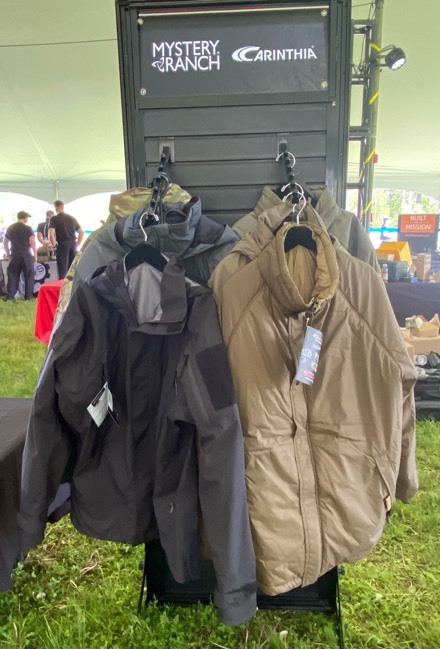
Based in Austria, Carinthia makes great clothing, sleep and shelter systems. They use GORE-TEX and their own proprietary insulation called G-Loft.
All of these products can be procured by agencies, departments, and units in Canada from Rampart International.
CANSEC Canada’s Global Defence and Security trade show 2022 is taking place in Ottawa from 1-2 June. Rheinmetall will be on-site (indoor booth #1121 and outdoor space #3021) showcasing some of its most recent and innovative technologies aimed at providing the Canadian Armed Forces with the edge they need to assure successful outcomes in multidimensional, current and future operating environments.
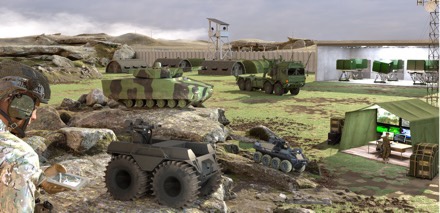
Again this year, numerous Rheinmetall products will be on display at Canada’s largest and most important defence industry event:
OSIRIS simulation system: Thanks to the system, commanders and staff officers of military formations and units can conduct exercises at the tactical, operational and strategic level in a realistic operating environment. This system forms part of the Canadian Army’s Land Vehicle Crew Training System (LVCTS) solution proposed by the FORC3 team.
HX 10×10 Heavy Recovery Vehicle (HRV): This robust vehicle, on display in the outdoor area, combines high off-road mobility with a heavy-duty recovery capability. It is able to recover vehicles in suspended as well as supported (underlift) tow mode. Highly mobile, the 10×10 vehicle features an underlift with a capacity of up to 15 tons as well as a recovery boom.
Naval simulation and training: The Rheinmetall portfolio includes a very broad range of training aids ranging from low complexity with computer-based training (CBT) to high complexity with fully equipped turnkey training centers, covering the principal as well as the derived warfare areas and responding to individual and collective training needs. The technical solutions can be realized in a scalable bandwidth of generic up to original equipment including type-specific settings. Below the surface, submarine command team trainers and submarine control simulators are valuable applications. Above the surface, the challenging conditions can be simulated by sophisticated solutions covering navigation, operations and weapons engagement as well as marine engineering. In a comprehensive approach, connected simulators allow training in distributed exercise scenarios and at different locations. This Total Ship Training constitutes a round and sound naval training environment.
Mission Master A-UGVs: The well-known family of Autonomous Unmanned Ground Vehicles (A-UGVs) is designed to support military troops in dangerous missions, difficult terrain, and hostile weather conditions. Rheinmetall is launching at CANSEC its latest Mission Master XT – Rescue autonomous vehicle. The newly released rescue variant allows for in-field medical intervention and improves casuality care effectiveness no matter the terrain.
Also on display is the Mission Master SP – Fire support with C16 AGL system, a low-profile platform optimized for stealth with low-signature electric drivetrain for silent operations. The equipped 40mm grenade launcher with high-explosive, dual-purpose (HEDP) and airburst ammunitions provides an efficient solution for combat ground targets.
In addition to this, Rheinmetall will also be highlighting a series of different products and technologies coming from various partnerships, all aiming to offer the best solutions available for upcoming Canadian programs.
Joint Fire Modernization (JFM) project: Rheinmetall and Elbit Systems join forces in pursuit of Canada’s Joint Fires Modernization (JFM) project – an initiative that will enable the near real-time sharing of tactical, operational, and strategic fires and effects information through a digital network, delivering an immediate common operating picture. Rheinmetall will have on display from ELBIT:
– HattoriX, a lightweight, accurate remote-controlled, and independent target acquisition platform for short to medium range dismounted ISTAR missions and;
– Rattler-XR, a lightweight, interoperable, simple and easy to use 70mJ coded Laser Target Designator, compliant to NATO STANAG 3733.
HattoriX and Rattler-XR are key components of the Torch-XTM Dismounted-Joint Fire, a digital solution.
Night Vision System Modernization (NVSM) project: Rheinmetall is again teaming up with Elbit Systems for the NVSM project, which will address upcoming capability gaps in the current Army’s night vision equipment fleet. As a solution of choice for the Laser Range Finder – Hand Held Imager – Long Range’ program, Rheinmetall will be presenting Elbit’s advanced target locator and intelligence system named AION-C.
Common Heavy Equipment Replacement (CHER) project: Rheinmetall will join forces with JCB and Manitowoc in pursuit of Canada’s Common Heavy Equipment Replacement (CHER) project – an initiative that will provide the Canadian Armed Forces with dependable and sustainable heavy support equipment capable of enabling the generation of deployable and effective earth working and cargo handling capabilities. Rheinmetall along with JCB and Manitowoc will have the following on display:
– High Mobility Engineer Excavator (from JCB)
– 3 CX Super Backhoe Loader (from JCB)
– 50942 Telescopic Handler (from JCB)
– GMK4060HC 60 Ton Crane (from Manitowoc)
We look forward to welcoming you at CANSEC 2022!