Atrius Development Group

Archive for the ‘Advertiser’ Category

SCUBAPRO Sunday – Binoculars for Use on the Water

Sunday, August 23rd, 2020

Binoculars are one of the most important things to have when you are on the water. It one of the only times you will truly be in the wide open for everyone to see you and if you can’t see them you are at a big disadvantage. When it comes to selecting a good pair of binoculars for use on the water or in the field, there are a lot of things to look for. Most of the time, if you are not a sniper, you really don’t understand or care what all this stuff means. But here are a few things you should know to help you choose the right ones for the job.

• 7 x 50’s and 8 x 32’s
• What about prisms
• Are coated optics important

Binoculars are described using two numbers, such as 7 x 50 or 8 x 25. The first number identifies the magnification or power. The second is the diameter of the objective lens (the lens at the front) in millimeters. Magnification power describes how much closer objects appear when you view them. In a 7 x 50 binocular, the image is magnified seven times. Increased magnification reduces the brightness of the image, so as magnification increases, binoculars require increasingly larger objective lenses to maintain brightness. The larger their size, the more light they can gather. 
Magnification: Many binoculars used on land have too much magnification for use on a non-stable platform. The more an image is magnified, the harder it is to keep an object in view, so 7x power is the practical magnification limit for small boats (under 50′). Image stabilizing binoculars allow comfortable viewing with much higher magnification, up to 18x power, because they automatically compensate for movement.

Waterproof construction: With the combination of water, salt, and changes in temperature, it will cause the interior lenses of a non–waterproof binoculars to fog. Waterproof construction, with the internal O-rings, sealed and filled or “charged” with dry nitrogen, combined with flotation in the strap, to help protects your binoculars if they are dropped overboard.
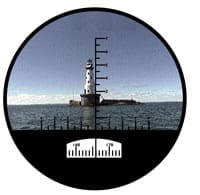
Rangefinders are handy for taking bearings or determining approximate height of or distance to an object.

Do you need a built-in compass or rangefinder reticule?

Bearing compasses: Built-in compasses, which appear superimposed near the image you see through the lens, lets you take bearings from an object that is very far away. They are highly recommended for marine use.

Rangefinder reticule: If you know the height of an object, such as a hill or navigation marker (often printed on charts and maps) and can measure the angle to its top using binoculars equipped with a rangefinder reticule, you can calculate your distance from that object.

Individual focus, center focus, or fixed focus?

Binoculars may have independent eyepiece focus to compensate for the differences between eyes and for different distances. In center-focus binoculars, one eyepiece adjusts to accommodate the difference between your eyes. A central focus knob then adjusts both sides simultaneously for distance.

Steiner Binoculars use a fixed-focus system, with a very deep depth of field, called Sport Auto-Focus. With Sports Auto-Focus, once you’ve adjusted your ocular settings for differences in your individual eyes, you won’t need to adjust the binocular again for varying distances. You’ll get a sharp, clear picture from 50′ to infinity. This set-it-and-forget-it system works well.

Relative brightness: How bright an image appears is a function of the quality of the optics and the ratio of the objective lens diameter divided by the magnification, squared (50 ÷ 7)2. So, 7 x 50 binoculars have a relative brightness of about 50, while 8 x 23 binoculars have a relative brightness of only 8.2. Objects will be visible in far less light with the 7 x 50 models.

Light transmission efficiency: Cheap glasses may allow only half the light entering the objective lenses to reach your eyes. Good quality glasses pass about 75% of the light. Truly exceptional binoculars, such as top models from Steiner and Fujifilm, pass more than 93% to 97% of light to your eyes, making all objects appear brighter. Quality optics also make the image sharper. Inexpensive glasses may produce astigmatic images that are fuzzy at the edges. Superior glasses are sharp from edge to edge and are less fatiguing to the eyes when used for extended periods.

Lens coatings.  When light enters or leaves a piece of glass, about 5% is reflected back. With as many as 16 air/glass surfaces inside your binoculars, there could be a lot of internal light bouncing around, reducing the brightness, sharpness, and contrast of the image. Lenses are coated using one or more thin layers of chemicals (most commonly magnesium fluoride), reducing this internal reflection from 5% to 1% or less. But not all coatings are the same. If you look at the outside lens surfaces, quality lens coatings will appear as subtle tints of violet, blue, or green. Heavily colored lenses in cheap glasses actually reduce the amount of light transmitted. Also, better binoculars include more layers, with more complex chemical combinations, on more surfaces, to achieve light transmission efficiency.

• Coated: one or more surfaces coated with a single layer.

• Fully coated: all air-to-glass surfaces are coated with a single layer.

• Multi-coated: one or more surfaces coated with multiple layers.

• Fully multi-coated: all air-to-glass surfaces are coated with multiple layers.

Field of view The field of view describes the width of the image you see, measured in feet at the distance of 1000 yards. Binoculars offering 385′ field of view show the viewer a cone that is 385′ wide 1000 yards out. Higher-powered image-stabilized binoculars provide a narrower field of view (200–340′) than conventional units (up to 430′).
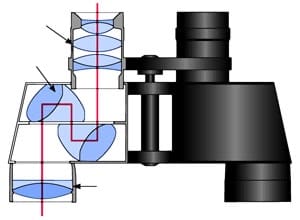
Prisms are used to invert and magnify an upside-down image, are either Porro (binoculars with a dog-leg shape) or roof prisms (with straight tube configuration that is easier to hold). There is some disagreement as to which is best, but it’s generally believed that Porro prisms yield superior optical performance. They transmit more light, resulting in brighter images, and provide better depth perception, because their objective lenses are farther apart. However, some roof prisms with phase shift coating provide excellent performance.

Image-stabilizing binoculars
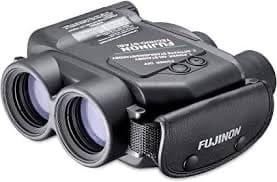
Image Stabilizing (I.S.) binoculars provide a steady image, even on a Zodiac that is not stable. The rolling, pitching and bouncing motion on a boat makes it hard to keep an image in focus using binoculars. I.S. binoculars automatically compensate for movement on a non-stable platform, like a boat, helo, or a side by side to deliver a stable image, even at high magnifications.

There are a few companies that make I.S bino’s, and they all basically work the same but, every company is a little different. Fujinon’s Techno–Stabi IS binoculars are built with dual piezo–motion sensors and gyro position sensors that are linked to direct drive motors for instant and continuous stabilization with low battery drain. The Techno–Stabi achieves a high degree of stabilization in all planes. Two direct-drive motors–one horizontal, one vertical–each controlled by its own piezo vibration sensor, instantly stabilize the image. Phase–coated roof prisms help provide clarity. Power consumption is minimal, and they are advertised as waterproof.
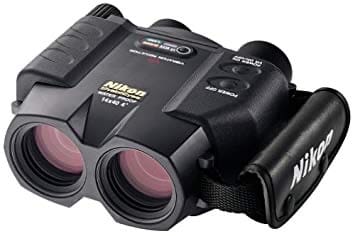
 

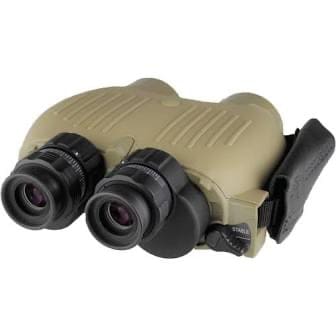
Nikon’s StabilEyes binoculars and Fraser Optics binoculars and monocular are built with a digitally stabilized gimbaled servo system to provide a view that is unaffected by handshake or vibration. The StabilEyes provide constant stabilization when activated, and Nikon’s original dual-mode system allows for use on land and sea by compensating for both roll and shake. The StabilEyes line is also completely waterproof and fog proof. The power consumption of the AA batteries is minimal in spite of the constant image stabilization functions.
Franklin Armory Title 1 Mass Action Lawsuit!

Saturday, August 22nd, 2020

Minden, NV, July 29, 2020– Mass Action Lawsuit Against the California Department of Justice Over Its Refusal to Process Legal Sales of the Franklin Armory® Title 1® Firearm is Underway!

Franklin Armory® goes to great lengths and expense to bring quality products to market that people want. Franklin Armory® has designed, developed, and begun the manufacture of a new firearm — The Title 1® — that is California compliant but is neither a rifle, shotgun, nor pistol. Franklin Armory® has, and will continue lawfully taking preorders from buyers in the state.

Tens of thousands of Californians have already placed deposits on the Title 1® firearm so they could get one as soon as they become available. Franklin Armory® has made it a priority to deliver on these pre-orders to their customers – but we can’t – because CADOJ is unlawfully refusing to process the requisite paperwork.

In response to this inaction, the law firm of Michel and Associates, PC is preparing a Mass Action Lawsuit to represent those persons whom CADOJ has prevented from lawfully acquiring their firearm. If you have made a deposit and are unable to receive your firearm(s) because of defects in the CADOJ designed and maintained Dealer Record of Sale Entry System, you should consider joining this lawsuit. There are no fees or costs involved for participants.

Even though the possession of Title 1® does not violate California law, CADOJ has deliberately refused to process sales of the Title 1®. As a result, Franklin Armory® retailers cannot transfer Title 1® firearms to consumers because licensed dealers cannot submit their sales applications to CADOJ online. The state-mandated system, Dealer Record of Sale Entry System (“DES”,) does not allow for the transfer of certain firearms that do not meet the limited predefined identifiers in the DES System. It is an easy technical fix, but CADOJ has deliberately delayed the simple technical correction to allow this product to be sold.

The sale of Title 1® firearms are being blocked by biased CADOJ bureaucrats. CADOJ was made aware last year of the need to add an “other” category to facilitate Title 1® sales but refused to take this step. This technological barrier prevents licensed firearm dealers from proceeding with a sale, transfer, loan, or submission of information

to the CADOJ. The actual effect is that California firearm dealers cannot accurately submit the necessary information to the CADOJ for processing.

This, we believe, constitutes a violation of the CADOJ’s duty to accept and process all firearm applications and a violation of each purchaser’s due process rights. On behalf of the tens-of-thousands of people who put a deposit down to purchase the Title 1®, this lawsuit seeks to declare CADOJ’s conduct unlawful and to compel CADOJ and its agents to fulfill its obligations and process all Title 1® purchases that were made prior to any subsequent prohibitions, restrictions, and/or limitations.

To join the lawsuit or for more information, visit title1lawsuit.leverage.law

SOLGW – What is the A5 System? And Why Do We Use It?

Friday, August 21st, 2020

Instead of finely tuning a rifle, we want to give it the widest operational envelop. The more finely tuned something is the more narrow that window. A fighting gun should be forgiving. Our goal is to incrementally improve the performance of this platform…and those incremental improvements added up absolutely make a difference.

www.solgw.com

National Safety Apparel (NSA) Acquires Wild Things

Friday, August 21st, 2020

Cleveland, Ohio – August 20, 2020: The parent company of DRIFIRE®, National Safety Apparel continues to expand their USA-based safety and military clothing brands with the acquisition of Virginia Beach based Wild Things.

The acquisition of Wild Things adds another market leader to National Safety Apparel’s already established “House of Brands”. Wild Things is a premium cold weather military clothing brand that perfectly complements National Safety Apparel’s existing DRIFIRE brand of high-performance flame resistant base layers, combat uniforms, and flight suits.


“We’re committed to providing our military personnel with the gear they need and growing our manufacturing footprint in the USA”, states National Safety Apparel President and CEO, Chuck Grossman. “Wild Things aligns with our mission to provide high quality, innovative products, and expand our offering for the U.S. Armed Forces.”

Wild Things started as a manufacturer of lightweight, superior gear for elite mountaineers and grew its offerings to include gear and apparel for U.S. Special Forces. The company has a manufacturing facility in Gorham, New Hampshire, and the brand is supported by a team in Virginia Beach, Virginia.  Known for its technical and durable outerwear, Wild Things products are currently in the field with every branch of the U.S. Armed Forces.

National Safety Apparel is a market leader in the design and manufacture of high-quality industrial safety and military apparel. A fourth generation, family owned company, NSA’s Cleveland and Chicago-based facilities employ nearly 500 NSA team members. The company and its brands serve a wide variety of industries such as electrical and gas utilities, steel mills and aluminum foundries, glass plants, construction, and manufacturing in addition to military personnel.

See the companies online at www.thinknsa.com and www.wildthingsgear.com.

ASGARD Partners & Co Sells Wild Things, LLC to National Safety Apparel, Inc

Friday, August 21st, 2020

NEW YORK, August 20, 2020 – ASGARD Partners & Co. (“ASGARD”), an investment firm based in New York, announced today that it has sold Wild Things, LLC (“Wild Things” or the “Company”) to National Safety Apparel, Inc. (“NSA”).

Wild Things is a leader in the design and manufacture of highly technical outdoor apparel and gear for the military and law enforcement communities across the globe.

When ASGARD acquired Wild Things in 2018, the Company was struggling with limited liquidity and had suffered years of underinvestment in both the brand and the infrastructure of the business. Immediately post close ASGARD brought on an industry leading management team, led by CEO Amy Coyne, to drive the Wild Things transformation, through the revival of its highly respected legacy brand and the renewal of its reputation for exceptional design, quality, and performance.

Under ASGARD’s ownership, the Company reinvigorated customer relationships with key industry distribution leaders, diversified its customer base, introduced new sales channels, re-established relations with key military agencies and influential end user groups, expanded sales infrastructure and new sales representation, and recruited top industry talent. Wild Things also went through training in ASGARD’s frameworks of operational excellence, centered around both culture and execution.

Karan Rai, Managing Partner of ASGARD, stated, “Wild Things exemplifies ASGARD’s operationally focused investment strategy and intention to be in service of great companies through true partnership. We congratulate Amy and the entire Wild Things team for their passion for excellence and impressive execution. Additionally, we’d like to congratulate NSA on the acquisition of a great company.”

“We are proud of the extraordinary transformation of Wild Things under our ownership. Our goals of stabilizing the Company, re-establishing the Wild Things brand in the marketplace and end-user community, and achieving material growth metrics were incredibly successful. We are excited for the Company’s next stage of growth under NSA’s ownership,” said Christian Cantalupo, Partner at ASGARD.

“Working in partnership with ASGARD, Wild Things has become a business with a clear strategic vision and a focus on execution. NSA is now the perfect steward and strategic partner to help advance the Company’s strategic objectives and maximize its growth potential.  This acquisition will enable Wild Things to tap into a world class organization where it can leverage existing manufacturing resources and supply chain partnerships, expand its capabilities, and achieve long term growth. I am truly excited for the team and the future that lies ahead for Wild Things. We thank our customers, suppliers and employees for their contributions to our success,” added Amy Coyne, CEO of Wild Things.

FirstSpear Friday Focus – HuntRedi Limited Color Run

Friday, August 21st, 2020

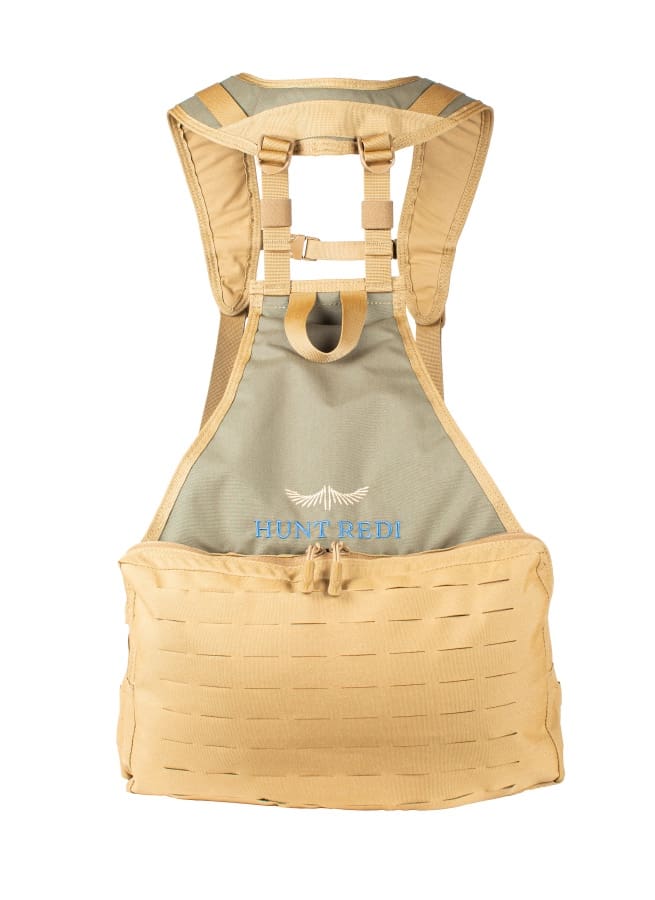
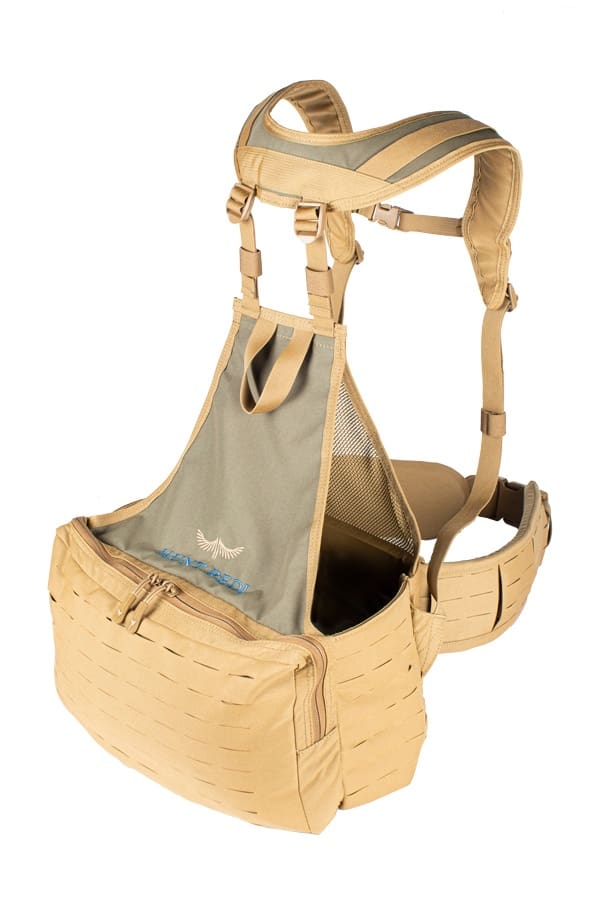
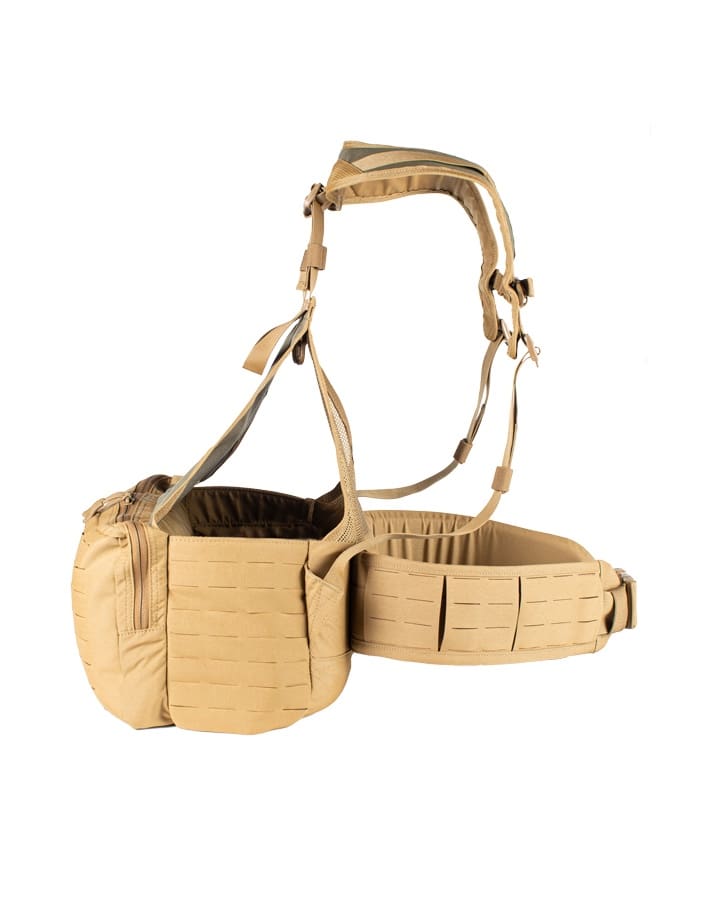
Today we are getting the first look at FirstSpear OEM Partner HuntRedi’s limited time run of Deviate Upland Hunting Vests in a sharp Ranger Green / Coyote colorway. Highly configurable with FirstSpear laser fused 6/12 platform, backwards compatible with standard MOLLE /PALS accessories. Hill People Gear inspired shoulder harness with attachment points to accommodate GPS, e-collar and other accessories. 6/12 padded belt comes standard and offers more pocket attachment area as well as additional lumbar support for even weight distribution. Large game pouch allows for one handed insertion of bag limits as well as a built in storage mesh security pouch for keys, wallet, etc. The Deviate Upland vest and pocket series is designed to meet the expectations of the most passionate bird hunters and the unique challenges they encounter.

The Ranger Green / Coyote color way is here only for a limited time and only available while supplies last. Also available in coyote/ blaze orange. 100% American Made with US Materials by FirstSpear, LLC.

www.huntredi.com/collections/flush-redi-series/products/deviate-upland-vest

Hungarian Armed Forces Establish Joint Venture with Rheinmetall to Produce Lynx Infantry Fighting Vehicle

Wednesday, August 19th, 2020

Deal helps the Hungarian Army meet its NATO commitments through continued modernization of the country’s defence industry

Key facts

Major order: Hungary intends to procure the Lynx infantry fighting vehicle

Order volume expected to exceed €2 billion

New Joint Venture for the production of the Lynx in Hungary

First NATO and EU customer for Rheinmetall’s innovative Lynx IFV

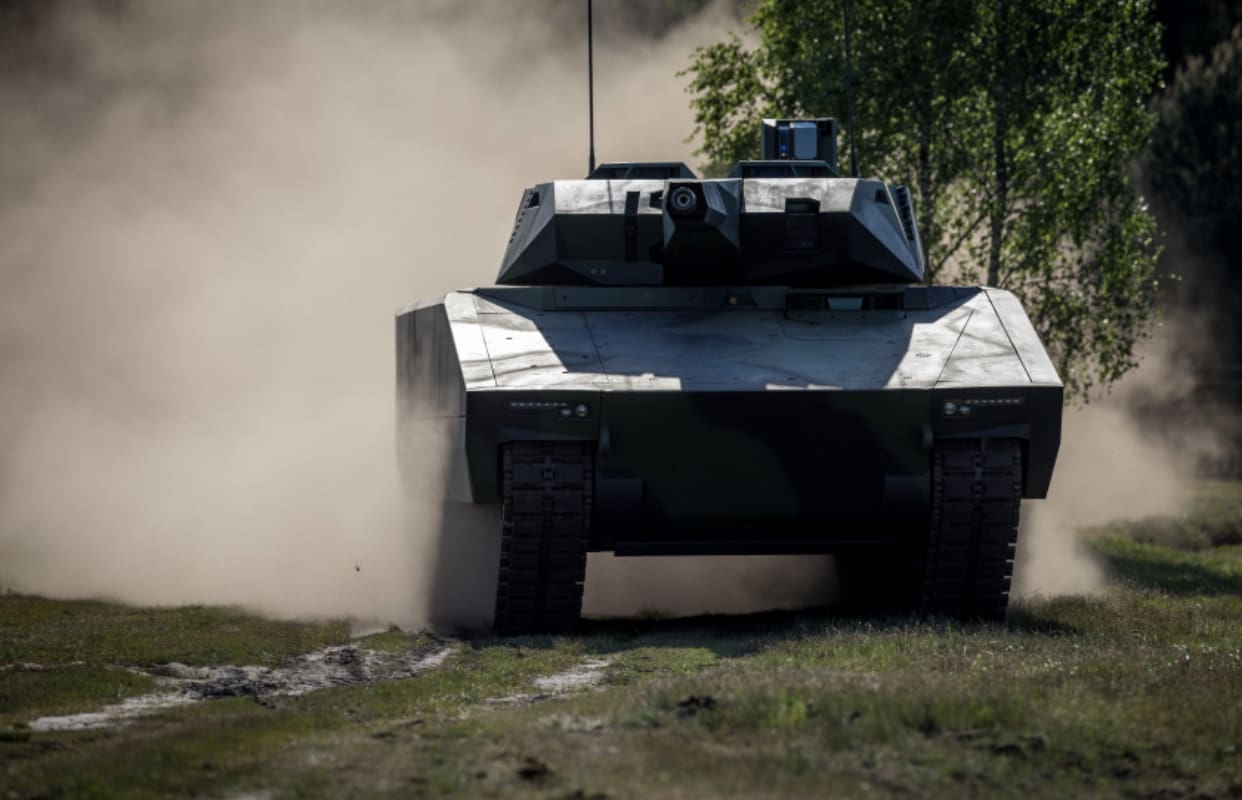
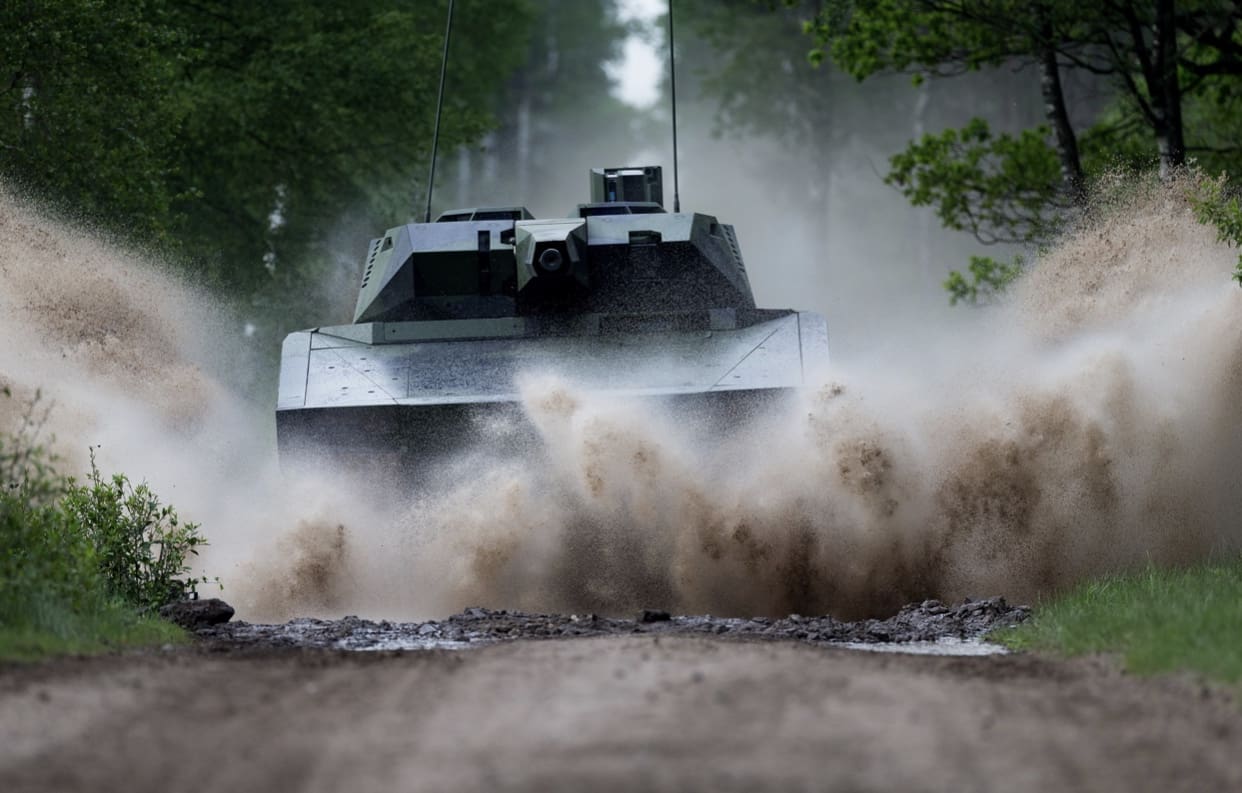
With the signing of an agreement in Unterlüss on 17 August 2020, the government of Hungary has embarked on a massive programme worth over two billion euros to modernize the country’s defence industry and military capabilities. The move was announced by Hungary’s Secretariat of the Ministry for Innovation and Technology and the Commissioner for Defence Development. Rheinmetall, Europe’s foremost maker of army equipment, will be cooperating with Hungary to create a joint venture and production facility in Hungary to manufacture the most modern Lynx infantry fighting vehicle.

Hungary is the first NATO and EU member state to choose the Düsseldorf-based Group’s innovative new IFV. The step is of central importance in Hungary’s ongoing programme of military and industrial development, which aims to transform the Hungarian Army as quickly as possible into a world-class fighting force capable of actively addressing security challenges in the Euro-Atlantic region.

In the words of the joint statement read by László Palkovics, Minister of Innovation and Technology, and Gáspár Maróth, Commissioner for Defence Development: “As part of its commitment to NATO, Hungary is replacing its heavy ground forces equipment. Following the tanks and artillery, it is now the turn of the infantry combat vehicles, which form the backbone of the capabilities set. As the most advanced system of its kind, the Lynx has demonstrated its suitability for a central role in the Army’s capabilities spectrum for decades to come. In keeping with earlier promises by the Hungarian government to enhance the nation’s armed forces, this cooperative endeavour extends far beyond the modernization of military technology. Partnering with a major European corporation will result in the modernization of our defence industry and thus to the expansion of our industrial portfolio.”

As Armin Papperger, chairman of the executive board of Rheinmetall AG, explains: “The Lynx’s market breakthrough is a major success for us. And the fact that we were able to convince Hungary – an important EU and NATO partner – to choose this innovative vehicle makes this success all the greater. In making this forward- looking procurement decision, Hungary’s top political and military officials have demonstrated real leadership. Not only does the move place Hungary at the forefront of European army technology. It reaffirms the Hungarian government’s commitment to being a reliable, more militarily effective partner of its NATO allies, a policy which it is pursuing with systematic energy.”

“We’re very proud”, said Mr Papperger, “to be able to make an important contribution to the sustained expansion of Hungary’s defence technology capabilities in cooperation with local industry. We look forward to working together with our Hungarian friends and partners, and will do everything in our power to assure the long-term success of this venture.”

Wild Things FR Cold Weather Clothing with GORE PYRAD

Wednesday, August 19th, 2020

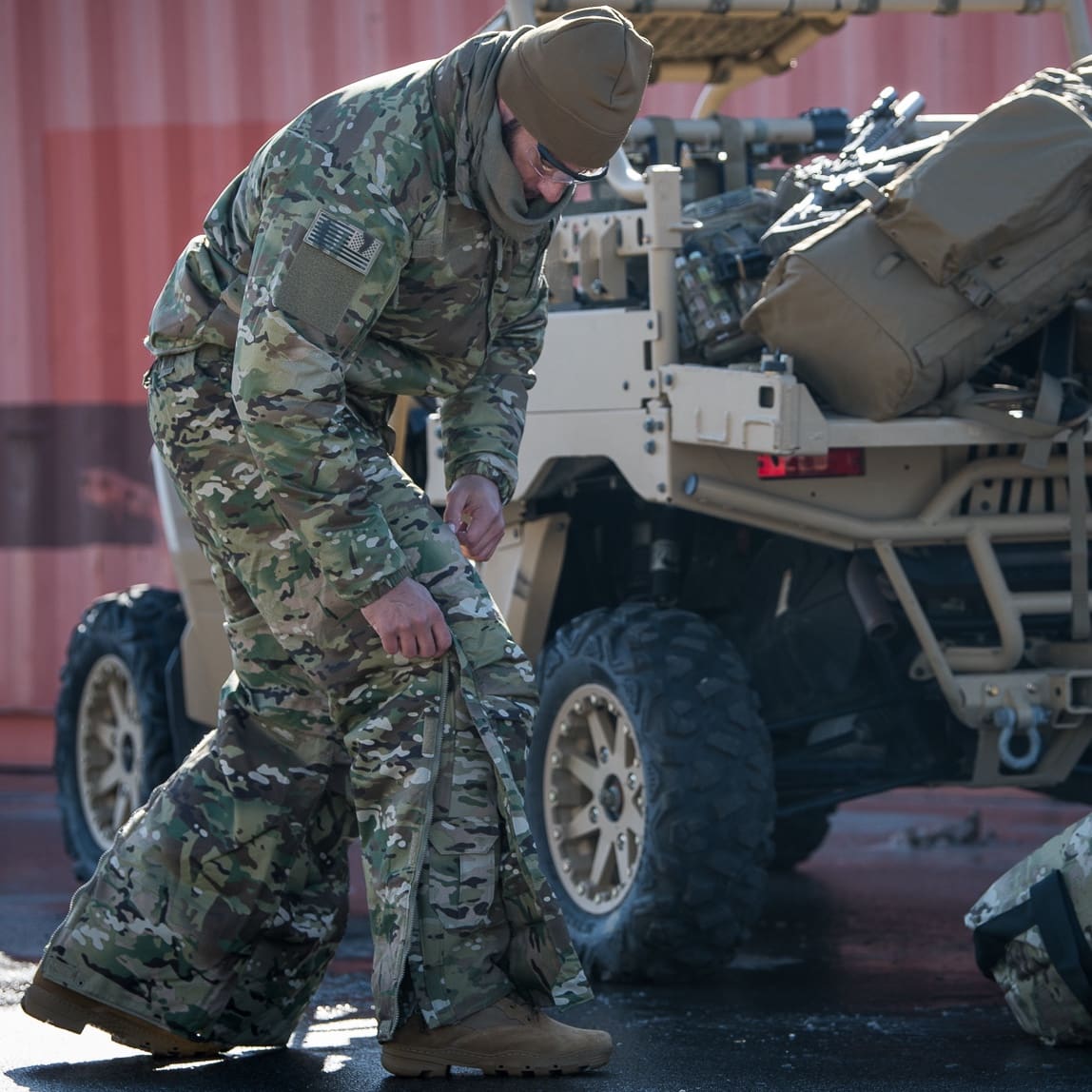
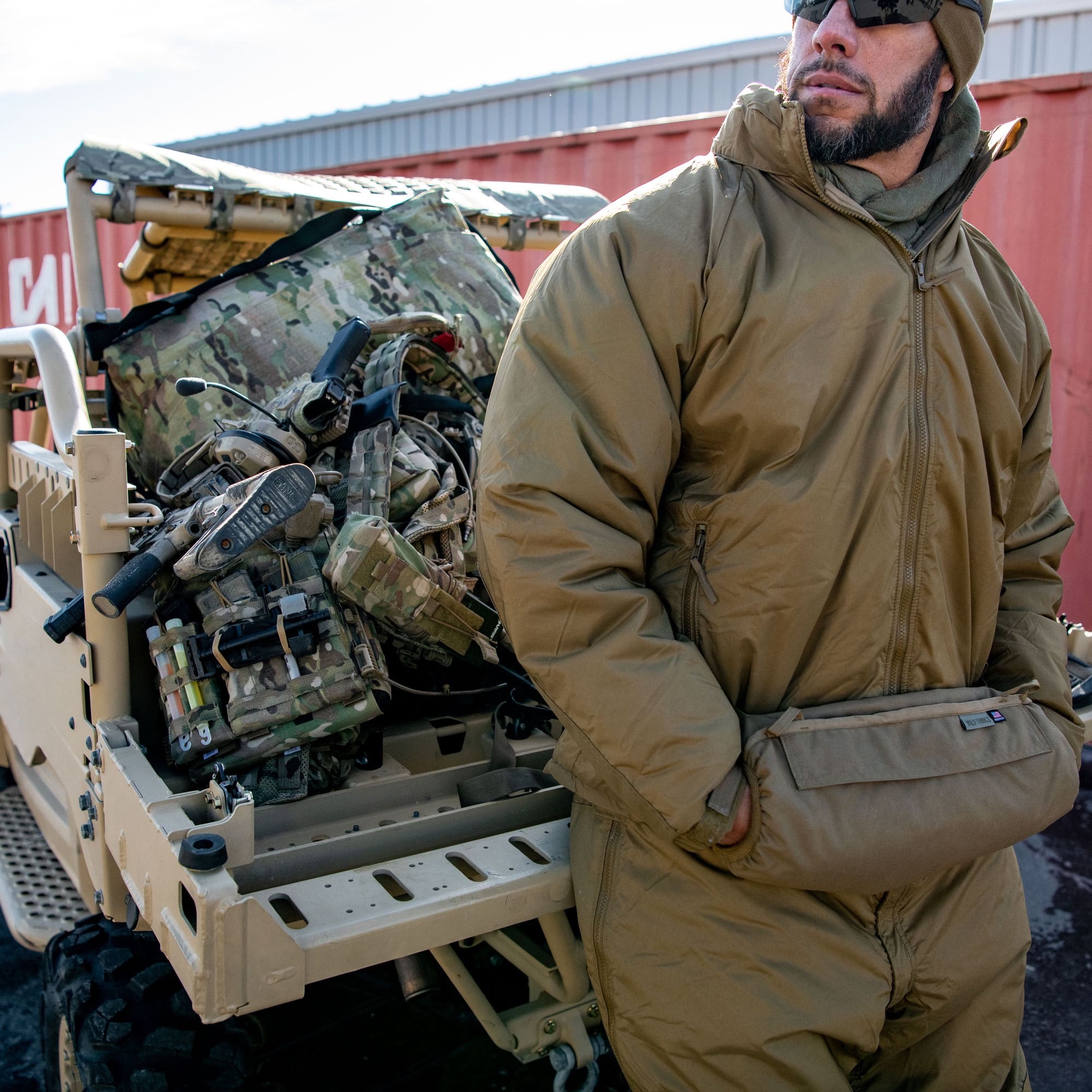
Wild Things has earned a reputation for tough, lightweight technical outerwear, fire resistant flightline approved layers, alpine-style backpacks, durable haul–bags, and innovative tactical and military clothing.

Our fire resistant cold weather layers have an incredible comfort range and incorporate FR with the outstanding performance in cold weather expected from Wild Things and Gore. These layers are currently in the field with every branch of the U.S. Armed Forces and often tailored for mission-specific goals.

Using GORE® PYRAD® flame retardant fabric – a self-extinguishing technology that provides durable protection against flash fire exposure while remaining highly breathable, water resistant, and windproof – Wild Things meets and exceeds cold, wet, and FR clothing requirements.

Contact Wild Things today: we’re here to help you choose the right layers to meet your needs and your budget – from base layers to FR high loft – we can handle whatever weather Mother Nature throws your way. Fear No Element™.

Featured FR Layers:
Hard Shell Jacket FR-GT
Rescue Jacket FR-GT
Low Loft Jacket FR-G
Low Loft Pant FR-G
Hard Shell Pant FR-GT
Knuckle Roaster FR

Wild Things FR Clothing Flyer Download: