GORE-TEX Footwear at Tactical Distributors

Archive for the ‘Advertiser’ Category

SCUBAPRO Sunday – Mask Squeeze

Sunday, August 9th, 2020

When you first start diving, sometimes little things will happen, which most likely will not occur as you gain more experience like forgetting to bring an extra mask.  Sometimes It can be a little most serious like you might forget to do a proper purge process, and you get to depth, and you pass out. Your dive buddy has to pull you to the surface and think he is getting kicked out because he is a new guy like you, and he believes he killed his swim buddy. Other things can happen that are a little more series. It can cause some harm if you are not careful, and it will make you look like you have to hickeys on your eye. It is a good thing if it is around Halloween, you will look like a zombie and not a cool one like the Walking Dead. It is a mask squeeze or for the corpsman in the group called facial barotrauma.

What is Mask Squeeze?

A Mask squeeze can occur with the incorrect equalization of the air pressure inside your mask, causes it to compress tighter against your face, causing the small blood vessels around the eyes to burst. If you don’t know how this feels, it’s like the covered areas of your face get sucked into the mask as the negative space between them gets smaller. While all dive briefs should t divers are usually warned about during Open Water Diver courses, many don’t pay too much attention to it after underestimating the trauma that it can cause. So unless you’re willing to surface with scary, bloodshot eyes, you’ll want to remember what not to do and what you can do to prevent it from happening during any of your dives.

How Does Mask Squeeze Happen?

Several things can cause an unfavorable change of mask pressure. The most common is failing to exhale into the mask during descent. Many divers remember to equalize their ears since ear discomfort becomes increasingly noticeable as you dive deeper. Still, they may not realize the increase in scuba mask pressure until after they surface.

Other factors that increase the likelihood of mask squeeze from diving are poor dive mask fitting (particularly if you choose a mask that’s too small for your face or too tight, to begin with) and fast descent. As you can imagine, it can be easy for a diver to forget the steps to take to prevent mask squeeze, especially for beginners who are worried about getting air into the mask.

Dangerous Effects of Mask Squeeze

Divers who suffer from mask squeeze may notice bruising around the eyes, blood spots over the white areas of their eyes, and swelling. Fortunately, it rarely causes injury inside the eyeball. Divers often get alarmed and panicky when they see blood in their eyes. Still, the condition isn’t as dangerous as it looks and usually clears away without any significant mask squeeze treatment.

In the most severe cases, the hemorrhage can last longer, or you might notice a loss of vision or pain, in which case you should visit a doctor straight away.  

Avoiding Mask Squeeze

Prevention is always better than cure, so every diver needs to remember how to use their masks properly and avoid mask squeeze.

First, never wear masks that cover only the eyes. While those may be suitable for snorkeling, you’ll need a mask that can be equalized if you’re swimming at greater depths. Fortunately, modern dive masks have nose valves that allow divers to quickly equalize the air space between their mask and face without the risk of flooding it.

Next, don’t choose a mask that feels tight, to begin with. Once you descend, the pressure automatically causes an increased suction on the mask. A scuba mask should sit comfortably on the diver’s face and stick when mild pressure is applied even without the strap being worn.

To help prevent bruising, a soft silicone skirting is also a must, so the mask will comfortably cushion and spread the pressure around your face.

Finally, don’t descend too fast and make it a habit to equalize. Instead of being worried about water getting into your mask, it helps you get comfortable taking off and putting on your dive mask underwater.

Through practice and with the presence of mind, you can easily avoid mask squeeze and enjoy much safer dives.

What is mask squeeze? 

Like the air spaces in your sinuses and ears, you must also equalize the air space in your mask as you descend. When you descend, failure to equalize, or add air to the air space in the mask, by exhaling through your nose, can create unequal pressure between the mask air space and the vascular pressure within the blood vessels of the face. This can result in various degrees of facial barotrauma, or injury to the soft tissues of your face contained within the mask. Imagine your face in a suction cup. The soft tissues beneath the mask and especially around the eye, swell (periorbital edema) and discolor, such as redness or bruising (ecchymosis).

What treatment do I need?

Unless you are experiencing eye pain or visual problems, there is no treatment for facial barotrauma except time. Because it is a bruise, your body will eventually reabsorb the effect of your mask squeeze. Your physician or an eye specialist should immediately address eye pain or visual disturbances such as blurred vision or loss of part of the visual field. These symptoms would be extremely rare in mask squeeze, however. The signs and symptoms of mask squeeze can take up to two weeks or more to resolve. Unfortunately, it is one of those conditions where you will probably look worse than you’d like before it gets better. Not only will blood and edema needs to be reabsorbed, but it tends to be gravity-dependent – which means it will spread downward on your face. Before you heal, you may look like a red-eyed black-and-blue marked creature in a B-grade horror flick or a boxer that took at least two too many punches.

Who gets mask squeeze?

Mostly new divers get squeezed – they tend to be overwhelmed by all the skills they need to remember, such as buoyancy control and equalizing their ears and sinuses, all while being mesmerized by the mysteries of the sea. More experienced divers, however, are not immune to mask squeeze. They tend to have mask squeeze when they concentrate on some new activity or focus on a task that diverts their attention from clearing their mask. Changing to a new mask or to a low-volume mask may also lead to mask squeeze, because the diver may not be accustomed to when to add air. Finally, poor-fitting masks or other issues such as facial hair may lead to problems with equalizing.

How do you prevent mask squeeze from happening again? 

The solution to preventing mask squeeze is to remember to keep your nasal passageways open during descent. By exhaling through your nose and using a properly fitted mask, you will minimize facial barotrauma risk. A mask should fit comfortably against your face, and you should be able to achieve an appropriate seal by gently placing the mask on your face and inhaling through your nose. The mask should seal to your face and not fall off even without the mask strap in place. It is not unusual for a small amount of leakage to occur while diving, especially if you have facial hair. Exhaling through your nose and tilting your face towards the surface while cracking the mask’s lower seal will generally remove any unwanted water from your mask.
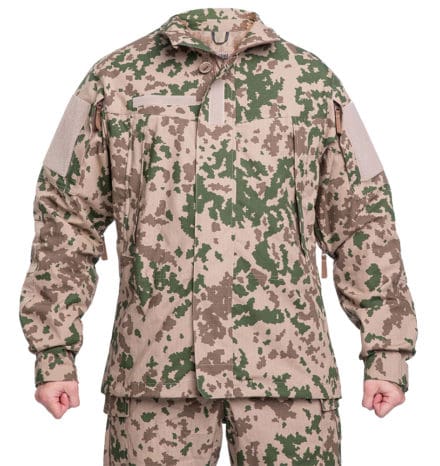
Sneak Peek – Finnish M04 Desert Camo Clothing from Varusteleka Oy

Saturday, August 8th, 2020

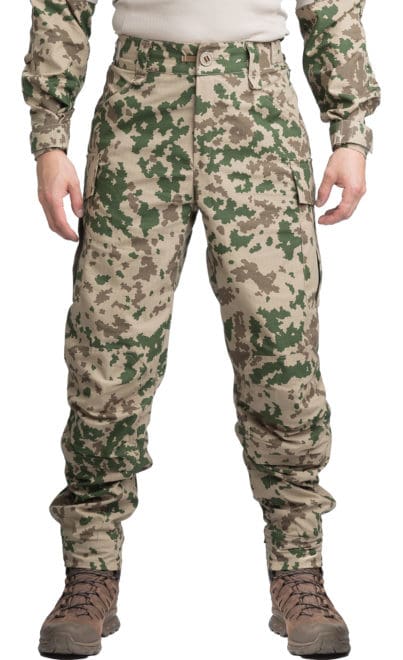
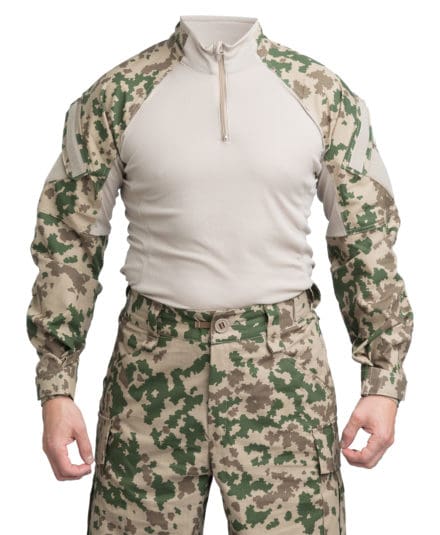
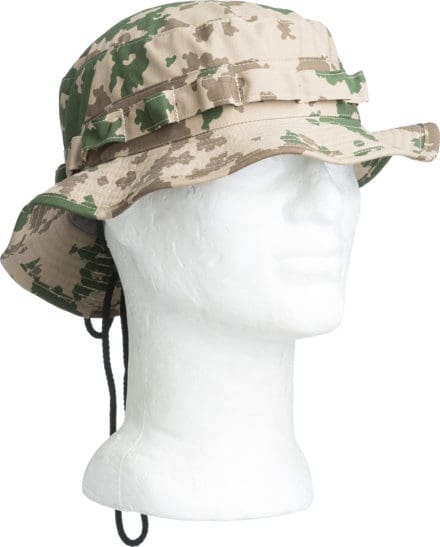
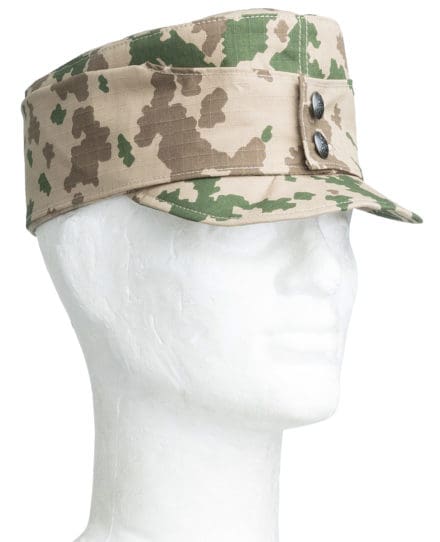
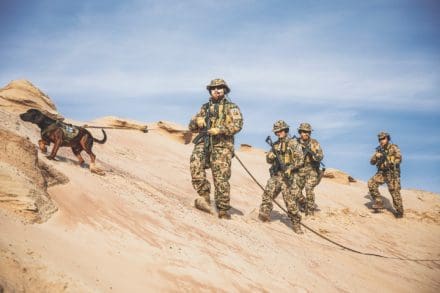
Our friends in Finland, Varusteleka Oy, are expanding their Särmä TST clothing system by adding the M04 desert / arid pattern option starting 14 August.

According to Jari Lane, the pattern was developed based on Finnish M05 geometry but color matched to the desert / arid environment. The pattern was initially fielded to Finnish troops serving in UN and other international missions in 2003 as a test run and has evolved to its current form and is part of Finnish field gear.

The Products launched on August 14th:

Särmä TST L4 Field Jacket

Särmä TST L4 Field Trousers

Särmä TST L4 Combat Shirt

Särmä TST Boonie

Särmä TST Field Cap

2nd Skull Protective Skull Cap

Friday, August 7th, 2020

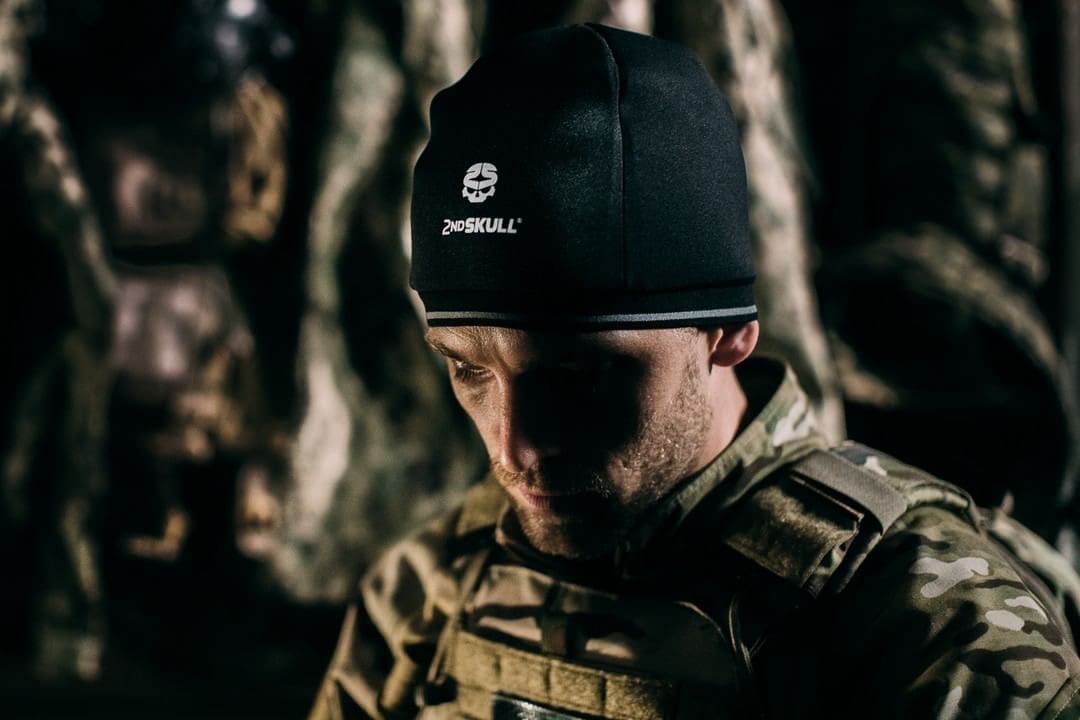
Available from ADS Inc, the 2nd Skull Protective Skull Cap is a great choice for times when you need to protect your head from impact but a helmet is too much.

?

It is designed to fit comfortably under any helmet or as a stand-alone in non-helmet activities. The material is flexible at rest but can instantaneously harden under sudden pressure, helping to mitigate the effects of sudden impacts.

Streamlight – Stinger 2020

Friday, August 7th, 2020

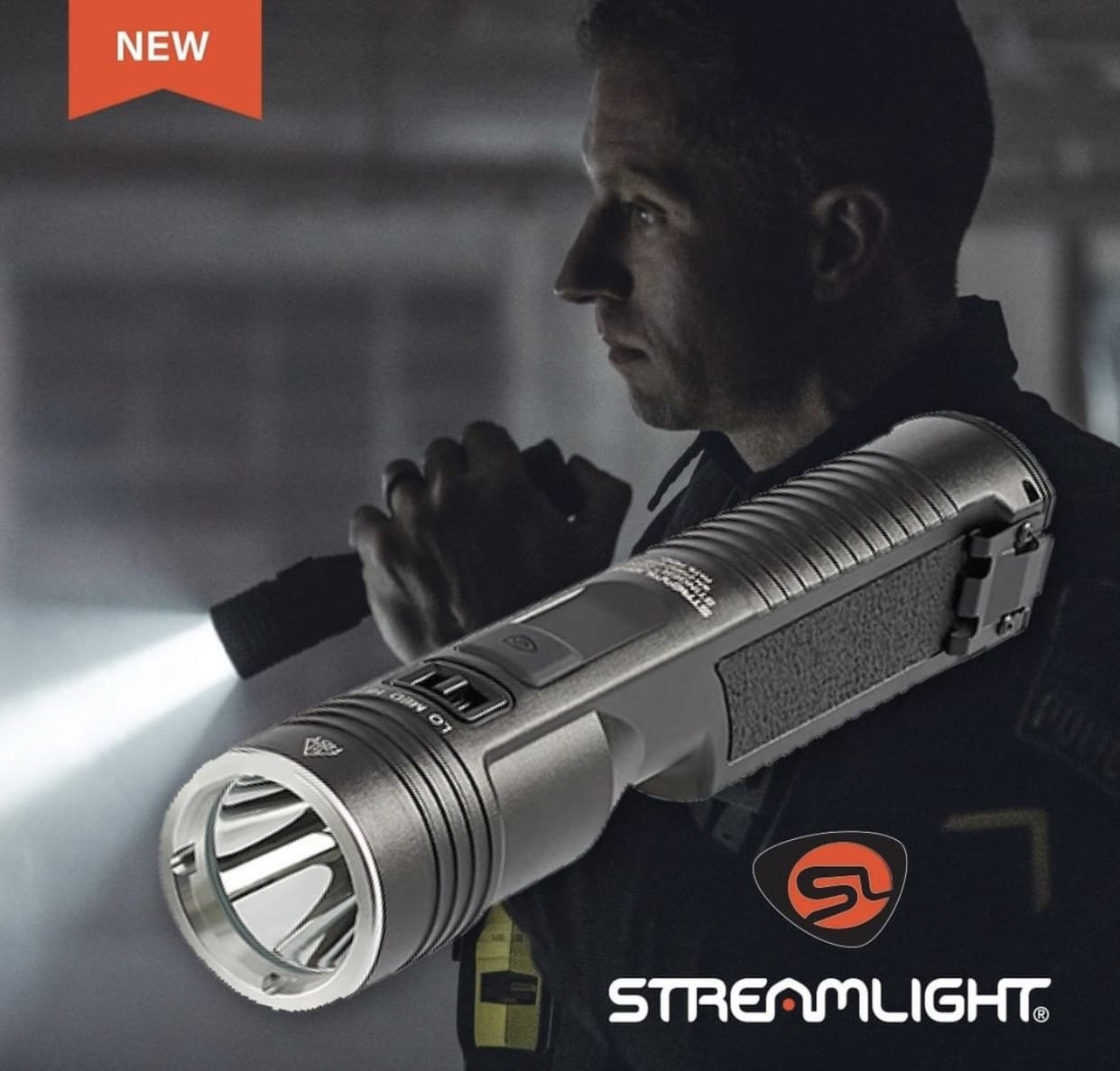
Powered by a Li-Ion battery pack, Streamlight’s Stinger 2020 is a handheld light boasting up to 2,000 lumens.

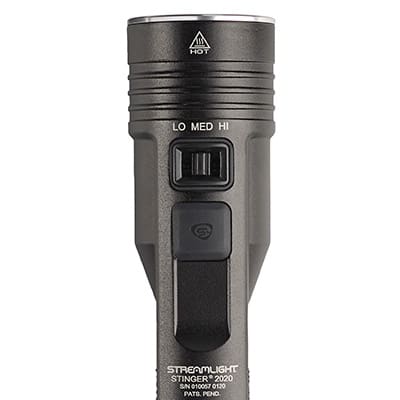
There are three modes which are easily selected via a switch:

High: 2,000 lumens, 315m beam distance, 2 hour run time

Medium: 850 lumens, 200m beam distance, 4 hour run time

Low: 100 lumens, 70m beam distance, 24 hour run time

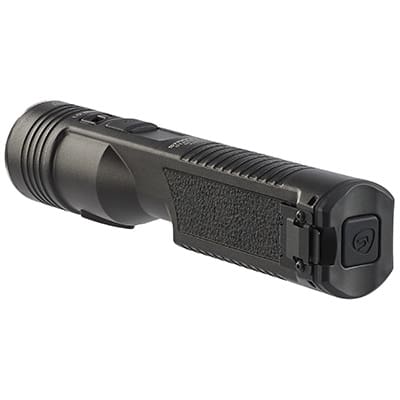
Additionally, there is a tail switch for thumb activation.

www.streamlight.com/products/detail/index/stinger-2020

MTHD by Tactical Distributors

Friday, August 7th, 2020

Last year, Tactical Distributirs introduced their MTHD clothing line. MTHD – pronounced either by the initials or as the word “Method”, stands for “Mountain|Tundra|H20|Desert”. It’s a tactical-inspired outdoor brand and their goal is to cover you, no matter what environment you find yourself in.

MTHD is made from some of the finest materials on the market and sold direct-to-consumer to help keep prices down.

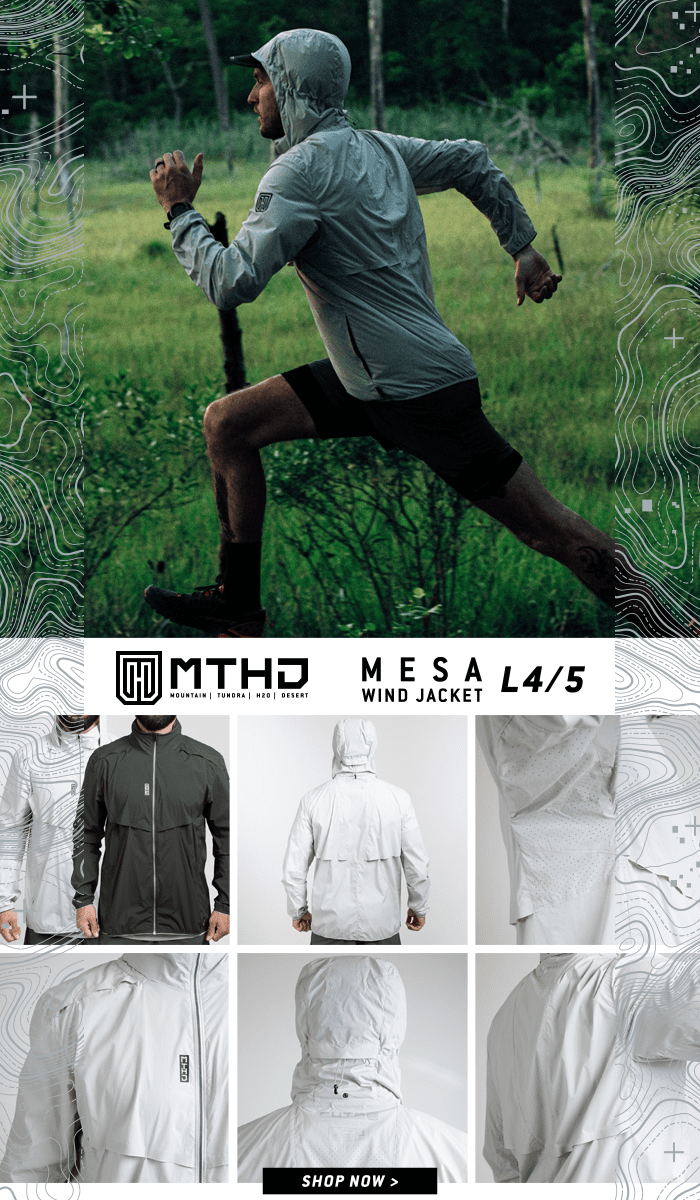
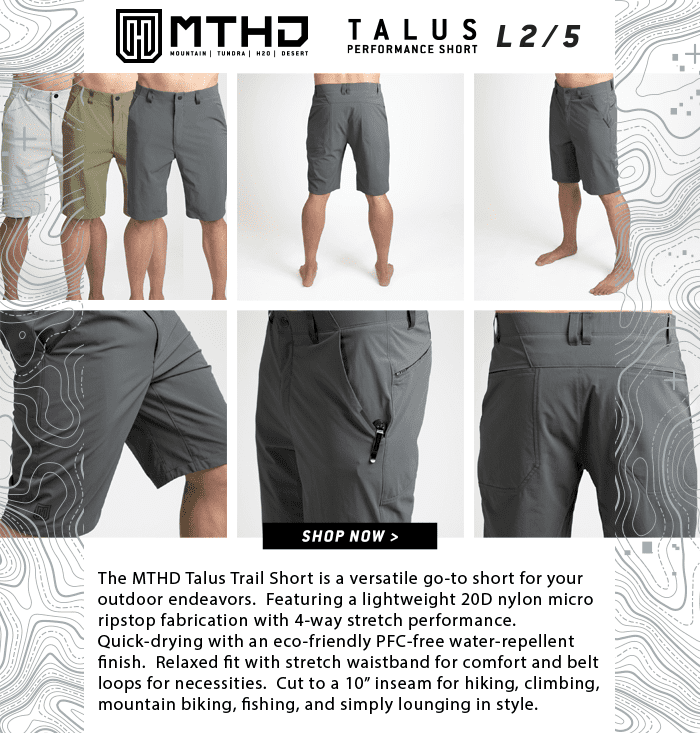
The launch of their second run of products introduces clothing for training. There’s the Mesa Wind Jacket, Habitat Tech tee, Allivium Tee, Climate Polo, and Traverse Trail Run Short along with the Talus Performance Trail Short and Pant.

Let’s take a closer look at the Mesa Wind Jacket. One thing you’ll notice is that MTHD pieces are labeled by level in order to give you an idea of how to fit them into your clothing system. In this case, the Mesa is a Level 4/5. It’s made from from DWR-treated CORDURA UltraLite 20D stretch and is meant for trail runners.

Next, we’ll check out the Talus Trail Short. It is made from a water resistant lightweight 20D nylon micro ripstop fabrication with 4-way stretch performance. This level 2 garment features a 10″ inseam for off-trail wear.


Check out the full line at www.tacticaldistributors.com/collections/mthd.

FirstSpear Friday Focus – USA Merino Base Layer Bottoms

Friday, August 7th, 2020

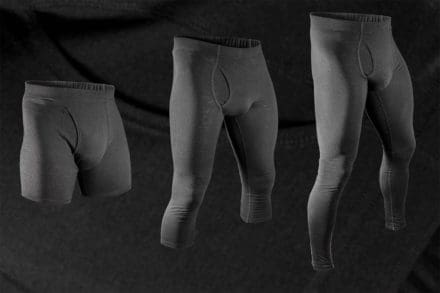
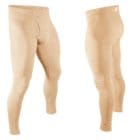
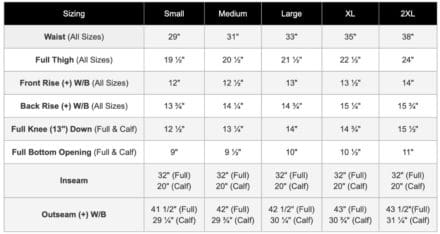
Today we are getting a look at the Base Layer Bottoms from FirstSpear’s American Merino Wool line (ACM). Featuring three available styles a Boxer Brief, Calf Length, and Full Length available in black and all new Sand color way.

These are built with FirstSpear’s ACM BASE-100 a super light wool package providing excellent natural moisture wicking properties. All three feature a front facing fly, gusseted crotch and flat seamed technology.

The full length is a traditional full length inseam finished with a low ankle cuff, the Calf Length is cut just below the knee designed to pick up where your boot sock stops reducing clutter under footwear and increasing comfort. The Boxer brief is finished in a traditional boxer brief length. 100% American Made with American Materials, now shipping in black and sand on first-spear.com.

ATLANTIC SIGNAL Receives New US Army Security Force Assistance Brigade Order

Thursday, August 6th, 2020

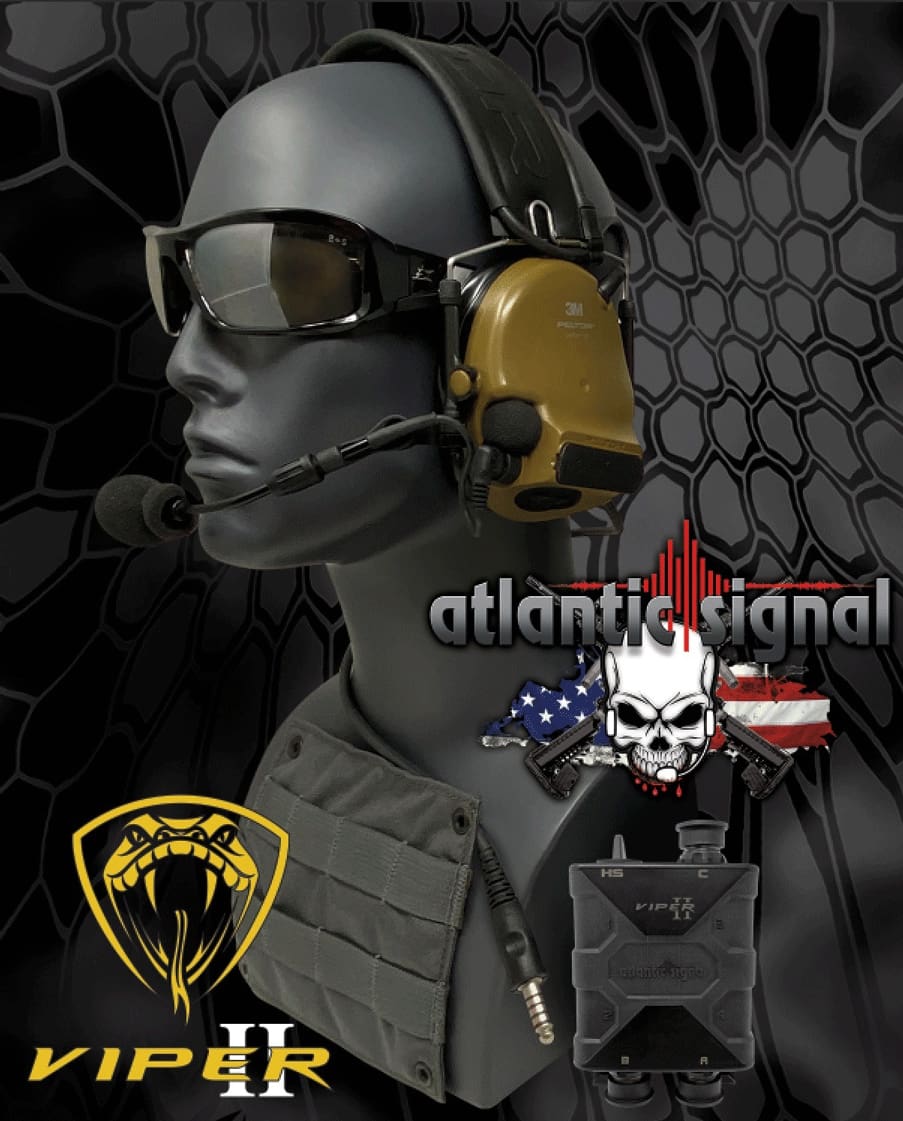
Atlantic Signal was recently awarded an order for the 3rd SFAB following extensive testing of the company’s new Viper II Control Hub and Atlantic Signal exclusive ComTac VI headset.

Atlantic Signal began development of its new VIPER II Control Hub / Push-to-Talk in early 2019 with the input and assistance of several key customers. There had been a clear dissatisfaction with the design and capabilities, or lack thereof, of several of the PTT/control box options on the market that could interface with both standard and dual band radios along with various ancillary cable capabilities.

Further, Atlantic Signal introduced the Brigade to its exclusive ComTac VI headset featuring the all new NIB feature.  The ComTac VI offers a new way to adjust the auditory settings of the headset for each mission. Traditionally, a headset has a set frequency response, and the operator can only increase or decrease the volume. The MAP function provides new advanced ambient listening modes that allow access to a variety of gain settings, but with frequency shaping, to enhance auditory performance in five conditions. The MAP Profiles have been designed with a variety of combat and combat support operations in mind.

NIB enables short-range, headset-to-headset communication in high noise environments, without the use of an external communications radio. The NIB function allows for 4 team members to speak simultaneously, and over 60 people within a 10 – meter radius to listen at any given time. Audio transmit is activated by either a voice activated switch (VOX) for hands free operations or by push-to-talk. The VOX switch is adaptive, meaning the threshold to activate will adjust automatically to the noise environment. To help reduce user burden, a tactile button has been added to the left ear cup that allows the user to easily turn on or off the function / and switch from VOX to PTT settings.

“We listened closely and carefully to several of our most demanding Federal LE and Military Special Operations customers in an attempt to better understand how their needs had changed and or broadened since several of our competitor’s dual band PTTs had come to market. Without divulging the detailed reasons as to why our VIPER I and VIPER II Control Hub/PTT is different from our competitors – some of those design changes are immediately recognizable but just as important are the tasks the VIPERs can perform and how easily each individual can program the VIPER for a personal end user experience. Nothing is complicated from the operator’s engagement perspective but a Control Hub / PTT that is VERY powerful both from the outlook of what it can do now and how it can be utilized in the future. After nearly 18 months in development and dozens of generations / modifications of both VIPER models in the field, we’ve received orders ranging from dozens to hundreds to over a thousand in a single purchase.” states Randall Hedrick, President and Managing General Member of Atlantic Signal.

The first SFAB was raised in 2018 at Fort Benning, GA, On May 18, 2018, the Army announced that the Security Force Assistance Command (SFAC) would be established at Fort Bragg. This division-level Command, led by a Brigadier General, will oversee the Army’s six Security Force Assistance Brigades, as well as the MATA for SFAB training and oversight.

3rd SFAB tested and evaluated the Atlantic Signal combination of the VIPER II PTT, ComTac VI headset and an assortment of custom cables both CONUS and OCONUS and decided upon this product mix to replace their current communication systems.

Atlantic Signal is based out of Topeka, KS where they develop, design, manufacture and sell tactical communications and accessories. The company started in 1989 with a focus on tactical law enforcement. Today, thirty-one years later, the company’s clients include NYPD ESU, CBP, NSW, LAPD, ATF, DEA, MARSOC, USCG, USSS and the FBI among thousands of military and law enforcement clients around the world.

atlanticsignal.com

SIG SAUER’s Cross Bolt Action Rifle Now Shipping

Thursday, August 6th, 2020

We keep getting told to social distance and there’s no better way to do that than while hunting and SIG’s new CROSS Rifle has got you covered if you want to hunt this season with a new rifle.

In fact, the CROSS is just part of a whole package including BDX optics which puts the reticle right on target and ammunition, loaded for hunting. They even offer suppressors.

The bolt-action CROSS is available in the ever-popular .308, the up-and-coming 6.5 Creedmoor and soon, chambered for the new 277 SIG FURY, based on the 6.8mm next generation ammunition and weapon work SIG has done for the US Army.

There’s also a special FirstLite edition that I really like which features their camouflage pattern.

Features:
– Under 6.5 lbs
– Folding Precision-Style Stock
– 1-Piece receiver for increased accuracy
– Available in .308 / 277 SIG FURY with a 16″ barrel (collapsible to 25″)
– Available in 6.5 Creedmoor with an 18″ barrel (collapsible to 27″)
– Designed and built in the U.S.A

www.sigsauer.com/store/sig-cross-rifle