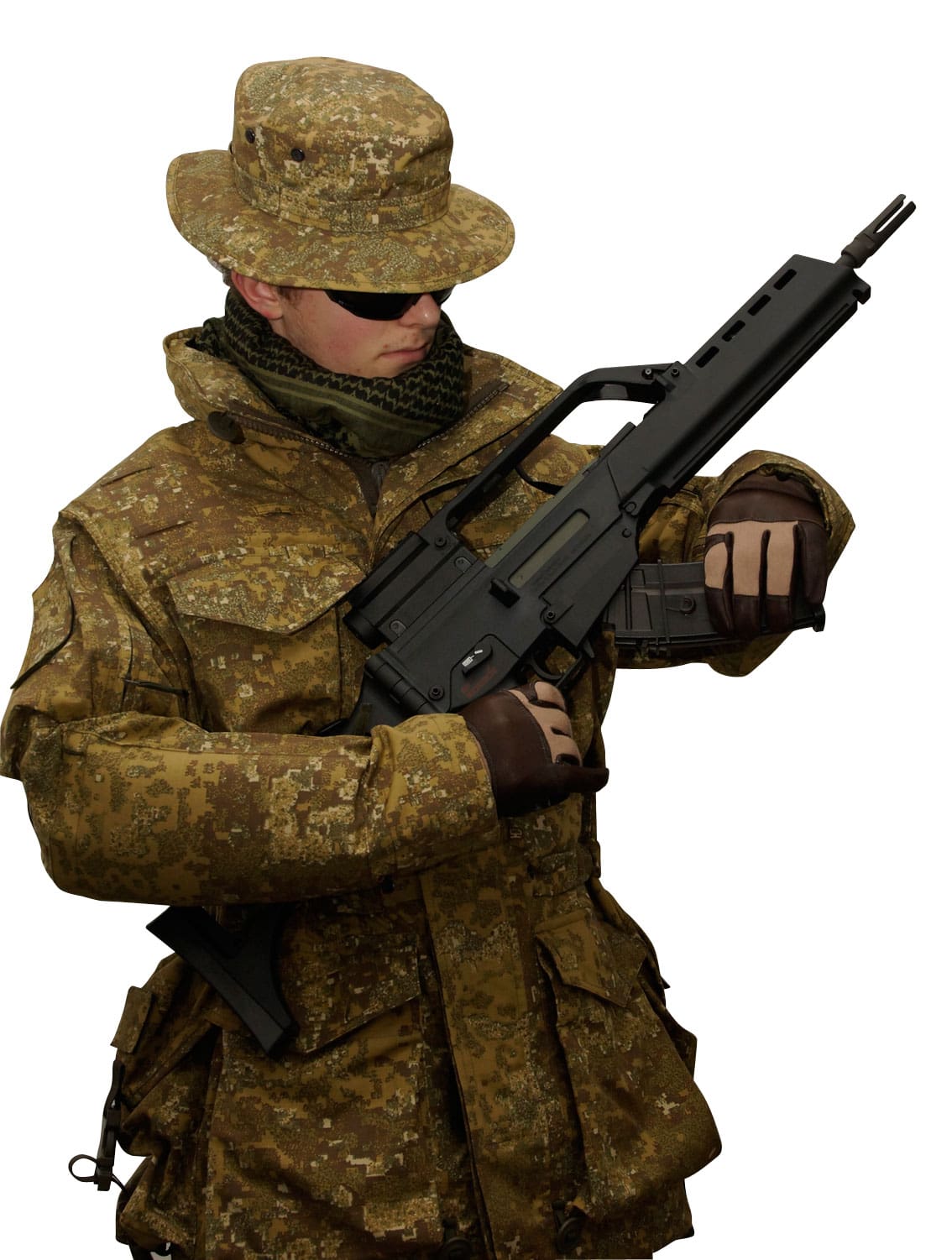
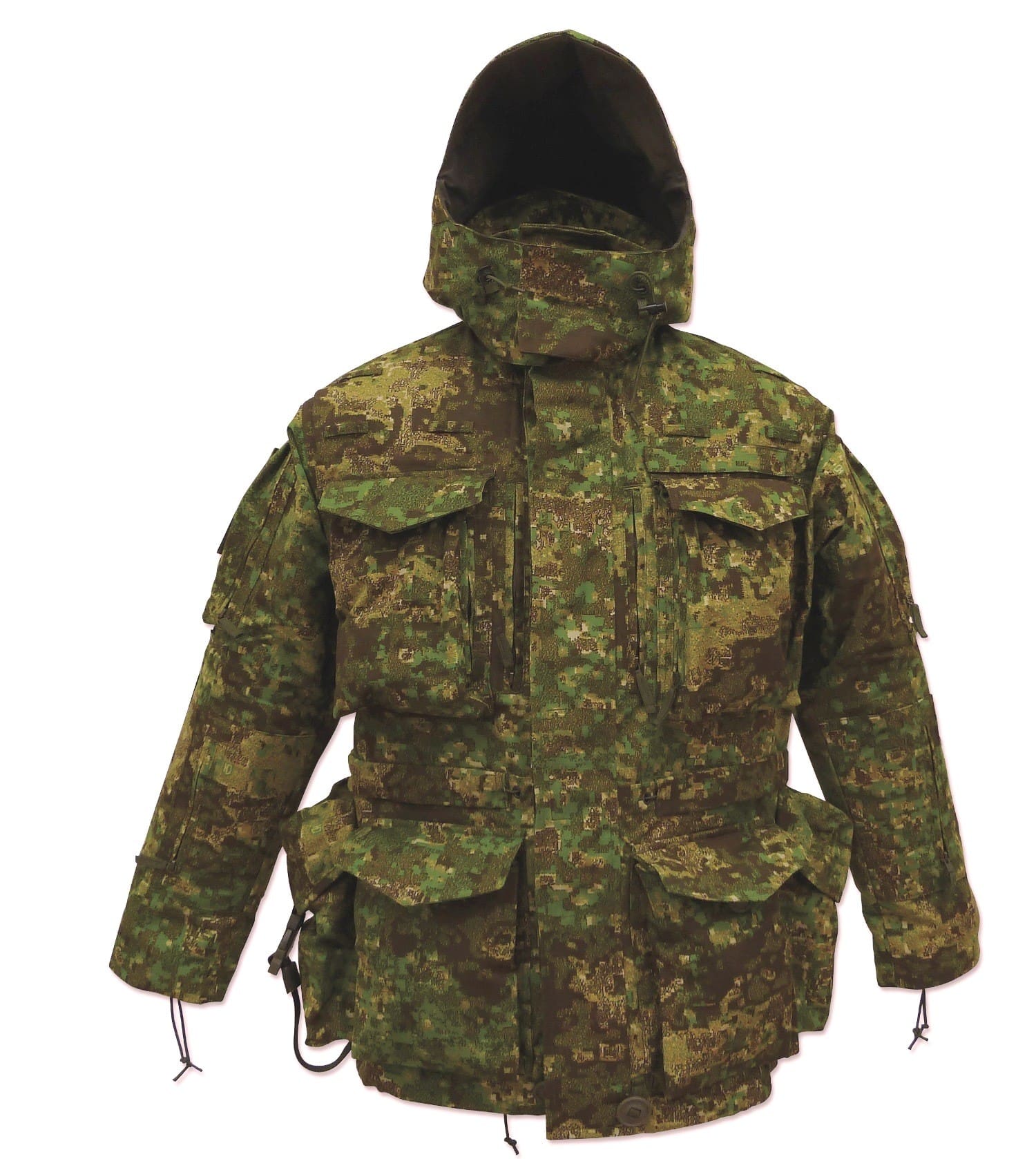
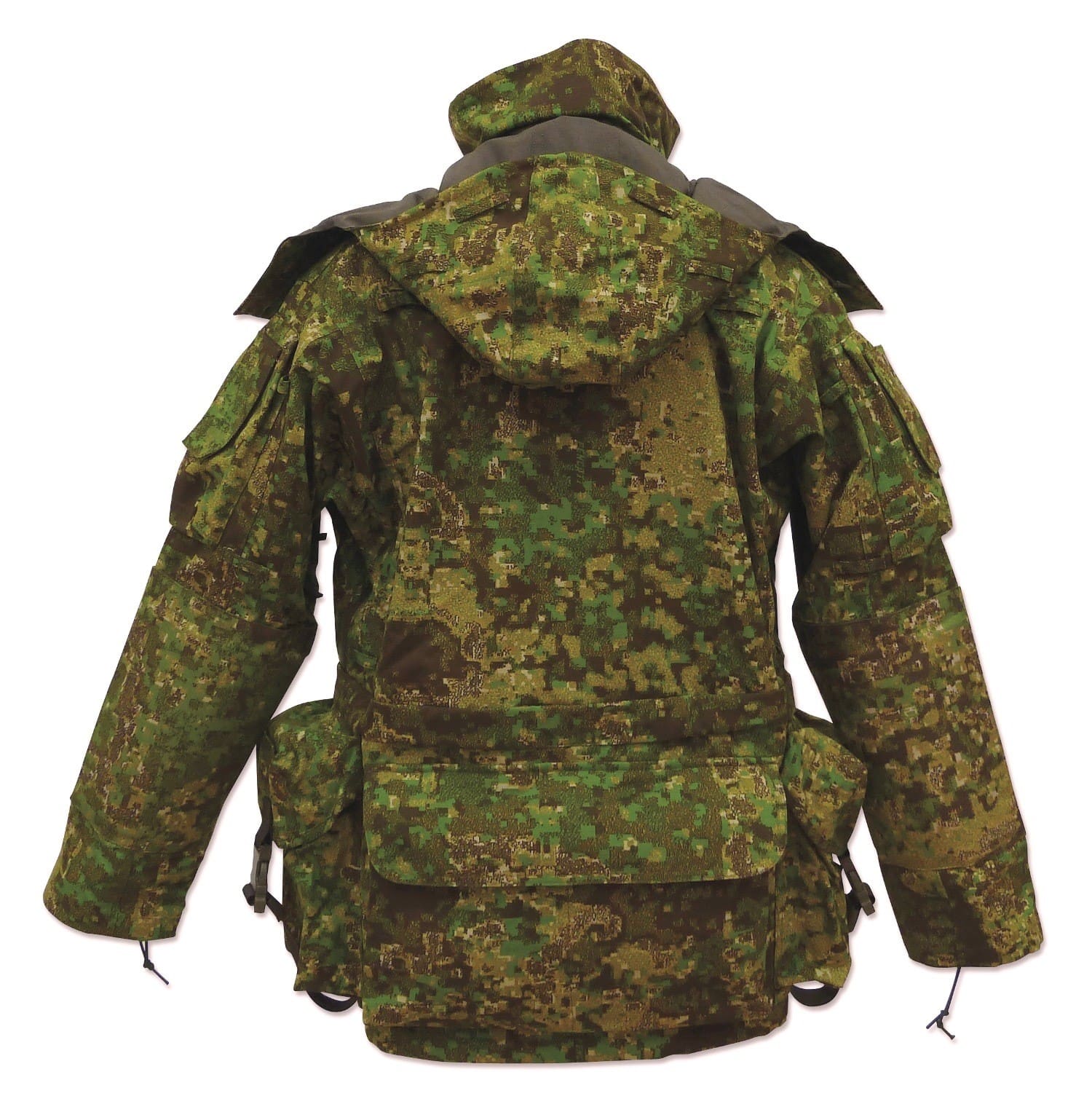
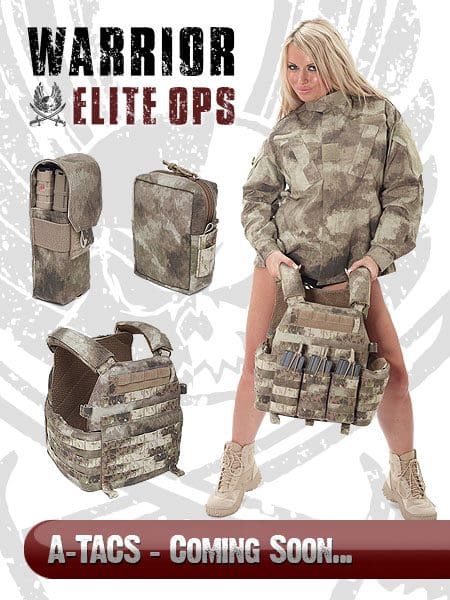
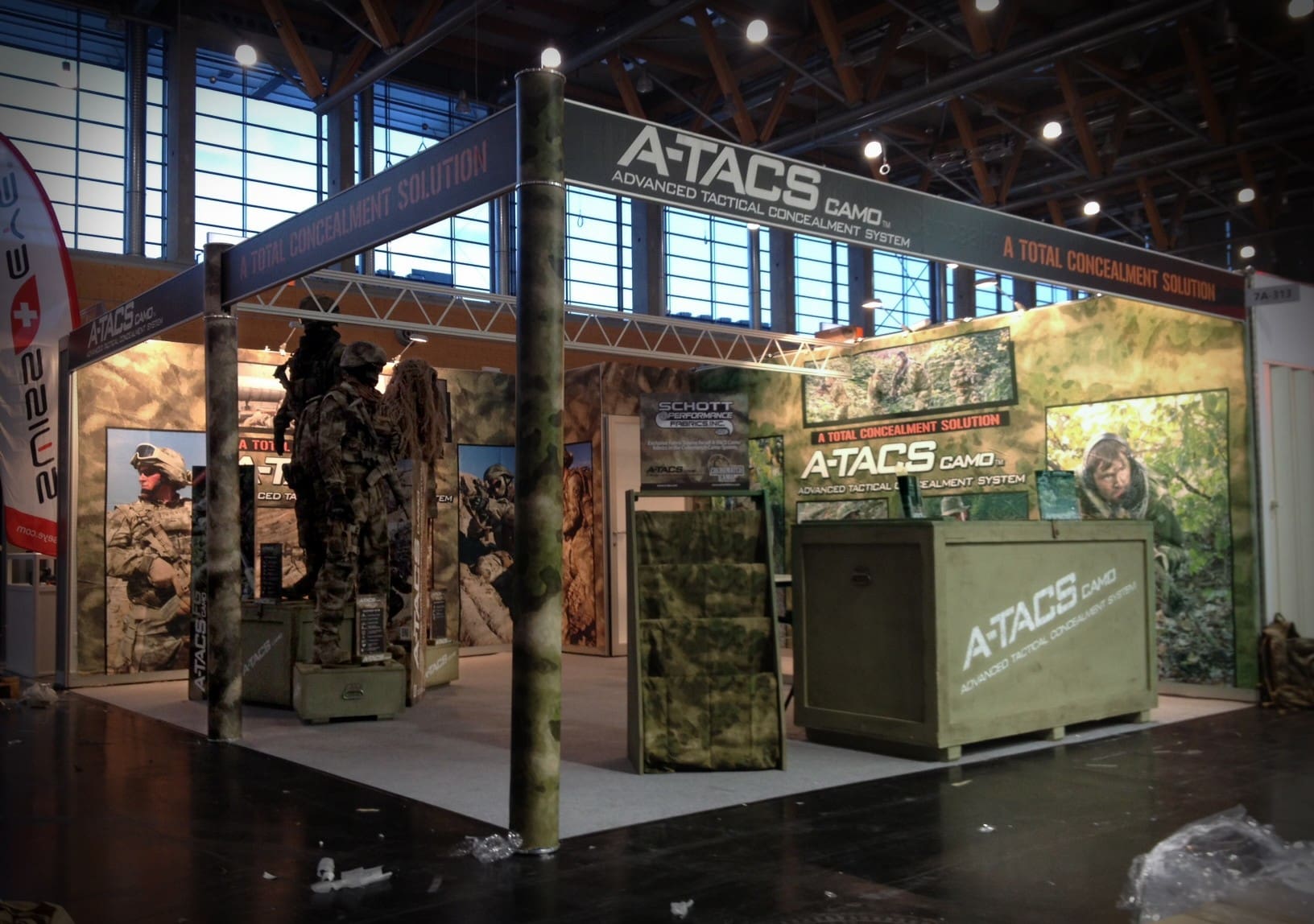
This is what the A-TACS booth looked like the evening before IWA kicked off.
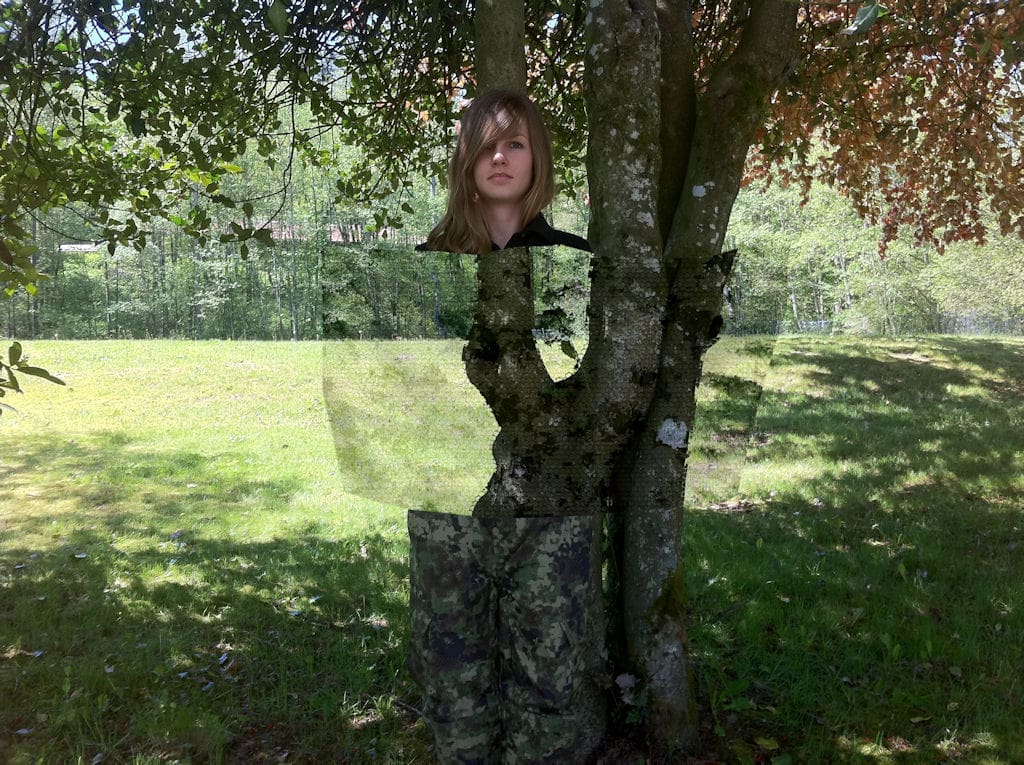
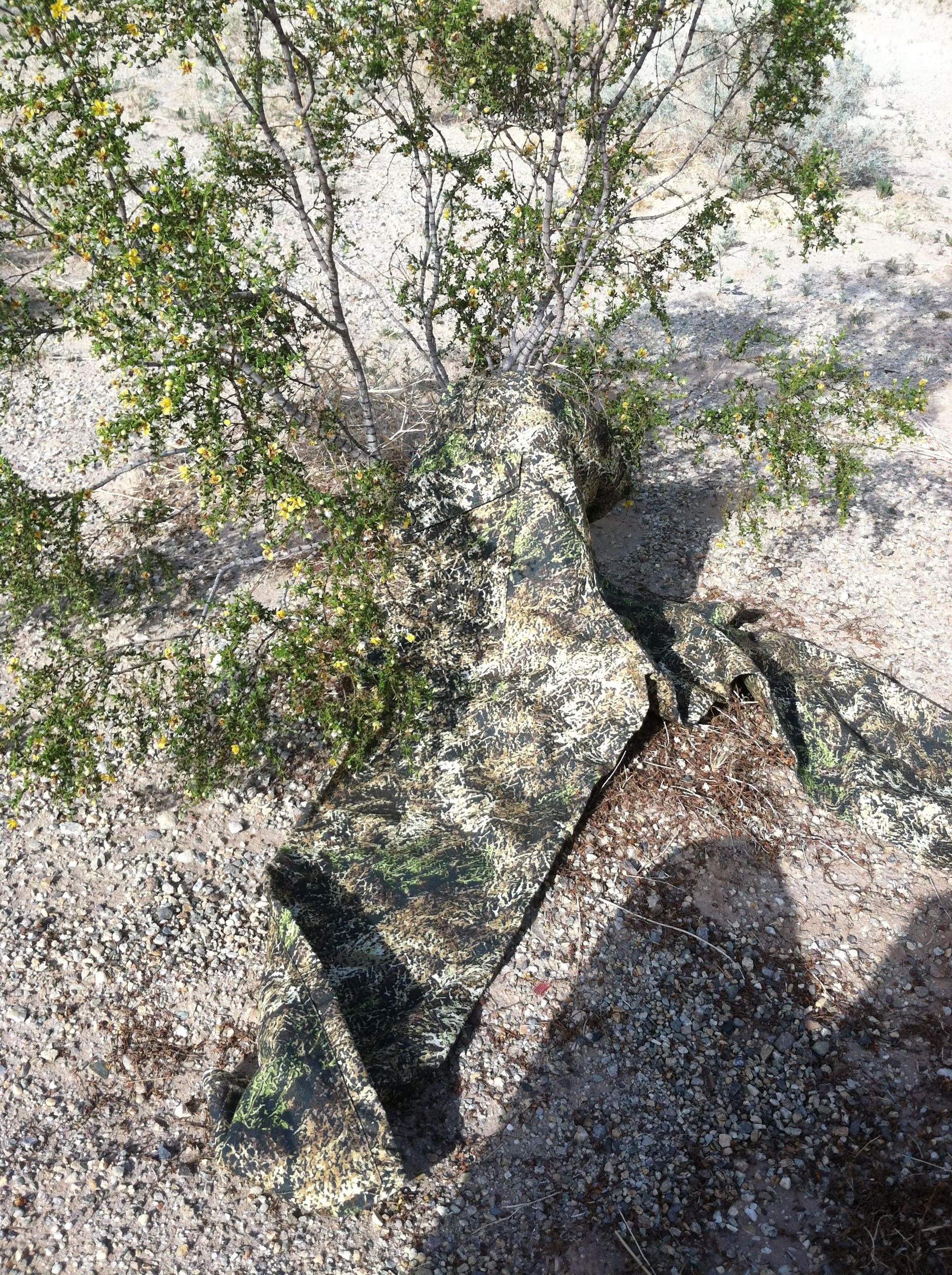
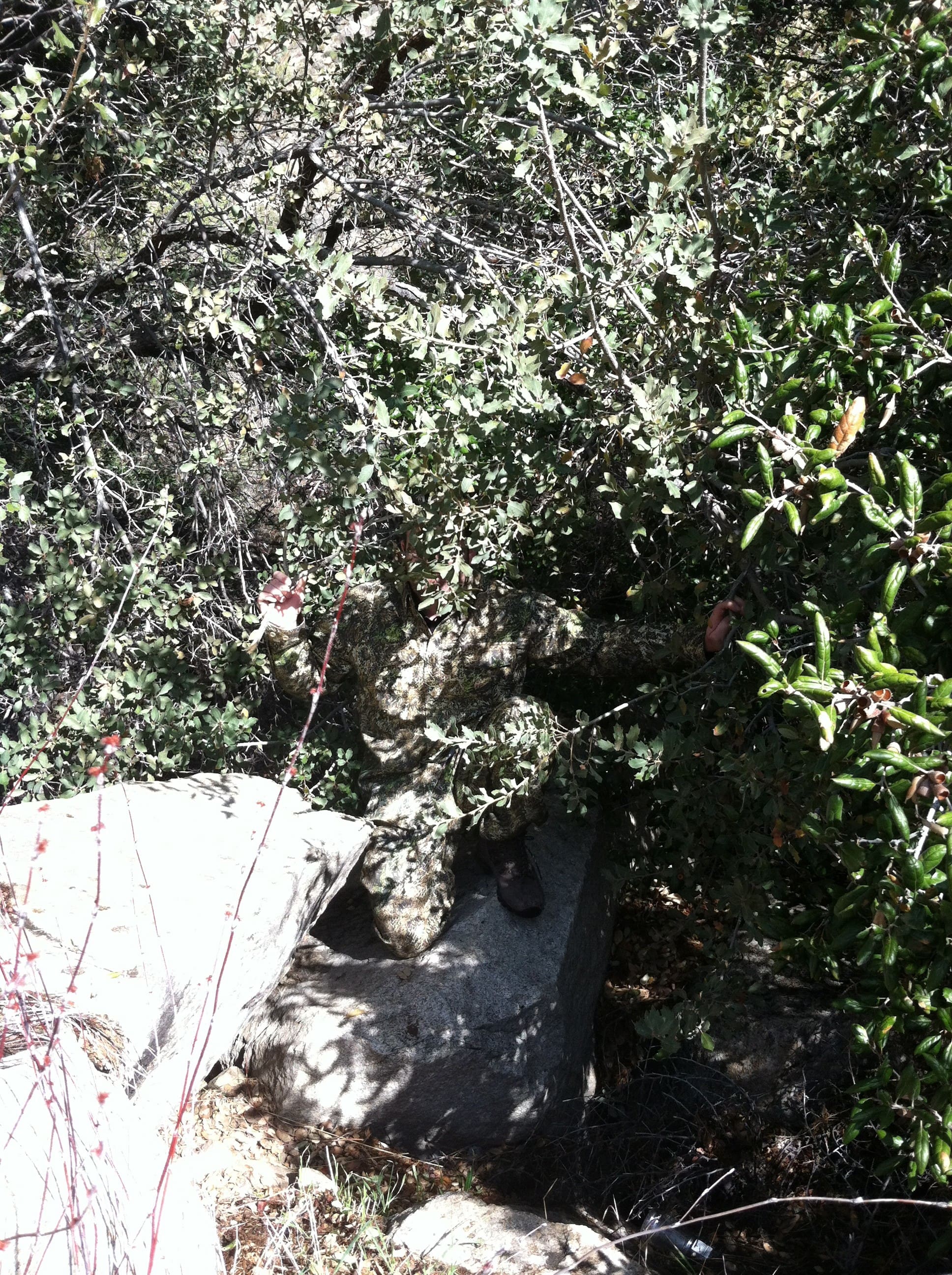
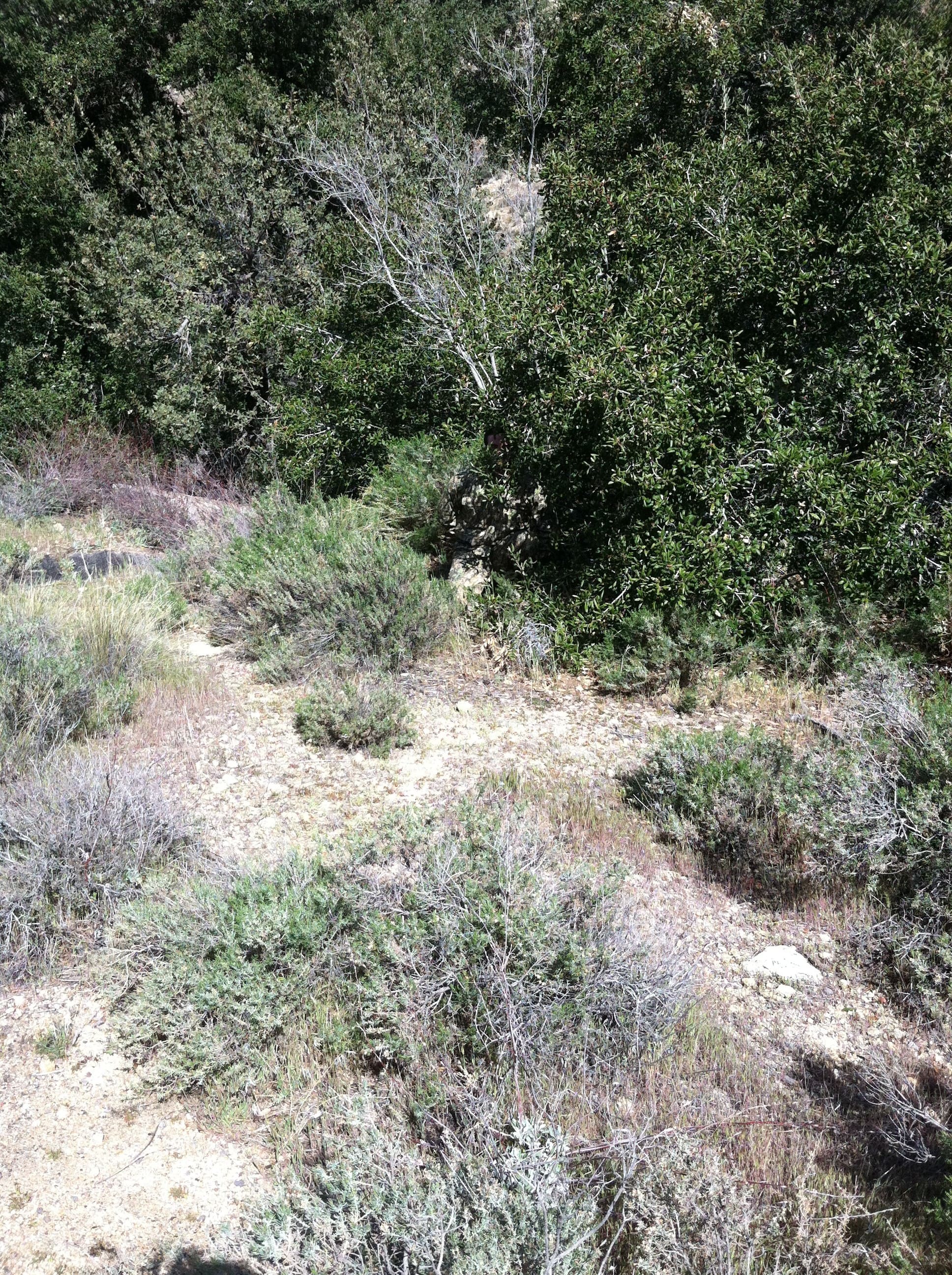
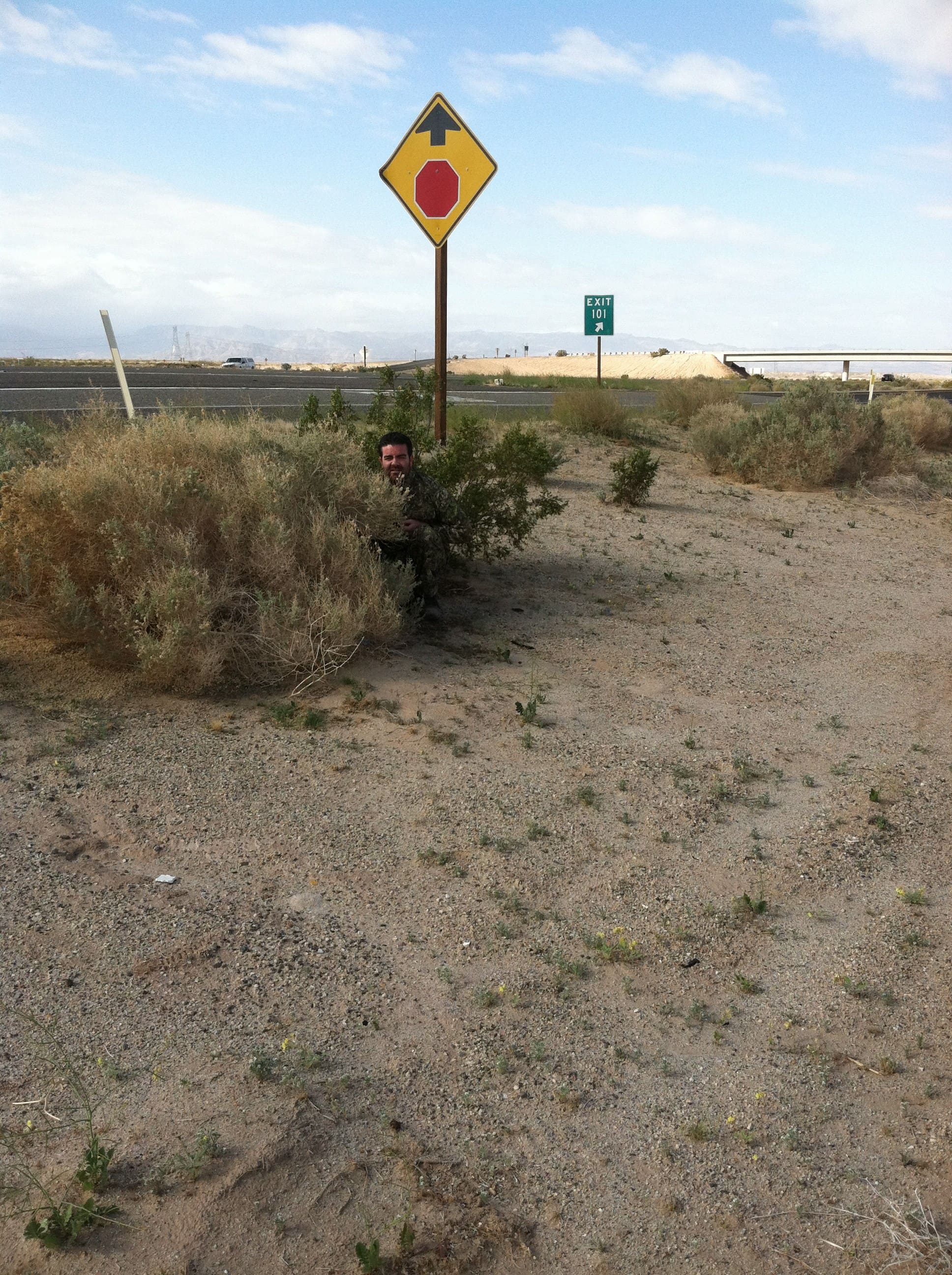
Unfortunately, we can’t give too many details (yet), but SOFREP Editor Brandon Webb is working with an unidentified company on a new hunting camouflage. They are telling me that this will be next breakthrough pattern in the outdoor industry because they are working to conceal the hunter in more than just the visual spectrum. The idea is great camo with signature management properties at an affordable price.
Here are a couple of shots to give you an idea of what he is up to.
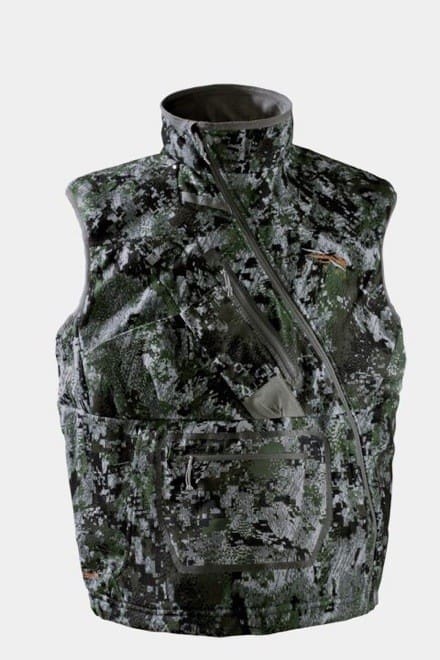
Sitka introduced the new Fanatic Vest at this year’s SHOT Show. Based on the Fanatic Jacket it features the same, main diagonal zipper design. This leaves a clean front for a kangaroo-style handwarmer pocket. It also offsets the zipper so there aren’t a bunch of zippers piled up on the chin. Manufactured from 133g/m2 Primaloft Sport insulation and WINDSTOPPER fabric in Forest Concealment sizes Med – 3XLge.
Remember, Sitka products are intended for hunting but the features of this vest might do well for certain tactical applications.
Coming later this year from www.SitkaGear.com.
This article originated on Tactical Fanboy
You may have already read that Tactical Concealment built the ghillie suits used in Act of Valor (see Tactical Concealment on SSD). They are very well known in shooter circles for the quality of their kit. That isn’t hype or bs, I’ve talked to several guys who use nothing else. Tactical Concealment essentially builds various “signature management” foundations for various uses, from full-blown ghillie suits to hoods and chaps and everything else. A recent offering from TC addresses those who require more limited signature management. It’s designed for use folks who require some outline work but don’t want to wear the entire thing (like assaulters, as mentioned, or members of LE tracking teams, or perhaps LE K9 units in a rural area…or even just MilSim shooters who want to get close to their target).
The piece in question is the Tactical Concealment Viper. It comes in two forms, standard and “Mosquito”. The latter is built of a new material that substantially decreases weight (you can, in fact, put it in a BDU pocket).
Note: you’re going to pay for this. It’s high end stuff meticulously made for guys and girls on the sharp end by a very small staff. If you’re looking for something less expensive, no worries, but this won’t be it. You get what you pay for. I have some Tactical Concealment gear and believe me, it’s solid and built to last. Go like ’em or friend ’em or whatever you call it on Facebook, right now, and tell ’em TANSTAAFL of Tactical Fanboy sent ya. You won’t get anything for doing so, but it will make me look good.
From the website:

“Whether you’re an assaulter or sniper the benefit of suppressing your visual presence to the enemy is extremely important. Tactical Concealment’s Viper is a new high-speed garment designed not just for snipers but for any operator who can benefit from having a tactical edge edge toward visual based camouflage/concealment. Specific to this type of operator is that the Viper is designed to be worn in conjunction and work in unison with combat loadout equipment including tactical vests, armored plate carriers, assault vests and any size backpack. Any tactical operator can now achieve the camouflage/concealment effectiveness of a sniper and his ghillie suit but scaled into a package that is practical and suited toward the working needs and working requirements of an assaulter…”

We got some photos of Brookwood’s finalist submission for the US Army Camouflage Improvement Effort and at first we didn’t want to offer them because the patterns didn’t seem to share a common geometry. We were actually hoping to get some better photography that would show the patterns’ common features. Turns out, having a true family of patterns with common geometry was just general guidance and not a factor in selection and the Brookwood patterns don’t include this feature. So here they are.
We have learned a bit more about the withdrawn Army pattern from the Camouflage Improvement Effort. Considering several indicators as well as sources of information we believe with a high degree of confidence that the withdrawn pattern is Scorpion. If this is true then it makes complete sense to withdraw the pattern. As it is, there is already OCP (MultiCam) being used as the transitional baseline pattern as well as a Crye Precision finalist family of patterns that are by all accounts, based on the successful MultiCam pattern but featuring individual patterns with specific environmental coloration. So, there will be plenty of MultiCam to go around.


As you can see from this photo, the pattern is in the MultiCam family but really more of an ancestor. Scorpion was developed by Crye Precision under contract for the Army’s Objective Force Warrior Program starting in the early 00s. As the Army transitioned the program it dropped the Scorpion pattern and Crye independently refined the pattern and began to slowly market it as MultiCam. Specialized military units saw promise in the pattern and began to use it. Simultaneously, it was picked up by the tactical industry and offered commercially making it easier for small unit adoption. This increased use of MultiCam by military forces is a truly successful case of grassroots marketing and by the late-00s it was being worn by both American as well as Allied SOF. Over the past two years it has been selected for use by the US Army and Air Force for use in Afghanistan as well as by the UK and Australian military in national variant forms.
Natick kept the Scorpion pattern in their vaults and would occasionally trot it out for experimentation and development including competitive testing. Since it was independently developed by the Army over the past decade the current version is going to be a bit different than Crye Precision’s MultiCam. Apparently, Scorpion was chosen by the Natick as their sole entry for the Army Camouflage Improvement Effort after the decision was made to go with four commercial families of patterns and one Government derived family rather than the original three and two. That tells us that someone has a lot of confidence in the design.