XC3 Weaponlight

Archive for the ‘Contracts’ Category

AirBoss Defense Group Awarded Contracts Valued at Over $123 Million to Support the PPE Requirements of the U.S. Strategic National Stockpile and the U.S. Department of Veterans Affairs

Monday, July 27th, 2020

LANDOVER, MD (July 27, 2020) – AirBoss Defense Group (ADG), which is focused on the design, development and manufacturing of American-made, proven, commercially available personal protective equipment (PPE) that protects front-line workers and defense personnel, announced today that it has been awarded more than $123 million in contracts to supply PPE to U.S. Government agencies.

ADG been awarded a $121 million contract by the U.S. Department of Health and Human Services (HHS) – Office of the Assistant Secretary for Preparedness and Response (ASPR), for 50,000 American-made FlexAir™ Powered Air Purifying Respirators (PAPR), 3,000,000 High Efficiency Filters and related accessories, including spare protective hoods, that will be part of the inventory for the Strategic National Stockpile (SNS). The FlexAir PAPR is designed to enable medical providers and first responders unencumbered protection over extended periods of time, while providing critical medical care. Deliveries under the contract to HHS are expected to be completed over the next nine months.
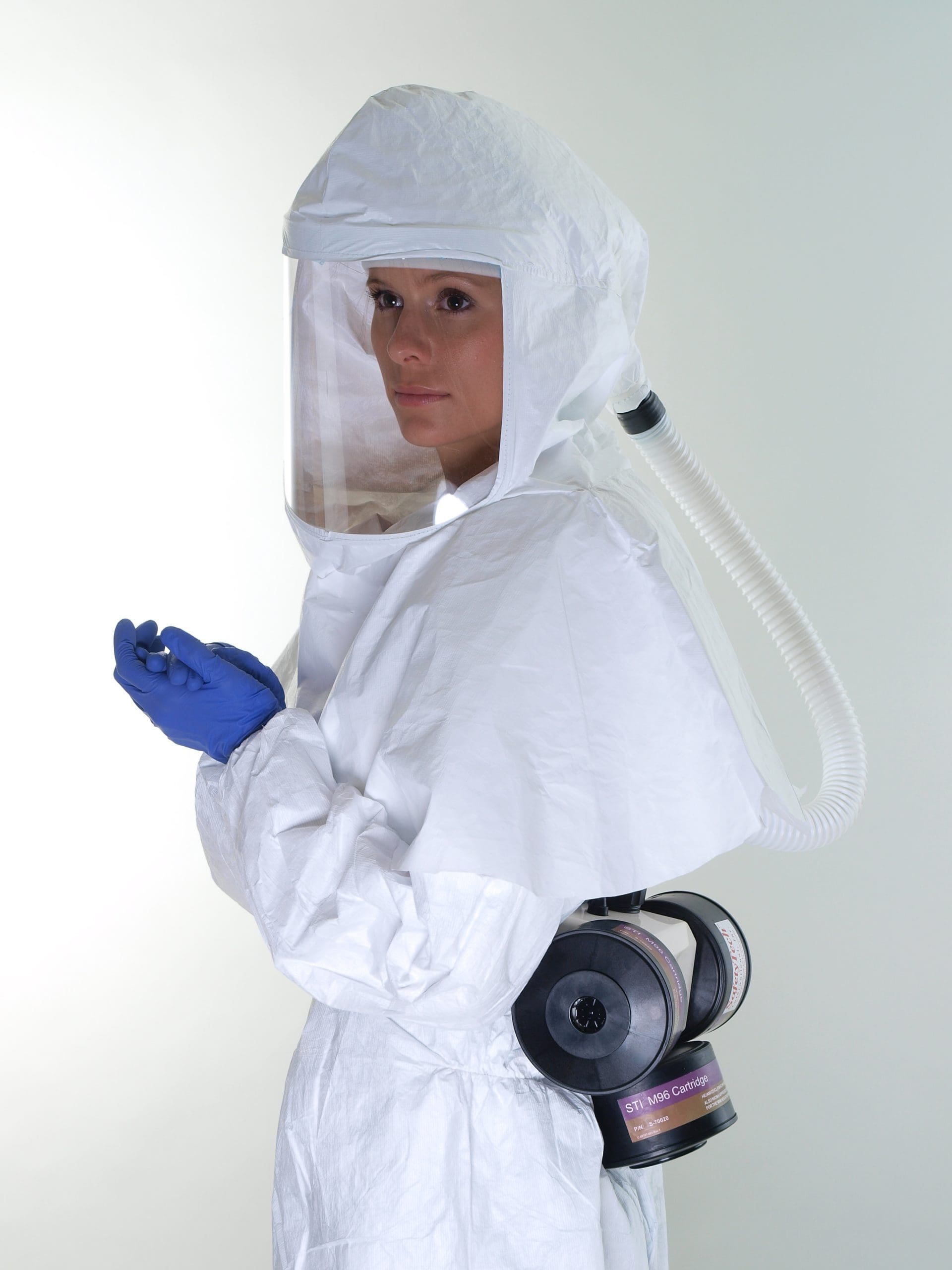
ADG further announced that the U.S. Department of Veterans Affairs (VA) has placed a sustainment order of $2.55 million with ADG for 60,000 high efficiency (HE) filters and 20,000 protective hoods to establish a contingency stockpile of equipment for the ongoing fight against COVID-19. This sustainment order supports the continued use by VA medical personnel of the over 10,000 American-made FlexAir PAPR systems that had been delivered to the agency earlier this year. Deliveries to the VA are expected to be completed over six weeks, beginning in mid-August.

Patrick Callahan, CEO of ADG, stated: “These new contracts underscore ADG’s ability to quickly respond to the COVID-19 crisis by focusing the entire company on delivering FlexAir PAPR systems to front-line workers across the United States. These orders to supply the PPE needs of the SNS and the VA will bolster U.S. capabilities to respond to public health hazards and ensure that the United States has a more robust domestic capability to support the federal response to future emergencies.”

“To this end, ADG has increased staffing to support the urgent needs of the U.S. federal government and is manufacturing PAPR systems at facilities in Landover, Maryland; Auburn Hills, Michigan; Scotland Neck, North Carolina; and Charleston, South Carolina,” Mr. Callahan noted.

The FlexAir PAPR system is a compact, lightweight respirator system powered by an onboard battery in a waist-mounted blower, designed and manufactured in the United States.  The flexible design permits the use of two high-efficiency particulate filters that are designed to provide a 99.7% protection level against particulates, aerosols and biohazards, including the COVID-19 virus.

The PAPR order for the SNS follows an earlier Federal Emergency Management Agency (FEMA) order for 100,000 PAPR systems that was placed to respond to the immediate threat posed by the COVID-19 pandemic. ADG has since successfully delivered over 90% of the initial order and remains on track to complete this original contract on time, by the end of July 2020. Additional future follow-on orders for sustainment filters, hoods and accessories are anticipated. The VA order builds upon ADG’s proven record of dependability as the PAPR system provider of choice for federal agencies.  

ADG’s PPE products have been used by various branches of the U.S. government for over 20 years. In addition to the above HHS and VA contracts, ADG has received over $15 million in non-governmental orders for PPE during the current pandemic. ADG’s emergency response equipment and PPE are utilized by the U.S. Department of State, Office of Strategic Medical Preparedness, FEMA and CDC infectious disease treatment centers.

The Company provides protective equipment to emergency first response teams and hospitals in hundreds of U.S. cities, as well as over 30 countries worldwide. ADG successfully responded during the MERS and Ebola outbreaks, by providing critical protective equipment to government and civilian first response customers.  ADG will continue to engage in the response to the COVID-19 outbreak through the rapid delivery of domestically manufactured PPE and patient isolation systems to the first-responder community.

For more information, please visit www.adg.com.  

US Army Awards Contract for Hybrid Electric Prototype

Saturday, July 25th, 2020

Fort Belvoir, Va. — The Army recently issued a contract award to rapidly prototype hybrid electric drives into an Army combat vehicle as a key step in scaling-up this widely available commercial technology.


Hybrid electric drives (HEDs), used today in commercial cars, buses, heavy trucks and other vehicles, could significantly reduce Army vehicle costs related to maintenance and fuel consumption, increase reliability, and improve performance, with no added size, weight and power (SWaP) demands.

Under an Other Transaction for Prototype Authority (pOTA) agreement, issued by the Army Rapid Capabilities and Critical Technologies Office (RCCTO) on July 16 in the amount of $32.2 million, BAE Systems will deliver two vehicles retrofitted with HEDs. The entire effort, from contract to delivery, is expected to take 24 months.

The HED – consisting of an upgraded engine, a transmission replaced by an electric drive motor, and the addition of lithium ion batteries – turns engine power into electricity for greater mobility and operating additional onboard equipment.

“By rapidly prototyping HEDs on a small scale, we can jump-start advanced electrification and hybridization of Army platforms, and encourage our industry partners to invest in these products to meet Army standards,” said LTG L. Neil Thurgood, director of Hypersonics, Directed Energy, Space and Rapid Acquisition, who oversees the RCCTO.

With the HED replacing the traditional heavy mechanical powertrain, the design has the potential to provide increased automotive performance, increase survivability by reducing the thermal and acoustic signature of the vehicle, increase acceleration capability, and improve lethality. The Army anticipates reduced fuel consumption by as much as 20 percent, and with a smaller number of parts, vehicles with HED technology should be easier to maintain.

Under the contract, the Army will use the A2 Bradley as the surrogate vehicle. BAE will integrate two HED vehicles, which will then undergo contractor performance assessments, testing and validation, ultimately leading to the transition to Program Executive Office Ground Combat Systems (PEO GCS). The RCCTO is working closely with PEO GCS throughout the effort.

“HEDs add a high-voltage generator that turns engine power into electricity for greater mobility and for operating additional equipment, both of which increase combat effectiveness,” said Mike Foster, director of the RCCTO’s Rapid Acquisition Prototyping Project Office. “It also offers the ability, because of its electric powertrain, to conduct silent over-watch missions and silent mobility.”

The Bradley is being used because of the small form factor fit of the engine, which is smaller than other tracked vehicles and can then scale-up to be applied to other platforms, including future vehicles.

Once the two vehicles are complete, the RCCTO will conduct additional field assessments on the HED technology with Soldier feedback prior to the handoff with PEO GCS.

The Army RCCTO, headquartered at Redstone Arsenal, Ala., is chartered to develop rapid prototypes and field residual combat capabilities. Its top focus areas are hypersonics and directed energy, but the organization is also conducting rapid prototyping in areas such as the hybrid Bradley, an electronic warfare kit for dismounted threat mapping, and advanced radars.

By Nancy Jones-Bonbrest, Army Rapid Capabilities and Critical Technologies Office

DroneShield Announces USAF Contract Award

Thursday, July 23rd, 2020

DroneShield Ltd (ASX:DRO) (“DroneShield” or the “Company”) is pleased to announce that the United States Air Force (the “USAF”) has awarded DroneShield a contract to deploy multiple units of DroneShield’s DroneSentryTM integrated detect-and-defeat counterdrone (C-UAS) system at the Grand Forks Air Force airbase (in North Dakota, USA), protected by the 319th Security Forces Squadron of the USAF (the “319th SFS”). As part of the contract, the USAF acquired an option to acquire additional systems following the initial deployment.

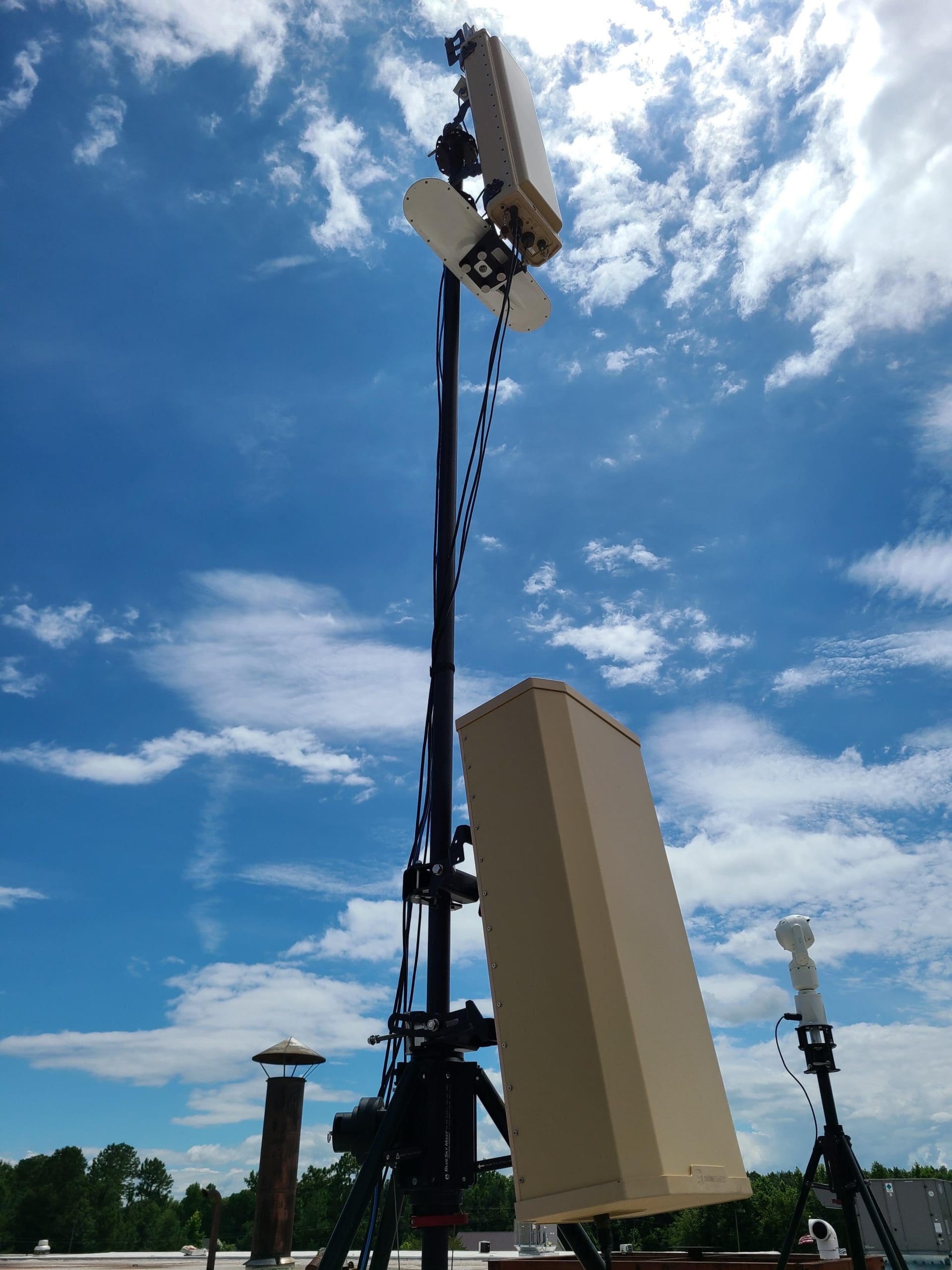
The DroneSentryTM systems to be deployed feature DroneShield’s passive RfOneTM radiofrequency direction finding sensors, with a world-leading range for detection of small class 1 drones, combined with the Company’s DroneCannonTM fixed site electronic countermeasures systems. DroneSentryTM utilises DroneShieldCompleteTM user interface, an intuitive and feature-rich alerting, tracking and reporting software. The system will receive regular firmware updates, including the Company’s upcoming cutting edge Artificial Intelligence-based firmware rollout planned for late 2020.  

Oleg Vornik, DroneShield’s CEO, commented, “DroneShield was selected because our technology leverages Artificial Intelligence software and tracking/defeat automation that solves the 319th SFS problem statement (i.e. the requirements provided to the bidders on the contract) with little to no impact on manning.

This is DroneShield’s first U.S. Air Force deployment. We are immensely proud that the U.S. Air Force, one of the most demanding customers in the world, chose to deploy DroneShield’s flagship, fixed site detect-and-defeat system, incorporating our new RfOne MKIITM sensors. The USAF has a substantial requirement for the protection of its bases, in the US and forward deployments, and we look forward to continuing to support the service members and the expanded rollout of our solutions for their protection. In addition to our other recent work for the US military and government sector, a key market for us, the need for DroneShield’s industry-leading Counter-UAS solutions is expected to grow rapidly as global tensions continue to increase and the drone threat proliferates.”

For clarity, this announcement is not, and does not imply, a direct or an indirect endorsement of the Company’s products or services by any third party, including the U.S. Air Force.

Speer Ammunition Awarded Record $112M Contract with the Department of Homeland Security, U.S. Customs and Border Protection

Tuesday, July 21st, 2020

LEWISTON, Idaho – July 20, 2020 – The Department of Homeland Security (DHS), U.S. Customs and Border Protection (CBP) has selected Vista Outdoor’s Speer Ammunition brand as the awardee for their 9mm Service Ammunition. CBP is one of the world’s largest law enforcement agencies and is charged with border security while also overseeing lawful international trade and travel.  This is the largest duty contract won in company history and solidifies Speer as law enforcement’s number one choice of duty ammunition.

This single-award, Indefinite Delivery Indefinite Quantity contract is a Strategically Sourced contract for all DHS components and other federal agencies with a maximum value of $112 Million dollars. The ordering period is for a total of five years with product delivery commencing this August.  

“We are proud to provide the highest quality duty ammunition to CBP officers charged with the monumental task of border security,” said Speer Ammunition President Jason Vanderbrink. “We know they require the best ammunition in their mission to protect our borders and keep the homeland safe. The use of Gold Dot technology in this contract ammunition ensures the highest performance threshold and absolute confidence in on-duty performance.” 

CBP selected a round utilizing the Speer Gold Dot technology, which has set an industry benchmark for both self-defense and duty use, earning the trust of consumers and law enforcement world-wide. The bullet features a pressure-formed lead core that is bonded to an extremely uniform jacket a single atom at a time that virtually eliminates separation on impact for more retained weight and consistent penetration depths. The Gold Dot hollow-point design expands consistently through the full range of barriers. Reliable ignition and cycling are delivered thanks to sealed primers and nickel-plated brass.

Speer ammunition can be found at dealers nationwide or purchased online direct from Speer. For more information on all products from Speer or to shop online, visit www.speer.com

Mack Defense In-Service Support Contract Extended for Canadian Medium Support Vehicle System Program

Saturday, July 18th, 2020

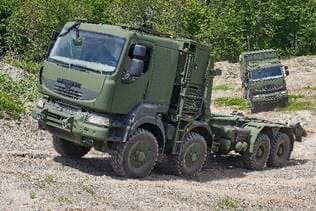
ALLENTOWN, PA (July 13, 2020) – Public Services and Procurement Canada (PSPC) has exercised the option to extend Mack Defense’s in-service and support contract for an additional five years from 2020-2025, covering more than 1,500 Medium Support Vehicle System (MSVS) Standard Military Pattern (SMP) vehicles.

“Mack Defense’s MSVS SMP vehicle systems provide critical capabilities that the Canadian Armed Forces depend on,” said David Hartzell, president, Mack Defense. “We look forward to maximizing the uptime of these vehicles as we continue to provide these support services.”

The contract covers all MSVS SMP vehicles, trailers and armored protection systems, and will enable Mack Defense to provide support services and the provision of spare parts and materials for level one and two maintenance tasks performed by the customer. Equipment requiring in-depth maintenance, such as repair and overhaul activities or warranty repairs, will be handled by a facility in the area of Quebec City, Quebec. Mack Defense will provide support by delivering spare parts to Canadian Forces Depots (CFD) in Edmonton, Alberta and Montreal, Quebec.

Mack Defense was awarded two contracts in 2015 valued at $725 million CAD by the Department of Public Works and Government Services Canada (now PSPC) on behalf of the Department of National Defense to deliver more than 1,500 8×8 MSVS SMP trucks and to provide in-service support for the fleet. The MSVS SMP is available in a number of variants, including cargo, material handling cranes, load handling systems (LHS) and mobile repair trucks (MRT).

The 1,587th and final MSVS SMP vehicle was delivered in February 2020. The program also delivered 322 trailers and 161 armored protection system cabs.

Mack Defense’s in-service support contract has been extended by Public Services and Procurement Canada (PSPC) supporting more than 1,500 Medium Support Vehicle System (MSVS) Standard Military Pattern (SMP) vehicles.

Mack Defense, a wholly owned subsidiary of Mack Trucks, is responsible for the sale of heavy-duty trucks to federal- and ministerial-level customers globally. For more information, please visit www.mackdefense.com

Liteye C-AUDS Chosen to Defend Critical Infrastructure by the US Government

Friday, July 17th, 2020

Recent Selection by DOD Joint Counter UAS Office (JCO) ties to Liteye Systems Inc. 

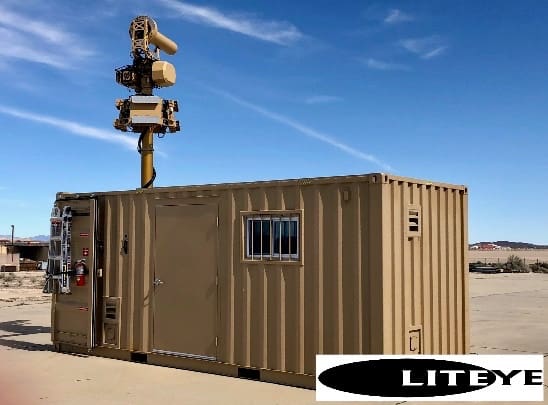
Centennial, Colo. (July 16, 2020) — Liteye Systems, Inc., is pleased to announce the selection of its Containerized Anti-UAS Defense Systems (C-AUDS) as the first system of systems chosen for integration with the USAF developed MEDUSA Command and Control (C2) System which was recently identified in the DoD’s down selection of Interim Counter Small Unmanned Systems (C-sUAS).


Deployed since 2016, C-AUDS Technology Continues to Defend Critical Infrastructure

Liteye has delivered essential equipment to the US Government for over 20 years and has sustained growth starting with the Anti-UAS Defense System (AUDS) as a Combat Proven product with over 1000 defeats against enemy drones flown by ISIS, Taliban and others; C-AUDS is based on that tradition.  Liteye’s portfolio of defense and critical infrastructure protection products continues to be a game-changing force to protect airfields, government installations and lives across the US Government.

“C-AUDS is our most advanced C-sUAS solution built on the foundation of fielded combat capabilities since 2016.  It is a self-contained C-sUAS system that integrates very well with other sensors, C2 systems and weapon systems.” said Kenneth Geyer, CEO and Co-Founder of Liteye Systems.  He goes on to say, “The fact that the MEDUSA C2 System was chosen, and C-AUDS is an integral part of MEDUSA for protection of critical infrastructure is no surprise.  We are committed to continue deliveries of these capabilities to our current customers and to any organization with a requirement to protect lives and defend critical infrastructure.”

Liteye is a world leader in C-sUAS, ruggedized thermal cameras and helmet mounted displays with over $100M in products, support, and services provided to the US Government in recent years. Liteye’s Counter UAS solutions are deployed worldwide.

www.Liteye.com

Saab to Provide $100m in Carl-Gustaf Ammo & AT4 Systems to US Army

Friday, July 17th, 2020

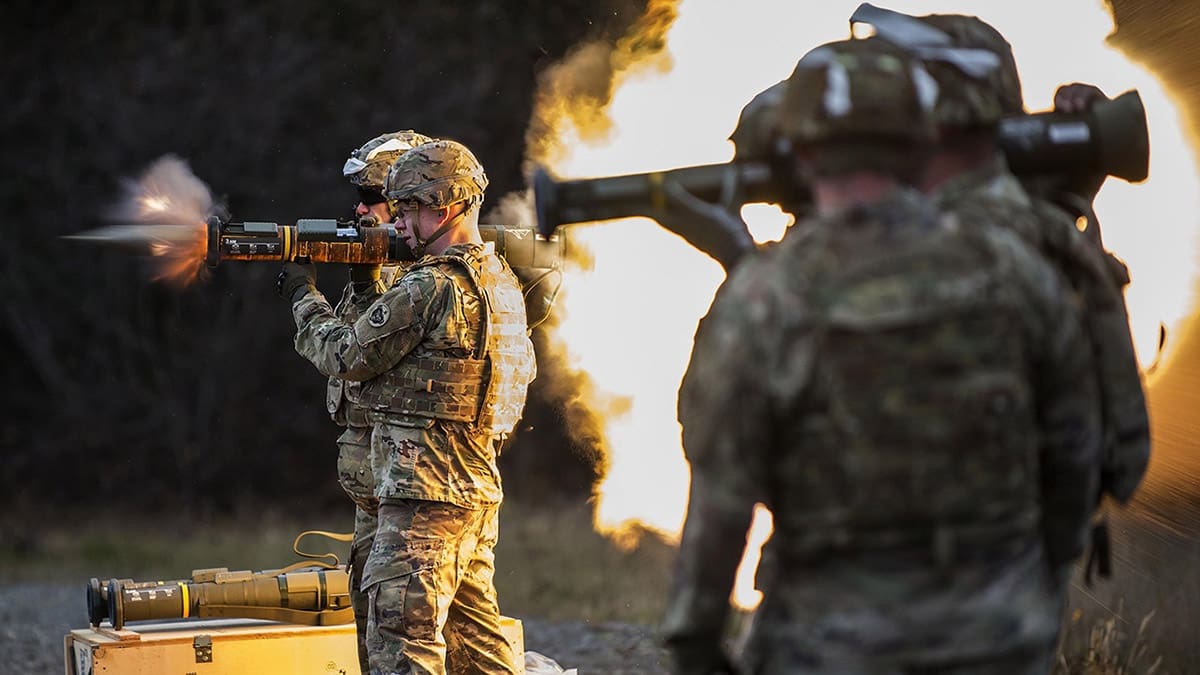
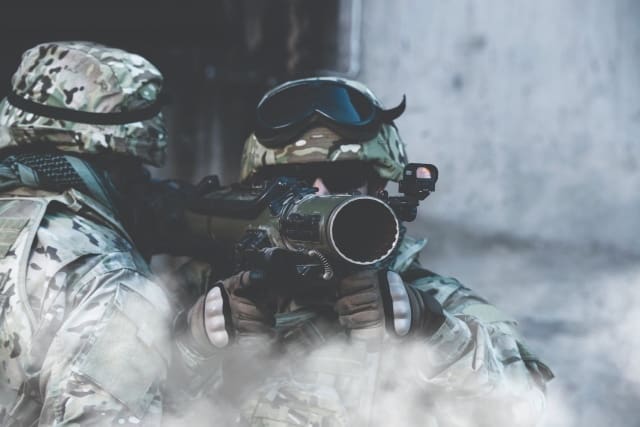
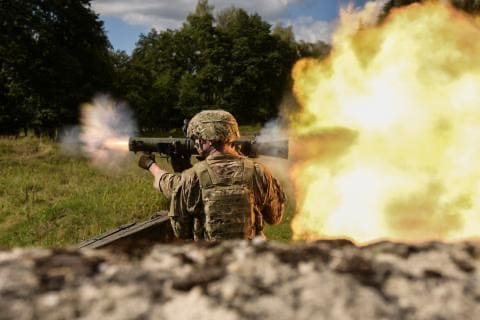
The US Army has awarded a $100 million (USD) contract to Saab for delivery of Carl-Gustaf ammunition and AT4 systems. It’s an “indefinite-delivery, “indefinite quantity” (IDIQ) contract, which EG will have to explain if you want details, but essentially the Big Army, the USMC, and JSOC can reportedly buy more than $400 million worth of them during a 5-year period.

Remember the testing in Sweden last year?

The advent of the new Carl-Gustaf munition ? assuming this is in fact the new laser-guided system ? will is probably more exciting news for more people than the new deal for AT4s. After all, the DoD has purchased well over half a million of them since the heady days of Rick Astley’s debuy album and the very first appearance of The Simpsons.

Back in 2018 the US Army announced it would be acquiring the latest version of the M4 “Goose”, the M3E1. Note that this is M4 is not that other M4 SSD readers might be thinking of. That one, which is much smaller and shoots 5.56mm instead of 84mm, is far more ubiquitous but not as much fun to use.

The Swedish Defence Materiel Administration also recently announced the approval of Carl-Gustaf systems to Latvia, Estonia, and other countries over a ten-year period.

Erik Smith, President and CEO of Saab in the US, says,

“The Saab family of shoulder-fired munitions provides the U.S. Armed Forces with effective capabilities against a wide area of targets. With these systems, soldiers and Marines gain reliable, easy-to-use technology optimized for complex environments and engagements.”

The Swedish Defence Materiel Administration also recently announced the approval of Carl-Gustaf systems to Latvia, Estonia, and other countries over a ten-year period.

The M3 MAAWS (Multirole Anti-armor, Anti-personnel Weapon System) has been in the US inventory for several years now. As with any weapon system, there is (or should be) an ongoing interest in increased lethality and more efficient use.

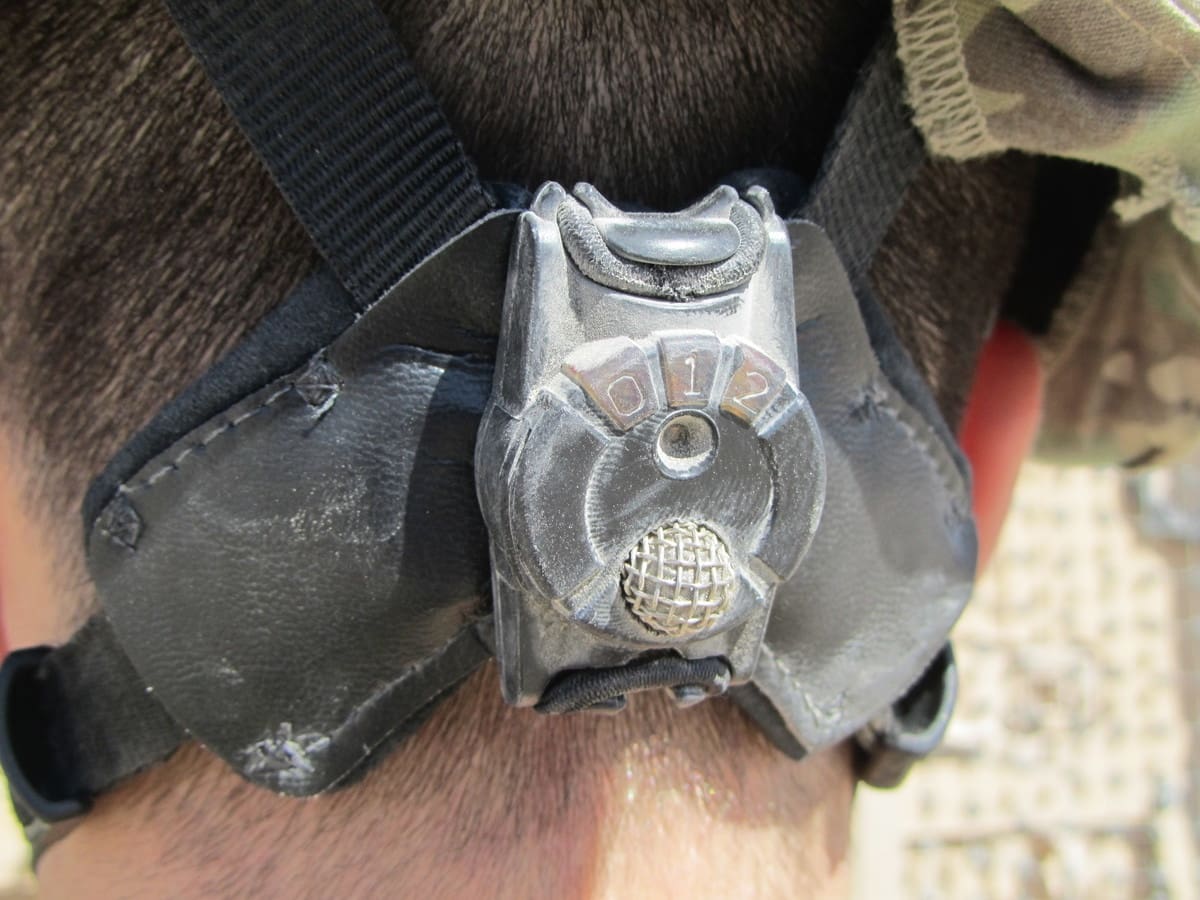
No immediate references could be found as to whether the new ammunition is thought to mitigate concerns of brain injury to those shooting the recoilless rifle, or if that was even a necessary or valid consideration. The most recent reference easily accessible was this report from the Blast Injury Research Program at Ft. Detrick. It’s nearly a decade old, and the helmet sensors formerly fielded to combat troops have since been withdrawn.

You can find additional details and confirmation at the Saab Group website.

From Defense Web TV:

Talk to me Goose.

By David Reeder

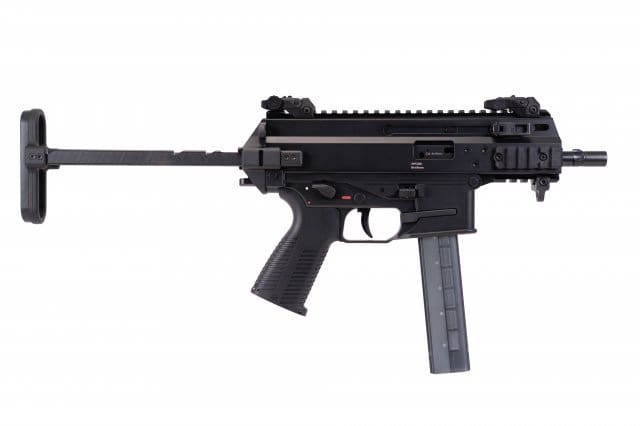
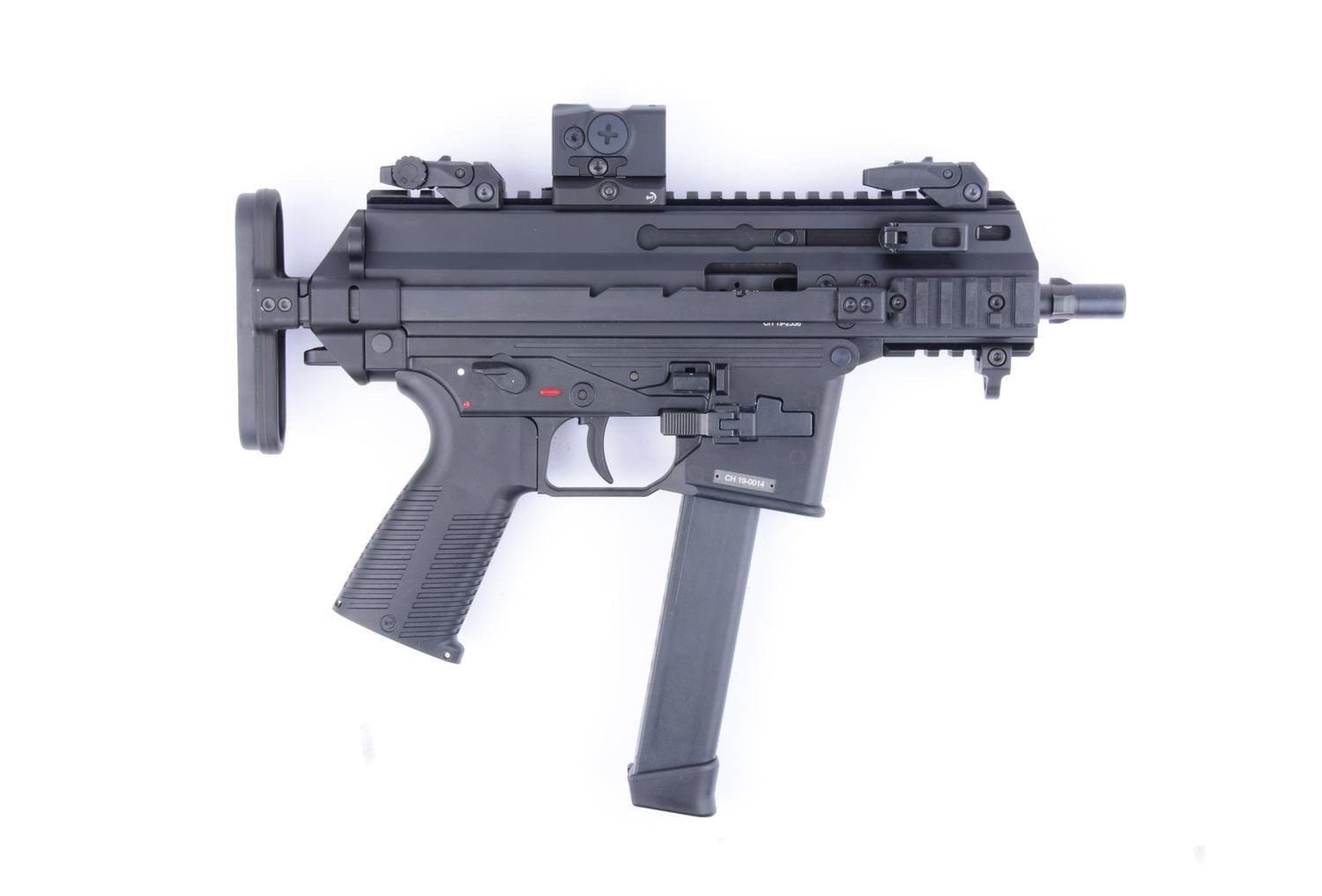
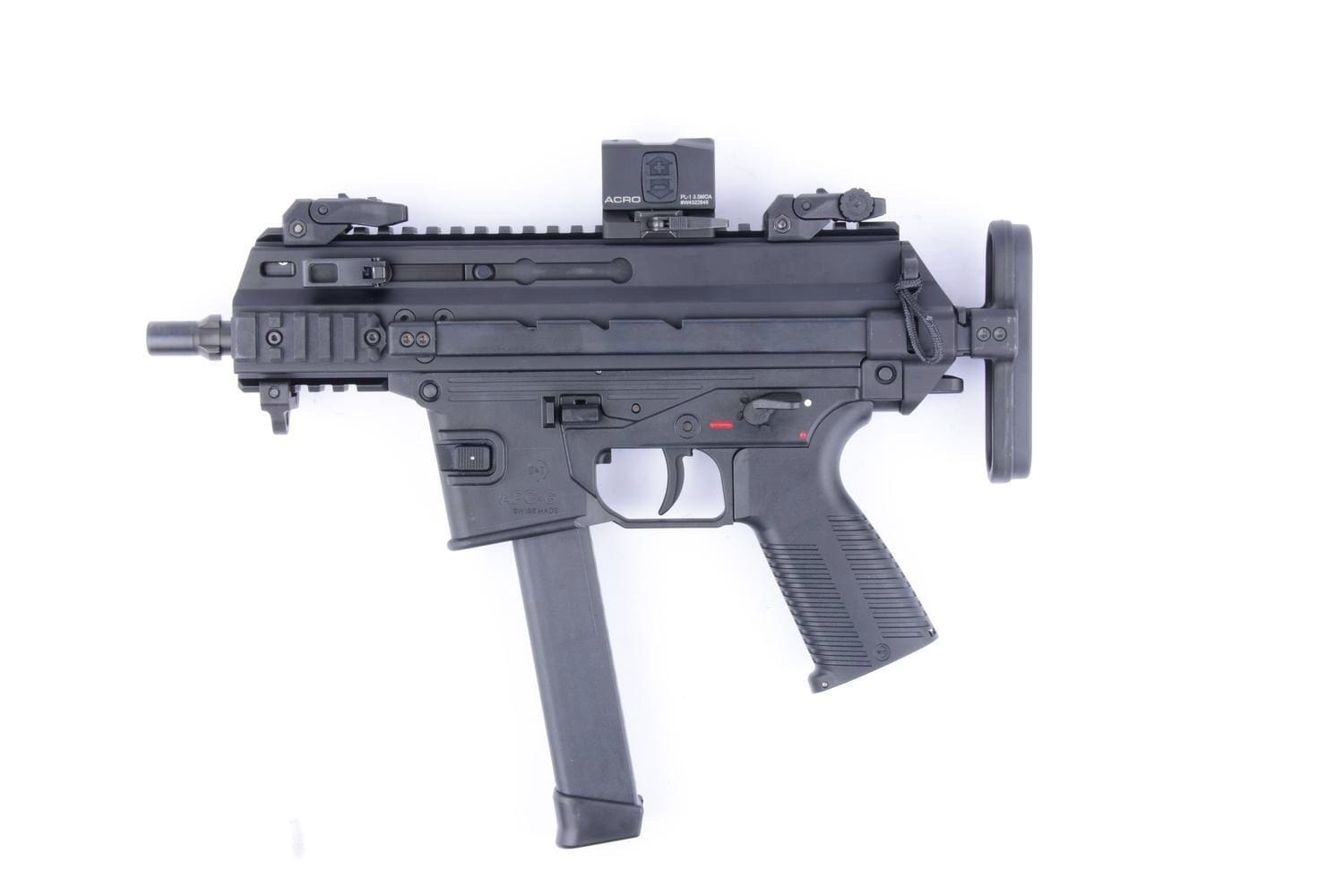
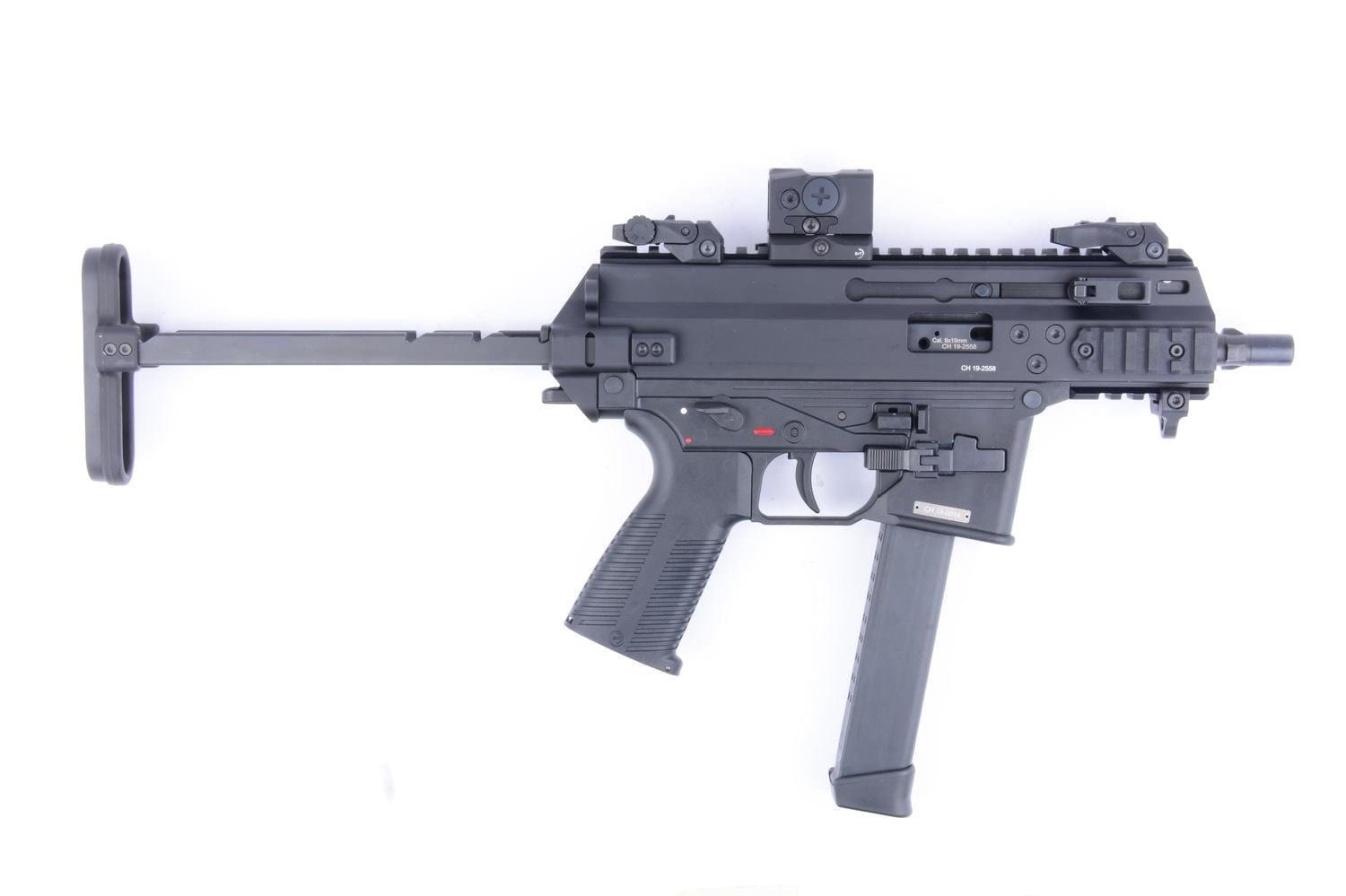
CBP Purchases B&T Army APC9 from Army Sub Compact Weapon Contract

Wednesday, July 15th, 2020

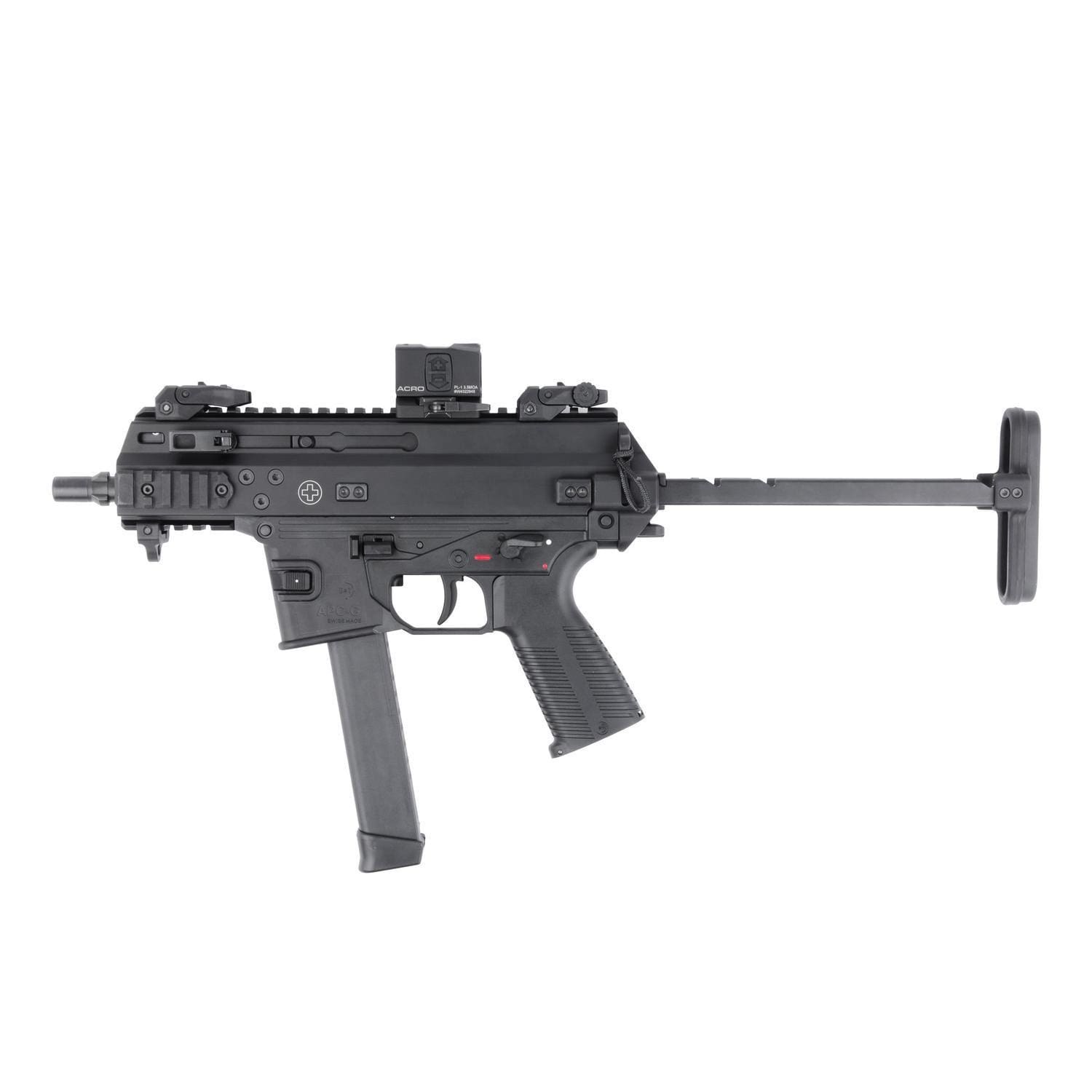
US Customs and Border Protection, part of the US Department of Homeland Security is purchasing 285 Brugger & Thomet APC9s by leveraging the US Army Sub Compact Weapon contract. The contract vehicle was modified earlier this year to allow other agencies to purchase from it and to supply Glock and SIG compatible magwells.

The B&T APC9K was adopted by the US Army just last year as their Sub Compact Weapon as seen above.

The CBP APC9s will be fitted with Aimpoint optics and Glock compatible magwells. We understand the agency plans to replace their fleet of around 2000 H&K UMPs over time.