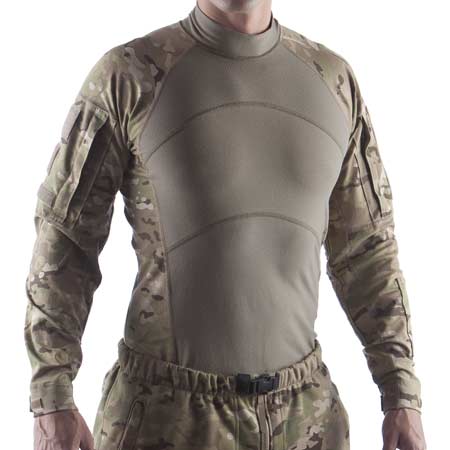
Short Bark Industries manufactures the Marine Corps issue IWCS and we were lucky enough to run across one in the Tencate booth at Modern Day Marine. As you can see it has thumbhole cuffs and Super Fabric shoulder caps and is manufactured from FR fabrics. Check it out.
Massif is offering their popular Army Combat Shirt in the newly adopted Operation Enduring Freedom Camouflage Pattern (MultiCam). This is the issue FR garment which includes the padded elbows with Super Fabric. Available in sizes XS – XXL in MultiCam with Tan torso.
ICE Tactical introduces the first of their new Firestorm line. It is a FR Short Sleeve T-Shirt Made from 65% Mod-acrylic, 25% FR Rayon, and 5% Spandex. It also features a permanent wicking treatment for warm weather comfort. This product is Berry Compliant and is offered in Coyote.
DuPont’s Spruance facility in Richmond, Virginia recently hosted SSD for an in depth look at Fire Resistance and Ballistic Protection.
Back in the 60s a new class of fabrics was developed, called Aramids with DuPont at the forefront of their creation. Two fabrics in this class have become the cornerstones of modern Soldier Survivability; Kevlar and Nomex. They provide Ballistic and Fire protection respectively. Kevlar was initially developed by DuPont for tire belts but not put to its current use until the early 70s. Nomex on the other hand was quickly integrated into flying and space suits not long after its creation.
The most compelling portion of the visit was the ThermoMan lab. Composed of 122 sensors, ThermoMan was designed with the assistance of NC State. In addition to the mannequin, there is also a skin burn injury model that takes data collected at the sensors and displays how a thermal threat would equate to an injury to the human body. One interesting aspect of the ThermoMan over other testing methods such as the commonly used vertical flame test is that the ThermoMan tests not only the material’s performance but also the garment’s overall design and construction. This is a critical factor in protecting a wearer from thermal threats. If a flame can get inside a garment then the wearer might as well not be wearing FR at all. Interestingly, the pocket configuration of the issue flight suit is designed to provide additional protection for the wearer by doubling the layers of Nomex in certain key areas. Testing has revealed that most injuries actually occur after the flame threat is removed and the wearer is subjected to residual heat retained by the garment.
We witnessed two burns consisting of a 3 second burn delivering 6 calories. It is intended to replicate a JP4 fire. In the first burn, an issue CWU-27/P US issue flight suit manufactured from Nomex III.
As you can see, minimal damage was sustained by the ThermoMan due to the material and design of the flight suit. it is important to note that while the ThermoMan does a great job predicting injuries, actual injuries may vary due to a wearers body and the fit of the garment. Experience has shown that 1% injury equates to 1 day in the hospital. In this case, the ThermoMan indicated 7% injuries.
In the second, a similar looking flight suit manufactured from 65/35 PolyCotton was subjected to the same threat. PolyCotton, a mixture of 65% Polyester and 35% Cotton is commonly found in Chinese made garments. There IS a place for this fabric, but as you will see in the video, it isn’t in a flame threat environment. Rather, PolyCotton is a cool fabric and very good for use in warm climates. The choice of materials goes back to our recent article concerning knowing your equipment, the threat, and environmental conditions and making an informed choice about which equipment to choose. As you can see the PolyCotton not only caught on fire but it continued to burn even after a direct flame was removed. In this case, the ThermoMan sustained 75% injuries.
During our visit to the ballistics lab we witnessed a demonstration of testing of an armor vest and were introduced to the various apparatus used during testing. Additionally, we were given the opportunity to try out first hand correctional armor which is designed to stop stab and puncture threats. We were amazed at how much differently ballistic and correctional armor reacted to the icepick type of shiv commonly found in correctional facilities. The bottom line is that correctional armor works.
We were fortunate enough to be able to discuss a variety of current Soldier Systems issues with the DuPont team but probably the most important message we got was that DuPont is constantly looking at new ways to use their flagship products. Adaptability is the key as they not work to improve the performance of their materials but also as they seek new ways to use their products as well as combine them with other fibers.
While in years past many vendors would have pushed monolithic solutions to threats, it makes more sense now to develop hybrid solutions that combine multiple fibers into a more robust material. This way, the best characteristics of different materials can be combined into a common solution.
Overall, the meeting was excellent and we left with a greater appreciation of the level of commitment DuPont has to protecting our troops and public safety professionals.
The Army has been investigating new Fire Resistant fabrics for some time now in order to offer more capability for our troops. Milliken has just released their new fabric called ResQ. Check out the details in this associated document.
Texollini has developed a new mid-layer garment made from a FR French Terry blend using a proprietary yarn. Vertical flame on this garment is less than 4 inches. The garment is available for viewing during the Outdoor Retailer Summer Market. This is so new, you’ll see it before we do. To schedule a meeting contact Sinc Consulting.
Posted in Clothing, FR | Comments Off on New FR Mid Layer
Recently, a close friend of the owner of Unleashed Tactical Equipment was severely burned in an IED attack. His wounds are particularly heinous due to his selection of clothing. He was not wearing FR and they worked against him in the blast. In response, UTE has reacted with the Fit to Fight initiative.
In particular, the US military makes it very easy for its troops. Directives prescribe exactly what clothing and equipment troops will wear. Unfortunately, there are scads of others on the battlefield who do not have someone telling them how to conduct themselves and so they must assess their own risks and mitigate them however they can. Has the pendulum swung too far in favor of swaddling our troops in FR? Probably, but they are safer than ever from flame threats. Civilians have a tougher go. They have to decide how to dress.
The point is, for those who are able, consider the environment and the threat. Then, choose proper clothing and equipment. Few would ever go into a high threat environment without armor and a helmet, yet everyday, many venture out into harms way covered in high performance fabrics that will shrink them in a blast.
When in a threat environment, wear a balaclava and gloves. Wear eye pro, preferably goggles. Consider your clothing and the threat you will face. Consider no-melt, no-drip clothing if you don’t want to wear full flight suits or other FR apparel. Do all of this at a minimum. Any part of you exposed in a blast or direct flame threat is going to burn. Research the fabrics your clothing is manufactured from. Find out how it reacts to heat and flame. Stay safe.
Later this week, SSD will be running a feature on the testing of FR fabrics.
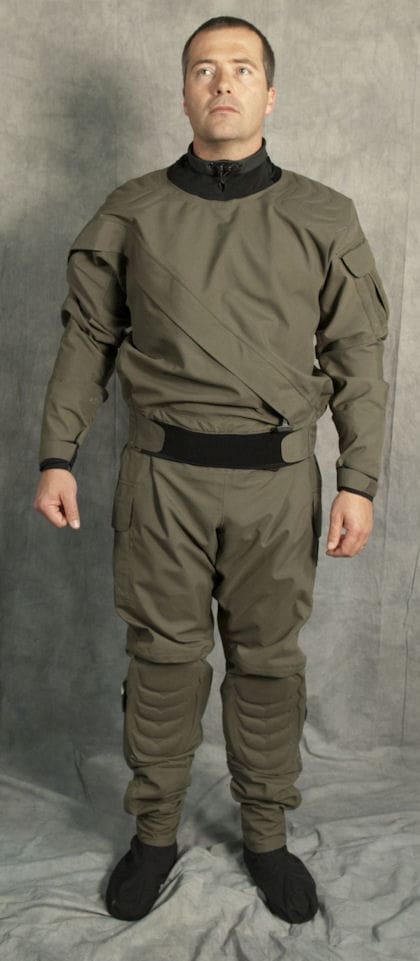
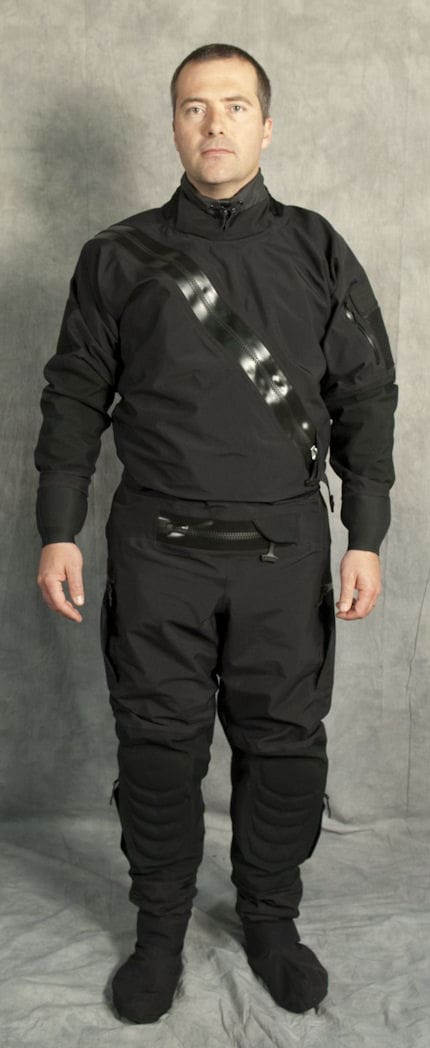
SOCOM is on the hunt for an updated version of their FR Maritime Assault Suit System worn by maritime commandos. In addition, this time they are also looking for a stripped down, lightweight version. Unveiled at SOFIC and displayed at last week’s Warrior Expo, the Mustang Survival MASS was a big hit. They have over 13,000 suits in service with the US military so Mustang Survival built upon their tradition of excellence. Yet, innovation is the key to this new design as they transition from a build to print company to a true solution provider.
Mustang Survival pulled out all of the stops for this project and it even allowed them to do accomplish an update to their sizing system. They found that they had ended up with a couple of different fit blocks based on their various suits. They completely revamped their sizing system and now fit is consistent across the entire line. Additionally, it more accurately fits the modern diver.
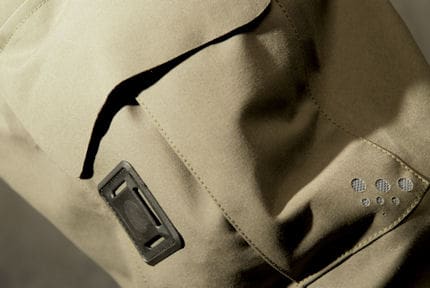
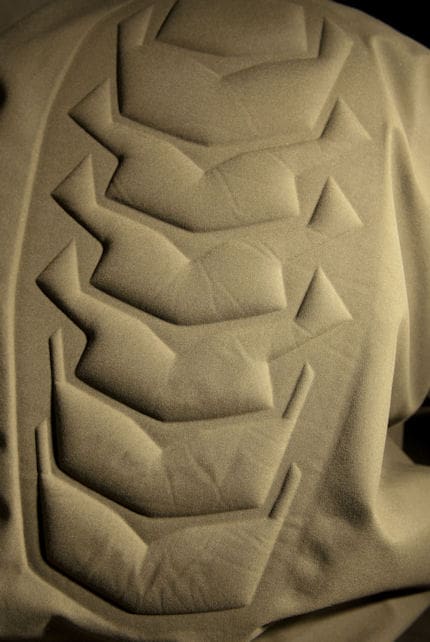
Who says function can’t look good? Features like mesh-backed drain holes for the pockets add not only function but the form enhances the sleek styling of the suit. Additionally, padding has been added to the shoulders, knees and along the spine.
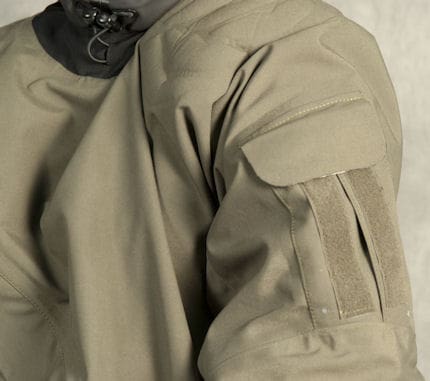
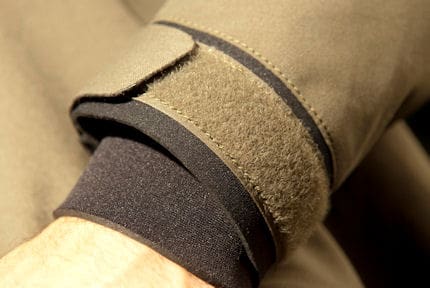
The suit features their patented self adjusting neck seal that unlike others on the market, does not rely on Neoprene and can be opened when dry in order to facilitate venting. Additionally, the suit has an easy-adjust cuff.
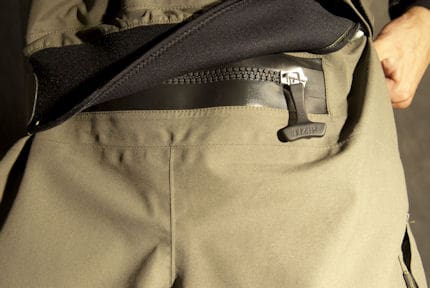
The cummerbund conceals the relief zipper and except for a wee problem with zippers that everyone is experiencing, the Mustang Survival MASS and LMASS is Berry compliant.
While the standard MASS is packed with features, Mustang Survival attacked the task of building a no frills lightweight version of the suit that retained the fit and performance found in the standard variant. Weight was saved through such alterations as eliminating pocket flaps.